The best traffic-free bike rides around Port-La-Nouvelle
4.5
(58)
508
riders
31
rides
Gravel biking around Port-La-Nouvelle offers diverse landscapes, situated between the Mediterranean Sea, inland ponds, and the Corbières massif. The region features a vast coastline with sandy beaches and dunes, alongside a network of lagoons and the UNESCO World Heritage Canal de la Robine. Riders can explore paths through the Corbières garrigue and vineyards, all within the protected Regional Natural Park of Narbonnaise en Méditerranée. This varied terrain provides numerous options for no traffic gravel bike trails.
Best no traffic gravel…
Last updated: October 23, 2026
4.7
(7)
56
riders
35.1km
01:57
30m
30m
Easy gravel ride. Mostly paved surfaces.
4.4
(8)
94
riders
59.2km
03:34
350m
350m
Moderate gravel ride. Good fitness required. Mostly paved surfaces.

5.0
(1)
20
riders
42.7km
03:02
540m
540m
Hard gravel ride. Very good fitness required. Mostly paved surfaces.
5.0
(1)
26
riders
21.1km
01:14
70m
70m
Easy gravel ride. Mostly paved surfaces.
5.0
(2)
12
riders
41.2km
02:45
340m
330m
Moderate gravel ride. Good fitness required. Mostly paved surfaces.
Get access to more routes and recommendations from other explorers.
Already have an account?
Our route recommendations are based on thousands of hikes, rides, and runs completed by other people on komoot.
Start today with a free account
Your next adventure awaits.


Other adventures around Port-La-Nouvelle

Tips from the Community

Beautiful and pleasant gravel trail between the canal, the pond and the sea.
0
0

Impressive fortress from the end of the 15th century, when all of Catalonia still belonged to Spain. Here, 1500 people could withstand sieges lasting weeks; everything needed to survive longer sieges was within the fortress.
0
0

A very scenic route between the waters, which is better avoided in rain or on wet ground.
0
0

At the end of the island of Saint-Martin, on the edge of the Ayrolle pond, a few huts grouped around a small harbor form a surprising fishing village. Far from the hustle and bustle of the tourist coast, the place has retained a vocation directly linked to the pond: Gruissan fishermen still practice traditional fishing there and sell part of their catch directly.
3
0
On the edge of the Ayrolle pond, a few huts grouped around a small harbor form an astonishing fishing village. Far from the hustle and bustle of the tourist coast, the place has retained a vocation directly linked to the pond: fishermen from Gruissan still practice traditional fishing there and sell part of their catch directly.
3
0
The Salins de Saint-Martin are a remarkable example of a landscape shaped by salt exploitation. Salt marshes have been attested in Gruissan since the Middle Ages, but the current facilities were established at the beginning of the 20th century: the Société des salins de l’île Saint-Martin was created in 1911-1912. For several decades, the salt activity supported many families from Gruissan.
3
0
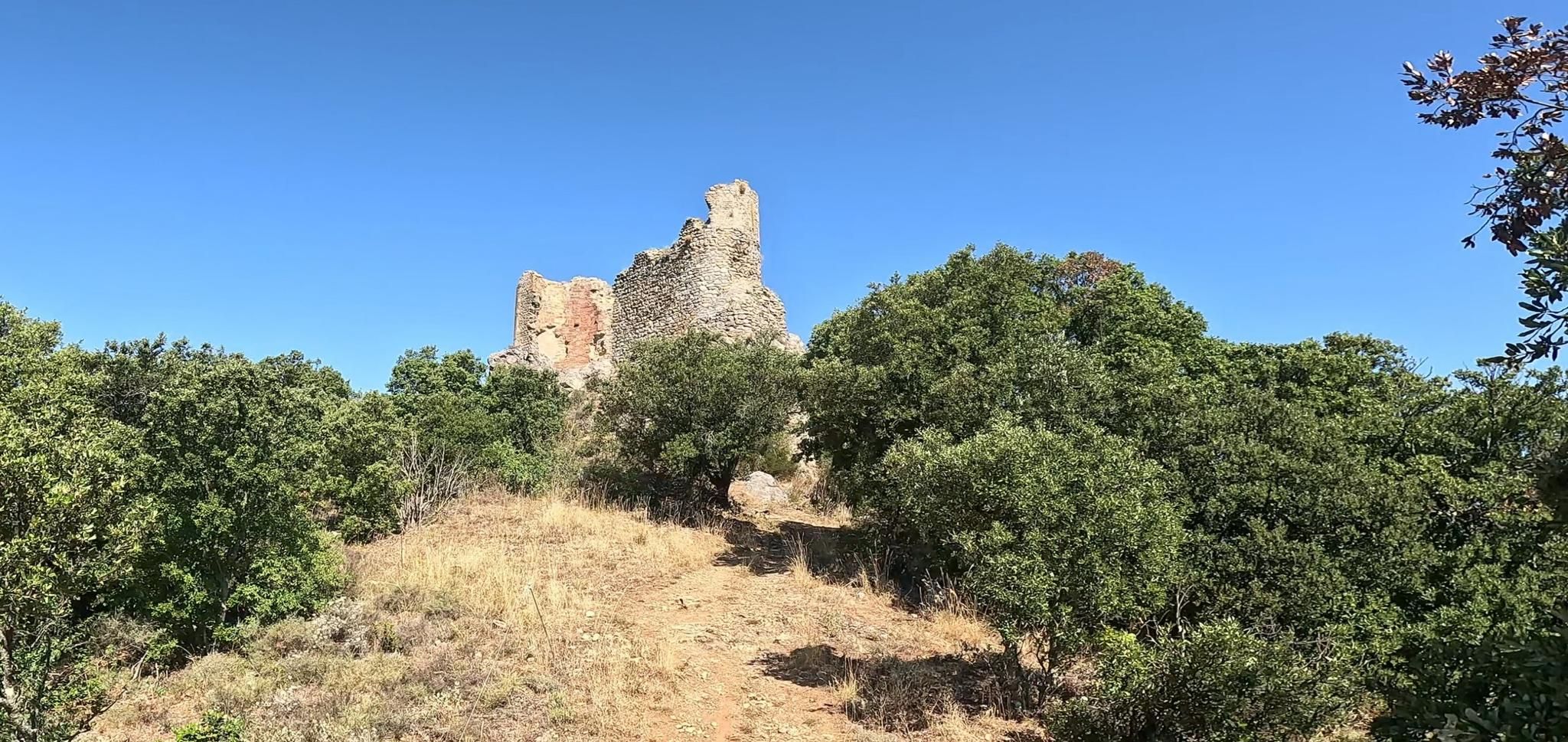
Dominating the old village, the Tour Barberousse is the main vestige of the former fortified castle of Gruissan. A first fortification is attested as early as 1084, but the current tower belongs to the development of the castle in the 13th century: a document from 1247 mentions the construction of a tower near the entrance, which would be the one preserved today. The name "Barberousse" is, however, more recent and its origin remains uncertain. One should not see in it the trace of a passage of the famous Ottoman corsair Khayr ad-Dîn Barberousse, who died in 1546, long after the construction of the tower. The Heritage Inventory rather suggests a possible confusion with Gaspard Dot, known as "Barbe Roussette" or "Barberousse", a corsair active in the Gulf of Lion at the end of the 16th century.
2
0
Here, we reach the spot where the Canal Sainte-Marie flows into the Gruissan pond. The waters of the canal then mix with those of the lagoon, which have a higher salinity due to the exchange with the sea. On the other side of the pond, the Barberousse Tower reveals itself on its limestone promontory. Built between 1245 and 1247 by the Archbishop of Narbonne, Guillaume de Broa, this tower is the main remnant of the medieval castle that guarded the maritime access to the Narbonne area.
3
0
Frequently Asked Questions
How many traffic-free gravel bike trails are available around Port-La-Nouvelle?
There are over 30 dedicated traffic-free gravel bike routes around Port-La-Nouvelle, offering a wide range of options for all skill levels. These routes are designed to keep you away from vehicle traffic, allowing for a more peaceful and immersive experience.
What kind of terrain can I expect on these traffic-free gravel routes?
The traffic-free gravel routes in Port-La-Nouvelle offer a diverse mix of terrain. You'll find paths along the Mediterranean coastline, tranquil trails around inland ponds and lagoons like the Bages-Sigean lagoon, and sections along the historic Canal de la Robine. Some routes also venture into the Corbières garrigue and vineyards, providing varied surfaces from compacted earth to gravel tracks.
Are there options for different fitness levels on the traffic-free gravel trails?
Yes, the area caters to all fitness levels. You can find 13 easy routes perfect for a relaxed ride, 16 moderate routes for those seeking a bit more challenge, and 3 difficult routes for experienced gravel bikers looking for significant elevation gains and longer distances. For example, the Ayrolle Pond – Gruissan Lagoon loop from Port-la-Nouvelle is an easy option, while the Leucate Lighthouse – Salses Fortress loop from Leucate-La Franqui offers a moderate challenge.
What natural features or landmarks can I discover along the traffic-free gravel bike trails?
Many traffic-free gravel routes will take you past stunning natural features and landmarks. You can explore the serene Gruissan Lagoon, cycle near the dramatic Leucate cliffs, or pass by the iconic Cap Leucate Lighthouse. The Île Sainte Lucie Regional Nature Reserve also offers unique landscapes of forests, lagoons, and salt pans, often accessible by bike paths.
What is the best time of year to enjoy traffic-free gravel biking in Port-La-Nouvelle?
The best time for traffic-free gravel biking in Port-La-Nouvelle is typically during spring (April to June) and autumn (September to October). During these seasons, the weather is pleasantly mild, and the natural landscapes are vibrant. Summer can be very warm, especially inland, while winter can bring cooler temperatures and occasional strong winds, though many coastal routes remain rideable year-round.
Are there family-friendly traffic-free gravel routes suitable for children?
Absolutely. Many of the easy routes, particularly those along the Canal de la Robine or around the Ayrolles ponds, are relatively flat and traffic-free, making them ideal for families with children. These paths offer safe and enjoyable cycling experiences with plenty of scenic stops.
Can I bring my dog on these traffic-free gravel bike trails?
While many natural areas in Port-La-Nouvelle are dog-friendly, it's essential to keep your dog on a leash, especially in nature reserves like Île Sainte Lucie, to protect local wildlife. Always check specific regulations for each trail or protected area you plan to visit, as rules can vary. Ensure your dog is comfortable with the distance and terrain.
Where can I park my car when starting a traffic-free gravel bike tour?
Parking is generally available in Port-La-Nouvelle town center and near popular access points to the Canal de la Robine or the coastal paths. For routes starting further afield, look for designated parking areas near lagoons or trailheads. Always check local signage for any parking restrictions or fees.
Which traffic-free gravel routes offer the most scenic views?
For breathtaking views, consider routes that hug the coastline or loop around the lagoons. The View of Leucate – Leucate Lighthouse loop from Roquefort-des-Corbières offers stunning vistas of the Mediterranean and the Leucate cliffs. Routes around the Bages-Sigean lagoon also provide picturesque scenery with diverse birdlife and tranquil waters.
What do other gravel bikers enjoy the most about gravel biking in Port-La-Nouvelle?
The area is highly rated by the komoot community, with an average score of 4.59 stars. Reviewers often praise the incredible diversity of landscapes, from coastal paths to tranquil lagoon-side trails and the peaceful, traffic-free nature of many routes. The opportunity to explore protected natural parks and historical canals on two wheels is frequently highlighted as a major draw.
Are there any specific regulations or permits needed for gravel biking in the Regional Natural Park of Narbonnaise en Méditerranée?
Generally, no specific permits are required for cycling on marked trails within the Regional Natural Park of Narbonnaise en Méditerranée. However, it's crucial to respect the park's rules, such as staying on designated paths, not disturbing wildlife, and carrying out all litter. Some very sensitive areas, like parts of the Île Sainte Lucie, might have restricted access or require guided tours, so it's always good to check locally.
Most popular routes around Port-La-Nouvelle
Most popular attractions around Port-La-Nouvelle

Get inspired with the komoot mobile app


Explore more
Browse the best Gravel rides in other regions.
