The best traffic-free bike rides around Quézac
4.2
(43)
1,392
riders
20
rides
No traffic road cycling routes around Quézac are characterized by the dramatic landscapes of the Gorges du Tarn and the expansive limestone plateaus of the Causse Méjean. The region offers a diverse cycling experience, with routes following river valleys, featuring tunnels and limestone walls, alongside challenging climbs onto the surrounding causses. This varied terrain provides options ranging from less strenuous rides along the Tarn River to significant ascents with notable elevation changes.
Best no traffic road cycling routes around Quézac
…Last updated: July 20, 2026
21
riders
48.9km
02:40
840m
840m
Moderate road ride. Good fitness required. Mostly well-paved surfaces and easy to ride.
37
riders
62.2km
03:06
980m
980m
Hard road ride. Very good fitness required. Mostly well-paved surfaces and easy to ride.

Sign up for free
4.0
(2)
11
riders
50.6km
02:26
730m
730m
Moderate road ride. Good fitness required. Mostly well-paved surfaces and easy to ride.
4.0
(1)
5
riders
41.6km
02:06
700m
700m
Moderate road ride. Good fitness required. Mostly well-paved surfaces and easy to ride.
5
riders
24.4km
01:19
410m
410m
Moderate road ride. Good fitness required. Mostly well-paved surfaces and easy to ride.
Get access to more routes and recommendations from other explorers.
Sign up for free
Already have an account?
Our route recommendations are based on thousands of hikes, rides, and runs completed by other people on komoot.
Start today with a free account
Your next adventure awaits.
Login or Signup
Popular around Quézac
Tips from the Community

Many centuries ago, our ancestors discovered the possibility of harnessing the power of the elements - which on the one hand could be helpful and useful, but on the other hand could also be a threat as untamed forces of nature - for various purposes and thus be able to do without human or animal muscle power. Mills like these are a good example of the human engineering skills of earlier generations: the heavy millstones used to grind grain into corn or press oil, for example, could be powered by the wind or - as here - water.
0
0

Beautiful asphalt road, in the Rance valley, between Saint-Étienne-de-Maurs and Roannes-Saint-Mary. Numerous signs, intended for cyclists, announcing the difference in altitude have been installed on the shoulders. In the fall, watch out for chestnuts on the road!
0
0
Small town of Marcolès with character. It has the particularity of hosting the international cycling criterium every year at the beginning of August.
1
0

A nice village and good for a break with a delicious snack.
1
0

The mill of Entraygues is a watermill dating from the end of the 16th century. Intended to produce walnut oil and flour, it played a key role for the local economy. In 1970, the mill stopped working, although you can organize a visit to discover all the secrets of this architectural nugget.
1
0
Saint-Césaire Abbey is located in the heart of Maurs, a commune in Cantal, France. Dating from the 10th century, this building was repeatedly destroyed and rebuilt. The oldest parts of the current building date from the 15th and 16th centuries. You can find there the reliquary bust of Saint Césaire, the patron saint of this church.
1
0
Saint-Santin and Saint-Santin-de-Maurs are on either side of the border between Cantal and Aveyron. Separated by the Route du Théron, the two churches face each other, offering a double opportunity to admire these architectural and historical gems.
1
1

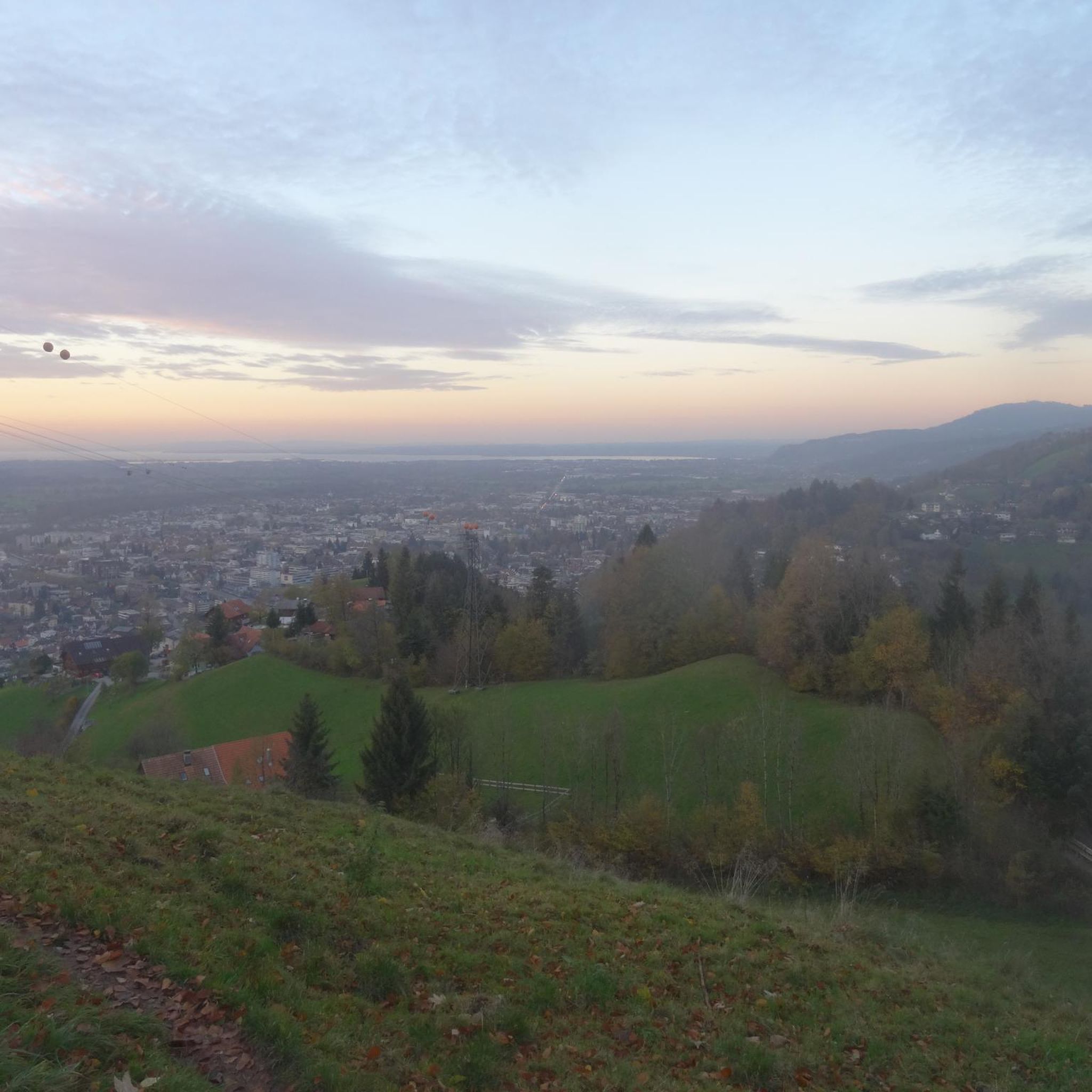
Between Las Fourques and Lestrade on the Route du Plateau there is a very beautiful view of the landscape of Cantal and the neighboring department of Aveyron.
0
0
Frequently Asked Questions
How many no traffic road cycling routes are available around Quézac?
There are over 20 dedicated no traffic road cycling routes around Quézac, offering a variety of experiences from easy to difficult. The region, particularly the Lozère department, is known for its unspoiled landscapes and minimal traffic, making it ideal for road cycling.
What kind of terrain can I expect on no traffic road cycling routes near Quézac?
The terrain around Quézac is incredibly diverse. You'll find routes along the dramatic Gorges du Tarn, often following the river with stunning views and limestone walls. These sections can be relatively flat or include challenging climbs out of the gorge onto the expansive plateaus like the Causse Méjean. Expect significant elevation changes, with some ascents reaching gradients of 7-12%, offering a mix of leisurely rides and demanding climbs.
Are there any easy, no traffic road cycling routes suitable for beginners around Quézac?
Yes, while many routes involve significant climbs, there is at least one easy no traffic road cycling route available. Look for routes that stick closer to the river valleys within the Gorges du Tarn, as these tend to have less strenuous sections. For example, some parts of the Gorges du Tarn offer less strenuous rides, providing a good starting point for beginners.
What are some notable landmarks or points of interest I can see along these traffic-free routes?
Many routes pass by interesting landmarks. You might encounter the picturesque village of Castelbouc with its cave dwellings, or the 12th-century Saint-Césaire Abbey Church. On the plateaus, you could discover prehistoric sites like the Dolmen at Col de la Pierre Plate. The village of Quézac itself is known for its naturally sparkling mineral water from the Diva spring, offering a unique local feature and a refreshing stop.
What do other road cyclists enjoy most about no traffic road cycling in Quézac?
The no traffic road cycling routes around Quézac are highly rated by the komoot community, with an average score of 4.2 stars from 47 reviews. Cyclists often praise the stunning, quiet landscapes of the Gorges du Tarn and the vast, open spaces of the Causses, as well as the sense of solitude and the diverse cycling experiences offered by the varied terrain.
Are there any circular no traffic road cycling routes available?
Yes, many of the no traffic road cycling routes around Quézac are designed as loops, allowing you to start and finish in the same location. An example is the Côte de l'Enseigne par Marcolès et les plateaux - loop, which offers a moderate challenge. Another option is the more difficult Saint-Césaire Abbey Church loop from Saint-Cirgues.
What is the best season for no traffic road cycling in Quézac?
The region is generally pleasant for cycling from spring through autumn. Spring offers lush greenery and comfortable temperatures, while autumn provides beautiful foliage. Summer can be warm, especially in the gorges, but the higher plateaus like the Causse Méjean can offer cooler air. Always check local weather forecasts before heading out.
Are there any challenging no traffic road cycling routes for experienced cyclists?
Absolutely. The region offers several difficult no traffic road cycling routes with significant elevation gains. For instance, the Moulin d'Entraygues – Côte de l'Enseigne loop from Maurs is a challenging option, covering over 83 km with more than 1100 meters of ascent. These routes often climb out of the gorges onto the high plateaus, providing demanding ascents and rewarding views.
Where can I find amenities like cafes or accommodation along these traffic-free routes?
While many routes offer a sense of solitude, towns like Sainte-Enimie, classified as one of France's most beautiful villages, and Florac-Trois-Rivières serve as excellent hubs. These towns provide amenities such as cafes, restaurants, and accommodation, making them ideal starting points or rest stops for your cycling adventures. Quézac itself also offers local features.
Is it possible to combine no traffic road cycling with exploring the Gorges du Tarn?
Yes, many no traffic road cycling routes are specifically designed to showcase the Gorges du Tarn. You can cycle along the river, experiencing the stunning views and dramatic limestone cliffs. Some routes also ascend from the gorge onto the surrounding plateaus, offering panoramic vistas of the canyon. The south side of the gorge is often noted for lighter traffic, enhancing the cycling experience.
Are there any specific attractions like Moulin d'Entraygues or Côte de l'Enseigne that can be included in a no traffic road cycling tour?
Yes, several routes incorporate these points of interest. For example, the Moulin d'Entraygues – Côte de l'Enseigne loop from Maurs directly features both the Moulin d'Entraygues and Côte de l'Enseigne. These highlights offer scenic stops and add cultural or natural interest to your ride.
Most popular attractions around Quézac

Get inspired with the komoot mobile app


Explore more
Browse the best Road cycling routes in other regions.
