The best traffic-free bike rides around Poggio-Mezzana
4.6
(279)
2,190
riders
40
rides
Touring cycling around Poggio-Mezzana offers diverse landscapes, transitioning from coastal areas to inland hills and mountains. Situated at an altitude of 320 meters, the region provides panoramic views of the eastern coastline and the Tyrrhenian Sea. The terrain is characterized by hills and mountains, ensuring varied and engaging rides. This area encompasses sandy beaches and mountainous regions, providing a range of environments for exploration.
Best no traffic touring cycling routes around Poggio-Mezzana
- The most popular no traffic touring cycling route…
Last updated: May 9, 2026
4.6
(9)
25
riders
16.7km
01:13
350m
350m
Moderate bike ride. Good fitness required. Mostly paved surfaces. Suitable for all skill levels.
3.6
(7)
66
riders
15.8km
01:07
50m
50m
Easy bike ride. Great for any fitness level. Mostly paved surfaces. Suitable for all skill levels.

Sign up for free
4.3
(3)
21
riders
Hard bike ride. Very good fitness required. Mostly paved surfaces. Suitable for all skill levels.
4.0
(2)
16
riders
19.9km
01:34
550m
550m
Hard bike ride. Very good fitness required. Mostly paved surfaces. Suitable for all skill levels.
3.3
(3)
11
riders
13.7km
00:54
180m
180m
Moderate bike ride. Good fitness required. Mostly paved surfaces. Suitable for all skill levels.
Get access to more routes and recommendations from other explorers.
Sign up for free
Already have an account?
Our route recommendations are based on thousands of hikes, rides, and runs completed by other people on komoot.
Start today with a free account
Your next adventure awaits.
Login or Signup
Popular around Poggio-Mezzana
Tips from the Community

A supporter of Sporting Club de Bastia lives in this neighborhood.... and makes it known!!
0
0

I confirm it's a good alternative to the national road which is very dangerous: bridge and anti-cycling facilities 😩😩😫 Crossed in August and September completely dry🚴♀️🚴🏻♂️🚴♀️🚴🏻♂️
0
0

This church is one of the Baroque buildings found in Corsica. It is recognizable from afar with its distinctive bell tower, visible amidst the natural forest setting of the Costa Verde massif.
0
0
This superb climb takes you on a series of switchbacks offering alternating views of the sea and shaded sections under the cover of vegetation. You're in for a treat! The surface is also perfect.
0
0
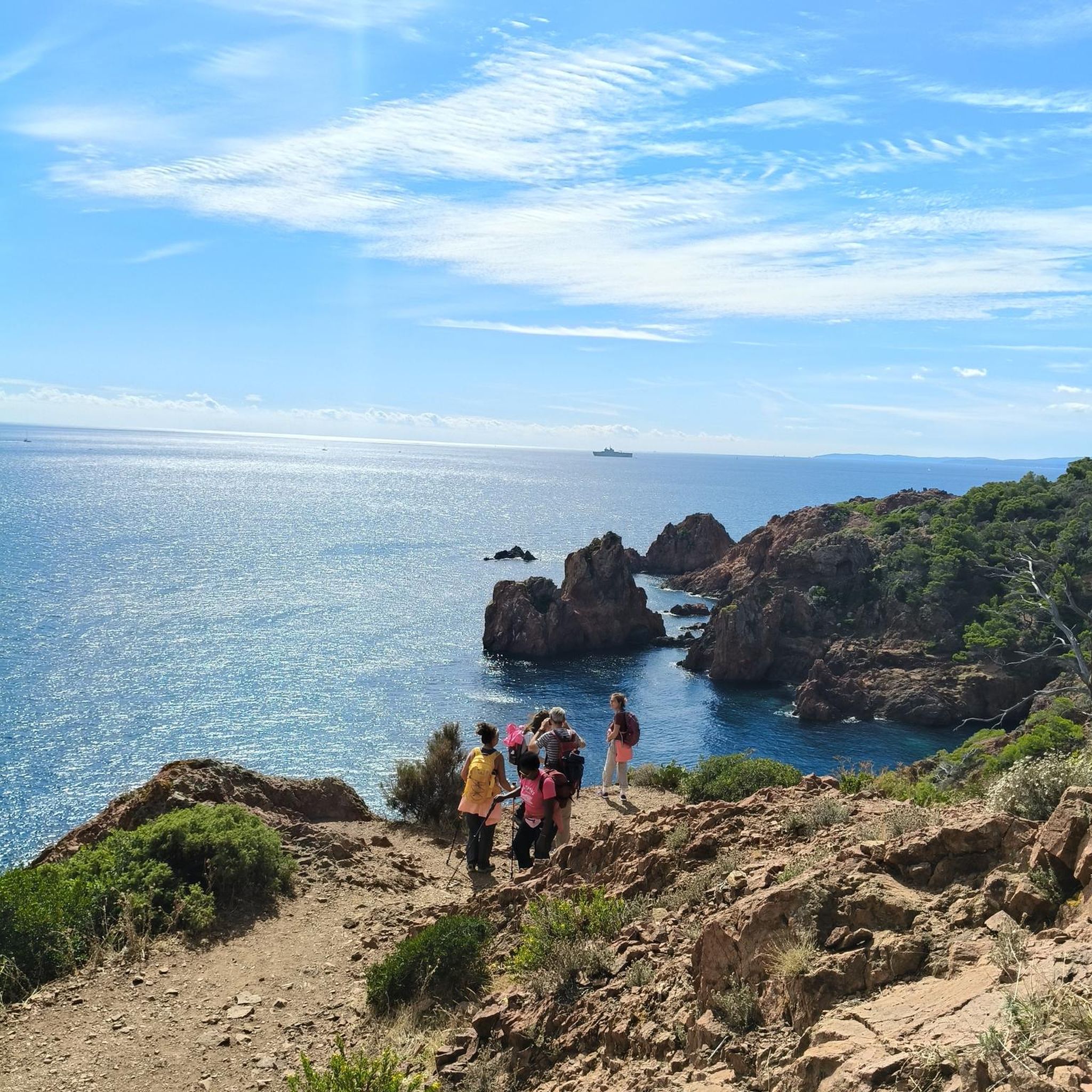
This beautiful trail runs along the coast through a beautiful corridor of boxwood and flowering vegetation. A great section to warm up before tackling the heights of the Costa Verde.
0
0
This 6km route allows you to avoid the national road 😁😁😁
0
0

The church was begun at the beginning of the seventeenth century and completed in 1717. In 1740, embellishment works were carried out. The wall paintings were painted by Luigi Pollero in 1810. The main façade consists of two levels delimited by cornices and surmounted by a triangular pediment with three acroteria. On the first level, on either side of the portal, there are two niches that house the statues of Saint Nicholas and Saint Peter. The church ends in a semicircular apse. The bell tower rises at the junction of the apse and the right side façade. It has five floors that end in a dome surmounted by a cross. The interior consists of a nave and five richly decorated side chapels. On either side of the altar there are caryatid angels. Building dating from the first quarter of the 17th century (?), mentioned in the report of the pastoral visit of Msgr. Marliani, Bishop of Mariana and Accia, in 1646. It was restored in 1686 with the collaboration of master masons Lorenzo Chiglione and Giovanni Filippi. Rebuilt in 1717 and 1740. Main door dating from 1766. Painted decoration (investigated in the Palissy database) carried out by the painter Luigi Polleri in 1810, as shown by the date on the inside of the building. Restored in 1896.
1
0
The church was begun at the beginning of the seventeenth century and completed in 1717. In 1740, embellishment works were carried out. The wall paintings were painted by Luigi Pollero in 1810. The main façade consists of two levels delimited by cornices and surmounted by a triangular pediment with three acroteria. On the first level, on either side of the portal, there are two niches that house the statues of Saint Nicholas and Saint Peter. The church ends in a semicircular apse. The bell tower rises at the junction of the apse and the right side façade. It has five floors that end in a dome surmounted by a cross. The interior consists of a nave and five richly decorated side chapels. On either side of the altar there are caryatid angels. Building dating from the first quarter of the 17th century (?), mentioned in the report of the pastoral visit of Msgr. Marliani, Bishop of Mariana and Accia, in 1646. It was restored in 1686 with the collaboration of master masons Lorenzo Chiglione and Giovanni Filippi. Rebuilt in 1717 and 1740. Main door dating from 1766. Painted decoration (investigated in the Palissy database) carried out by the painter Luigi Polleri in 1810, as shown by the date on the inside of the building. Restored in 1896.
1
0
Frequently Asked Questions
How many no-traffic touring cycling routes are available around Poggio-Mezzana?
There are over 40 dedicated no-traffic touring cycling routes around Poggio-Mezzana. These routes cater to various fitness levels, with a good mix of easy, moderate, and difficult options to explore the region's diverse landscapes.
What kind of terrain can I expect on the no-traffic touring cycling routes in Poggio-Mezzana?
The terrain around Poggio-Mezzana is quite varied. You'll find well-paved surfaces on many routes, especially those closer to the coast. However, some more challenging routes, particularly those venturing into the hills and mountains, may include unpaved segments. Expect significant elevation gains on many rides, offering breathtaking panoramic views of the eastern coastline and the Tyrrhenian Sea.
Are there any easy, family-friendly no-traffic cycling routes in the area?
Yes, there are several easy routes suitable for families. For a gentle ride with minimal elevation, consider the Prunete - Caravelle – Spassiverde Greenway loop from Santa-Lucia-di-Moriani, which covers about 18 kilometers with very little climbing. This route offers a pleasant experience through coastal green spaces.
Can I find circular no-traffic touring cycling routes around Poggio-Mezzana?
Many of the no-traffic touring cycling routes in Poggio-Mezzana are designed as loops, allowing you to start and end in the same location. Examples include the challenging Fontana – Ucelluline Waterfall loop from Santa-Lucia-di-Moriani or the moderate Saint-Jean-Baptiste Church loop from Levole Sottane, providing varied distances and elevation profiles.
What natural features or landmarks can I see along the no-traffic cycling routes?
The routes often pass by stunning natural features and historical landmarks. You can cycle towards impressive waterfalls like the Ucelluline Waterfall, known for its cascades in a gorge-like valley, or the serene Bucatoggio Waterfall with its small lake. Historical sites such as the Genoese bridge are also accessible, often nestled in picturesque forest settings.
Are there any routes that feature waterfalls?
Absolutely. Several routes incorporate the region's beautiful waterfalls. For instance, the Ucelluline Waterfall – Fontana loop from Levole Sottane is a challenging ride that takes you past the notable Ucelluline Waterfall, offering magnificent views along the way.
What is the best time of year for touring cycling in Poggio-Mezzana?
The spring and autumn months generally offer the most pleasant conditions for touring cycling in Poggio-Mezzana. The weather is typically milder, and the landscapes are vibrant. Summer can be quite warm, especially for routes with significant climbs, while winter might bring cooler temperatures and potentially more unpredictable weather in the mountainous areas.
What do other touring cyclists enjoy most about the routes in Poggio-Mezzana?
The touring cycling routes in Poggio-Mezzana are highly rated by the komoot community, with an average score of 4.6 stars from over 330 ratings. Cyclists frequently praise the stunning coastal vistas, the challenging yet rewarding climbs, and the authentic charm of the traditional Corsican hamlets encountered along the way. The sense of escaping traffic and immersing oneself in nature is a common highlight.
Are there any moderate no-traffic touring cycling routes for intermediate riders?
Yes, intermediate riders will find several moderate routes. The San Nicolao Church – Fontana loop from Santa-Lucia-di-Moriani is a good option, covering about 12 kilometers with a moderate elevation gain, allowing you to enjoy the scenery without extreme demands.
What kind of views can I expect on these no-traffic routes?
Poggio-Mezzana, situated at an altitude of 320 meters, offers sweeping panoramic views. On these routes, you can expect breathtaking vistas of the eastern coastline and the Tyrrhenian Sea, especially from higher elevations. Inland, you'll encounter picturesque scenery of traditional Corsican hamlets, lush green spaces, and rugged mountainous terrain.
Are there any historical sites to visit along the no-traffic cycling routes?
Yes, the region is rich in history. You can visit traditional hamlets like Renoso, Mezzana, Poggio, Pianella, and E Murelle, which feature typical Corsican architecture. The Genoese bridge is another notable historical site, set in a picturesque forest location, offering a glimpse into the island's past.
Most popular routes around Poggio-Mezzana
Most popular attractions around Poggio-Mezzana

Get inspired with the komoot mobile app


Explore more
Browse the best Cycling routes in other regions.
