The best traffic-free bike rides around Liéramont
4.0
(9)
314
riders
36
rides
No traffic road cycling routes around Liéramont traverse a region characterized by gentle terrain, expansive agricultural landscapes, and serene river valleys. Situated in the Somme department, the area features low elevation changes, making it suitable for various cycling abilities. Cyclists can expect quiet roads winding through cultivated fields, meadows, and past historical World War I sites. The landscape offers a mix of rural charm and natural features, including the Ancre River valley.
Best no traffic road cycling routes around Liéramont
…Last updated: May 10, 2026
30
riders
36.0km
01:31
240m
240m
Easy road ride. Great for any fitness level. Mostly well-paved surfaces and easy to ride.
18
riders
83.9km
03:46
420m
420m
Moderate road ride. Good fitness required. Some segments of this route may be unpaved and difficult to ride.

Sign up for free
10
riders
48.3km
02:04
370m
370m
Moderate road ride. Good fitness required. Mostly well-paved surfaces and easy to ride.
8
riders
58.8km
02:25
310m
310m
Moderate road ride. Good fitness required. Mostly well-paved surfaces and easy to ride.
4
riders
51.0km
02:09
400m
400m
Moderate road ride. Good fitness required. Mostly well-paved surfaces and easy to ride.
Get access to more routes and recommendations from other explorers.
Sign up for free
Already have an account?
Our route recommendations are based on thousands of hikes, rides, and runs completed by other people on komoot.
Start today with a free account
Your next adventure awaits.
Login or Signup
Popular around Liéramont

Tips from the Community

The Tour Saint-Fiacre, also known as the Tour des Sottes, is a historic tower in Cambrai. The tower is part of the old city walls of Cambrai and was built in the 14th century. The name "Tour des Sottes" comes from a nearby women's asylum in the 19th century. The tower has retained its Cambrésis stone structure up to the foot of the terrace, while the sandstone base is now buried.
9
0
The Porte de Paris in Cambrai is a historic city gate built in the 14th century as part of the city's defensive wall. The gate is known for its Gothic architecture and has a strategic location at the southern entrance to the city. The gate was originally known as the Porte du Saint-Sépulcre.
9
0
This Cistercian abbey was founded in 1132 by Bernard of Clairvaux and grew into a large and influential community within a century. Royal armies camped there as in a fortress and Charles V signed peace with Henry II in 1556. In addition to the sick and outcasts, travellers and pilgrims also found shelter in the hospital. The largest abbey church in Europe stood here with an extraordinary length of 135 metres. On feast days, 3000 meals were provided to the needy in the wide area. After the French Revolution, it was declared national property and an inglorious end followed as an open-air quarry. Now, restored parts remain, such as the abbot's palace with the dormitories and monks' halls with the chapter house next to it. The 7-hectare abbey park is being restored to its former glory. Open March to November (Tue-Sat 10am-12pm and 2pm-5.30pm, Sun 3pm-6.30pm, closed Mondays).
1
0
The Romanesque tower, seemingly lost along the road, was once part of a huge fortification wall, 7 kilometres long and 5 to 6 metres high, built between 1204 and 1238 around the area of Vaucelles. In the 15th century, it was provided with 8 towers, but demolished in 1550 for the construction of the fortifications of Cambrai.
1
0
Saint-Pierre Church, rebuilt from 1928 to 1932 by the architect Louis Faille, originally from Nurlu. The Stations of the Cross, the mosaic of the high altar and the stained glass windows (twenty-one windows) are the work of Gérard Ansart. The stained glass windows were made by the Cagnart workshop in 1932. The church has organs that have been highlighted by the Association of Friends of the Organs of Péronne, Moislains and Epehy (ADOPME) since 2008.
5
0

Parts of this gigantic abbey are interesting to visit. The church has disappeared but must have been enormous. Beautiful garden and shop with, among other things, abbey beer.
1
0

Explore this trail through the forest and cross the Omignon River for a mini-adventure.
4
0
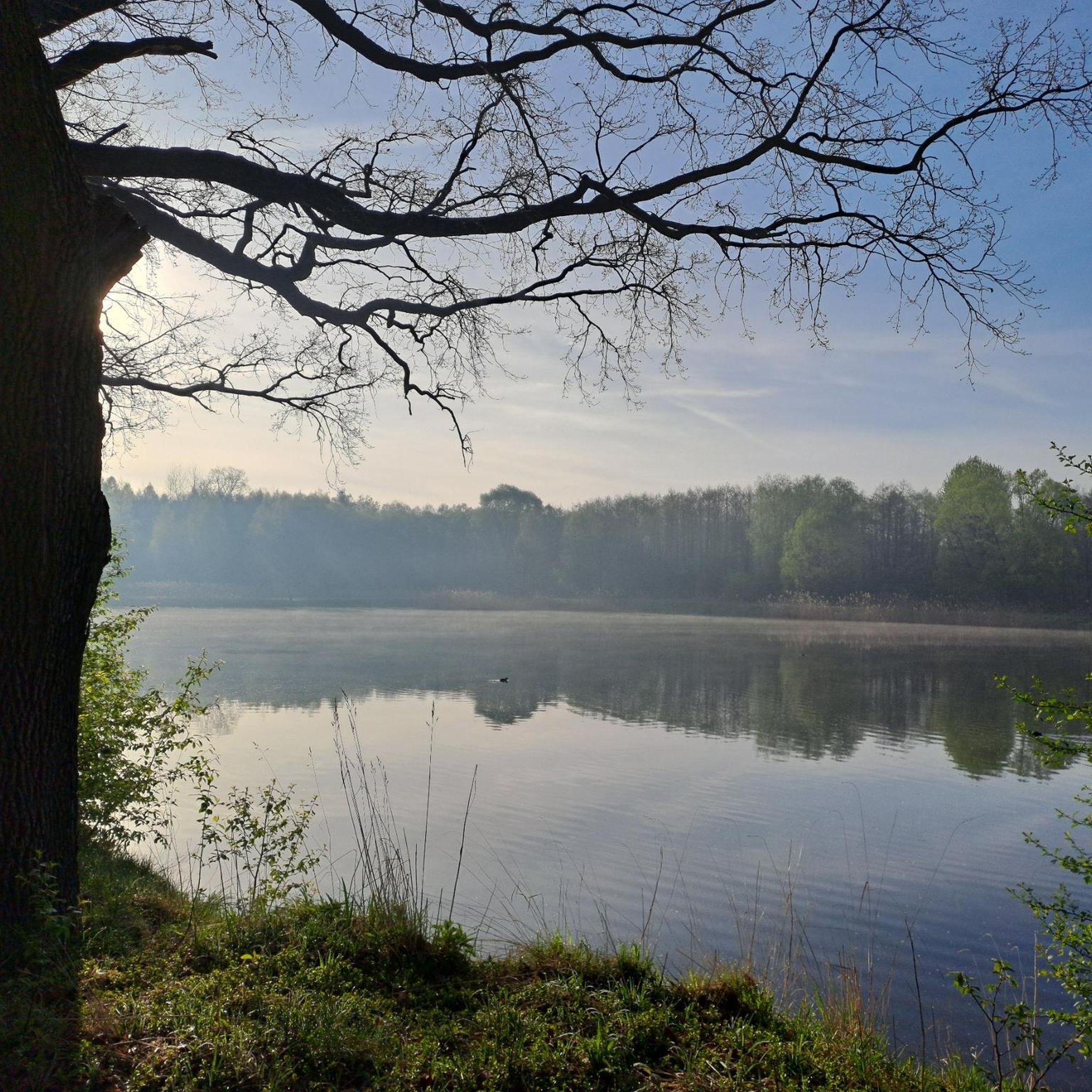
If you are on your bike for a long-distance cycling trip, this scene is wonderful.
2
0
Frequently Asked Questions
How many no traffic road cycling routes are available around Liéramont?
There are over 30 dedicated no traffic road cycling routes around Liéramont. These routes are designed to offer a peaceful cycling experience through the gentle terrain of the Somme department.
What is the typical terrain and elevation like on these routes?
The terrain around Liéramont is characterized by mostly flat or gently undulating landscapes, with altitudes ranging from 113m to 152m. This makes the routes accessible for cyclists of varying skill levels, offering pleasant rides through agricultural fields and river valleys with low elevation changes.
Are there easy no traffic road cycling routes for beginners or families?
Yes, Liéramont offers 7 easy no traffic road cycling routes, perfect for beginners or family outings. An example is the Château d'Happlincourt – Château de Péronne loop from Buire-Courcelles, which covers about 32 km with minimal elevation gain.
What kind of natural features can I expect to see along the routes?
You'll cycle through serene agricultural landscapes, expansive cultivated fields, and peaceful meadows. Many routes also follow picturesque river valleys, such as the Ancre River, providing varied natural environments and scenic backdrops.
Are there any historical landmarks or attractions along the no traffic road cycling routes?
Yes, the Somme department is rich in World War I history. While cycling, you can explore significant sites. For example, the Nice little passage – Museum of the english tanks loop from Gouzeaucourt passes near historical points. You can also visit attractions like the Château de Péronne or the Historial of the Great War – Château de Péronne, which are accessible from some routes.
What do other road cyclists enjoy most about cycling in Liéramont?
The area is highly rated by the komoot community, with an average score of 4.0 stars. Reviewers often praise the quiet roads, the gentle terrain ideal for relaxed rides, and the scenic agricultural landscapes that offer a peaceful escape from traffic.
Are there any longer, more challenging no traffic road cycling routes?
Yes, for those seeking a longer ride, there are 26 moderate routes and 1 difficult route. The Forest road loop from Roisel is a moderate option covering over 72 km, offering a good distance while maintaining a traffic-free experience.
Can I find circular no traffic road cycling routes around Liéramont?
Many of the routes around Liéramont are designed as loops, allowing you to start and end your ride in the same location. An example is the Tour de l'Échauguette – Vaucelles Abbey loop from Villers-Faucon, a moderate 48 km ride.
What is the best time of year to go no traffic road cycling in Liéramont?
The gentle terrain and agricultural landscapes make Liéramont enjoyable for cycling throughout much of the year. Spring and autumn offer pleasant temperatures and beautiful scenery, while summer provides longer daylight hours. Always check local weather conditions before heading out.
Are there viewpoints or scenic spots along the no traffic routes?
While specific named viewpoints are not highlighted, the entire region offers scenic beauty with its expansive agricultural fields, quiet rural roads, and river valleys. Cycling through these areas provides continuous picturesque backdrops, especially during sunrise or sunset.
Is there parking available near the starting points of these routes?
As the routes often start from charming villages or rural areas, parking is generally available in or near these communities. It's advisable to check the specific starting point of your chosen route for the most convenient parking options.
Most popular attractions around Liéramont

Get inspired with the komoot mobile app


Explore more
Browse the best Road cycling routes in other regions.
