The best traffic-free bike rides around Guimarães
5.0
(1)
19
riders
2
rides
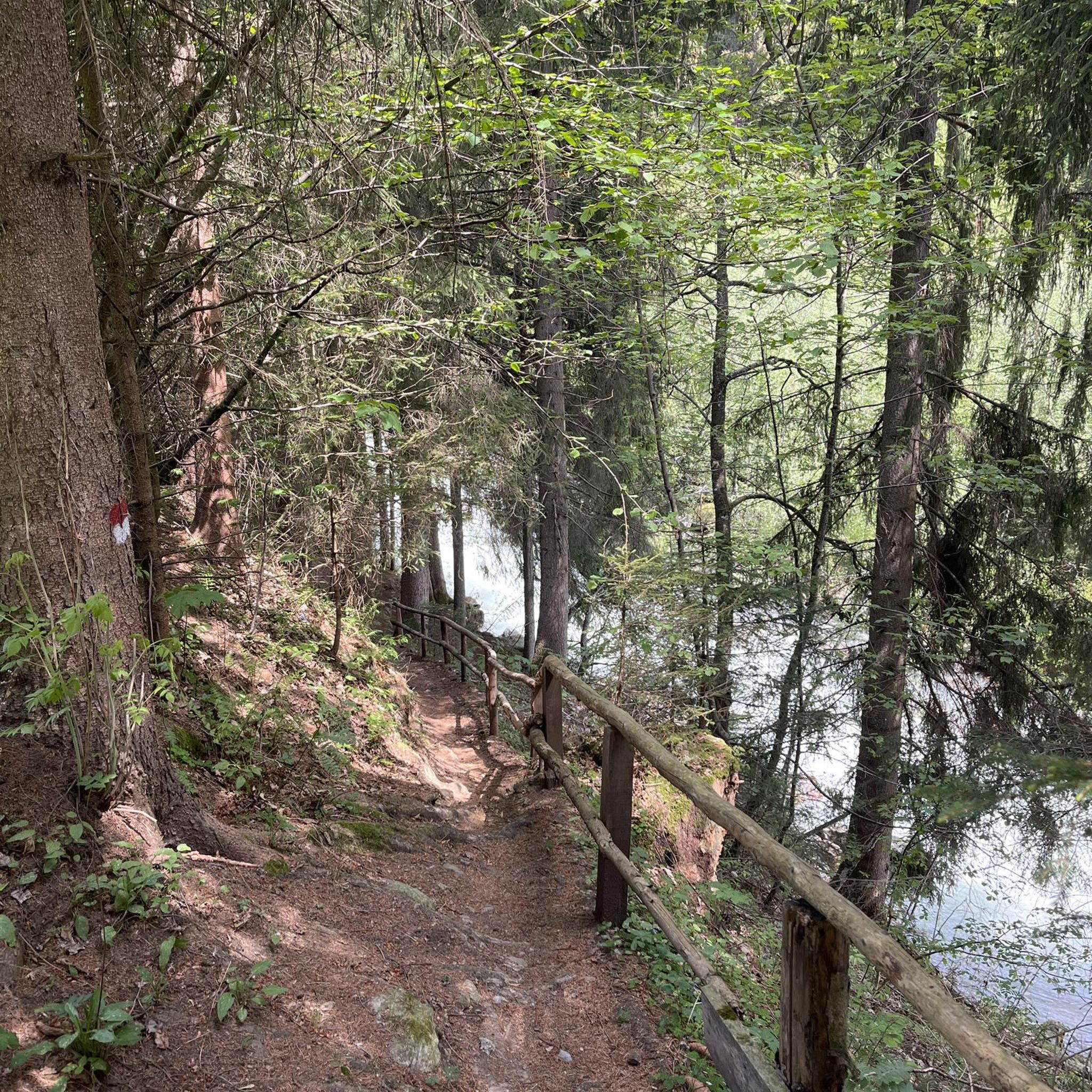
Gravel biking around Guimarães offers diverse terrain characterized by rolling hills, lush forests, and scenic riversides. The region features prominent natural landmarks like Penha Mountain, providing varied elevations and panoramic views. Green corridors and well-maintained paths connect natural areas, making it suitable for no traffic gravel bike trails. This landscape provides a dynamic cycling experience blending natural beauty with historical surroundings.
Best no traffic gravel bike trails around Guimarães
- The most popular no traffic gravel bike trail is Braga Cathedral…
Last updated: October 23, 2026
5.0
(1)
8
riders
84.0km
05:58
1,130m
1,130m
Hard gravel ride. Very good fitness required. Mostly paved surfaces.
5
riders
43.5km
03:12
460m
460m
Hard gravel ride. Very good fitness required. Mostly paved surfaces.

2
riders
30.1km
03:08
1,020m
1,020m
Hard gravel ride. Very good fitness required. Mostly paved surfaces.
1
riders
20.8km
01:32
560m
560m
Hard gravel ride. Very good fitness required. Mostly paved surfaces.
Our route recommendations are based on thousands of hikes, rides, and runs completed by other people on komoot.

Tips from the Community

The Metal Bridge of Fão (Esposende) Location: It crosses the Cávado River, on National Road 13 (EN13), in the parish of Fão, in Esposende. Alternative Name: It is frequently referred to as the D. Luís Filipe Bridge. History: It is a significant example of iron architecture in Portugal, inaugurated on August 7, 1892. Characteristics: The bridge, which is a Property of Public Interest, has an extensive metal structure and has recently been rehabilitated.
2
0
In Esposende, the main historical bridge that crosses the Cávado River is the Ponte Metálica de Fão, also known locally as Ponte D. Luís Filipe.
2
0
The church is open for visitation and prayer most days, with specific times for Masses. Opening Hours: Monday to Sunday: 10:00–12:00 and 15:00–19:30. Mass Times (subject to change, please check the official website): Tuesday: 7:00 PM. Thursday: 7:00 PM. Saturday: 5:30 PM. Sunday: 11:00 AM.
1
0
The church was built in the 14th century in a transitional style between Romanesque and Gothic, on the foundations of an earlier 11th-century church. Main Features: Style: Transitional Gothic and Romanesque, with Renaissance and Baroque additions throughout the centuries. Interior: It has three naves, notably featuring 14 blue and white tile panels that cover much of the walls, dating from the 17th and 18th centuries. Notable Elements: The chancel vault is a Manueline work (early 16th century), and the main façade features a Neo-Gothic rose window, the result of a 20th-century restoration. Heritage: The church houses notable altarpieces and funerary monuments of important families, such as the Pinheiro family. The Parish Church of Santa Maria de Barcelos is a point of historical and architectural interest for tourists and pilgrims traveling the Camino de Santiago.
1
0
The Parish Church of Santa Maria de Barcelos, also known as the Collegiate Church, is the main religious temple in the city of Barcelos and a National Monument of Portugal.
1
0


The cross was built between 1974 and 1975 with donations from emigrant devotees of Our Lady of Faith. According to issue no. 58 of the Jornal de Vieira, dated June 1, 1974, this monument was built to celebrate the double centenary of the current Sanctuary and also symbolizes the exteriorization of the Cross of Redemption, which Our Lady of Faith displays in her artistic representation. This cross is 20 meters high and 6 meters wide. Currently, it is next to this imposing religious landmark, on a covered platform, that open-air Mass is celebrated.
0
0
a fantastic view, take the opportunity to do the trail on foot or by bike
0
0
Frequently Asked Questions
What kind of terrain can I expect on no-traffic gravel bike trails around Guimarães?
The region around Guimarães offers a diverse landscape perfect for gravel biking, featuring rolling hills, lush forests, and scenic riversides. You'll encounter a mix of well-maintained gravel paths, dirt tracks, and potentially some paved sections connecting natural areas. The terrain often includes ascents and descents, particularly around areas like Penha Mountain, providing a varied and engaging ride.
Are there any family-friendly no-traffic gravel bike routes in Guimarães?
While the specific routes listed in this guide are rated as 'difficult', the broader Guimarães area, particularly its green corridors and dedicated cycling paths like the Ecopista Guimarães–Fafe, offers excellent opportunities for family-friendly gravel biking. These ecopistas often follow old railway lines, providing flat, car-free surfaces ideal for all ages. Look for routes with minimal elevation gain for a more relaxed family outing.
What are some natural features or viewpoints I can discover on these trails?
Many routes will lead you through areas of significant natural beauty. Penha Mountain (Monte da Penha) is a prominent feature, offering panoramic views of Guimarães and the surrounding countryside. You might also encounter unique granite boulders and ancient trees. For specific natural highlights, consider exploring the Boulder Labyrinth or the Moss-covered boulders in Parque da Penha.
Can I find circular no-traffic gravel bike routes around Guimarães?
Yes, many of the gravel biking opportunities in the Guimarães region are designed as circular routes, allowing you to start and end at the same point. For example, the Braga Cathedral (Sé de Braga) – Parque Perez loop from Braga offers a substantial circular journey, though it starts from Braga. When planning, look for routes explicitly labeled as 'loops' to ensure a circular experience.
What historical sites or landmarks can I see while gravel biking near Guimarães?
Guimarães is rich in history, and many routes will bring you close to significant cultural heritage. You can explore sites like the Palace of the Dukes of Braganza, the Church of São Miguel do Castelo, or the iconic Portugal Was Born Here (Guimarães City Walls). These historical points of interest are often integrated into the wider network of trails.
Are there any challenging no-traffic gravel routes for experienced riders?
Absolutely. While this guide focuses on traffic-free options, the region offers routes with significant elevation gain for those seeking a challenge. For instance, the Serra de Louredo – Turio Wooden Bridge loop from Vieira do Minho features over 1000 meters of elevation gain, providing a demanding ride through varied terrain. The proximity to areas like Serra da Freita also suggests more adventurous trails for advanced gravel riders.
What is the best season for gravel biking in Guimarães?
The spring and autumn months are generally ideal for gravel biking in Guimarães. The weather is typically mild, and the natural landscapes are at their most vibrant. Summers can be hot, so early morning or late afternoon rides are recommended. Winters are usually mild but can bring rain, making some unpaved sections muddy. Always check the local weather forecast before heading out.
Are there any amenities like cafes or rest stops along the no-traffic gravel trails?
Yes, especially on popular routes like the Ecopista Guimarães–Fafe, you can find designated rest points, snack areas, and even cafes. The old Cepães Station, for example, has been converted into a cafe along this ecopista. For other routes, amenities might be less frequent, so it's always wise to carry enough water and snacks, especially on longer rides.
How long do the no-traffic gravel bike trails typically take to complete?
The duration varies significantly depending on the route's length and elevation. For example, a route like the Gravel loop from Vieira do Minho, covering about 20 km with over 500 meters of ascent, might take around 1.5 to 2 hours. Longer routes, such as the Braga Cathedral (Sé de Braga) – Parque Perez loop from Braga (43 km), could take 3 to 4 hours or more, depending on your pace and stops.
What makes Guimarães a good destination for no-traffic gravel biking?
Guimarães stands out due to its commitment to integrating nature into its urban development, earning it the title of European Green Capital 2026. This means well-maintained green corridors and accessible natural spaces. Combined with its diverse landscapes of rolling hills, forests, and dedicated cycling infrastructure like ecopistas, it provides a wealth of opportunities for quiet, car-free gravel biking experiences away from busy roads.
Most popular attractions around Guimarães

Get inspired with the komoot mobile app


Explore more
Browse the best Gravel rides in other regions.
