The best traffic-free bike rides around Swalmen
4.6
(309)
2,821
riders
130
rides
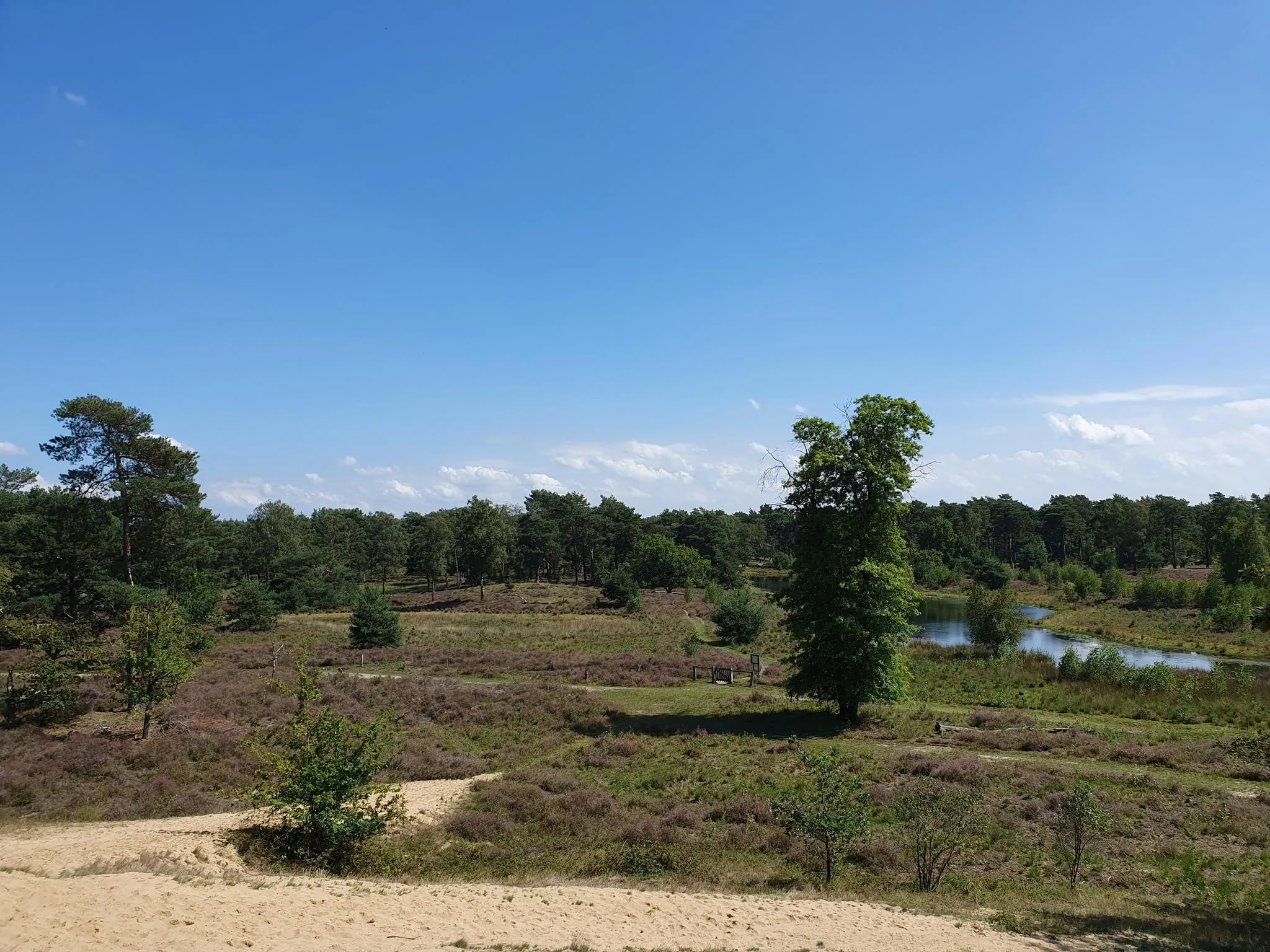
Gravel biking around Swalmen offers diverse terrain shaped by expansive water sports areas, tranquil nature reserves, and meandering rivers. The region features a mix of dense forests, heathlands, and river valleys, providing varied landscapes for cyclists. Historical gravel extraction has created unique aquatic environments and scenic routes, ideal for exploring on two wheels. This area is characterized by its natural beauty and varied paths, including unpaved segments suitable for gravel biking.
Best no traffic gravel bike trails around Swalmen
- The…
Last updated: October 10, 2026
4.2
(9)
62
riders
60.5km
03:54
200m
200m
Moderate gravel ride. Good fitness required. Mostly paved surfaces. Suitable for all skill levels.
4.0
(4)
45
riders
81.4km
04:45
310m
310m
Moderate gravel ride. Good fitness required. Mostly paved surfaces. Suitable for all skill levels.

40
riders
Moderate gravel ride. Good fitness required. Mostly paved surfaces. Suitable for all skill levels.
4.7
(10)
68
riders
42.8km
02:25
140m
140m
Moderate gravel ride. Good fitness required. Mostly paved surfaces. Suitable for all skill levels.
5.0
(2)
37
riders
65.8km
03:53
240m
240m
Hard gravel ride. Good fitness required. You may need to push your bike for some segments of this route.
Get access to more routes and recommendations from other explorers.
Already have an account?
Our route recommendations are based on thousands of hikes, rides, and runs completed by other people on komoot.
Start today with a free account
Your next adventure awaits.


Tips from the Community

Great cycle paths, very idyllic but also very narrow.
0
0

Runs daily in summer.
0
0

With a bit of "luck", there will be Schlager music during the crossing. Very nice way to cross the Meuse.
0
0
A real highlight in the region.
0
0

The ferry is small but OK, the ferryman however is a big boor without manners.
0
0


Beautiful gravel bike path with some nice viewpoints
0
0
Frequently Asked Questions
How many no-traffic gravel bike trails are available around Swalmen?
There are over 130 dedicated no-traffic gravel bike trails around Swalmen, offering a wide range of distances and difficulty levels. These routes allow you to explore the diverse landscapes of Limburg without vehicle interference.
What kind of landscapes can I expect on gravel bike trails near Swalmen?
The region around Swalmen offers a rich variety of landscapes for gravel biking. You'll encounter extensive lake systems like the Maasplassen, serene nature reserves such as the Elmpter Schwalmbruch, and dense forests and heathlands, including parts of the nearby De Meinweg National Park. River valleys, like those around the Schwalm River, also feature prominently, providing picturesque and varied terrain.
Are there any easy, traffic-free gravel routes suitable for beginners?
Yes, there are several easy, traffic-free options. For a pleasant ride through nature, consider the Cycle Path Along the Schwalm – Brachter Wald Nature Reserve loop from Swalmen. This route is approximately 30 km long and offers a gentle introduction to gravel biking in the area.
Can I find family-friendly gravel bike trails around Swalmen?
Many of the easier, traffic-free routes are suitable for families, especially those with older children. The flat terrain and dedicated paths make for a safe and enjoyable experience. Look for routes with lower elevation gains and shorter distances, often found along the riverbanks or through nature reserves, to ensure a comfortable ride for everyone.
What are some interesting landmarks or attractions I can see along the gravel trails?
The trails often lead past historical and natural points of interest. You might encounter impressive castles like Brüggen Castle or Hillenraad Castle. Nature highlights include various trails within De Meinweg National Park, such as the Singletrack Along the Fence in De Meinweg, offering diverse scenery.
Are there any gravel routes that include a cafe or a place to stop for refreshments?
Absolutely! Some routes are designed to pass by charming cafes. For example, the De Busjop Forest Café – Leubeek and Watermill loop from Neer is a moderate 29.7 km route that includes a stop at the De Busjop Forest Café, perfect for a break and a refreshment amidst your ride.
What is the best time of year for no-traffic gravel biking in Swalmen?
Spring and autumn are generally ideal for gravel biking in Swalmen. The weather is usually mild, and the natural scenery is particularly beautiful with blooming flowers or vibrant fall foliage. Summer can also be pleasant, but it's advisable to start early to avoid the midday heat. Winter rides are possible, but some paths might be muddy or icy, so check conditions beforehand.
Are there any longer, more challenging no-traffic gravel routes for experienced riders?
Yes, experienced riders looking for a challenge will find several longer and more demanding routes. The View of the River Meuse – Old Lock on the Peelrandbeek loop from Neer, at over 96 km, offers a significant distance and varied terrain. Another challenging option is the Gravel Trail in De Meinweg – Rolvennen loop from Swalmen, which is around 45 km and takes you through the diverse landscapes of De Meinweg National Park.
What do other gravel bikers enjoy most about the trails in Swalmen?
The area is highly rated by the komoot community, with an average score of 4.6 stars from over 220 ratings. Reviewers often praise the tranquility of the no-traffic routes, the diverse natural beauty ranging from forests to lake systems, and the well-maintained gravel paths that make for an enjoyable and immersive cycling experience.
Are there any circular gravel bike routes available from Swalmen?
Many of the gravel bike trails around Swalmen are designed as circular routes, allowing you to start and end at the same point. This is convenient for parking and planning your day. For example, the Cycle Path Along the Schwalm – West side of the Nettebruch loop from Roermond is a challenging 71.8 km loop that offers a comprehensive tour of the region's natural beauty.
Most popular attractions around Swalmen

Get inspired with the komoot mobile app


Explore more
Browse the best Gravel rides in other regions.
