The best traffic-free bike rides in North Wales
4.6
(882)
39,204
riders
294
rides
Road cycling in North Wales is characterized by its diverse landscapes, ranging from rugged mountain ranges to extensive coastlines and deep valleys. The region features prominent natural elements such as Snowdonia National Park, offering a backdrop of glacial lakes and dramatic peaks. Cyclists can explore an 870-mile coastline with panoramic views across the Irish Sea, alongside numerous lakes like Llyn Padarn and Llyn Tegid. The terrain includes challenging mountain passes, rolling hills, and quieter lanes, providing varied gradients for different cycling abilities.
Best no traffic road cycling routes in North Wales
- The most popular no traffic road cycling route is Colwyn Bay Beach – Kinmel Bay Beach loop from Penrhyn Bay, a 25.6 miles (41.2 km) trail that takes 1 hour 44 minutes to complete. This route offers coastal views along the North Wales shoreline.
- Another top favourite among local road cyclists is River Dee Riverside Trail – Burton Marshes Boardwalk loop from Connah's Quay, an easy 21.3 miles (34.4 km) path. This route follows the River Dee, providing scenic riverside and marshland views.
- Local road cyclists also love the Great Orme Coastal Cliffs – Llandudno West Shore Beach loop from Llandudno, a 6.6 miles (10.7 km) trail leading through coastal cliffs and beaches, often completed in about 32 minutes.
- Road cycling in North Wales is defined by coastal paths, mountain passes, and scenic valleys. The network offers options for various ability levels, from flat, traffic-free routes to more challenging climbs.
- The routes in North Wales are highly rated by the komoot community with an average score of 4.6 stars from over 700 reviews. More than 40,000 road cyclists have used komoot to explore North Wales's varied terrain.
Last updated: October 10, 2026
5.0
(9)
196
riders
41.5km
01:51
130m
130m
Easy road ride. Great for any fitness level. Mostly well-paved surfaces and easy to ride.
4.7
(7)
107
riders
Easy road ride. Great for any fitness level. Mostly well-paved surfaces and easy to ride.

4.3
(3)
108
riders
10.6km
00:32
170m
170m
Easy road ride. Great for any fitness level. Mostly well-paved surfaces and easy to ride.
5.0
(1)
79
riders
Easy road ride. Great for any fitness level. Mostly well-paved surfaces and easy to ride.
5.0
(4)
85
riders
19.8km
00:47
10m
10m
Easy road ride. Great for any fitness level. Mostly well-paved surfaces and easy to ride.
Get access to more routes and recommendations from other explorers.
Already have an account?
Our route recommendations are based on thousands of hikes, rides, and runs completed by other people on komoot.
Start today with a free account
Your next adventure awaits.
Popular around North Wales

Traffic-free bike rides in Gwynedd

Traffic-free bike rides in Flintshire

Traffic-free bike rides in Conwy

Traffic-free bike rides around Wrexham

Traffic-free bike rides in Anglesey

Traffic-free bike rides in Denbighshire
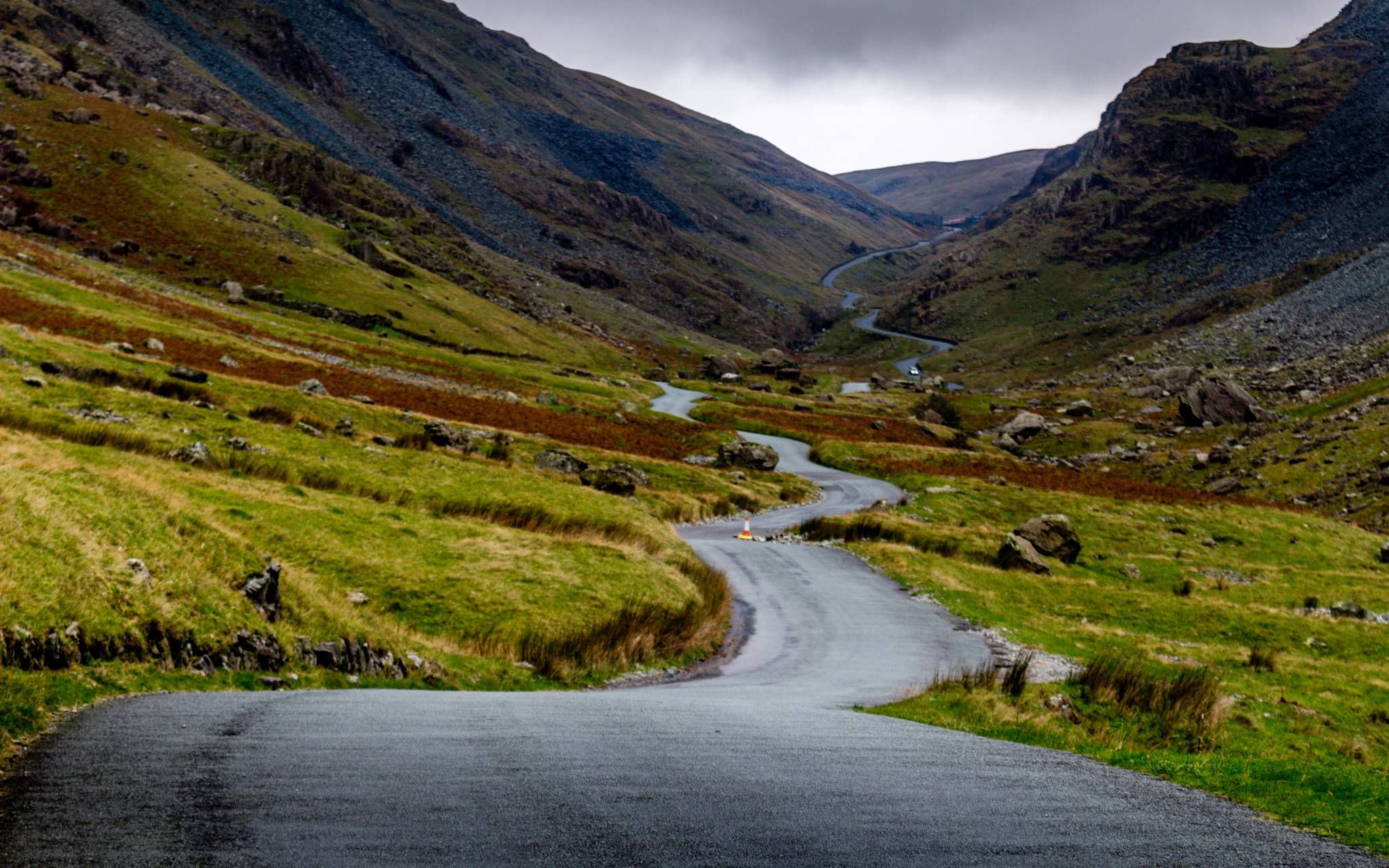
Best of British road climbs
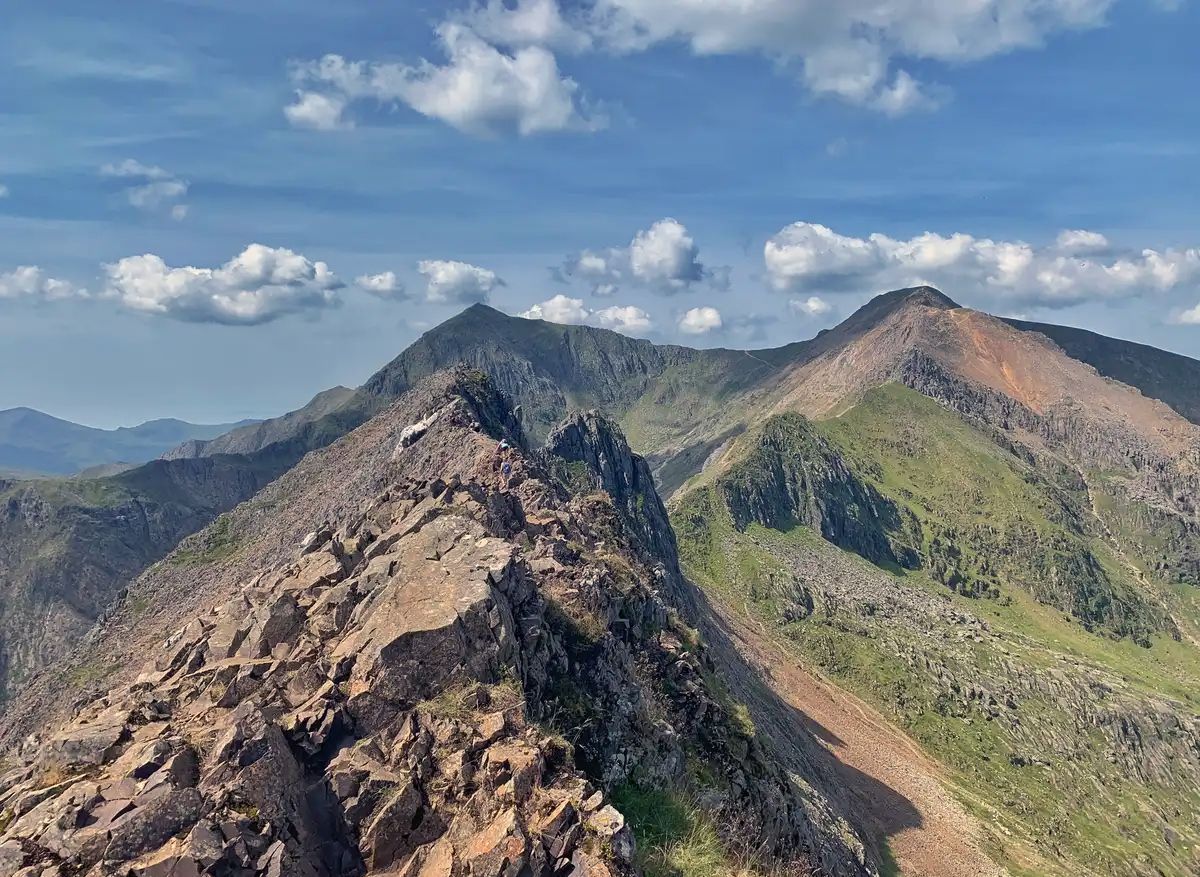
The Dragon's Back – running the spine of Wales
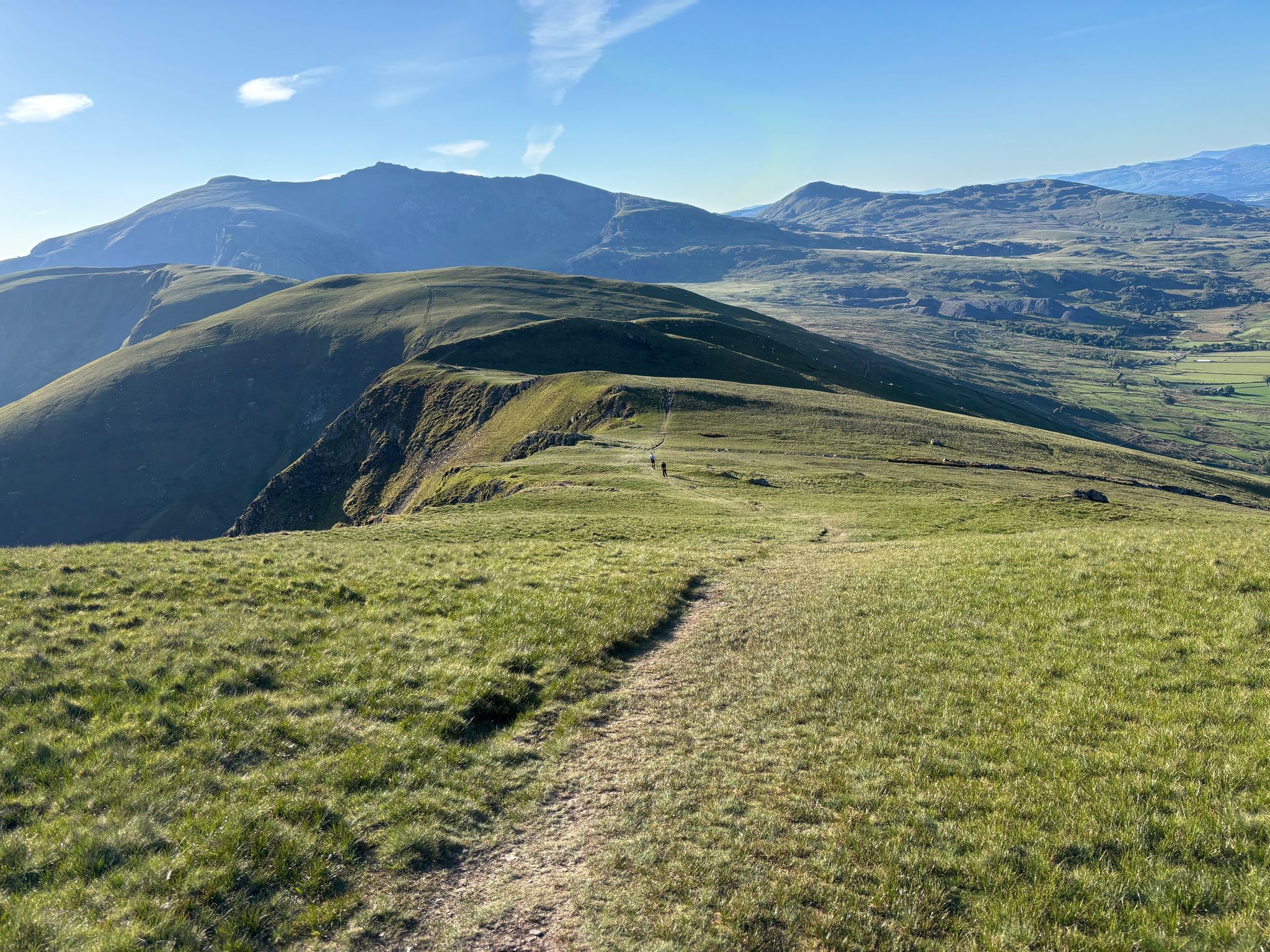
Ultra Trail Snowdonia by UTMB – 100 epic miles in Eryri
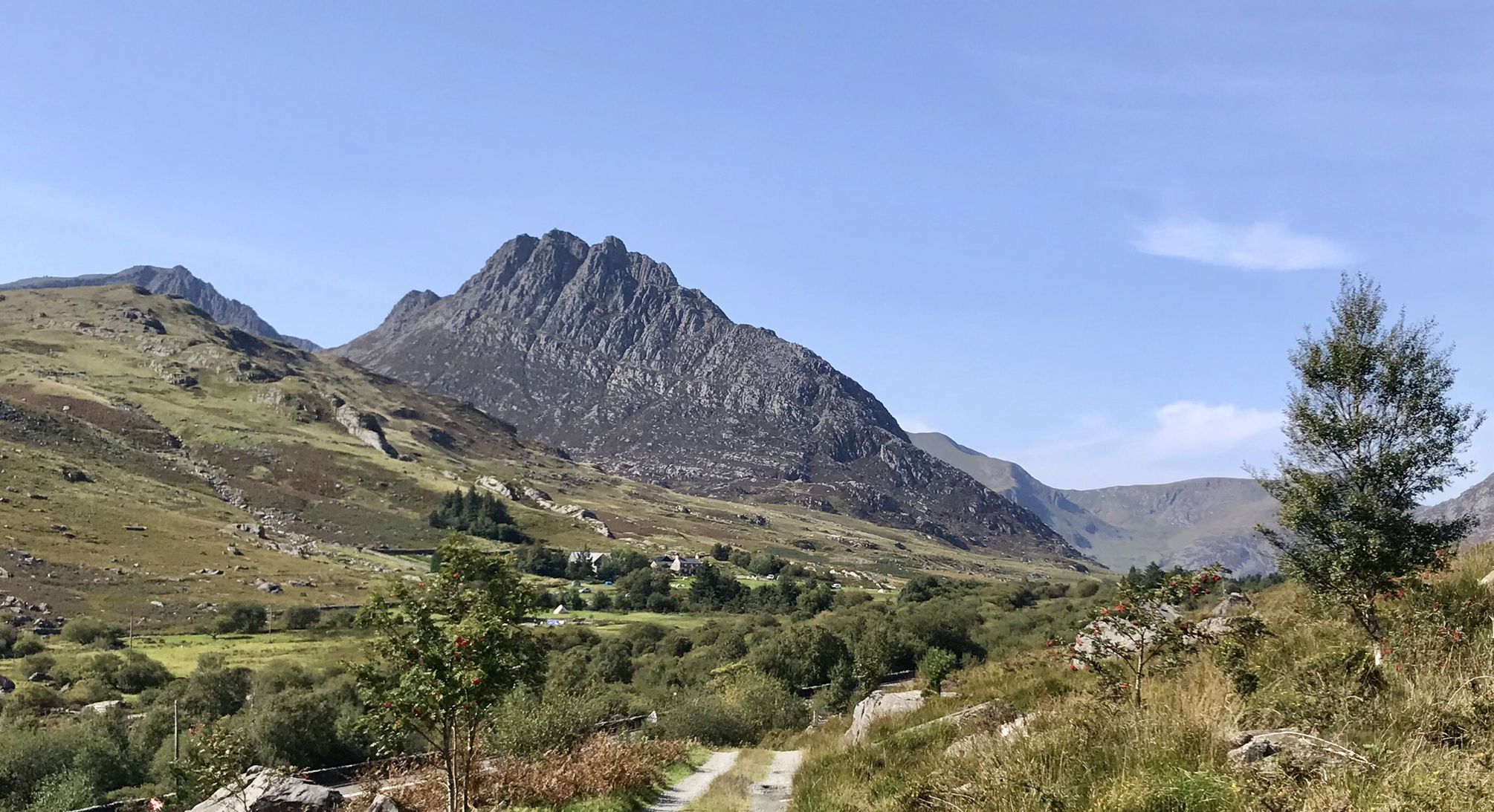
Snowdonia Way – A dramatic hike through Eryri's mountainous heart
Other adventures in North Wales


Tips from the Community

Hugging the cliff edge from a lower vantage point, the Marine Drive coastal road is a 4.5-mile engineering marvel that puts you right at the water's edge. The Perspectives: Looking straight up from the tarmac, massive pale limestone walls tower over you like ancient castle ramparts. Look the other way, and the road drops sheer into the deep, churning blue of the Irish Sea. Wildlife Encounters: Because you're right at sea level, it’s one of the best spots to catch a glimpse of grey seals bobbing in the water, pods of dolphins out in the bay, or seabirds nesting furiously on the ledges above. The Atmosphere: It’s a one-way, anti-clockwise loop that feels wild and exposed. Whether you're driving it, cycling it, or walking against the sea breeze, the sheer scale of the rock meeting the ocean makes it an unforgettable stretch of coast.
0
0
Colwyn Bay Beach is a golden, three-mile playground perfect for seaside strutting! With its sleek, modern promenade and soft sands, it’s a haven for: Watersports: Ideal for jet-skiing or kayaking. Relaxation: Plenty of space for sunbathing and sandcastles.
0
0

This highlight is nowhere near Manchester Airport
0
0
Uhmm - photo of Garden City's Welsh Road 'blue bridge' is NOT Saltney Ferry footbridge!! The Ferry is four miles upstream, towards Chester!
2
0


Would recommend heading from Wales into England at sunset. Riding into the setting sun in such a tranquil spot
0
0

"Hawarden Bridge (/ˈhɑːrdən/; Welsh: Pont Penarlâg) is a railway bridge over the River Dee, near Shotton, Flintshire, Wales. It was built by the Manchester, Sheffield and Lincolnshire Railway (which later became the Great Central Railway), as part of the Chester & Connah's Quay Railway. It opened on 3 August 1889. During the 1880s, the Manchester, Sheffield and Lincolnshire Railway Company undertook the construction of a line between Chester Northgate and what is now known as Hawarden Bridge Junction. The most significant geographical feature of the route to overcome was the River Dee. It was decided to opt for a 165 meter-long bridge to cross over the river; this structure was complicated by the need to incorporate a means of passage for the tall ships that traversed the Dee at this time. The Board of Trade, advised by Sir George Nares, decreed that the envisioned bridge would need a single navigable opening of at least 140 feet. Hawarden Bridge was designed by the civil engineer C.A. Hobson. The bridge was officially opened to traffic on 3 August 1889; the opening ceremony was officiated by Catherine Gladstone, the wife of Prime Minister William William Gladstone. A key feature of the Hawarden Bridge was its central section, which was referred to as Span 10; this allowed it to function as a swing bridge. As originally built, it was able to rotate through 90-degrees to enable the passage of tall ships on the River Dee. At the time of its completion, this was the largest opening span of any swing bridge in the United Kingdom. Presently, the bridge can no longer open, the span having been welded shut decades ago. The last time that Span 10 was opened was during 1960. The remains of the rotating mechanism – hydraulic cylinders attached to a drive chain and sprocket – are still visible beneath the bridge. Both pedestrians and cyclists may also traverse Hawarden Bridge via a dedicated walkway. The walkway, which connected between the Wales Coast Path and the Chester Greenway Railway Path section of National Cycle Route 5, is the responsibility of registered charity Sustrans Cymru." You can read more about the bridge here; https://en.m.wikipedia.org/wiki/Hawarden_Bridge
1
0
Frequently Asked Questions
How many traffic-free road cycling routes are available in North Wales?
North Wales offers a wide selection of traffic-free road cycling routes. You can explore over 320 routes, with a significant number, around 108, categorized as easy, making them accessible for various skill levels.
Are there easy, beginner-friendly traffic-free routes in North Wales?
Yes, North Wales has many easy and beginner-friendly traffic-free road cycling routes. For example, the Great Orme Coastal Cliffs – Llandudno West Shore Beach loop from Llandudno offers a scenic and manageable ride. Another great option is the River Dee Riverside Trail – Burton Marshes Boardwalk loop from Connah's Quay, which is also rated as easy and provides a pleasant experience along the river.
What are some longer, more challenging traffic-free road cycling routes?
For those seeking a longer, more moderate challenge, the Chester Greenway – Dee Banks Path loop from Flint is an excellent choice. This route covers approximately 84 kilometers and features a moderate elevation gain, providing a rewarding ride through diverse landscapes.
Can I find circular traffic-free road cycling routes in North Wales?
Many of the traffic-free routes in North Wales are designed as circular loops, allowing you to start and finish at the same point. The Colwyn Bay Beach – Kinmel Bay Beach loop from Penrhyn Bay is a great example, offering a substantial 41-kilometer ride along the coast and through scenic areas.
Are there family-friendly traffic-free cycling options?
Absolutely. Many of the easy-rated routes are ideal for families, offering safe and enjoyable cycling away from traffic. The region's coastal paths and former railway lines, such as sections of the Lon Las Cefni on Anglesey, are largely flat and provide accessible rides through varied scenery, perfect for all ages.
What kind of views or natural features can I expect on these routes?
North Wales' traffic-free routes offer breathtaking views, from the dramatic mountains of Snowdonia National Park to extensive coastlines and serene lakes. You can expect panoramic vistas across the Irish Sea, sandy beaches, salt marshes, and deep valleys. Many routes also pass by beautiful lakes like Llyn Padarn or Llyn Tegid (Bala Lake).
Are there any interesting landmarks or attractions along these traffic-free routes?
While cycling traffic-free routes, you might encounter various points of interest. The region is rich in natural beauty and historical sites. For example, you could be cycling near prominent peaks like Snowdon Summit (Yr Wyddfa) or the Jubilee Tower on Moel Famau. The coastal routes often pass charming towns and offer views of the sea.
What do other cyclists think about the traffic-free routes in North Wales?
The traffic-free road cycling routes in North Wales are highly regarded by the komoot community, boasting an average rating of 4.58 stars from over 730 reviews. Cyclists often praise the stunning coastal scenery, the tranquility of the paths, and the well-maintained surfaces that make for an enjoyable ride away from vehicle traffic.
Is parking available near the starting points of these routes?
Yes, many popular traffic-free cycling routes in North Wales have designated parking areas at or near their starting points. Coastal towns and villages often provide public car parks, and some trailheads, like the Coed y Brenin Visitor Centre, offer dedicated facilities for outdoor enthusiasts.
Are there opportunities for refreshments or cafes along the way?
North Wales is well-equipped with welcoming villages and towns along many cycling routes, offering numerous opportunities for refreshments. You'll find cafes, pubs, and shops where you can refuel and take a break, especially in popular coastal areas and near major attractions.
What is the best time of year to cycle traffic-free routes in North Wales?
The spring and summer months (April to September) generally offer the most favorable weather for cycling in North Wales, with milder temperatures and longer daylight hours. However, the region's diverse landscapes are beautiful year-round, and autumn provides stunning foliage, while winter can offer crisp, quiet rides, though some higher passes might be more exposed.
Most popular routes in North Wales
Most popular attractions in North Wales

Get inspired with the komoot mobile app


Didn’t find what you were looking for?
Check out more Road cycling routes throughout North Wales below and find the perfect route in your destination.
Explore more
Browse the best Road cycling routes in other regions.
