The best hikes from bus stations around La Mancha
4.4
(202)
1,424
hikers
43
hikes
Bus station hiking trails around La Mancha traverse a diverse landscape in central Spain, characterized by vast plains, river valleys, and significant wetlands. The region features impressive geological formations, including gorges carved by rivers like the Tagus and Júcar, alongside rolling hills and Mediterranean forests. Protected areas such as Tablas de Daimiel National Park and Serranía de Cuenca Natural Park offer varied terrain for outdoor exploration. This blend of natural features provides a range of hiking experiences accessible via public…
Last updated: October 24, 2026
5.0
(1)
5
hikers
4.78km
01:22
110m
110m
Easy hike. Easily walkable paths.
2
hikers
4.96km
01:18
40m
40m
Easy hike. Easily walkable paths.

2
hikers
16.2km
04:09
70m
70m
Moderate hike. Good fitness required. Mostly walkable paths. Sure-footedness required.
4.45km
01:12
50m
50m
Easy hike. Easily walkable paths.
1
hikers
8.53km
02:19
120m
120m
Moderate hike. Good fitness required. Easily walkable paths.
Get access to more routes and recommendations from other explorers.
Already have an account?
Our route recommendations are based on thousands of hikes, rides, and runs completed by other people on komoot.
Start today with a free account
Your next adventure awaits.
Popular around La Mancha
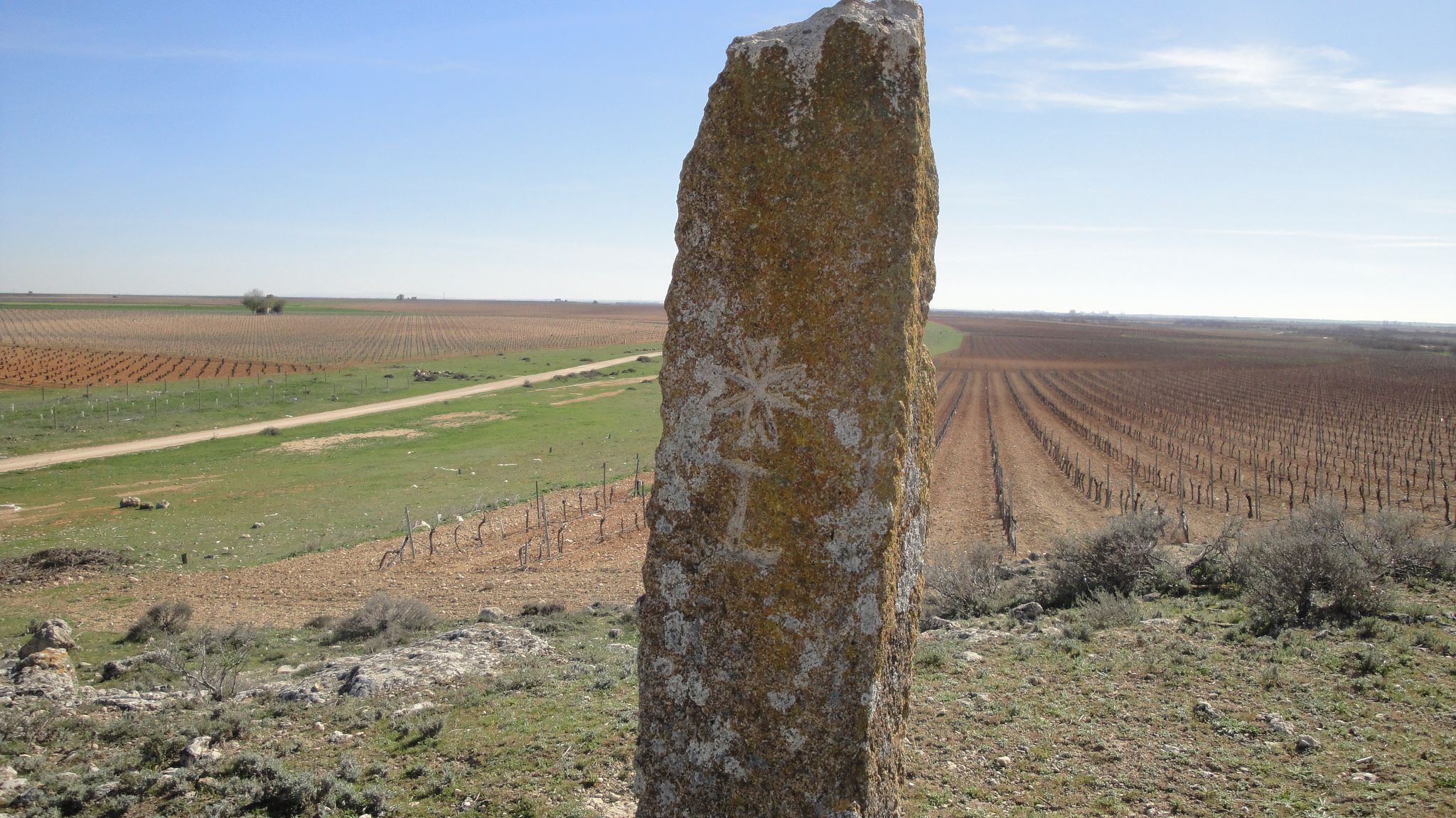
The Reconquest of La Mancha on Foot - Camino Natural del río Riánsares
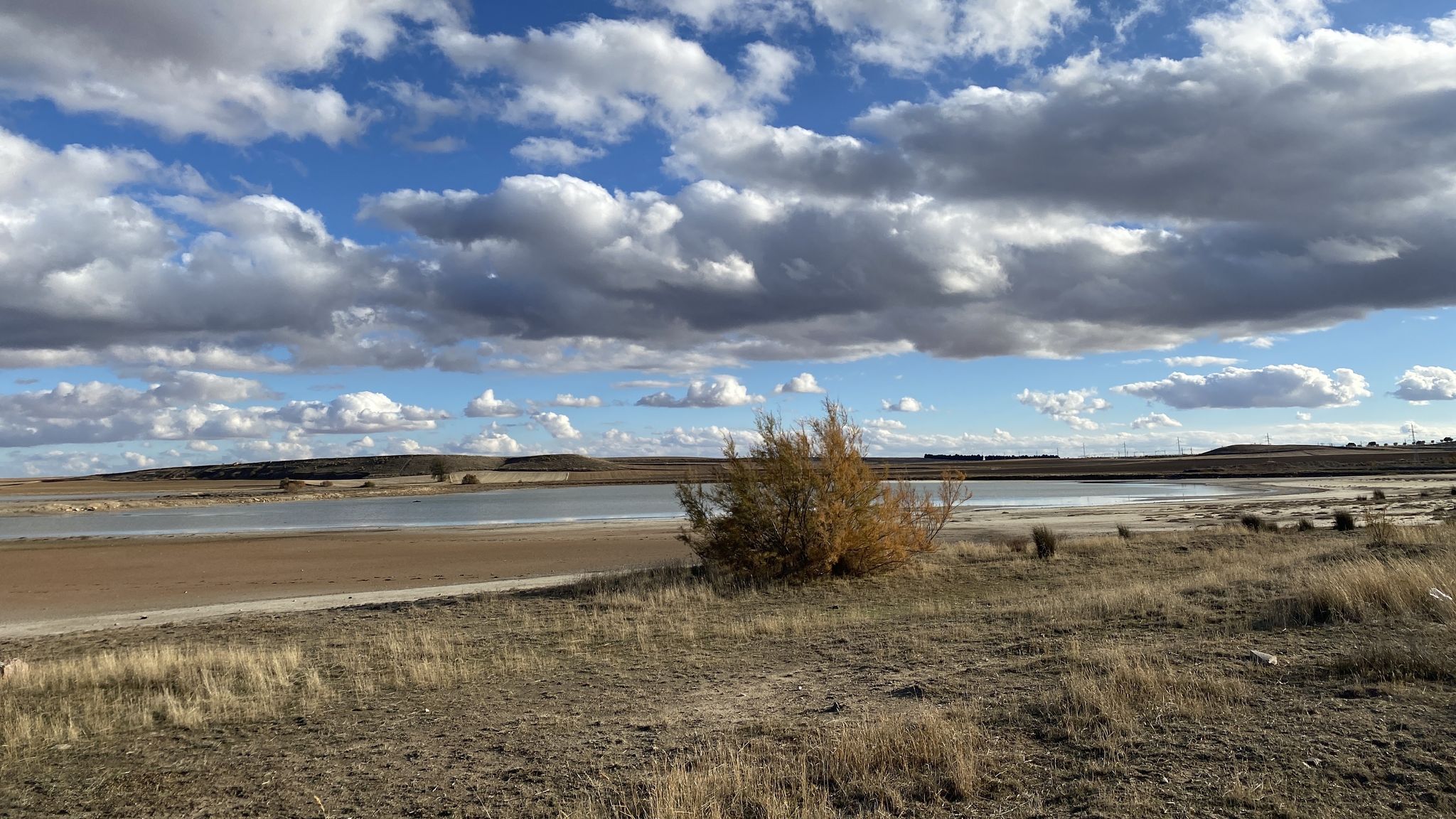
An adventure through La Mancha’s wetlands – discover an oasis
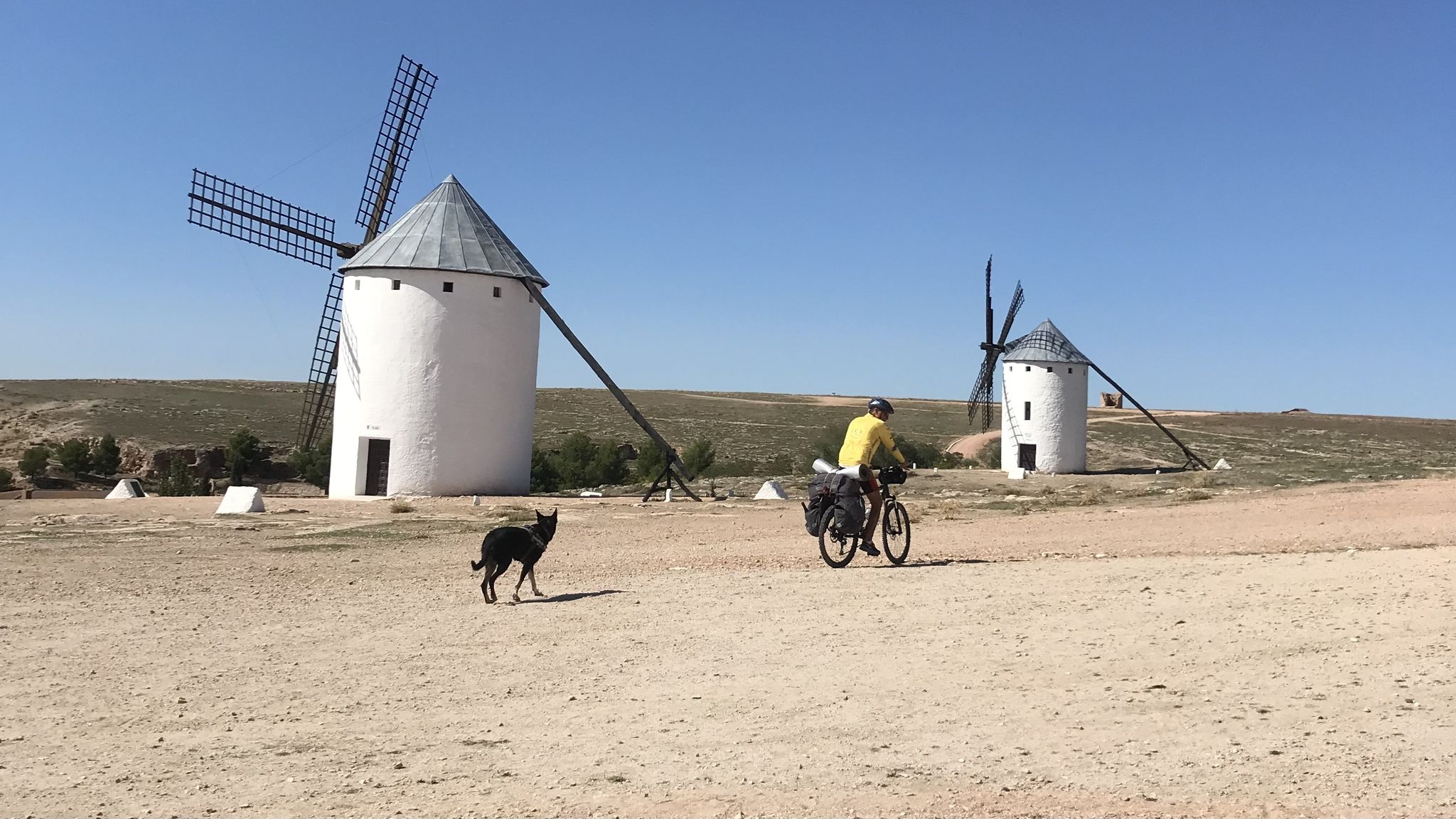
Don Quixote's route – The knight of the sorry face
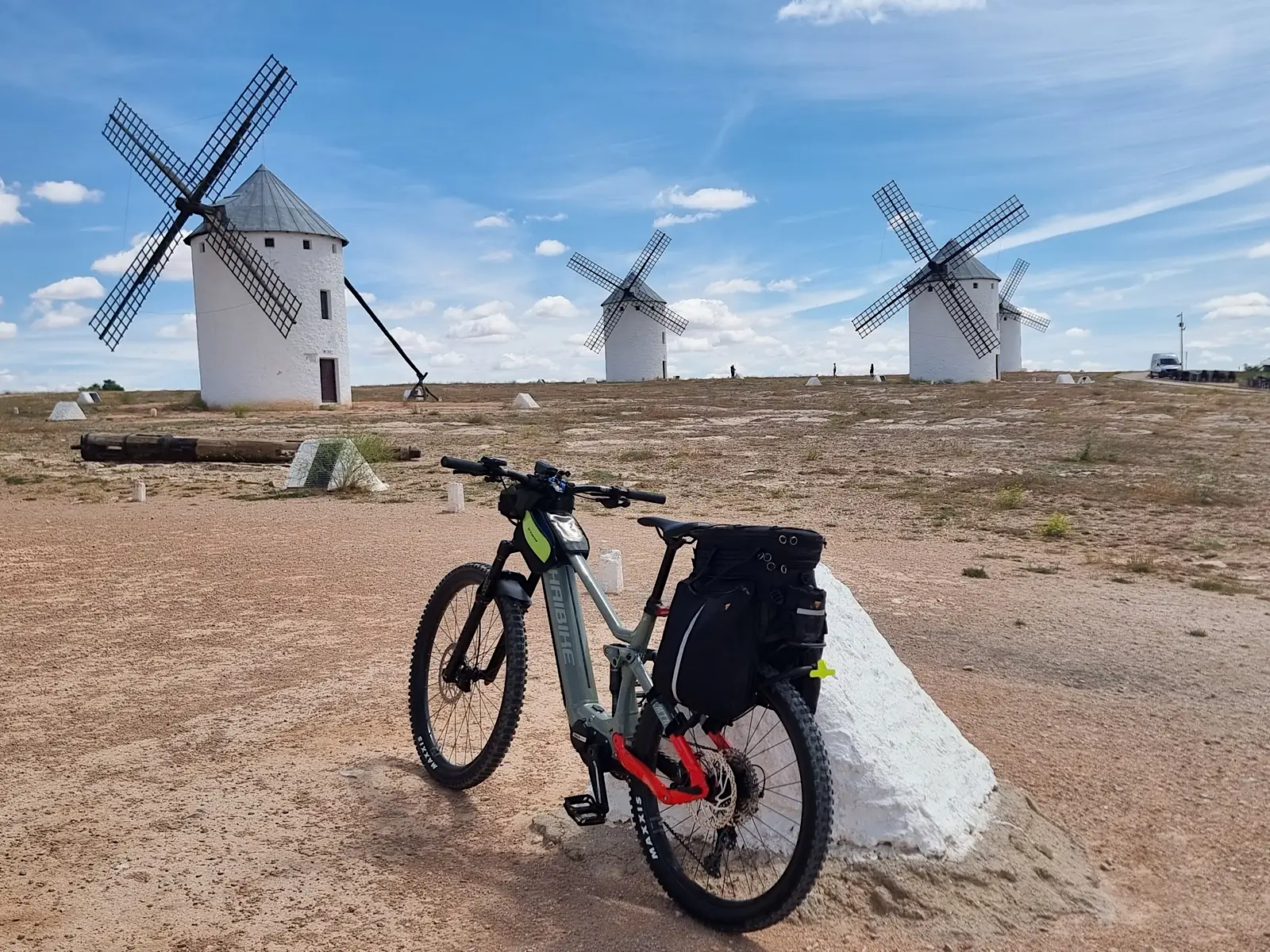
Route of Don Quixote – cycling between rivers, lagoons and hills
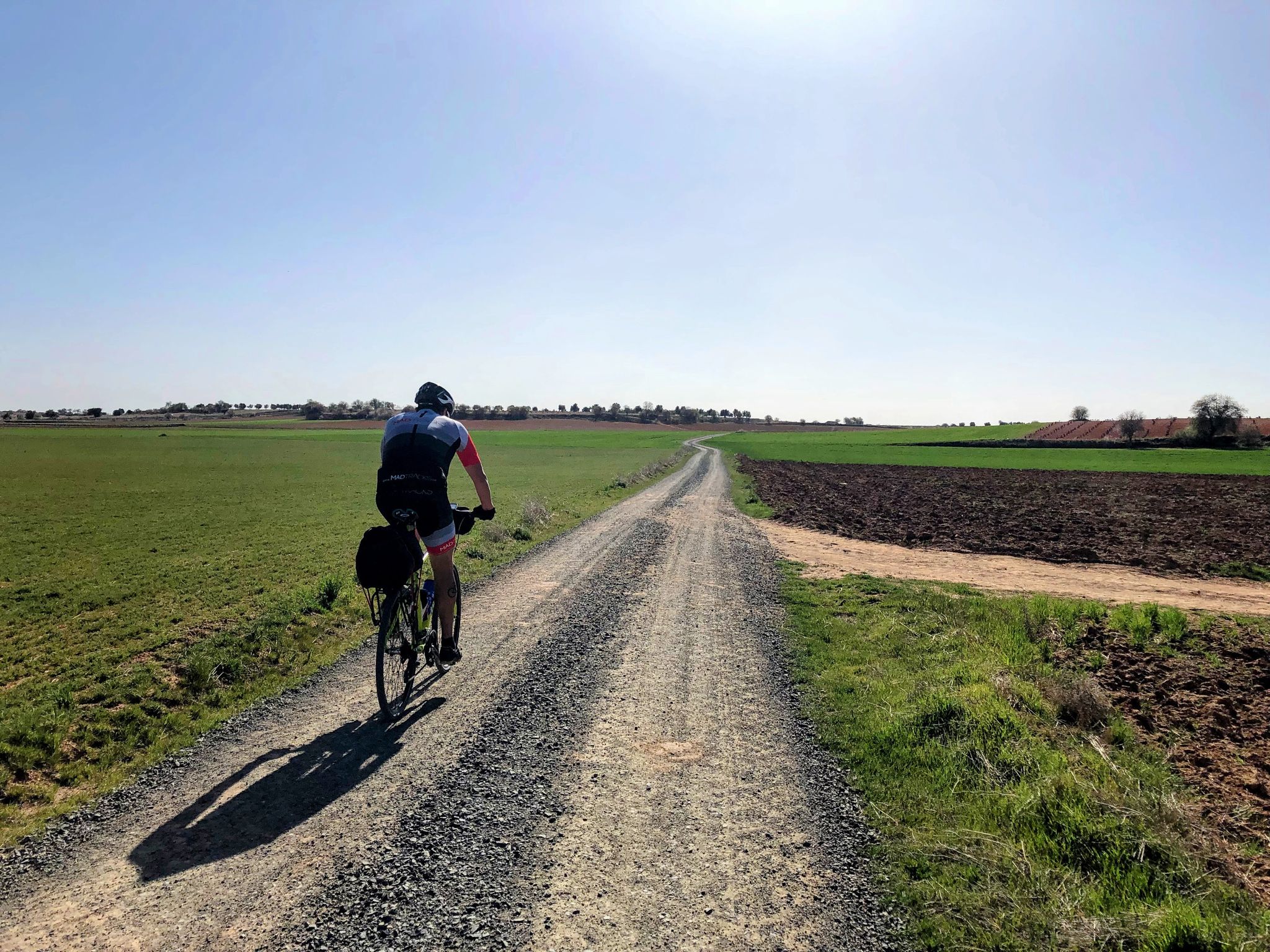
In search of the coast – Madrid to Puerto de Mazarrón
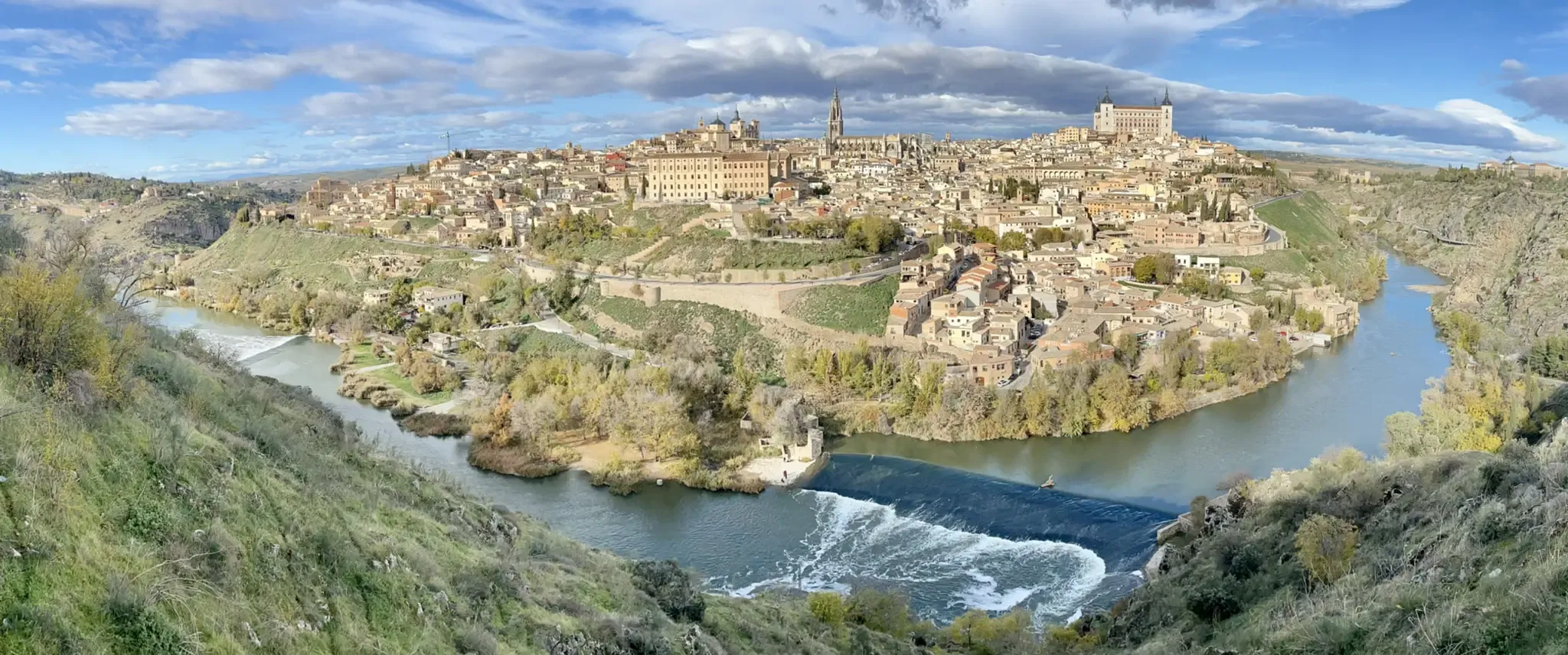
A journey to the interior of the Iberian Peninsula – Levante Way (GR 239)
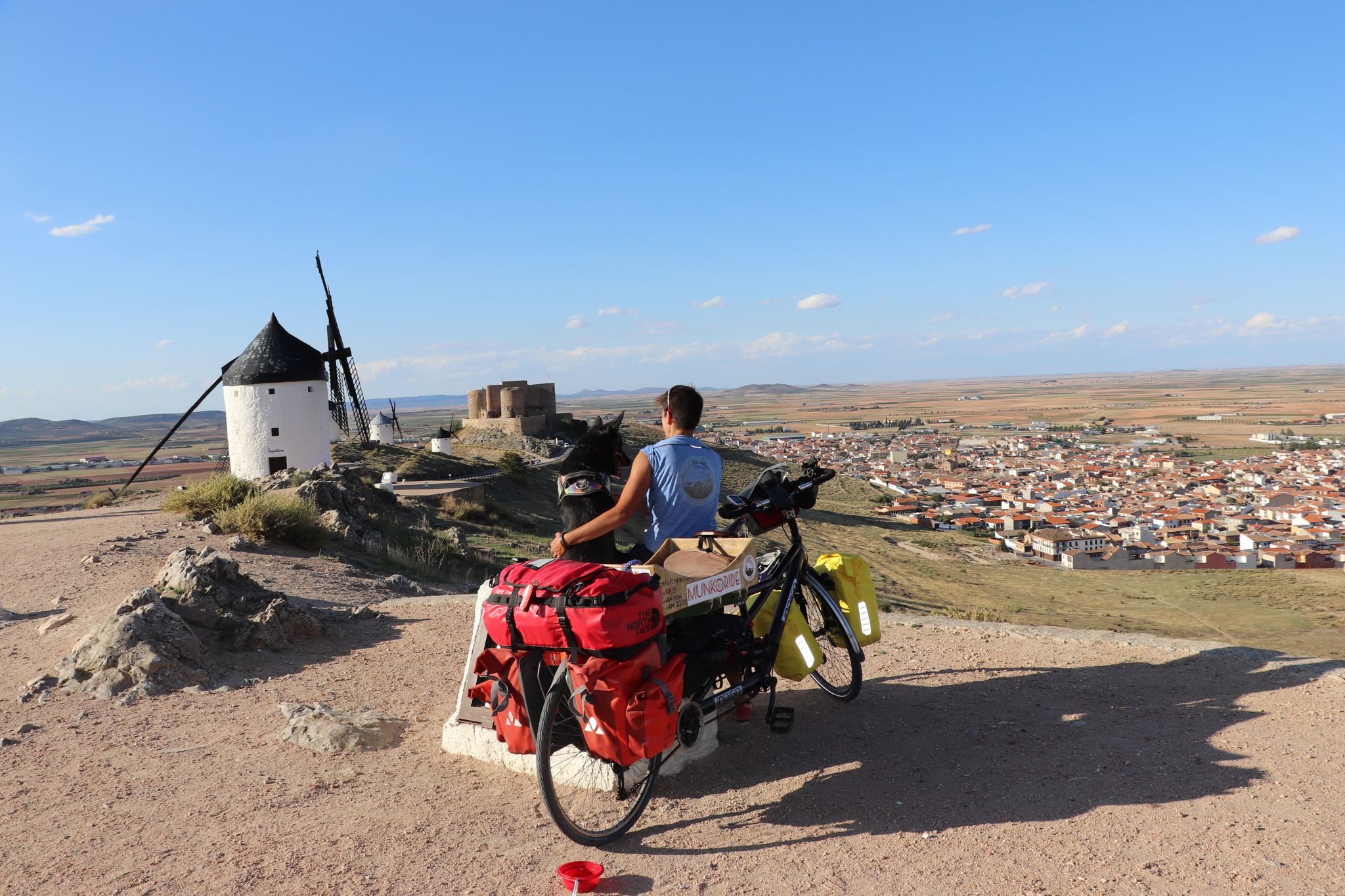
Cycle among the Giants of La Mancha in Spain – Route of Don Quixote
Other adventures around La Mancha


Tips from the Community

The Muela Castle: A millennial fortress that dominates the landscape and was the scene of important historical episodes, such as the Battle of Consuegra in 1097. Location: It stands on the Calderico Hill in the town of Consuegra, Toledo, next to its famous windmills. Origin: Its initial construction dates back to the 10th century (Caliphate period), ordered to be built by Almanzor. Evolution: It was later expanded and modified by the knights of the Order of Saint John.
1
0
The Windmills: Twelve 16th-century structures lined up on the crest of the hill. Each bears a name related to the work of Miguel de Cervantes, such as Sancho (whose 15th-century mechanism remains intact) or Bolero (which serves as a tourist office)
2
0

The windmills accompany the Muela castle, on top of the Calderico hill; recognizable or visible on the horizon of the La Mancha plain, whether you come from Madridejos, Urda or Mora.
1
0
El Cerro Calderico is the great icon of Consuegra, with the Muela castle and its windmills on its summit.
1
0

The Hermitage of the Immaculate Conception in Urda (Toledo) is a small Catholic church dedicated to the Virgin Mary under the title of the Immaculate Conception. It is located near Plaza del Rodeo (180 m to the east), Glorieta Juan Carlos I (280 m to the northeast), and Plaza de la Constitución (330 m to the south). It forms part of the historical and religious heritage of the municipality, along with the Church of San Juan Bautista and the Sanctuary of Cristo de la Vera Cruz.
9
0
The Plaza de la Constitución in Urda is a central and highly representative area of the town, used as a recreational space and meeting point. It's a square and urban park, considered a recreational area. In the surrounding area you'll find bars, restaurants, shops, and local services, as well as cultural attractions such as a library and a theater. [urda.callejero.net]
9
0
Calderico Hill rises from the plains of La Mancha, visible for miles around and giving Consuegra (Toledo) its distinctive character. Its most notable heritage features are the castle and the windmills that line its summit, following its longitudinal profile. The views of the windmills and castle are truly worth seeing.
3
0
The original hermitage of the Most Holy Christ of the True Cross in this town must have been built before the 16th century, when it was located outside the town walls, dedicated to the Holy Christ of the Box. Over the centuries, it underwent various renovations until it reached its current appearance. Of the original hermitage, practically only the rectangular shape of its nave remains.
5
0
Frequently Asked Questions
How many bus station hiking trails are available in La Mancha?
There are over 25 hiking trails in La Mancha that are easily accessible from bus stations, offering a variety of experiences for all skill levels. These routes allow you to explore the region's diverse landscapes without needing a car.
What kind of landscapes can I expect to see on bus-accessible hikes in La Mancha?
La Mancha's bus-accessible trails offer a surprising variety, from the iconic plains dotted with windmills to river valleys and unique wetlands. You can expect to see Mediterranean forests, dramatic rock formations, and even significant wetland areas like those found in Tablas de Daimiel National Park, which is a haven for diverse waterfowl.
Are there easy bus-accessible hikes suitable for beginners or families in La Mancha?
Yes, La Mancha offers several easy bus-accessible hikes perfect for beginners or families. For instance, the Consuegra Castle and Windmills Trail is a gentle 4.8 km route that takes you past the famous windmills. Another option is the Castro Reservoir Trail, an easy 5 km path with minimal elevation gain.
Can I find circular hiking routes that start and end at a bus station?
Absolutely. Many bus-accessible routes in La Mancha are designed as circular trails, allowing you to return to your starting point without needing additional transport. An example is the Windmills El Romeral – circular from Tembleque, a moderate 16 km loop that showcases the region's famous windmills.
What are some notable attractions or landmarks I can see along these bus-accessible trails?
Many bus-accessible trails in La Mancha lead to or pass by significant landmarks. You can explore historical sites like Consuegra Castle and its famous windmills, or natural wonders such as Calderico Hill. The region is also home to beautiful lakes like Laguna Grande de Villafranca and Laguna de Peñahueca, which are often part of scenic routes.
Are there any dog-friendly bus-accessible trails in La Mancha?
While specific dog-friendly designations can vary, many natural trails in La Mancha are suitable for well-behaved dogs on a leash. It's always best to check local regulations for specific parks or protected areas. Generally, less crowded routes like the Walk of the Fountains can be enjoyable with your canine companion.
What is the best season to go hiking from bus stations in La Mancha?
The best seasons for hiking in La Mancha are spring (April to June) and autumn (September to November). During these times, the weather is generally mild and pleasant, making for comfortable walking conditions. Spring brings wildflowers, while autumn offers beautiful colors. Summers can be very hot, and winters can be chilly, especially in higher elevations.
Are there any bus-accessible routes that offer views of the region's famous windmills?
Yes, La Mancha is renowned for its windmills, and several bus-accessible routes offer fantastic views. The Consuegra Castle and Windmills Trail is a prime example, taking you directly past the iconic structures. The Windmills El Romeral – circular from Tembleque also provides excellent opportunities to see these historic landmarks.
What do other hikers say about the bus-accessible trails in La Mancha?
The bus-accessible trails in La Mancha are highly rated by the komoot community, with an average score of 4.35 stars. Reviewers often praise the unique cultural blend of historical sites like castles and windmills with natural landscapes, as well as the convenience of accessing these trails via public transport.
Are there any bus-accessible hikes that lead to or pass by water features like lakes or rivers?
Yes, La Mancha's diverse geography includes significant water features. The Castro Reservoir Trail is a great option for enjoying lakeside scenery. Additionally, the region is home to several important wetlands and lagoons, such as Laguna Grande de Villafranca, which can be explored on various routes.
Can I find bus-accessible trails that are suitable for a full day's hike?
Certainly. While some routes are shorter, there are bus-accessible trails that can easily fill a full day. The Windmills El Romeral – circular from Tembleque, at over 16 km, offers a substantial hike. For longer adventures, you can also combine shorter segments or explore trails within natural parks like Serranía de Cuenca, which are often reachable by bus to their entry points.
Most popular routes around La Mancha
Most popular attractions around La Mancha

Get inspired with the komoot mobile app


Explore more
Browse the best Hikes in other regions.
