The best hikes from bus stations around Sahagun
4.3
(93)
637
hikers
5
hikes
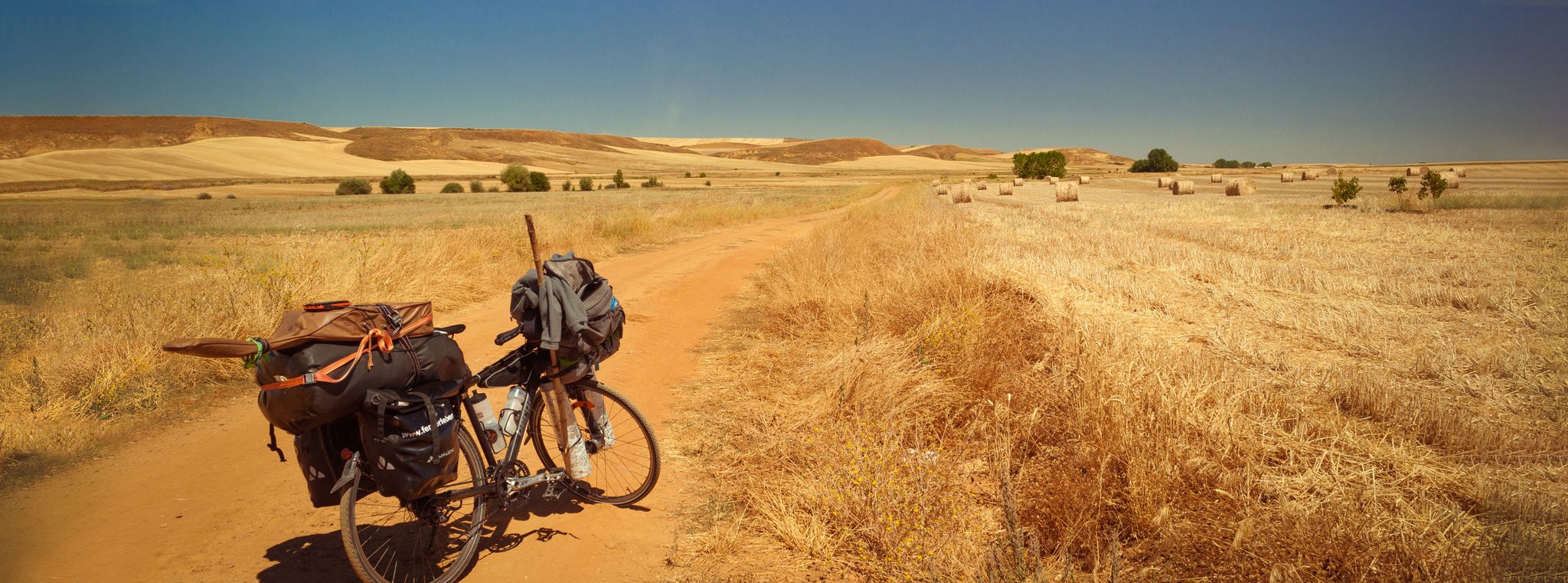
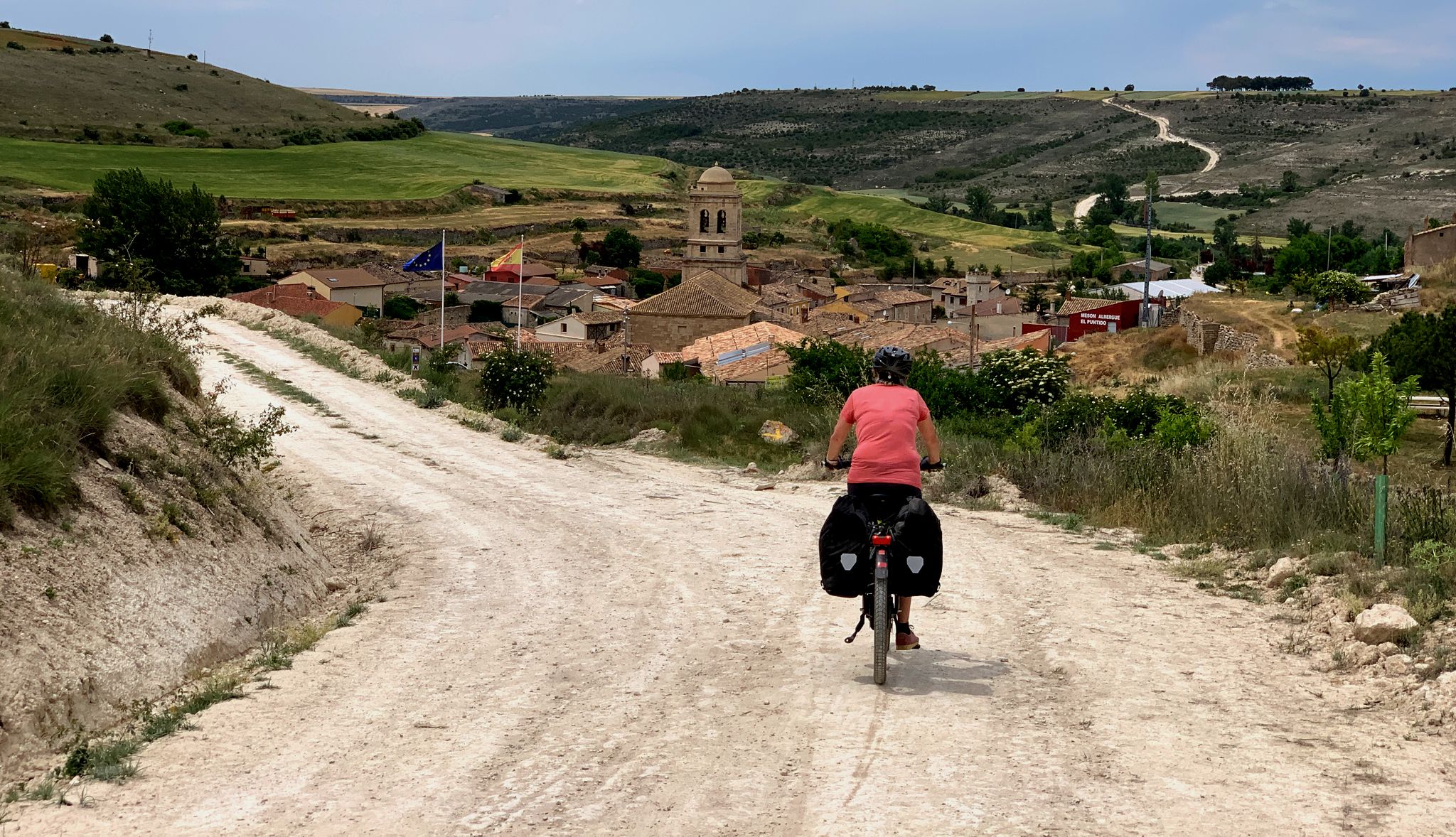
Bus station hiking trails around Sahagun are primarily situated on the Spanish Meseta, a high plateau approximately 900 meters above sea level. This region is characterized by vast, open expanses, often featuring cereal crops, vineyards, and olive trees across flat to gently rolling terrain. The Río Cea flows through the area, providing natural elements and routes that follow its course. While the immediate vicinity is not known for dense forests or dramatic mountains, the landscape offers a sense of solitude and wide-open skies.
Best bus station hiking trails around Sahagun
- The most popular bus station hiking route is Sahelices del Río from Cea – circular by the river Cea and the Castillo, a 7.9 miles (12.7 km) trail that takes 3 hours 16 minutes to complete. This moderate route follows the Río Cea and passes by historical features.
- Another top favourite among local hikers is We leave from Población de Arroyo — circular by the Camino de Santiago Francés, a moderate 10.0 miles (16.1 km) path. This route offers a circular experience along a section of the historic Camino de Santiago Francés.
- Local hikers also love the Ledigos Village – Ledigos loop from Población de Arroyo, a 4.1 miles (6.6 km) trail leading through the open Meseta landscape, often completed in about 1 hour 45 minutes.
- Hiking around Sahagun is defined by open Meseta landscapes, sections of the Camino Francés, and routes along the Río Cea. The network offers options for various ability levels, from easy loops to more challenging long-distance paths.
- The routes in Sahagun are highly rated by the komoot community with an average score of 4.3 stars from more than 20 reviews. More than 200 hikers have used komoot to explore Sahagun's varied terrain.
Last updated: August 30, 2026
5.0
(1)
1
hikers
Moderate hike. Good fitness required. Easily-accessible paths. Suitable for all skill levels.
Hike a moderate 10.0-mile (16.1 km) circular route from Población de Arroyo, experiencing the Meseta landscape of the Camino de Santiago Fra

Sign up for free
16.4km
04:12
60m
60m
Hike the moderate 10.2-mile Madrid Way of Saint James: Santervás de Campos Loop through the Castilian plateau, featuring historic churches.
4.4
(21)
123
hikers
17.0km
04:21
60m
60m
Moderate hike. Good fitness required. Easily-accessible paths. Suitable for all skill levels.
2
hikers
6.51km
01:45
80m
80m
Easy hike. Great for any fitness level. Easily-accessible paths. Suitable for all skill levels.
Our route recommendations are based on thousands of hikes, rides, and runs completed by other people on komoot.
Start today with a free account
Your next adventure awaits.
Login or Signup


Tips from the Community

Ledigos, in the province of Palencia, is a small town with about 60 inhabitants, located on the French Way of St. James, between Calzadilla de la Cueza and Terradillos de los Templarios. Its history, architecture, and natural surroundings make it an interesting stop for pilgrims and travelers.
1
0
Calzadilla de la Cueza is a small town in the province of Palencia, with just 50 inhabitants, located in the Tierra de Campos region and part of the municipality of Cervatos de la Cueza. It is a major stop on the French Way of St. James and is also linked to the ancient Via Aquitania, a Roman road whose sections are still visible.
1
0

This beautiful and large church in Sahagun dedicated to San Lorenzo, is built in red brick in the Romanesque Mudejar style and dates back to the 13th century.
5
0

Medieval church representative of the Mudejar Romanesque style of Sahagún. Definitely not to be missed
1
1
The most interesting part is the church of San Tirso, in the Romanesque Mudejar style, with its apse and bell tower. The mural is anecdotal.
1
1
The town has several historical monuments, such as the church of San Gervasio y San Protasio, which dates back to the 13th century, and the Casa de Ponce de León, which is a museum dedicated to the life and explorations of Juan Ponce de León.
4
0
Santervás de Campos is a small municipality located in the province of Valladolid, in the autonomous community of Castilla y León, Spain. It is known for its rich history and cultural heritage. One of the highlights of Santervás de Campos is that it is the birthplace of Juan Ponce de León, the famous Spanish explorer who discovered Florida.
4
0

The Ermita de Nuestra Señora de Perales is a historic chapel located in Bercianos del Real Camino. The chapel was built in the 17th century. It was originally dependent on the Hospital del Cebreiro, which was founded in the 12th century. It is a simple brick building with a gable roof and a single tower. The interior is sober but charming, with a focus on devotion to Our Lady of Perales. Every year on September 8, a romería (pilgrimage) is held in her honor, during which the people of Bercianos del Real Camino visit the chapel and celebrate a party. The chapel is open from June 15 to September 30, from Monday to Sunday, between 11:00 and 13:00 and 18:00 and 20:00.
2
0
Frequently Asked Questions
How many hiking trails are accessible from bus stations around Sahagún?
There are 5 hiking trails in this guide that are easily accessible from bus stations around Sahagún. These routes offer a variety of experiences, from easy strolls to more challenging treks across the Meseta.
Are there easy hiking options accessible by bus from Sahagún?
Yes, there is one easy route featured in this guide: Ledigos Village – Ledigos loop from Población de Arroyo. This trail is perfect for beginners or those looking for a relaxed walk, offering a gentle introduction to the region's landscapes.
Can I find circular hiking routes starting near bus stops in Sahagún?
Absolutely. Many of the trails in this guide are circular, allowing you to return to your starting point without retracing your steps. For example, the Sahelices del Río from Cea – circular by the river Cea and the Castillo offers a scenic loop along the Río Cea, and We leave from Población de Arroyo — circular by the Camino de Santiago Francés provides a circular experience on the historic Camino.
What kind of landscape can I expect on these bus-accessible trails around Sahagún?
The trails around Sahagún primarily traverse the Spanish Meseta, characterized by vast, open expanses and gently rolling terrain. You'll experience wide-open skies, cereal crops, and sometimes vineyards. Routes often follow the course of the Río Cea, providing a natural contrast to the open plains. While not mountainous, the landscape offers a unique sense of solitude and historical significance as part of the Camino Francés.
Are there any historical or cultural landmarks to see on hikes from Sahagún's bus stations?
Yes, the region is rich in history and culture. Many trails pass by significant sites. You can explore the Geographical Center of the Camino Francés – Ermita de la Virgen del Puente, which served as a pilgrim's hospital. Other notable landmarks include the San Benito Arch and Ruins of the Monastery of San Benito, and charming traditional Castilian adobe villages like El Burgo Ranero, often featuring Mudejar architecture.
Are these trails suitable for families?
Many of the trails around Sahagún are suitable for families, especially the easier and moderate routes. The relatively flat terrain of the Meseta makes for pleasant walking. Consider the Ledigos Village – Ledigos loop from Población de Arroyo for a shorter, easy option. Always check the specific route's distance and elevation gain to ensure it matches your family's capabilities.
Are dogs allowed on the hiking trails around Sahagún?
Generally, dogs are welcome on hiking trails in the Sahagún region, especially on public paths like those forming part of the Camino Francés. However, it's always recommended to keep your dog on a leash, particularly when passing through agricultural areas or near livestock. Be mindful of local regulations and ensure you carry water for your pet, as some sections of the Meseta can be exposed.
What is the best time of year for hiking around Sahagún?
Spring (April-May) and Autumn (September-October) are generally the best times for hiking around Sahagún. During these seasons, temperatures are mild, and the landscape is vibrant. Spring brings blooming crops, while autumn offers pleasant weather. Summers can be very hot and exposed on the Meseta, and winters can be cold, though winter hiking is possible with appropriate gear.
What should I wear for hiking on these trails?
Given the open nature of the Meseta, layers are key. Wear comfortable, breathable clothing suitable for varying temperatures. Sturdy walking shoes or hiking boots are recommended, as paths can be uneven. A hat, sunglasses, and sunscreen are essential due to sun exposure. Always carry enough water, especially on longer routes, as shade can be limited.
What do other hikers enjoy most about hiking in Sahagún?
The komoot community highly rates the hiking experience in Sahagún, with an average score of 4.3 stars. Reviewers often praise the unique sense of solitude on the vast Meseta, the historical significance of walking sections of the Camino Francés, and the charm of passing through traditional Castilian villages. The well-maintained paths and the opportunity to connect with nature and history are frequently highlighted.
Are there any viewpoints or scenic spots along these bus-accessible routes?
While the Meseta is not known for dramatic mountain vistas, the open landscape itself offers expansive views and a unique sense of scale. Routes along the Río Cea, such as the Sahelices del Río from Cea – circular by the river Cea and the Castillo, provide picturesque riverine scenery. The historical landmarks like the Ermita de la Virgen del Puente also offer scenic spots with cultural significance.
Most popular routes around Sahagun
Most popular attractions around Sahagun

Get inspired with the komoot mobile app


Explore more
Browse the best Hikes in other regions.
