The best hikes from bus stations around Anoia
4.5
(3565)
25,683
hikers
70
hikes
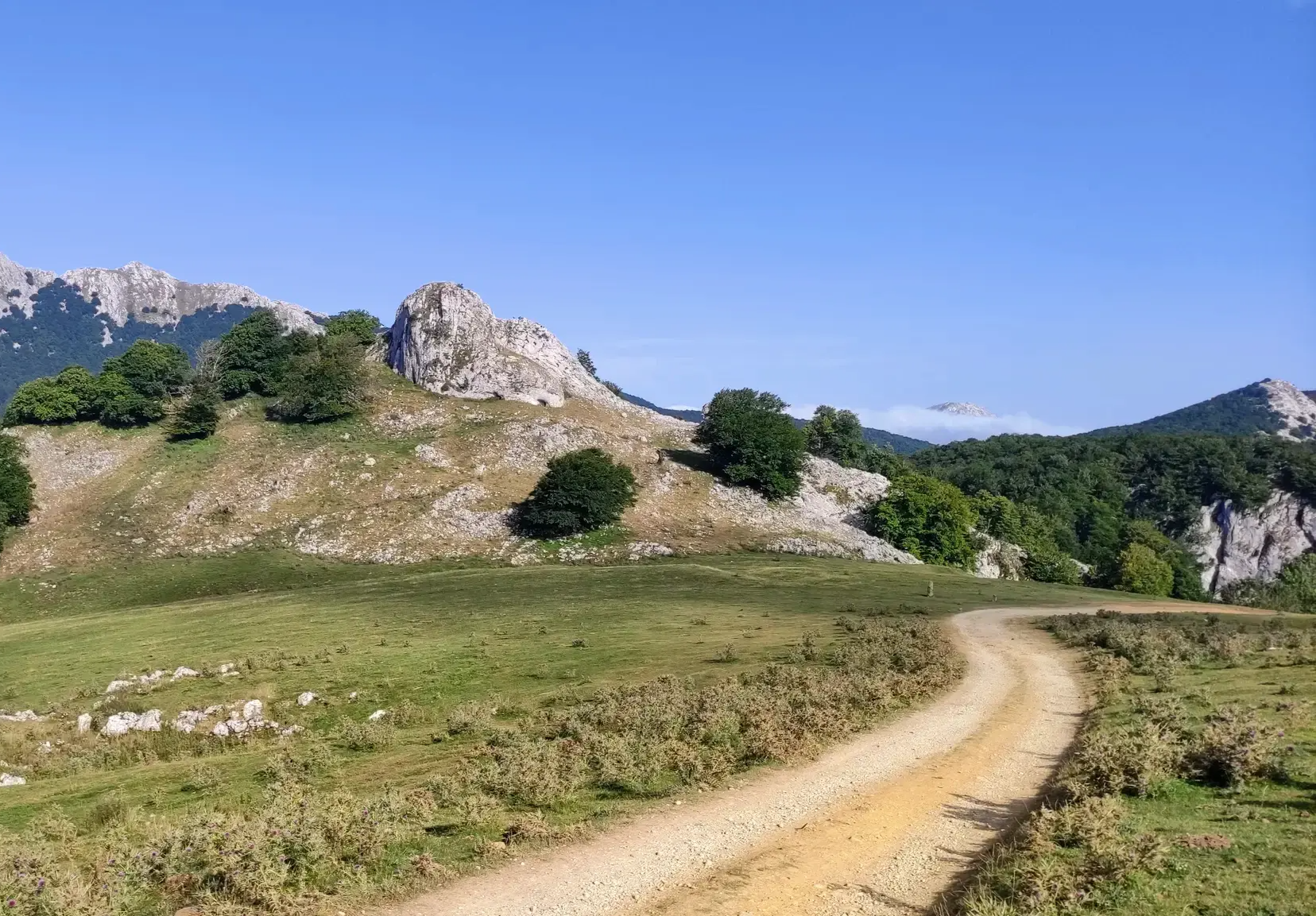
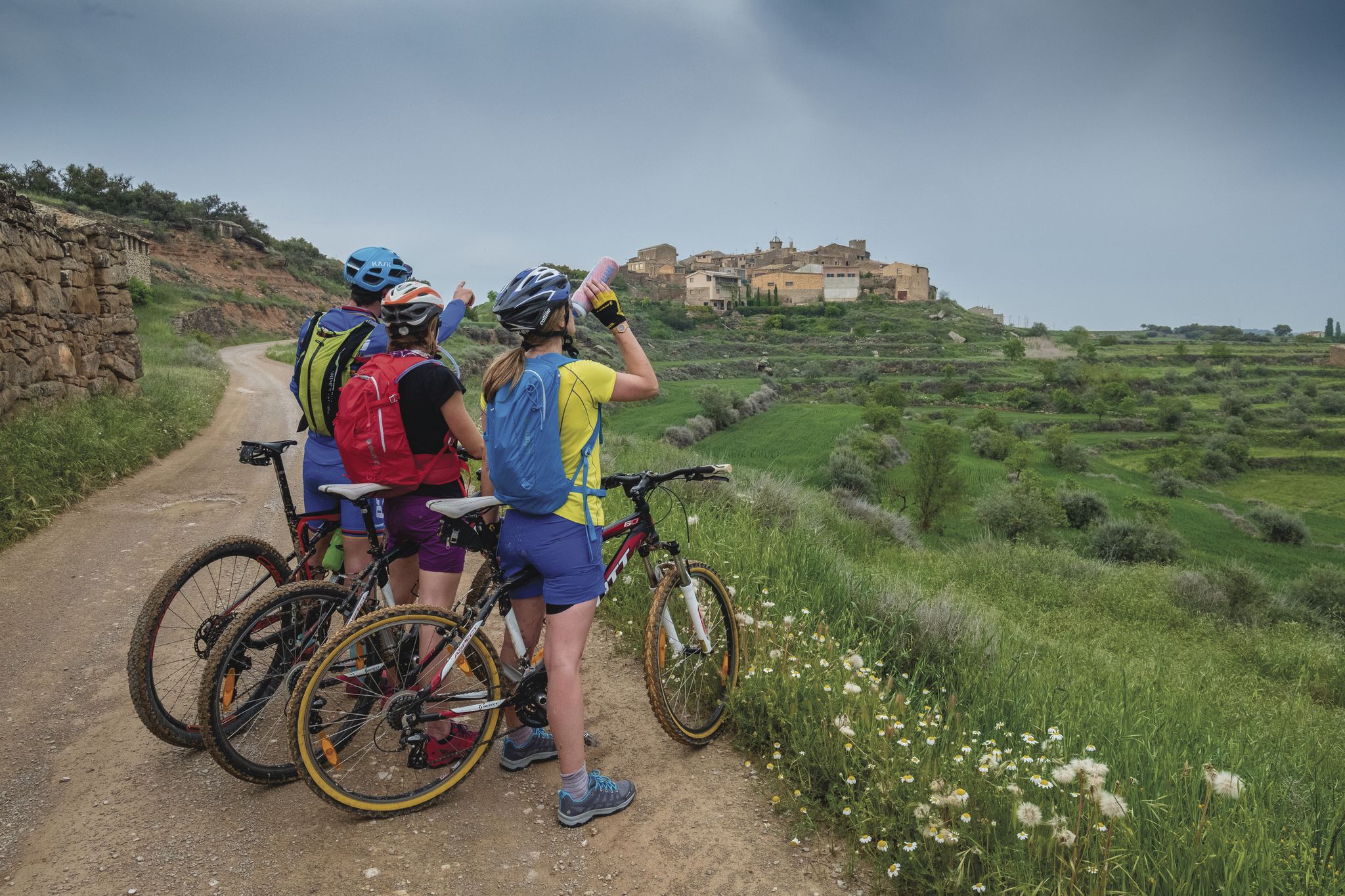
Bus station hiking trails around Anoia traverse a diverse landscape in Catalonia, Spain, characterized by high plains, fertile ravines, and dense forests. The region features significant mountain systems, including Queralt-Miralles-Montbui and the Ancosa Mountain Range, with peaks reaching over 900 meters. Hikers can explore varied terrain, from cereal crop fields to lush vineyards and hidden water features. This area offers a wide range of options suitable for various skill levels.
Best bus station hiking trails around Anoia
- The most popular…
Last updated: July 7, 2026
4.0
(1)
37
hikers
10.2km
03:32
430m
430m
Moderate hike. Good fitness required. Mostly accessible paths. Sure-footedness required.
5.0
(3)
33
hikers
11.0km
03:30
400m
400m
Moderate hike. Good fitness required. Mostly accessible paths. Sure-footedness required.

Sign up for free
5.0
(6)
28
hikers
Hard hike. Good fitness required. Sure-footedness, sturdy shoes and alpine experience required.
4.8
(4)
23
hikers
10.0km
02:50
220m
220m
Moderate hike. Good fitness required. Easily-accessible paths. Suitable for all skill levels.
22
hikers
12.9km
03:55
350m
360m
Moderate hike. Good fitness required. Mostly accessible paths. Sure-footedness required.
Get access to more routes and recommendations from other explorers.
Sign up for free
Already have an account?
Our route recommendations are based on thousands of hikes, rides, and runs completed by other people on komoot.
Start today with a free account
Your next adventure awaits.
Login or Signup
Other adventures around Anoia


Tips from the Community

After a short, strenuous climb, you are rewarded with a magnificent view.
1
0

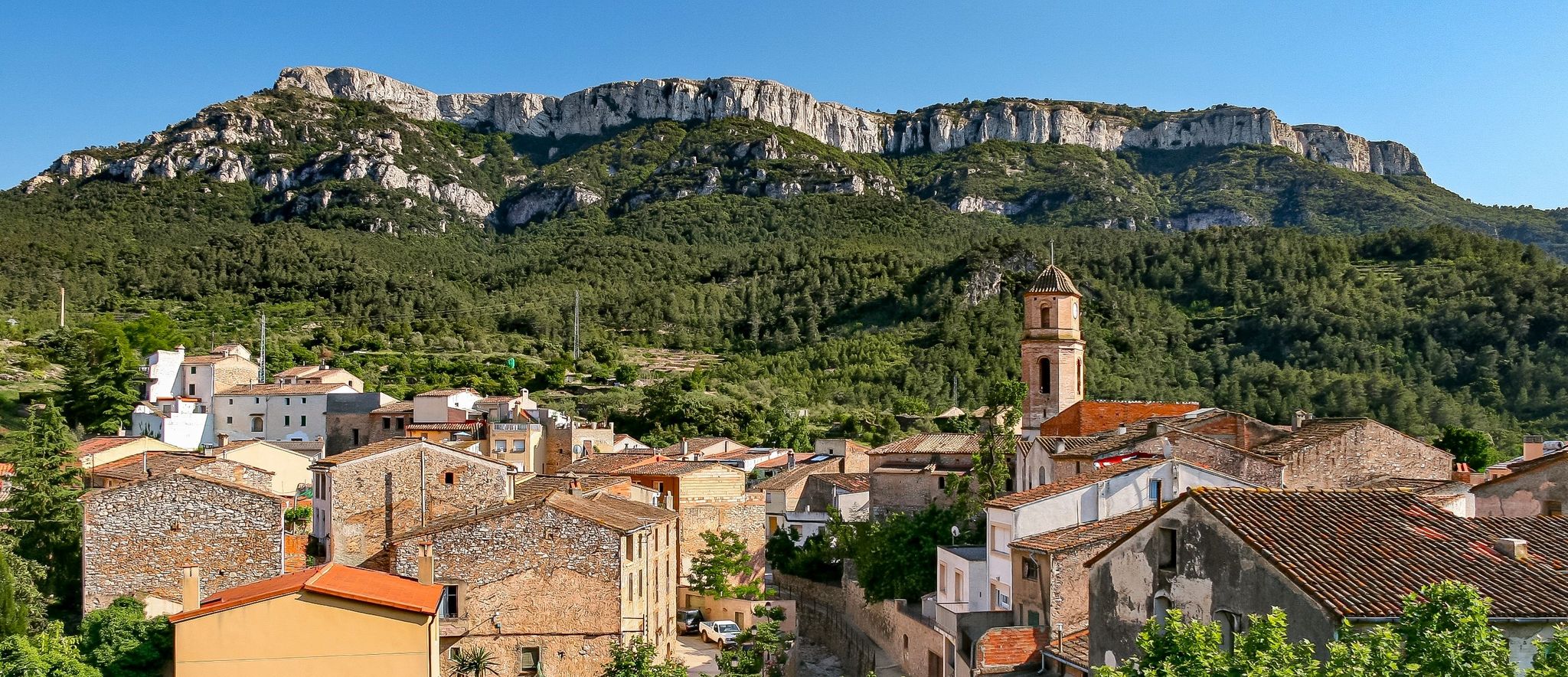
A small village of medieval origin, Castellolí retains a strong connection with the territory and its rural history in the heart of Catalonia.
0
0


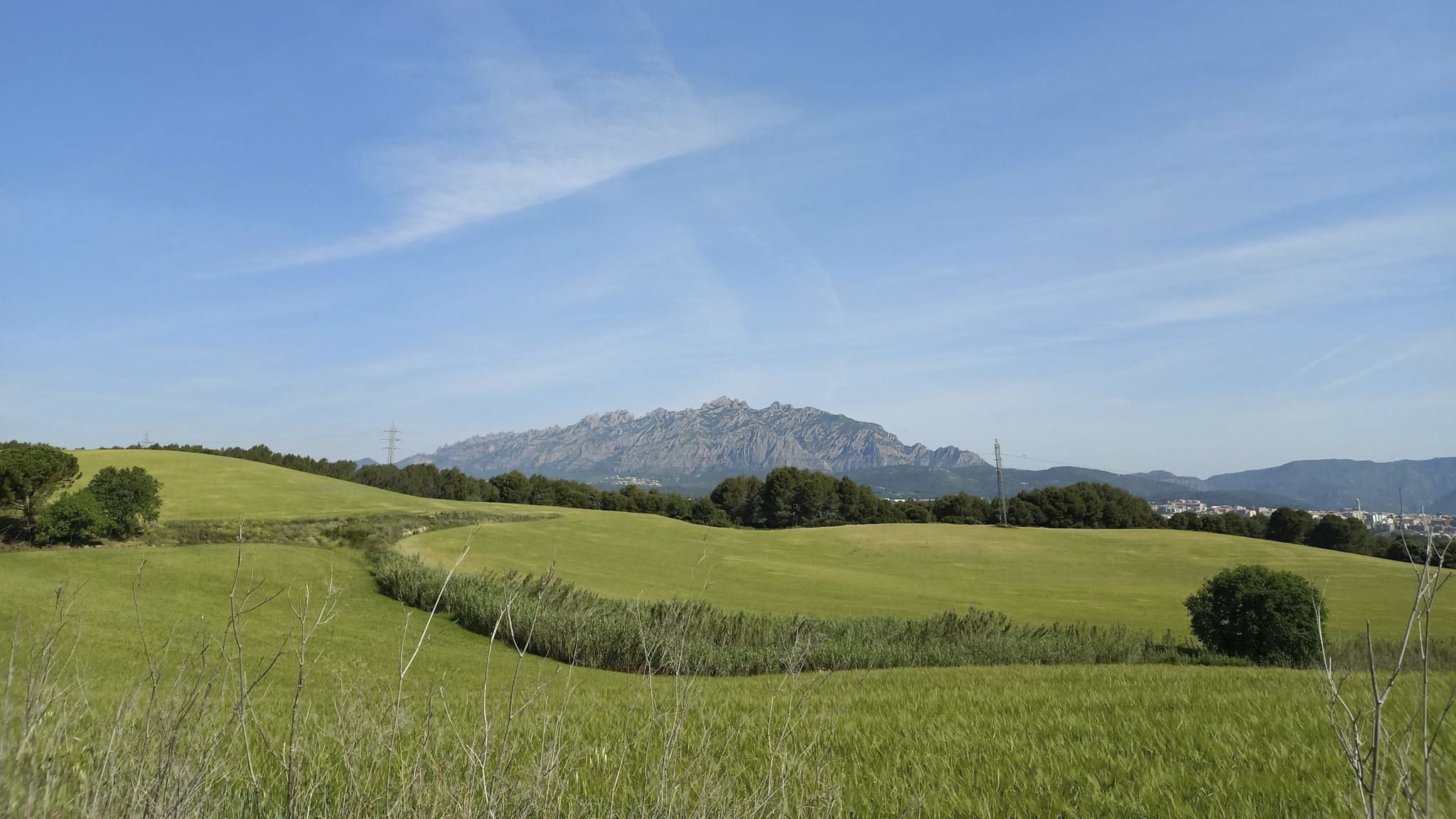
You'll have good luck if you see the Magical mountain, and the descent after is fantastic :-)
0
0

The path winds and is not very steep, it offers sublime views
1
0
This little path under the cliffs is worth the detour
0
0

Can Maçana is an old farmhouse that gives its name to the hill in the westernmost part of the Montserrat massif. The pass is one of the natural passes between the regions of Bages and Anoia. The farmhouse belonged to the Maçana (or Massana) family during the 16th and 17th centuries. It later became the property of the Montserrat monastery (on the door you can see the coat of arms of the monastery, dated 1791). This part of the massif is known for its famous stone needles (the area is known as "the labyrinth of needles"). At this point there is a car park and it is the starting point of numerous signposted routes, such as those that go to Sant Pau Vell (ancient Romanesque church) or the historical space of the Battle of Bruc.
1
0

Narrow and at the same time beautiful passage in the middle of the Roca Gran de la Portella. In this step you have to be alert, but you are entering the mountain of Montserrat.
0
0
Frequently Asked Questions
How many bus station hiking trails are available in Anoia?
There are over 50 hiking routes in Anoia that are easily accessible from bus stations. These trails cater to various skill levels, with 11 easy, 45 moderate, and 1 difficult option.
Are there any easy hiking trails accessible by bus in Anoia?
Yes, Anoia offers several easy hiking trails accessible by bus. An excellent option is the Prehistoric Park of Capellades loop from Capellades, which is an easy 6.9-kilometer route perfect for a relaxed outing.
What kind of natural landscapes can I expect to see on these bus-accessible hikes?
Anoia's bus-accessible hikes traverse a diverse range of natural landscapes. You can explore the high plains of Alta Anoia, dense forests, fertile ravines, and even lush vineyards in Baixa Anoia. The region also features significant mountain systems like Queralt-Miralles-Montbui and the Ancosa Mountain Range, offering varied scenery.
Are there any historical sites or castles along the bus station hiking trails?
Yes, many trails offer glimpses of Anoia's rich history. For example, the Tossa and Montbui Castle – Pla de la Tossa, Òdena loop from Igualada takes you past the historic Tossa and Montbui Castle. Other notable historical attractions in the region include Claramunt Castle and Queralt Castle Ruins.
Can I find any caves or unique rock formations on these trails?
Absolutely. The region is known for its geological features. You can explore the La Fou Cave – Devil's Cave loop from Sant Martí de Tous, which includes a visit to a cave. Additionally, the Roca Foradada (Holed Rock) is a prominent natural monument in the area.
What do other hikers say about the bus-accessible trails in Anoia?
The bus-accessible trails in Anoia are highly regarded by the komoot community, with an average rating of approximately 4.5 out of 5 stars from nearly 3,000 reviews. Hikers often praise the diverse landscapes, well-maintained paths, and the convenience of public transport access to trailheads.
Are there any circular routes available from bus stations?
Many of the bus-accessible routes in Anoia are circular, allowing you to start and end your hike at the same point, often near a bus stop. Examples include the Font del Ferro – Town Hall of Castellolí loop from Castellolí and the Torrent de l'Anoia – Parque Garcia Fossas loop from Igualada.
Are there any trails that follow water features like rivers or torrents?
Yes, the region features several trails along its watercourses. The Torrent de l'Anoia – Parque Garcia Fossas loop from Igualada is a moderate route that follows the Torrent de l'Anoia, offering pleasant riverside scenery. You might also find hidden water features like waterfalls along the Bleda Torrent and the serene Nafre Pool in the wider Anoia region.
What is the best time of year to hike the bus-accessible trails in Anoia?
Anoia offers good hiking conditions for much of the year. Spring and autumn are ideal, with mild temperatures and vibrant natural colors. Summer can be warm, so early morning or late afternoon hikes are recommended. Winter hiking is also possible, especially on lower elevation trails, though some higher mountain areas might require more preparation.
Are there any viewpoints or summits accessible from bus stations?
While many trails offer scenic views, some routes provide access to higher points. The region includes significant peaks like Grony de Miralles and Puig Castellar. For a notable summit experience, the Sant Jeroni Summit is a prominent natural monument in the broader Anoia area, often accessible via connecting trails.
Most popular routes around Anoia
Most popular attractions around Anoia

Get inspired with the komoot mobile app


Explore more
Browse the best Hikes in other regions.
