The best hikes from bus stations around Brozas
4.5
(29)
116
hikers
7
hikes
Bus station hiking trails around Brozas are situated in the Cáceres province of Extremadura, Spain, within the Tajo Internacional Natural Park. The region is characterized by diverse landscapes, including the Tagus River and its tributaries, Mediterranean woodlands with holm oaks and cork oaks, and open plains. Notable features include the Llanos de Brozas and the Lago de La Quebrada, offering varied terrain for outdoor exploration.
Best bus station hiking trails around Brozas
- The most popular bus station hiking route is…
Last updated: July 7, 2026
Moderate hike. Good fitness required. Mostly accessible paths. Sure-footedness required.
16.1km
04:21
210m
210m
Hike 10 miles (16.1 km) from Piedras Albas to the historic Roman Segura International Bridge, a moderate round trip with 705 feet of elevati

Sign up for free
5.0
(1)
6
hikers
15.0km
04:08
240m
240m
Moderate hike. Good fitness required. Easily-accessible paths. Suitable for all skill levels.
3
hikers
12.1km
03:07
60m
60m
Moderate hike. Good fitness required. Easily-accessible paths. Suitable for all skill levels.
4
hikers
6.01km
01:36
70m
70m
Easy hike. Great for any fitness level. Easily-accessible paths. Suitable for all skill levels.
Get access to more routes and recommendations from other explorers.
Sign up for free
Already have an account?
Our route recommendations are based on thousands of hikes, rides, and runs completed by other people on komoot.
Start today with a free account
Your next adventure awaits.
Login or Signup


Tips from the Community

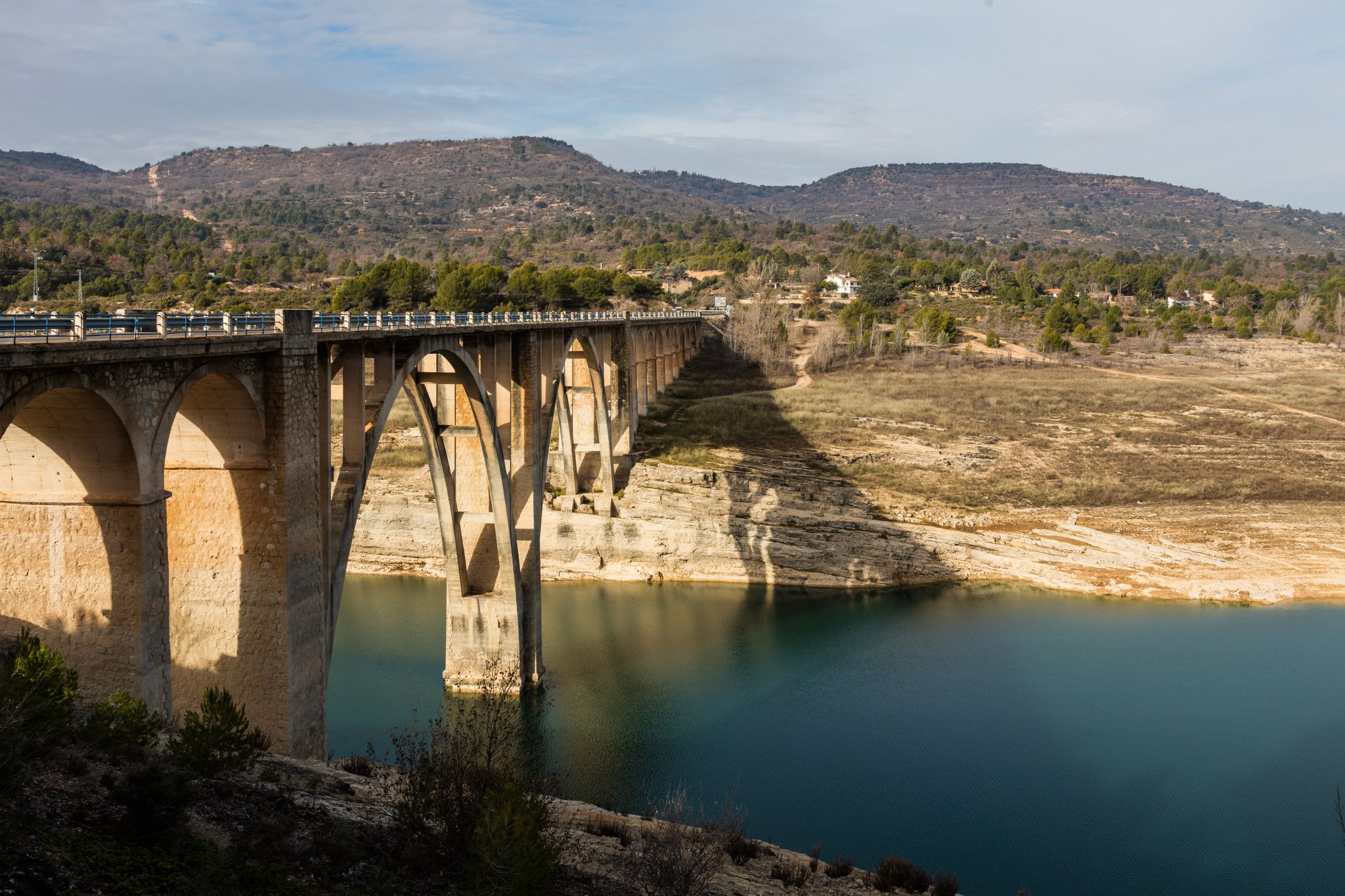
On the Spanish side, the bridge is located in the municipality of Alcántara in the province of Cáceres. It is reached via the regional highway EX-207 from the nearby town of Piedras Albas. On the Portuguese side, it connects with a local road to reach the town of Segura, from which this bridge takes its name. It was built in the Roman province of Lusitania to give continuity to the Roman road that connected Norba Caesarina (on the Via de la Plata) with the civitas Egitania (Idanha-a-Velha, Portugal) and with Bracara Augusta (Braga, Portugal), in order to save the Erjas river. This river marks the border line between Spain and Portugal, and the bridge serves as an international crossing between both countries.
9
0
Piedras Albas is a Spanish municipality located in the province of Cáceres, in the autonomous community of Extremadura. It is located 74 km west of the provincial capital and 7 km from the border with Portugal. Surrounded by the municipality of Alcántara, this town has an interesting history. The name “Piedras Albas” probably refers to the white quartzite ridges present in its surroundings. In the past, there was a border post next to the Roman bridge of Segura over the Erjas river, and a customs office in the same town.
5
0
The menhir is located on a small hill or headland, hence its name. It is one of the few known menhirs in Alta Extremadura and, perhaps, one of the oldest megaliths in the region.
12
0
Popular Gothic architecture. In 1959, it ceased to be a hermitage and became a parish church. It has two windows, one that illuminates the sacristy and the other that illuminates the access staircase to the bell tower. The main and only door is formed by a semicircular arch. There is an upper section as an architrave that supports the tympanum-shaped enclosure. With a gable roof.
21
0

View of the small town of Piedras Albas. The rural town sits on the old commercial and livestock route between Estorninos and Zarza la Mayor called Cañada Real de Gata.
2
0
A large upright stone, which was assembled as part of prehistoric stone circles, which were placed on hill sites.
2
0
Border bridge over the Erjas river near the town of Segura.
2
0
La Peña Buraca de Alcántara is already an Asset of Cultural Interest in Extremadura with the category of archaeological zone. La Peña Buraca, also known as Canchal de los Ojos, is the most representative element of this enclave that, even though it is very close to Piedras Albas, belongs to the municipality of Alcántara.
11
0
Frequently Asked Questions
How many bus station hiking trails are available around Brozas?
There are 7 dedicated hiking trails around Brozas that are easily accessible from bus stations, offering a convenient way to explore the region without a car. These routes range from easy to moderate difficulty.
What kind of terrain can I expect on bus station hikes near Brozas?
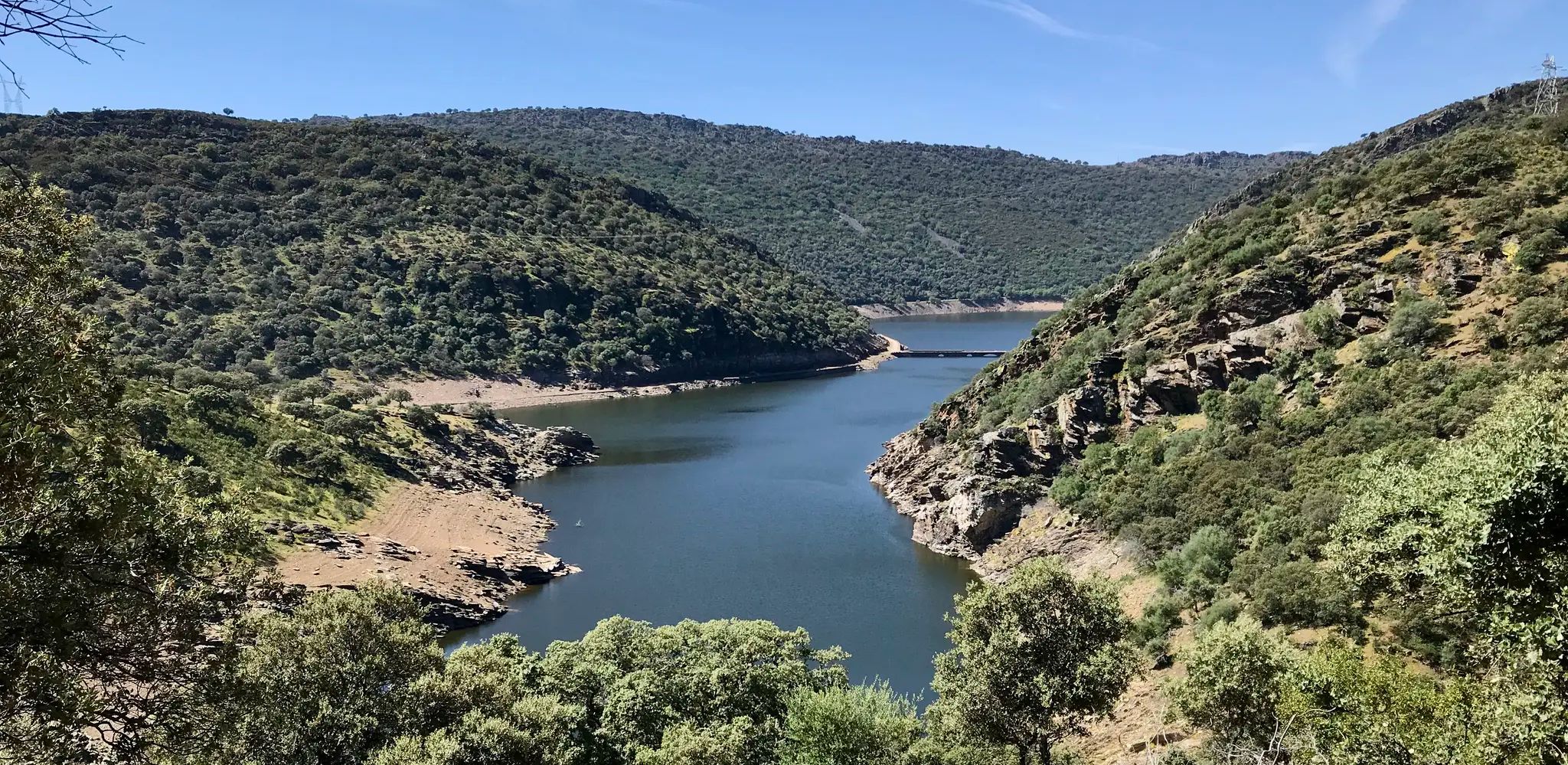
The terrain around Brozas offers a diverse experience, from the Mediterranean woodlands with holm oaks and cork oaks found within the Tejo/Tajo International Transboundary Biosphere Reserve to the flatter landscapes of the Llanos de Brozas. You can expect paths that traverse river banks, open plains, and gentle ascents, with most routes being moderate in difficulty.
Are there any easy hiking trails accessible from bus stations in Brozas?
Yes, there are easy options for those looking for a more relaxed walk. One such route is the Embalse de Rivera de Mula loop from Salorino, which is approximately 6 km long and offers a pleasant, gentle hike.
What natural features can I see on these bus station hiking trails?
Many trails offer glimpses of the region's rich natural beauty. You might encounter the Tagus River and its tributaries, Mediterranean forests, and areas known for birdwatching. The Picnic Area at La Quebrada Pond and the Brozas Reservoir are notable natural highlights that can be enjoyed near some routes.
Are there any historical landmarks along the bus station hiking routes?
Yes, the region is rich in history. While not directly on every bus station route, the iconic Alcántara Roman Bridge is a significant historical landmark in the wider area. Within Brozas itself, you can explore historical structures like the Castillo de Brozas and the Plaza Mayor, which add a cultural dimension to your visit.
Are there any circular routes starting from bus stations?
Yes, several routes are circular, allowing you to return to your starting point without retracing your steps. An example is the Menhir del Cabezo from Piedras Albas — circular via Ruta de la Cañada Real de Gata, which is a moderate 9.3 km loop.
What do other hikers enjoy most about hiking in Brozas?
The area is highly rated by the komoot community, with an average score of 4.4 stars from 31 ratings. Reviewers often praise the diverse landscapes, the tranquility of the natural parks, and the opportunity to combine outdoor activity with historical exploration.
Are the bus station hiking trails suitable for families?
Yes, with a mix of easy and moderate trails, families can find suitable options. The easier routes, such as the Embalse de Rivera de Mula loop from Salorino, are generally well-suited for families with children, offering manageable distances and gentle terrain.
Can I bring my dog on these hiking trails?
Many natural areas in Extremadura are dog-friendly, especially on marked trails. However, it's always advisable to keep dogs on a leash, particularly in areas with wildlife or livestock, and to check local regulations for specific nature reserves or parks you plan to visit.
What is the longest bus station accessible hike available?
One of the longer moderate routes accessible from a bus station is the Peña Buraca Trail from Piedras Albas, covering approximately 16.1 km. This route offers a more extensive exploration of the local landscape.
Are there any trails that pass by water features or reservoirs?
Yes, the region is known for its water bodies. The Embalse de Rivera de Mula loop from Salorino, for instance, takes you around a reservoir. The presence of the Tagus River and its tributaries also means many routes offer scenic views of rivers and streams.
Which bus station routes offer views of the Tajo Internacional Natural Park?
While specific routes directly within the park from a bus station are not detailed, the region surrounding Brozas is part of the Tejo/Tajo International Transboundary Biosphere Reserve. Routes like the Hiking loop from Salorino or the Puente río Casillas loop from Arroyo de la Luz will immerse you in the characteristic Mediterranean woodlands and diverse landscapes that define this broader natural area.
Most popular attractions around Brozas

Get inspired with the komoot mobile app


Explore more
Browse the best Hikes in other regions.
