The best hikes from bus stations around Caspe
4.3
(58)
307
hikers
16
hikes
Bus station hiking trails around Caspe offer access to a diverse landscape in Spain's Aragon region. The area is characterized by its position above the Guadalope River, which flows into the expansive Mequinenza Reservoir. Hikers can explore varied ecosystems including steppe, riverside forests, and Mediterranean woodlands, alongside mountainous terrain. The region features a mix of gentle slopes and more challenging ascents, providing a range of experiences for outdoor enthusiasts.
Best bus station hiking trails around Caspe
- The most popular bus…
Last updated: July 7, 2026
4.0
(1)
11
hikers
8.10km
02:14
140m
140m
Moderate hike. Good fitness required. Easily-accessible paths. Suitable for all skill levels.
5
hikers
11.9km
03:09
120m
120m
Moderate hike. Good fitness required. Easily-accessible paths. Suitable for all skill levels.

Sign up for free
8
hikers
5.17km
01:25
80m
80m
Easy hike. Great for any fitness level. Easily-accessible paths. Suitable for all skill levels.
3
hikers
6.87km
01:50
80m
80m
Easy hike. Great for any fitness level. Easily-accessible paths. Suitable for all skill levels.
5
hikers
Easy hike. Great for any fitness level. Easily-accessible paths. Suitable for all skill levels.
Get access to more routes and recommendations from other explorers.
Sign up for free
Already have an account?
Our route recommendations are based on thousands of hikes, rides, and runs completed by other people on komoot.
Start today with a free account
Your next adventure awaits.
Login or Signup
Popular around Caspe

Hikes from bus stations around Pantà de Riba-roja

Hikes from bus stations around Embalse de Mequinenza
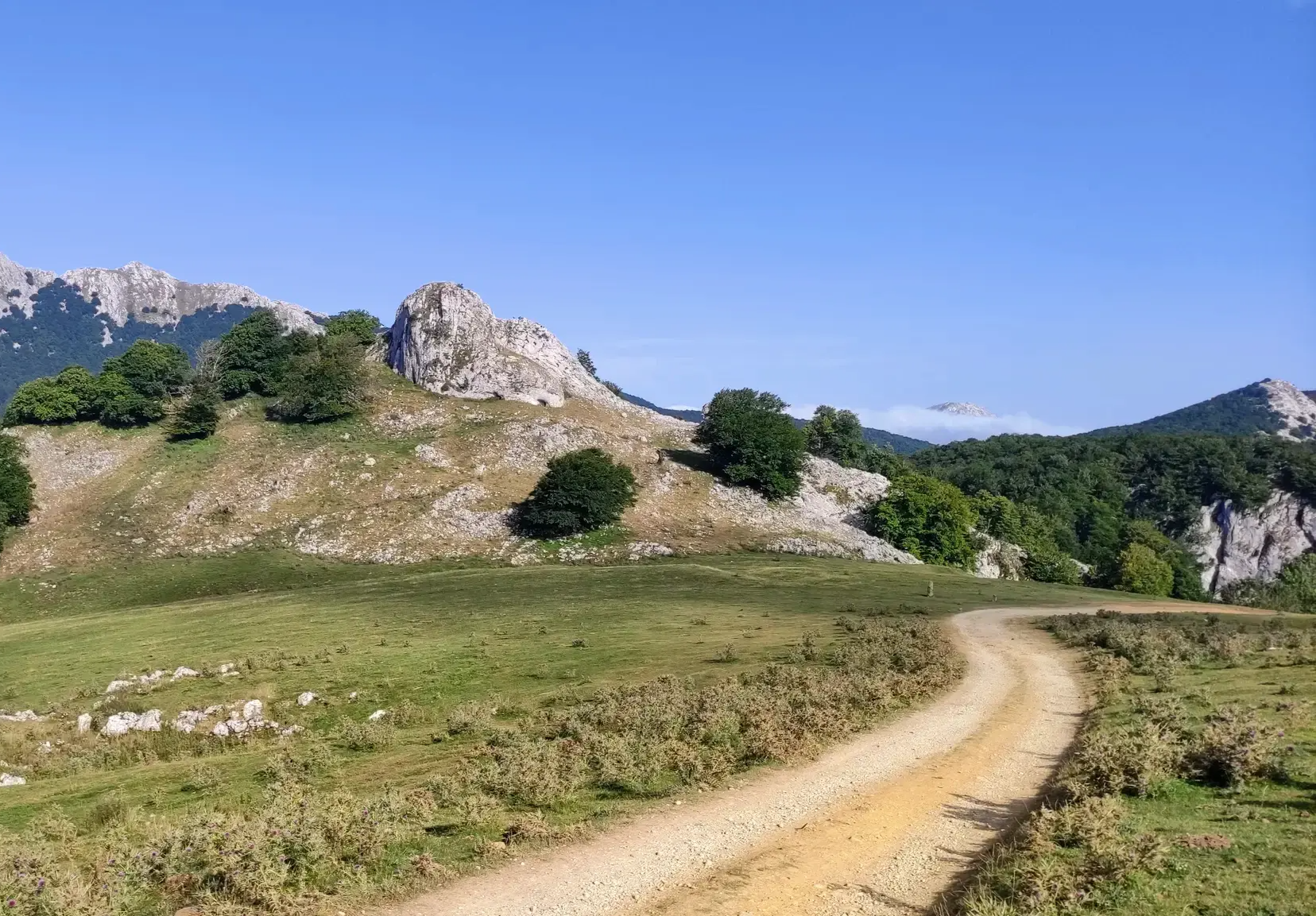
The Ignatian Way - In the footsteps of Ignatius of Loyola
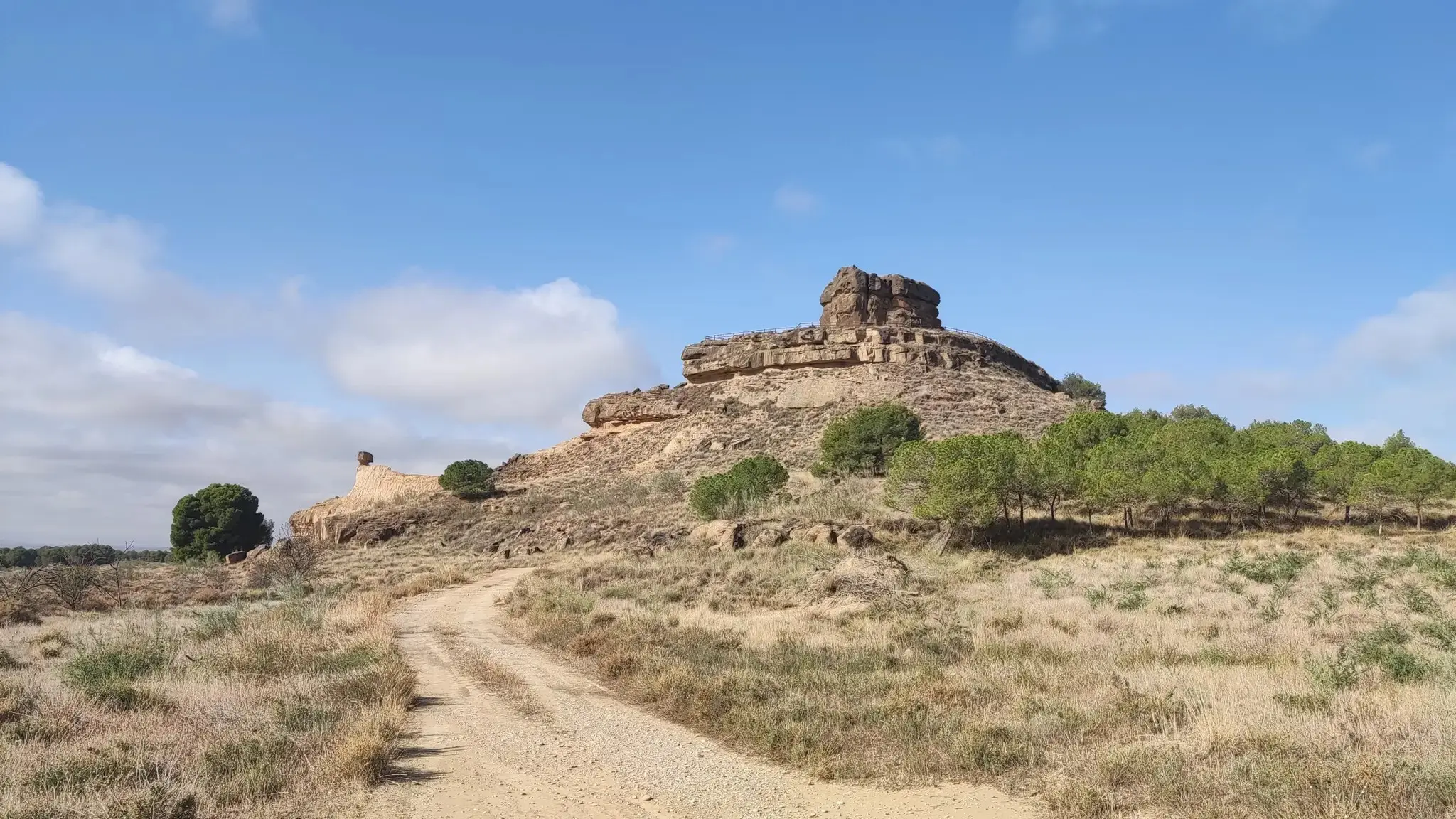
Rock formations, deserts and lagoons - Gravel round in Aragon
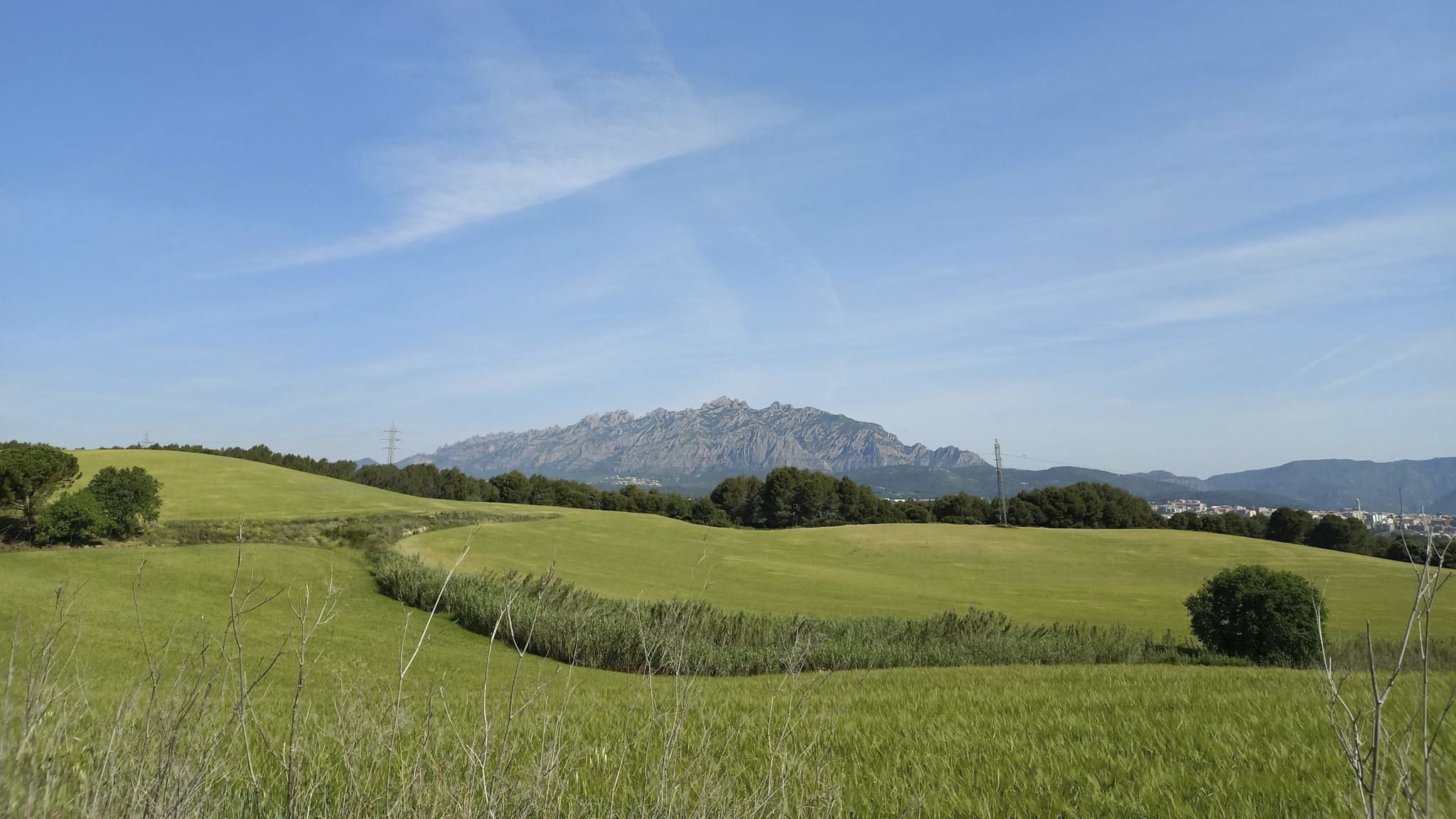
Ancestral gravel – Camino Real from Zaragoza to Barcelona
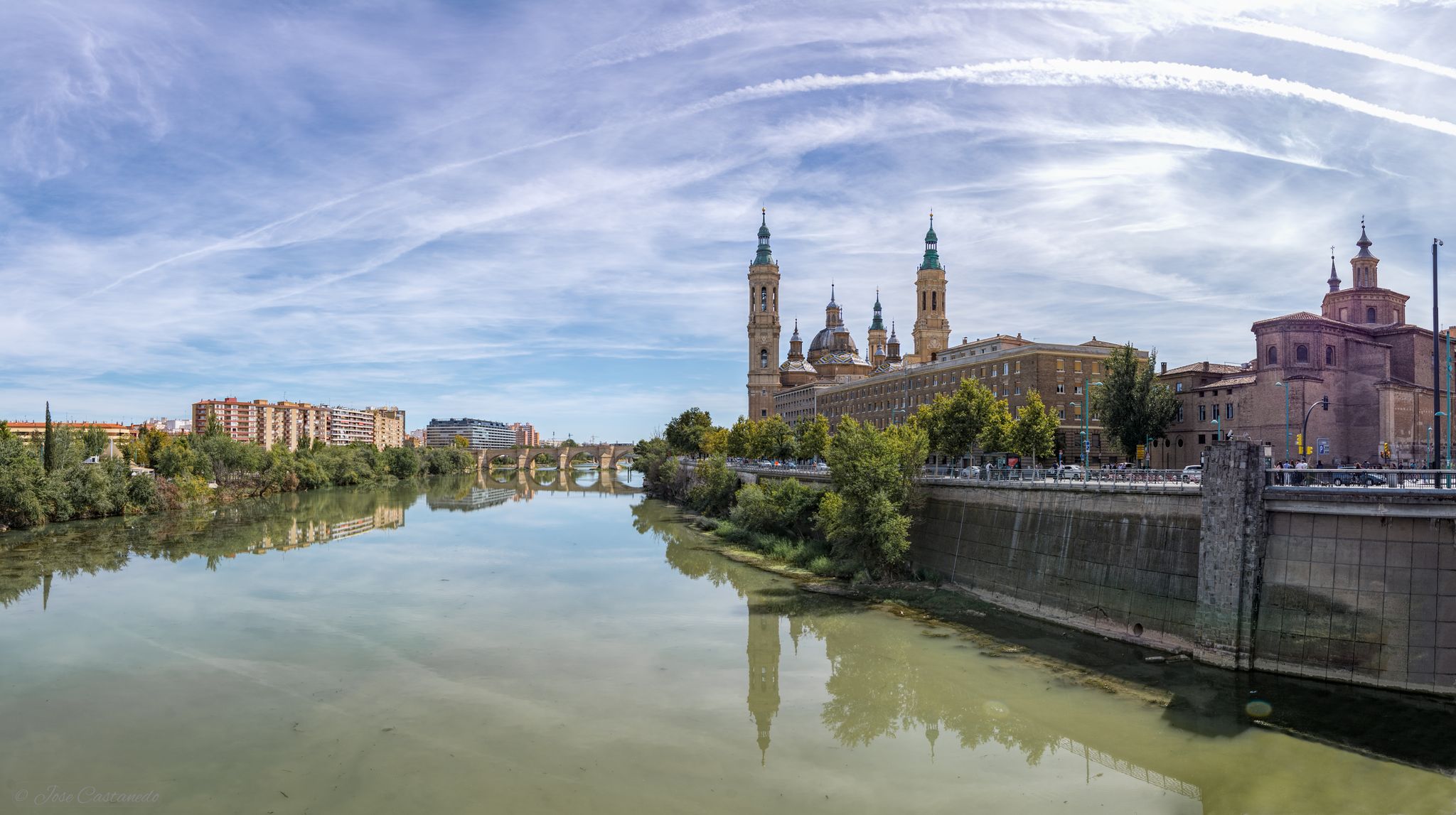
A river getaway – Ebro Natural Trail (GR 99)
Bikepacking in Catalonia
Spain's great river by bike – the Ebro Nature Trail
Other adventures around Caspe


Tips from the Community

Beautiful views over the lake
1
0

With many terraces and restaurants
5
0
There is no doubt that Iberians and Romans inhabited these lands and must have occupied and fortified this strategic location. In the 8th century, the site was an Arab defensive tower, built by the Berber tribe of the Miknasa, who gave the city its name. The current toponym Mequinenza is probably evident from the name. Since then, the strategically located fortress has been the center of many battles and conquests. It is now owned by a foundation and can only be visited by appointment
13
0

The so-called "Tower of Salamanca", "Fortress of Salamanca" or "Tower of the Head of Monteagudo" is an optical telegraphy and rifle tower built in 1875 by General Manuel de Salamanca y Negrete (from whom it takes its name) as part of the Third Carlist War was built.
7
0
Panoramic view of the Riba Roja reservoir and the mouth of the Matarraña into the Ebro. The 20th century Pilar hermitage is located in Catalonia, more precisely at the tip of three provinces: Zaragoza, Lleida and Tarragona.
9
0
The spire was restored in 2004 by the Fayón City Council with financial support from the Endesa Foundation. The only remnant is the church of San Juan Evangelista (16th century) from old Fayón, of which only the tower remains and has been declared a cultural asset by the government.
10
0
THE MINETA “La Mineta” entered the history of Fayón in the early years of the 20th century with the coal boom that led to the start of numerous mining projects in the municipality. The presence of an underground watercourse prevented exploitation of this mine and the site was abandoned.
10
0

Beautiful castle located high in the city
4
0
Frequently Asked Questions
How many bus station hiking trails are available around Caspe?
There are 18 hiking routes accessible directly from bus stations around Caspe, offering a convenient way to explore the region's diverse landscapes. These include 7 easy, 9 moderate, and 2 difficult trails.
What kind of landscapes can I expect on bus-accessible hikes near Caspe?
The bus-accessible hikes around Caspe offer a rich variety of landscapes, from the unique steppe environments with juniper and thyme to lush riverside forests along the Guadalope River. You'll also find Mediterranean vegetation and mountainous terrain, providing diverse scenery for your outdoor adventures.
Are there any easy circular routes accessible by bus from Caspe?
Yes, there are several easy circular routes. For example, the San Salvador Hermitage Loop is a moderate 7.1 km trail that offers scenic views and a pleasant walk, easily reachable from a bus stop.
Can I find trails that offer historical or cultural points of interest near bus stations?
Absolutely. Many trails in the Caspe region blend natural beauty with historical significance. For instance, the area features the remains of the Acropolis of San Juanista and archaeological heritage like the Route of the Iberians. The Salamanca Tower, a notable historical landmark, is also accessible and can be incorporated into a hike.
What do other hikers enjoy most about the bus station trails in Caspe?
The komoot community highly rates the bus station trails around Caspe, with an average score of 4.4 stars from 49 reviews. Hikers frequently praise the convenience of public transport access, the stunning panoramic views, and the diverse natural environments encountered on these routes.
Are there any trails near bus stations that offer views of the Mequinenza Reservoir?
While specific routes from the bus station directly to the Mequinenza Reservoir aren't listed, the region's research indicates that the reservoir is a dominant natural feature with trails offering stunning panoramic views of its expanse. Many local trails will provide glimpses of this impressive 'Sea of Aragon'.
Are there any family-friendly hiking options accessible by bus?
Yes, with 7 easy routes available, there are plenty of family-friendly options. These trails are generally shorter and have gentler slopes, making them suitable for hikers of all ages. Consider routes that explore the local villages or offer pleasant walks through less challenging terrain.
What kind of wildlife might I spot on a bus-accessible hike in Caspe?
The diverse ecosystems around Caspe, including steppe, river, and forest landscapes, support a wide array of wildlife. Hikers may spot various birds of prey like the golden eagle and peregrine falcon, waterfowl such as mallard ducks and grey herons, and mammals like red deer, wild boar, and foxes.
Are there any trails that pass by natural monuments or unique geological features?
Yes, the region around Caspe is home to several natural monuments. You might encounter highlights such as the Matarraña River, the Salty Lagoon of Chiprana, or the Loma de Los Brunos, a historical site with unique geological context, on various routes.
Can I find moderate difficulty trails for a longer day hike from a bus station?
Certainly. There are 9 moderate trails available, perfect for a longer day hike. For example, the Alborge loop from Alborge is a moderate 11.5 km route, offering a good challenge and extended exploration, easily reachable by bus.
What is the best season to hike the bus-accessible trails around Caspe?
Caspe's climate makes spring and autumn ideal for hiking. The temperatures are milder, and the natural landscapes are vibrant. Summer can be very hot, so early mornings or late afternoons are recommended if hiking during this season. Winter offers a different, often quieter, experience, but be prepared for cooler temperatures.
Are there any trails that explore charming old towns or villages?
Yes, some routes allow you to explore the cultural side of the region. The Calaceite Old Town loop from Calaceite / Calaceit is a moderate 8.1 km trail that takes you through the historic streets of Calaceite, offering a blend of hiking and cultural immersion, accessible by bus.
Most popular routes around Caspe
Most popular attractions around Caspe

Get inspired with the komoot mobile app


Didn’t find what you were looking for?
Check out more Hikes throughout Caspe below and find the perfect route in your destination.
Explore more
Browse the best Hikes in other regions.
