The best hikes from bus stations in New York County
4.7
(765)
27,624
hikers
125
hikes
Bus station hiking trails in New York County primarily traverse urban green spaces and extensive waterfront paths. The landscape is characterized by the Hudson and East Rivers, offering long stretches of flat, paved routes alongside the water. Within the borough, large parks like Central Park provide more varied terrain with gentle hills, woodland areas, and winding paths. While significant elevation changes are limited, these trails offer accessible natural escapes within the metropolitan environment.
Best bus station hiking trails in New York County
- The most popular bus station hiking route is Hudson River Greenway, a 6.5 miles (10.5 km) moderate trail that takes about 2 hours 39 minutes to complete, offering continuous views of the Hudson River.
- Another top favourite among local hikers is Manhattan Waterfront Greenway, a difficult 37.1 miles (59.7 km) path. This extensive route circles the entire island of Manhattan, providing diverse urban and riverfront scenery.
- Local hikers also love the Ed Koch Queensboro Bridge Path, a 1.9 miles (3.1 km) trail leading through an iconic urban structure, often completed in about 47 minutes.
- Hiking in New York County is defined by urban green spaces, riverfront promenades, and parkland trails, with options ranging from short, easy walks to longer, challenging routes.
- The routes in New York County are highly rated by the komoot community with an average score of 4.7 stars from more than 650 reviews. More than 21,000 hikers have used komoot to explore New York County's varied terrain.
Last updated: August 31, 2026
13
hikers
10.5km
02:39
20m
20m
Hike the Hudson River Greenway for a moderate urban adventure, spanning 6.5 miles (10.5 km) with a gentle 66 feet (20 metres) of elevation gain. This route typically takes about 2 hours and 38 minutes to complete. As you walk, you'll enjoy continuous views of the Hudson River, with the Manhattan skyline unfolding beside you. Keep an eye out for the George Washington Bridge in the distance and the unique Historic Tugboat LAC docked along the river. The path offers a dynamic urban atmosphere, perfect for a city escape.
The Hudson River Greenway is easily accessible with numerous entry points and pedestrian bridges along its length. You will find amenities like restrooms and places to eat, especially in the southern sections of the trail. Be prepared to share the path with cyclists, particularly when you are in downtown Manhattan, as it is a popular multi-use route. Consider starting your hike earlier in the day to enjoy fewer crowds.
This trail offers a unique perspective on New York City's waterfront, allowing you to see iconic landmarks from a different vantage point. Beyond the George Washington Bridge, you might also catch glimpses of the World Trade Center and even the Statue of Liberty. The route provides a constant change of scenery, blending natural river views with the bustling urban environment. It's a great way to explore the city on foot while staying close to the water.
8
hikers
59.7km
15:28
350m
360m
Experience Manhattan's entire perimeter on this difficult 37.1 miles (59.7 km) hike, a journey that will take you around 15 hours and 27 minutes to complete. You'll gain 1152 feet (351 metres) as you traverse the island's edge, offering continuous views of the surrounding waterways. Imagine walking past bustling piers, quiet parks, and under iconic bridges like the Brooklyn Bridge, seeing the city from a unique waterside perspective. This route provides an immersive urban adventure, letting you discover the island's dynamic character from its very fringes.
While much of the Manhattan Waterfront Greenway is paved and separated from traffic, be aware of sections where the greenway is incomplete. You will need to navigate busy city streets to connect these gaps, especially along the East River. This can make the route more challenging for hikers, so plan your day with these urban transitions in mind. A steep climb north of the George Washington Bridge also adds to the overall difficulty, requiring good physical preparation.
This extensive route offers a unique opportunity to connect with Manhattan's reclaimed waterfront, providing direct access to areas previously inaccessible. You'll witness the contrast between the island's natural edge and its towering urban landscape, with views extending towards Queens and Brooklyn. The trail highlights the city's ongoing efforts to integrate green spaces and pedestrian paths into its dense environment. It's a journey that showcases the diverse character of New York City from a fresh, waterside vantage point.

Sign up for free
8
hikers
3.10km
00:47
0m
10m
Imagine yourself walking high above the East River on the Ed Koch Queensboro Bridge Path. This easy urban hike covers 1.9 miles (3.1 km) with a minimal elevation gain of just 7 feet (2 metres), making for a relaxed 47-minute journey. From the bridge, you get expansive views of the Manhattan skyline, including iconic buildings like the Empire State Building, and a unique perspective of Roosevelt Island below.
When planning your visit, know that the path is entirely paved, making it accessible for most fitness levels. You can access the bridge from either Manhattan or Queens. As of May 18, 2025, the south outer roadway of the bridge is dedicated exclusively to pedestrians, providing a safe and separate space from cyclists.
This route stands out for its unique vantage point, offering a different way to experience New York City's urban landscape. It provides clear sightlines of the East River and its surroundings, allowing you to appreciate the city's scale and architecture from a new angle. It's a great option if you're looking for a straightforward walk with impressive city views.
5.0
(1)
1
hikers
10.7km
02:47
70m
80m
Hike the Hudson River Greenway for a refreshing urban escape, offering continuous waterfront views as you follow its paved path. This moderate route spans 6.6 miles (10.7 km) and involves a gentle 219 feet (67 metres) of elevation gain. You can expect to complete the journey in about 2 hours and 46 minutes, enjoying the atmosphere along the river. Keep an eye out for the iconic George Washington Bridge, a prominent landmark visible from the Riverside Walkway. In spring, sections of Riverside Park burst with cherry blossoms, adding a vibrant touch to your hike.
Planning your visit is straightforward, as the trail is largely paved and separated from traffic, making it accessible for various users. You will find numerous access points conveniently located near public transit, allowing you to easily reach the greenway and customize your route. No special permits are needed to enjoy this popular urban oasis, so you can simply arrive and start your adventure. Consider an early morning or late afternoon start to enjoy the best light and avoid peak crowds.
This greenway is a notable urban trail because it offers a unique blend of nature and city life, providing panoramic views of the Hudson River and the Manhattan skyline. It serves as a vital green space within the city, allowing you to connect with the outdoors without leaving the urban environment. The path guides you through various sections of Riverside Park, showcasing how natural beauty can thrive amidst a bustling metropolis. It's a perfect example of how cities can integrate accessible outdoor recreation.
4.7
(16)
43
hikers
6.56km
01:42
30m
30m
This easy 4.1-mile hike around Central Park Lake and Bow Bridge offers iconic views and diverse scenery in New York City.
Get access to more routes and recommendations from other explorers.
Sign up for free
Already have an account?
Our route recommendations are based on thousands of hikes, rides, and runs completed by other people on komoot.
Start today with a free account
Your next adventure awaits.
Login or Signup
Popular around New York County

Hikes from bus stations in Stonewall National Monument

Hikes from bus stations in Governors Island National Monument
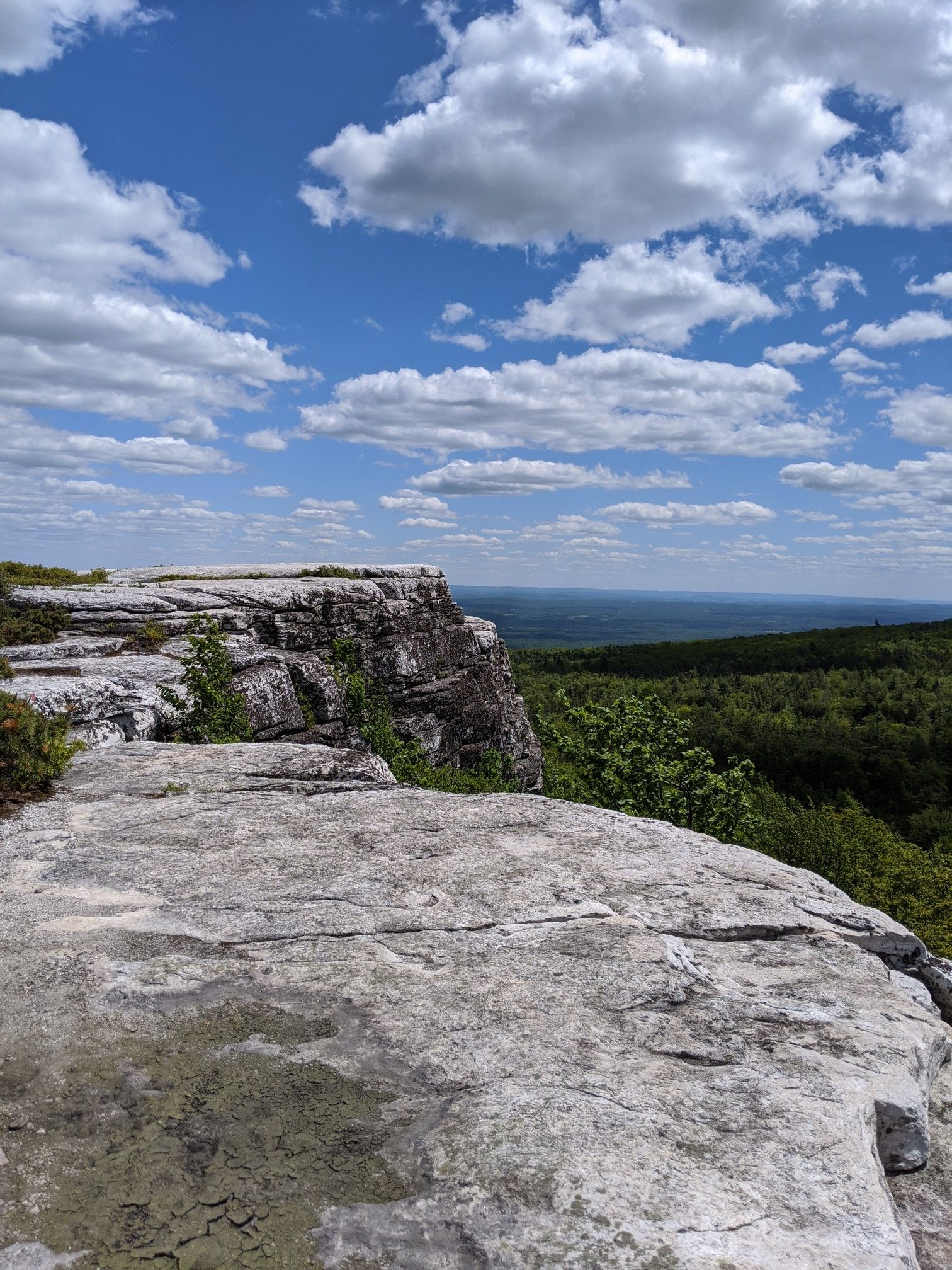
Long Path — A walk through wild New York
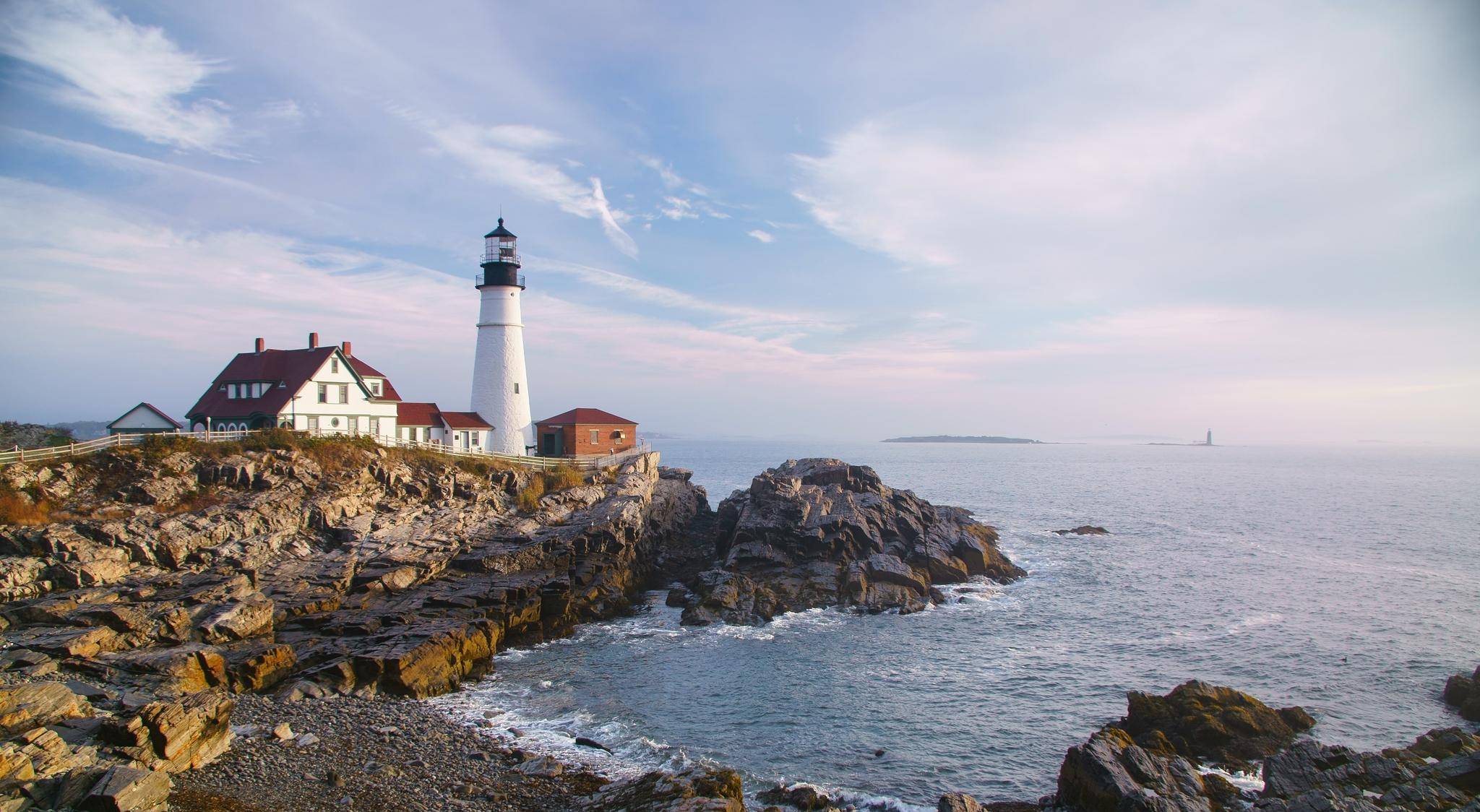
On the trail of the Pilgrim Fathers – road trip along the Atlantic coast
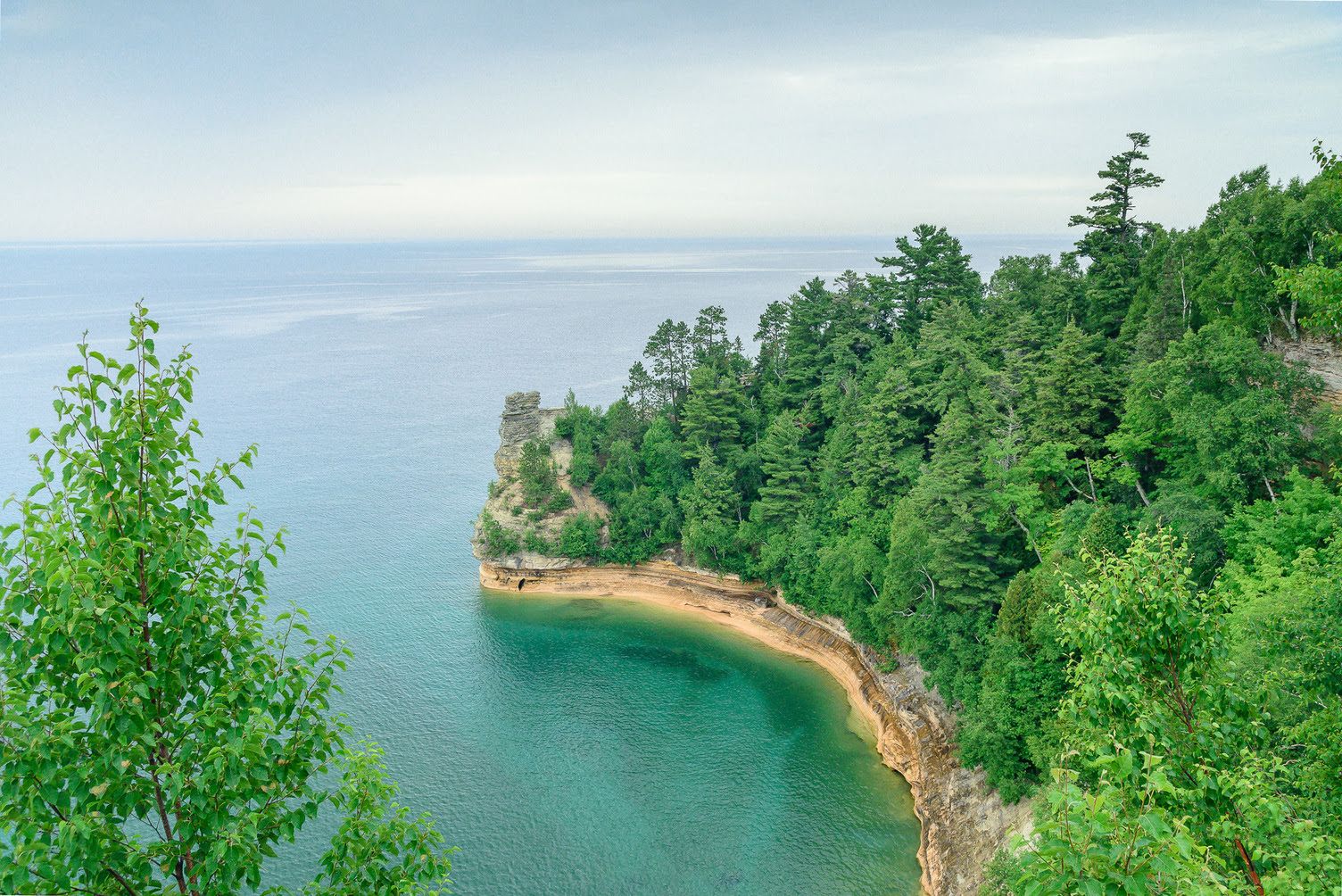
Great North Music Tour – hiking in the footsteps of music legends
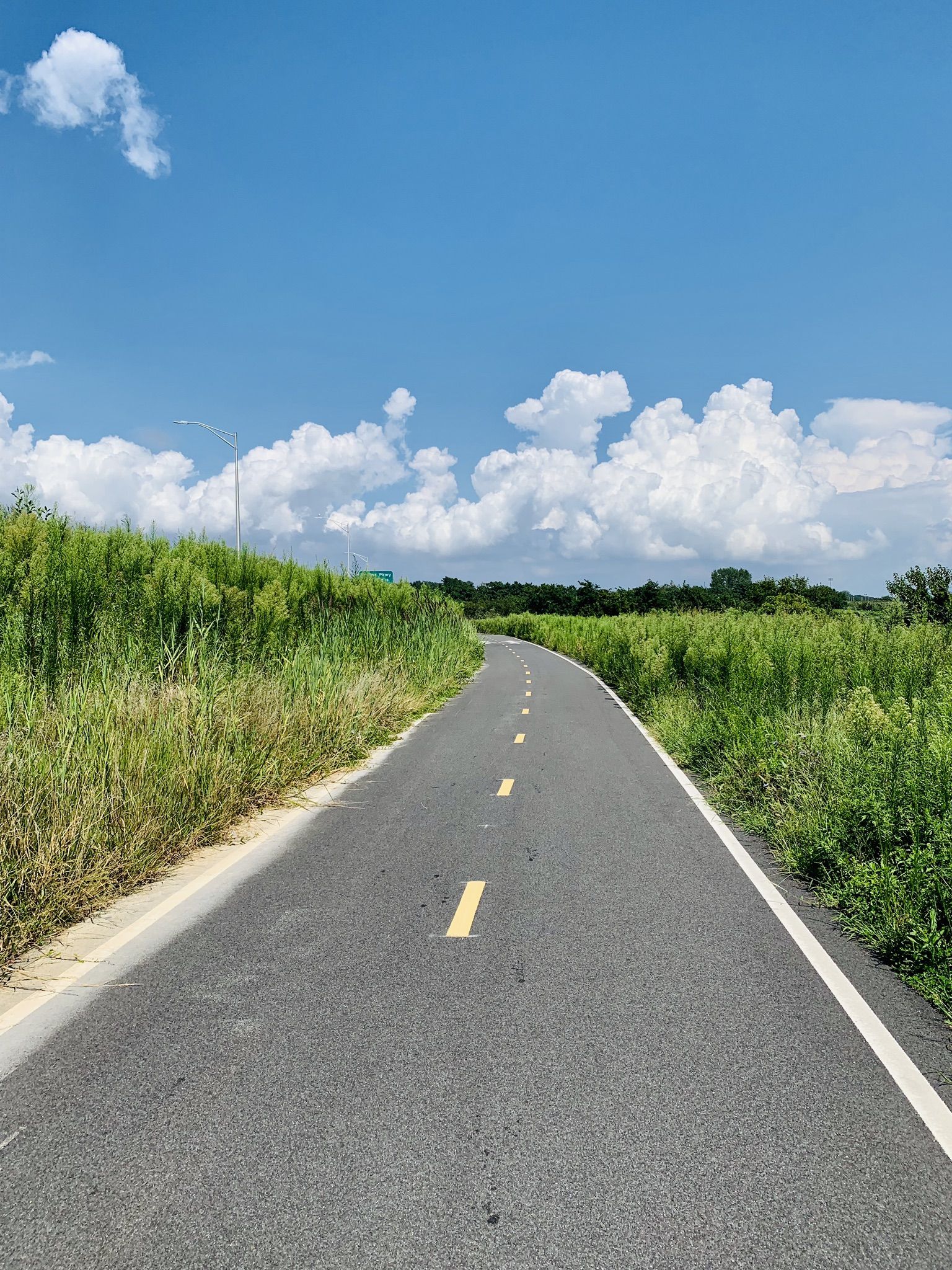
From Manhattan to Long Island – The best road rides around the Big Apple
Other adventures in New York County


Tips from the Community

A museum presenting the history, culture, and art of the indigenous peoples of the Americas. The rich collection of exhibits is housed in the historic building of the former customs office, and admission is free.
0
0

Do not confuse with the Merchant Navy Memorial, which is much more impressive
0
0
It is an artificial lake in Central Park that gets its name from the fact that turtles live on its banks
0
0

In 2002, the City of New York founded the Lower Manhattan Development Corporation, or LMDC for short. This corporation was responsible for developing a new plan for the reconstruction of the World Trade Center. Shortly after the terrorist attacks, it was decided to redevelop this area. However, what it would look like was still unclear. Polls showed that some Americans wanted Ground Zero to be a memorial. Others advocated for the construction of new towers. Donald Trump presented his own concept. He wanted to build twin towers again, 30 meters higher than the old ones. This was quickly rejected, however. In 2002, the LMDC announced an architectural competition for the redevelopment of the WTC site. A total of 406 entries were received.[24] Some designs were criticized, even in German newspapers, for the new plans only envisaging smaller skyscrapers that were nowhere near as tall as the Twin Towers and thus not spectacular enough. In 2003, Daniel Libeskind was finally announced as the winner. He had also completed several construction projects in Germany. Libeskind, who immigrated to the USA from Poland, had little experience in building high-rise buildings, but his design met with widespread approval because he attempted to fulfill both desires for Ground Zero: a memorial and new towers. His concept called for leaving the sites where the World Trade Center towers had stood vacant and building a memorial with a museum next to them. He placed five office towers around the perimeter, each slightly taller than its neighbor. At the northeast corner, he placed One World Trade Center, the Freedom Tower. He also scored points with his concept of the new tower's height: 1,776 feet (541 meters). This refers to the year of the United States Declaration of Independence.[
0
0
Chrysler Building Designed by architect William Van Alen and completed just a year before the Empire State Building, this iconic Art Deco tower wasn't always as prominent in the New York skyline as it is today. Commissioned by Walter Chrysler, owner of the eponymous automaker, it was the first skyscraper with a decorative, non-functional spire, which drew mixed reactions from architectural critics. Although the Empire State Building snatched the title of New York's tallest skyscraper after just 11 months, the Chrysler Building remains the world's tallest brick building with a steel structure.
0
0
56 Leonard Street This residential tower in Tribeca, designed by Herzog & de Meuron and popularly known as the "Jenga Building" due to its irregularly stacked upper floors, debuted on the skyline in 2017. The striking 57-story skyscraper is the tallest in the district. Individual apartments are concealed within its rectangular volumes. This year, the final element of the design was installed at the base: a nearly six-meter-tall replica of Anish Kapoor's bean-shaped Cloud Gate sculpture. The original is located in Chicago.
0
0
30 Hudson Yards Since the opening of the Hudson Yards project in 2019, its towers have become an integral part of the New York City skyline. The Kohn Pedersen Fox observation deck atop the supertall office building is visible from afar. With a total height of 395 meters and an observation deck at 335 meters, the glass skyscraper with its distinctive "duckbill" is a symbol of the exclusive neighborhood, whose second construction phase is about to begin.
0
0
Frequently Asked Questions
How many bus-accessible hiking trails are available in New York County?
There are nearly 100 bus-accessible hiking trails in New York County. The majority, 89 routes, are rated as easy, making them suitable for a wide range of hikers. There are also 7 moderate and 1 difficult route for those seeking more of a challenge.
What kind of hiking experience can I expect from bus-accessible trails in New York County?
Bus-accessible trails in New York County primarily offer urban green space experiences. You'll find paths through iconic parks like Central Park, with areas such as the North Woods and The Ramble providing a more rugged, woodland feel. Routes like the Hudson River Greenway offer scenic waterfront views, while the Ed Koch Queensboro Bridge Path provides unique urban perspectives.
Are there any family-friendly bus-accessible hikes in New York County?
Yes, many of the easy routes are suitable for families. For instance, the Central Park Lake and Bow Bridge Loop is a great option, offering a pleasant walk through one of the city's most famous parks with plenty to see. These urban park trails are generally well-maintained and accessible.
Can I bring my dog on bus-accessible hiking trails in New York County?
Many parks in New York County, including Central Park, allow dogs on trails, often with specific leash rules. It's always best to check the specific park regulations for the trail you plan to hike, as rules can vary. Generally, urban greenways are dog-friendly.
What are some notable landmarks or points of interest I can see along these bus-accessible routes?
Along bus-accessible routes, you can encounter a variety of significant landmarks and natural features. Highlights include the High Line, the National September 11 Memorial & Museum, and the Little Island at Pier 55. In Central Park, you can explore the Bethesda Fountain and Terrace, the Belvedere Castle, and the Jacqueline Kennedy Onassis Reservoir East Side.
Are there any circular routes accessible by bus in New York County?
Yes, there are several circular routes available. The Central Park Lake and Bow Bridge Loop is a popular example, offering a complete circuit within the park. Many urban park trails are designed as loops, providing a convenient hiking experience without needing to retrace your steps.
What do other hikers enjoy most about bus-accessible hiking in New York County?
The bus-accessible trails in New York County are highly rated by the komoot community, with an average score of 4.7 stars from over 650 reviews. Hikers often praise the convenience of public transport access, the surprising natural escapes within the urban landscape, and the well-maintained paths that offer a refreshing break from city life.
Are there any longer or more challenging bus-accessible hikes in New York County?
While most routes are easy, there are options for longer and more challenging hikes. The Manhattan Waterfront Greenway, for example, is rated as difficult and spans nearly 60 kilometers, offering a significant urban hiking challenge with extensive views along the waterfront.
What is the best time of year to go hiking from bus stations in New York County?
Spring and fall generally offer the most pleasant conditions for hiking in New York County, with mild temperatures and beautiful foliage. Summer can be hot and humid, while winter can bring cold temperatures and occasional snow, though many urban paths remain accessible year-round for those prepared for the weather.
Are there opportunities for wildlife spotting on these urban trails?
While New York County is highly urbanized, its parks, especially Central Park, are vital habitats for various bird species, making them excellent for birdwatching. You might also spot squirrels, rabbits, and other small urban wildlife, particularly in the more wooded sections like the North Woods or The Ramble in Central Park.
Beyond New York County, where can I find more traditional hiking experiences easily accessible by bus or public transport from the city?
For more traditional hiking with significant elevation changes and wilder landscapes, many New Yorkers venture just outside the county. Regions like the Hudson Valley and Harriman State Park offer extensive trail networks and are often accessible via commuter rail or specific bus services from Manhattan. These areas provide a stark contrast to urban hiking with their rugged terrain and panoramic views.
Most popular routes in New York County
Most popular attractions in New York County

Get inspired with the komoot mobile app


Didn’t find what you were looking for?
Check out more Hikes throughout New York County below and find the perfect route in your destination.
Explore more
Browse the best Hikes in other regions.
