The best hikes from bus stations around Winnipeg
5.0
(1)
132
hikers
15
hikes
Bus station hiking trails around Winnipeg offer access to a diverse landscape characterized by urban forests, river greenways, and prairie wetlands. The region features generally flat terrain with gentle elevation changes, making many trails accessible. Hikers can explore environments ranging from aspen-oak vegetation to riverine ecosystems and open marshlands. These natural spaces provide varied settings for outdoor activities both within and just outside the city.
Best bus station hiking trails around Winnipeg
- The most popular bus station hiking route is Bunn’s Creek Trail — Winnipeg, a 4.0 miles (6.4 km) trail that takes 1 hour 36 minutes to complete. This route winds through wetlands, forest groves, and open park spaces.
- Another top favourite among local hikers is Trans Canada Trail: Whittier Park Loop, an easy 2.6 miles (4.2 km) path. This trail offers views near the confluence of the Red and Assiniboine Rivers.
- Local hikers also love the Preston Trail loop from Assiniboine Park, a 2.8 miles (4.5 km) trail leading through urban forests and aspen groves, often completed in about 1 hour 7 minutes.
- Hiking around Winnipeg is defined by urban forests, river greenways, and prairie wetlands. The network offers options for various ability levels, from easy strolls to longer paths.
- The routes in Winnipeg are highly rated by the komoot community with an average score of 5.0 stars from over 1 review. More than 123 hikers have used komoot to explore Winnipeg's varied terrain.
Last updated: November 9, 2026
20
hikers
6.40km
01:37
10m
10m
Easy hike. Easily walkable paths.
6
hikers
10.4km
02:36
10m
10m
Moderate hike. Good fitness required. Easily walkable paths.

2
hikers
4.07km
01:01
0m
0m
Easy hike. Easily walkable paths.
2
hikers
5.02km
01:16
10m
10m
Easy hike. Easily walkable paths.
1
hikers
4.23km
01:05
10m
10m
Easy hike. Easily walkable paths.
Get access to more routes and recommendations from other explorers.
Already have an account?
Our route recommendations are based on thousands of hikes, rides, and runs completed by other people on komoot.
Start today with a free account
Your next adventure awaits.

Tips from the Community

This riverside park aims to preserve the land's natural and early Métis cultural features, while providing public access to many amenities. To achieve this aim, the park has a well-maintained trail system and an excellent Interpretive Centre that has a wide range of information for you to explore.
0
0

Normand Park is one of those urban trails that feels more secret than it should. Its short riverside path winds through native forest, grass, and wildflowers, with openings onto the Red River and plenty of chances to spot birds and other wildlife. At the western end, restored riverbank and pockets of old river-bottom forest add an extra touch of wild magic.
0
0
This park is a relaxed riverside link between Henteleff and Normand Parks, with a broad path, shady benches, and little side trails leading toward the Red River. There’s plenty of open grass and great, peaceful water views.
0
0
Right inside Winnipeg, FortWhyte Alive packs prairie, forest, wetlands, lakes, and even a herd of plains bison into one huge urban nature escape. The best part? Much of this green landscape grew out of a former industrial clay-quarry site. Today, trails and boardwalks make it easy to trade city noise for birdsong remarkably quickly.
0
0
FortWhyte’s lakes hide one of its best stories: they began as deep pits excavated for clay used in cement production in the early 1900s. Once filled with water, they evolved into wildlife-rich lakes that now attract waterfowl and support paddling, fishing, and lakeside wandering.
0
0
Stop at the Bison Viewing Mound for a prairie scene you probably wouldn’t expect inside Winnipeg. From here, you can scan the grassland for bison, along with their watering hole, rubbing stones, and the small mounds they sometimes stand on to catch the breeze and escape insects.
0
0
The Overwater Pond is small and peaceful, with a couple of benches that practically invite you to stop. The surrounding grassland makes it a great place to watch for wildlife, especially deer, which are often seen moving through this part of the reserve.
0
0

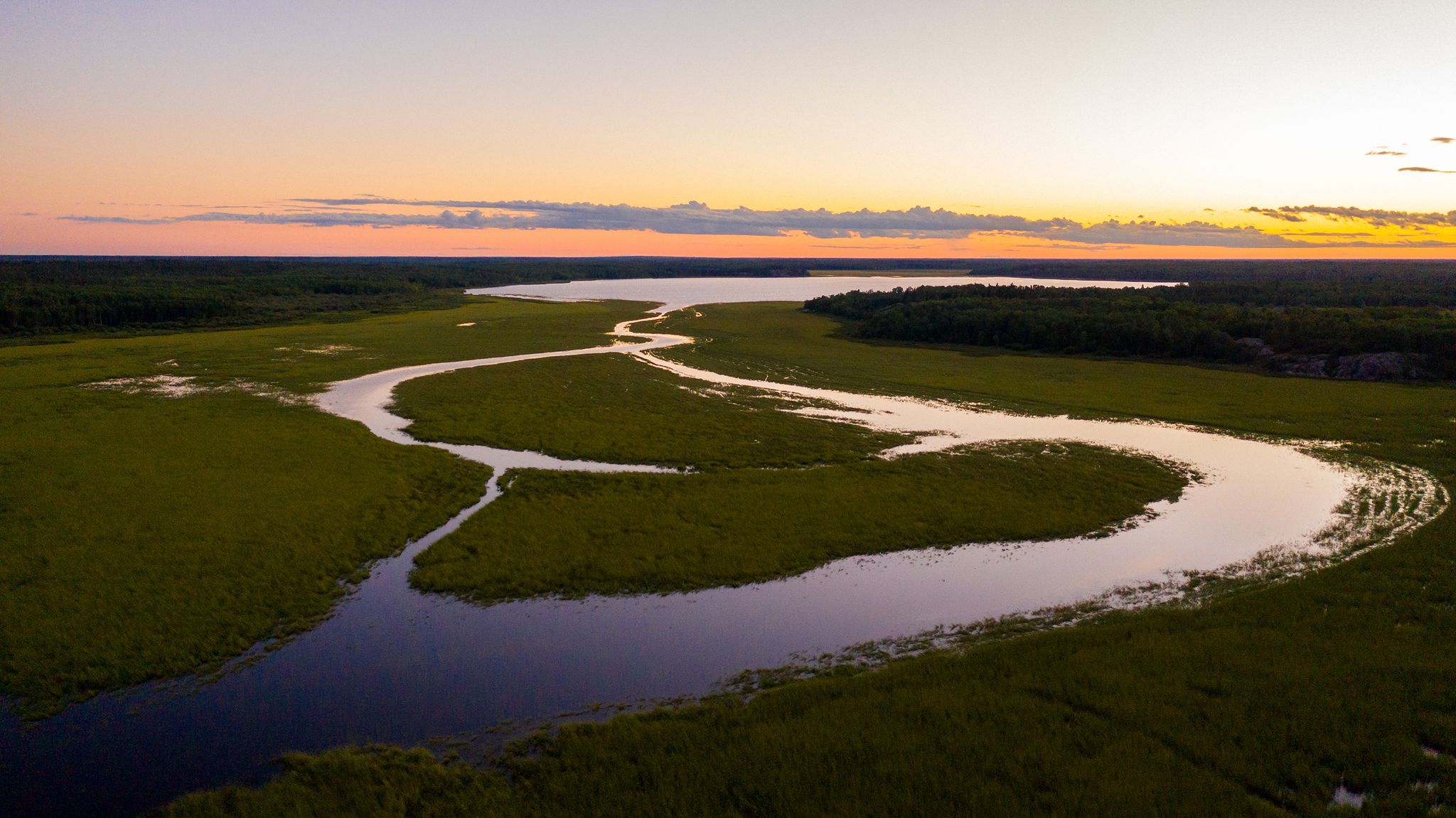
The Seine River, a tributary of the Red River, winds through one of Winnipeg’s last intact riverbank forests, with trails that trace its oxbows and skirt wetlands shaded by cottonwoods. You’ll pass beaver lodges, spirit tree carvings, and maybe even deer, all within city limits. This stretch is popular with walkers and nature lovers, especially in spring and fall, when water levels rise and wildlife activity picks up.
0
0
Frequently Asked Questions
How many hiking trails are accessible from bus stations around Winnipeg?
There are over 20 hiking trails around Winnipeg that are easily accessible from bus stations, offering a convenient way to explore the region's natural beauty without needing a car. These routes cater to various preferences, with 17 easy and 3 moderate options available.
What kind of landscapes can I expect on bus-accessible hikes in Winnipeg?
Winnipeg's bus-accessible trails offer a diverse range of landscapes, from urban forests and river greenways to prairie wetlands. You can expect to hike through towering trees, along scenic riverbanks, and across open meadows. Areas like Assiniboine Forest and the Seine River Greenway provide lush, forested experiences, while others might feature unique wetland ecosystems.
Are there easy, beginner-friendly trails accessible by bus?
Yes, many of the bus-accessible trails in Winnipeg are considered easy and are perfect for beginners or those looking for a relaxed stroll. For example, the Bunn’s Creek Trail offers a gentle 6.4 km path through wetlands and forest groves. Another great option is the Trans Canada Trail: Whittier Park Loop, an easy 4.2 km route.
Are there any circular or loop trails accessible by bus?
Absolutely! Many bus-accessible routes in Winnipeg are designed as loops, making them convenient for hikers. The View of the River – Esplanade Riel Footbridge loop offers a pleasant 4.2 km urban hike, while the Preston Trail loop from Assiniboine Park provides a 4.5 km experience within one of the city's largest parks.
What can I see along the bus station hiking trails in Winnipeg?
Along these trails, you can discover a variety of interesting sights. Many routes offer views of the Assiniboine River, like those near the Esplanade Riel Footbridge. You might also encounter historical sites such as The Forks National Historic Site, or enjoy natural features like Birds Hill Quarry Lake. Keep an eye out for wildlife, especially in areas like Bunn's Creek Trail or the Seine River Greenway.
Are the bus-accessible hiking trails in Winnipeg suitable for families?
Yes, many of the trails are very family-friendly, featuring gentle terrain and shorter distances. The Riley Family Duck Pond loop from Assiniboine Park is a great example, offering a 5.2 km easy walk perfect for all ages. These trails often pass through parks with amenities, making them ideal for a family outing.
Can I bring my dog on these bus-accessible hiking trails?
Many parks and trails in Winnipeg are dog-friendly, though leash laws typically apply. It's always best to check specific park regulations before heading out. Generally, trails like the Bunn’s Creek Trail and routes within Assiniboine Park are popular choices for dog walkers.
When is the best time of year to hike these trails?
The best time to hike these trails is generally from spring through fall (May to October), when the weather is mild and the natural scenery is at its peak. Spring brings fresh greenery and blooming wildflowers, while fall offers vibrant autumn colors. Summer is also popular, but be prepared for warmer temperatures. Some trails are also suitable for winter hiking, especially those that are well-maintained and cleared.
Are there opportunities for wildlife observation on bus-accessible trails?
Absolutely! Winnipeg's diverse ecosystems provide excellent opportunities for wildlife observation. Trails along the Seine River Greenway and Bunn's Creek are known for birdwatching, and you might spot various species of waterfowl and songbirds. In more forested areas like Assiniboine Forest, deer and other small mammals are often seen, especially during quieter times of the day.
What do other hikers enjoy most about hiking from bus stations in Winnipeg?
The komoot community highly rates these trails, with an average score of 5.0 stars. Hikers frequently praise the convenience of accessing beautiful natural spaces directly from public transport. They often highlight the peaceful urban forests, well-maintained paths, and the surprising variety of scenery available within and just outside the city limits.
Most popular routes around Winnipeg
Most popular attractions around Winnipeg

Get inspired with the komoot mobile app


Explore more
Browse the best Hikes in other regions.
