The best hikes from bus stations around New York
4.7
(764)
24,732
hikers
152
hikes
Hiking around New York offers a diverse range of experiences, from urban waterfront paths to greenways and park trails. The region features extensive trail networks along rivers and through city parks, providing accessible outdoor recreation. These routes often showcase views of city skylines, bridges, and natural riverine environments, making them ideal for bus station hiking trails.
Best bus station hiking trails around New York
- The most popular bus station hiking route is Brooklyn Bridge Walk, a 2.1 miles (3.3…
Last updated: July 8, 2026
5.0
(8)
1,213
hikers
3.34km
00:52
10m
20m
Walking the Brooklyn Bridge is an essential New York City experience, offering a unique perspective on the urban landscape. You'll stroll along an elevated wooden boardwalk, high above the East…
10
hikers
10.5km
02:39
20m
20m
Hike the Hudson River Greenway for a moderate urban adventure, spanning 6.5 miles (10.5 km) with a gentle 66 feet (20 metres) of elevation gain. This route typically takes about…

Sign up for free
7
hikers
59.7km
15:28
350m
360m
Experience Manhattan's entire perimeter on this difficult 37.1 miles (59.7 km) hike, a journey that will take you around 15 hours and 27 minutes to complete. You'll gain 1152 feet…
7
hikers
3.10km
00:47
0m
10m
Imagine yourself walking high above the East River on the Ed Koch Queensboro Bridge Path. This easy urban hike covers 1.9 miles (3.1 km) with a minimal elevation gain of…
5
hikers
4.32km
01:08
50m
20m
The Highland Park Greenway offers a refreshing urban escape, winding through diverse terrain on a high plateau. You'll traverse paved, gravel, and dirt paths, moving between wooded sections, wetlands, and…
Get access to more routes and recommendations from other explorers.
Sign up for free
Already have an account?
Our route recommendations are based on thousands of hikes, rides, and runs completed by other people on komoot.
Start today with a free account
Your next adventure awaits.
Login or Signup
Popular around New York
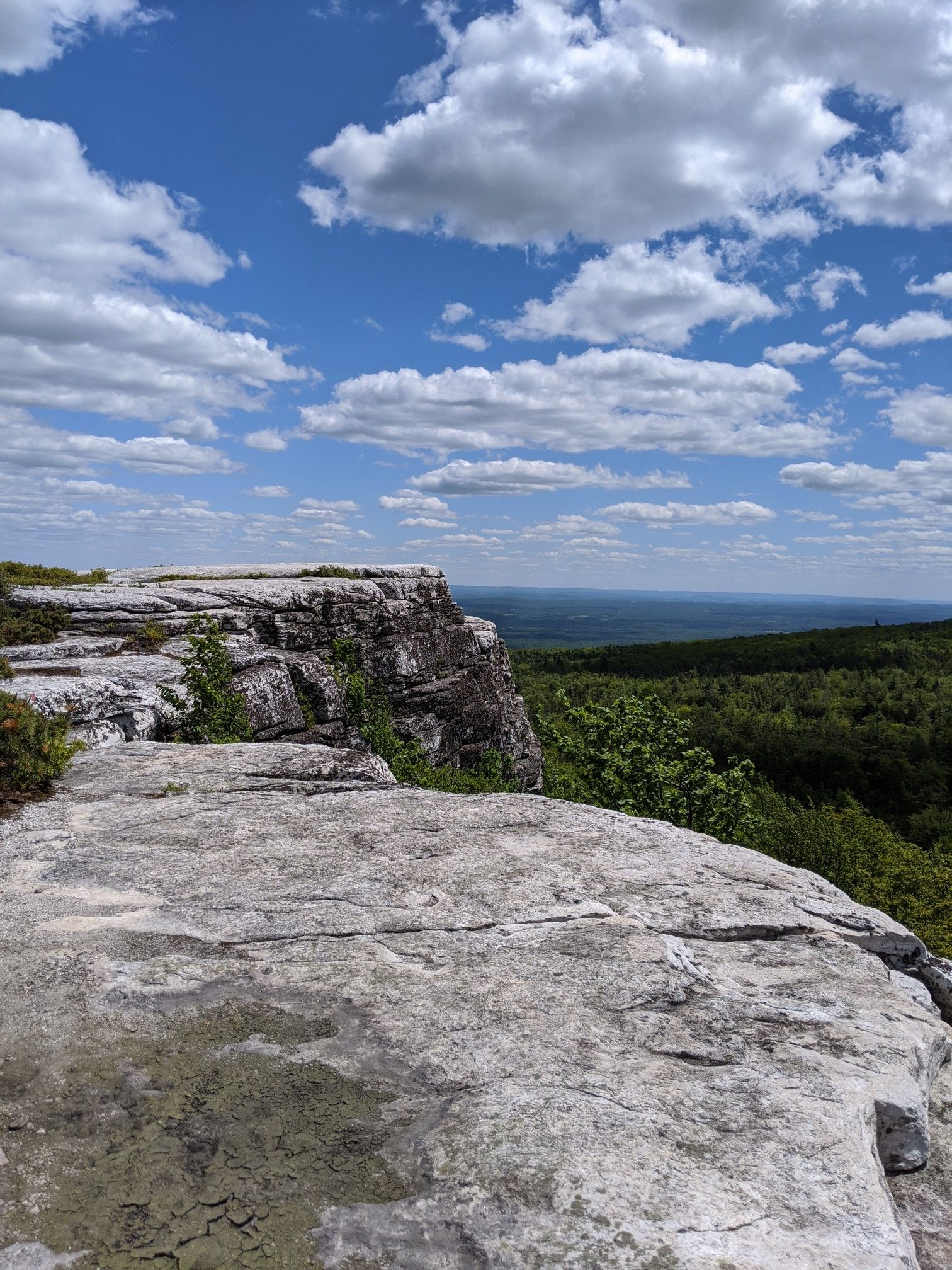
Long Path — A walk through wild New York
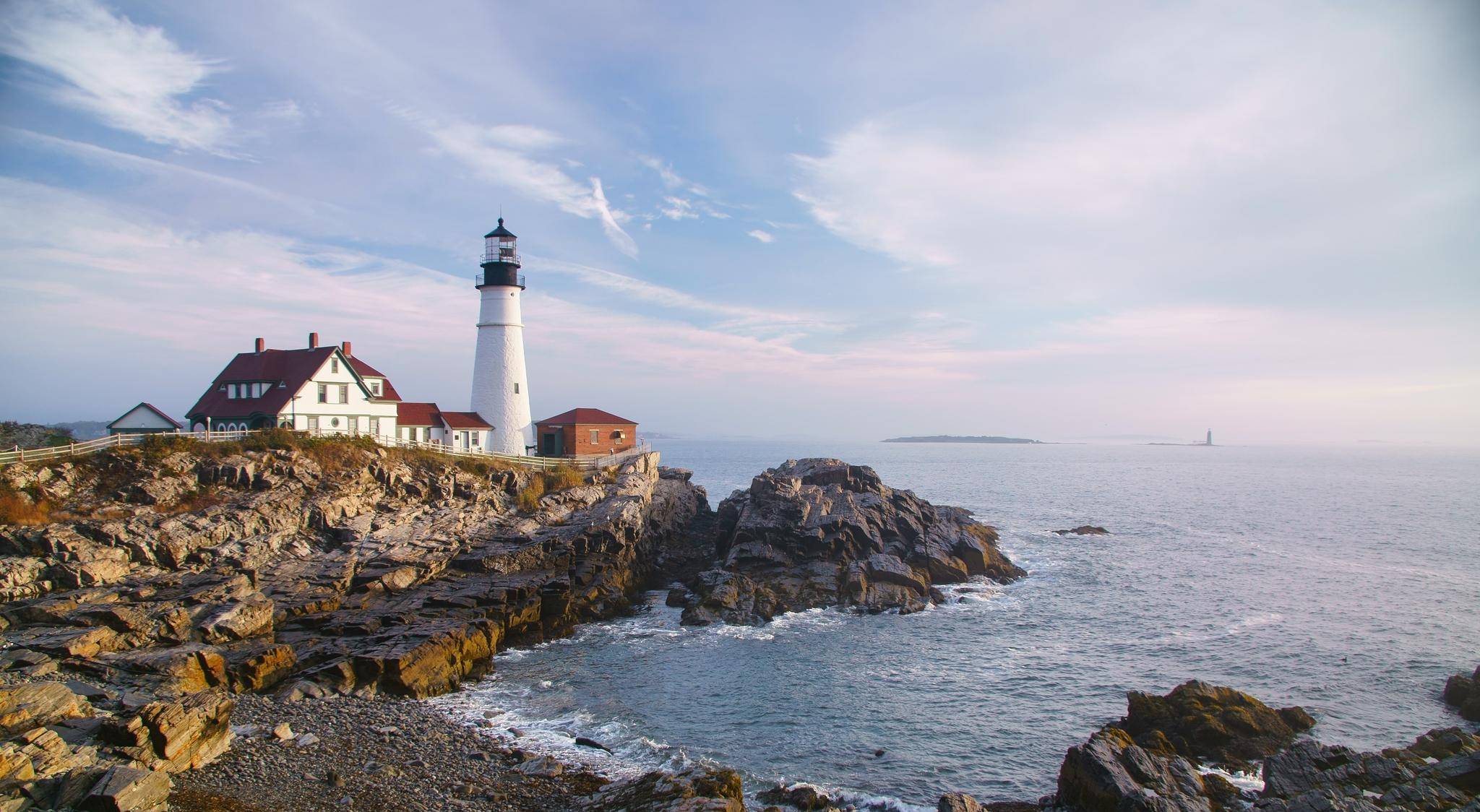
On the trail of the Pilgrim Fathers – road trip along the Atlantic coast
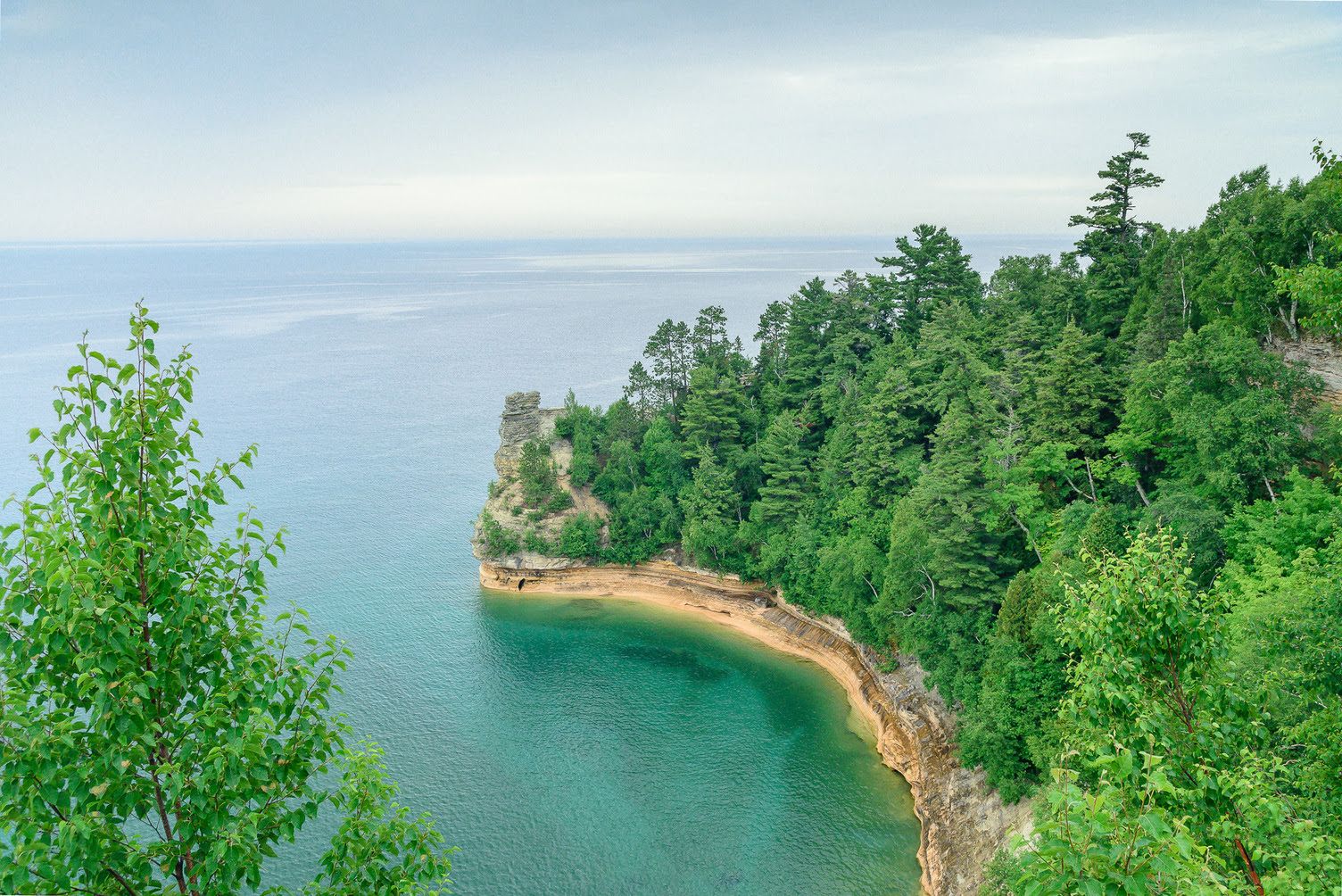
Great North Music Tour – hiking in the footsteps of music legends
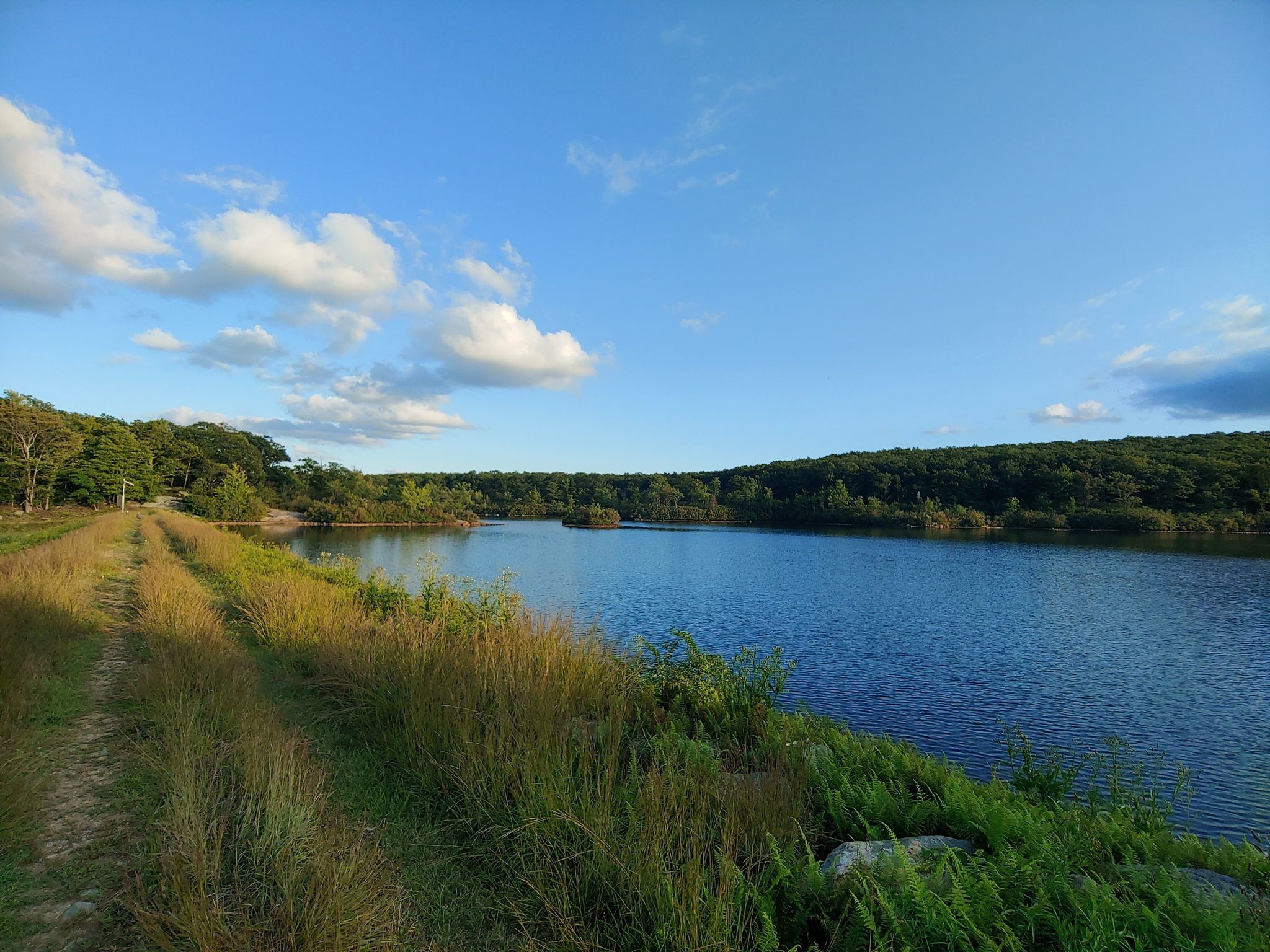
Lace up your shoes – Trail running in and around NYC
From Manhattan to Long Island – The best road rides around the Big Apple
Other adventures around New York


Tips from the Community

It's not the most prestigious university, but it's very beautiful.
0
0
Horace Greeley was a publisher; his newspaper, the New York Tribune, was very influential. He was also a politician in the Republican party.
0
0


In 2002, the City of New York founded the Lower Manhattan Development Corporation, or LMDC for short. This corporation was responsible for developing a new plan for the reconstruction of the World Trade Center. Shortly after the terrorist attacks, it was decided to redevelop this area. However, what it would look like was still unclear. Polls showed that some Americans wanted Ground Zero to be a memorial. Others advocated for the construction of new towers. Donald Trump presented his own concept. He wanted to build twin towers again, 30 meters higher than the old ones. This was quickly rejected, however. In 2002, the LMDC announced an architectural competition for the redevelopment of the WTC site. A total of 406 entries were received.[24] Some designs were criticized, even in German newspapers, for the new plans only envisaging smaller skyscrapers that were nowhere near as tall as the Twin Towers and thus not spectacular enough. In 2003, Daniel Libeskind was finally announced as the winner. He had also completed several construction projects in Germany. Libeskind, who immigrated to the USA from Poland, had little experience in building high-rise buildings, but his design met with widespread approval because he attempted to fulfill both desires for Ground Zero: a memorial and new towers. His concept called for leaving the sites where the World Trade Center towers had stood vacant and building a memorial with a museum next to them. He placed five office towers around the perimeter, each slightly taller than its neighbor. At the northeast corner, he placed One World Trade Center, the Freedom Tower. He also scored points with his concept of the new tower's height: 1,776 feet (541 meters). This refers to the year of the United States Declaration of Independence.[
0
0
Chrysler Building Designed by architect William Van Alen and completed just a year before the Empire State Building, this iconic Art Deco tower wasn't always as prominent in the New York skyline as it is today. Commissioned by Walter Chrysler, owner of the eponymous automaker, it was the first skyscraper with a decorative, non-functional spire, which drew mixed reactions from architectural critics. Although the Empire State Building snatched the title of New York's tallest skyscraper after just 11 months, the Chrysler Building remains the world's tallest brick building with a steel structure.
0
0
56 Leonard Street This residential tower in Tribeca, designed by Herzog & de Meuron and popularly known as the "Jenga Building" due to its irregularly stacked upper floors, debuted on the skyline in 2017. The striking 57-story skyscraper is the tallest in the district. Individual apartments are concealed within its rectangular volumes. This year, the final element of the design was installed at the base: a nearly six-meter-tall replica of Anish Kapoor's bean-shaped Cloud Gate sculpture. The original is located in Chicago.
0
0
Frequently Asked Questions
How many bus-accessible hiking trails are available in New York?
There are over 140 hiking routes in New York that are accessible via bus stations. These routes offer a wide range of experiences, from easy strolls to more challenging treks, ensuring there's something for every hiker.
What is the general difficulty level of bus-accessible hikes in New York?
The majority of bus-accessible hikes in New York are considered easy, with 137 routes falling into this category. There are also 9 moderate routes and 1 difficult route for those seeking a greater challenge. This variety ensures options for all skill levels.
Are there any easy, family-friendly bus-accessible hikes near New York City?
Yes, many of the bus-accessible trails are suitable for families and beginners. For an easy urban walk with iconic views, consider the Brooklyn Bridge Walk. Another accessible option is the Ed Koch Queensboro Bridge Path, offering pleasant views without significant elevation gain. These routes are generally flat and well-maintained, perfect for a leisurely outing.
Can I bring my dog on bus-accessible trails in New York?
While many trails in New York are dog-friendly, policies can vary by park or specific trail. It's always best to check the specific regulations for the park or preserve you plan to visit. Generally, dogs are welcome on leash in most state parks and forest lands, but some urban greenways or protected areas might have restrictions.
What are the best seasons to go hiking on bus-accessible trails in New York?
New York offers beautiful hiking experiences year-round. Spring brings blooming wildflowers and pleasant temperatures. Summer is ideal for enjoying lush greenery, though some trails can be busy. Fall is particularly spectacular, with the Adirondack and Catskill Mountains renowned for their vibrant foliage. Winter hiking, while requiring proper gear, offers serene, snow-covered landscapes.
Are there circular hiking routes accessible from bus stations?
Yes, many bus-accessible trails offer circular options, allowing you to start and end your hike at the same point, often near a bus stop. While specific circular routes aren't detailed in the provided data, many parks and trail systems accessible by bus, such as those in the Catskills or Palisades Interstate Park, feature well-marked loops. You can explore komoot's route planner to find circular options near bus stops.
Are there any scenic viewpoints or natural features along bus-accessible trails?
Absolutely! New York's diverse landscape offers numerous scenic viewpoints and natural features. Along the Hudson River Greenway, you'll find stunning river views. For urban natural beauty, Central Park, accessible by bus, features highlights like the Bethesda Fountain and Terrace and the Belvedere Castle. The region as a whole is known for its dramatic gorges, lakes, and mountain vistas.
Can I find waterfalls on bus-accessible hikes in New York?
While the immediate bus-accessible routes listed are primarily urban, the broader New York region, including the Catskill Mountains and Finger Lakes, is famous for its waterfalls. Within New York City, you can find urban waterfalls like the Paley Park Waterfall and the Waterfall at Greenacre Park, which are often near bus routes. For more natural waterfalls, you might need to plan a trip to areas like Watkins Glen State Park or Kaaterskill Falls, which may require additional local transport from a bus hub.
What do other hikers enjoy the most about hiking in New York?
The bus-accessible hiking trails in New York are highly rated by the komoot community, with an average score of 4.7 stars. Reviewers often praise the accessibility of these routes, the diverse scenery ranging from urban waterfronts to green parks, and the opportunity to experience New York's natural beauty without needing a car. The well-maintained paths and variety of lengths are also frequently highlighted.
Are there any places to eat or drink near bus-accessible trailheads?
Given that many bus-accessible trails are located in or near urban and suburban areas, you'll often find a variety of cafes, restaurants, and pubs within walking distance of bus stops and trailheads. For example, routes like the Highland Park Greenway or the Manhattan Waterfront Greenway are surrounded by neighborhoods with numerous dining options.
Are permits required for any bus-accessible hiking trails in New York?
For most general hiking trails in New York, especially those accessible by bus, permits are not typically required for day use. However, some specific areas, particularly within larger state parks or preserves, might require permits for activities like camping or backcountry access. It's always advisable to check the official website of the specific park or land management agency before your visit to confirm any permit requirements.
Most popular routes around New York
Most popular attractions around New York

Get inspired with the komoot mobile app


Explore more
Browse the best Hikes in other regions.
