The best hikes from bus stations in Yosemite Wilderness
4.7
(5776)
55,576
hikers
86
hikes
Hiking in Yosemite Wilderness offers diverse landscapes, characterized by towering granite formations, cascading waterfalls, and ancient groves of giant sequoia trees. The region encompasses vast alpine meadows, pristine lakes, and high country environments. This protected area provides a range of ecosystems, from lush valleys to high alpine regions, ensuring varied scenery for hikers.
Best bus station hiking trails in Yosemite Wilderness
- The most popular bus station hiking route is Vernal and Nevada Falls via Mist Trail, a difficult 8.3 miles (13.4 km) trail that takes about 5 hours 20 minutes to complete, offering close-up views of two major waterfalls.
- Another top favourite among local hikers is Vernal Fall and Clark Point Loop via Mist Trail and John Muir Trail, a moderate 6.4 miles (10.3 km) path. This loop provides varied perspectives of Vernal Fall and connects to the historic John Muir Trail.
- Local hikers also love the Upper Yosemite Fall Trail, a 5.6 miles (9.0 km) trail leading through forested slopes to the top of North America's tallest waterfall, often completed in about 3 hours 40 minutes.
- Hiking in Yosemite Wilderness is defined by granite monoliths, majestic waterfalls, and giant sequoia groves. The trail network offers options for various ability levels, from valley floor strolls to challenging high-country ascents.
- The routes in Yosemite Wilderness are highly rated by the komoot community with an average score of 4.7 stars from over 5,700 reviews. More than 55,000 hikers have used komoot to explore Yosemite Wilderness's varied terrain.
Last updated: July 21, 2026
4.9
(659)
5,202
hikers
13.4km
05:19
680m
680m
Hard hike. Very good fitness required. Mostly accessible paths. Sure-footedness required.
4.8
(372)
3,692
hikers
10.3km
03:50
460m
460m
Moderate hike. Good fitness required. Mostly accessible paths. Sure-footedness required.

Sign up for free
4.9
(216)
1,407
hikers
9.04km
03:41
740m
740m
Moderate hike. Good fitness required. Easily-accessible paths. Suitable for all skill levels.
4.8
(132)
1,987
hikers
7.54km
02:40
320m
320m
Moderate hike. Good fitness required. Mostly accessible paths. Sure-footedness required.
4.7
(150)
1,110
hikers
10.3km
02:43
100m
100m
Moderate hike. Good fitness required. Mostly accessible paths. Sure-footedness required.
Get access to more routes and recommendations from other explorers.
Sign up for free
Already have an account?
Our route recommendations are based on thousands of hikes, rides, and runs completed by other people on komoot.
Start today with a free account
Your next adventure awaits.
Login or Signup
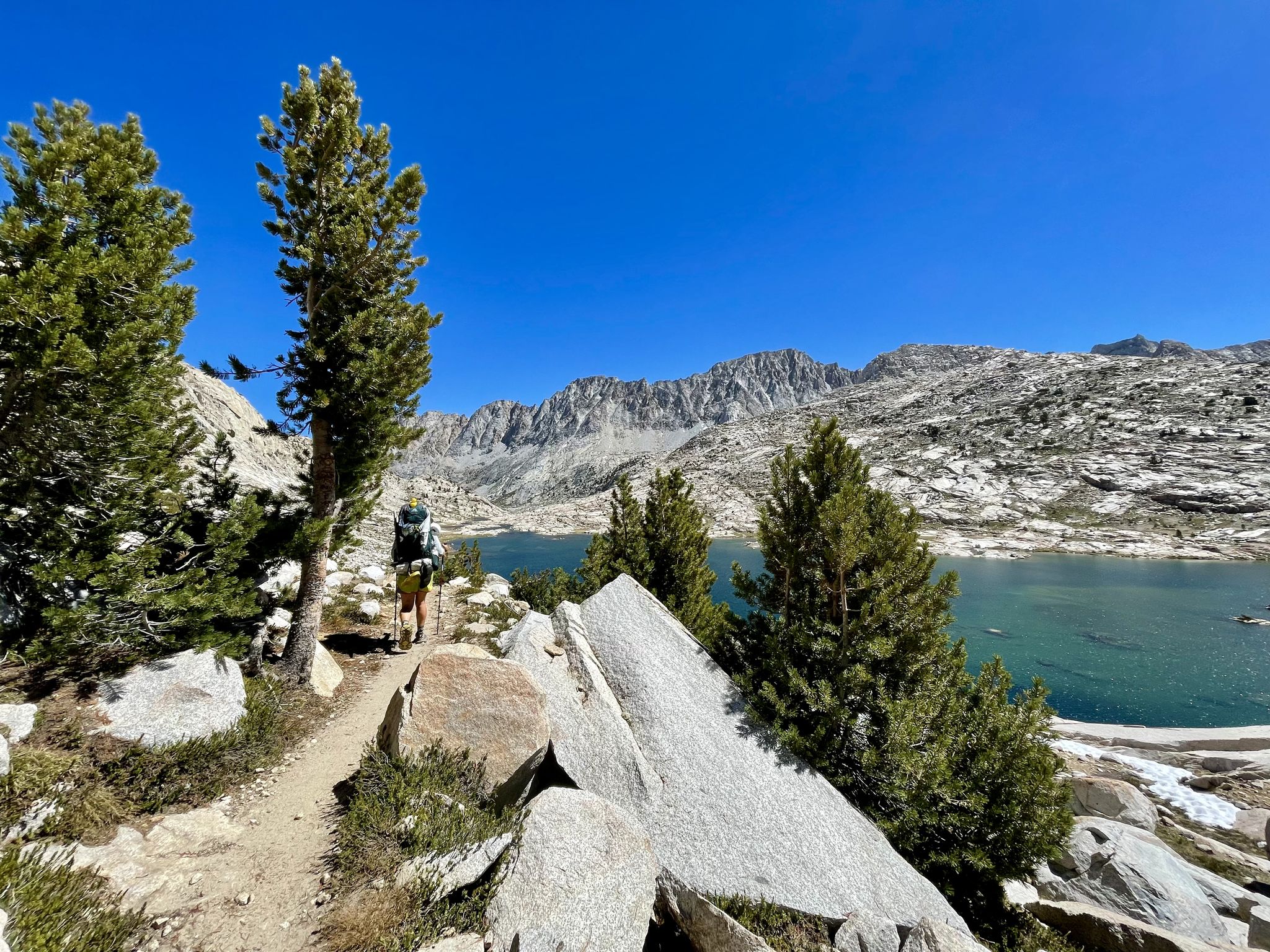
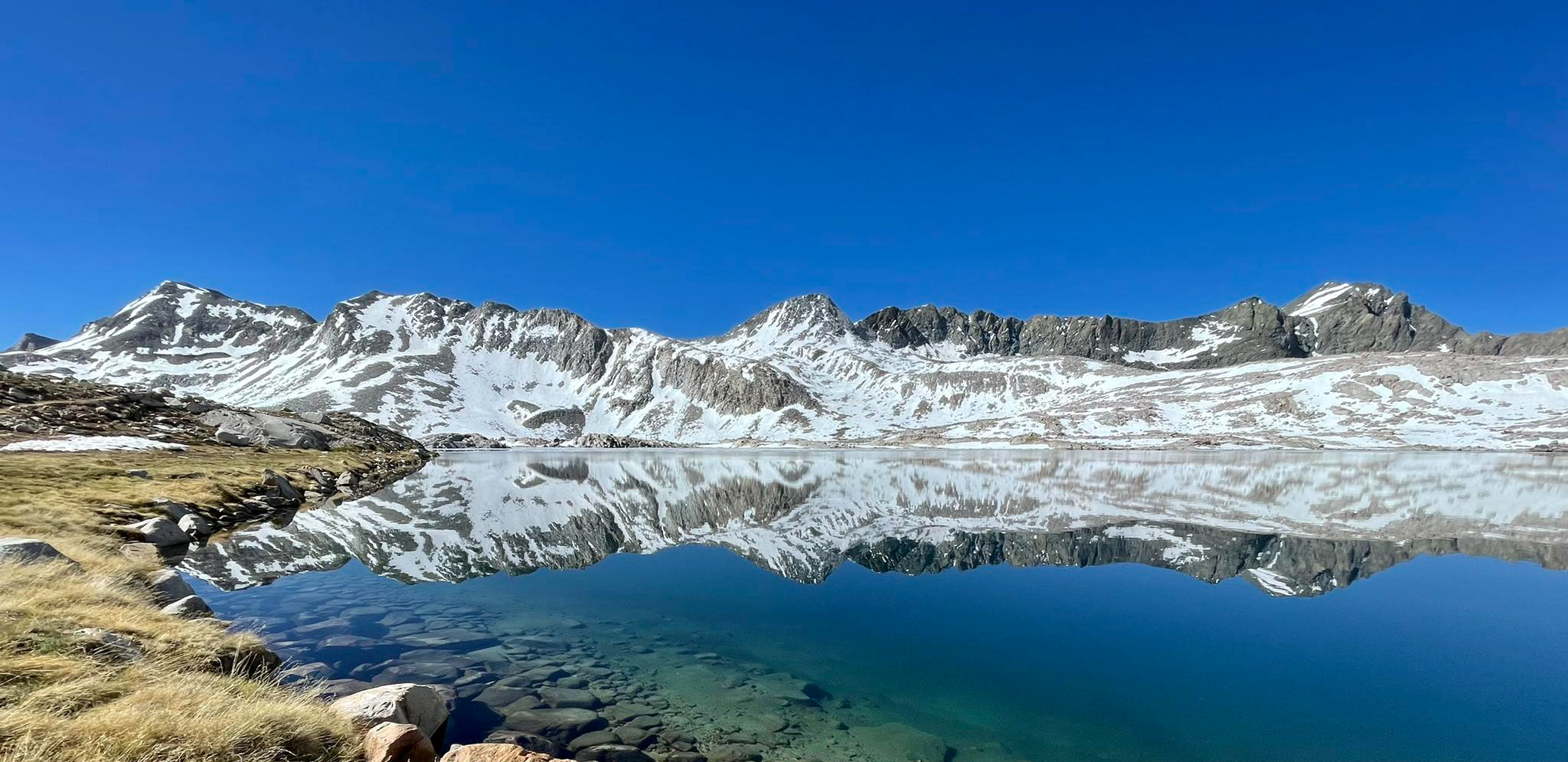
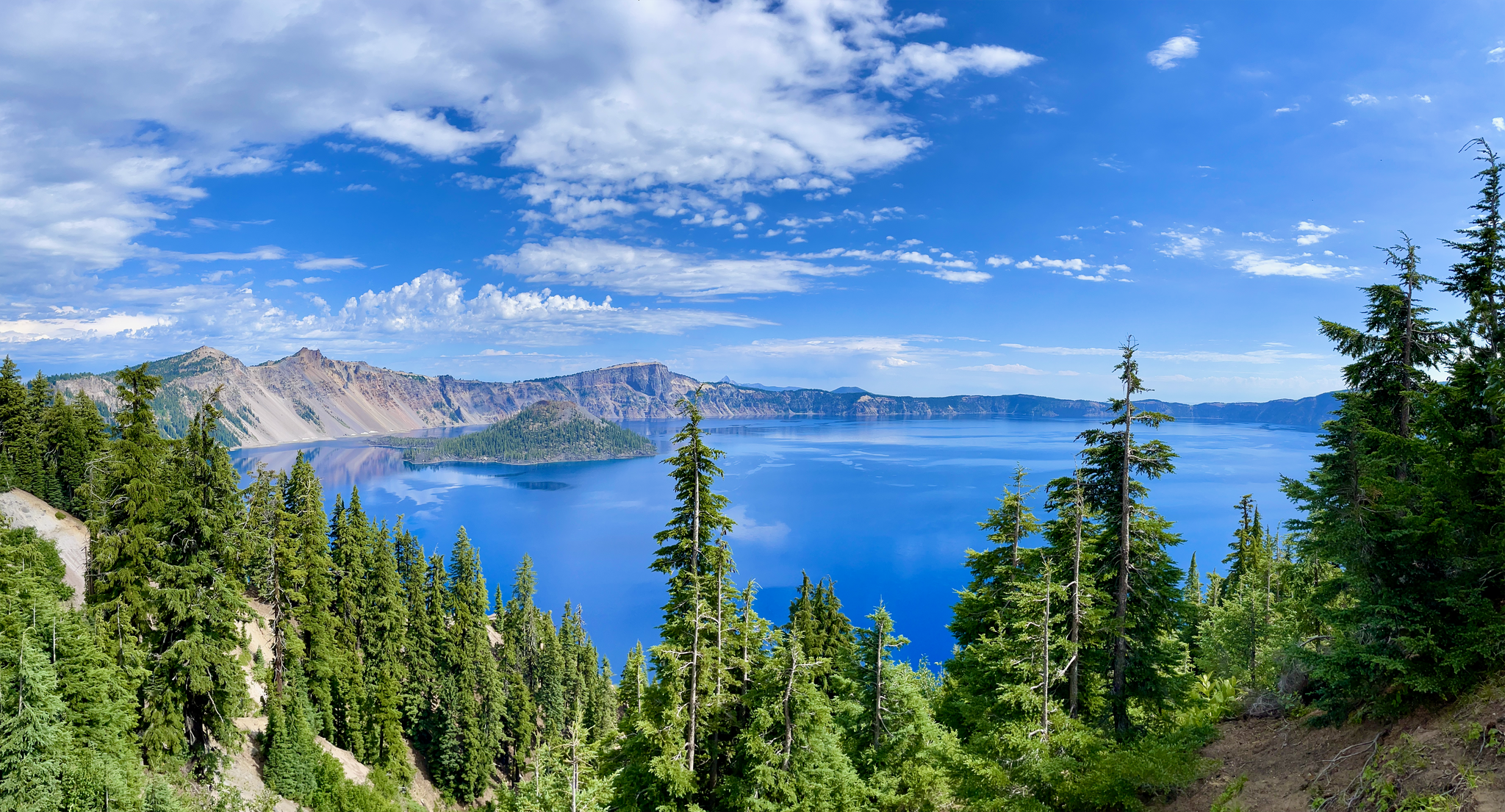
Other adventures in Yosemite Wilderness


Tips from the Community

The Mist Trail is much easier to hike uphill in early summer (snowmelt) than downhill because it becomes very slippery. Instead of returning the same way, it's recommended to head a little further upstream, turning right, onto the John Muir Trail—not only because of the slippery descent, but also because this leads to the best vantage point for Vernal Falls (marked on the map). Especially when the Merced River is full, the view is spectacular. The descent on the John Muir Trail is then much easier. Warning for photographers: During snowmelt, only take photos in the "splash zone" with a truly waterproof (submersible!) camera—and pack any other camera in a completely waterproof bag beforehand and only unpack it again at the top. Several careless camera owners have destroyed their equipment on this trail. I once heard a man at the top complaining about a broken Hasselblad – it was in his backpack, but obviously not completely waterproof. The fine mist penetrates everywhere, and even with a rain jacket, you end up wet like you've just taken a shower. On warm summer days, the trail is extremely crowded, with several thousand visitors on just a few kilometers of trail.
0
1
In summer, the most crowded trail in the entire park begins here. It's actually only bearable during the week in the off-season, but on summer weekends, several thousand people are spread out over just a few kilometers of trail.
0
0

It's worth it... but don't stop at the beach right away; instead, continue walking up. From here, you'll have a fantastic view of the mountains and their reflections.
0
0

You get really wet when you go up the steps at Verna Fall
0
0

Very nice for cooling your legs and nice for a picnic
0
0

Beautiful view of a magnificent panorama
0
0
It is important to consider the time of year. In late summer/autumn, the waterfall often no longer has any water...
0
0
When the waterfall is full of water, it is certainly very impressive. Unfortunately, it is not that way all year round. So it is better to check beforehand...
0
0
Frequently Asked Questions
How many bus station hiking trails are available in Yosemite Wilderness?
There are over 90 hiking routes accessible directly from bus stations in Yosemite Wilderness. These trails offer a wide range of experiences, from easy strolls to challenging ascents, allowing you to explore the park's iconic landscapes without needing a car.
Are there family-friendly hiking options from bus stops in Yosemite Wilderness?
Yes, Yosemite Wilderness offers several family-friendly hikes accessible from bus stops. For a relatively easy and scenic option, consider the Lower and Upper Mirror Lakes loop from Valley Shuttle Stop #15. This moderate 10.2 km route has minimal elevation gain and provides beautiful views of the lake and surrounding cliffs, perfect for a family outing.
Which bus station hikes feature waterfalls in Yosemite Wilderness?
Many bus station hikes in Yosemite Wilderness lead to spectacular waterfalls, especially during spring and early summer. You can experience the powerful cascades of Vernal and Nevada Falls on the challenging Vernal and Nevada Falls via Mist Trail. For a closer, moderate experience to Vernal Fall, try the Mist Trail to Vernal Fall. The majestic Yosemite Falls can be reached via the Upper Yosemite Fall Trail, offering stunning views of North America's tallest waterfall.
Are there any circular hiking routes from bus stations?
Yes, you can find several circular routes starting from bus stations. A popular moderate loop is the Vernal Fall and Clark Point Loop via Mist Trail and John Muir Trail, which offers diverse scenery and returns you to your starting point. Another option is the Lower and Upper Mirror Lakes loop from Valley Shuttle Stop #15.
What kind of natural landmarks can I see along these bus station trails?
Yosemite Wilderness is rich in natural landmarks. Along many trails, you'll encounter iconic granite formations like Half Dome Summit and Sentinel Dome. The park is also home to stunning lakes such as Emerald Pool and May Lake, which are often accessible via trails from bus stops or shuttle routes.
What is the best time of year to hike from bus stations in Yosemite Wilderness?
The best time to hike from bus stations in Yosemite Wilderness is typically from late spring (May) through early autumn (October). During spring, waterfalls are at their most powerful due to snowmelt. Summer offers warm, sunny weather ideal for high-country trails. Early autumn brings cooler temperatures, fewer crowds, and vibrant fall colors, though some higher elevation routes may begin to see early snow.
Are there any challenging bus station hikes for experienced hikers?
Yes, for experienced hikers seeking a challenge, the Vernal and Nevada Falls via Mist Trail is a difficult 13.4 km route with significant elevation gain, offering strenuous climbing and breathtaking views of two major waterfalls. The Upper Yosemite Fall Trail is another demanding option, leading to the top of North America's tallest waterfall.
Can I find less crowded trails accessible by bus in Yosemite Wilderness?
While popular areas can be busy, focusing on trails that require a bit more effort or visiting during off-peak hours (early morning or late afternoon) can help. Exploring routes in the Tuolumne Meadows area, accessible by shuttle during the summer, can also offer a more serene experience compared to the Valley floor. Look for trails that venture deeper into the wilderness rather than staying close to main viewpoints.
What do other hikers enjoy most about bus station hikes in Yosemite Wilderness?
The bus station hikes in Yosemite Wilderness are highly rated by the komoot community, with an average score of 4.7 stars from over 5,700 ratings. Reviewers often praise the convenience of accessing world-class trails without a car, the stunning variety of landscapes from towering granite cliffs to powerful waterfalls, and the opportunity to immerse themselves in the pristine wilderness of Yosemite.
Are there any bus station hikes that lead to alpine lakes?
Yes, while many bus station routes focus on the Valley floor, some shuttle services or connections can lead to trailheads for alpine lakes. For example, trails leading to May Lake or Middle Gaylor Lake in the high country offer pristine alpine environments, often requiring a shuttle connection to reach the starting point during the summer season.
What should I know about public transport for hiking in Yosemite Wilderness?
Yosemite National Park operates an extensive shuttle bus system, particularly in Yosemite Valley and during the summer season in Tuolumne Meadows, making many trailheads accessible without a private vehicle. This guide specifically focuses on routes that are conveniently reached from these bus and shuttle stops. Always check the current shuttle schedules and routes on the official park website before your trip, as services can vary by season.
Most popular routes in Yosemite Wilderness
Most popular attractions in Yosemite Wilderness

Get inspired with the komoot mobile app


Explore more
Browse the best Hikes in other regions.
