The best dog-friendly hikes and walks in Sandia Mountain Wilderness
4.9
(88)
1,428
hikers
12
hikes
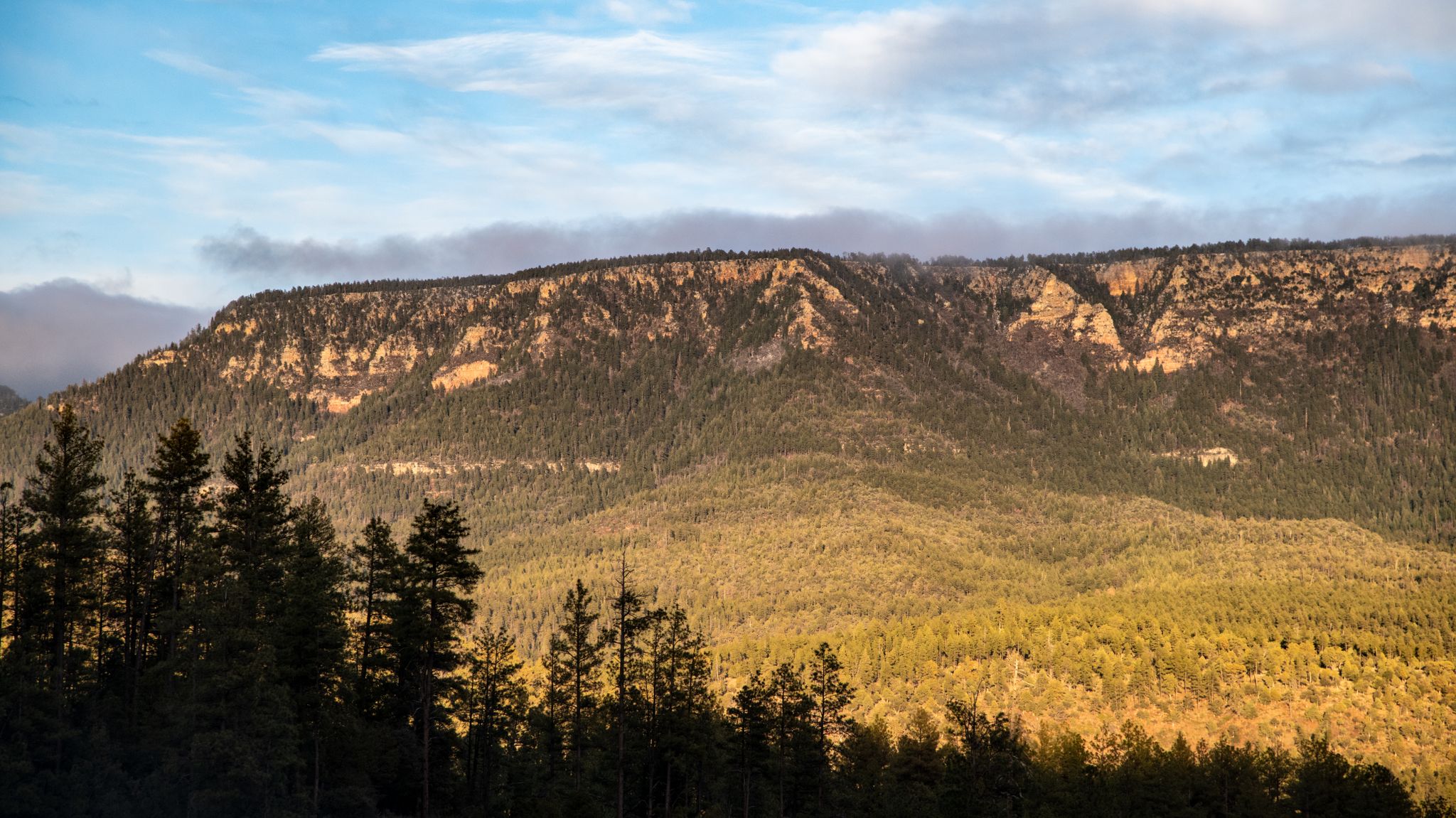
Dog friendly hiking trails in Sandia Mountain Wilderness traverse a diverse landscape characterized by significant elevation changes, from desert grasslands at lower altitudes to spruce-fir forests at higher reaches. The region features rugged terrain with deep canyons, forested slopes, and high-elevation crest trails. Geologically, the Sandia Mountains are a fault block range, with formations of granite, sandstone, and limestone. Small natural springs can be found throughout the range, fed by seasonal snowmelt and summer thunderstorms.
Best dog friendly hiking trails…
Last updated: May 13, 2026
4.5
(2)
22
hikers
8.78km
03:24
340m
340m
Embark on the South Crest and Faulty Trails Loop, a moderate hiking adventure spanning 5.5 miles (8.8 km) with an elevation gain of 1123 feet (342 metres). This route guides…
6
hikers
15.3km
06:35
960m
650m
Embark on a difficult hike along the South Sandia Peak via South Crest and CCC Trail Loop, a demanding route stretching 9.5 miles (15.3 km). You will gain an impressive…

Sign up for free
2
hikers
799m
00:21
80m
0m
Hike the Travertine Falls Trail, a moderate 0.5-mile route in Cibola National Forest, featuring unique rock formations and a seasonal waterf
1
hikers
70.0km
27:14
2,510m
3,110m
Hike the difficult 43.5-mile South Crest Trail in Sandia Mountain Wilderness, gaining 8221 feet with diverse terrain and panoramic views.
24
hikers
5.31km
01:58
180m
180m
Moderate hike. Great for any fitness level. Mostly accessible paths. Sure-footedness required.
Get access to more routes and recommendations from other explorers.
Sign up for free
Already have an account?
Our route recommendations are based on thousands of hikes, rides, and runs completed by other people on komoot.
Start today with a free account
Your next adventure awaits.
Login or Signup
Popular around Sandia Mountain Wilderness
Other adventures in Sandia Mountain Wilderness

Tips from the Community


Two small caves with a waterfall that is more or less visible depending on the season and that you can also climb.
0
0

This peak sees less traffic than the primary Sandia Peak to the north, so it's a nice opportunity for a getaway from the crowds. You'll still get stunning views from the top, though, along with a good sweat, as every route up involves quite a bit of elevation gain. The name of this peak (and the entire ridgeline it inhabits) means "watermelon" in Spanish; it refers to the lovely pinkish color these mountains take on when hit by low-angle sun.
1
0

Sandia Crest mountains are just south of the end of the Rocky mountains, and in the Sandia-Manzano Mountain range. Sandia Crest Peak reaches a height of 10,678 feet (3,255 m) above sea level. It is known to get windy up here, and it is much colder due to the elevation and exposure. Right here at the top, there is also the Sandia Crest House Gift Shop.
0
0

At an elevation of 10,678 feet, Sandia Crest is the highest in the Sandia Mountains. What sets this mountain range apart is there's no true summit; instead, it features a ridge line. During sunset, the vibrant colors in the sky explain why this area earned its name, which means "watermelon" in Spanish.
0
0
This trail provides a challenging rocky terrain with a consistent incline leading up to Travertine Falls. It requires a more technical and attentive approach to running as you navigate the rocks, but it's both enjoyable and rewarding.
0
0
This seasonal waterfall is at its best during spring, when the water flows most abundantly; otherwise, you might catch just a trickle. Nevertheless, it's a splendid sight, and the fact that it's less frequented makes it a tranquil spot to enjoy.
0
0

The Sandia Peak Tramway is the longest aerial tramway in the Americas, and it used to be the longest one is the world until recently. It connects the city of Albuquerque with the Sandia Peak. At the top of the tramway, there is a restaurant, TEN 3, which offers great ganoramic views.
0
0
Frequently Asked Questions
How many dog-friendly hiking trails are available in Sandia Mountain Wilderness?
There are 13 dog-friendly hiking trails in the Sandia Mountain Wilderness featured in this guide. These range from moderate to difficult, offering diverse experiences for you and your canine companion.
What kind of terrain can I expect on dog-friendly hikes in the Sandia Mountain Wilderness?
The Sandia Mountain Wilderness offers a remarkable ecological transition. You'll find desert grasslands at lower elevations, transitioning to pinyon-juniper woodlands, then ponderosa pine and oak forests, and finally cool spruce-fir forests at higher reaches. The terrain is generally rugged, featuring deep canyons, forested slopes, and high-elevation crest trails. The western slope is particularly steep, while the eastern side is a gentler, heavily forested incline.
Are there any easy dog-friendly trails for beginners or shorter walks?
While many trails in this guide are moderate to difficult, the region does offer some easier options. For a shorter, moderate hike that leads to a seasonal waterfall, consider the Travertine Falls Trail, which is less than a kilometer long. For more gentle walks, the region research mentions trails like the Michael M Emery Primitive and Trail 305A Loop, and the Michael Emery and Foothills Trail Loop, which offer pleasant walks through the foothills with continuous views of the Sandia Mountains.
What are some notable natural features or viewpoints I can visit with my dog?
The Sandia Mountain Wilderness is rich in natural beauty and viewpoints. A major draw is the Sandia Crest Overlook, offering panoramic views of Albuquerque and the Rio Grande Valley. You can also hike to North Sandia Peak for additional vistas. For a unique natural feature, visit Travertine Falls, which is particularly beautiful in the spring when water flow is abundant.
Are there any circular dog-friendly routes in the Sandia Mountain Wilderness?
Yes, there are circular dog-friendly routes available. A popular moderate option is the South Crest and Faulty Trails Loop, which covers about 8.8 kilometers. Another moderate loop is the South Crest Trail – Travertine Falls Cave Entrance loop from Tijeras, also around 8.8 kilometers.
What is the best time of year to hike with my dog in the Sandia Mountain Wilderness?
The Sandia Mountain Wilderness offers hiking opportunities year-round, but the best time depends on the elevation. Spring and fall generally provide the most pleasant temperatures for hiking with dogs, especially at lower to mid-elevations. Summers can be hot, particularly in the desert grasslands, so early morning or late afternoon hikes are recommended. Higher elevations offer cooler temperatures in summer. Winters can bring snow, especially on the Crest Trail, requiring appropriate gear.
Are there any specific dog leash laws or restrictions I should be aware of?
While the Sandia Mountain Wilderness is dog-friendly, it's crucial to follow local regulations. Dogs are generally required to be on a leash in developed areas and on many trails to protect wildlife and ensure the safety of other hikers. Always pack out waste and ensure your dog is under control. Check with the Cibola National Forest for any specific trail restrictions or seasonal closures that might affect dogs.
What do other hikers enjoy most about dog-friendly trails in Sandia Mountain Wilderness?
The dog-friendly trails in Sandia Mountain Wilderness are highly rated by the komoot community, with an average score of 4.8 stars. Reviewers often praise the diverse landscapes, from desert to alpine forests, the challenging yet rewarding ascents, and the stunning panoramic views from the crest. The opportunity to explore such varied environments with their dogs is frequently highlighted as a major positive.
Are there any historical points of interest accessible on dog-friendly trails?
Yes, the Sandia Mountain Wilderness has historical significance. You can visit Kiwanis Cabin, a hut built by the Civilian Conservation Corps around 1930, which stands as one of the few accessible remaining structures from that era. While not directly on a dog-friendly trail listed here, the Sandia Cave is also an important archaeological site in the region, offering evidence of human settlement dating back thousands of years.
What are some challenging dog-friendly hikes in the area?
For those seeking a challenge, the Sandia Mountain Wilderness offers several difficult dog-friendly routes. The South Sandia Peak via South Crest and CCC Trail Loop is a demanding 15.3-kilometer hike with significant elevation gain. The extensive South Crest Trail also offers long, difficult sections for experienced hikers and their well-conditioned dogs.
Most popular routes in Sandia Mountain Wilderness
Most popular attractions in Sandia Mountain Wilderness

Get inspired with the komoot mobile app


Explore more
Browse the best Hikes in other regions.
