The best traffic-free bike rides around Żary
4.5
(59)
915
riders
24
rides
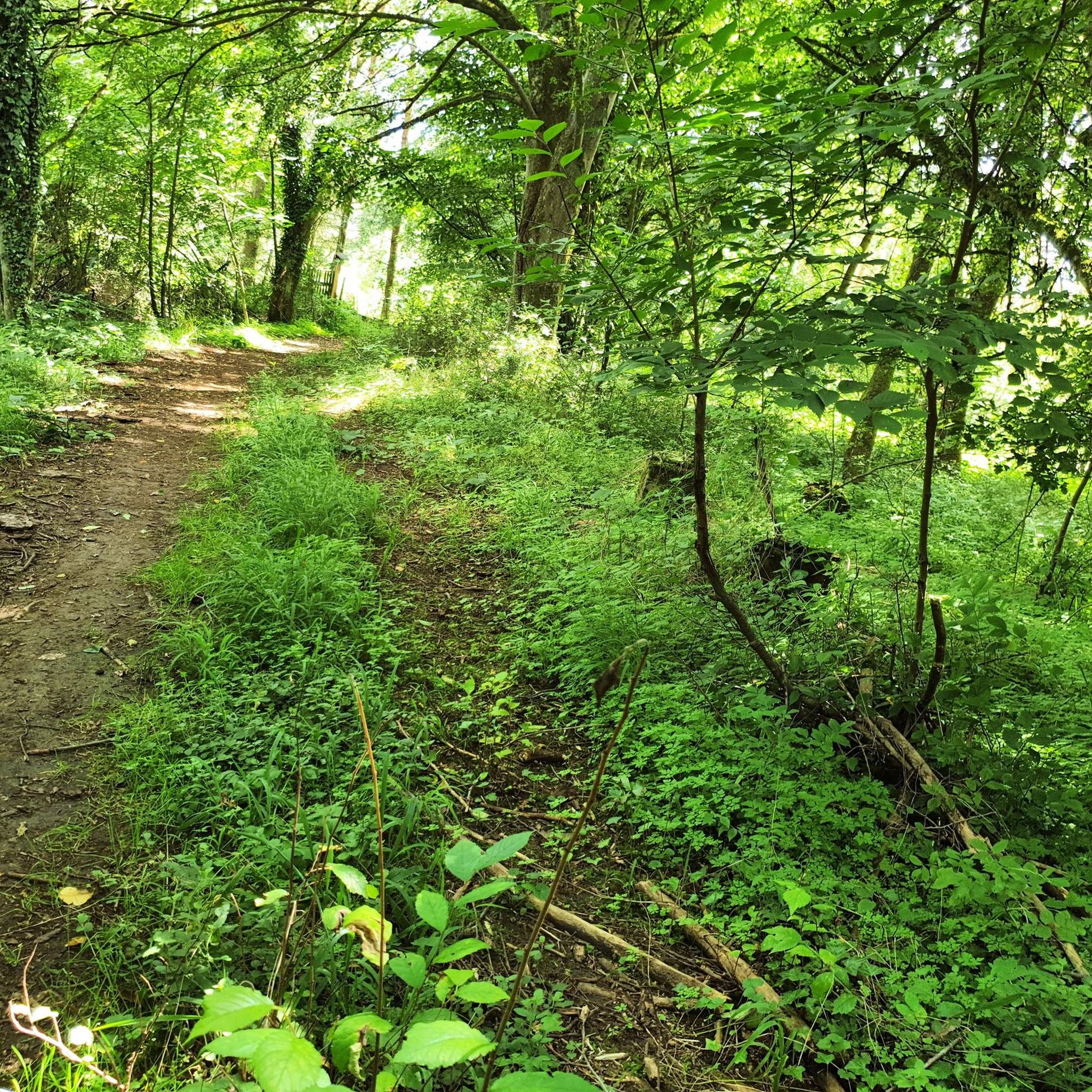
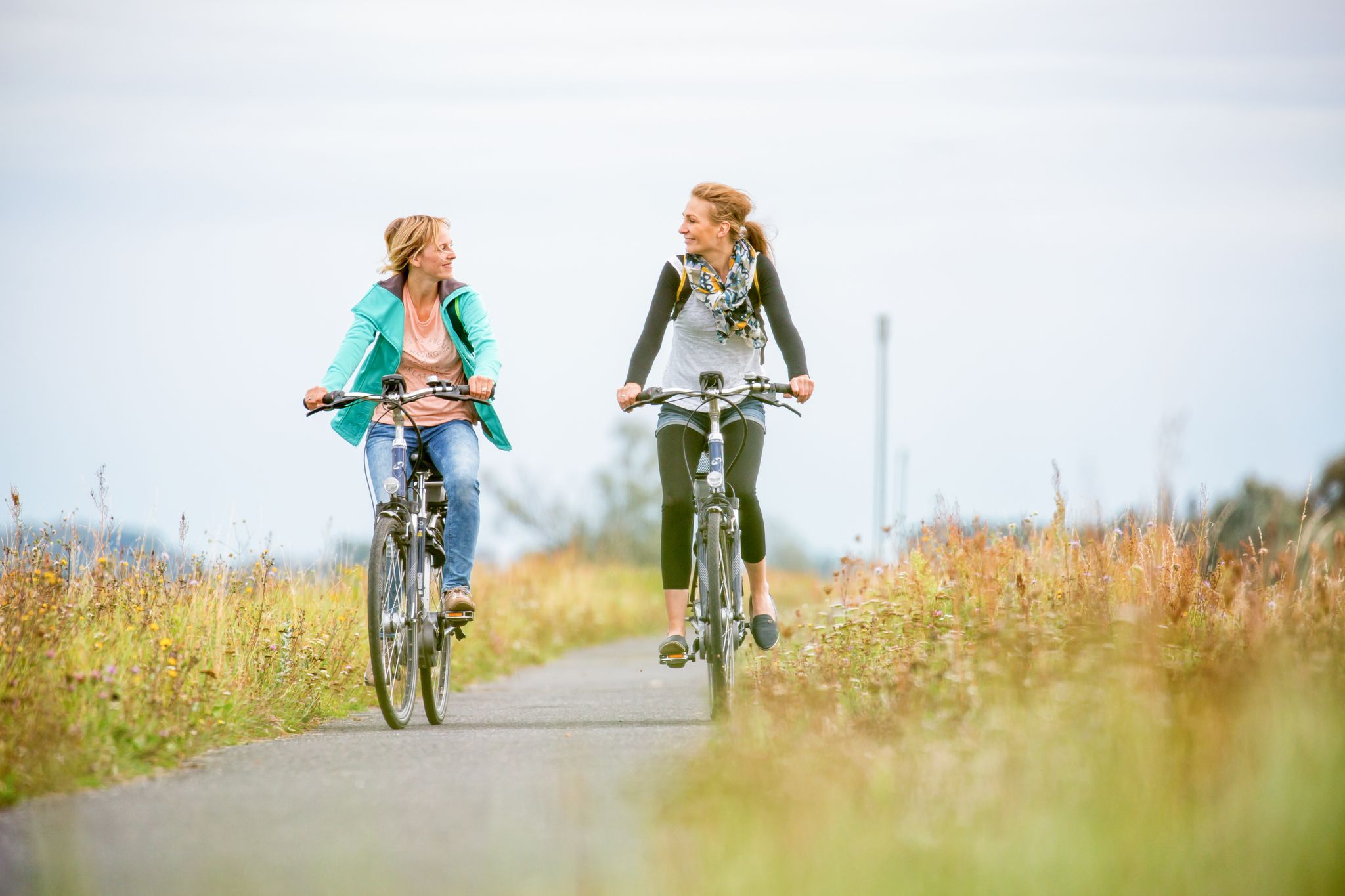
No traffic road cycling routes around Żary traverse a landscape characterized by rolling hills, expansive forests, and significant river valleys. The region features the scenic Neisse and Bóbr Rivers, providing natural boundaries and picturesque environments for cycling. Cyclists can explore areas like the Żary Forest, known for its varied terrain and ancient trees, and the unique geological formations within the Łuk Mużakowa Landscape Park. This combination of natural features offers diverse routes for road cyclists.
Best no traffic road cycling…
Last updated: October 27, 2026
5.0
(1)
36
riders
56.3km
02:18
240m
240m
Moderate road ride. Good fitness required. Mostly well-paved surfaces and easy to ride.
4.3
(3)
30
riders
38.1km
01:40
160m
160m
Easy road ride. Mostly well-paved surfaces and easy to ride.

27
riders
29.7km
01:27
200m
200m
Moderate road ride. Some segments of this route may be unpaved and difficult to ride.
5.0
(1)
25
riders
52.0km
02:05
180m
180m
Moderate road ride. Good fitness required. Mostly well-paved surfaces and easy to ride.
19
riders
64.2km
02:46
240m
240m
Moderate road ride. Good fitness required. Mostly well-paved surfaces and easy to ride.
Get access to more routes and recommendations from other explorers.
Already have an account?
Our route recommendations are based on thousands of hikes, rides, and runs completed by other people on komoot.
Start today with a free account
Your next adventure awaits.




Tips from the Community

A place to serve cyclists with gadgets. Solar benches and the ability to charge phones / bikes.
0
0

Prisoners from the liquidated camp in Kunau were sent to Zgorzelec (Görlitz) and Żagań. Soldiers transferred from Kunau to Sagan had identical living conditions: they slept in tents, and only then were they gradually moved to unfinished brick barracks. The camp in Żagań was completed in January 1940 and operated until the evacuation on February 8, 1945. In May 2018, the Museum of Prisoner of War Camps in Żagań organized search works on the site of the former Dulag Kunau. As a result of research supervised by the Lubuskie Provincial Conservator of Monuments, a number of items related to the stay of Polish soldiers in Konin were found. After conservation, the finds will be placed on the museum's permanent exhibition. The Lubusz Exploration Group NADODRZE and the owner of the area, the Żagań Forest District, participated in the research work at the camp. On the initiative of the entities involved in the search, on September 29, 2018, a commemorative stone will be unveiled at the camp in Konin Żagański.
0
0
The conditions created by the Wehrmacht in Konin were bad and differed significantly from the recommendations of international war law (Convention Relating to the Treatment of Prisoners of War, signed in Geneva on July 27, 1929). The first visit to the new camp was recalled by prisoner Janusz Ostrowski: Double barbed wire fences, guard towers armed with machine guns and powerful searchlights, and large tents arranged in a row, able to accommodate about 160 people. Immediately after arriving at the camp, we received our first meal. It was a bowl of carrot soup, that is, carrots overcooked in salted water, and 1/5 of a loaf of army bread. It satisfied our hunger, which was terribly tiring, but we were too exhausted to feel full for long. POW Ostrowski was a non-commissioned officer, but in the camp he found himself in a tent for privates. When he realized that there was a special tent for cadets in the camp, he was directed there after identifying himself. The tents were crowded and the prisoners slept in four rows on the bare ground with a little hay. There were two blankets for three people. Ostrowski: We had our heads cut short, we had a bath and our clothes were deloused. The bath looked like this: in the open air, under a shelter, there were jars half-filled with warm water, into which, after undressing, you had to go in and try to wash yourself, of course if you had soap. At the same time, during this bath, the "hairdresser" was cutting heads with a razor. The removed clothing was put into a device similar to a locomotive, which produced superheated steam at a temperature of approximately 110°C and roasted the poor clothing under pressure for an hour. Theoretically, this action should be enough to destroy any life that might be there. However, the result was that whoever did not have lice yet acquired them after the bath and delousing. After the bath, with chattering teeth, one had to wait naked in the open air until the clothes were taken out of the cauldron and, having found one's belongings in the pile, put on one's clothes. Everything was terribly wrinkled, so for some time, until it ironed itself out, we looked gruesome. Mark Lazarus
0
0
In 1939, after the aggression of Nazi Germany on Poland, thousands of Polish soldiers were taken prisoner. Prisoners were first sent to the so-called transit camps. dulags (German: Durchgangslager). After initial registration, they were sent to permanent camps (so-called stalags, short for German: Stammlager), which in many cases were established next to the temporary ones. The camp in Konin Żagański (German: Kunau) existed already at the end of September 1939 and operated until the spring of 1940. From Dulag Kunau, soldiers were gradually transferred to the Stalag VIIIC camp in Żagań (German: Sagan). Individual stalags were marked with a Roman number corresponding to the military district in which the camp was located (in the case of Żagań, it was the 8th Military District of the Wehrmacht) and the next letter of the Arabic alphabet (for example: Stalag VIII A Görlitz, Stalag VIII B Lamsdorf/Łambinowice, Stalag VIII C Sagan etc.). About 8,000 prisoners were transferred from Dulag Kunau to Żagań and immediately set to work building barracks. Work at the Sagan camp began in October 1939.
0
0

Inspired by a trip to Asia, Friedrich Maximilian von Hochberg had the garden redesigned with several partial gardens. A Japanese garden with small watercourses and bridges between islets was laid out on an island in the Tschirne. From the castle to the west, the Chinese Garden extends as a further partial garden, bounded by two backdrop-like clinker walls on a curved floor plan with round and oval window openings, which are supposed to be reminiscent of Chinese moon gates. A path leads to the border of the garden, where a staircase and pagoda architecture crosses a street as a pedestrian bridge. Another area was the rose garden enclosed by an ornamental wall. From 1919 the von Alvensleben were the owners. Today the palace park has been extensively renovated. Source: Wikipedia
0
0

nice park for walking and relaxing.
0
0
Frequently Asked Questions
How many no-traffic road cycling routes are available around Żary?
There are over 20 dedicated no-traffic road cycling routes around Żary, offering a variety of distances and difficulty levels. You'll find 5 easy routes, 18 moderate, and 1 difficult route to explore.
What is the general difficulty level of no-traffic road cycling routes in Żary?
Most no-traffic road cycling routes in Żary are classified as moderate, making them suitable for cyclists with some experience. There are also several easy routes perfect for a more relaxed ride, and a challenging option for those seeking a greater test.
Are there any circular no-traffic road cycling routes in the Żary area?
Yes, many of the no-traffic road cycling routes around Żary are circular, allowing you to start and end your ride in the same location. For example, the Kopa Żarska – Plac Wolności loop from Żary Muzyków is a popular moderate 30.5 km circular route.
What kind of terrain can I expect on no-traffic road cycling routes near Żary?
The terrain around Żary offers a varied and engaging cycling experience, with rolling hills and forests. While the routes are designed for road bikes, you can expect paved paths, especially within areas like the Łuk Mużakowa Landscape Park, ensuring comfortable cycling.
What natural features or landmarks can I see along the no-traffic road cycling routes?
The Żary region is rich in natural beauty and historical sites. You can cycle past the picturesque Neisse River, explore parts of the Łuk Mużakowa Landscape Park, or even spot unique geological formations. Consider the Border Church Podrosche loop from Żary, which takes you near the Neisse River and the border area.
Are there any specific viewpoints or observation towers accessible from the cycling routes?
Yes, the region offers several viewpoints. The Afryka Lake Observation Tower (Babina Mine) within the Łuk Mużakowa Landscape Park provides panoramic views, including the unique continent-shaped Afryka Lake. The Żary Forest also features an observation tower on Góra Żarska, offering expansive views on clear days.
What are some interesting historical sites or attractions near the no-traffic routes?
You can discover several historical sites. The Border on the Neisse at the Bad Muskau weir island is a tranquil spot, and the Ruins of the Neißesteg and Lange Brücke offer a glimpse into the past. The Pudełek Garden Center loop from Żary Muzyków is a moderate route that can be combined with exploring local points of interest.
What do other cyclists enjoy most about road cycling in Żary?
The komoot community highly rates road cycling in Żary, with an average score of 4.4 stars. Reviewers often praise the quiet, traffic-free nature of the routes, the diverse landscapes, and the well-maintained paved paths that make for an enjoyable ride.
Are there any longer no-traffic road cycling routes for experienced riders?
Yes, for experienced riders looking for a longer challenge, routes like the Border Church Podrosche loop from Żary cover approximately 95 km, offering a substantial ride through varied scenery with minimal traffic.
What is the best time of year for no-traffic road cycling in Żary?
Spring, summer, and early autumn generally offer the best conditions for road cycling in Żary. These seasons provide pleasant temperatures and lush green landscapes, making for a more enjoyable experience. Always check local weather forecasts before heading out.
Are there any routes that pass by lakes or unique water features?
Absolutely. The region is known for its unique water features, including the striking Afryka Lake. The Błękitne oko – Sina loop from Żary is a moderate route that can lead you to discover some of the area's beautiful lakes and natural monuments like the Source of Acid Mine Drainage or Lake Jedynka.
Most popular routes around Żary
Most popular attractions around Żary

Get inspired with the komoot mobile app


Didn’t find what you were looking for?
Check out more Road cycling routes throughout Żary below and find the perfect route in your destination.
Explore more
Browse the best Road cycling routes in other regions.
