The best traffic-free bike rides around gmina gmina gmina Bystrzyca Kłodzka
4.6
(18)
285
riders
49
rides
Gravel biking around gmina gmina gmina Bystrzyca Kłodzka is characterized by its location in the Kłodzko Valley, at the foot of the Bystrzyckie Mountains within the Central Sudetes. The region offers a diverse landscape for cyclists, featuring extensive gravel roads, forest paths, and field roads. Elevation gains are significant, with many routes providing challenging climbs and descents through varied terrain. The area is suitable for gravel bikes, particularly those with 33mm-40mm tires.
Best no traffic gravel bike trails around gmina…
Last updated: May 14, 2026
5.0
(1)
6
riders
15.8km
01:21
330m
330m
Moderate gravel ride. Good fitness required. Mostly paved surfaces. Suitable for all skill levels.
5
riders
Hard gravel ride. Very good fitness required. Mostly paved surfaces. Suitable for all skill levels.

Sign up for free
5
riders
90.8km
06:42
1,920m
1,920m
Hard gravel ride. Very good fitness required. You may need to push your bike for some segments of this route.
1
riders
Hard gravel ride. Very good fitness required. Mostly paved surfaces. Suitable for all skill levels.
4
riders
Moderate gravel ride. Good fitness required. Mostly paved surfaces. Suitable for all skill levels.
Get access to more routes and recommendations from other explorers.
Sign up for free
Already have an account?
Our route recommendations are based on thousands of hikes, rides, and runs completed by other people on komoot.
Start today with a free account
Your next adventure awaits.
Login or Signup
Popular around gmina gmina gmina Bystrzyca Kłodzka


Other adventures around gmina gmina gmina Bystrzyca Kłodzka

Tips from the Community

Schronisko Jagodna closed until May 6th 🤷🏻♂️
0
0

The first mention of the development of Śnieżnik Mountain dates back to 1809, when the owner of Międzygórze, Count Wilhelm von Magnis, built barns and shepherd's huts on the mountain pasture below Śnieżnik. In 1838, Międzygórze was purchased by Princess Marianna of Orange, the Lady of Kamieniec Ząbkowicki – daughter of the King of the Netherlands and wife of a Prussian prince. In 1840, she invited her father, King Wilhelm, with whom she reached the summit of Śnieżnik on July 20th. In 1869, the Duchess took over the land on the mountain pasture below Śnieżnik. She commissioned a highlander from Switzerland to build a Swiss mountain hut (Schweizerei am Schneeberg or Schweizerei auf dem Schneeberg) on the mountain pasture below Śnieżnik, which now forms the main part of the mountain hut. Construction was completed in 1871. The building initially served as a tourist inn, with 50 beds and a large dining hall. In the following years, the buildings were modernized several times. In 1872, utility rooms were built on the site of an old dairy farm. In 1880, a meteorological station was opened at the inn. In the 1930s, the inn had 30 beds. After World War II, the building stood empty until 1946. The dilapidated buildings were taken over by "Orbis," renaming it "Szwajcarka." In 1947, the Polish Tatra Mountain Shelter Board took over. The following summer, a shelter was opened, named "Na Śnieżniku" to distinguish it from the "Szwajcarka" shelter in Rudawy Janowickie. In 1950, the building became the property of the Polish Tourist and Sightseeing Society. At that time, the shelter had 63 beds. In the 1980s, the shelter was thoroughly modernized and renovated thanks to the efforts of its then-lessee, Zbigniew Fastnacht, who managed the facility from 1982 to 2001. After his death, in recognition of his achievements, the shelter was named after him.
1
1

The PTTK "Jagodna" mountain shelter in Spalona is a charming place in the Bystrzyckie Mountains, nestled in an exposed clearing along the former Sudeten Highway. The building boasts over 120 years of history – from a tavern and inn, through a German Brandbaude, to today's tourist shelter. Today, it offers 57 beds, a buffet, a recreation room, and camping facilities. In winter, it houses a ski stadium and groomed cross-country trails.
1
0
Zemská brána, or "Gate of the Earth," is a picturesque nature reserve in the Orlické Mountains, right on the Czech-Polish border. The Divoká Orlice River has carved a rocky gorge surrounded by forests, symbolized by a stone bridge from the early 20th century, renovated in 2004. A three-kilometer nature trail with 22 stops leads through the valley. It's easy and family-friendly, and even suitable for children. Along the way, you can see the wooden "Pašerácka lávka" (Paserácká lavka), associated with ancient smuggling, and Ledříčkova Skála (Ledříčkova Rock), with its cave and the legend of a mountain bandit.
1
0

An interesting view point and a good place to relax!
0
0

Tasty, yet huge lunch portions, for a mountain shelter these are quite reasonable prices, a very positive surprise.
0
0
The downhill section (red) of the "Jagodna Loop" route, starting at the top of Mount Jagodna and ending next to the shelter. Faster, but also more technically demanding than the uphill section.
0
0
A crossroads of trails under the last climb to the shelter, a nice place for a short rest. Next to the path there is a tourist information board, a table with benches and a small chapel/obelisk of the "Three Saints".
0
0
Frequently Asked Questions
How many no-traffic gravel bike trails are available around Bystrzyca Kłodzka?
The komoot community has curated over 40 no-traffic gravel bike trails in the Bystrzyca Kłodzka region. These routes primarily utilize quiet forest roads, field paths, and dedicated cycling routes, ensuring a peaceful riding experience away from vehicular traffic.
What kind of terrain can I expect on the no-traffic gravel trails in Bystrzyca Kłodzka?
You'll encounter a diverse mix of terrains, perfect for gravel bikes. Expect extensive gravel roads, quiet forest paths, some challenging single tracks, and field roads. While the focus is on unpaved surfaces, some routes may include short paved sections connecting different areas. The region's mountainous character means significant elevation gains are common, with many loops offering substantial climbing.
Are there options for different skill levels on the no-traffic gravel trails?
Yes, the trails cater to various fitness and skill levels. While many routes offer challenging climbs and dynamic descents, there are also moderate options. For example, the PTTK Jagodna mountain hostel – Jagodna Loop is a moderate 15.8 km route with 333 m of elevation gain, offering a taste of the region's beauty without extreme difficulty. More difficult routes, like the 90.8 km Zemská Brána – PTTK Jagodna mountain hostel loop, provide a significant challenge with nearly 2000 m of climbing.
What interesting sights or landmarks can I explore along the no-traffic gravel routes?
Many routes pass by or near fascinating points of interest. You can integrate visits to historical sites like the medieval town of Bystrzyca Kłodzka, often called "Silesian Carcassonne," with its defensive walls and towers. Natural attractions include the scenic Wilczki Waterfall, which is part of a 33.8 km loop. The region also features mountain huts, such as the PTTK Jagodna Mountain Hut, which serve as excellent rest stops or starting points.
Are there any scenic viewpoints on the no-traffic gravel trails?
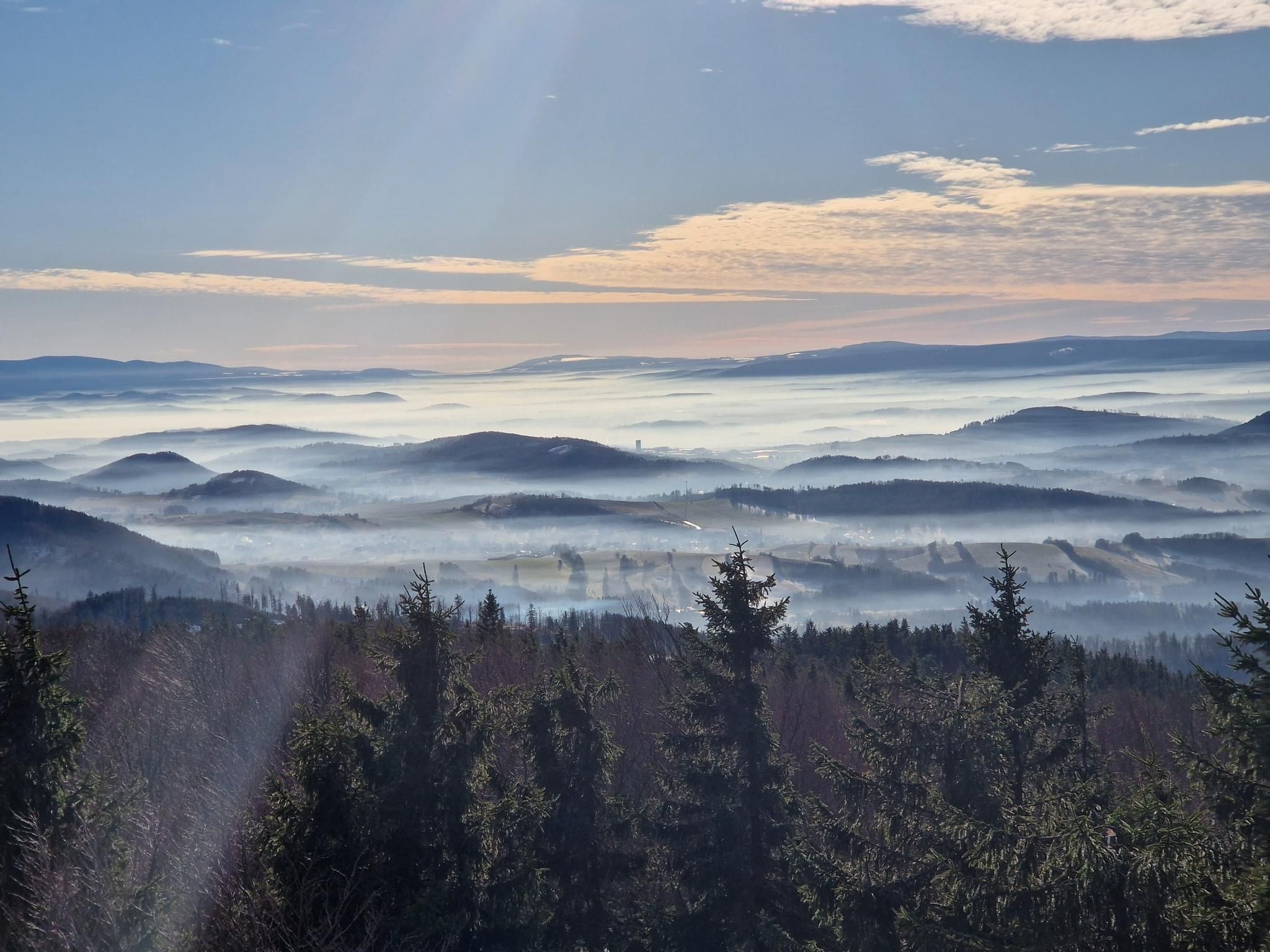
Absolutely. The Kłodzko Valley and Bystrzyckie Mountains offer numerous panoramic views. From certain points, like the observation deck on Parkowa Mountain, you can enjoy sweeping vistas of Bystrzyca Kłodzka and the surrounding mountains, including the Śnieżnik Massif on clear days. The Jagodna Summit and Observation Tower is another excellent spot for breathtaking views.
Can I visit any caves or historical sites near the gravel trails?
Yes, the region is rich in both natural and historical attractions. Nearby, you can explore the Bear Cave (Jaskinia Niedźwiedzia) in Kletno or the Kletno Uranium Mine. For history enthusiasts, the Underground Tunnels of Kłodzko Fortress offer a glimpse into the region's past. These can be combined with your gravel biking adventures for a richer experience.
Are the no-traffic gravel trails around Bystrzyca Kłodzka suitable for families?
While many routes involve significant elevation, there are options that can be enjoyed by families, especially those with some biking experience. Look for shorter, moderate loops that stick to wider forest roads. Always check the route's difficulty and elevation profile before heading out with children. The quiet nature of these trails makes them safer for family outings.
Can I bring my dog on the gravel bike trails?
Generally, dogs are welcome on most forest and field paths in the region, especially on the less trafficked gravel routes. However, it's always advisable to keep your dog on a leash, especially in nature reserves or areas with wildlife, and to be mindful of other trail users. Ensure your dog is fit enough for the distance and elevation, and always carry enough water for both of you.
What do other gravel bikers enjoy most about the no-traffic trails in Bystrzyca Kłodzka?
The komoot community highly rates the gravel biking experience here, with an average score of 4.6 stars. Reviewers frequently praise the region's extensive network of quiet forest roads and gravel paths, the stunning natural beauty of the Kłodzko Valley and Bystrzyckie Mountains, and the challenging yet rewarding climbs. The feeling of being immersed in nature, away from traffic, is a recurring highlight.
What is the best time of year for gravel biking in Bystrzyca Kłodzka?
The best time for gravel biking in Bystrzyca Kłodzka is typically from late spring to early autumn (May to October). During these months, the weather is generally mild, and the trails are most accessible. Spring brings lush greenery, while autumn offers beautiful fall foliage. Winter can be challenging due to snow and ice, making many trails impassable for gravel bikes.
Are there places to eat or stay overnight near the trails?
Yes, the region offers various amenities for cyclists. The historic town of Bystrzyca Kłodzka has cafes, restaurants, and accommodation options. Additionally, mountain huts like the PTTK Jagodna Mountain Hut are excellent spots for a break, a meal, or even an overnight stay. The extensive forests also provide opportunities for wild camping in most national forests, for those on multi-day bikepacking adventures.
How can I access the no-traffic gravel trails using public transport?
Bystrzyca Kłodzka is accessible by regional train and bus services. While public transport can get you to the town, accessing specific trailheads might require a short ride from the station. Some bus lines may allow bikes, but it's best to check with the local transport provider beforehand. Planning your route to start and end near public transport hubs in Bystrzyca Kłodzka or nearby villages is recommended.
Most popular routes around gmina gmina gmina Bystrzyca Kłodzka
Most popular attractions around gmina gmina gmina Bystrzyca Kłodzka

Get inspired with the komoot mobile app


Explore more
Browse the best Gravel rides in other regions.
