The best traffic-free bike rides around Puńsk
4.3
(81)
384
riders
15
rides
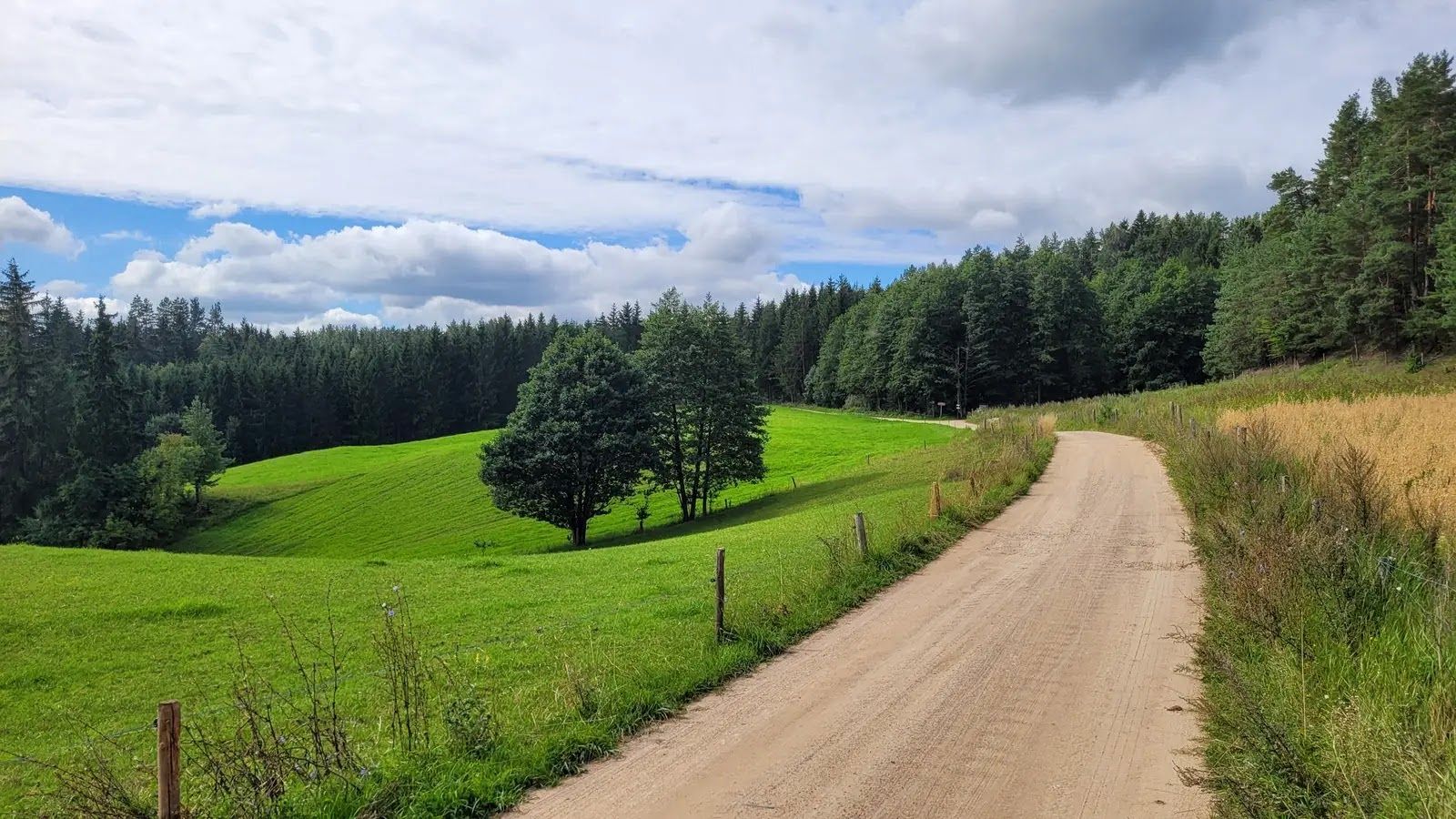
No traffic touring cycling routes around Puńsk traverse a unique post-glacial landscape in northeastern Poland, characterized by rolling hills and dense forests. The region features numerous picturesque lakes, many of which are part of the Suwałki Landscape Park. Cyclists can explore varied terrain shaped by glacial activity, including moraines and eskers, alongside river systems like the Czarna Hańcza. This area offers a diverse backdrop for touring cyclists seeking routes away from traffic.
Best no traffic touring cycling routes around Puńsk
…Last updated: October 27, 2026
5.0
(2)
6
riders
20.0km
01:12
90m
90m
Easy bike ride. Mostly paved surfaces.
4
riders
Easy bike ride. Mostly paved surfaces.

3.0
(1)
4
riders
Easy bike ride. Mostly paved surfaces.
3
riders
29.1km
01:42
130m
130m
Easy bike ride. Mostly paved surfaces.
3
riders
14.9km
00:51
70m
70m
Easy bike ride. Mostly paved surfaces.
Get access to more routes and recommendations from other explorers.
Already have an account?
Our route recommendations are based on thousands of hikes, rides, and runs completed by other people on komoot.
Start today with a free account
Your next adventure awaits.


Other adventures around Puńsk

Tips from the Community

The open-air museum of Lithuanian folk architecture, called the “Lithuanian farmstead,” was opened over 30 years ago. This mini open-air museum features 4 interesting, fully furnished buildings from the turn of the 19th/20th century, open for visits and enclosed by a wooden fence. These buildings include a barn, recreated based on people's stories. Opposite it stands a village cottage, and across from it are a cowshed and a pigsty, moved from a nearby village. At the back, there is a traditional, well-kept village garden, fruit trees, flowers, and a well with a sweep. https://bialystoksubiektywnie.com/blog/2024/05/15/punsk-zwiedzanie-zabytki-litewskie-miasteczko/
3
0
The Roman Catholic Church of the Assumption of the Blessed Virgin Mary in Puńsk has an interesting history. It was built between 1877 and 1881, but there were two other churches on this site before, which were destroyed by fires. The temple is surrounded by an old, solid stone fence, and its architectural form resembles Gothic style. An interesting effect was achieved by using stone and brick as the building material for the walls of this temple. On the one hand, it is a reference to Gothic architecture, and on the other, a nod to local folk architecture, as stone was abundant in the Suwałki region and was a common building material. Fortunately, the church was not plastered. https://bialystoksubiektywnie.com/blog/2024/05/15/punsk-zwiedzanie-zabytki-litewskie-miasteczko/
3
0
An interesting monument in Puńsk is the wooden synagogue with a Talmud school from the turn of the 19th/20th century. You can pass this building without noticing it, or you can notice it, but think that this ruin should be demolished and the area redeveloped. Meanwhile, it is an important monument testifying to the history of the settlement. As experts write, it is the last wooden synagogue in Poland. A few years ago, a fire broke out and partially destroyed the building. Now it is overgrown with bushes, trees, and wild vines. It is unknown what will happen to it. https://bialystoksubiektywnie.com/blog/2024/05/15/punsk-zwiedzanie-zabytki-litewskie-miasteczko/
3
0
A guide, one of the founders of the Chamber, leads tours inside. Viewing the exhibitions combined with stories brings the theme of folk traditions of the Puńsk region closer. The braid called krajka and the customs associated with it are particularly impressive. If someone has encountered, for example, the tradition of the Bielsk towel (in the vicinity of Bielsk Podlaski), they will surely gladly listen to the guide's stories and view the exhibits related to krajka. In the "Old Rectory", you can view permanent exhibitions of old folk costumes and folk handicrafts (fabrics, wooden sculptures, ceramics, cut-outs, paintings, braids). In the Chamber, you can also buy contemporary handicrafts (exhibition-sale of works by folk artists). https://www.ugpunsk.pl/asp/muzeum-stara-plebania-w-punsku,346
3
0
The "Stara Plebania" Museum in Puńsk is a place that must be visited. It is a Regional Chamber that has been operating since 1995 and was created by enthusiasts of beautiful folk traditions. Guides, teachers, and folk artists have been collecting wonderful exhibits for years and presenting them in the Stara Plebania. The collection is constantly growing. "Stara Plebania" is located next to the church in a hundred-year-old wooden building. https://www.ugpunsk.pl/asp/muzeum-stara-plebania-w-punsku,346
3
0

The Open-Air Museum in Puńsk, also known as the Lithuanian Folk Culture Centre Museum, was established in 1986 and showcases a traditional Lithuanian farmstead from the turn of the 19th and 20th centuries. It comprises wooden houses, barns, a granary, and a well with a crane, surrounded by a distinctive fence. The buildings house farm equipment, agricultural tools, and everyday objects, providing a glimpse into the lives of the region's early inhabitants. The barn houses a theater stage, hosting cultural events and a barn theater festival. The open-air museum also features an inn serving Lithuanian cuisine, making it an attractive stop on a cycling route through the Sejny region.
0
0
Lake Boksze is a picturesque body of water located in the Suwałki Region, in the Puńsk commune, near the border with Lithuania. It is a small but charming lake with clear waters and a gently sloping shoreline, surrounded by forests and meadows. This place is ideal for lovers of peace, fishing, and kayaking, as it is peaceful and less tourist-friendly than the larger lakes in the region. The area also offers interesting cycling routes through Lithuanian villages, allowing you to combine a relaxing holiday by the water with exploring the "Little Lithuania" of the Suwałki Region. It's a great place for a relaxing getaway close to nature, away from the crowds.
2
0
Wołyńce (lit. Valinčiai) is a small village in the Suwałki Region, located in the Puńsk commune, right next to the border with Lithuania. It is one of the villages where Lithuanian traditions, language and culture have been preserved, making it part of the so-called "Little Lithuania" in Poland. The area is characterized by the typical Suwałki Region hilly landscape, fields and forests, ideal for peaceful hikes and bike trips. There are other Lithuanian villages and attractions nearby, such as Puńsk with its open-air museum and Sejny with its famous basilica. This is a great place to feel the unique atmosphere of the Polish-Lithuanian border.
4
0
Frequently Asked Questions
How many traffic-free touring cycling routes are available around Puńsk?
There are 11 dedicated touring cycling routes around Puńsk that focus on minimizing traffic, providing a peaceful experience. Most of these, 10 to be exact, are rated as easy, making them accessible for various skill levels.
What is the best time of year for traffic-free cycling in Puńsk?
The warmer months, from late spring to early autumn (May to September), are generally ideal. During this period, the weather is pleasant for cycling, and the natural landscapes, including the numerous lakes and forests, are at their most vibrant. The region's post-glacial terrain is particularly beautiful under sunny skies.
Are there family-friendly no-traffic bike trails in Puńsk?
Yes, many of the no-traffic routes around Puńsk are suitable for families. With 10 out of 11 routes rated as easy, they offer gentle terrain and manageable distances. For example, the Municipal beach – Synagogue and Talmudic School loop from Wojtokiemie is a shorter, easy option at just under 13 km, perfect for a relaxed family outing.
What do other touring cyclists say about the no-traffic routes in Puńsk?
The touring cycling routes around Puńsk are highly rated by the komoot community, with an average score of 4.55 out of 5 stars from 60 ratings. Reviewers often praise the varied terrain, beautiful lake views, and the opportunity to experience the region's unique cultural heritage away from busy roads.
Are there any loop touring bike trails around Puńsk that are car-free?
Yes, all the listed no-traffic touring cycling routes around Puńsk are designed as loops, allowing you to start and end at the same point. These routes prioritize quiet paths and roads, offering a car-free or very low-traffic experience. An example is the Historic Railway Station – Municipal beach loop from Puńsk, which is an easy 28.8 km loop.
What natural features will I encounter on these traffic-free routes?
The no-traffic routes in Puńsk traverse a unique post-glacial landscape, offering diverse natural beauty. You'll cycle through dense forests, past numerous picturesque lakes like Lake Gaładuś and Lake Boksze, and experience rolling hills. The region is also characterized by river systems such as the Czarna Hańcza, adding to the scenic variety.
Which no-traffic route offers views of Lake Boksze?
The Historic Railway Station – Lake Boksze loop from Trakiszki is an excellent choice for experiencing Lake Boksze. This easy 20 km route leads through forested areas and directly past the lake, offering beautiful views and a tranquil cycling experience.
Are there any cultural landmarks to explore along the no-traffic touring routes?
Absolutely. Puńsk is a significant center of Lithuanian culture, and some routes incorporate cultural attractions. The Synagogue and Talmudic School – Lithuanian Farmstead in Puńsk loop from Boksze Nowe is an easy 26 km route that combines historical sites like the Synagogue and the Open-Air Museum (Lithuanian Folk Culture Centre Museum) with the rural landscape.
What scenic viewpoints can I expect along the no-traffic bike trails in Puńsk?
Many routes offer stunning scenic viewpoints, particularly over the region's numerous lakes. You can enjoy views of Lake Szelment Mały, Lake Boksze, and Lake Gaładuś. The post-glacial hills also provide elevated perspectives of the surrounding forests and valleys. For specific lake views, consider visiting the View of Lake Szelment Mały or the View of Lake Gaładuś.
Can I find wild swimming spots near the quiet bike trails around Puńsk?
The Puńsk region is rich with lakes, offering potential spots for wild swimming. While specific designated wild swimming areas may vary, the numerous pristine lakes like Lake Gaładuś, Lake Szelment Mały, and Lake Boksze provide opportunities to cool off during your ride. Always check local regulations and safety before entering the water.
Where can I find parking for quiet bike trails in Puńsk?
Parking is generally available in and around the main villages and starting points of the routes, such as Puńsk itself or near specific attractions. Many routes are designed to be accessible from central locations, making it convenient to park your vehicle and begin your traffic-free cycling adventure.
Most popular attractions around Puńsk

Get inspired with the komoot mobile app


Explore more
Browse the best Cycling routes in other regions.
