The best cycling routes around Viñegra De Moraña
5.0
(1)
20
riders
5
rides
Touring cycling routes around Viñegra De Moraña traverse the flat plains of northern Ávila, offering serene rural landscapes ideal for relaxed rides. The area features vast open fields, quiet rural roads, and scattered holm oaks, creating a tranquil environment. This largely level terrain makes it suitable for touring cyclists seeking gentle, long-distance routes without significant elevation changes. The region also incorporates historical attractions like castles and traditional villages, providing engaging points of interest along the routes.
Best touring cycling routes…
Last updated: July 11, 2026
8
riders
45.1km
04:12
500m
500m
Hard bike ride. Very good fitness required. Mostly paved surfaces. Suitable for all skill levels.
2
riders
11.0km
00:42
70m
70m
Easy bike ride. Great for any fitness level. Mostly paved surfaces. Suitable for all skill levels.

Sign up for free
2
riders
16.9km
01:19
70m
70m
Easy bike ride. Great for any fitness level. Mostly paved surfaces. Suitable for all skill levels.
3
riders
49.5km
04:28
690m
690m
Hard bike ride. Very good fitness required. You may need to push your bike for some segments of this route.
5.0
(1)
1
riders
16.3km
01:16
50m
50m
Easy bike ride. Great for any fitness level. Mostly paved surfaces. Suitable for all skill levels.
Our route recommendations are based on thousands of hikes, rides, and runs completed by other people on komoot.
Start today with a free account
Your next adventure awaits.
Login or Signup
Popular around Viñegra De Moraña
Tips from the Community

Aveinte, a name with historical roots, has a fascinating legend dating back to ancient times. Many centuries ago, at the dawn of the Middle Ages, there was a small town in what we know today as Aveinte. The inhabitants of this place were simple people, dedicated mainly to agriculture and livestock. They lived in harmony with nature and worshiped the gods of the earth and sky. One day, during a time of drought and scarcity, the locals gathered in the town square to pray for rain and good harvests. The wise old man of the place, known as Adventius, led the ceremony. With his wrinkled hands and deep voice, he spoke words of supplication to heaven. Legend has it that, at that crucial moment, a mysterious figure appeared among the clouds. He was a luminous being, dressed in white robes and silver hair. The villagers were amazed and knelt before this heavenly presence. The being addressed Adventius and spoke to him in an ancient language that only he understood. “For your devotion and the faith of your people, I will grant a blessing,” he said. “From now on, every twenty years, the waters of the river that runs through Aveinte will overflow, fertilizing the land and ensuring abundant harvests.” Thus the name Aveinte was born, which means “advent” or “arrival” in honor of the heavenly visit. Since then, every twenty years, the river overflows and renews the earth, fulfilling the promise of the luminous being. The inhabitants of Aveinte keep this tradition alive and celebrate “Aveinte” with joy and gratitude. The legend has been passed down from generation to generation, and the town's name remains a reminder of its connection to the divine and renewed hope. So, when you walk through the cobblestone streets of Aveinte, remember this story and the magic that surrounds its name. 🌟🏡
2
0
The Castle-Palace of Castronuevo, also known as Castle of Rivilla de Barajas, is an impressive fortification located in the municipality of Rivilla de Barajas, in the province of Ávila, within the autonomous community of Castilla y León. Although its current use is null, its history and structure reveal its former greatness. It was erected by Gil de Vivero before 1481, on the site of Castronuevo, and later remodeled by his son before selling it in 1489 to the Duke of Alba. The castle has three circular towers and two rectangular towers. Despite its age and danger of collapse, this castle remains a fascinating testament to medieval history and architecture. 🏰🌟
3
0
The church dates back to the time of the Catholic Monarchs, specifically the 16th century. Its main entrance presents a spectacular doorway attributed to the sculptor and architect Juan Rodríguez. This doorway follows the classic scheme, with a semicircular arch flanked by two columns with Corinthian capitals. On the entablature and triangular pediment, you will find granite sculptures representing mythological beings and gargoyles.
3
0

Church with three wide naves that began to be built in the s. XV, being in its day one of the best of the time in the province. If you visit the town at Christmas, you should know that it is part of the Moraña Nativity Scene Route.
1
0

Surrounded by communication routes and in the middle of a large plain is this huge walled castle that still rules its walls and towers that can be seen from afar. It is worth passing by and enjoying the views of the castle.
1
0
Small town located in a flat area between the cities between Ávila and Salamanca. Its church, that of Santo Tomas apostol, is one of the most important elements of the nucleus.
1
0
Small town located between Ávila and Salamanca, and located on a vast plain far from the south of the province which is much more mountainous.
0
1
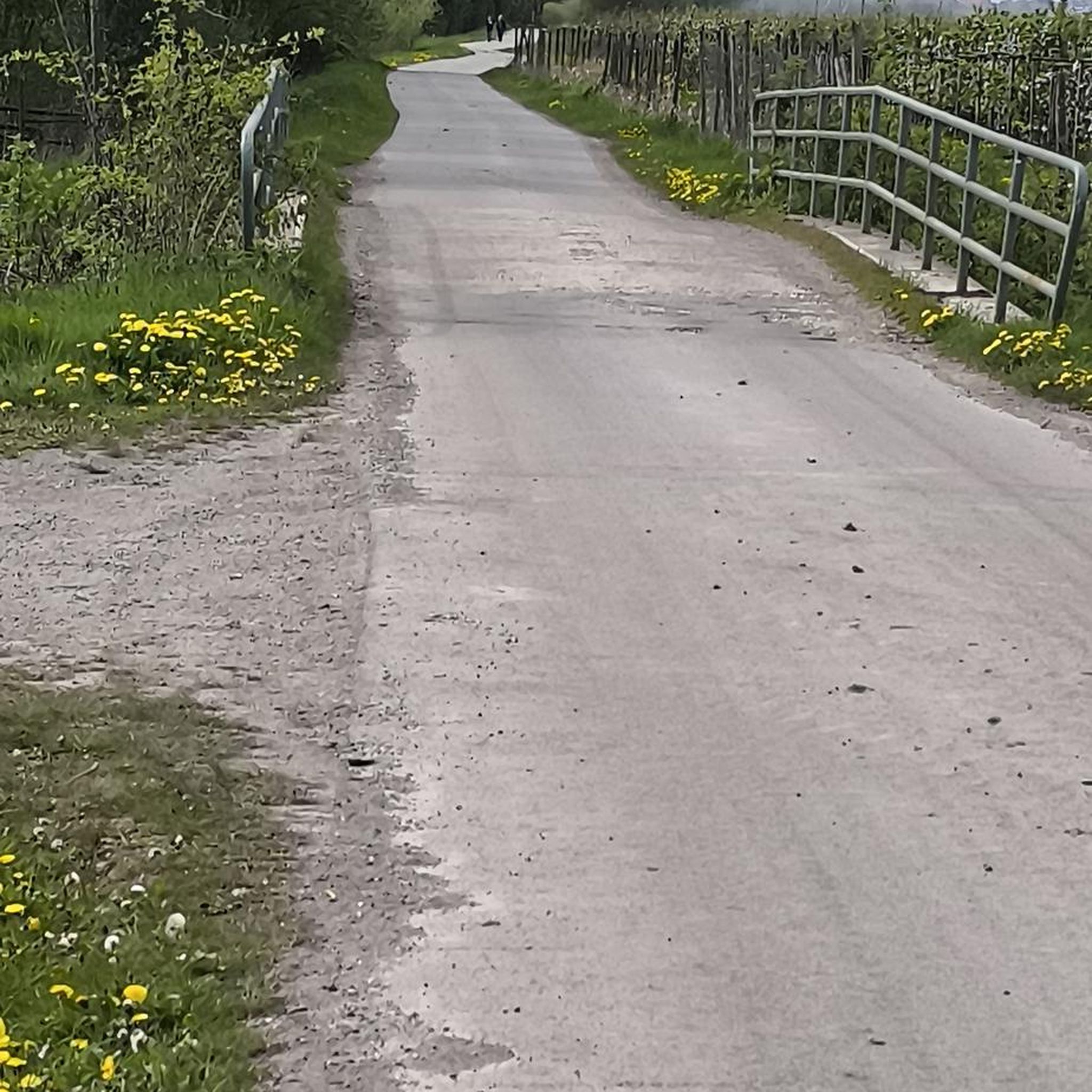
Practically flat road that goes from Villaflor to San Pedro del Arroyo, it does not reach 5 km.
11
0
Frequently Asked Questions
How many touring cycling routes are available in Viñegra De Moraña?
There are 5 touring cycling routes around Viñegra De Moraña. Most of these, 4 to be exact, are rated as easy, making the area very accessible for a relaxed cycling experience. There is also 1 difficult route for those seeking more of a challenge.
What kind of terrain can I expect on touring cycling routes around Viñegra De Moraña?
The region is characterized by expansive, open plains with generally level terrain, making it ideal for touring cyclists seeking gentle, long-distance rides without significant elevation changes. You'll find quiet rural roads winding through agricultural areas and small villages, offering a peaceful experience. While Viñegra de Moraña itself is mostly flat, the broader La Moraña region can offer some undulating terrain.
Are there any historical landmarks or attractions I can visit along the cycling routes?
Yes, the area is rich in historical and cultural heritage. You can cycle past notable sites such as the well-preserved Castle of Narros de Saldueña, the impressive Castronuevo Castle-Palace, and the beautiful Parish Church of Fontiveros. These offer captivating stops to immerse yourself in the region's past.
Are there family-friendly touring cycling routes in the area?
Absolutely. With 4 easy routes available, the flat and serene rural landscapes of Viñegra De Moraña are very suitable for family cycling. A good option is the Bike loop from Crespos, which is just over 11 km with minimal elevation gain, perfect for a leisurely family outing.
Can I bring my dog on the touring cycling routes?
Many of the rural roads and paths in Viñegra De Moraña are suitable for cycling with a dog, especially if they are accustomed to running alongside a bike or riding in a trailer. Always ensure your dog is well-behaved, on a leash where required, and that you carry enough water for both of you, as shade can be limited in the open plains.
What is the best time of year to go touring cycling in Viñegra De Moraña?
The best time to visit for touring cycling is typically during the spring (April to June) and autumn (September to October). During these seasons, the weather is generally mild and pleasant, avoiding the intense heat of summer and the colder, potentially wetter conditions of winter. The open plains offer clear skies, but can be exposed to sun, so plan accordingly.
Are there any circular touring cycling routes available?
Yes, all the touring cycling routes listed for Viñegra De Moraña are circular loops. For example, you can enjoy the Bike loop from San Pedro del Arroyo, which is an easy 16.8 km ride, or the longer Aveinte loop from Aveinte for a more challenging experience.
Where can I park my car when starting a touring cycling route?
As Viñegra De Moraña and its surrounding villages are rural, you can typically find parking in the small towns where routes begin, such as Aveinte, Crespos, San Pedro del Arroyo, or Fontiveros. Look for public parking areas or quiet streets, always being mindful of local residents and access.
Are there any cafes or accommodation options suitable for cyclists in the area?
While Viñegra De Moraña itself is a small village, the surrounding towns and villages in the La Moraña region will offer cafes, bars, and some rural accommodation options. It's advisable to check in advance for specific services, especially outside of peak season, as many are small, family-run establishments.
What makes touring cycling in Viñegra De Moraña unique?
The unique appeal of touring cycling here lies in its serene rural landscapes, characterized by vast open fields and quiet roads, offering a truly peaceful escape. The integration of historical landmarks like ancient castles and charming villages into the routes transforms a simple ride into a journey through history and culture, all set against a largely flat and accessible backdrop.
What is the longest easy touring cycling route available?
The longest easy touring cycling route is the Bike loop from San Pedro del Arroyo, covering approximately 16.8 km. This route offers a pleasant ride through the flat plains without significant elevation changes.
What is the most challenging touring cycling route in the area?
For experienced cyclists seeking a challenge, the Sigeres loop from San Pedro del Arroyo is rated as difficult. This route spans nearly 50 km and features significant elevation gains, providing a more demanding ride through the varied terrain of the region.
Most popular routes around Viñegra De Moraña
Most popular attractions around Viñegra De Moraña

Get inspired with the komoot mobile app


Explore more
Browse the best Cycling routes in other regions.
