The best gravel rides around Saldaña-Valdavia
5.0
(2)
7
riders
3
rides
Gravel biking around Saldaña-Valdavia offers diverse landscapes, transitioning from the flat plains of Tierra de Campos to varied terrains along its rivers and canals. The region is characterized by extensive agricultural fields, river valleys such as the Pisuerga, and the historic Canal de Castilla. While elevation changes are generally gentle, some routes feature moderate climbs, particularly towards the northern parts of the province. Unpaved roads and tracks provide a mix of surfaces suitable for gravel cycling.
Best gravel bike trails…
Last updated: October 30, 2026
3
riders
119km
09:07
1,870m
1,870m
Hard gravel ride. Very good fitness required. You may need to push your bike for some segments of this route.
1
riders
26.7km
02:10
240m
240m
Hard gravel ride. Good fitness required. You may need to push your bike for some segments of this route.

1
riders
Moderate gravel ride. Good fitness required. Mostly paved surfaces.
5.0
(1)
1
riders
36.4km
02:20
300m
300m
Moderate gravel ride. Good fitness required. Mostly paved surfaces.
5.0
(1)
1
riders
40.7km
02:49
440m
440m
Hard gravel ride. Good fitness required. You may need to push your bike for some segments of this route.
Our route recommendations are based on thousands of hikes, rides, and runs completed by other people on komoot.
Start today with a free account
Your next adventure awaits.


Tips from the Community

Town with all services at the gates of the Palencia mountains. Much to see and enjoy culturally and in nature
0
0

Beautiful viewpoint between Triollo and Ventanilla.
0
0

nice picture
3
0

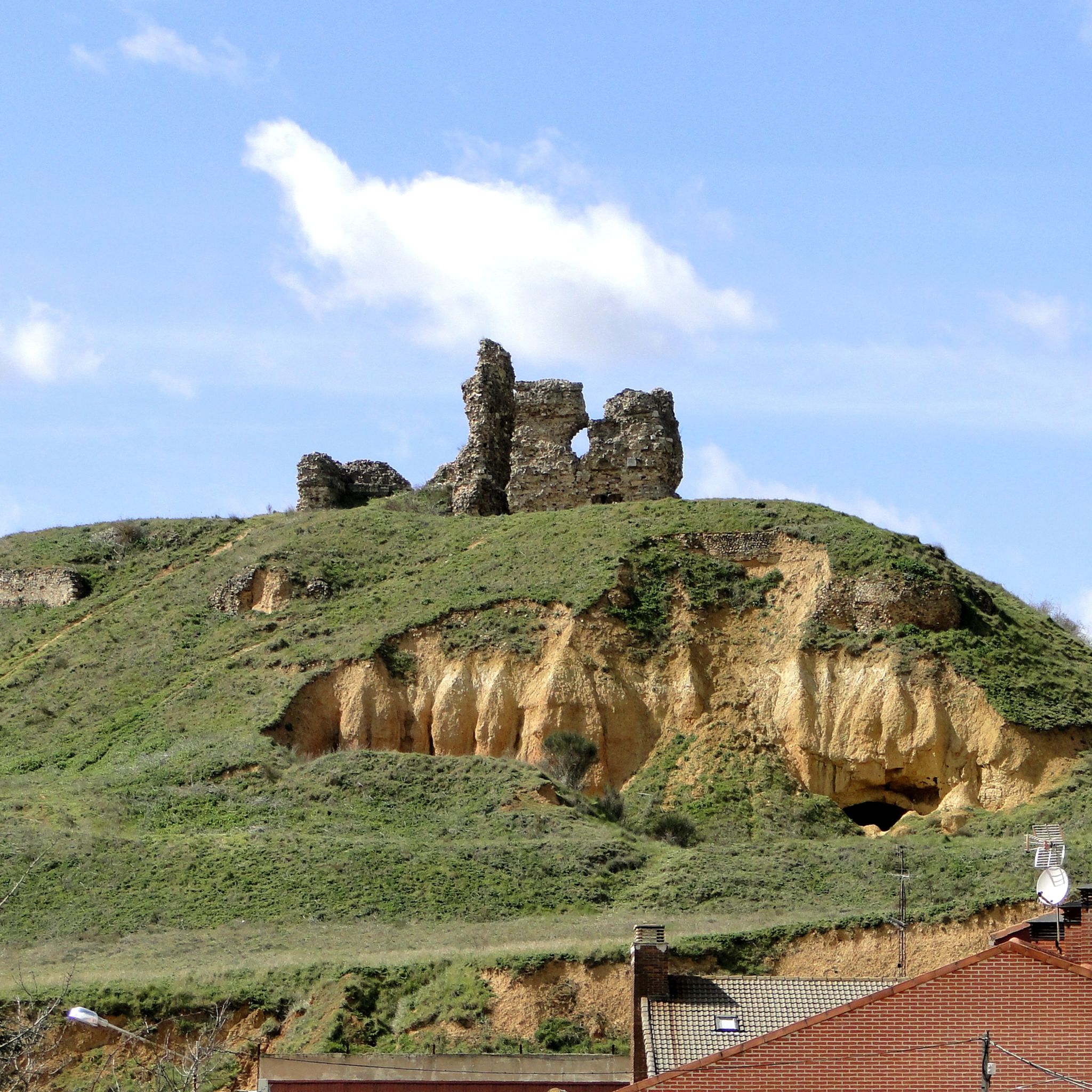
“From gentle rural tracks, you reach this imposing 16th-century artillery fortress. It has a square layout with towers and sloping walls; it preserves loopholes, spiral staircases, and a complete structure. A perfect stop with cultural interest and beautiful panoramic views of Tierra de Campos.” Add this stop to short circular routes (~30 km). Comfortable terrain, good terrain for riding, and stress-free. It fits perfectly with the other stops: Lancia, Torre Almanza, and Ermita Virgen de la Guía.
0
0

The Ermita de Nuestra Señora de Perales is a historic chapel located in Bercianos del Real Camino. The chapel was built in the 17th century. It was originally dependent on the Hospital del Cebreiro, which was founded in the 12th century. It is a simple brick building with a gable roof and a single tower. The interior is sober but charming, with a focus on devotion to Our Lady of Perales. Every year on September 8, a romería (pilgrimage) is held in her honor, during which the people of Bercianos del Real Camino visit the chapel and celebrate a party. The chapel is open from June 15 to September 30, from Monday to Sunday, between 11:00 and 13:00 and 18:00 and 20:00.
2
0
The Arco de San Benito is an impressive monument in Sahagún, located in the region of Castilla y León, Spain. It was built around 1662 by the architect Felipe Berrojo to replace the old Romanesque portal of the Monasterio de San Benito. The arch is designed as a triumphal arch, under which the N-120 passes, and is also known as "la puerta de Sahagún" (the gate of Sahagún). The monument is richly decorated with a central shield, inscriptions and sculptures of Saints Facundo and Primitivo. At the top is the royal shield, and there are also sculptures of Alfonso III and Alfonso VI, who were important protectors of the monastery.
8
0

A nice resting place. Good for a while.
2
0
The mural beautifully shows the steps of the pilgrim
2
0
Frequently Asked Questions
What kind of terrain can I expect on gravel bike trails in Saldaña-Valdavia?
The region offers a diverse mix of terrains, from the flat plains of Tierra de Campos to more varied landscapes along rivers and canals. You'll encounter extensive agricultural fields, river valleys, and sections along the historic Canal de Castilla. The routes primarily feature unpaved roads and tracks, with generally gentle elevation changes, though some moderate climbs can be found, particularly in the northern parts of the province.
Are there any challenging gravel bike routes in Saldaña-Valdavia?
Yes, for those seeking a challenge, the area offers routes with significant elevation gain. An example is the Cervera de Pisuerga – Cristo Sierra Refuge loop from Villaverde-Tarilonte, which is rated as difficult and covers over 121 km with nearly 2000 meters of ascent.
What are some scenic highlights or landmarks I can see along the gravel routes?
Gravel routes often pass through charming villages and past monumental churches. You can also experience sections of the historic Camino de Santiago and ride along the banks of the Canal de Castilla. Notable attractions in the wider area include the impressive Roman Villa La Olmeda and the Roman Villa La Tejada. Specific highlights you might encounter include Ledigos, the Tierra de Dios Metal Knight Sculpture and Rest Area, and the unique Meseta Landscape.
Are there any family-friendly gravel biking options in the Saldaña-Valdavia area?
While specific family-friendly routes are not detailed in the provided data, the generally gentle elevation changes and extensive network of unpaved roads, particularly along the Canal de Castilla, can be suitable for families. Look for shorter, flatter sections that avoid significant climbs.
What is the best time of year for gravel biking in Saldaña-Valdavia?
The region is generally pleasant for cycling during spring and autumn, when temperatures are milder. Summer can be very hot, especially in the open plains, while winter can bring colder temperatures. Spring offers lush green landscapes, and autumn provides beautiful colors, making these seasons ideal for exploring.
Are there any moderate-difficulty gravel routes available?
Yes, for those looking for a balanced ride, the Church of San Pelayo Mártir – Ayuela Village loop from Ayuela is rated as moderate. It covers approximately 36 km with around 300 meters of elevation gain, offering a good option for intermediate riders.
Can I find circular gravel bike routes in Saldaña-Valdavia?
Yes, several routes in the area are designed as loops. For instance, you can explore the Relea de la Loma – Ayuela Village loop from Ayuela, which is a 40 km route with over 400 meters of ascent, offering a complete circular experience.
What do other gravel bikers enjoy most about Saldaña-Valdavia?
The area is highly rated by the komoot community, with an average score of 5.0 stars. Reviewers often praise the unique blend of natural beauty, historical depth, and varied terrain, making it compelling for both physical challenge and cultural immersion.
Are there any specific historical routes or trails I can follow?
The region is rich in history. You can cycle sections of the Camino de Santiago, a renowned pilgrimage route, or follow the banks of the Canal de Castilla, both offering a sense of history and unique landscapes. The area also features significant Roman archaeological sites.
What kind of facilities or amenities can I expect along the gravel routes?
Gravel routes frequently pass through quaint villages where you might find local cafes or places to rest. The region is also known for its hospitality, especially along the Camino de Santiago, where you might find hostels like the Jacques de Molay Hostel.
Most popular routes around Saldaña-Valdavia
Most popular attractions around Saldaña-Valdavia

Get inspired with the komoot mobile app


Explore more
Browse the best Gravel rides in other regions.
