The 3 Most Amazing Peaks around Domaradz
Best mountain peaks around Domaradz serve as a gateway to exploring the diverse landscapes of southeastern Poland. The region is characterized by the rolling hills and dense forests of the Low Beskids, offering a tranquil atmosphere for hikers. Domaradz is situated near the Czarnorzecko-Strzyżowski Landscape Park, which features several notable summits and viewpoints. This area provides a variety of hiking experiences, from forested ascents to open fields with panoramic views.
Best mountain peaks around Domaradz
- The most popular mountain peaks…
Last updated: August 26, 2026
Royal Mountain
Highlight • Summit
Translated by Google •
Tip by

Highest Point of the Area
Highlight • Summit
Translated by Google •
Tip by

Sign up now to discover places like this
Get recommendations on the best single tracks, peaks, & plenty of other exciting outdoor places.
Sign up for free
Godowska Góra
Highlight • Summit
Showing Translation
Tip by
Tower on Sucha Góra
Highlight • Monument
Translated by Google •
Tip by
Kiczora (516 m n.p.m.)
Highlight • Summit
Kiczora, Kiczera – a name originating from the Vlach language (chicera “overgrown mountain”).
Showing Translation
Tip by

Start today with a free account
Your next adventure awaits.
Login or Signup
Tips from the Community

There is no visible marking at the summit, so you won't even know you've conquered it.
1
0
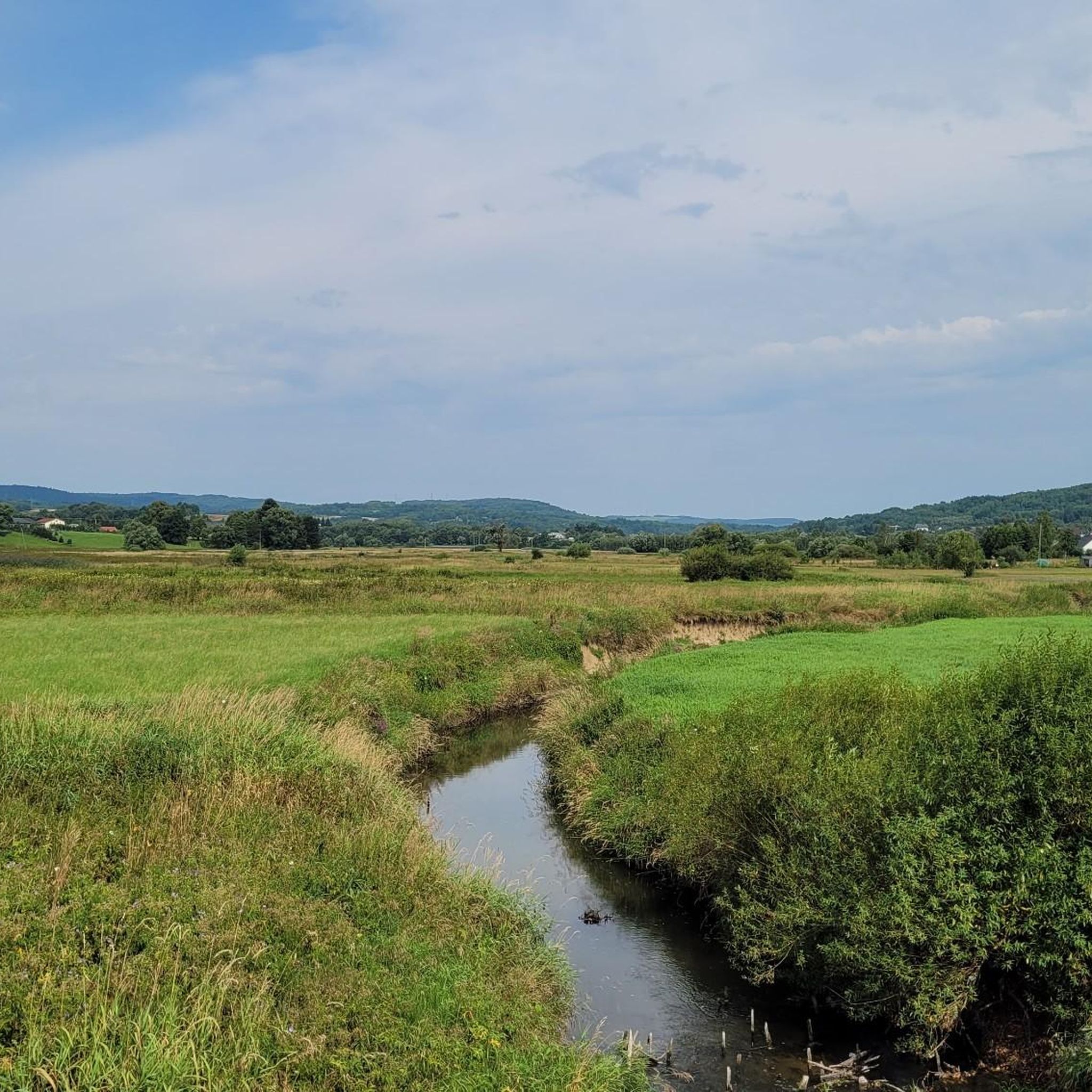
Kiczora (516 m a.s.l.) is the highest peak of the Czarnego Działu range in the Strzyżów-Dynów Foothills, located between the villages of Węglówka and Bonarówka. Kiczora, Kiczera – a name originating from the Vlach language (chicera “overgrown mountain”). The summit is completely overgrown with no marked path. It has "temporary signage" on a laminated piece of paper 🤭.
0
0

Sucha Góra (585 m above sea level) is a peak in the Czarnorzecko-Strzyżowski Landscape Park near Krosno. On the mountain there is a Radio and Television Broadcasting Center - a tower with a height of 147 m.
1
0
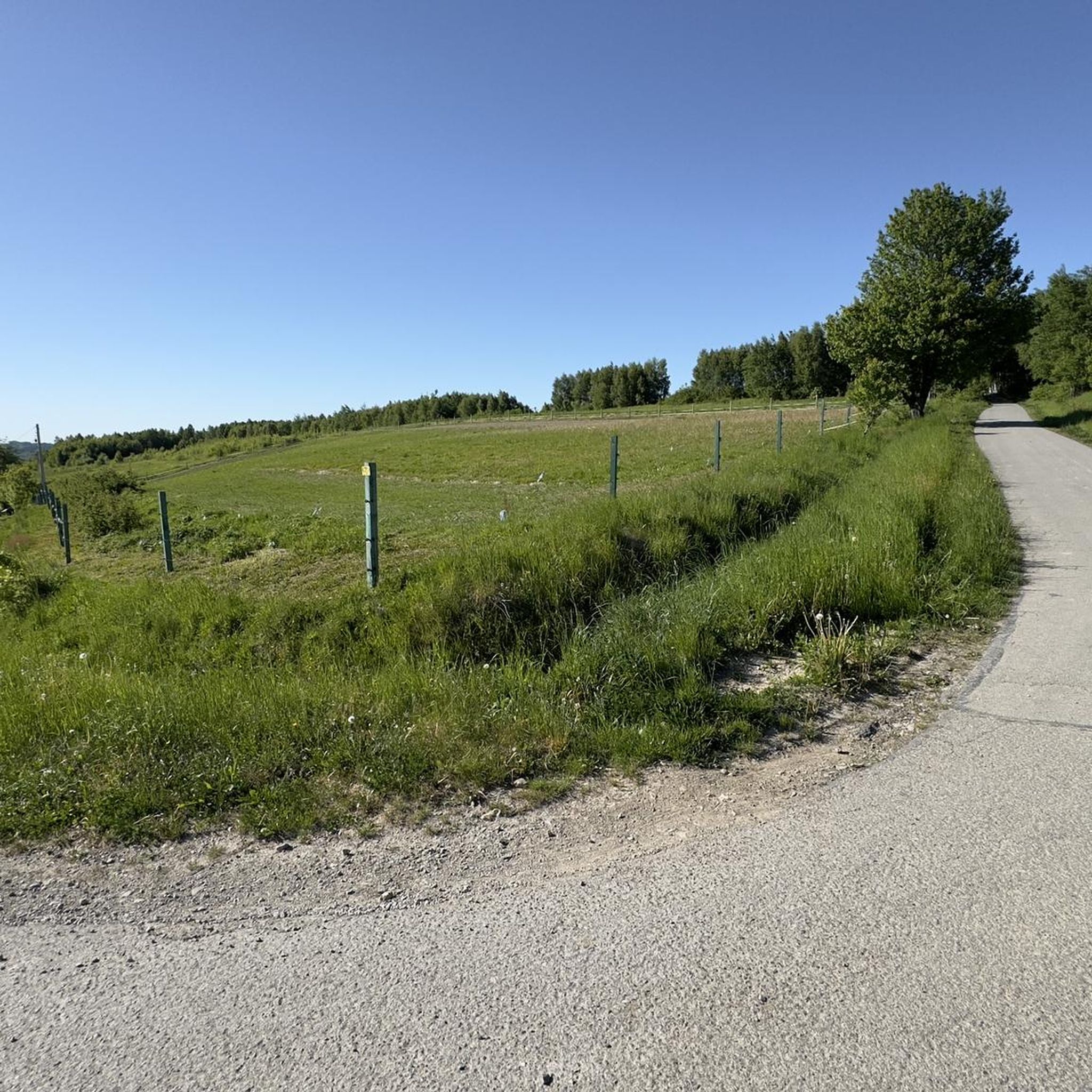
Godowska Góra (485 m a.s.l.) is a peak in the Czarnorzecko-Strzyżowskie Landscape Park. The green and black trails run through here.
1
0
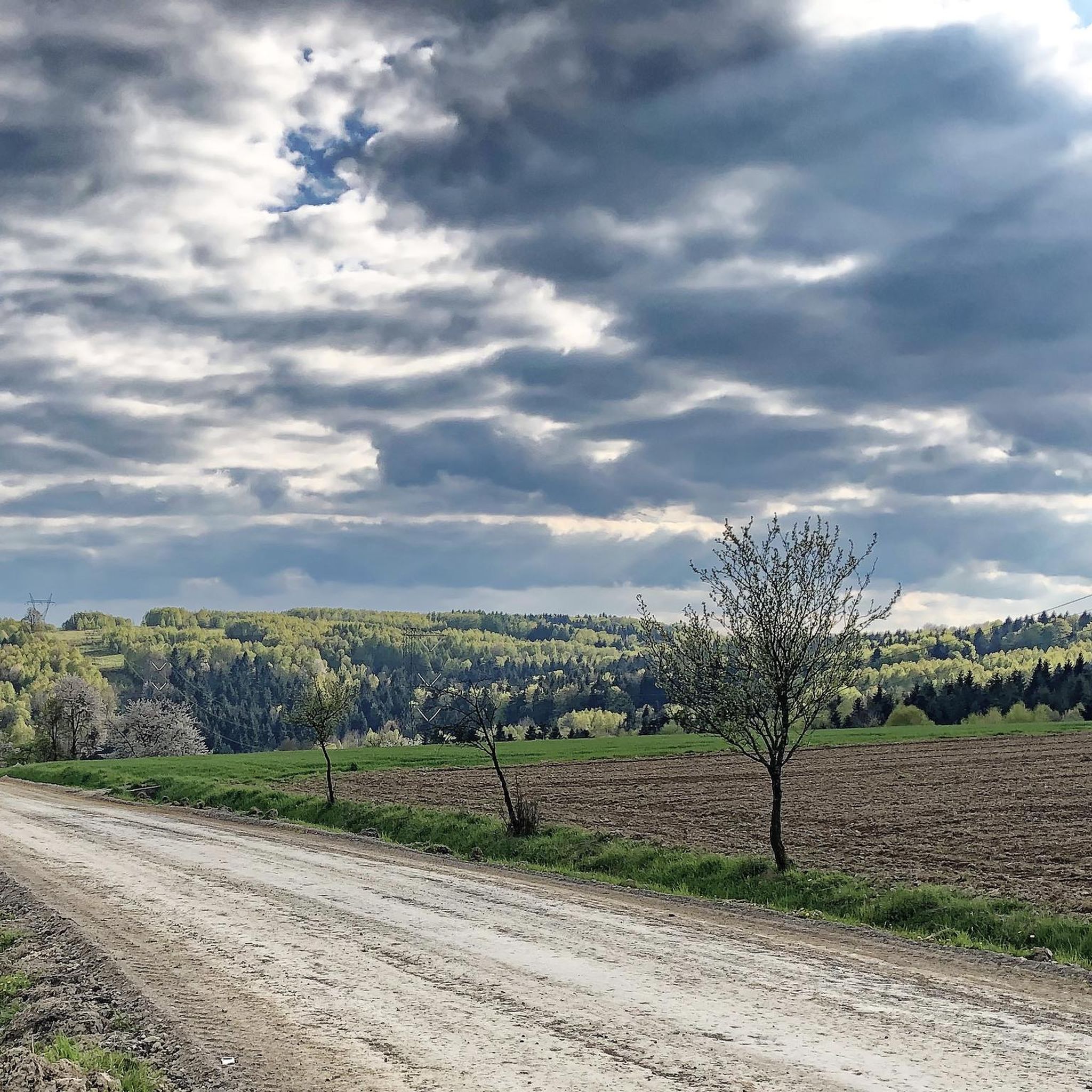
Królewska Góra (554 m above sea level) is a peak covered with beech forest in the Dynowskie Foothills near Czarnorzki. It is located in the Czarnorzecko-Strzyżowski Landscape Park.
3
0

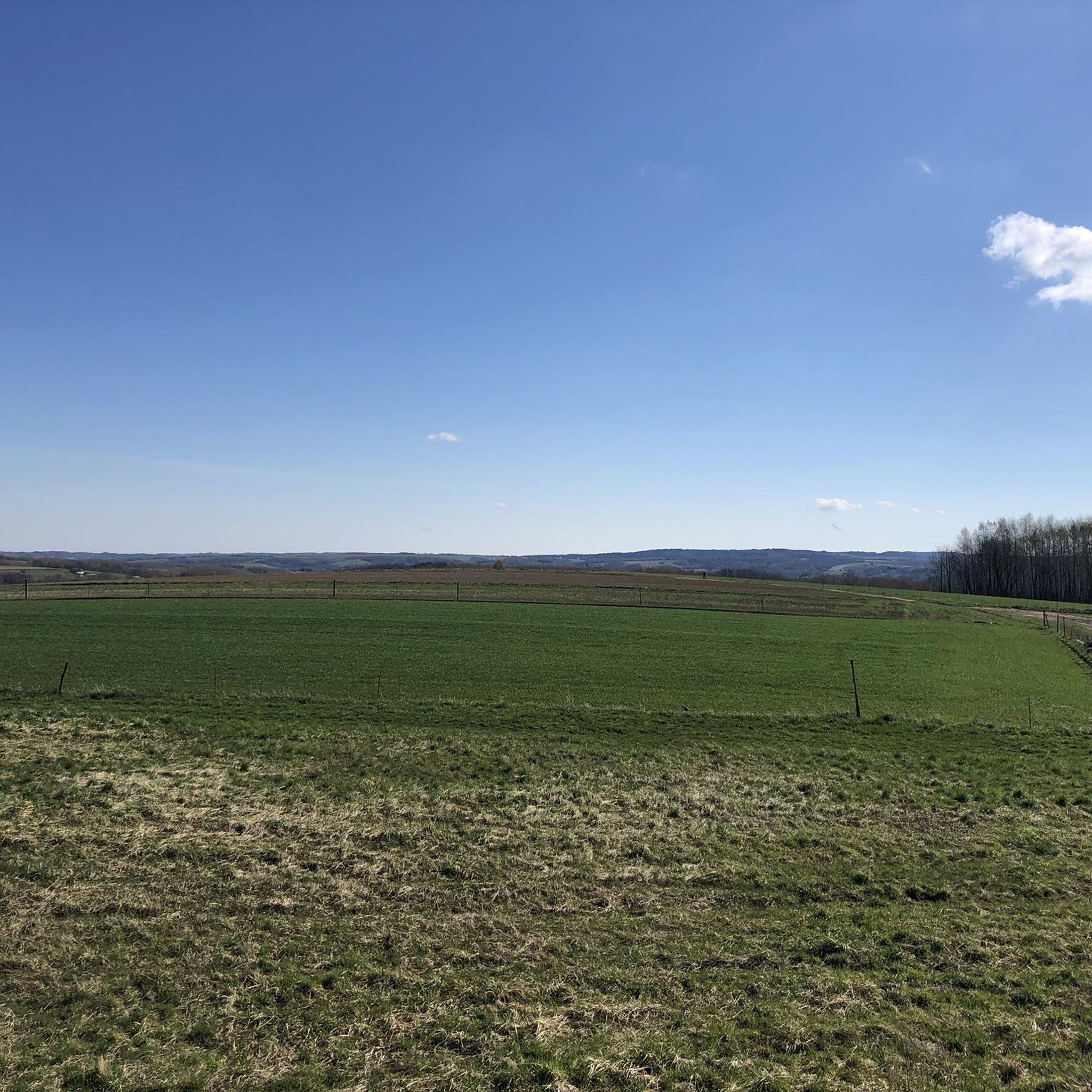
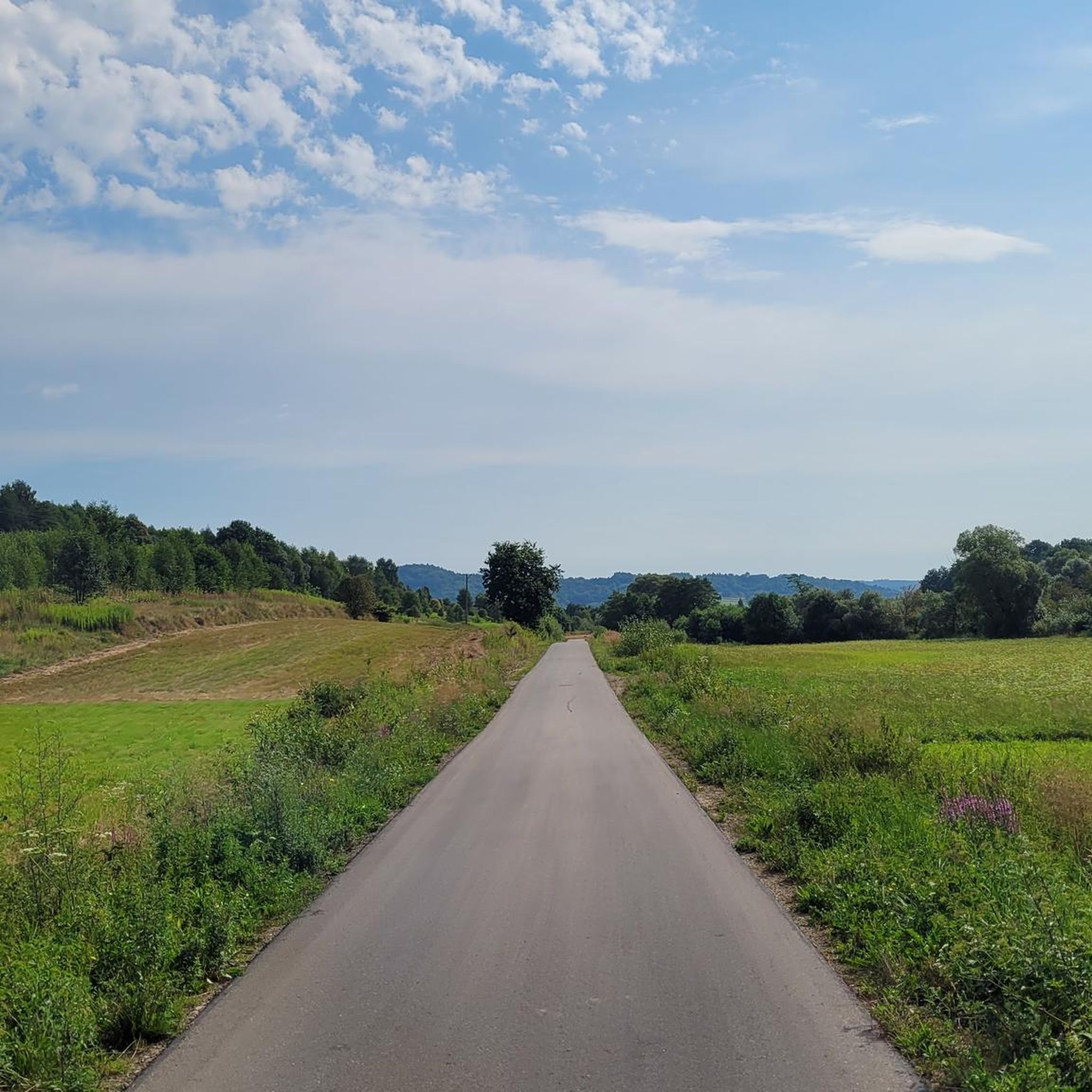
Open field, so quite windy. At the same time it's nice to rest and have a picnic and let your eyes wander because you have a great view of the landscape here.
0
0
Frequently Asked Questions
What mountain ranges are accessible from Domaradz?
Domaradz serves as an excellent starting point for exploring two distinct mountain ranges in southeastern Poland: the Low Beskids (Beskid Niski) and the Bieszczady Mountains. The Low Beskids are closer and offer rolling hills and dense forests, while the Bieszczady Mountains, further southeast, present wilder landscapes with expansive mountain pastures and more prominent peaks.
What kind of hiking experiences can I expect in the Low Beskids?
The Low Beskids are known for their tranquil atmosphere, rolling hills, and dense forests, making them ideal for peaceful forest walks. You'll find an extensive network of well-marked trails suitable for various fitness levels, often leading through picturesque landscapes and past traces of former Lemko inhabitants. For example, the Mójka Deer Trail is a popular and easy loop through the Mójka Nature Reserve.
What are the most prominent peaks in the Bieszczady Mountains?
The Bieszczady Mountains feature more prominent peaks and wilder landscapes. Notable peaks include Tarnica (1,346 m), the highest in the Polish Bieszczady, offering magnificent panoramic views. Other significant peaks are Halicz (1,333 m), Wielka Rawka (1,307 m), and the unique Bukowe Berdo, known for its undulating shape and quiet trails. You can also explore the popular mountain pastures (połoniny) like Połonina Caryńska and Połonina Wetlińska.
Are there any easy or family-friendly mountain hikes near Domaradz?
Yes, the Low Beskids, being closer to Domaradz, offer many gentle trails suitable for families and beginners. The Mójka Deer Trail, for instance, is an easy 6.8-kilometer loop through a nature reserve. While the Bieszczady Mountains offer more challenging ascents, many trails in the Low Beskids provide accessible and enjoyable experiences for all skill levels.
What natural features can I discover in the mountains around Domaradz?
You can discover diverse natural features. The Low Beskids boast dense beech and fir forests, rolling hills, and unique sandstone rock formations like those found in the Prządki Nature Reserve. The Bieszczady Mountains are famous for their expansive mountain pastures known as 'połoniny,' wild landscapes, and diverse woodlands, offering opportunities for wildlife sightings.
What are some specific mountain highlights near Domaradz?
Near Domaradz, you can explore Royal Mountain (Królewska Góra), a peak covered with beech forest in the Dynowskie Foothills. Another notable spot is the Tower on Sucha Góra, which offers views from its 585m elevation. There's also the Highest Point of the Area, an open field providing great panoramic views.
What outdoor activities can I do near these mountain peaks besides hiking?
Beyond hiking, the region around Domaradz offers various outdoor activities. You can enjoy cycling on traffic-free routes or road cycling, with numerous trails available. For example, you can find many options in the guide for Traffic-free bike rides around Domaradz or Road Cycling Routes around Domaradz. There are also dedicated Running Trails around Domaradz, including the Mójka Deer Trail.
When is the best time to visit the mountains around Domaradz?
The mountains around Domaradz are beautiful throughout the year, but the best time for hiking is typically spring through autumn. Autumn is particularly spectacular in the Bieszczady Mountains, with forests displaying vibrant colors. Summer offers warm weather for longer treks, while spring brings fresh greenery. Winter hiking is also possible, especially in the Bieszczady, but requires appropriate gear and experience.
What cultural or historical elements can I find in the Low Beskids?
The Low Beskids are rich in cultural and historical traces, particularly from the former Lemko inhabitants. As you hike, you might encounter old churches, overgrown gravestones, and remnants of villages, offering a unique glimpse into the region's past and adding a cultural dimension to your outdoor adventure.
How do the Low Beskids compare to the Bieszczady Mountains for hiking?
The Low Beskids offer a more serene and less crowded hiking experience, characterized by rolling hills and peaceful forest walks, ideal for those seeking tranquility and cultural exploration. The Bieszczady Mountains, on the other hand, present a wilder, more challenging landscape with significant elevation changes, expansive mountain pastures, and a sense of seclusion, perfect for trekkers seeking dramatic panoramas and a truly wild experience.
Most popular attractions around Domaradz

Get inspired with the komoot mobile app


Explore more
See even more amazing summits around Domaradz with these guides:
