Top 4 Lakes in Lake Superior Provincial Park
Lakes in Lake Superior Provincial Park offer a diverse array of natural features along the rugged Lake Superior shoreline. The park, covering over 160,000 hectares, is known for its dramatic cliffs, sandy beaches, and numerous inland lakes. It provides opportunities for world-class hiking, paddling, and trout fishing, making it a significant destination for outdoor enthusiasts. The region's rich cultural history is also evident through sites like the Agawa Rock Petroglyphs.
Best lakes in Lake Superior Provincial Park
- The most popular…
Last updated: September 26, 2026
Agawa Rock Pictographs
Highlight • Historical Site
Tip by

Old Woman Bay
Highlight • Beach
Tip by

Sign up now to discover places like this
Get recommendations on the best single tracks, peaks, & plenty of other exciting outdoor places.
Orphan Lake
Highlight • Lake
Showing Translation
Tip by

Agawa River Mouth
Highlight • River
Showing Translation
Tip by
Rabbit Blanket Lake
Highlight • Lake
Showing Translation
Tip by
Sign up for free to discover even more lakes in Lake Superior Provincial Park.
Already have an account?
Start today with a free account
Your next adventure awaits.
Popular around Lake Superior Provincial Park
Tips from the Community

Old Woman Bay is located in the north of Lake Superior Provincial Park – about 25 kilometers away from the small town of Wawa. Access is via Highway 17 (Trans-Canada Highway), which runs directly past the bay. The South Old Woman River flows into Lake Superior on the sandy beach. The name Old Woman Bay comes from a distinctive rock formation in the bay. Viewed from a distance and from a certain angle, the contours of the rock cliffs form the profile of an old woman's face. The popular Nokomis Trail begins at the parking lot by the bay. (Visit on June 2, 2026)
0
0
Rabbit Blanket Lake is located on Highway 17 (Trans-Canada Highway); on its northeastern shore is the campsite of the same name in the Provincial Park. The lake is fed by the South Old Woman River; this mountain stream drains further north into Lake Superior. The lake shore is the starting point of the short Rabbit Blanket Trail and the challenging Peat Mountain Trail. (Visit on June 1, 2026)
0
0
The Orphan Lake is one of the many small lakes in Lake Superior Provincial Park, whose formation dates back to the last Ice Age. The ice sheets moved across the terrain, creating depressions depending on the different bedrock. As the glaciers retreated, the depressions filled with water and the small lakes formed. The Orphan Lake depends on precipitation water and the rivulets that flow from the surrounding hills into the lake. The lake drains to the northwest via a stream into the Baldhead River. Access to Orphan Lake on the south and north shores is via the Orphan Lake Trail. (Visit on May 31, 2026)
0
0
The visit to the rock art site is a short walk steeply down to the coast. Everywhere there are signs with warnings indicating the dangerous undertaking. The somewhat steep, walkable rocks are extremely exposed to water; during storms and wet conditions, there is a risk to life. People have died or been injured during visits when they were washed into the water. It looks as if there used to be a walkable platform. However, during our visit on May 31, 2026, none of this is an issue: with calm seas and a bright blue sky, we can view the somewhat faded paintings together. The passage on Highway 17 is closed today; since we have already been in Lake Superior Provincial Park since yesterday and will be staying for a few more days, we are not affected by the road closure.
0
0

The beach at Agawa Bay ends to the north at the mouth of the Agawa River into Lake Superior. On the Voyageur Trail, a section of the Trans Canada Trail or the Lake Superior Coastal Trail, we reach the mouth area from the campground through a pine forest, a confusing and only partially accessible wetland. For us, the walk ends at Highway 17 a few hundred meters before the road bridge over the river. (Visit on May 30, 2026)
0
0

The Agawa Rock Pictographs are a collection of 35 red-ochre paintings on the face of Lake Superior's towering granite cliffs. In Ojibwe, the area is known as Mazinaubikinguning, meaning "the adorned rock of Lake Agawa". Although the glyphs are only a short distance from the parking area this is not a hike one should attempt during inclement weather since you need to negotiate a narrow rock shelf right at the water level in order to access the site.
0
0

Frequently Asked Questions
Which lakes are best for paddling and canoeing in Lake Superior Provincial Park?
For an extensive backcountry canoe trip, Mijinemungshing Lake is ideal with its 40 kilometers of intricate shoreline and numerous island campsites. Rabbit Blanket Lake is considered one of the prettiest for paddling, offering a convenient drive-in campground and routes to Surf Lake. For a challenging wilderness experience, experienced canoeists can explore Gamitagama Lake and Old Woman Lake. Novice canoeists might enjoy the easy overnight loop at Fenton Lake and Treeby Lake.
Are there family-friendly lakes or trails suitable for all fitness levels?
Yes, the Crescent Lake Trail, which traverses Crescent Lake, MacGregor Lake, and Mudhole Lake, is an easy walk suitable for all fitness levels. Another great option for an accessible outing is Rustle Lake, encircled by the easy 1.5 km Trapper's Trail, featuring wildlife viewing platforms and a floating boardwalk. You can also find several easy hikes in the park, such as the Crescent Lake Trail to Mudhole Lake loop or the Old Woman Bay – Nokomis Trail.
Where can I go fishing in Lake Superior Provincial Park's inland lakes?
Many inland lakes offer excellent fishing opportunities. Mijinemungshing Lake is known for lake and brook trout. Rabbit Blanket Lake is a favorite for trout anglers, especially in the early morning or evening. Gamitagama Lake provides excellent lake trout fishing. The Fenton Lake and Treeby Lake loop offers chances to catch lake trout, brook trout, walleye, and northern pike. Belanger Lake is also highly regarded by anglers for its good trout fishing.
Which lakes are best for wildlife viewing?
Mijinemungshing Lake, particularly its wetland areas in the south, is ideal for moose spotting. Rabbit Blanket Lake is a favorite for wildlife watchers. Rustle Lake, with its Trapper's Trail and viewing platforms, is excellent for spotting various species, including waterfowl.
Are there any historical or cultural sites near the lakes?
Yes, the Agawa Rock Petroglyphs are a significant historical site located on the face of Lake Superior's granite cliffs. These 35 red-ochre paintings, known in Ojibwe as Mazinaubikinguning, are accessible via a narrow rock shelf at water level. It's important to note that access can be challenging during inclement weather.
What are the best lakes for camping in Lake Superior Provincial Park?
Mijinemungshing Lake offers numerous outstanding island and beach campsites, making it a popular choice for extended canoe trips. Rabbit Blanket Lake has a convenient drive-in campground, noted for being quieter than others. Gamitagama Lake features a fine island campsite, part of a challenging wilderness canoe route. Belanger Lake offers private backcountry campsites for a peaceful overnight fishing trip.
What kind of hiking trails can I find near the lakes?
The 8 km Orphan Lake Trail offers a diverse hike with views of Lake Superior, a rocky beach, and a waterfall on the Baldhead River. The easy Crescent Lake Trail meanders through a hardwood forest. For a challenging multi-day experience, the 65 km Lake Superior Coastal Trail follows the rugged shoreline of Lake Superior itself. You can explore more hiking options, including moderate trails, throughout the park.
Which lake offers the clearest water for swimming or viewing?
Kenney Lake is a spring-fed lake known for its very clear water, offering a pristine and serene environment. It's accessible via a canoe portage off the Crescent Lake Trail.
Are there any 'hidden gem' lakes in the park?
Belanger Lake, located off Gargantua Road, is often described as a hidden gem. It's part of a canoe route that provides a peaceful overnight fishing trip with private backcountry campsites, and it's known for good trout fishing and the chance to hear loons.
What makes Lake Superior itself a unique experience within the park?
Lake Superior, the largest of the Great Lakes, is a dominant feature of the park. Its vast and often mercurial expanse offers unique experiences, including challenging multi-day hikes along the 65 km Lake Superior Coastal Trail, which features rugged shorelines, rocky headlands, and cobble beaches with breathtaking sunsets. Access points like Agawa Bay and Old Woman Bay provide stunning views and facilities.
What is the best time of year to visit the lakes in Lake Superior Provincial Park?
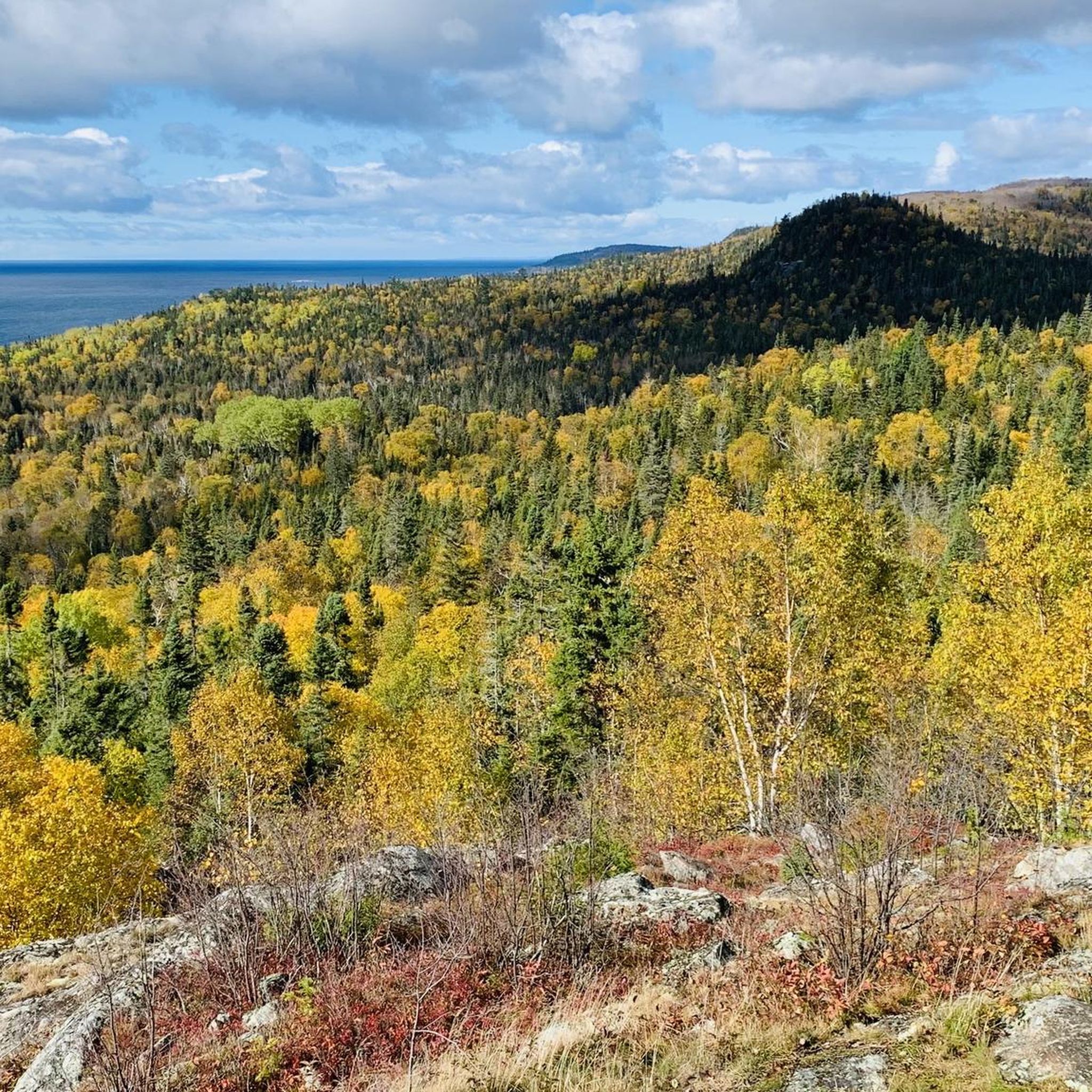
While the park is beautiful year-round, the best time to visit the lakes for paddling, hiking, and camping is typically from late spring to early autumn (May to October). During these months, the weather is generally milder, and all park facilities and trails are usually open. Fall offers stunning foliage, especially around lakes fringed by hardwood forests like Orphan Lake.
Most popular routes in Lake Superior Provincial Park
Most popular attractions in Lake Superior Provincial Park

Get inspired with the komoot mobile app


Explore more
Still not found your perfect lake in Lake Superior Provincial Park? Check out the guides of these regions to see even more beautiful places.
