The best traffic-free bike rides in Lic-Rio Deva
4.7
(4)
46
riders
1
ride
Gravel biking in Lic-Rio Deva offers diverse landscapes, transitioning from the Cantabrian Sea coast to the mountainous Sierra del Cuera. The region features dramatic coastal cliffs, sandy beaches, and rolling green pastures, evolving inland into wooded hills and dense oak forests. The Deva River, originating in the Picos de Europa National Park, provides a central natural artery with scenic views. This area is well-suited for no traffic gravel bike trails, utilizing good quality gravel tracks and local roads.
Best no…
Last updated: October 24, 2026
5.0
(2)
23
riders
44.4km
03:07
670m
670m
Hard gravel ride. Very good fitness required. Mostly paved surfaces.
4.0
(1)
7
riders
52.6km
04:06
1,080m
1,080m
Hard gravel ride. Very good fitness required. Mostly paved surfaces.

5.0
(1)
2
riders
Hard gravel ride. Very good fitness required. Mostly paved surfaces.
Our route recommendations are based on thousands of hikes, rides, and runs completed by other people on komoot.
Start today with a free account
Your next adventure awaits.
Popular around Lic-Rio Deva
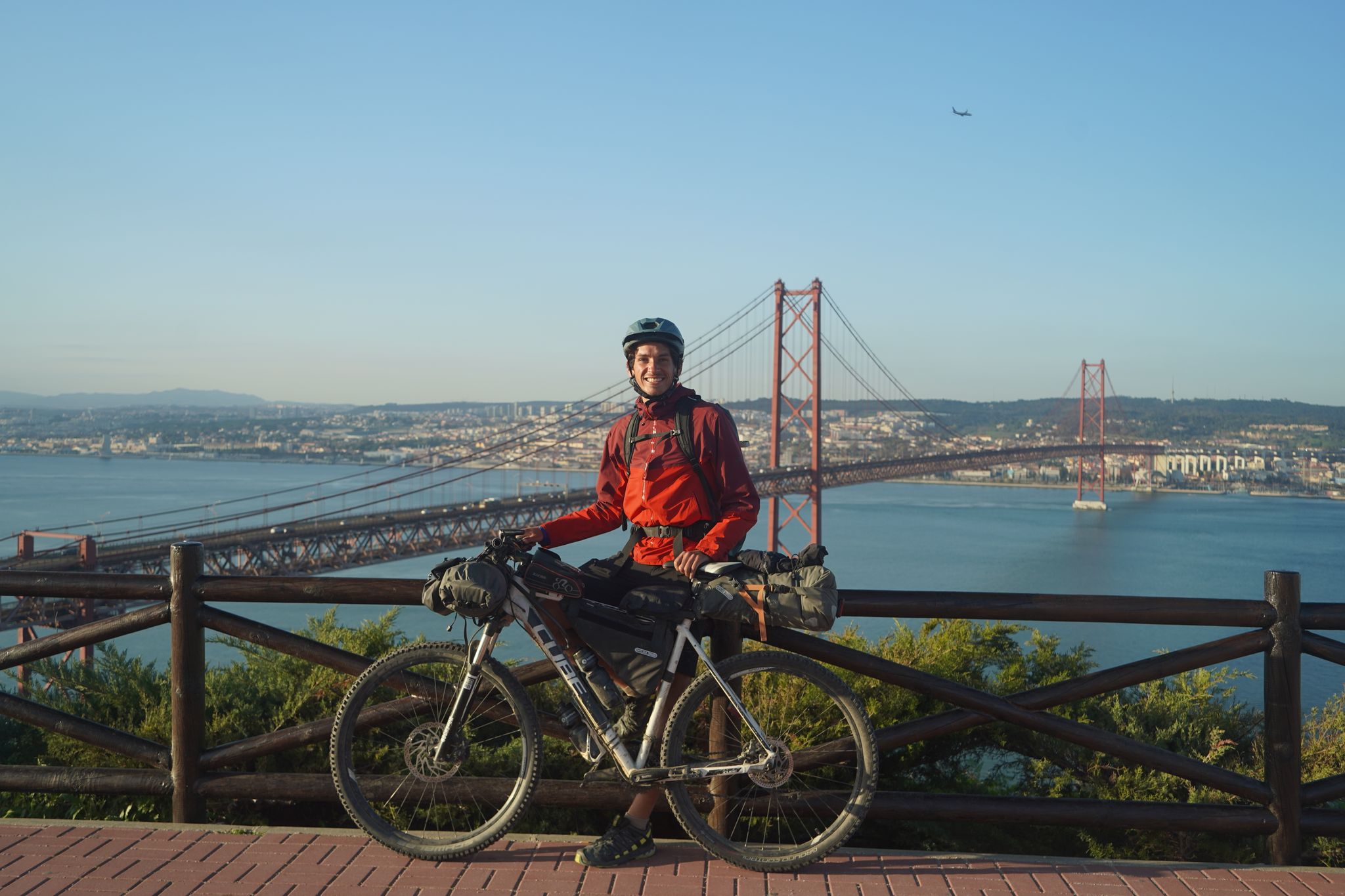
Road to Lisbon – bikepacking the Alps, Pyrenees and Picos de Europa
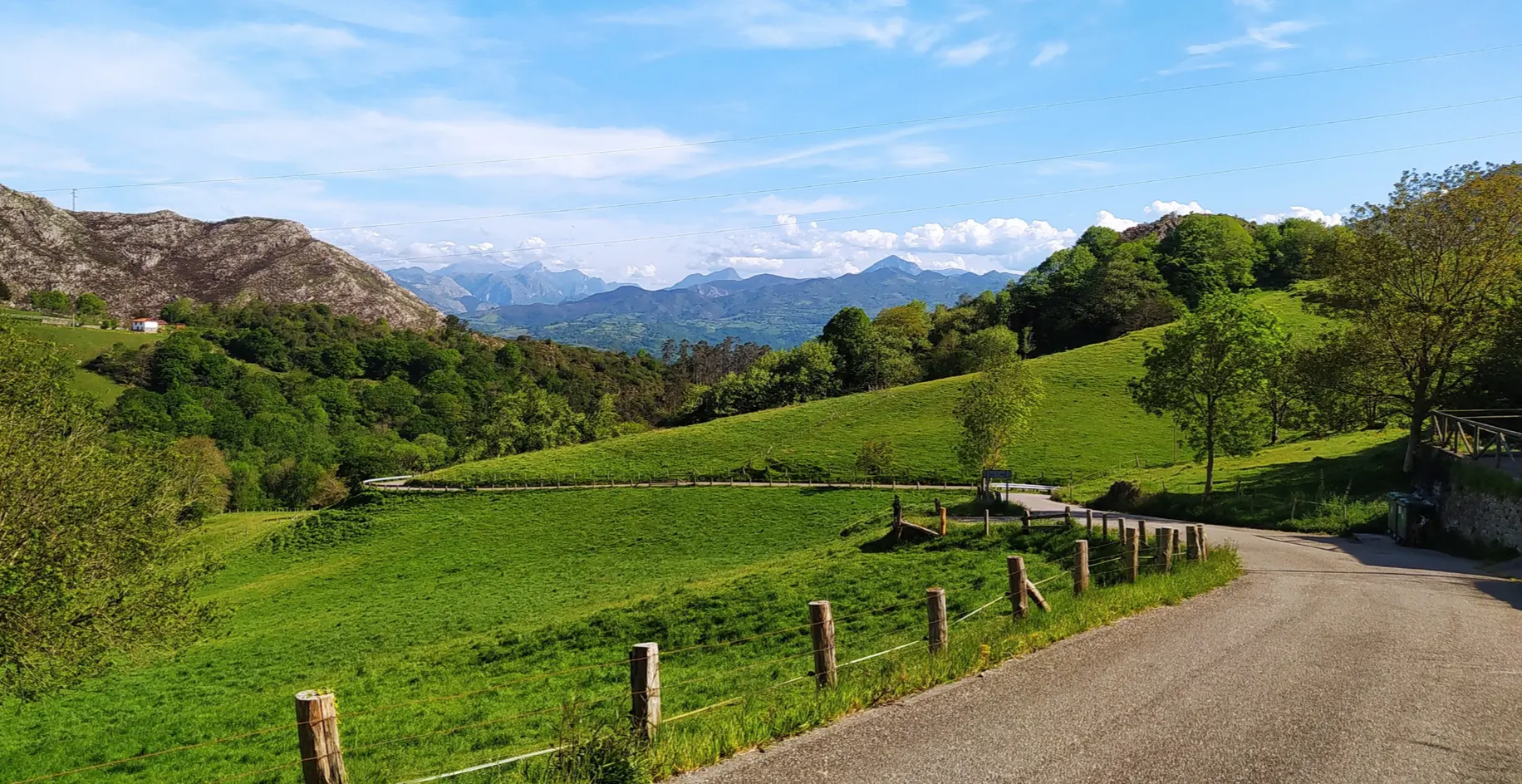
Great mountain passes of Picos de Europa on road bikes
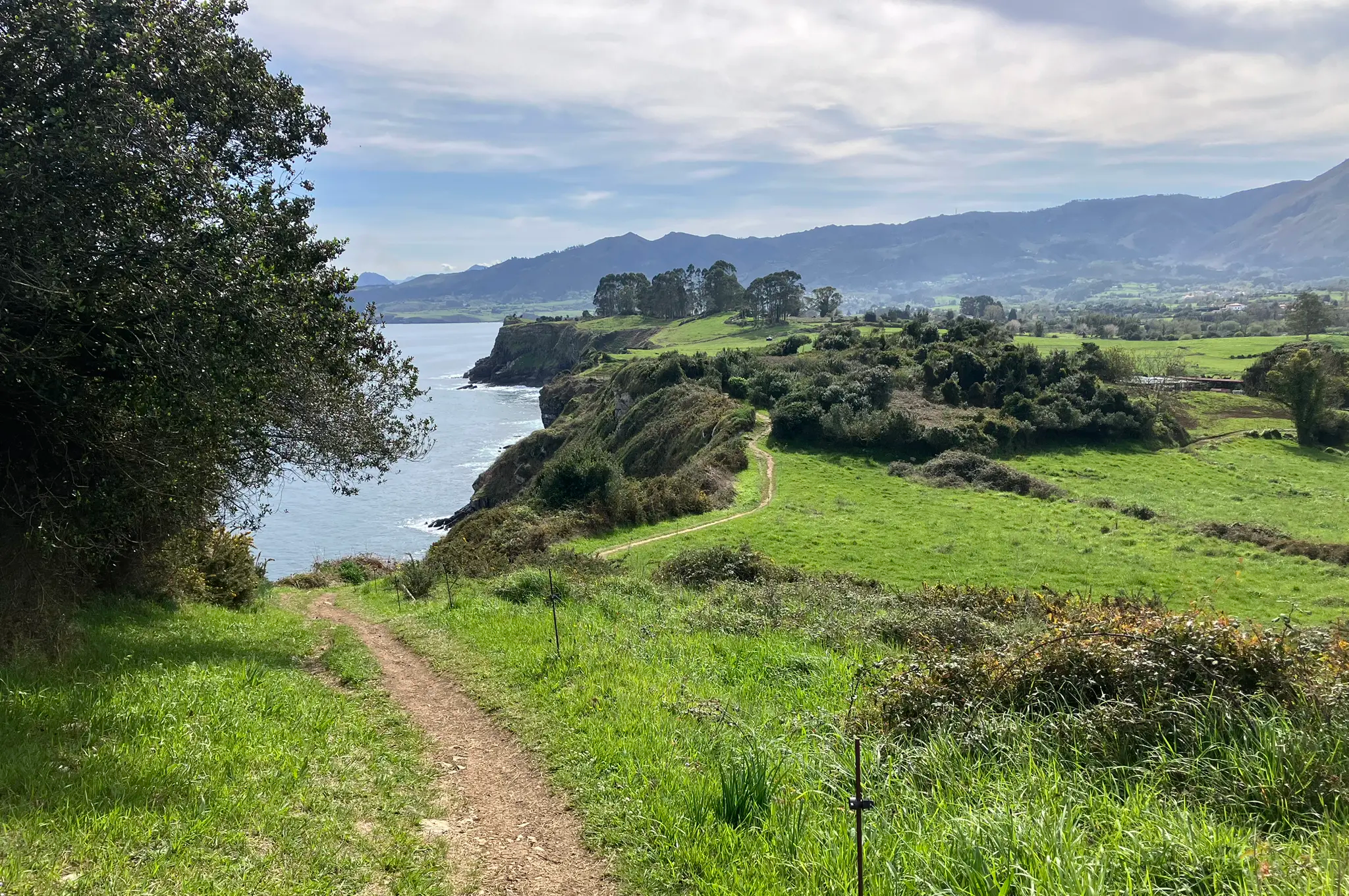
Green, Blue and Gold - Coastal Path through Asturias (GR 204)
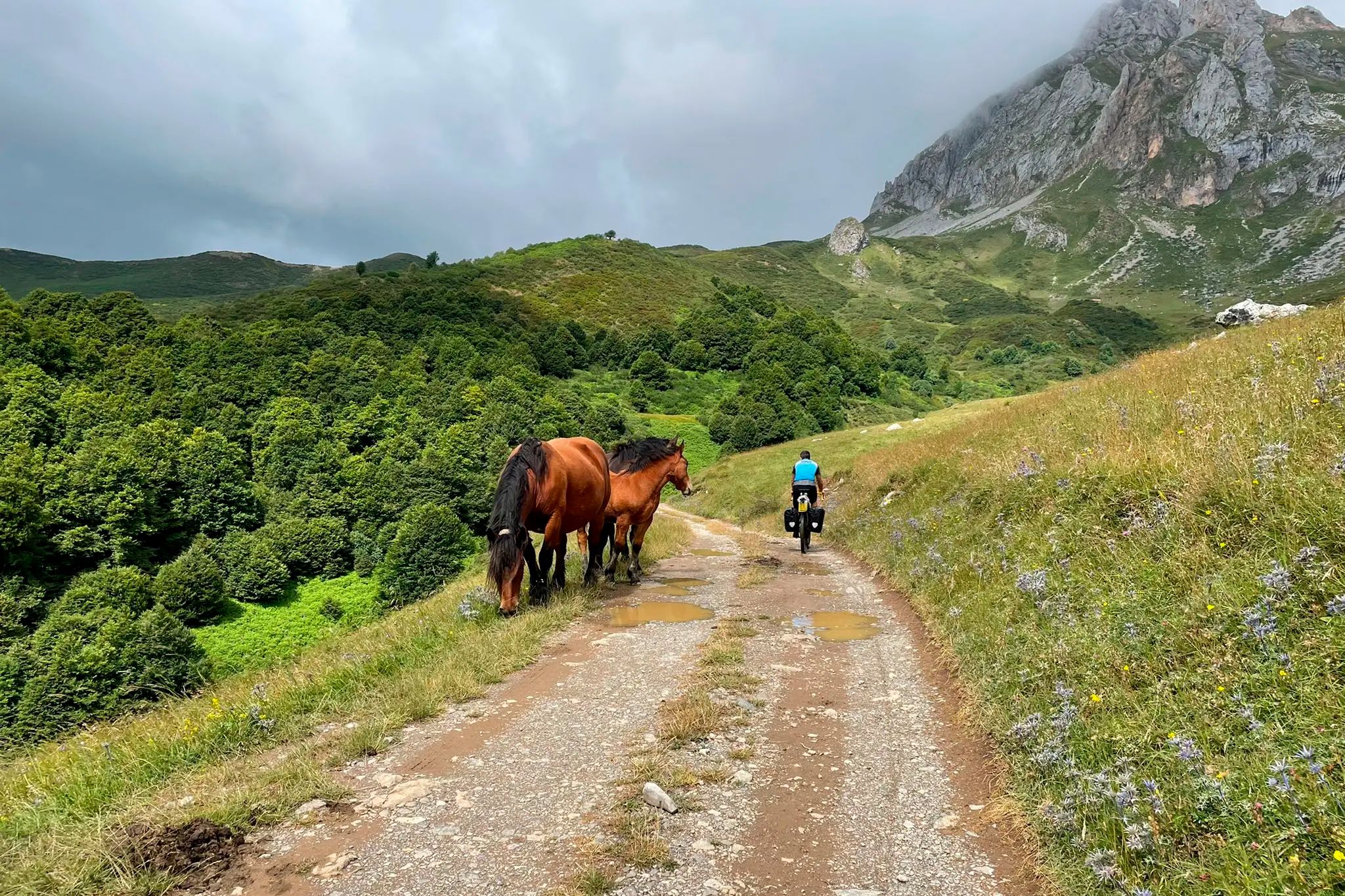
TransCantabrica – Extreme mountain biking in northern Spain
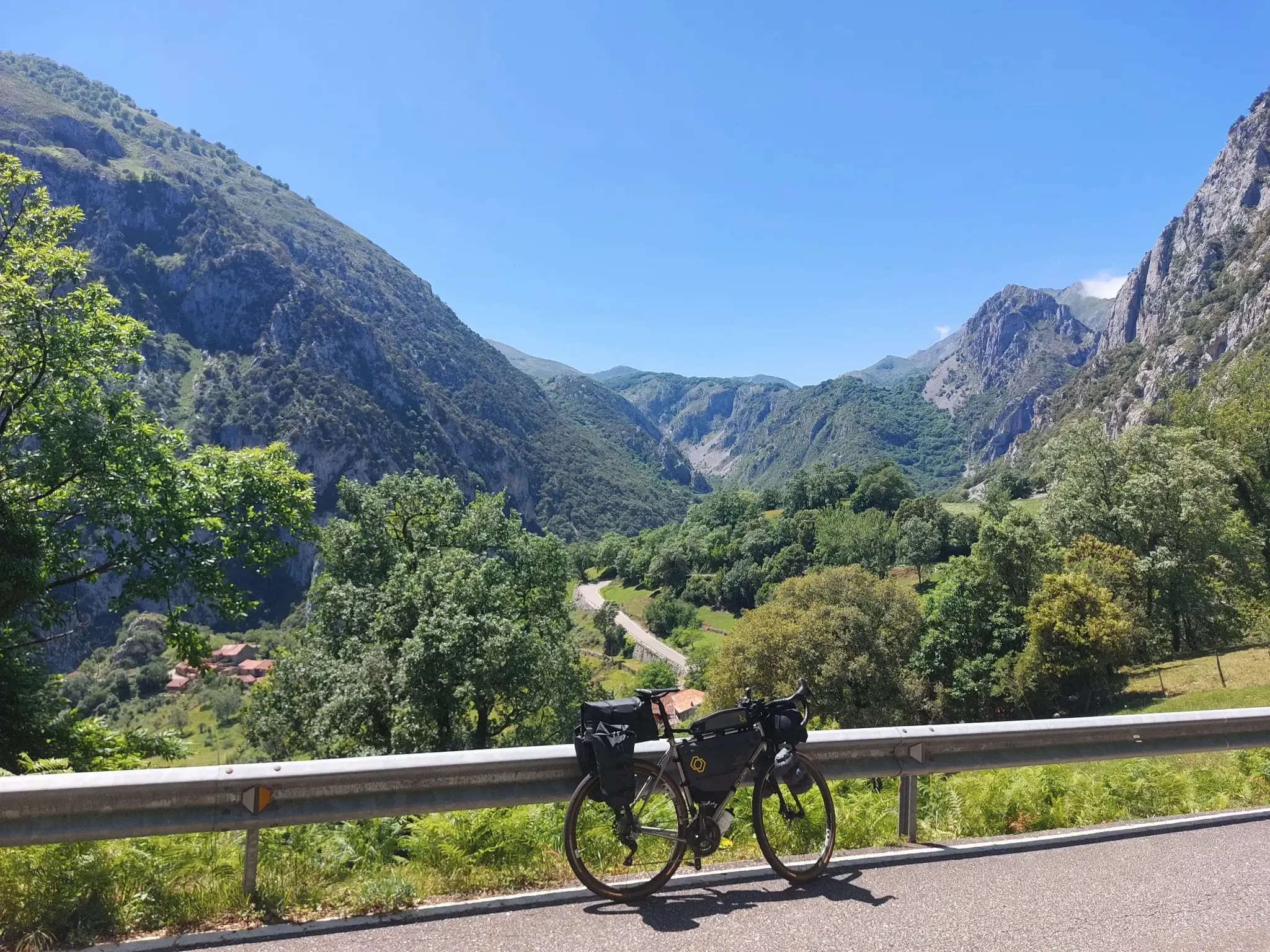
Cycling from Potes – one of the most beautiful villages in Spain

Traffic-free bike rides in Lic-Rio Deva

Traffic-free bike rides in Lic-Rio Deva
Other adventures in Lic-Rio Deva


Tips from the Community

It probably takes both high tide AND strong surf for fountains to shoot out of the ground here - high tide alone is not enough, as I had to find out. In any case, you can hear a very impressive hiss.
0
0

An incredible viewpoint, worth climbing by bike or running, but seeing the sea and mountains together in paradise is priceless.
0
0

At high tide, fountains spray from the ground
0
1


Beautiful hermitage located on the slopes of Monte Corona
1
0

Great highlight, you can hear the "giant" or "dragon" clearly even when the sea is calm 😉.
3
0
Frequently Asked Questions
How many no traffic gravel bike trails are available in Lic-Rio Deva?
The Lic-Rio Deva region, encompassing parts of Cantabria and Asturias, offers a rich network of traffic-free gravel bike trails. While this guide highlights a selection of routes, such as the challenging Buelna Beach – Wild Coast of Asturias loop, the area is known for its numerous quiet gravel tracks and local roads perfect for exploring by bike.
What is the best time of year for gravel biking in Lic-Rio Deva?
The region is enjoyable for gravel biking for much of the year. Spring and autumn offer pleasant temperatures and lush landscapes, ideal for exploring both coastal paths and inland forests. Summer can be warm, especially inland, but coastal routes benefit from sea breezes. Winter riding is possible, particularly on lower elevation trails, but be prepared for cooler, potentially wetter conditions, especially closer to the Picos de Europa.
What are the typical distances and elevations for no traffic gravel trails in Lic-Rio Deva?
Gravel trails in Lic-Rio Deva vary significantly. You can find routes like the Ermita de San Antonio – San Vicente de la Barquera loop, which covers around 34 km with nearly 700 meters of elevation gain, offering a good challenge. Other routes, such as the San Vicente de la Barquera – Oyambre Natural Park loop, extend to over 50 km with more than 1000 meters of climbing, providing longer and more demanding adventures.
What do other gravel bikers enjoy most about the trails in Lic-Rio Deva?
The komoot community highly rates the gravel biking experience in Lic-Rio Deva, with an average score of 4.5 stars. Riders frequently praise the region's diverse landscapes, from dramatic coastal cliffs and sandy beaches to dense oak forests and the majestic Sierra del Cuera. The abundance of traffic-free routes and the stunning views, especially towards the Picos de Europa, are often highlighted as major draws.
Are there easy gravel bike trails in Lic-Rio Deva suitable for beginners or families?
While many routes in this guide are rated as 'difficult' due to elevation and distance, the Lic-Rio Deva region does offer easier sections and local gravel tracks suitable for beginners and families. Look for routes closer to the coast or along the Deva River that feature flatter terrain and good quality gravel. These often provide a gentler introduction to gravel biking without significant traffic.
What kind of landscapes can I expect on these no traffic gravel routes?
The Lic-Rio Deva region offers an incredibly diverse landscape. You'll cycle through dramatic coastal cliffs, past sandy beaches, and across rolling green pastures. Inland, routes wind through wooded hills and dense oak forests. Further south, the majestic Sierra del Cuera provides a mountainous backdrop, and the Deva River's course offers scenic views. The Picos de Europa National Park, though more challenging, presents stunning, often unexplored landscapes.
Are there any interesting landmarks or attractions along the no traffic gravel bike trails?
Yes, the region is rich in attractions. Depending on your route, you might encounter charming fishing villages like Llanes and Ribadesella. Inland, you could explore historical sites such as the Historic center of Potes, the Infantado Tower, or the ancient Santa María de Lebeña Church. Natural phenomena like the Arenillas Blowholes near the coast also offer unique sights.
Are the no traffic gravel trails in Lic-Rio Deva typically circular routes?
Many of the featured gravel bike trails in Lic-Rio Deva are designed as circular routes, allowing you to start and finish at the same point. For example, the Buelna Beach – Wild Coast of Asturias loop is a great example of a circular route that explores both coastal and inland scenery.
Can I access these gravel trails using public transport?
Access to trailheads via public transport can vary. While some larger towns like Llanes or San Vicente de la Barquera have bus or train connections, reaching specific, more remote gravel trailheads might require a car. It's advisable to check local public transport schedules and bike carriage policies for your chosen starting point.
Are there specific viewpoints along the no traffic gravel trails in Lic-Rio Deva?
Absolutely. The region is dotted with numerous panoramic viewpoints. Riders often discover expansive vistas of the coastal plain and its natural beauty, especially from elevated sections of the trails. Keep an eye out for designated viewpoints such as those at Regolgeru and Andrín, which offer stunning perspectives of the Cantabrian Sea and the surrounding landscapes.
What kind of bike is best suited for these no traffic gravel trails?
A gravel bike is ideal for these trails, offering a good balance of speed on smoother sections and comfort on rougher gravel. A mountain bike would also be suitable, especially for routes with more technical sections or significant elevation changes. Ensure your tires have good grip for varied surfaces, from compacted gravel to potentially loose terrain.
Most popular routes in Lic-Rio Deva
Most popular attractions in Lic-Rio Deva

Get inspired with the komoot mobile app


