
The best walks and hikes around Stornara
4.1
(8)
60
hikers
3
hikes
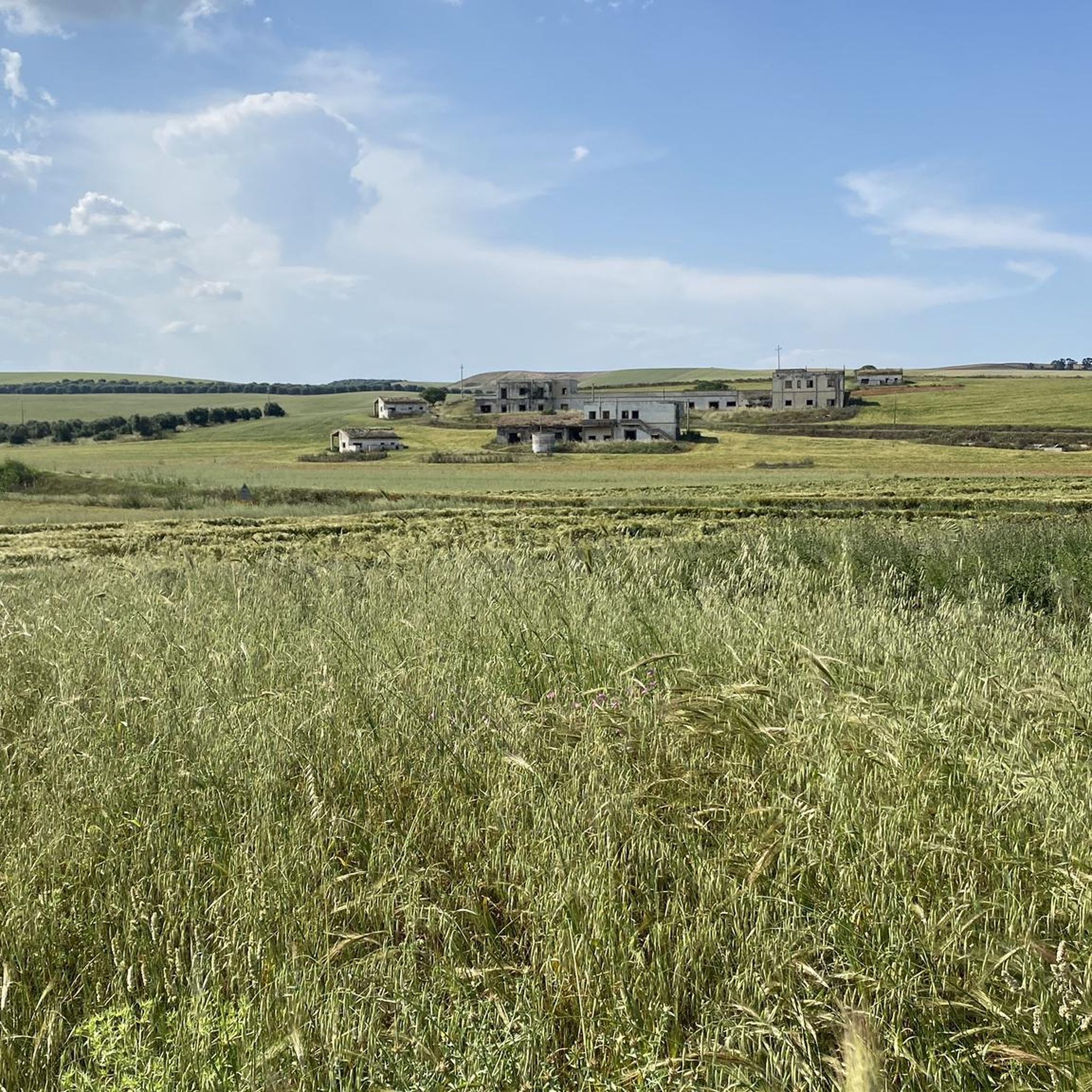
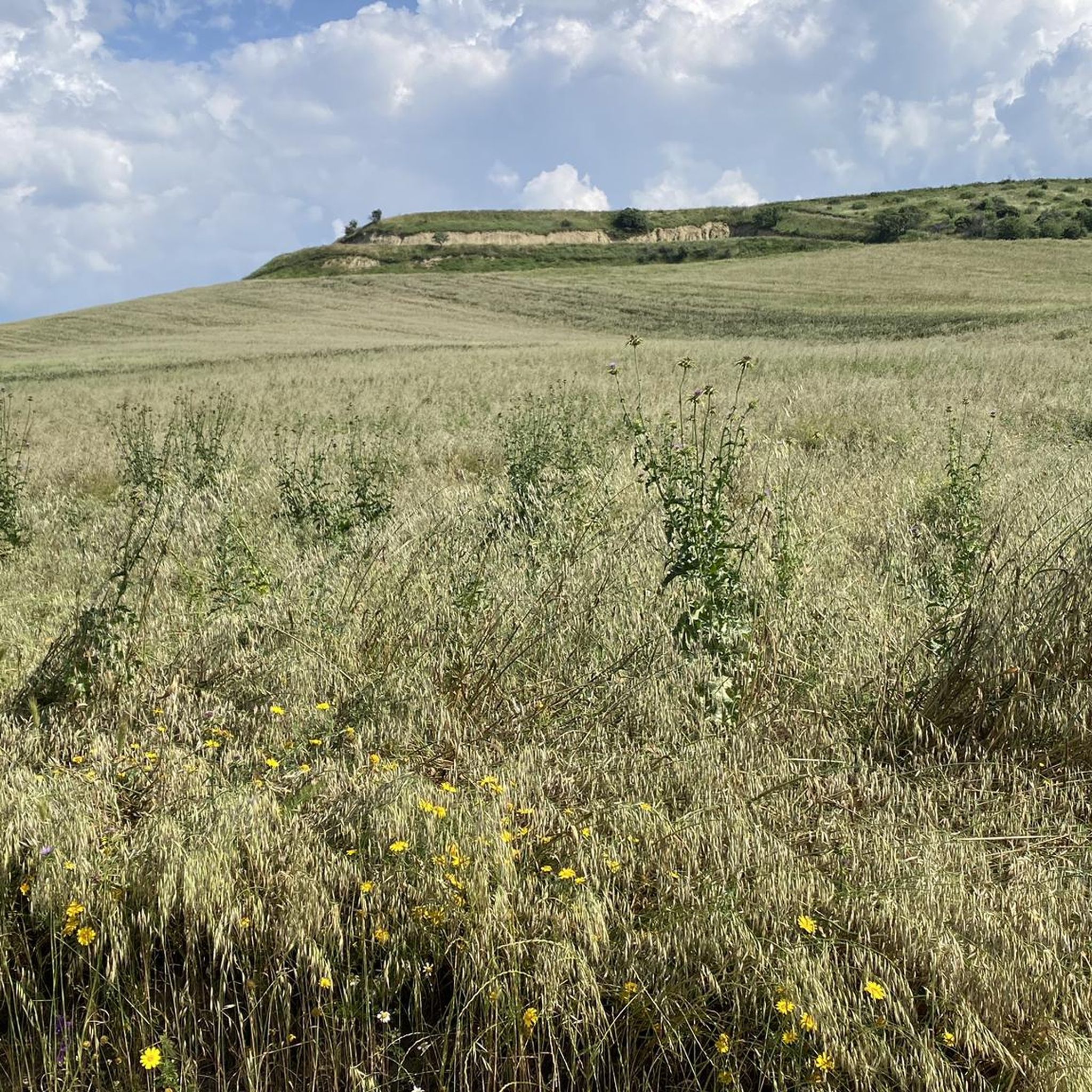
Hiking around Stornara offers access to the Stornara Nature Reserve, an expansive area along Puglia's Ionian coast. The terrain is characterized by Aleppo pine forests, extensive Mediterranean scrubland, and wind-sculpted sand dunes. Lake Salinella, a brackish coastal basin, provides a habitat for various waterbirds, including pink flamingos. This diverse environment creates varied landscapes for exploration on foot.
Best hiking trails around Stornara
- The most popular hiking route is Via Francigena - 131 - Da Cerignola a Canosa, a 11.9 miles (19.3 km) trail that takes about 5 hours to complete, forming part of the historic Via Francigena pilgrimage route.
- Another top favourite among local hikers is Via Francigena - 129 - Da Ordona a Stornara, a difficult 12.6 miles (20.3 km) path. This segment offers varied terrain as it approaches Stornara.
- Local hikers also love the Via Francigena - 130 - Da Stornara a Cerignola, a 11.2 miles (18.0 km) trail leading through agricultural landscapes and open countryside, often completed in about 4 hours 45 minutes.
- Hiking around Stornara is defined by coastal pine forests, Mediterranean scrub, and open rural paths, with options for moderate to difficult routes. The network offers options for different ability levels, particularly for those interested in long-distance walking.
- The guide includes highly-rated routes that showcase the best of the region's landscape. More than 20 hikers have used komoot to explore Stornara's varied terrain.
Last updated: August 31, 2026
3.6
(7)
22
hikers
19.3km
04:59
90m
100m
Moderate hike. Good fitness required. Easily-accessible paths. Suitable for all skill levels.
4.5
(2)
16
hikers
20.3km
05:18
130m
140m
Hard hike. Very good fitness required. Easily-accessible paths. Suitable for all skill levels.

Sign up for free
13
hikers
18.0km
04:39
80m
70m
Moderate hike. Good fitness required. Easily-accessible paths. Suitable for all skill levels.
Hard hike. Very good fitness required. Easily-accessible paths. Suitable for all skill levels.
10
hikers
7.90km
02:01
30m
30m
Moderate hike. Good fitness required. Easily-accessible paths. Suitable for all skill levels.
Our route recommendations are based on thousands of hikes, rides, and runs completed by other people on komoot.
Start today with a free account
Your next adventure awaits.
Login or Signup
Popular around Stornara
Frequently Asked Questions
How many hiking trails are available around Stornara?
Komoot features 5 hiking routes around Stornara. These trails primarily consist of segments of the historic Via Francigena, offering a mix of moderate and difficult options for exploration.
What kind of natural landscapes can I expect to see while hiking near Stornara?
Hiking near Stornara, particularly within the Stornara Nature Reserve, offers diverse landscapes. You'll encounter lush coastal Aleppo pine forests, fragrant Mediterranean scrubland, and unique wind-sculpted sand dunes. A highlight is Lake Salinella, a brackish coastal basin known for its abundant birdlife.
Are there any historical or cultural points of interest along the hiking routes?
Yes, several points of interest can be explored. The town of Stornara itself is known for its vibrant Stornara Murals. Further afield, near Lake Salinella, you can visit Torre Mattoni, a 16th-century watchtower offering panoramic views. The nearby town of Cerignola also features the impressive Cathedral of Saint Peter the Apostle and the historic Piano delle Fosse Granarie.
What is the best time of year to go hiking in the Stornara region?
The Stornara region, with its Mediterranean climate, is ideal for hiking during the spring and autumn months. These seasons offer pleasant temperatures, making it comfortable to explore the pine forests and coastal areas without the intense heat of summer. Spring also brings blooming flora, while autumn provides cooler, crisp air.
Are there any long-distance hiking options available?
Yes, the area is part of the historic Via Francigena pilgrimage route. You can undertake segments like the Via Francigena - 131 - Da Cerignola a Canosa, which covers over 19 km, or the Via Francigena - 129 - Da Ordona a Stornara, a challenging 20 km stretch.
What kind of wildlife can I spot while hiking in the Stornara Nature Reserve?
The Stornara Nature Reserve is a haven for birdwatchers. Around Lake Salinella, you might spot various waterbirds, including pink flamingos during migration, herons, and mallards. The pine forests and scrubland are home to resident birds like starlings, robins, blackcaps, cuckoos, and great spotted woodpeckers.
Are there any circular hiking routes near Stornara?
While many routes are segments of the Via Francigena, you can find circular options like the Tiro a Segno loop from Cerignola. This moderate trail offers a shorter, self-contained hiking experience.
What is the typical terrain and elevation like on trails around Stornara?
The terrain around Stornara is generally gentle, characterized by coastal pine forests, scrubland, and some sand dunes. Elevation gains are typically modest, with routes like the Via Francigena - 131 - Da Cerignola a Canosa featuring less than 100 meters of ascent. However, some segments, such as the Via Francigena - Variante Bradanica - 01 - Da Ordona a Ascoli Satriano, can have more significant climbs, reaching over 300 meters.
Are the hiking trails around Stornara suitable for families?
Many of the trails, especially those with lower elevation changes and moderate difficulty, can be suitable for families. The natural reserve offers a great opportunity for children to observe wildlife and explore diverse ecosystems. It's advisable to check the specific route details for distance and duration to ensure it matches your family's capabilities.
What should I wear for hiking in the Stornara region?
Given the coastal and forested environment, comfortable walking shoes or hiking boots are recommended. Layered clothing is advisable, especially during spring and autumn, to adapt to changing temperatures. Don't forget sun protection, such as a hat and sunscreen, and bring plenty of water, particularly during warmer months.
Most popular attractions around Stornara

Get inspired with the komoot mobile app


Explore more
Browse the best Hikes in other regions.
