The best traffic-free bike rides around Astorga
5.0
(3)
103
riders
4
rides
Gravel biking around Astorga is characterized by its position at a geographical transition zone, bridging the Páramo Leonés plain with the Montes de León. This provides a varied topography, ranging from gentle plains to more challenging mountainous terrain. The region features a network of unpaved tracks and quiet country paths, offering a mixed-terrain experience with gravel, dirt, and some paved sections.
Best no traffic gravel bike trails around Astorga
- The most popular no traffic gravel bike trail is Astorga –…
Last updated: October 29, 2026
5
riders
62.3km
04:28
750m
750m
Hard gravel ride. Very good fitness required. Mostly paved surfaces.
2
riders
38.0km
03:05
330m
330m
Moderate gravel ride. Good fitness required. Mostly paved surfaces.

1
riders
37.4km
02:42
510m
510m
Hard gravel ride. Very good fitness required. Mostly paved surfaces.
2
riders
55.0km
03:44
430m
440m
Moderate gravel ride. Good fitness required. Mostly paved surfaces.
Our route recommendations are based on thousands of hikes, rides, and runs completed by other people on komoot.
Start today with a free account
Your next adventure awaits.
Popular around Astorga

Traffic-free bike rides around Magaz De Cepeda

Traffic-free bike rides around Villamejil
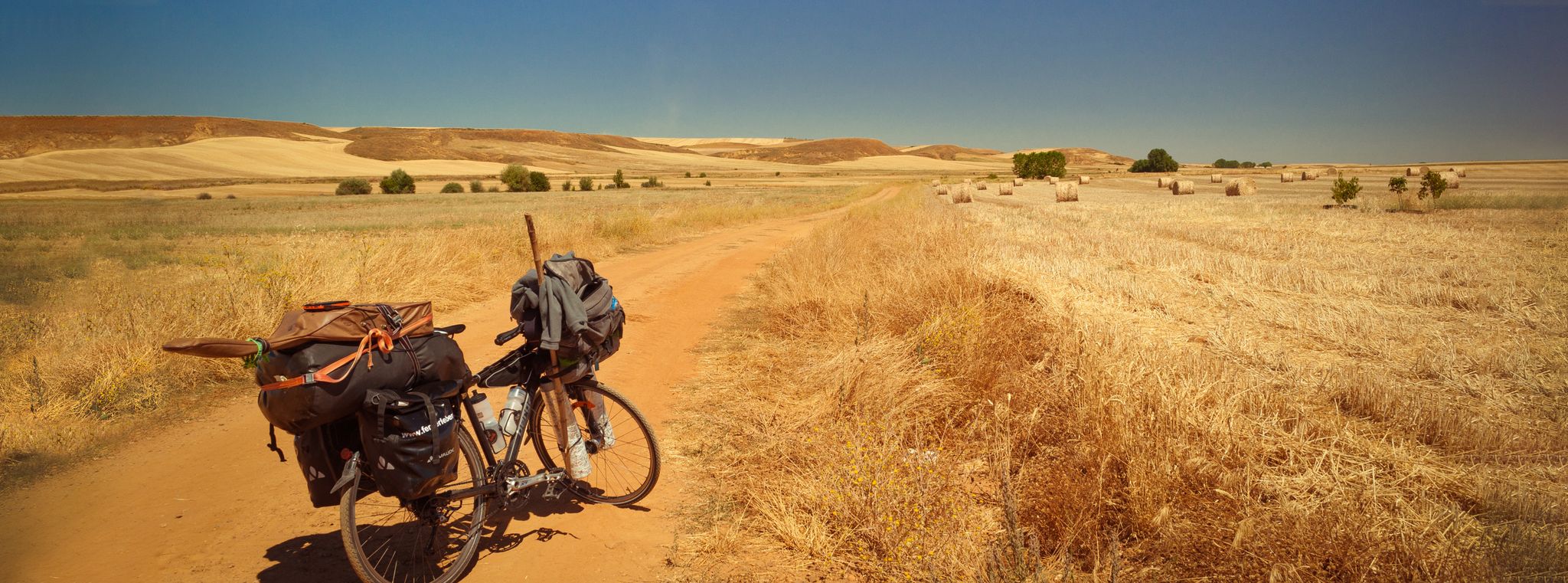
Camino Francés and Camino Finisterre – Cycling pilgrimages in Spain
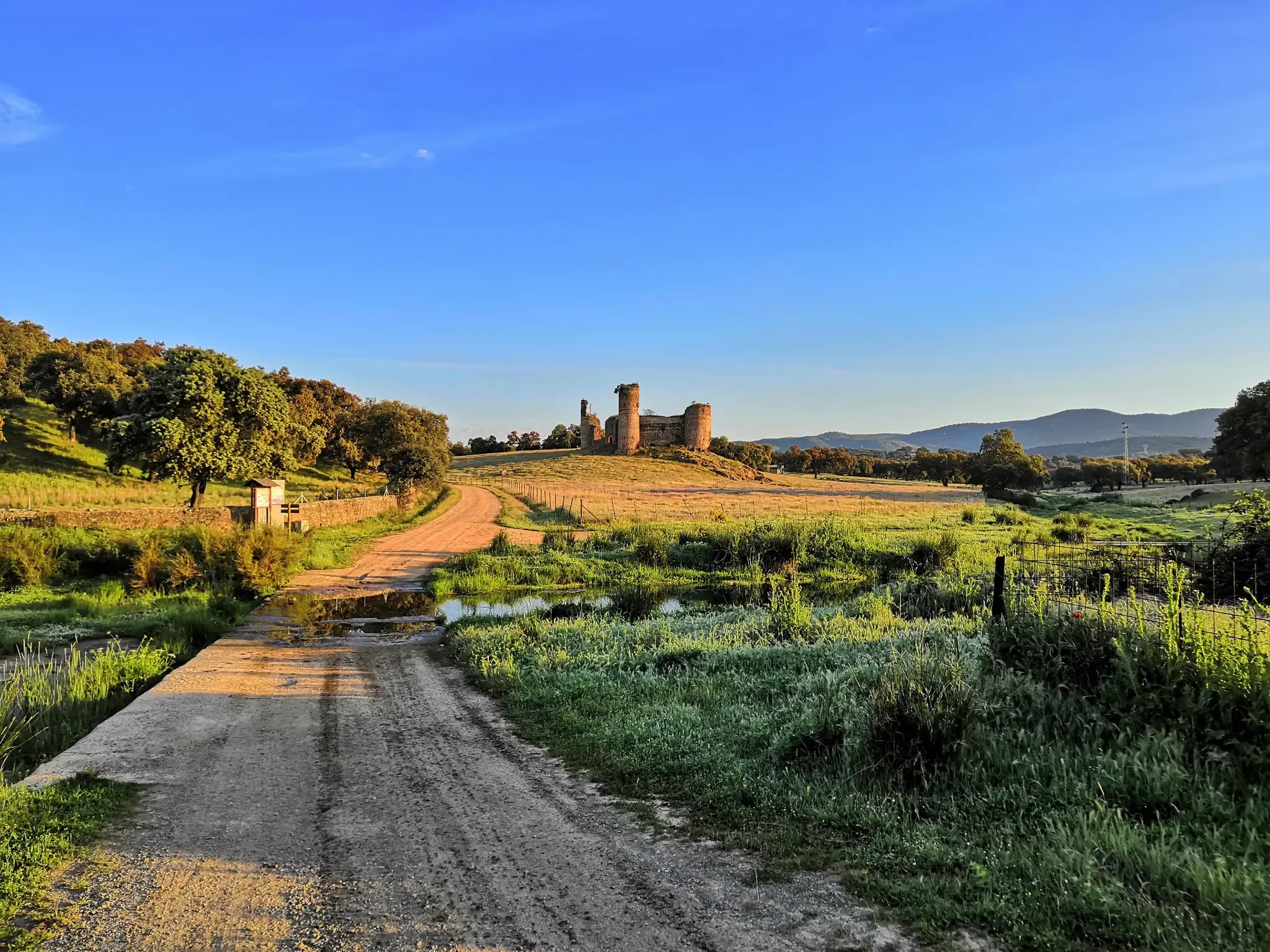
A romantic journey in the footsteps of the Romans – Via de la Plata
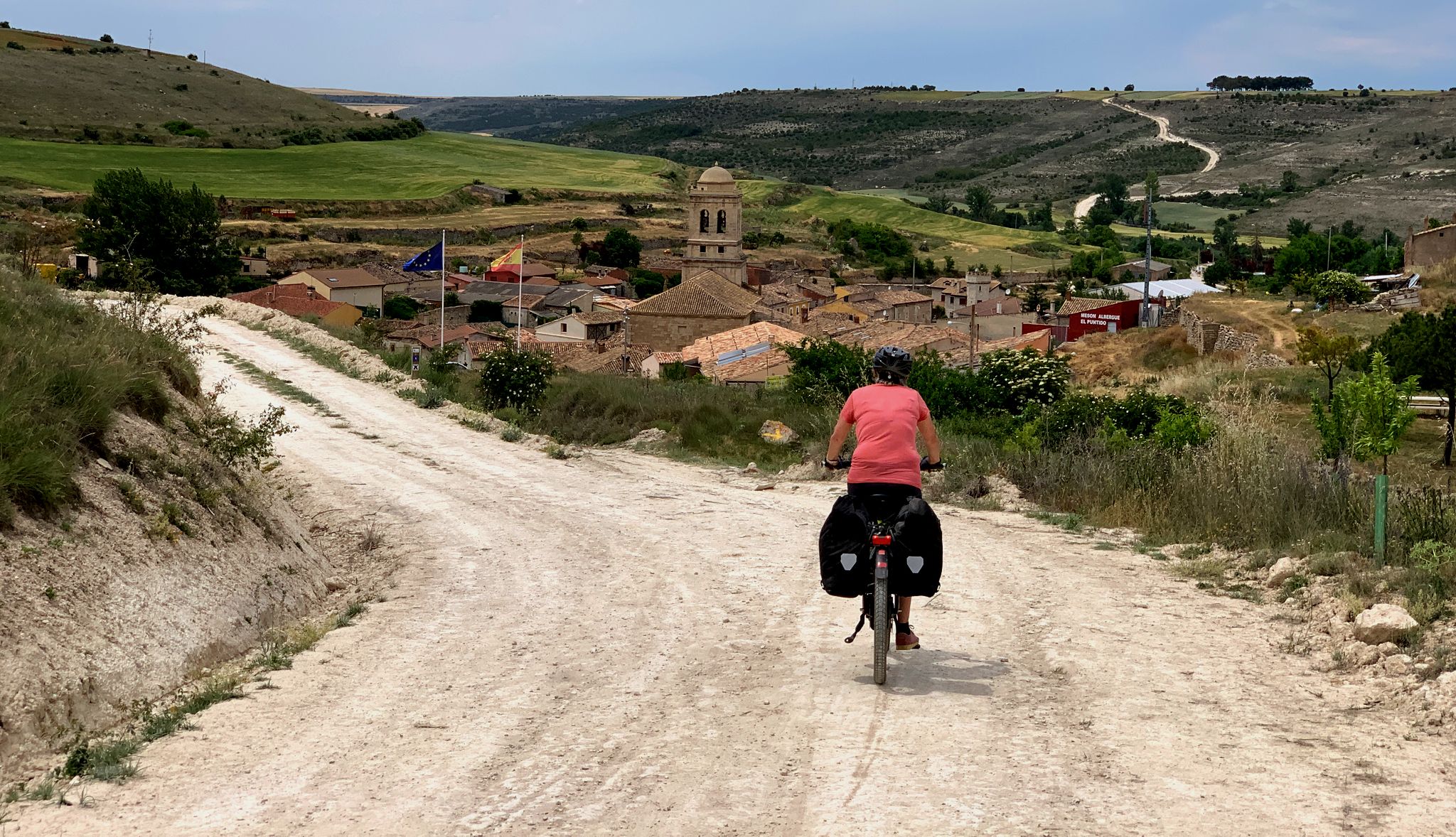
The Pilgrim Route — EuroVelo 3 through Spain

Traffic-free bike rides around Astorga

Traffic-free bike rides around Astorga
Other adventures around Astorga


Tips from the Community

The Camino goes right through the city, the Camino Museum in the Gaudy Palace is recommended
1
0
I have the Mayor's guard.
1
0

After a steep climb you meet a pilgrim here.
1
0

In the heart of Astorga, right next to the cathedral, lies one of the most unusual bishop's residences on the Iberian Peninsula: the Palacio Gaudi. It was designed and built by the famous Spanish architect of the same name (Antonio Gaudi, 1852-1926). A visit to the museum housed here is worthwhile both for the exhibits presented to visitors and, of course, for the imaginative architecture of the building.
1
0

The Bishop's Palace of Astorga is one of only three buildings that Antoni Gaudí built outside Catalonia.
3
0
In the heart of Astorga, right next to the cathedral, lies one of the most unusual bishop's residences on the Iberian Peninsula: the Palacio Gaudi. It was designed and built by the famous Spanish architect of the same name (Antonio Gaudi, 1852-1926). A visit to the museum housed here is worthwhile both for the exhibits on display and, of course, for the imaginative architecture of the building.
4
1

On June 24, 1889, the prelate's name day, the first stone was laid. They had planned to complete the work on the palace in June 1894, but the bishop died in 1893, and this event radically changed the course of the work, paralyzed by the hostility between Gaudí and the Diocesan Council. Finally, Antonio Gaudí resigned from his post as chief architect, very upset by the treatment he received. In 1905, D. Julián de Diego y Alcolea ruled the diocese of Astorga and tried to convince Gaudí to return to the works of the palace, but he did not succeed. Ricardo García-Guereta, diocesan of León, was appointed architect and completed the work on October 12, 1913, as bishop D. Julián de Diego y Alcolea
5
0
Cultural visit The Cathedral of Astorga is a temple that is forever engraved in the memory of those who visit it. It offers a fantastic tour explained through an audio guide system available in different languages. A visit also designed for the little ones, since the cathedral offers a fun audio guide for children.
5
0
Frequently Asked Questions
How many no-traffic gravel bike trails are available around Astorga?
Komoot offers several dedicated no-traffic gravel bike trails around Astorga, providing a great way to explore the region's diverse landscapes away from cars. You can find a selection of routes ranging from moderate to difficult, perfect for a peaceful ride.
What kind of terrain can I expect on Astorga's no-traffic gravel trails?
The terrain around Astorga is quite varied, transitioning from the flatter Páramo Leonés plain to the more challenging Montes de León. You'll encounter a mix of gravel, dirt, and some paved sections, offering a true mixed-terrain experience. Routes like the Astorga – Santa Catalina de Somoza loop showcase this diversity with significant elevation changes.
Are there any circular no-traffic gravel routes near Astorga?
Yes, many of the no-traffic gravel routes around Astorga are designed as loops, allowing you to start and finish in the same location. For example, the Bazán Castle loop from Palacios de la Valduerna offers a moderate circular ride through scenic landscapes.
What are some notable landmarks or attractions I can see while gravel biking around Astorga?
Astorga's rich history and natural beauty mean there are many points of interest. You can pass by the impressive Episcopal Palace of Astorga (Gaudí Palace) on routes like the Astorga – Gaudí Palace loop. Further afield, the iconic Cruz de Ferro (Iron Cross) is a significant pilgrimage landmark that can be reached via gravel paths.
What do other gravel bikers enjoy most about the no-traffic trails in Astorga?
The komoot community highly rates the gravel biking experience in Astorga, with an average score of 5.0 stars. Riders often praise the tranquility of the routes, the stunning historical sites, and the varied landscapes that make each ride unique and engaging, especially the quiet paths away from vehicle traffic.
Are there any challenging no-traffic gravel routes for experienced riders?
Absolutely. For experienced riders seeking a challenge, routes like the Quintana del Castillo loop from Sueros de Cepeda are graded as difficult, featuring significant elevation gains and technical sections that will test your skills while keeping you away from traffic.
When is the best time of year to go gravel biking in Astorga?
The region around Astorga is generally pleasant for gravel biking from spring through autumn. Spring offers lush greenery and comfortable temperatures, while autumn provides cooler weather and beautiful fall colors. Summer can be warm, so early morning or late afternoon rides are recommended during peak heat. Always check local weather forecasts before heading out.
Can I find routes that pass through traditional villages in the Maragatería region?
Yes, many gravel routes in the Astorga area traverse the picturesque Maragatería region, known for its distinctive red rock formations and traditional villages. You'll have opportunities to cycle through charming settlements like Rabanal del Camino, offering a blend of natural beauty and cultural exploration.
Are there options for parking near the start of these no-traffic gravel trails?
Many routes around Astorga, especially those starting from or near the city, offer convenient parking options. For instance, the Astorga – Gaudí Palace loop specifically mentions starting from 'parking Cementerio', indicating accessible parking for trail users.
What kind of natural features can I expect to see on the gravel trails around Astorga?
The region is a geographical transition zone, offering diverse natural features. You'll encounter the unique red rock formations of the Maragatería region, the rolling hills of the Páramo Leonés, and the more rugged, elevated terrain of the Montes de León. Keep an eye out for local wildlife, especially in the quieter, more remote sections.
Most popular routes around Astorga
Most popular attractions around Astorga

Get inspired with the komoot mobile app


Didn’t find what you were looking for?
Check out more Gravel rides throughout Astorga below and find the perfect route in your destination.
Explore more
Browse the best Gravel rides in other regions.
