The best walks and hikes in Moësa
4.6
(816)
5,899
hikers
187
hikes
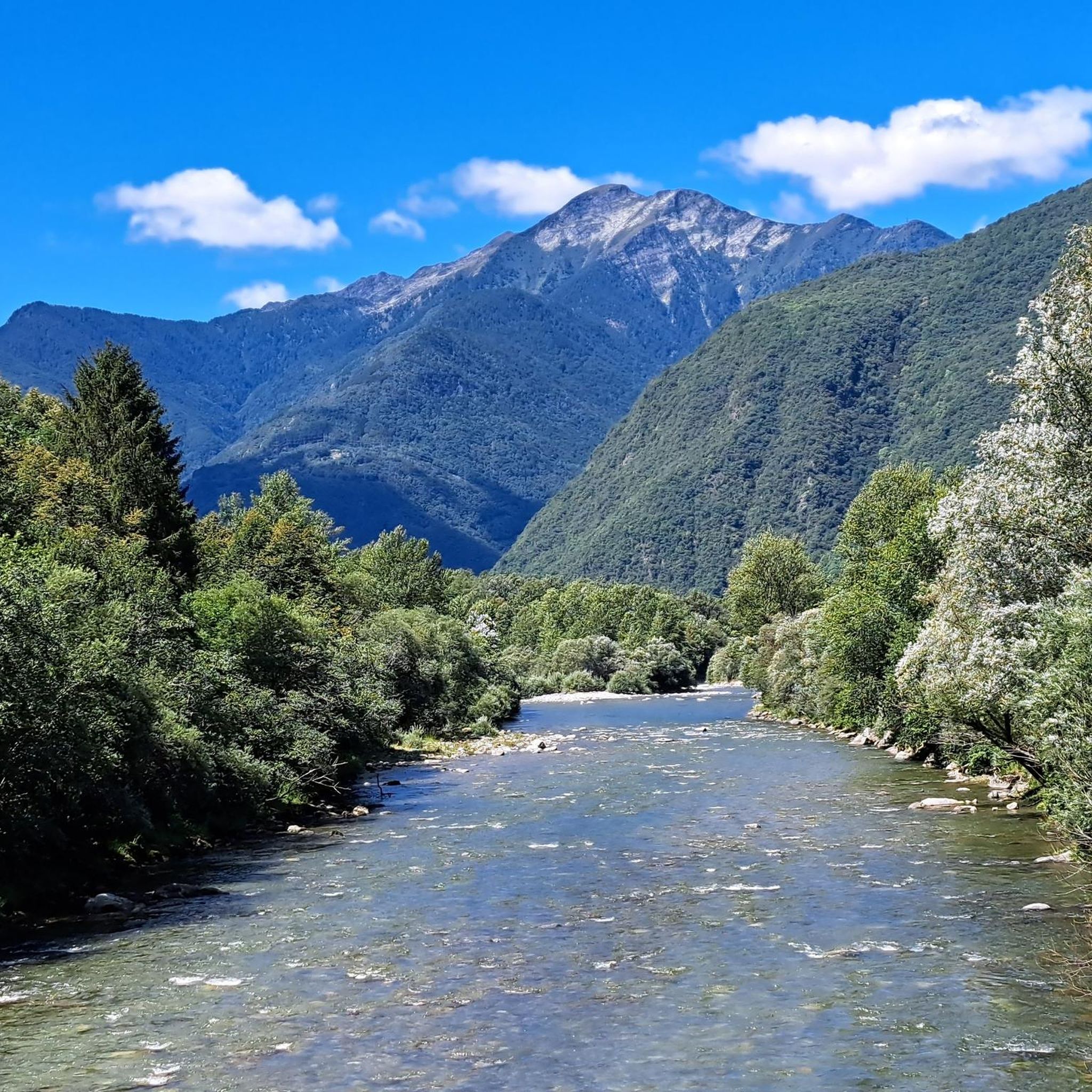
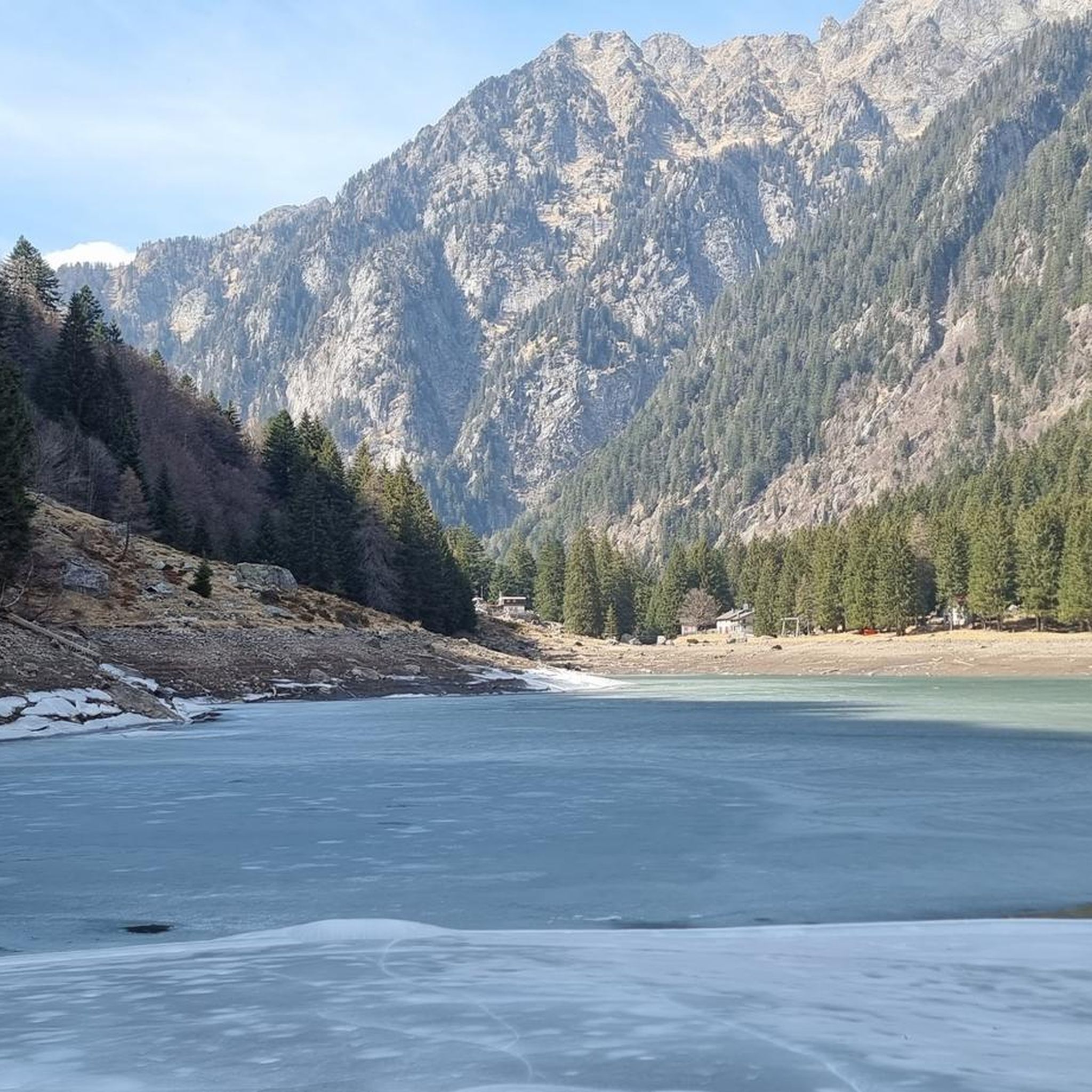
Hiking in Moësa, located in the canton of Graubünden, Switzerland, offers diverse alpine landscapes. The region features lush green valleys, high mountain peaks, and serene alpine lakes, with significant elevation changes. Hikers encounter varied terrain, including grassy slopes, rocky sections, and high-alpine environments. This area provides a transitional alpine experience, sometimes resembling the scenery and weather of Italy.
Best hiking trails in Moësa
- The most popular hiking route is Pizzo Uccello, a 6.9 miles (11.1 km) trail that takes…
Last updated: October 10, 2026
4.9
(13)
72
hikers
10.9km
03:39
520m
530m
Moderate hike. Good fitness required. Mostly accessible paths. Sure-footedness required.
4.6
(8)
124
hikers
11.1km
06:10
1,060m
1,060m
Hard hike. Very good fitness required. Sure-footedness, sturdy shoes and alpine experience required.

4.7
(9)
74
hikers
8.65km
02:22
140m
140m
Moderate hike. Good fitness required. Easily-accessible paths. Suitable for all skill levels.
4.6
(16)
60
hikers
11.3km
04:36
650m
650m
Moderate hike. Good fitness required. Mostly accessible paths. Sure-footedness required.
4.3
(6)
27
hikers
10.6km
04:09
710m
710m
Moderate hike. Good fitness required. Mostly accessible paths. Sure-footedness required.
4.8
(8)
58
hikers
10.6km
05:54
1,150m
1,150m
Hard hike. Very good fitness required. Sure-footedness, sturdy shoes and alpine experience required.
4.7
(7)
56
hikers
12.0km
06:56
1,320m
1,320m
Hard hike. Very good fitness required. Sure-footedness, sturdy shoes and alpine experience required.
4.7
(7)
29
hikers
14.1km
06:45
980m
980m
Hard hike. Very good fitness required. Sure-footedness, sturdy shoes and alpine experience required.
5.0
(1)
9
hikers
17.0km
09:54
1,770m
1,780m
Hard hike. Very good fitness required. Sure-footedness, sturdy shoes and alpine experience required.
5.0
(2)
16
hikers
22.5km
10:44
1,390m
1,390m
Hard hike. Very good fitness required. Sure-footedness, sturdy shoes and alpine experience required.
Get access to more routes and recommendations from other explorers.
Already have an account?
Our route recommendations are based on thousands of hikes, rides, and runs completed by other people on komoot.
Start today with a free account
Your next adventure awaits.
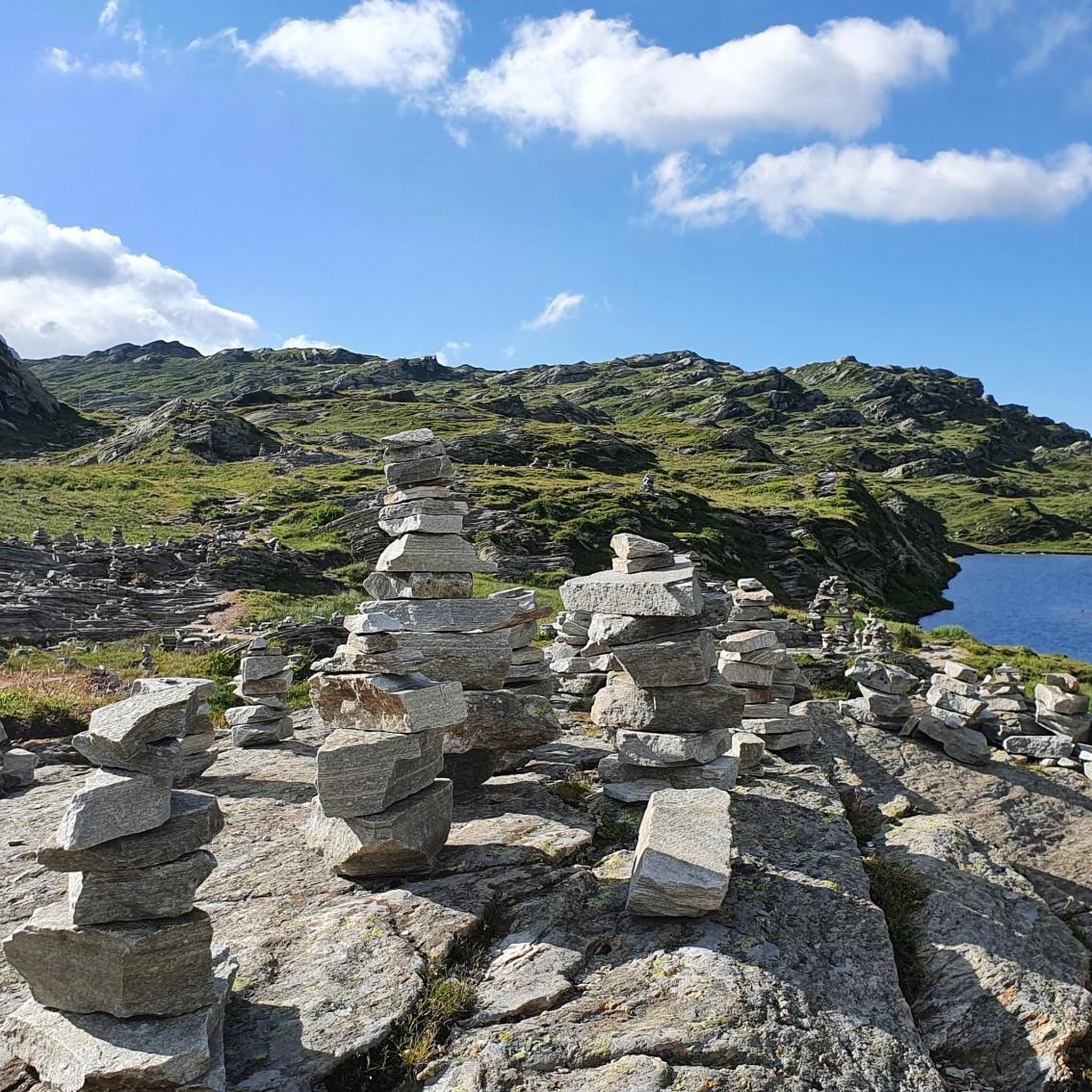
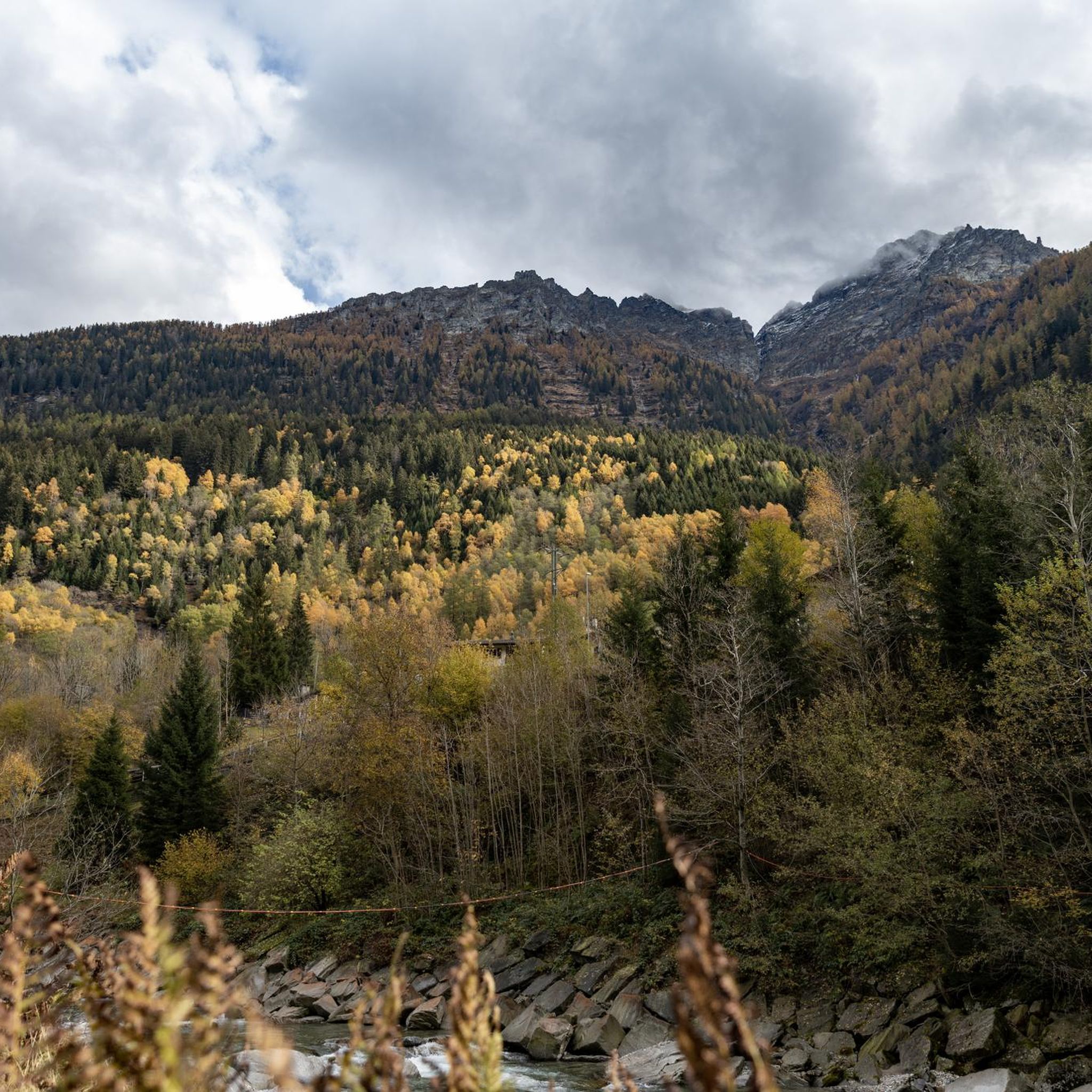
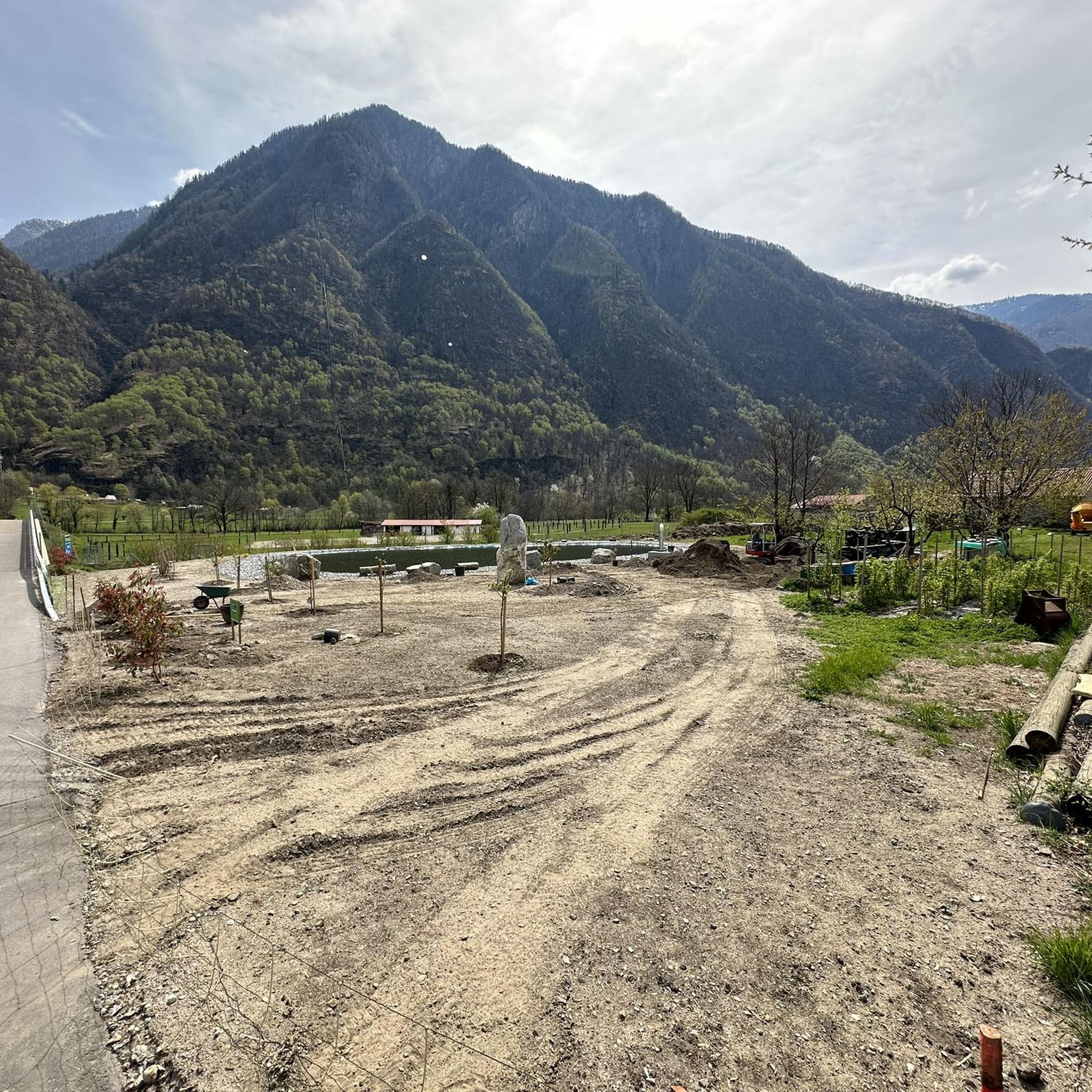
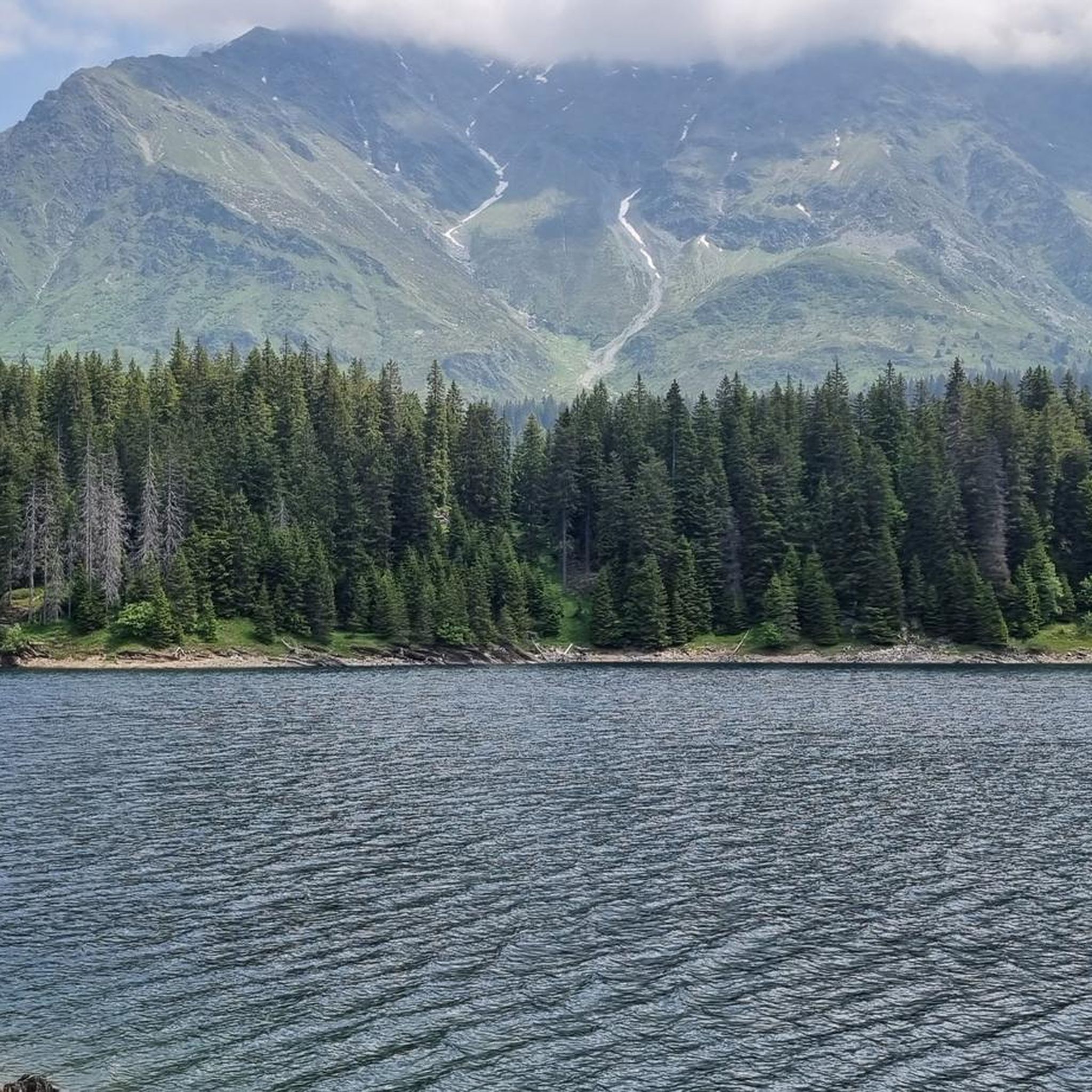
Other adventures in Moësa


Tips from the Community

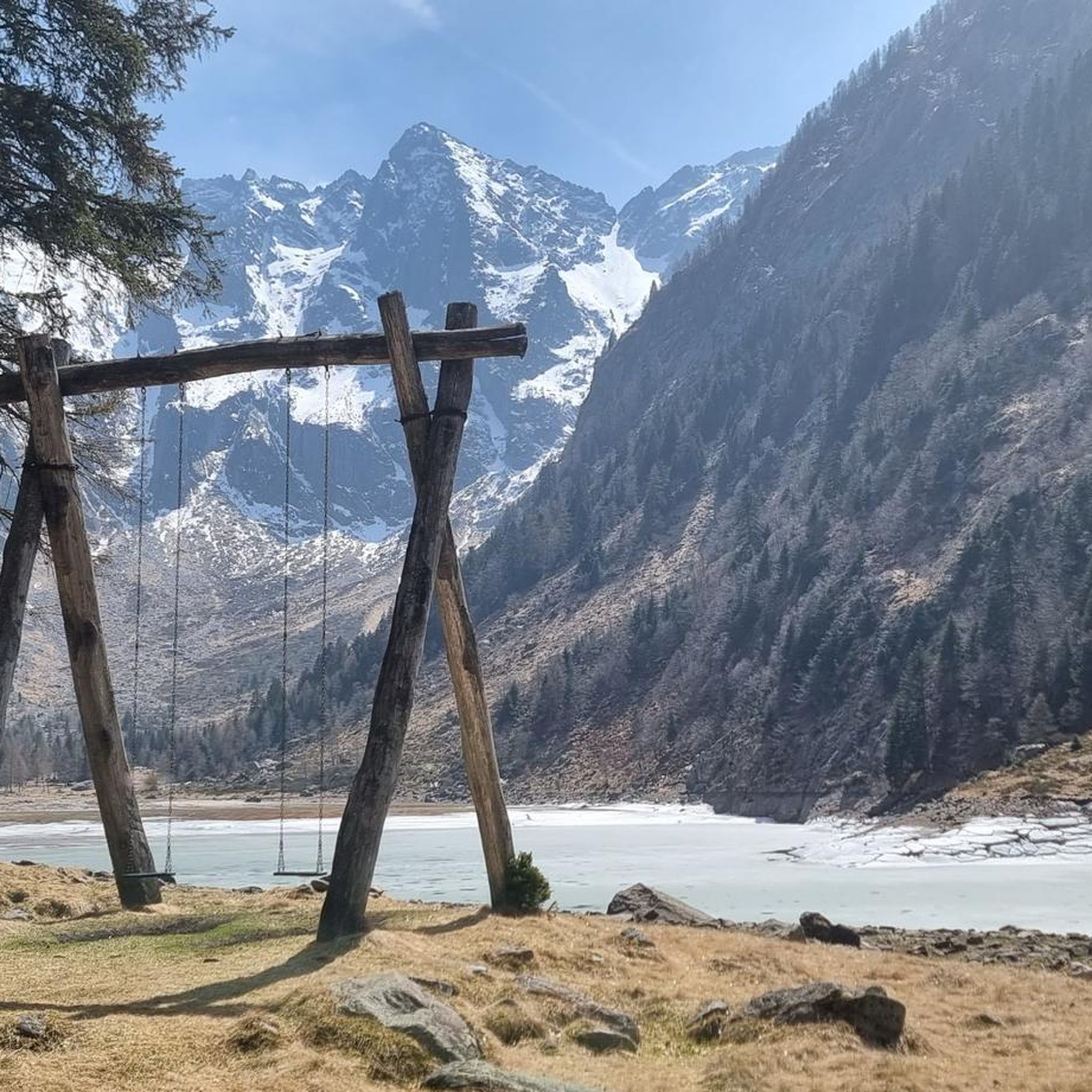
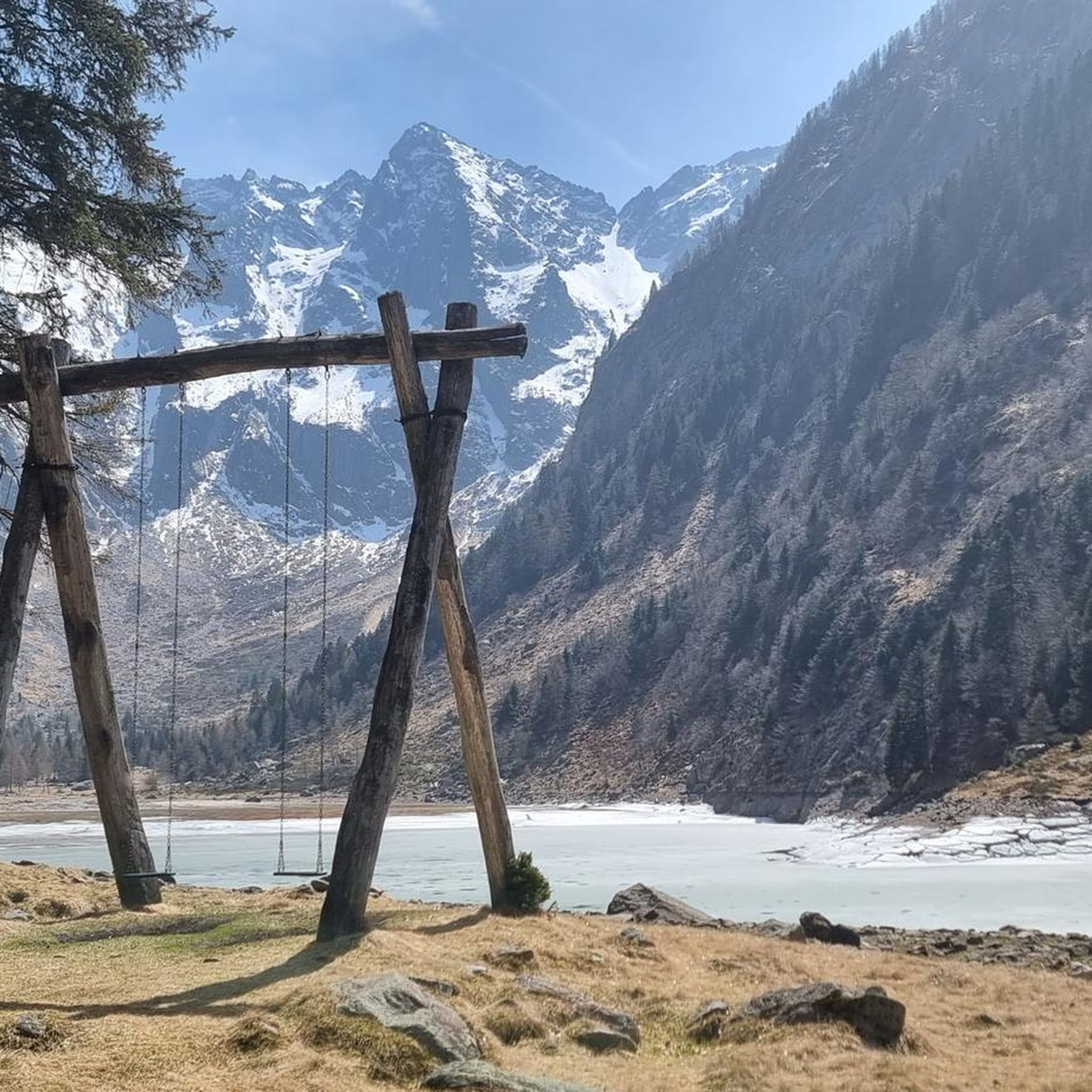
The Passo del Segnale is located at around 2,100 meters and is easily recognizable from afar by a distinctive wooden pole with an X-shaped cross. It connects the Val Cama with the Val Leggia and is an important pass between the two valleys – with beautiful views in both directions.
0
0
This hut is located in the middle of Val Leggia along the path and is a good place for a short break. Surrounded by pine trees, you can gather new energy here during the ascent or descent.
0
0
The stone-paved pass route connects the San Bernardino Pass at 2065 meters with the village of San Bernardino. The Romans already used this pass crossing.
0
0

The lake can be bypassed with a mountain bike. Two gates can only be bypassed by stopping and pushing. :-(
1
0

That's exactly how it is. I just like that kind of thing😉
0
0
To reach Pizzo you must carry your bike on your shoulders for at least 1 hour. The final part on the crest has a passage with chains.
0
0

One of the most beautiful passes IMHO! Very long from the south, never too steep (if you stay on the main road: do not take the bike path after Mesocco!), and you will experience the vegetation transitioning from palm trees to alpine climate! The S. Bernardino village is a bonus, take the chance to eat something and get a water refill before the last push.
0
0

Pian Lumbrif is a high plateau from which you can admire Pizzo Uccello. The singletrack is enduro, you need excellent riding skills and a suitable MTB.
1
0
Frequently Asked Questions
What kind of terrain can I expect when hiking in Moësa?
Moësa, nestled in Graubünden, offers diverse alpine landscapes. You'll encounter everything from lush green valleys and rolling hills to dramatic high mountain peaks and serene alpine lakes. The terrain often features significant elevation changes, grassy slopes, rocky sections, and even high-alpine environments, sometimes with small snowfields or glaciers, particularly on higher routes like Piz Tambo. The region's southern location can also give it a unique transitional alpine feel, sometimes resembling Italian scenery.
How many hiking trails are available in Moësa?
There are over 170 hiking trails available in Moësa, offering a wide range of experiences for different skill levels and preferences.
What is the general difficulty level of hikes in Moësa?
Moësa offers a variety of trails catering to different abilities. Approximately 36 routes are considered easy, 70 are moderate, and 67 are difficult. The Swiss Alpine Club (SAC) Hiking Scale classifies trails from T1 (easy, well-developed paths) to T6 (difficult alpine hiking, potentially requiring technical equipment). You'll find options from leisurely walks to demanding alpine treks.
Are there any family-friendly hiking options in Moësa?
Yes, Moësa has trails suitable for families. Look for routes classified as T1 or T2 on the SAC scale, which are generally well-marked and have no significant falling hazards. While specific family-friendly routes aren't highlighted here, you can filter for easy trails on komoot to find suitable options.
Can I bring my dog on the hiking trails in Moësa?
Many trails in Moësa are dog-friendly, allowing you to explore the beautiful alpine scenery with your canine companion. However, it's always advisable to check local regulations or specific trail descriptions for any restrictions, especially in nature reserves or on trails that pass through grazing areas.
Are there any circular hiking routes in Moësa?
Yes, Moësa features several excellent circular routes. For example, the Passit Pass and Alp da Confin Loop is a moderate 11.3 km hike, and the Piz d'Arbeola – loop tour offers a more challenging 14.1 km experience. Another challenging option is the Lago di Cama – loop in Val Cama and Val Leggia, which is a difficult 17 km route.
What are some notable landmarks or attractions I can see while hiking in Moësa?
The Moësa region is rich in natural beauty and historical sites. You can explore several lakes, such as Lake Dosso, Lake Isola, and Lake Cama. The historic San Bernardino Pass is also a significant landmark. For those interested in history, the area boasts several castles and towers, including Mesocco Castle, Torre di Pala, San Vittore, and Torre Fiorenzana, Grono.
Are there any trails that feature alpine lakes?
Absolutely! The Moësa region is known for its serene alpine lakes. The Tour of the Lakes Trail is specifically designed to lead you through multiple beautiful alpine lakes. Additionally, the Piz Tambo – Laghetti del Tamburello loop, while not listed in this guide, is a well-known route that passes by the picturesque Laghetti del Tamburello (small lakes).
What do other hikers enjoy most about hiking in Moësa?
The Moësa region is highly rated by the komoot community, with an average score of 4.7 stars from over 500 reviews. Hikers frequently praise the diverse alpine landscapes, from lush valleys to high peaks, and the well-maintained network of paths that cater to all skill levels. The stunning panoramic views and the serene atmosphere of the alpine lakes are also often highlighted.
Is public transport available to access hiking trails in Moësa?
Yes, Graubünden, where Moësa is located, generally has a well-developed public transport network. Many trailheads are accessible by bus or train, allowing hikers to reach starting points without a car. It's recommended to check local transport schedules for specific routes and trail access points.
Are there any permits required for hiking in Moësa?
Generally, no specific permits are required for day hiking on marked trails in Moësa. However, if you plan to undertake more challenging alpine tours, especially those involving glaciers or protected areas, it's always wise to check for any specific regulations or requirements from local authorities or mountain guides.
What is the best time of year to go hiking in Moësa?
The best time for hiking in Moësa is typically from late spring to early autumn (June to September) when the weather is most favorable, and trails are clear of snow. During this period, you can enjoy lush green valleys, blooming alpine flora, and accessible high-altitude routes. Some lower-elevation trails may be accessible earlier or later in the season.
Most popular routes in Moësa
Most popular attractions in Moësa

Get inspired with the komoot mobile app


Didn’t find what you were looking for?
Check out more Hikes throughout Moësa below and find the perfect route in your destination.
Explore more
Browse the best Hikes in other regions.
