The best walks and hikes in Münchwilen
4.5
(2126)
9,868
hikers
423
hikes
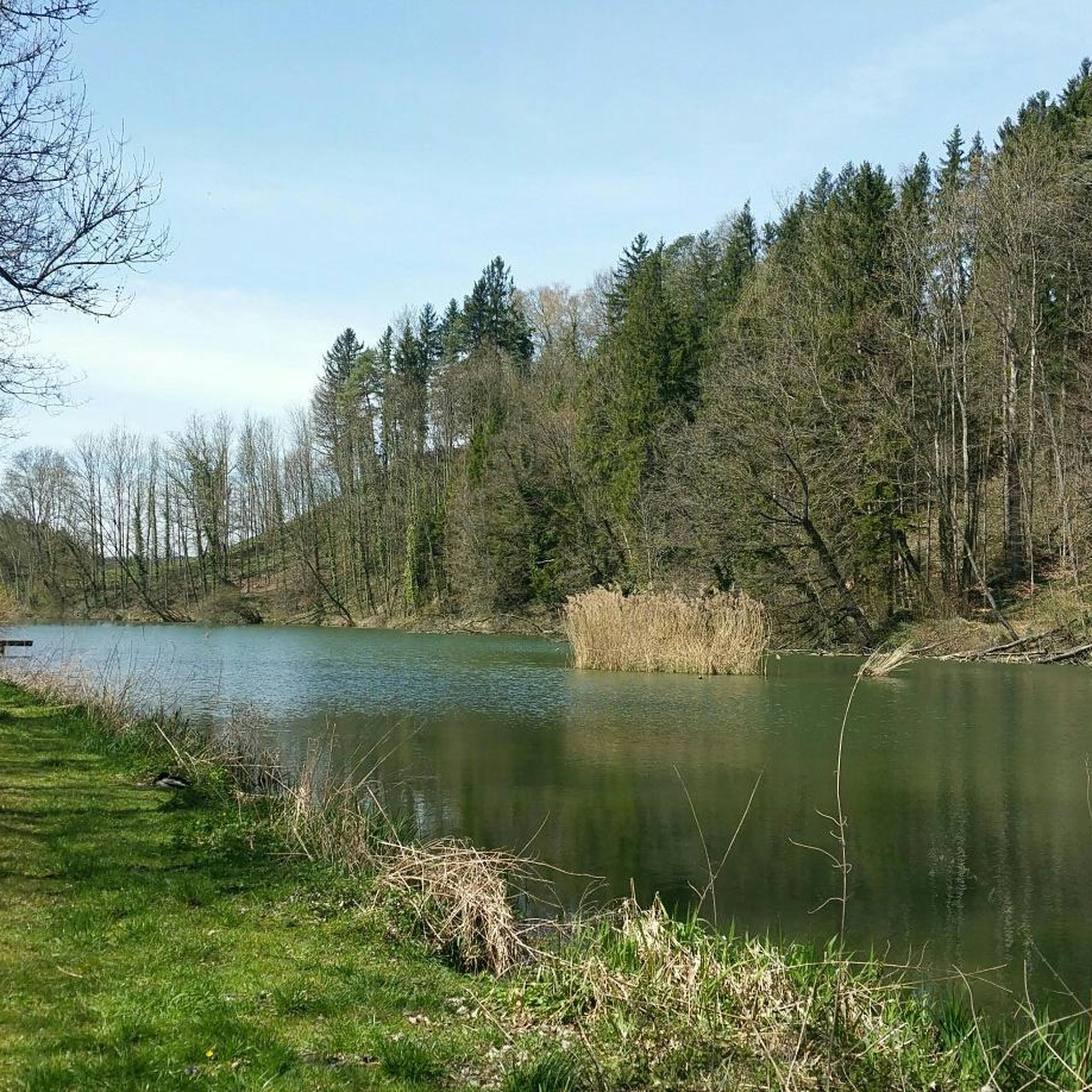
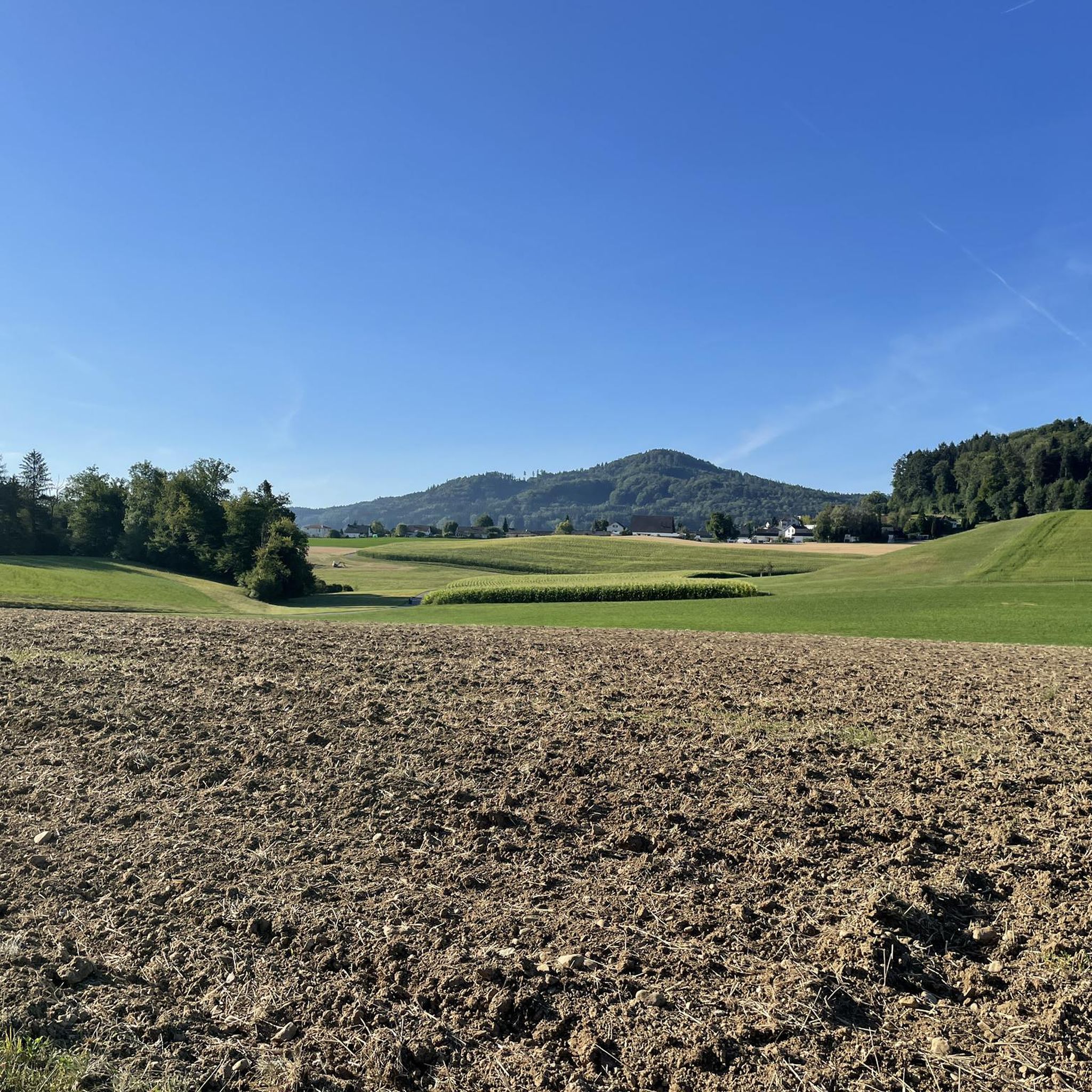
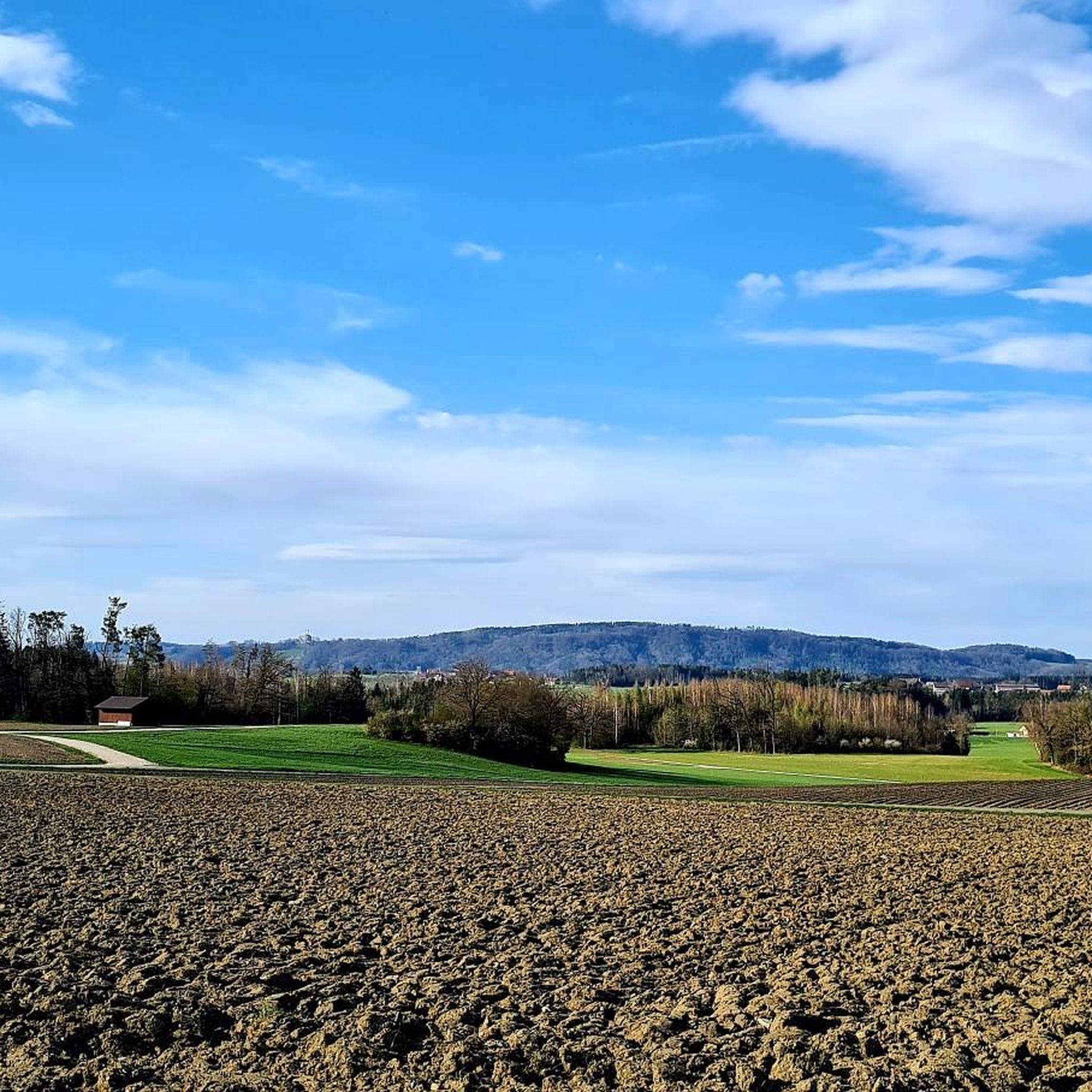
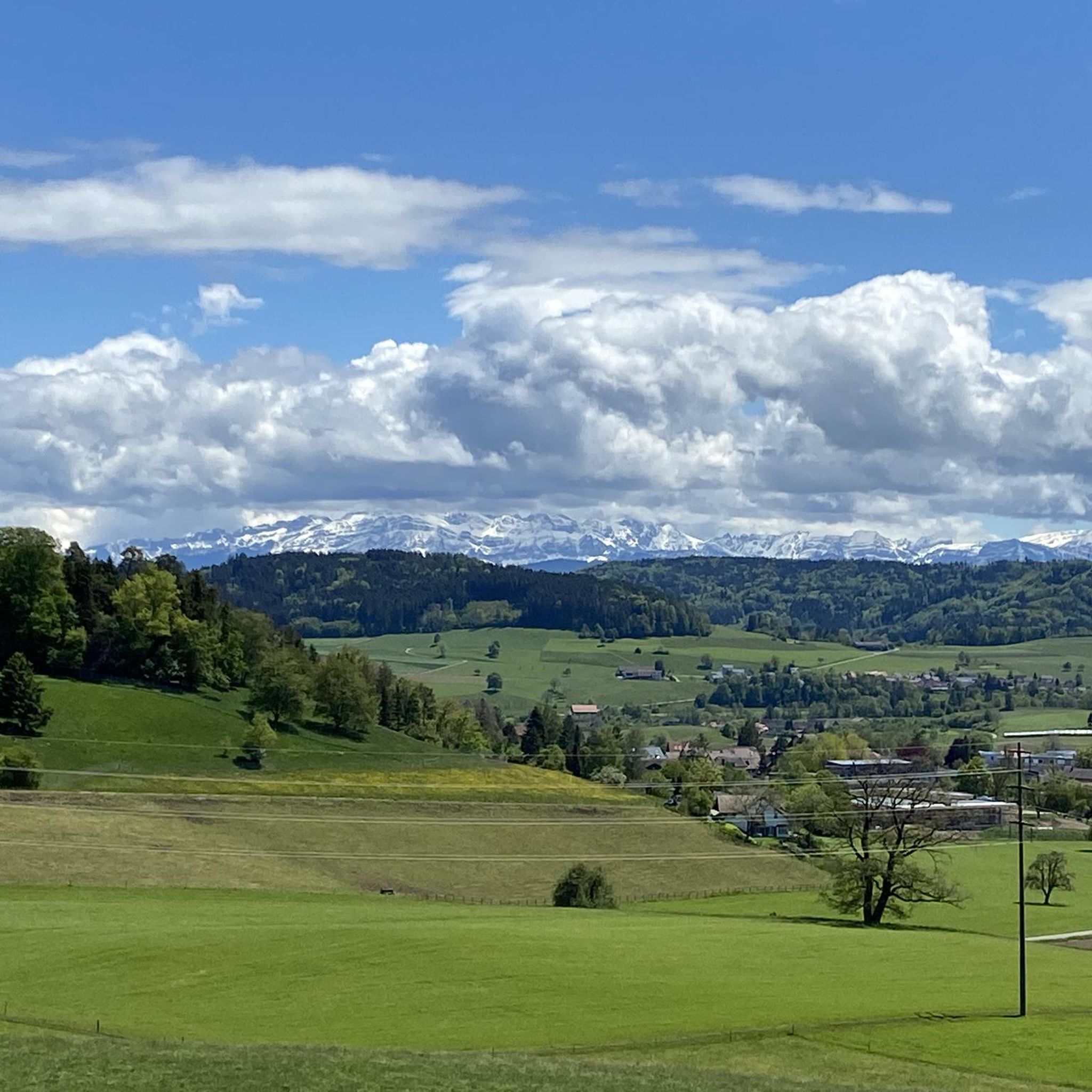
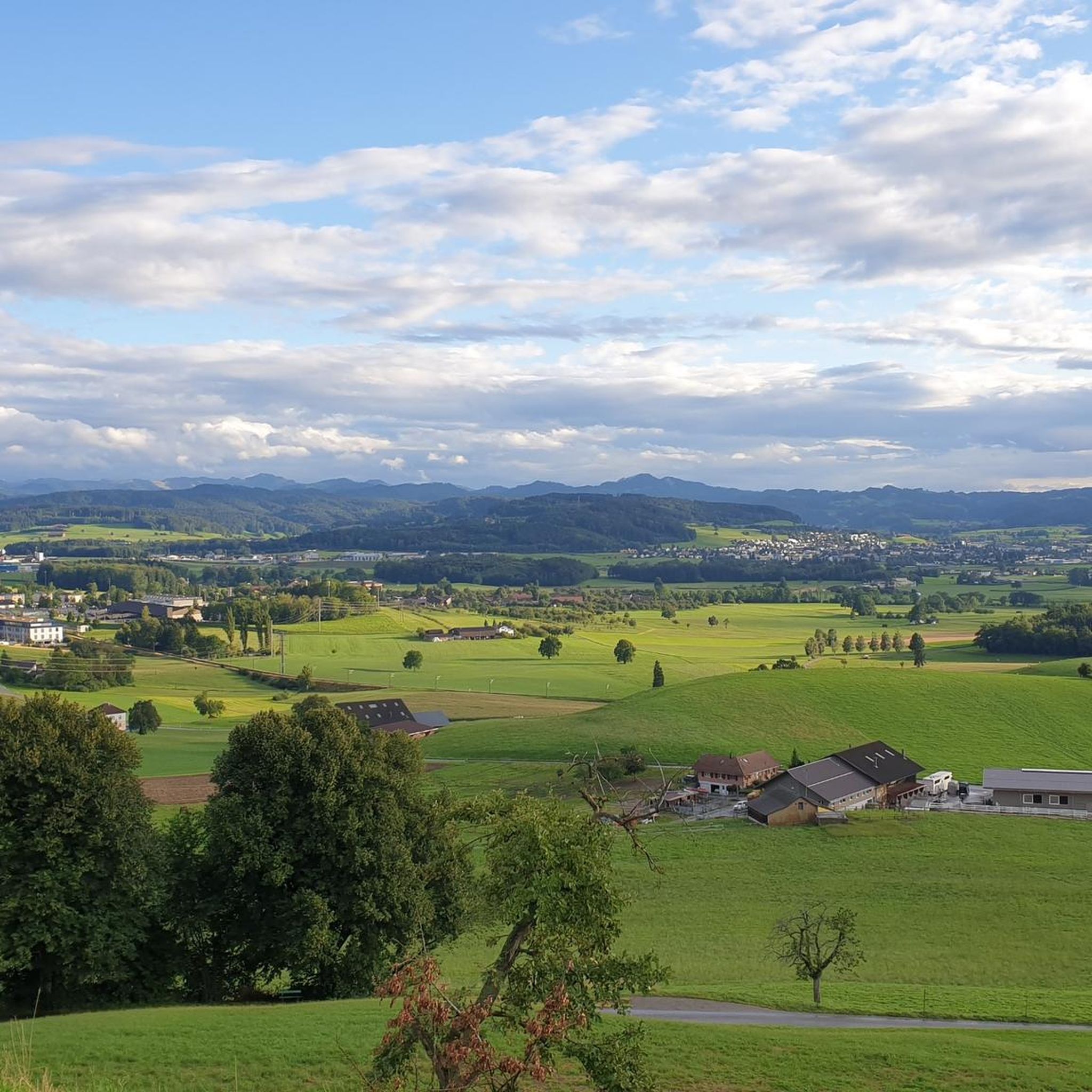
Hiking in Münchwilen, located in the canton of Thurgau, Switzerland, offers diverse trails through varied landscapes. The region is characterized by its scenic Murg River, which features in many routes, and notable natural features like the Häxetobel Gorge and Roosetaaler Pond. Hikers can experience a range of terrain, from gentle riverside paths to routes with more significant elevation gain, often leading to panoramic views of the surrounding area, including the Säntis mountain.
Best hiking trails in Münchwilen
- The most popular…
Last updated: October 21, 2026
4.5
(42)
295
hikers
12.2km
03:48
430m
430m
Moderate hike. Good fitness required. Mostly walkable paths. Sure-footedness required.
4.7
(50)
415
hikers
7.11km
02:04
190m
190m
Moderate hike. Good fitness required. Easily walkable paths.

4.4
(36)
214
hikers
7.70km
02:15
200m
200m
Moderate hike. Good fitness required. Easily walkable paths.
4.4
(25)
147
hikers
14.2km
04:38
610m
610m
Moderate hike. Good fitness required. Mostly walkable paths. Sure-footedness required.
4.4
(38)
101
hikers
Moderate hike. Good fitness required. Easily walkable paths.
4.3
(12)
53
hikers
9.33km
02:55
300m
300m
Moderate hike. Good fitness required. Mostly walkable paths. Sure-footedness required.
4.6
(12)
45
hikers
5.06km
01:40
160m
160m
Moderate hike. Mostly walkable paths. Sure-footedness required.
4.6
(10)
32
hikers
16.2km
04:36
350m
350m
Moderate hike. Good fitness required. Mostly walkable paths. Sure-footedness required.
4.6
(22)
68
hikers
5.55km
01:34
120m
120m
Easy hike. Easily walkable paths.
4.6
(12)
42
hikers
5.25km
01:23
50m
50m
Easy hike. Easily walkable paths.
Get access to more routes and recommendations from other explorers.
Already have an account?
Our route recommendations are based on thousands of hikes, rides, and runs completed by other people on komoot.
Start today with a free account
Your next adventure awaits.


Tips from the Community

The construction crane is finally gone after 12 years! Older photos of it are now outdated...
1
0
The notorious crane at the castle was finally dismantled after 12 years!
1
0

Very nice MTB trail from Hulftegg to Alp Ergeten.
0
0
The infamous crane at the castle has finally been dismantled after 12 years! This makes older entries and photos outdated...
1
0

On Wednesdays, the restaurant Stierenberg is closed. Please also note the bus timetable. It is not very frequent.
0
0

Baroque Church of St. John the Baptist & St. John the Evangelist - Fischingen Monastery History and Architecture According to sources from around 1200, Abbot Waltram had the first church and monastery complex built between 1138 and 1144. This Romanesque church was followed by the Gothic church, probably after a monastery fire dated 1440. Before the convent chapter decided to begin construction of a new church in 1685, Abbot Joachim summoned the Einsiedeln architect Brother Kaspar Moosbrugger, whose contribution to the planning, however, is difficult to estimate. The northern nave underwent its first alteration in connection with the Idda Chapel, built from 1704 onwards. The arcades opening onto the chapel were decorated with stucco. The extension of the church to the east and the construction of the cheerful organ choir in 1753 onwards had a more dramatic effect. which forms the transition to the spacious Baroque convent buildings from the same period. Somewhat later, the chancel was remodeled in the emerging style of early classicism. The Fischingen monastery church underwent extensive renovations between 2000 and 2008. The parish could not possibly cover the high costs of this renovation, approximately CHF 8 million, alone. Text / Source: Catholic Parish of St. Idda Fischingen, Kurhausstr. 29a, 8374 Dussnang https://www.kath-fischingen.ch/de/unser-pastoralraum-0/unsere-kirchen/st-johannes-der-taeufer-st-johannes-der-evangelist
15
0
Kloster Fischingen / A foray through history In 1138, Bishop Ulrich II of Constance founded a private episcopal monastery in his territory on the upper reaches of the Murg river and settled it with Benedictine monks from the Petershausen monastery in Constance. After an initial period of prosperity, the Fischingen convent numbered barely more than 10 monks until the 17th century. In addition to tending to monastic life, they were responsible for pastoral care in the incorporated parishes of Dussnang (with Au), Bichelsee, Sirnach, and Bettwiesen, as well as in Fischingen. The Reformation led to the extinction of monastic life in Fischingen for several years. Abbot Heinrich Stoll from Zurich converted to the new doctrine in 1526 and married; the remaining four monks soon followed his example. It was the Catholic cantons of the Imperial Diet who brought about the re-establishment of the monastery by postulating P. Markus Schenkli, the vicar of the Abbot of St. Gallen, as the new Abbot of Fischingen in July 1540 at the Diet in Baden. After initial personnel and financial difficulties, the spirit of reform prevailed in Fischingen, and the monastery experienced its long flourishing period throughout the Baroque era with an average of 30 monks. Under the pious Abbot Joachim Seiler of Wil (1672–1688), a prolific spiritual writer and sought-after preacher, monastic spirituality reached such a peak that it was praised in a visitation report with the words "more to be recommended than to be improved". The construction of the new monastery church (1685–1687) also falls within Abbot Joachim's time. Abbot Nikolaus Degen of Lachen (1747–1776) is considered Fischingen's great Baroque building abbot. He extended the church with the Upper Choir in the ornate Rococo style and had the symmetrically designed, beautifully shaped monastery buildings erected to the east and south of the quadrangle. To the west, due to the monastery's high debt burden, the earlier buildings from 1577 and 1635 remained. Abbot Augustin Bloch of Oberbuchsiten (1776–1815) skillfully guided the monastery through the turmoil of the French Revolution and had the Lower Choir of the church remodeled in the early Classical style. Text / Source: Verein Kloster Fischingen, old website https://www.benediktiner-fischingen.ch/unsere-geschichte/
15
0
Brauerei Kloster Fischingen AG Enjoy beers in the only Swiss monastery brewery The Brauerei Kloster Fischingen AG is the first and only Swiss monastery brewery. It brews a range of high-quality beers in the Ökonomiegebäude under the PILGRIM brand – a reference to the countless pilgrims who came to Fischingen over the centuries on the Way of St. James. Text / Source: Kloster Fischingen, 8376 Fischingen https://klosterfischingen.ch/
16
0
Frequently Asked Questions
How many hiking trails are available in Münchwilen?
Münchwilen offers a wide variety of hiking experiences, with over 400 routes available. These range from easy strolls along river paths to more challenging ascents through forests, ensuring there's something for every hiker.
What kind of terrain can I expect on Münchwilen's hiking trails?
The region is characterized by diverse terrain, including gentle rolling hills, lush forests, and picturesque river valleys. You'll find paths winding along the scenic Murg River, through rooty ridge trails like the Tanneggergrat Ridge Trail, and routes leading to panoramic viewpoints. Some trails, such as the Tanneggergrat Ridge Trail – Tannegg Castle Ruins loop from Bichelsee-Balterswil, require sure-footedness, especially when wet.
Are there any easy or family-friendly hiking options in Münchwilen?
Yes, Münchwilen has over 230 easy hiking routes, many of which are suitable for families. Trails along the district's rivers and streams are often less strenuous and provide pleasant walks. An example of an easy route is the View of Lauchtal – Sonnenberg Castle loop from Immenberg, which offers scenic views without significant elevation gain.
What are some notable natural features or landmarks to see while hiking?
Münchwilen's trails lead to several interesting natural features and historical sites. You can explore the dramatic Häxetobel Gorge on routes like the Häxetobel Gorge – Bridge over the Murg loop from Münchwilen Pflegeheim, or visit the tranquil Tänikon Pond. For those seeking views, many trails offer vistas of the surrounding countryside and even the distant Säntis mountain.
Are there any circular hiking routes in Münchwilen?
Yes, many of Münchwilen's hiking trails are designed as circular routes, allowing you to start and end at the same point. Popular examples include the Panoramic Viewpoint Thurgau – Fischingen Abbey loop from Fischingen and the Häxetobel Gorge – Bridge over the Murg loop from Münchwilen Pflegeheim.
Can I hike to historical sites or cultural attractions in Münchwilen?
Absolutely. Several routes incorporate historical sites. A prominent example is Fischingen Abbey, which you can visit on routes like the Panoramic Viewpoint Thurgau – Fischingen Abbey loop from Fischingen. The abbey also houses Switzerland's only monastery brewery, the Pilgrim Brewery, which can be explored on the Monastery View – Pilgrim Brewery loop from Fischingen. You can also find various castle ruins, such as Tannegg Castle Ruins, along certain trails.
What is the best time of year to go hiking in Münchwilen?
While hiking is enjoyable year-round, spring and autumn are particularly beautiful seasons to experience Münchwilen. The scenery transforms with vibrant colors, offering stunning backdrops for your walks. The region's diverse landscapes are appealing in any season, but these two periods stand out for their natural beauty.
Are there any hikes with waterfalls in the Münchwilen area?
Yes, you can discover waterfalls in the vicinity of Münchwilen. The Barbecue area at the Giessenbach – Giessenfall Waterfall loop from Wil SG is a moderate route that takes you to the Giessenfall Waterfall, offering a refreshing natural highlight.
What do other hikers say about the trails in Münchwilen?
The hiking trails in Münchwilen are highly regarded by the komoot community, boasting an average rating of 4.6 stars from over 1,800 reviews. Hikers often praise the varied scenery, the well-maintained paths, and the opportunities to discover both natural beauty and historical sites.
Is Münchwilen accessible by public transport for hikers?
Yes, Münchwilen is well-connected and easily accessible via public transportation, making it convenient for hikers to reach various trailheads and explore the region's diverse terrain without needing a car.
Are there any trails that offer panoramic views?
Many trails in Münchwilen lead to elevated points that provide breathtaking vistas. For example, the Panoramic Viewpoint Thurgau – Fischingen Abbey loop from Fischingen specifically highlights a panoramic viewpoint, offering expansive views of the surrounding countryside.
Most popular routes in Münchwilen
Most popular attractions in Münchwilen

Get inspired with the komoot mobile app


Didn’t find what you were looking for?
Check out more Hikes throughout Münchwilen below and find the perfect route in your destination.
Explore more
Browse the best Hikes in other regions.
