The best road cycling routes around Münnerstadt
4.6
(931)
8,127
riders
25
rides
Road cycling routes around Münnerstadt are characterized by their location at the foot of the Rhön Mountains, offering a landscape of rolling hills, dense forests, and river valleys. The region features the Franconian Saale River and its tributaries, providing serene waterside paths. Extended forests, open fields, and meadows define the area, with routes traversing idyllic valleys like the Rannunger Tal and Lauertal. This diverse terrain provides varied road cycling opportunities.
Best road cycling routes around Münnerstadt
- The most popular road…
Last updated: July 15, 2026
5.0
(1)
39
riders
104km
04:48
1,230m
1,230m
Hard road ride. Very good fitness required. Mostly well-paved surfaces and easy to ride.
4.0
(1)
17
riders
27.6km
01:10
190m
190m
Easy road ride. Great for any fitness level. Mostly well-paved surfaces and easy to ride.

Sign up for free
4.3
(3)
21
riders
Moderate road ride. Good fitness required. Mostly well-paved surfaces and easy to ride.
4.0
(2)
11
riders
Easy road ride. Great for any fitness level. Mostly well-paved surfaces and easy to ride.
10
riders
Moderate road ride. Good fitness required. Mostly well-paved surfaces and easy to ride.
Get access to more routes and recommendations from other explorers.
Sign up for free
Already have an account?
Our route recommendations are based on thousands of hikes, rides, and runs completed by other people on komoot.
Start today with a free account
Your next adventure awaits.
Login or Signup
Popular around Münnerstadt
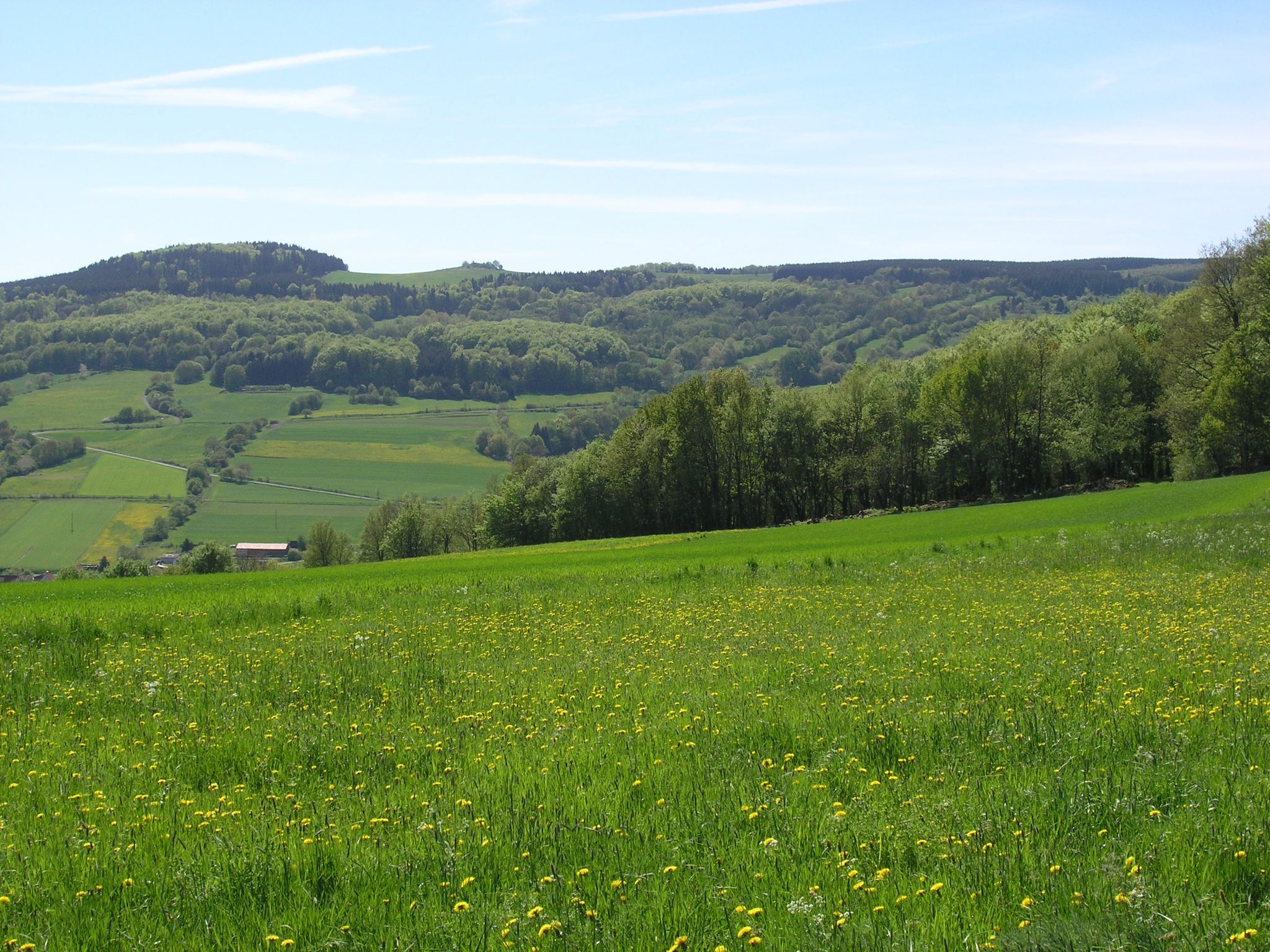
Extra tours South - Excellent premium hiking trails of the Rhön
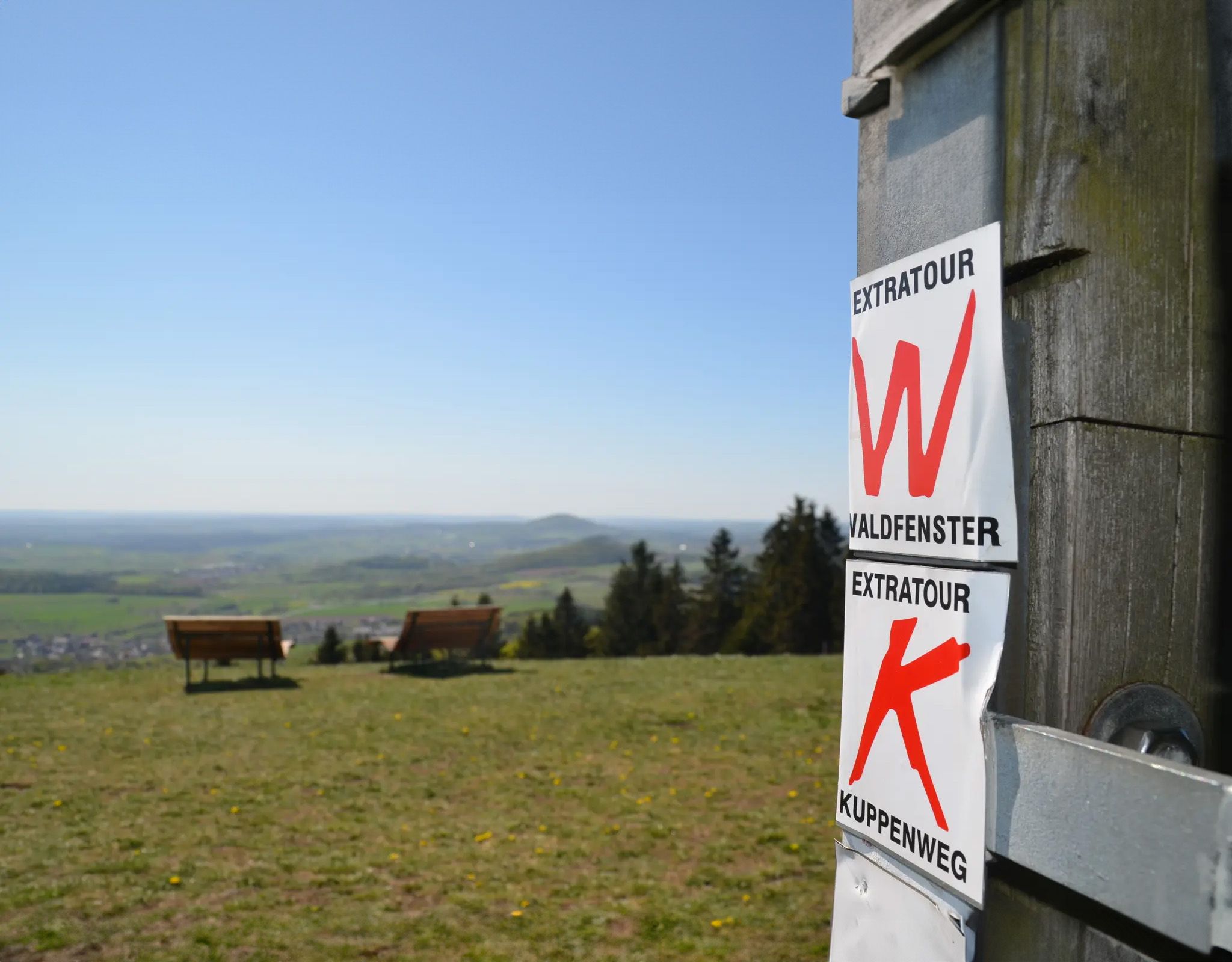
Hiking in the Rhön Mountains where nature and history combine
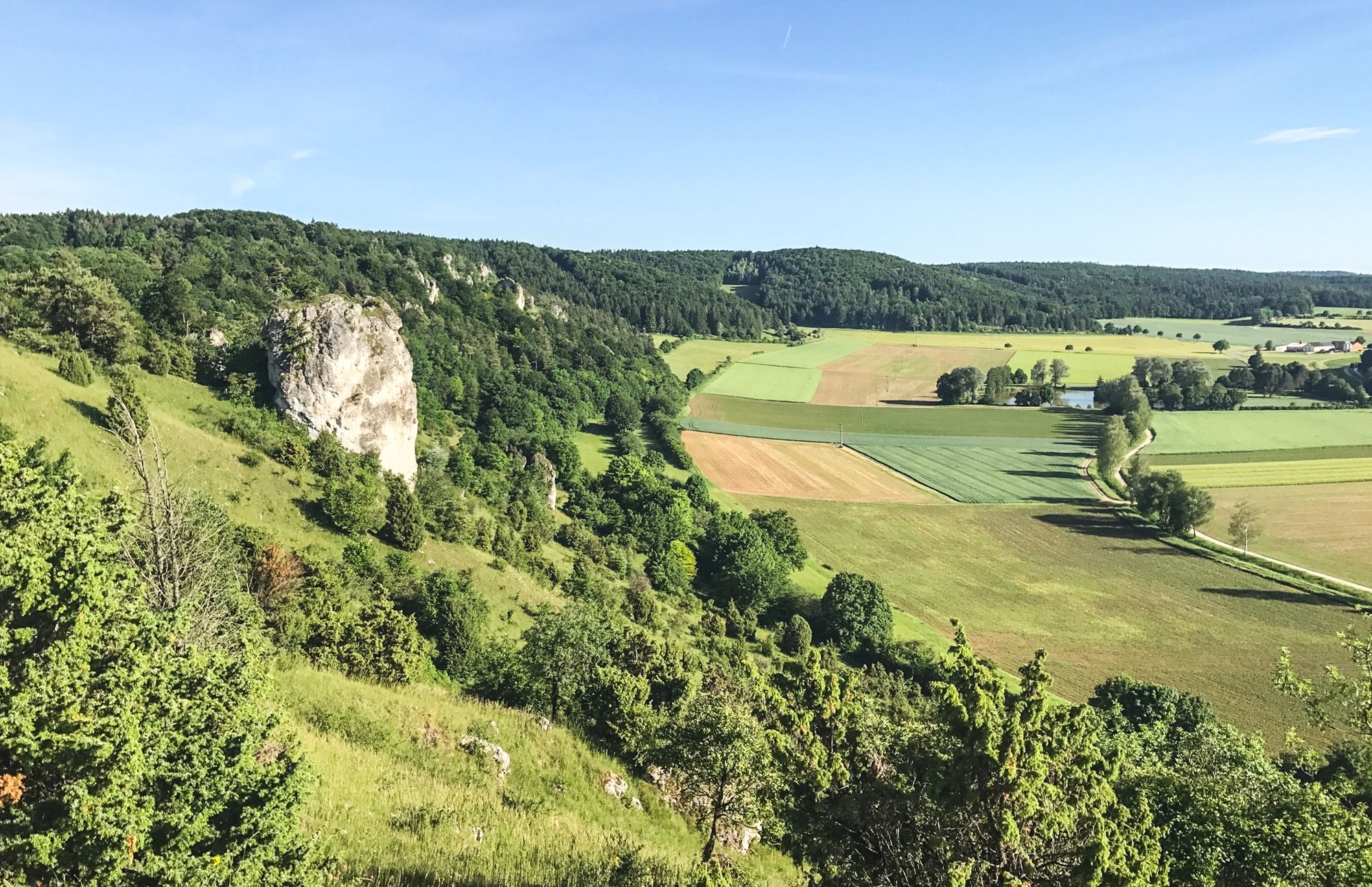
Between Altmühltal & Spruce Mountains – hiking in Franconia
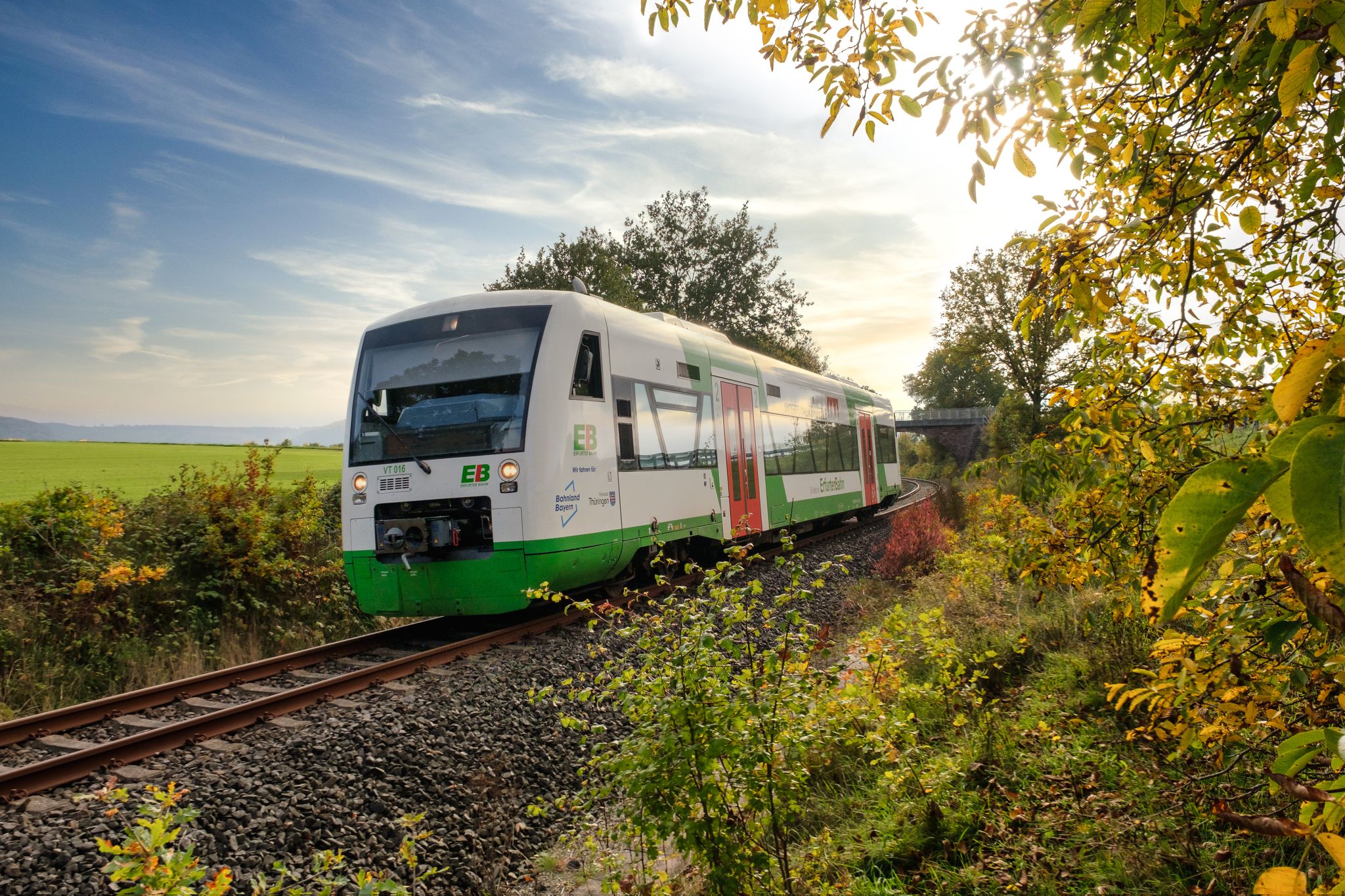
Unterfrankens Weinland erwandern – mit der Erfurter Bahn
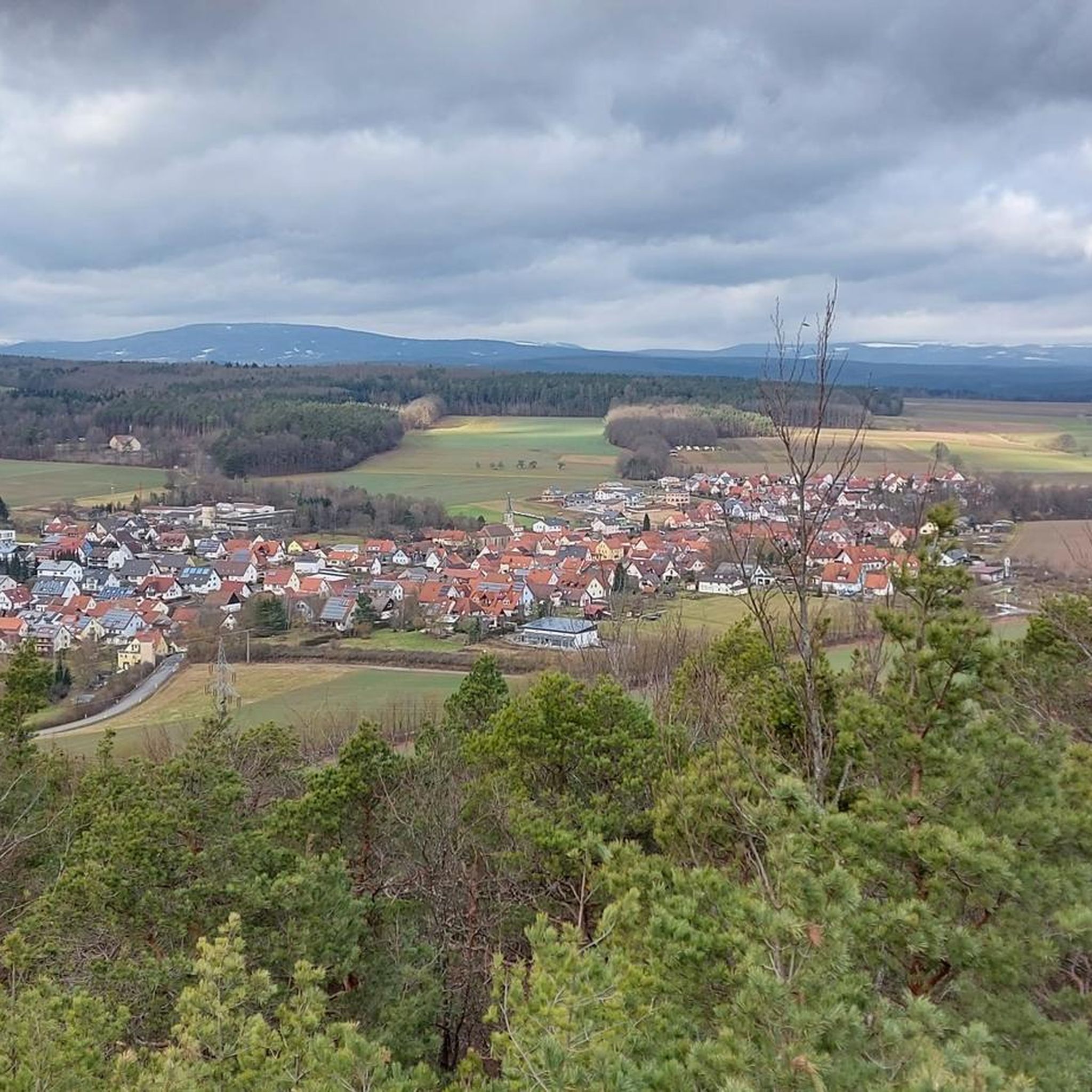
Hiking around Münnerstadt
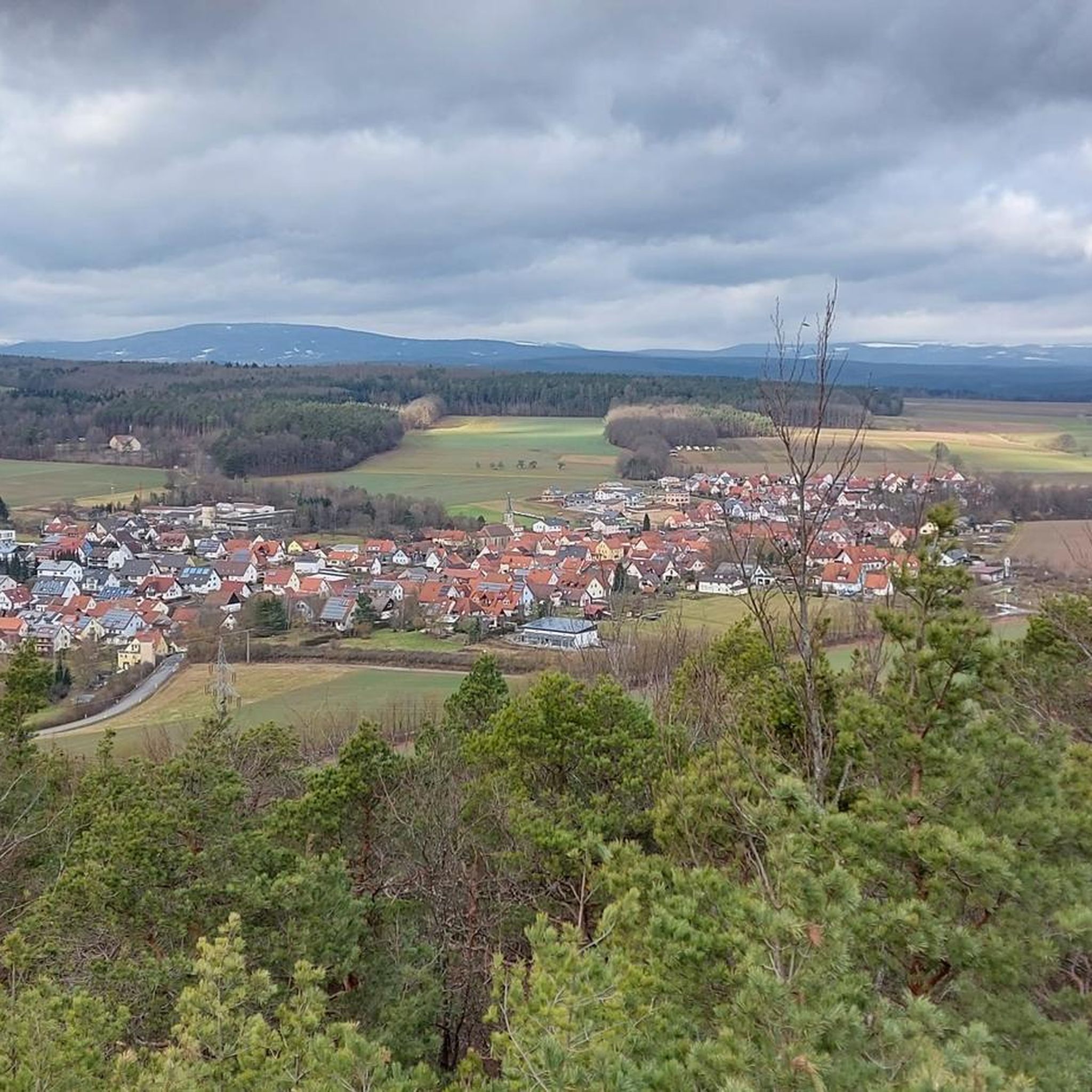
Cycling around Münnerstadt
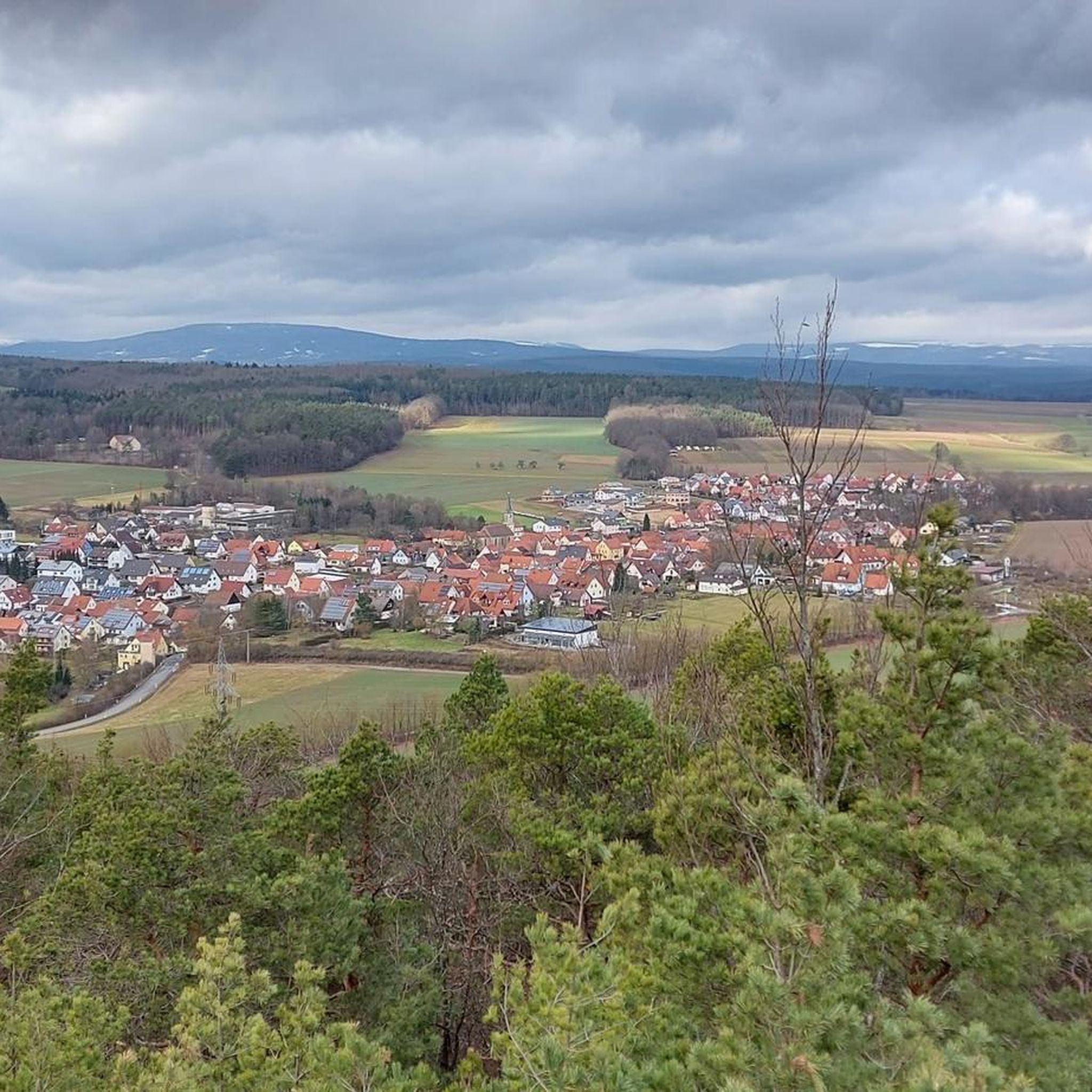
MTB Trails around Münnerstadt
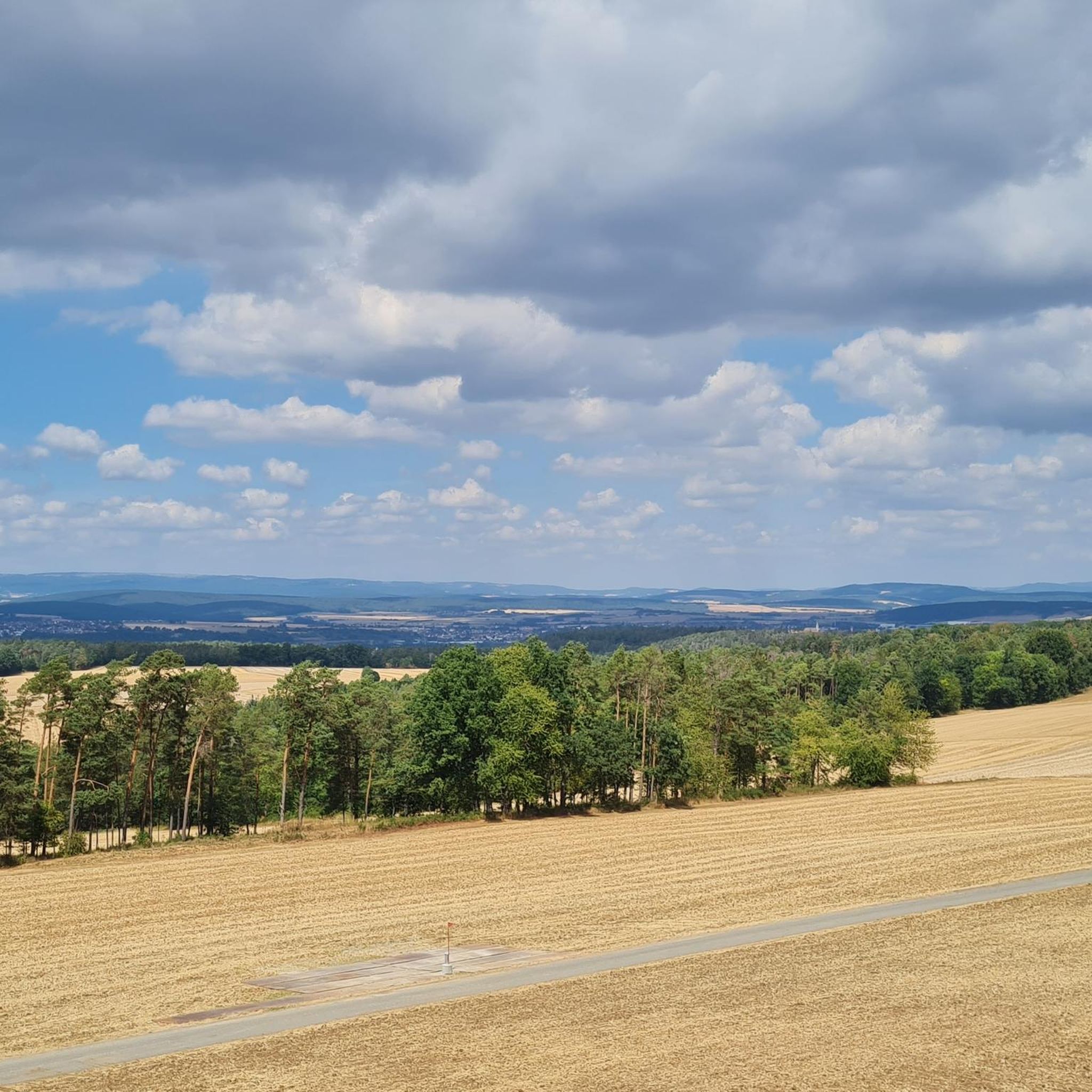
Running Trails around Münnerstadt
Gravel biking around Münnerstadt
Other adventures around Münnerstadt


Tips from the Community

beautiful cycle path along the Saale
0
0

The bridge is located in the Saalewiesen, a natural landscape that acts as a fresh air corridor for Bad Neustadt and Salz.
0
0

Roman Catholic Parish Church of the Nativity of Mary - Before the establishment of the parish, Hambach was likely a branch of Maibach. Prince-Bishop Julius Echter von Mespelbrunn had the chancel tower of the church built around 1600 on Romanesque foundations. The nave, originally built with two window bays, was constructed in 1734 and extended by two more window bays in 1928. Two side wings were added between 1988 and 1990. The nave is oriented towards the eastern chancel in the lower level of the church tower. The church tower is built in the Echter style. The walls of the nave are pierced to create transitions to the northern and southern side wings. The church furnishings are Baroque, dating from the time the nave was built. The central figure of the high altar, which, like the side altars, has two columns, is a gilded Madonna and Child. The pulpit depicts the four Evangelists. Next to it, a crucifix from 1952. Wikipedia
0
0

The Franconian Saale River flows right through Bad Neustadt and shapes the expansive meadow landscapes surrounding the town. From the bridge, there is a beautiful view of the river and the surrounding Saale meadows.
0
0

From here you have a beautiful view of Königsberg Castle.
2
0
The Ruppelmühle is particularly well-known; it is housed in a brick building dating from 1900 and generates 90 kW of electricity through two turbines, primarily for the attached milling operation, where approximately 20 tons of grain are milled daily. (Wikipedia)
0
0

A beautiful bike path without bumps or potholes. With a nice rest area and even bike racks.
0
0
A great bike path in beautiful scenery. No bumps, no potholes, etc. Riding away from traffic is really fun, and you can even pick up some speed. Simply fantastic!
0
0
Frequently Asked Questions
How many road cycling routes are available around Münnerstadt?
There are over 20 road cycling routes around Münnerstadt, catering to various skill levels and preferences. These routes explore the diverse landscapes of the Rhön foothills and river valleys.
What are the difficulty levels of road cycling routes in Münnerstadt?
The road cycling routes around Münnerstadt offer a range of difficulties. You'll find 7 easy routes, 13 moderate routes, and 5 challenging routes, ensuring options for beginners and experienced cyclists alike.
Are there any easy road cycling routes suitable for beginners?
Yes, there are several easy road cycling routes. For a relatively flat ride through river valleys and meadows, consider the Salz Lime Tree – Arch Bridge at the Saale Meadows loop from Münnerstadt, which is just under 20 km long. Another easy option is the Saale Weir in Unterebersbach – Steinach an der Saale loop from Burglauer, offering a pleasant 27 km ride with minimal elevation gain.
What kind of landscapes can I expect on road cycling routes around Münnerstadt?
Road cycling around Münnerstadt offers a diverse landscape. You'll encounter rolling hills, dense forests, and picturesque river valleys like the Rannunger Tal and Lauertal. The region is situated at the foot of the Rhön Mountains, providing scenic backdrops, and many routes follow the serene Franconian Saale River or its tributaries.
Are there any scenic viewpoints or landmarks to see along the routes?
Yes, many routes offer scenic views and pass by interesting landmarks. You can explore the picturesque old town of Münnerstadt, or cycle past historic sites such as the Mariaburghausen Monastery. The region also features natural highlights like the Franconian Saale in Bad Kissingen and the rose garden in Bad Kissingen, which are often accessible from cycling paths.
What is the best time of year for road cycling in Münnerstadt?
The best time for road cycling in Münnerstadt is typically spring and autumn. During these seasons, the temperatures are mild and the weather is generally stable, creating ideal conditions for exploring the region's diverse routes. Summer also offers good cycling, though it can be warmer.
Are there any circular road cycling routes available?
Yes, many of the road cycling routes around Münnerstadt are designed as loops. For example, the challenging Maria Bildhausen Monastery – Historic centre of Fladungen loop from Seubrigshausen covers over 100 km, while the moderate Thundorf Moated Castle – Cycle Path Pfändhausen–Hambach loop from Münnerstadt is a 69 km circular path.
Where can I park my car when starting a road cycling tour in Münnerstadt?
Münnerstadt offers various parking options for cyclists. You can often find parking facilities in the town center or at designated starting points for popular routes. It's advisable to check local signage for specific parking regulations and availability.
Is it possible to reach Münnerstadt by public transport with a bike?
Yes, it is generally possible to reach Münnerstadt by public transport, and many regional trains and buses in Bavaria allow for bike transport, often with a special ticket. It's recommended to check the specific public transport provider's rules and schedules regarding bicycle carriage before your journey.
Are there family-friendly road cycling options in the area?
For families, the flatter sections of routes like the Franconian Saale Cycle Path or the Lauer Cycle Path are excellent choices. These paths often follow riverbanks, providing gentle terrain and scenic views, making them suitable for cyclists of all ages. The Salz Lime Tree – Arch Bridge at the Saale Meadows loop from Münnerstadt is also a shorter, easy option.
What do other cyclists say about road cycling in Münnerstadt?
The road cycling routes in Münnerstadt are highly rated by the komoot community, with an average score of 4.4 stars from over 15 reviews. Cyclists often praise the varied terrain, from flat riverside paths to challenging climbs in the Rhön foothills, and the beautiful natural scenery.
Are there any challenging routes for experienced road cyclists?
Experienced road cyclists will find challenging routes with significant elevation gain, particularly in the Rhön foothills. The Maria Bildhausen Monastery – Historic centre of Fladungen loop from Seubrigshausen is a difficult 104 km route with over 1200 meters of elevation gain, perfect for those seeking a demanding ride.
Can I find places to eat or stay near the cycling routes?
Münnerstadt and the surrounding towns offer various options for refreshments and accommodation. You'll find cafes, pubs, and restaurants in the historic town centers, as well as guesthouses and hotels suitable for cyclists. Many establishments are accustomed to catering to outdoor enthusiasts.
Are dogs allowed on road cycling trails around Münnerstadt?
While many outdoor areas in Germany are dog-friendly, specific rules can vary, especially within nature parks or on certain designated paths. Generally, dogs on a leash are permitted on most public cycling paths. However, it's always best to check local regulations, particularly in the Bavarian Rhön Nature Park, to ensure a pleasant experience for both you and your pet.
Which routes offer views of historic castles or monasteries?
Several routes provide opportunities to see historic sites. The Thundorf Moated Castle – Cycle Path Pfändhausen–Hambach loop from Münnerstadt offers views of historic landmarks. Additionally, the Königsberg–Hofheim Cycle Path – Königsberg Castle loop from Münnerstadt passes by impressive castles and offers a glimpse into the region's rich history.
Most popular routes around Münnerstadt
Most popular attractions around Münnerstadt

Get inspired with the komoot mobile app


Explore more
Browse the best Road cycling routes in other regions.
