The best MTB trails around the Mures
4.8
(21)
127
riders
13
rides
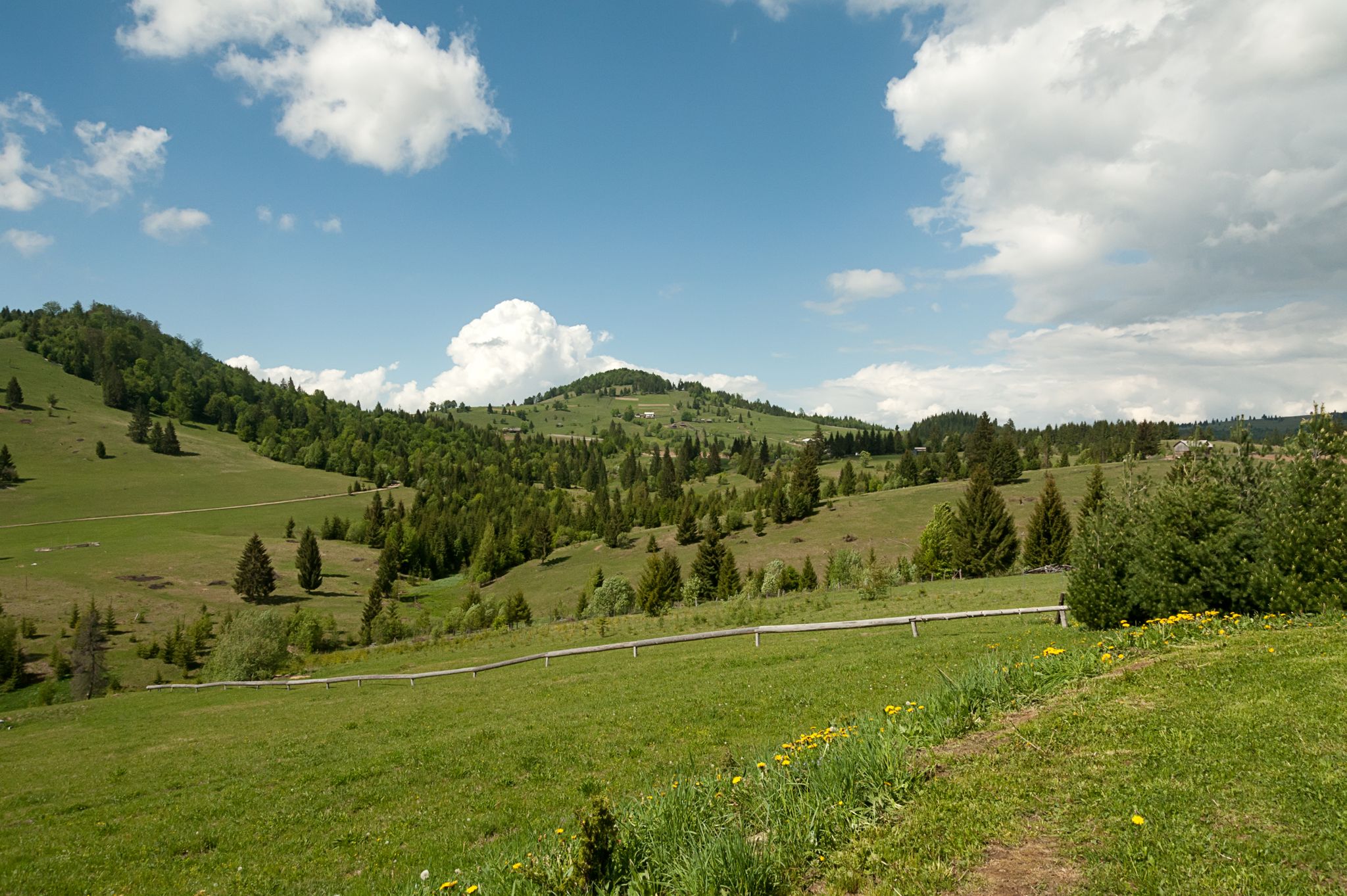
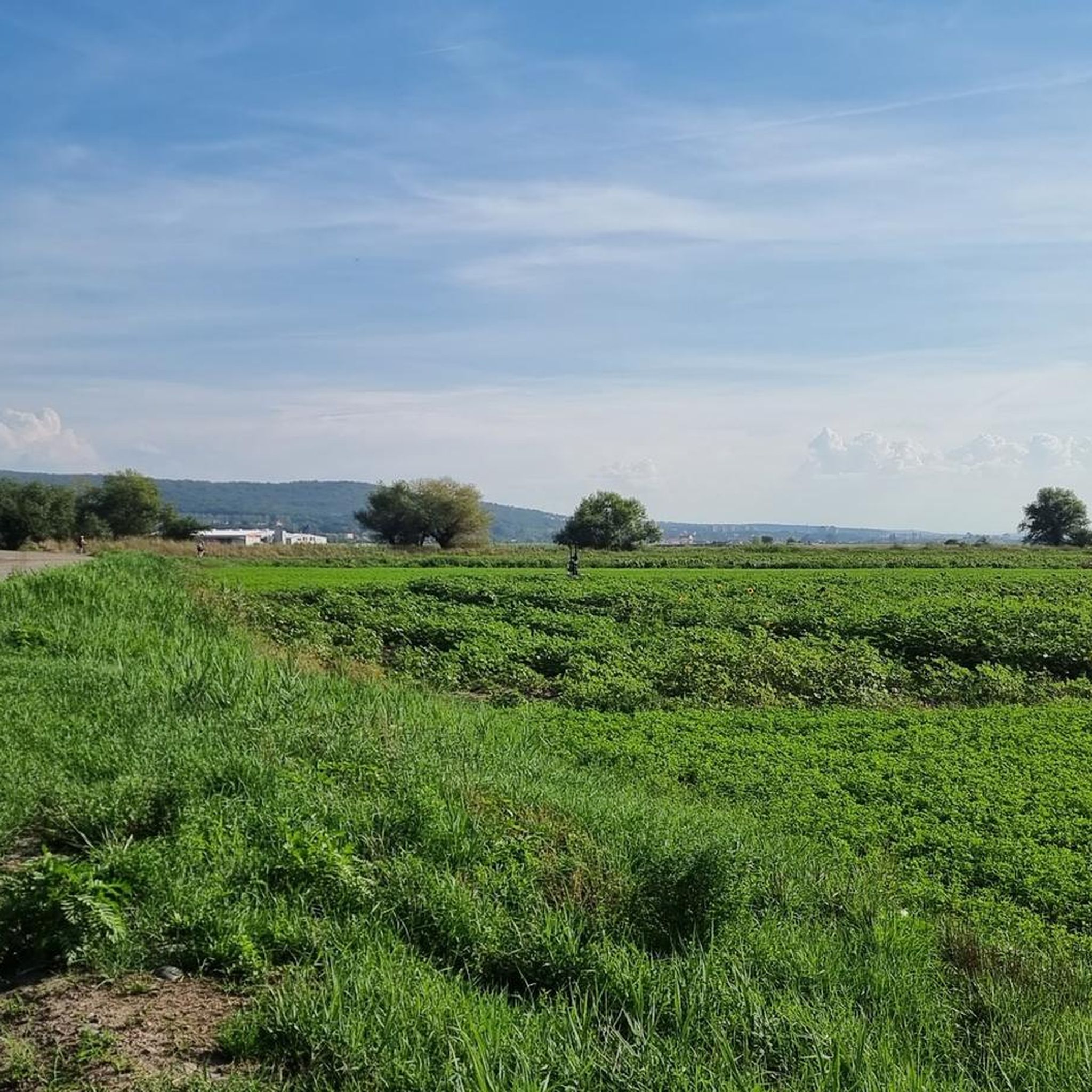
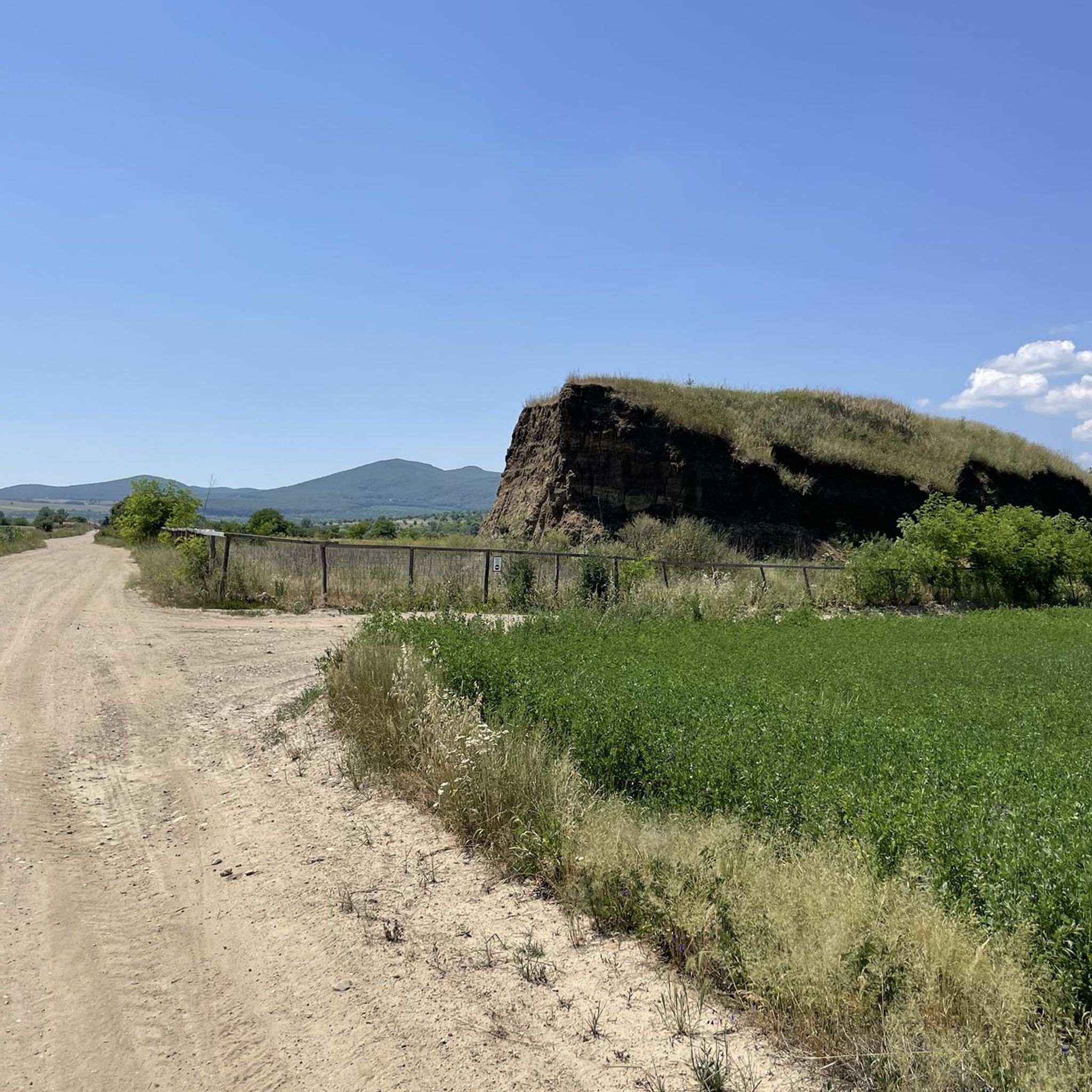
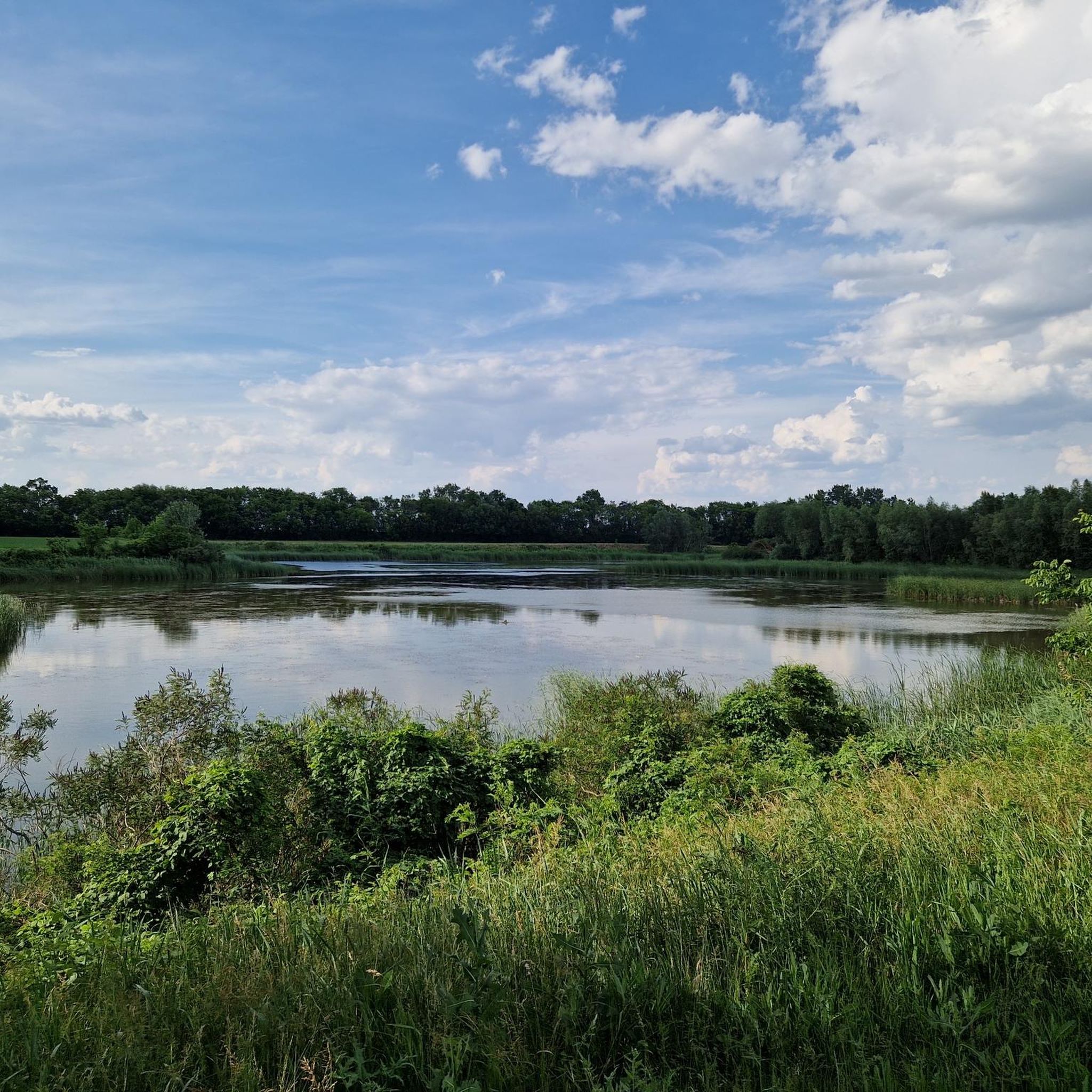
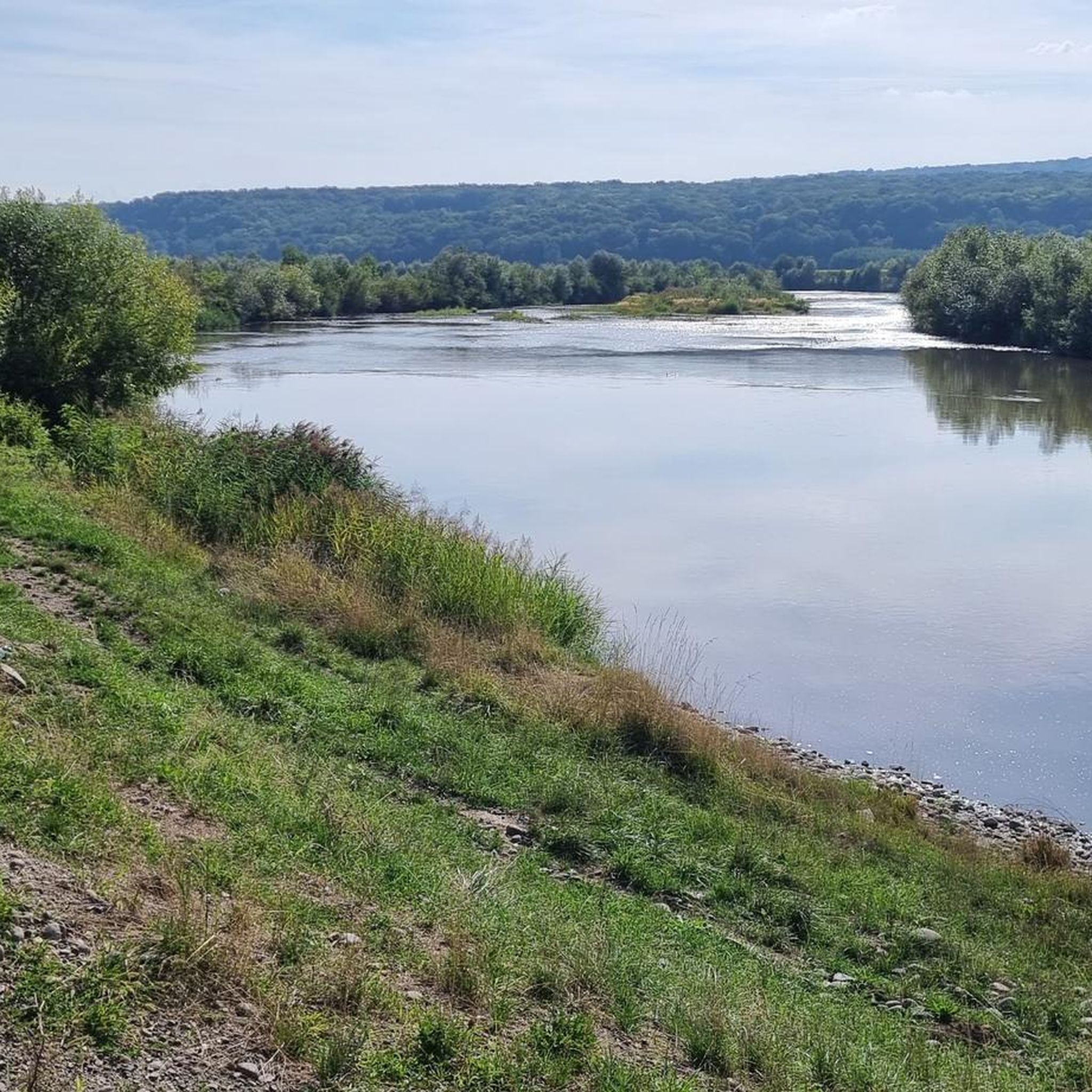
Mountain biking around the Mures offers diverse terrain across rolling hills, dense forests, and river valleys. The region features the volcanic relief of the Călimani Mountains transitioning into the gentler Transylvanian Plateau, providing varied landscapes for exploration. The Mureș River carves picturesque gorges, particularly in the Upper Mureș Valley Natural Park, which is rich in flora and fauna. This combination of geographical features makes Mures a compelling destination for mountain bike trails.
Best mountain bike trails around the Mures
- The…
Last updated: July 3, 2026
43
riders
38.2km
03:58
1,090m
1,090m
Hard mountain bike ride. Very good fitness required. Advanced riding skills necessary.
4.0
(3)
15
riders
49.2km
04:09
600m
600m
Moderate mountain bike ride. Good fitness required. Suitable for all skill levels.

Sign up for free
19
riders
60.3km
05:22
1,190m
1,190m
Hard mountain bike ride. Very good fitness required. Advanced riding skills necessary.
4.7
(10)
14
riders
19.5km
01:45
510m
510m
Moderate mountain bike ride. Good fitness required. Suitable for all skill levels.
5.0
(1)
7
riders
23.1km
01:33
50m
50m
Easy mountain bike ride. Great for any fitness level. Suitable for all skill levels.
3
riders
39.2km
03:18
610m
610m
Moderate mountain bike ride. Good fitness required. Suitable for all skill levels.
4.5
(2)
7
riders
16.4km
01:41
530m
530m
Moderate mountain bike ride. Good fitness required. Suitable for all skill levels.
3
riders
33.5km
02:58
660m
660m
Moderate mountain bike ride. Good fitness required. Suitable for all skill levels.
5.0
(2)
3
riders
37.9km
02:06
250m
250m
Moderate mountain bike ride. Good fitness required. Suitable for all skill levels.
2
riders
69.1km
04:36
880m
880m
Moderate mountain bike ride. Good fitness required. Advanced riding skills necessary.
Get access to more routes and recommendations from other explorers.
Sign up for free
Already have an account?
Our route recommendations are based on thousands of hikes, rides, and runs completed by other people on komoot.
Start today with a free account
Your next adventure awaits.
Login or Signup
Other adventures around the Mures

Tips from the Community

The Via Principalis was the main road connecting the two main gates of the ancient Roman castrum of Apulum, to the north and south. The road ran in front of the "Principia" of the Roman fort, the headquarters of the 13th Gemina Legion. Carts transporting salt, oil, wine, and military equipment for the camp's inhabitants drove along the stone-paved road. The remains of the road, along which the Roman soldiers walked, were uncovered during the fort's renovation. The Roman-era slabs can be seen here, as well as the masonry canal beneath the road's longitudinal axis, which was intended to ensure its drainage.
8
0
The National Museum of the Union (Muzeul Național al Unirii) is housed in Alba Iulia's largest Romantic-style building, built between 1851 and 1853. It once housed the Habsburg army in the citadel. Its residents were recruited from across the Habsburg Empire, and it was said that "all the languages of the world" were spoken here. Hence, locals called the building the "Babylon Building." With its thick walls and over 100 rooms, it resembles a fortress within a fortress. After the union of 1918, the Romanian army moved in. It wasn't until November 28, 1968, that the National Museum of the Union opened in the building, one of Romania's most famous museums, both culturally and scientifically.
9
1

Originally built by Saxon settlers, it houses, among other churches, a Saxon Lutheran church and a Hungarian Reformed church.
0
0

Beautiful and quiet place for mountain biking and hiking.
2
0

Rectangular, with a gate on each side and main roads connecting the gates on opposite sides. This is how a Roman Castrum Apulum was planned by the engineers and architects of the Roman Empire almost two millennia ago. In Alba Iulia, a section of the Via Principalis can be seen. It was the road that connected the main gates of the castrum, the southern and the northern. The Via Principalis passed by the "Principia" of the Roman castrum, the headquarters of the 13th Legion, Gemina. Part of the 1800-year-old building can be seen in the Principia Museum. On the stone-paved road, carts carrying salt, oil, wine, or even military equipment needed by the inhabitants of the castrum passed by daily. The remains of the road, once trodden by Roman soldiers, were unearthed during the restoration of the Alba Iulia Citadel. ... The central section of the road was flanked by two rows of stone slabs with carved edges, designed to prevent the carts that supplied the military camp with food and equipment from slipping. The restoration team also highlighted sections of the side channels built by the Romans to ensure rainwater drainage, as well as some of the columns of the portico, the covered gallery that protected the road on both sides. Source: https://albaiuliaqr.ro/via-principalis
2
0
The museum has two buildings with historical monument value. The “Babilon” building was built between 1851 and 1853 in the spirit of romantic architecture. It was used as a living pavilion for officers and was converted into a museum room in 1967–1968. The Sala Unirii was built between 1898 and 1900 and was originally intended as a military casino. It was restored in 1922 and between 1967 and 1968. The union of Transylvania with Romania was voted on in this building. The museum in Alba Iulia was inaugurated in 1888 on the initiative of the Society for History, Archeology and Natural Sciences of the Lower Alba District under the direction of the renowned archaeologist Adalbert Cserny (1842 - 1916). In 1929 it was organized as the Unirii Museum under the auspices of ASTRA. Valuable pieces of modern Romanian history have been added to the rich archaeological collections. ... Source: Wikipedia
3
0

In Gurghiu, you have many must-see attractions to discover. In addition to the charming village, there is a botanical garden to the south of the town which ensures the protection of daffodils and certain species of tulips. There is also the baroque Rákóczi-Bornemisza Castle to visit. Finally overlooking the village, at the top of a wooded hill are the remains of the Gurghiu fortress. It was destroyed during the siege of 1708, led by the French military commander Jean-Louis de Bussy-Rabutin allied with the Habsburgs. Only a Roman Catholic chapel remains, rebuilt in 1887.
1
0
At the foot of Gurghiu Citadel Hill is Rákóczi-Bornemisza Castle. It was built during the reign of Prince George Rákóczi between 1630 and 1646. The latter wanted a residence in the Gurghiului mountains. His love for hunting determined this choice. In 1717, the castle became the property of Vice-Chancellor Ioan Bornemisza. His descendants occupied the residence for 100 years. After the suicide of Rudolf of Habsburg in 1883, the castle returned to the State. The location was then used as a forestry school for a period, then became a hunting museum, in which Sámuel Teleki's trophies are also displayed. New buildings were added over the centuries, including a chapel, a mill and finally a glass and porcelain factory at the end of the 19th century. Now the castle is included in the list of national monuments of national interest protected by law. It is visited because of its unique character and its anchoring in the history of the region. It also hosts events, such as the Gurghiu Girls' Fair and the Ibanești Valley of the Kings Festival.
1
0
Frequently Asked Questions
How many mountain bike trails are available in the Mureș region?
The Mureș region offers a diverse selection of mountain bike trails, with around 13 routes currently available on komoot. These range from easy riverside paths to challenging mountain ascents.
What is the best time of year for mountain biking in Mureș?
The ideal time for mountain biking in Mureș is from late spring to early fall. During these months, the weather is generally mild and dry, providing optimal conditions for exploring the varied terrain and enjoying the scenic landscapes.
Are there any easy mountain bike trails suitable for beginners or families?
Yes, Mureș has options for less experienced riders. The region offers trails with gentle terrain, such as the Insula Măltăreț – Cetatea Ceala loop from Arad, which is an easy 23 km route through riverine landscapes. The Cetatea Trascăului Trail is also noted for its easy terrain and beautiful vistas, and routes like 'Scaunul Domnului' in Târgu-Mureș are beginner-friendly.
Where can I find challenging mountain bike routes in Mureș?
For experienced mountain bikers seeking a challenge, Mureș offers several difficult routes. The Trascău Mountain Trails – Aiud Citadel loop from Aiud is a difficult 60.3 km path with significant elevation gain and technical segments. Other advanced options include the Piatra Secuiului Trail, and routes around Roșia Montană like 'Turul Taurilor (C3 MTB)' which feature technical forest segments.
What kind of terrain can I expect on mountain bike trails in Mureș?
Mountain biking in Mureș features a rich variety of terrain. You'll encounter rolling hills, dense forests, and rocky outcrops, especially in the Călimani Mountains. Trails can range from gentle paths along the Mureș River to more technical segments through volcanic landscapes and the Transylvanian Plateau.
Are there any circular mountain bike routes in the Mureș area?
Many of the mountain bike trails in Mureș are designed as loops, offering convenient circular routes. Examples include the Valea Ceşa loop from Halta Conop, a moderate 49.2 km trail, and the Mamut loop from Alba Iulia, a moderate 16.4 km route. The Rimetea Loop Trail is also a popular intermediate circular option.
What are some notable natural attractions or points of interest along the trails?
The Mureș region is rich in natural beauty. The Mureș River carves picturesque gorges, especially within the Upper Mureș Valley Natural Park, which is home to diverse flora and protected birdlife. You might also encounter unique features like salty lakes and molded caves. For specific highlights, consider visiting the Șoimoș Fortress Ruins or the Franciscan Monastery Radna.
What do other mountain bikers say about the trails in Mureș?
The mountain bike trails in Mureș are highly regarded by the komoot community, with an average rating of 4.9 stars from over 18 reviews. Riders often praise the diverse landscapes, from river valleys to challenging mountain terrain, and the well-maintained paths that offer varied experiences.
Are there any historical sites or cultural landmarks near the mountain biking routes?
Yes, Mureș offers a blend of natural and cultural attractions. You can explore historic towns like Târgu-Mureș and Sighișoara, or visit fortified churches such as the Saschiz Fortified Church and Viscri Fortified Church (a UNESCO World Heritage Site). The Holy Trinity Cathedral Arad and the New Synagogue are also notable religious buildings in the vicinity.
Are there opportunities for other outdoor activities in the Mureș region besides mountain biking?
Absolutely. Mureș is a hub for outdoor enthusiasts. Beyond biking, you can enjoy hiking on marked paths throughout the region, particularly in the Upper Mureș Valley Natural Park. The Mureș River is suitable for rafting and kayaking, and in winter, the Călimani Mountains offer ski touring. The region also features resorts like Sovata, known for its salty lakes.
What is the typical duration and distance for mountain bike trails in Mureș?
Trail durations and distances vary significantly to suit different preferences and skill levels. For example, the easy Insula Măltăreț – Cetatea Ceala loop from Arad is about 23 km and takes around 1 hour 32 minutes. Moderate routes like the Cioacă Bulvan – Valea Conopului loop from Halta Conop cover about 33.8 km in roughly 3 hours. More difficult trails, such as the National Museum of the Union loop from Alba Iulia, can be around 38.2 km and take over 3 hours 50 minutes.
Most popular routes around the Mures
Most popular attractions around the Mures

Get inspired with the komoot mobile app


Explore more
Browse the best MTB trails in other regions.
