The best road cycling routes in Mureș
4.7
(19)
285
riders
25
rides
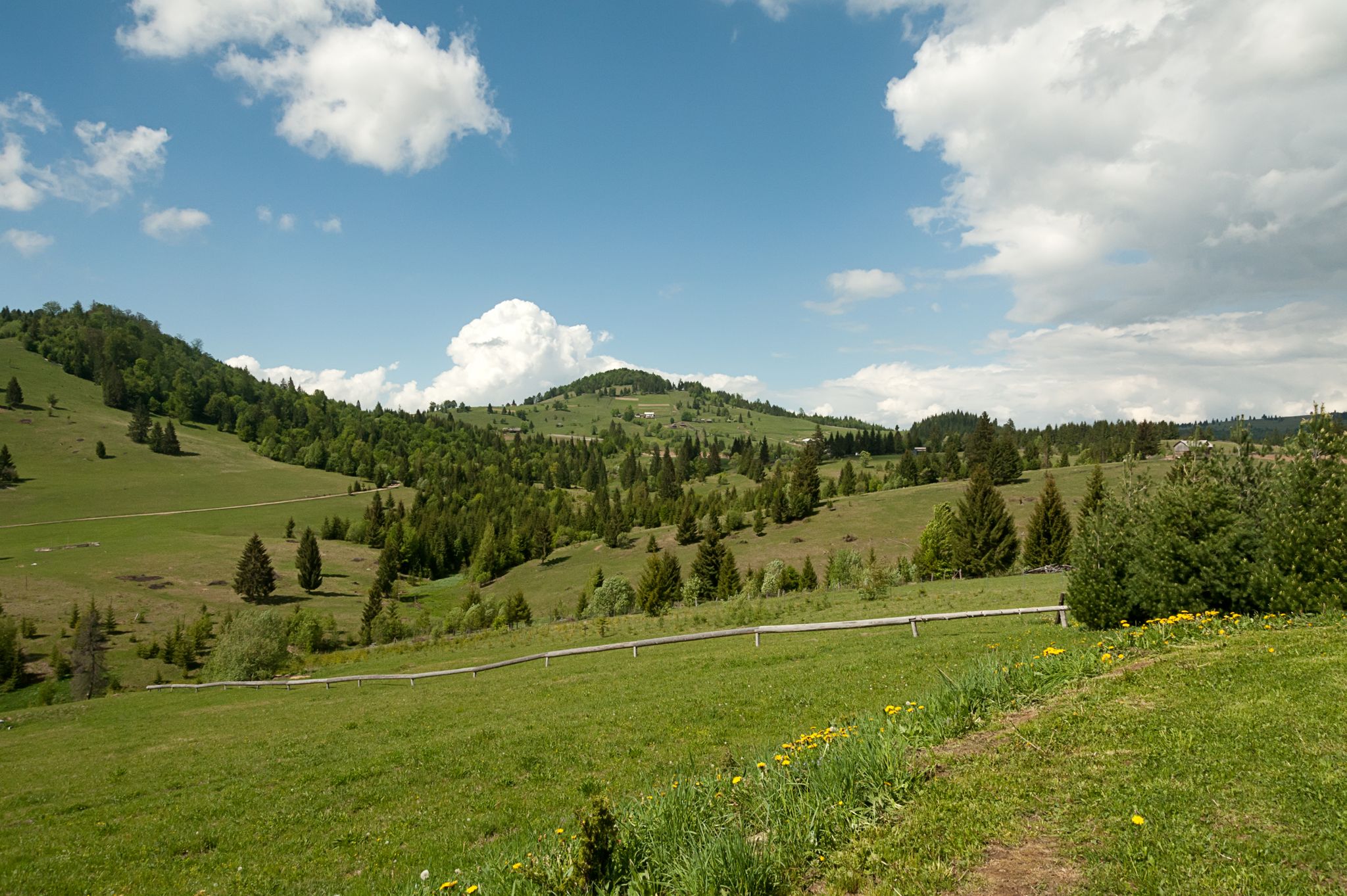
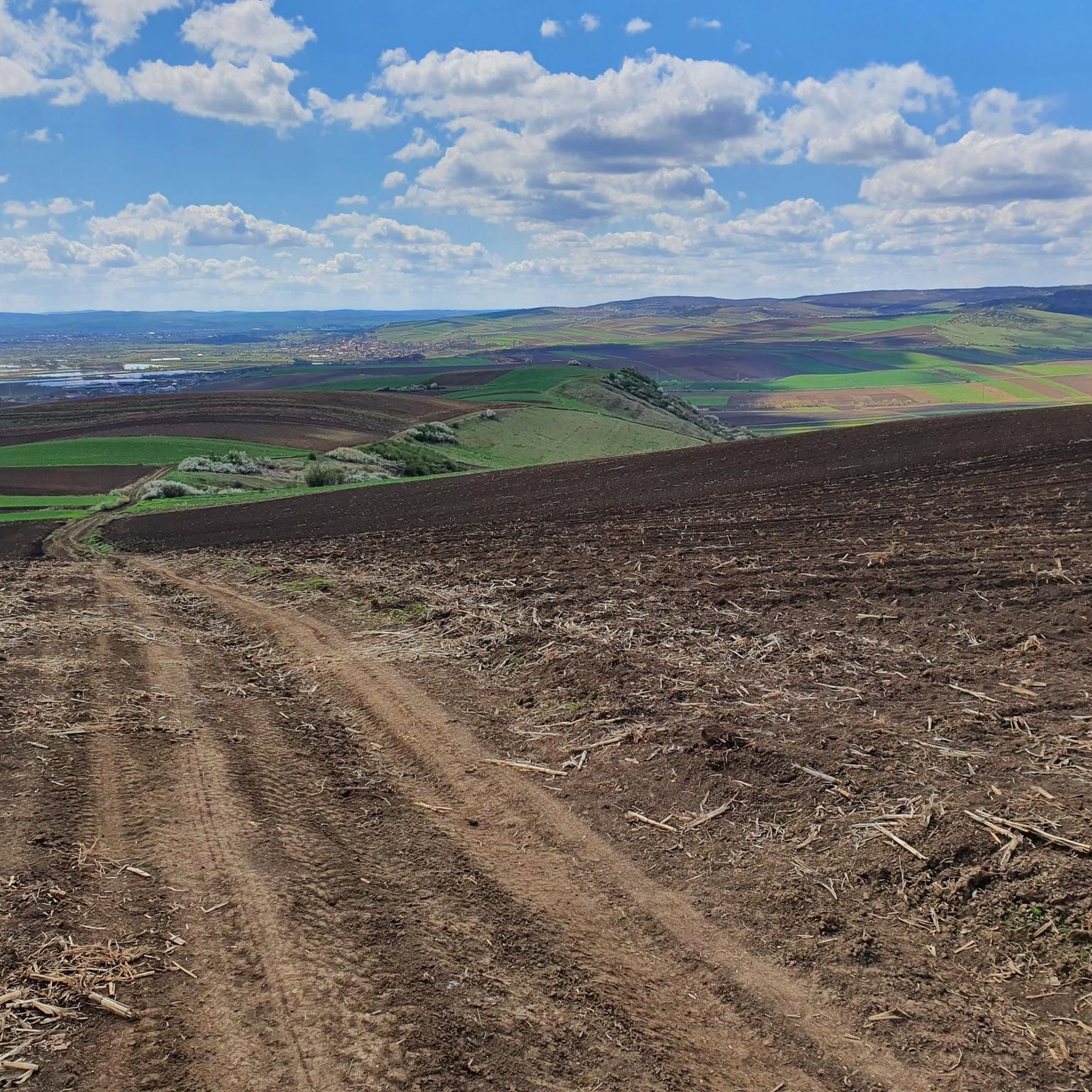
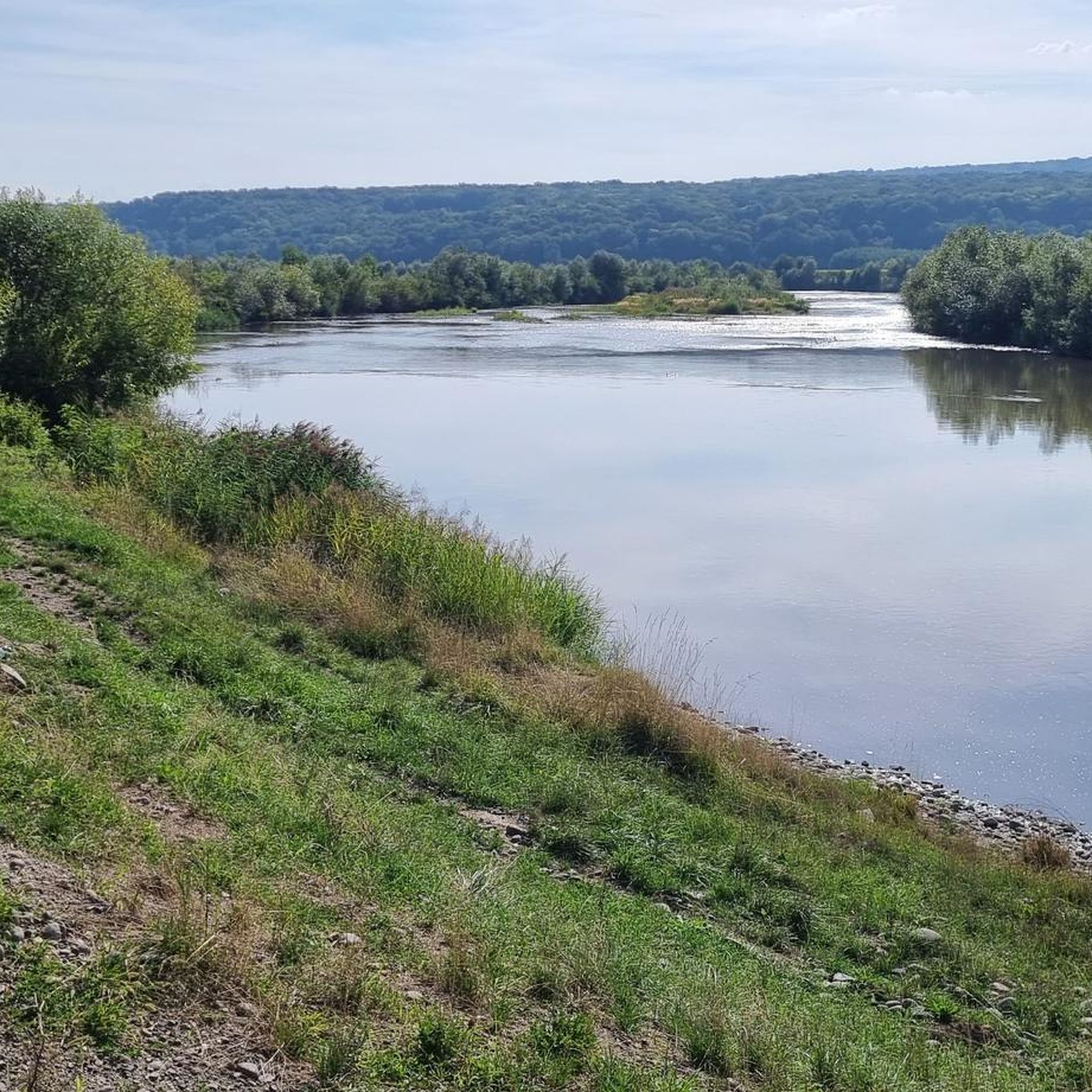
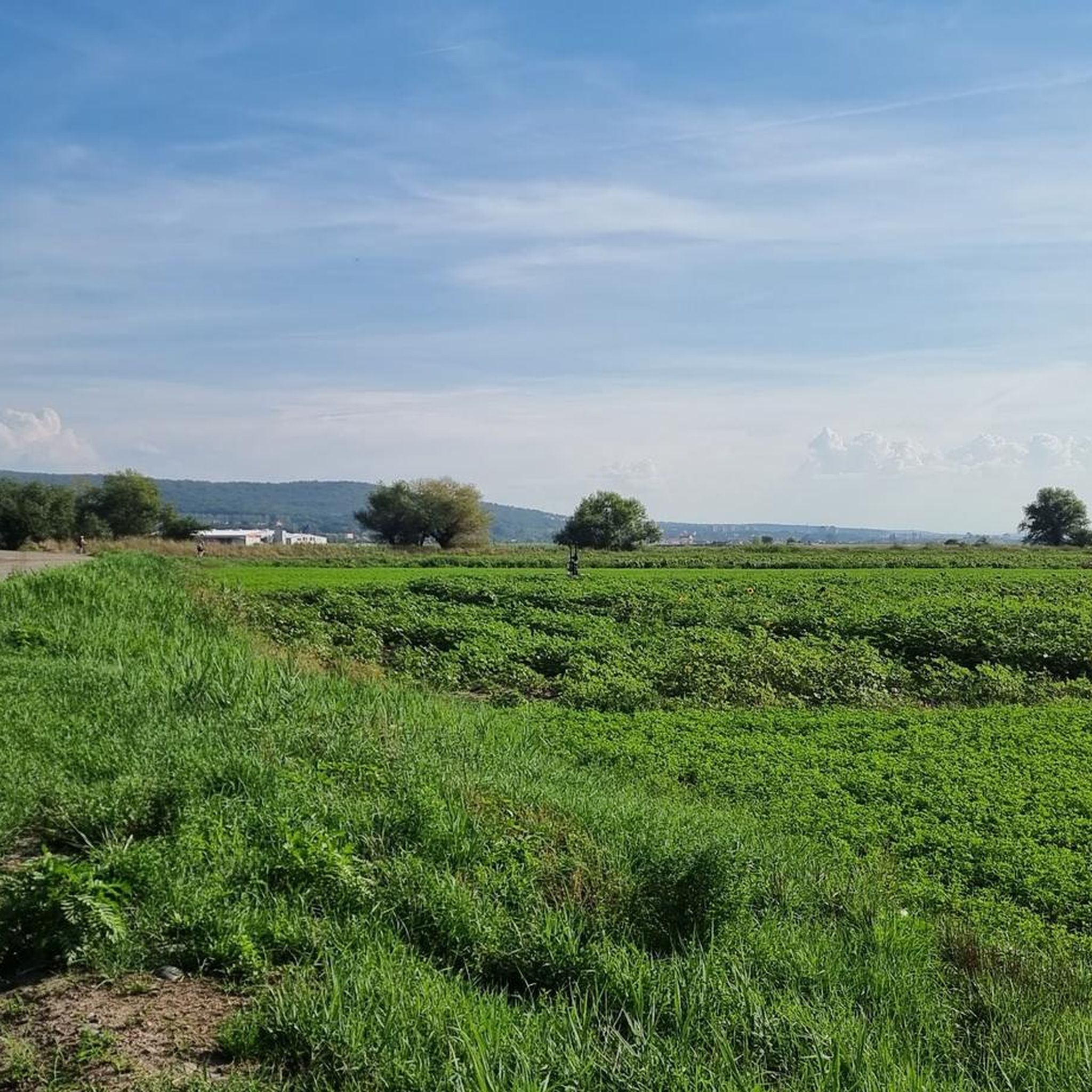
Road cycling in Mureș County, Romania, offers diverse landscapes ranging from smooth hills to more challenging mountainous terrain. The region is characterized by rolling hills of the Saxon Land, river valleys like the Mureș River, and the foothills of the Călimani and Gurghiului Mountains. Cyclists can explore routes through historic villages and past significant cultural landmarks. This varied topography provides a wide array of road cycling experiences.
Best road cycling routes in Mureș
- The most popular road cycling route is…
Last updated: July 3, 2026
5.0
(2)
39
riders
62.6km
02:50
480m
480m
Moderate road ride. Good fitness required. Some segments of this route may be unpaved and difficult to ride.
9
riders
70.6km
03:09
660m
660m
Moderate road ride. Good fitness required. Mostly well-paved surfaces and easy to ride.

Sign up for free
5.0
(2)
10
riders
69.0km
03:11
620m
620m
Moderate road ride. Good fitness required. Some segments of this route may be unpaved and difficult to ride.
8
riders
109km
04:36
790m
790m
Moderate road ride. Good fitness required. Some segments of this route may be unpaved and difficult to ride.
8
riders
74.1km
03:07
510m
510m
Moderate road ride. Good fitness required. Mostly well-paved surfaces and easy to ride.
5
riders
108km
04:31
670m
670m
Moderate road ride. Good fitness required. Mostly well-paved surfaces and easy to ride.
5.0
(1)
6
riders
59.9km
02:31
410m
410m
Moderate road ride. Good fitness required. Mostly well-paved surfaces and easy to ride.
6
riders
44.0km
01:56
310m
310m
Moderate road ride. Good fitness required. Mostly well-paved surfaces and easy to ride.
5
riders
112km
04:55
770m
770m
Moderate road ride. Good fitness required. Some segments of this route may be unpaved and difficult to ride.
9
riders
61.3km
02:58
920m
920m
Hard road ride. Very good fitness required. Mostly well-paved surfaces and easy to ride.
Get access to more routes and recommendations from other explorers.
Sign up for free
Already have an account?
Our route recommendations are based on thousands of hikes, rides, and runs completed by other people on komoot.
Start today with a free account
Your next adventure awaits.
Login or Signup

Other adventures in Mureș

Tips from the Community

The Clock Tower is the undisputed landmark and proud face of Sighișoara. It is a mechanical marvel that has set the city's rhythm since the 14th century. I cannot confirm if the mechanics still work. But once it was like this: precisely at midnight, a new figure was pushed forward every day.
0
0

The Palace of Culture and Science was built between 1911 and 1913 according to a design by Marcell Komor and Dezső Jakab from Budapest. It is considered a significant example of the Hungarian Art Nouveau movement. The concert hall on the ground floor seats 800 people. The third floor houses the Museum of Fine Arts, which houses more than 1,000 works of art. The Palace of Culture and Science library contains more than 1,000 volumes.
6
0
The Orthodox Cathedral, dedicated to the "Ascension of the Lord" (Catedrala "Înălțarea Domnului"), is the largest religious building in Târgu Mureș. It was built between 1925 and 1934 according to the plans of the Timișoara architect Victor Vlad in the shape of a Greek cross. The cathedral was consecrated on December 2, 1934. On the walls of the narthex are images of the 17th-century Metropolitan Saints of Transylvania, Ilie Iorest and Sava Brancovici, framed by twelve medallions depicting Transylvania's most important Orthodox churches. The central dome features a stained-glass window depicting Christ blessing the Virgin. The altar features a twelve-meter-high mosaic depicting the Virgin Mary with the Christ Child.
9
0
The Clock Tower (Turnul cu ceas) on the east side of the castle hill is one of Transylvania's most famous tourist attractions and a UNESCO World Heritage Site. The 64-meter-high tower, whose construction began in the 14th century, has formed the connection between the Lower and Upper Towns since the Middle Ages. Access to the castle through the tower was particularly heavily fortified and protected by gates. In 1604, the tower was equipped with a wooden clock mechanism and subsequently renamed the Clock Tower. In 1648, blacksmiths replaced the wooden structure with an iron clock mechanism. Master craftsman Johann Kirschel supplemented the two large clock faces with a group of moving wooden figures that emerged from a niche at specific times.
11
0
The Clock Tower (Turnul cu ceas) on the east side of the castle hill is one of Transylvania's most famous tourist attractions and a UNESCO World Heritage Site. Construction of the tower began in the 14th century and has served as the link between the Lower and Upper Towns since the Middle Ages. Access to the castle through the tower was particularly heavily fortified and protected by gates. In 1604, the tower was equipped with a wooden clock mechanism and subsequently renamed the Clock Tower. In 1648, blacksmiths replaced the wooden structure with an iron clock mechanism. Master craftsman Johann Kirschel supplemented the two large clock faces with a group of moving wooden figures that emerged from a niche at specific times.
10
0
The Gothic hilltop church was completely renovated from 1993 to 1999 with funds from the Messerschmitt Foundation. Several altars from abandoned Saxon congregations in the Sighisoara church district are on display there. The hall church, built on the site of a 12th-century Romanesque chapel, was built in three phases up to around 1525, primarily between 1429 and 1488. Like the entire old town of Sighisoara, the hilltop church is a UNESCO World Heritage Site.
9
0

The Clock Tower (Turnul cu Ceas) is the symbol of Sighisoara. It was first mentioned in documents in 1298. It was built as a defensive structure for the main gate of the castle and as a council seat (until the end of 1656). The Clock Tower received its current appearance at the end of the 17th century, when a devastating fire in the city on April 30, 1676, which spread from the Lower Town to the tower. The Clock Tower has a total height of about 64 meters. The wall thickness is 2.4 meters on the ground floor, the height of the masonry is 39.5 meters (since 1804) and forms five floors. On the top floor, the tower is surrounded by an open wooden gallery, which also served as a fire watch and as a lookout over the surrounding area of the city. The tower, originally designed as a gate tower of the city fortifications, connects the Lower and Upper Town. As a symbol of the blood jurisdiction that the city once possessed, the upper floor has four turrets on the sides, one at each corner of the tower roof.
1
1
Clock Tower | Turnul cu Ceas: The Clock Tower is the landmark of Sighisoara. It was first mentioned in documents in 1298. It was built as a defense for the main gate of the castle and as a council seat (until the end of 1656). The Clock Tower took on its current appearance at the end of the 17th century when a devastating city fire on April 30, 1676, coming from the lower town, also spread to the tower. The Clock Tower has a total height of about 64 meters. The wall thickness is 2.4 meters on the ground floor, the height of the masonry is 39.5 meters (since 1804) and forms five floors. On the top floor, the tower is surrounded by an open wooden gallery, which also served as a fire watch and as a lookout over the surrounding area of the city. The tower, originally designed as a gate tower of the city fortifications, connects the lower and upper towns. As a symbol of the blood jurisdiction that the city once possessed, the upper floor has four turrets on the sides, one on each corner of the tower roof.
0
0
Frequently Asked Questions
What kind of terrain can I expect on road cycling routes in Mureș?
Mureș County offers a diverse landscape for road cycling, ranging from the smooth, rolling hills of the Saxon Land to more challenging mountainous terrain in the Călimani and Gurghiului Mountains. You'll find routes along river valleys, such as the Mureș River, and through historic villages, providing a mix of paved roads and varied elevation suitable for different fitness levels.
How many road cycling routes are available in Mureș?
Komoot features over 25 road cycling routes in Mureș County. These routes vary in difficulty, with 2 easy, 21 moderate, and 2 difficult options, catering to a wide range of cyclists.
Are there road cycling routes suitable for beginners or families in Mureș?
Yes, Mureș offers routes suitable for various skill levels, including easier options. While specific family-friendly road cycling routes are not explicitly detailed, the region's diverse terrain includes smoother, paved paths that could be suitable for less experienced riders or families. Always check the route's difficulty and elevation profile before heading out.
When is the best time of year for road cycling in Mureș?
May and July are noted as the most popular months for cycling in Mureș, suggesting favorable weather conditions during late spring and summer. Generally, spring through early autumn offers pleasant temperatures for road cycling in the region.
What historical sites or natural landmarks can I see while cycling in Mureș?
Mureș is rich in cultural and natural attractions. You can cycle past the impressive Târgu Mureș Medieval Fortress or explore the UNESCO World Heritage Site of Sighișoara, where you can see the iconic Sighișoara Clock Tower and other medieval towers like the Tinsmiths' Tower. Routes around Târgu Mureș might also take you near Teleki Castle in Gornești. The Mureș River Valley and the Upper Mureș Gorge Nature Park also offer scenic natural beauty.
Are there any long-distance or circular road cycling routes in Mureș?
Yes, Mureș offers both circular and longer-distance routes. For instance, the Sighișoara Citadel – Sighișoara Clock Tower loop from Sighișoara is a moderate 69.5-mile (111.8 km) path. Another option is the Historic Old Town of Mediaș loop from Târnăveni, which covers 68.0 miles (109.5 km) through historic towns and rural landscapes.
What do other road cyclists enjoy most about road cycling in Mureș?
The road cycling routes in Mureș are highly rated by the komoot community, with an average score of 4.7 stars from over 10 reviews. Cyclists often praise the varied terrain, which includes smooth hills and scenic river valleys, as well as the opportunity to explore historic towns and cultural landmarks.
Can I find routes that pass through specific towns or areas like Târgu Mureș or Sighișoara?
Absolutely. Many routes are centered around key towns. For example, the Romanian Orthodox Cathedral – Platoul Cornesti loop from Târgu Mureș is a popular option starting from Târgu Mureș. Other routes explore the historic Sighișoara area, a UNESCO World Heritage Site, offering views of medieval architecture.
Are there any specific routes that offer significant elevation gain for advanced cyclists?
While many routes are moderate, Mureș County's terrain includes the foothills of the Călimani and Gurghiului Mountains, which can provide more challenging rides with significant elevation gain. There are 2 routes classified as 'difficult' in the region, offering a good challenge for advanced cyclists seeking more demanding climbs.
Are there any natural reserves or unique forests accessible by road bike in Mureș?
While primarily focused on road cycling, the region is home to natural features like the Mociar Forest, a 569-hectare nature reserve near Reghin and Sovata, known for its ancient oak trees. While direct road access through the reserve might be limited, routes in the vicinity could offer glimpses of the surrounding natural beauty.
What kind of cultural experiences can I combine with a road cycling trip in Mureș?
Mureș offers a rich cultural tapestry. You can integrate visits to historical sites like the Fortified Church of Apold or the Saschiz Fortress Ruins into your rides. The region is also known for its fortified churches and medieval towns like Sighișoara, providing a unique blend of cycling and historical exploration.
Are there any routes that explore the 'hills of the Saxon Land'?
Yes, the 'hills of the Saxon Land' are a prominent feature of Mureș County's landscape. Many routes traverse these picturesque hills, offering scenic rides through charming villages and past historic fortified churches, providing a quintessential Transylvanian cycling experience.
Most popular attractions in Mureș

Get inspired with the komoot mobile app


Explore more
Browse the best Road cycling routes in other regions.
