Attractions and Places To See around L'Eau d'Heure - Top 7
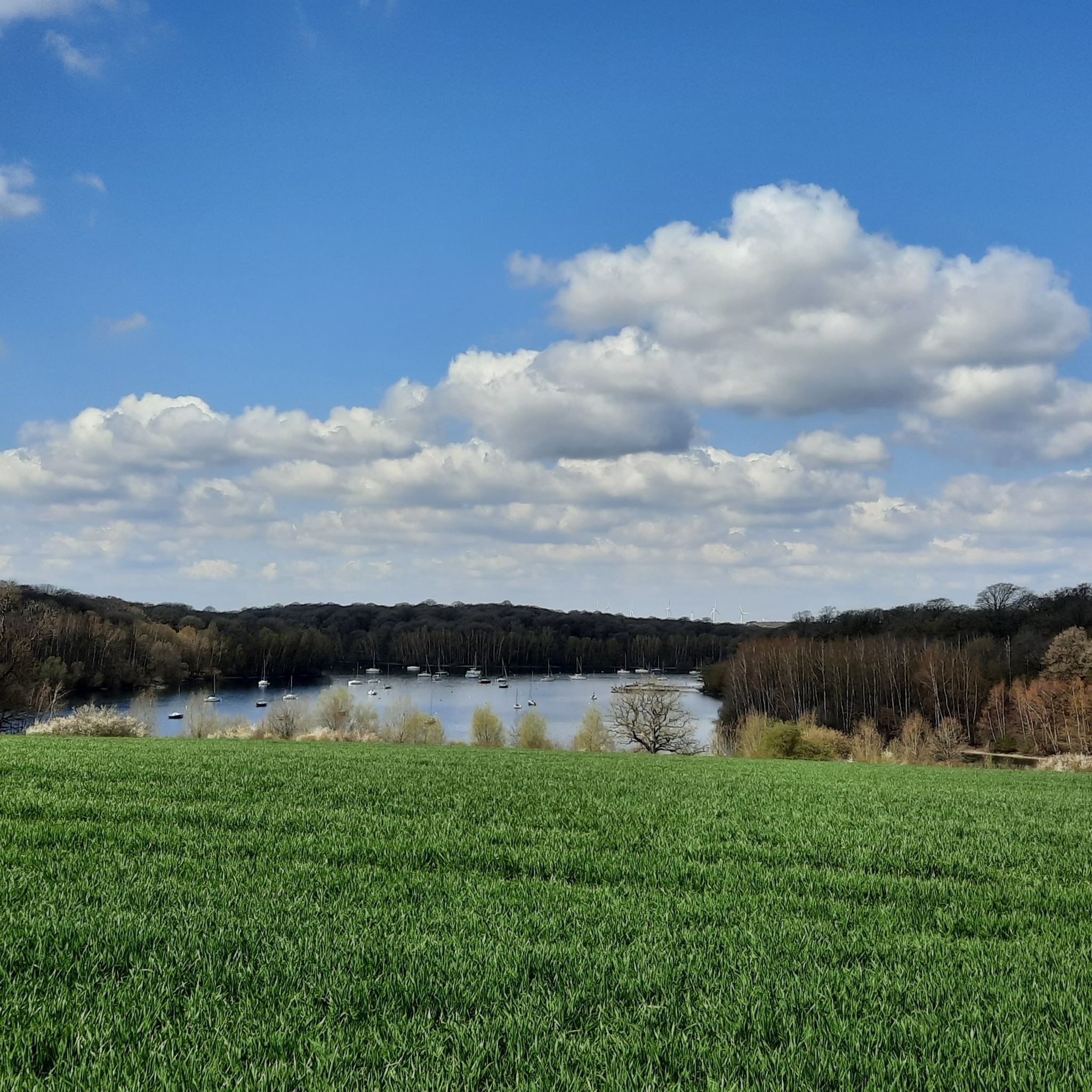
Best attractions and places to see around L'Eau d'Heure, a complex of five artificial lakes in Wallonia, Belgium, is recognized as the largest lake area in Belgium. This region offers a diverse range of attractions, including notable landmarks, natural features, and various points of interest. With 70 km of lake shores, it serves as a popular recreational destination.
Best attractions and places to see around L'Eau d'Heure
- The most popular attractions is Lake Viewpoint, a lake that offers views…
Last updated: August 16, 2026
La place Taille Lock
Highlight • Structure
Showing Translation
Tip by

Féronval Dam
Highlight • Structure
Showing Translation
Tip by

Sign up now to discover places like this
Get recommendations on the best single tracks, peaks, & plenty of other exciting outdoor places.
Sign up for free
Lake Viewpoint
Highlight • Lake
Translated by Google •
Tip by

Lac du Ry-Jaune
Highlight • Lake
Translated by Google •
Tip by

Water sports center
Highlight • Rest Area
Translated by Google •
Tip by

Sign up for free to discover even more attractions around L'Eau d'Heure.
Sign up for free
Already have an account?
Start today with a free account
Your next adventure awaits.
Login or Signup

Other adventures around L'Eau d'Heure

Tips from the Community

The lock, designated as the Sluis van La Plate Taille, was built as part of a large-scale water project developed in the second half of the 20th century. This project aimed to buffer water, prevent floods, create drinking water reserves, and provide a stable basis for energy production through hydropower. The lock allows water to be moved in a controlled manner between different levels and compartments of the lake system. Technically, the lock functions on the principle of water level regulation between two basins with different levels. Using sluice gates and lock doors, water can be slowly let in or drained, allowing ships (where applicable) or water masses to be moved safely without sudden pressure differences. In this specific case, the emphasis is less on shipping and more on hydrological control within the reservoir complex. Its location at La Plate Taille is hydrologically strategic. This lake serves as a central reservoir within the Lacs de l’Eau d’Heure and directly influences the water balance of the surrounding region. The lock helps regulate water levels, especially during heavy rainfall or dry periods, thus supporting the broader water management system. Ecologically, the lock indirectly contributes to the management of the ecosystem in and around the lakes. Controlled water movement affects the quality and distribution of water, which in turn impacts fish populations, aquatic plants, and bank vegetation. Managing the water level is therefore not only a technical but also an ecological responsibility.
0
0
The origin of the dam lies in the need to regulate water flows in the region. In a landscape characterized by calcareous soils, hilly relief, and fast-reacting watercourses, floods and seasonal water fluctuations were a recurring phenomenon. The construction of weirs and small dams like the one at Féronval therefore served to stabilize water levels, distribute water, and in some cases also support energy or irrigation.
0
0

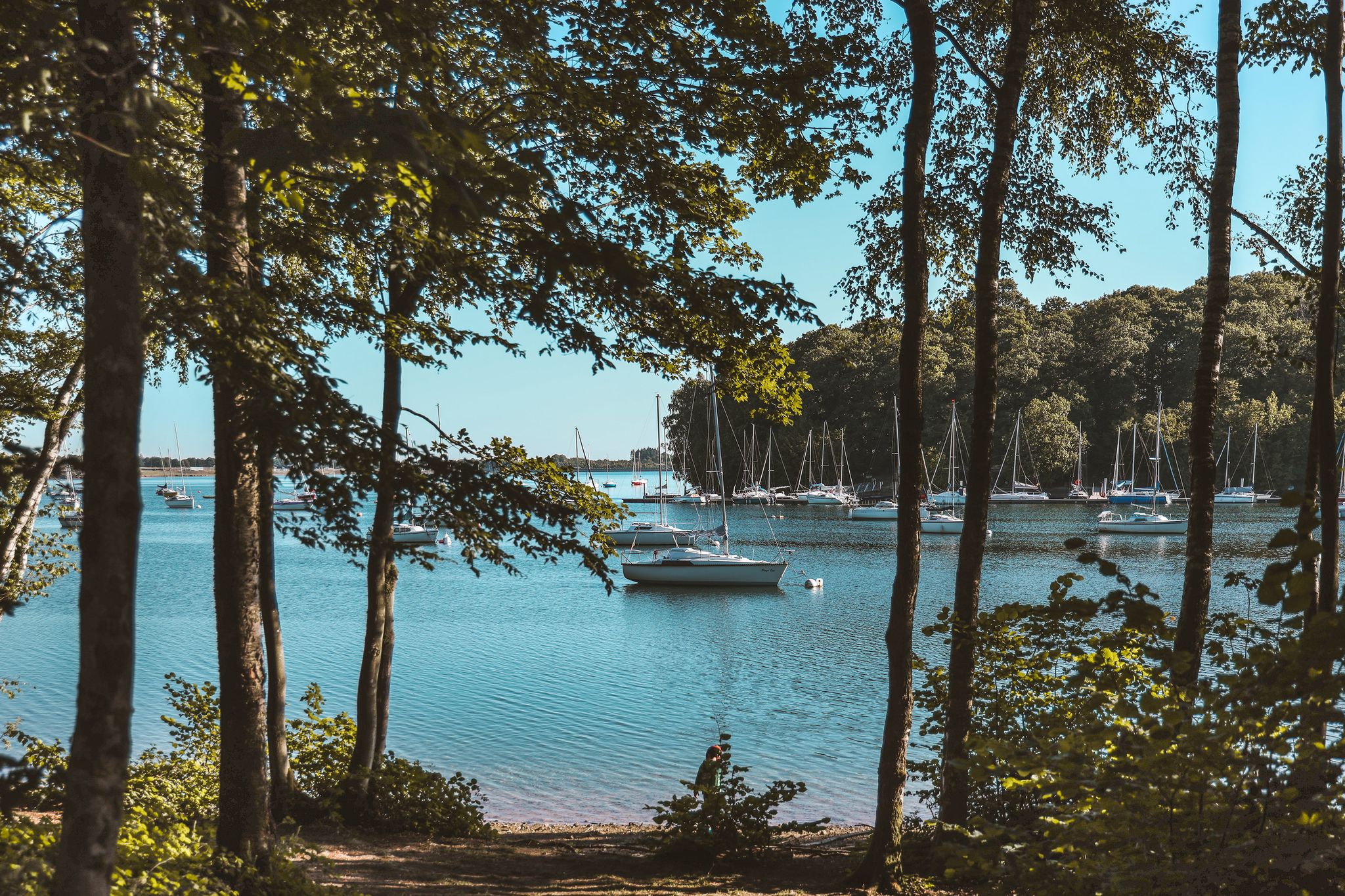
The Féronval dam is part of the impressive Les Lacs de l’Eau d’Heure lake complex, the largest artificial lake area in Belgium. These dams and reservoirs were built in the 1970s to improve water quality in the region, support the flow of the Sambre and Meuse rivers, and make the Charleroi–Brussels Canal suitable for larger inland vessels. The Lac de Féronval, formed by the dam, is one of the smaller but important links within this hydrological system. The dam is located near the N907, where various hiking and cycling routes pass. The surroundings are quiet, green, and very popular with recreational users. Anglers like to come here because fishing from a boat on Lac de Féronval is permitted, which is not possible on all lakes in the area. Several beautiful walks start around the dam. A popular route is the Balade du Grand Cerf, an accessible tour of about eight kilometers that starts at the Féronval pre-dam. The walk leads through forests and open fields and regularly offers beautiful views of the Lac de l’Eau d’Heure. There are picnic spots and ample parking along the way, making it an ideal outing for families or leisurely walkers. Also
2
0

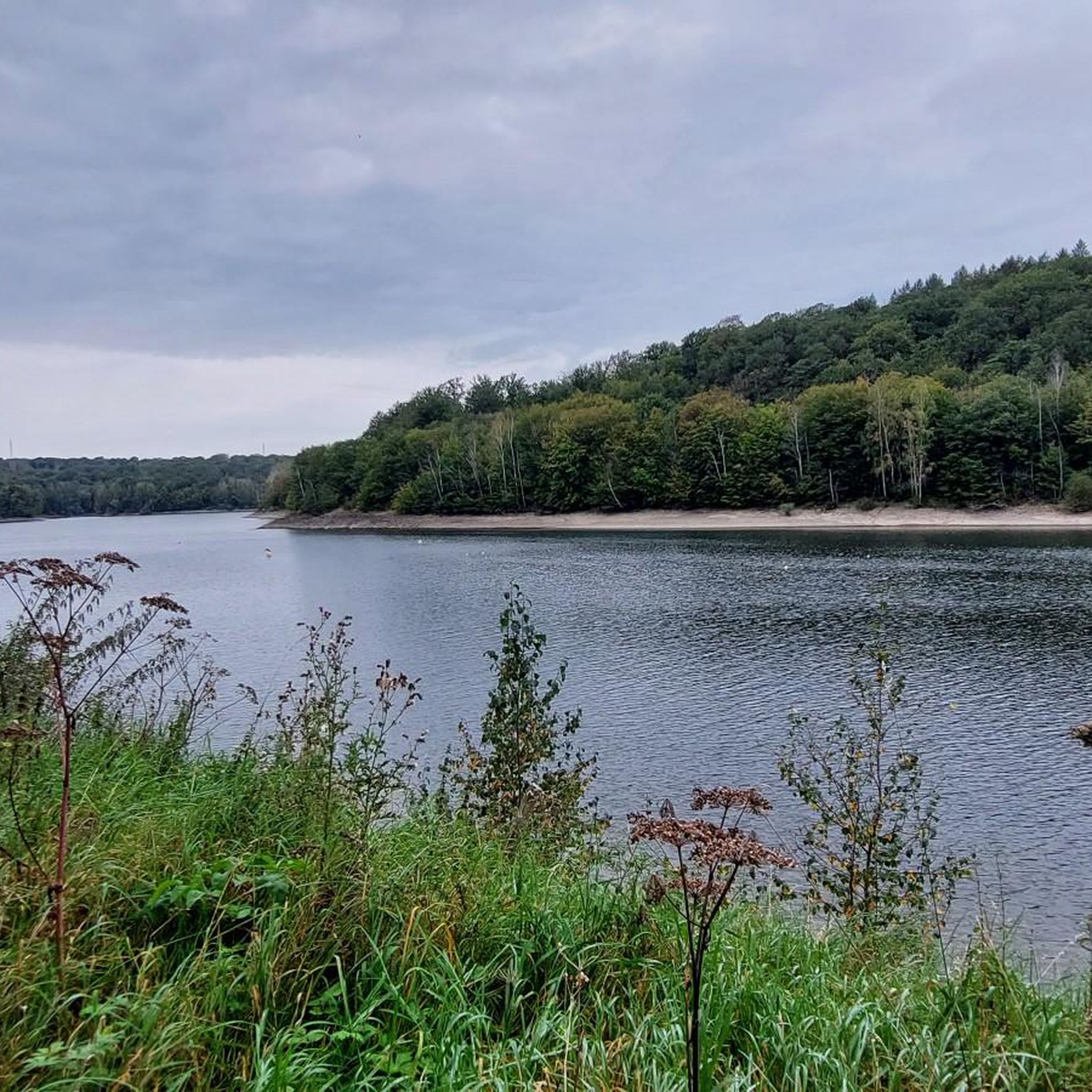
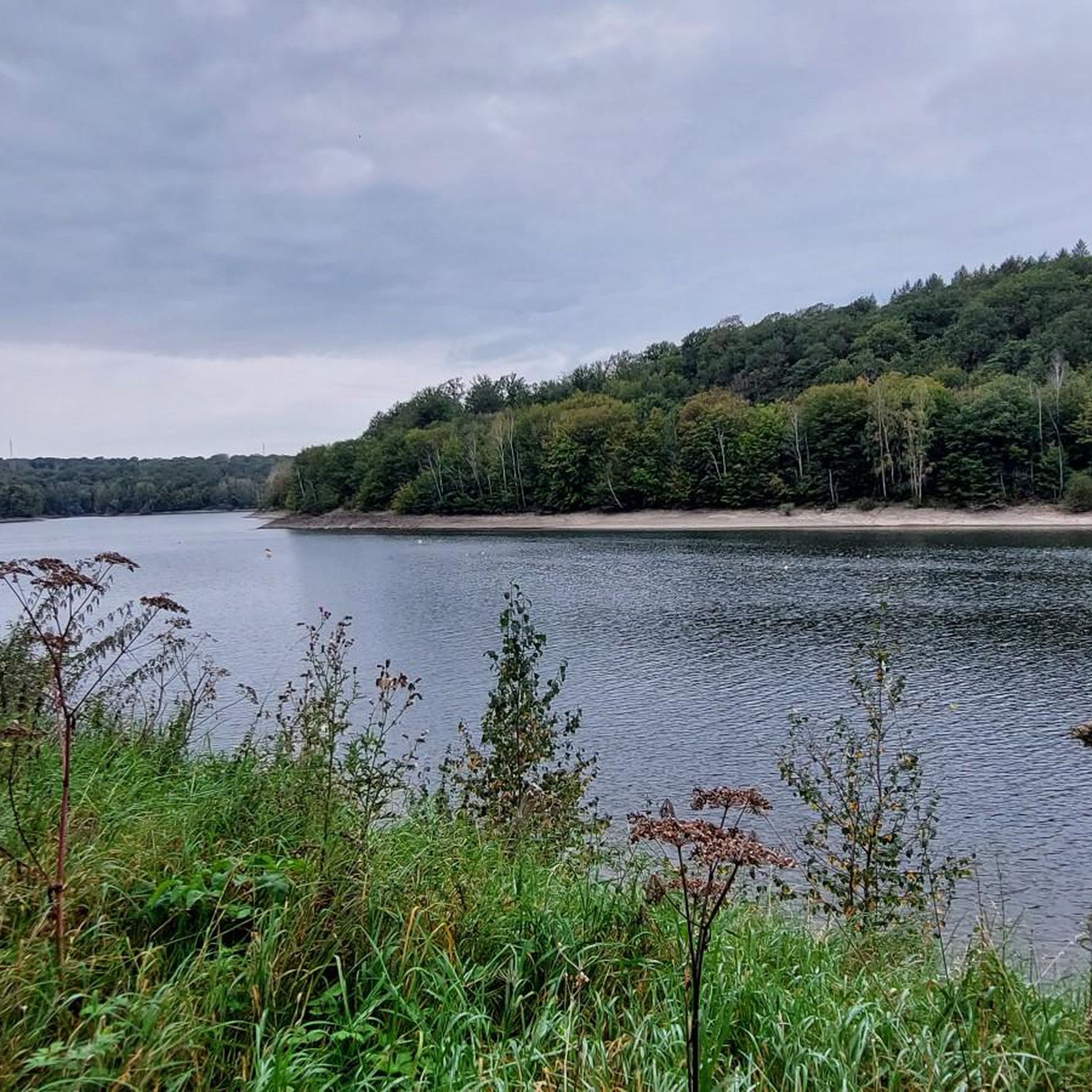
Lake Ry-Jaune is the fourth largest lake in terms of surface area of the five reservoirs. It is located just behind the Eau d’Heure, Plate-Taille and Falinfluence lakes. And just in front of Féronval.
1
0

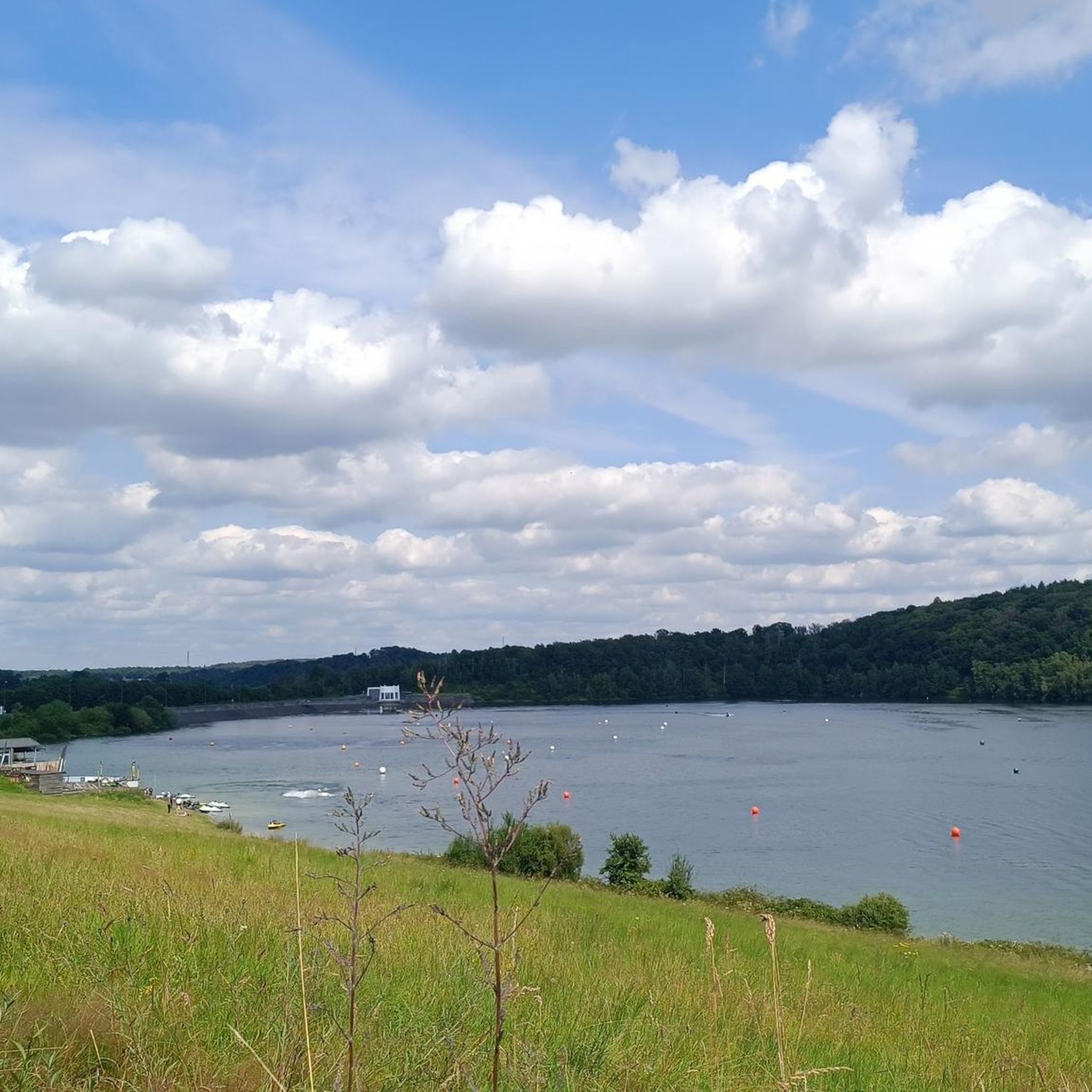
From here you can see the jet skis doing their magic on the water. If they see you photographing, they might come and put on a show.
1
0

A beautiful crossing point
0
1

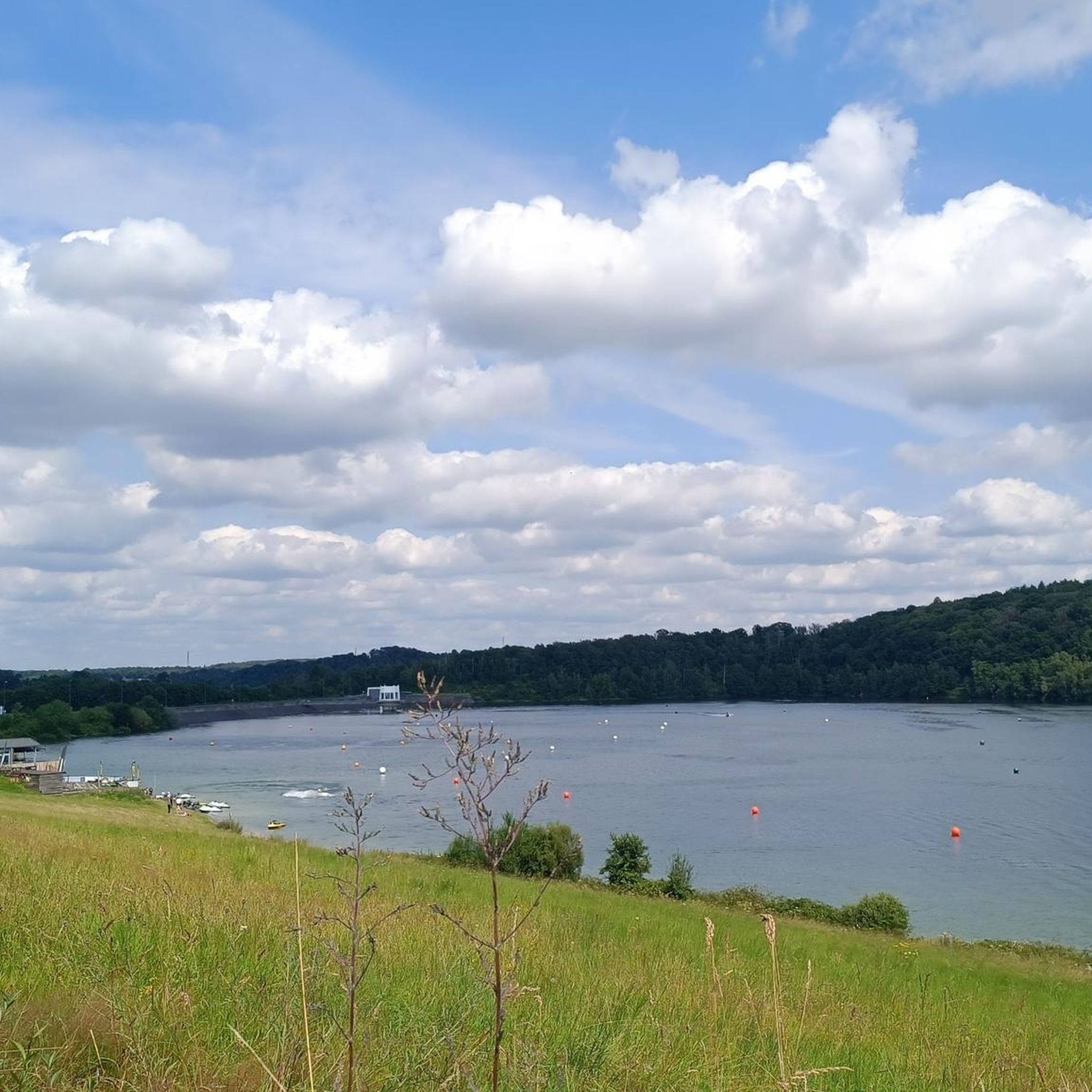
At Lac de l'Eau d'Heure you can not only go water skiing, but also try the so-called "flyboards" and other water sports. There is also a restaurant here.
2
0

From this point you can see the jet skis at work and the fish swimming in the water.
2
0
Frequently Asked Questions
What kind of water sports can I do at L'Eau d'Heure?
The lakes are ideal for a wide range of water sports. You can enjoy swimming, windsurfing, sailing, kayaking, diving, water skiing, jet skiing, and stand-up paddleboarding. The Water sports center at Lac de l'Eau d'Heure offers facilities for activities like water skiing and flyboarding.
Are there any unique landmarks or viewpoints to visit?
Yes, the region features several notable landmarks and viewpoints. The Barrage de la Plate Taille is Belgium's largest dam, offering tours inside and a Skywalk 107 meters high with panoramic views. You can also find picturesque scenes from the Lake Viewpoint, where you can observe jet skis and local wildlife.
What cultural or historical sites are there to explore?
For those interested in culture and history, the Espace Arthur Masson in Treignes village offers an immersive experience into the past. Additionally, the Grottes de Neptune provide an opportunity to explore ancient rock formations and unique species in a Natura 2000-classified natural setting.
What activities are available for families with children?
L'Eau d'Heure is very family-friendly. The Aquacentre features indoor and outdoor pools with a 'spray park'. Natura Parc offers adventure activities like rope courses, zip lines, and bungee jumping. The Crocodile Rouge 'amphibus' provides unique guided tours on both land and water, which is popular with families. Many of the lake areas, like Lac du Ry-Jaune, are also suitable for family outings.
Can I go hiking or cycling around the lakes?
Absolutely. The region boasts 70 km of lake shores and surrounding areas with numerous walking and hiking trails, including the RAVeL paths, suitable for all levels. For cycling, you'll find a variety of routes, from easy to difficult, for road cycling, touring, and mountain biking. You can explore more options for road cycling, general cycling, and MTB trails around L'Eau d'Heure.
Are there places to eat and drink near the attractions?
Yes, you'll find several options for food and drink. The Water sports center includes a restaurant. L'Heure Bleue is a popular spot by the water for meals and drinks. The Relais de Falemprise also offers restaurants alongside its recreational facilities.
What is the best time of year to visit L'Eau d'Heure?
L'Eau d'Heure is a year-round destination, but the best time depends on your preferred activities. The warmer months from late spring to early autumn (May to September) are ideal for water sports, hiking, and cycling. During winter, the Chalet du Spin offers a cozy lakeside atmosphere, and some activities may still be available.
Are there any easy walking trails suitable for everyone?
Yes, there are many easy walking trails around the lakes. The 70 km of lake shores provide numerous scenic routes, including sections of the RAVeL paths, which are generally flat and accessible. You can find paths that wind along the banks, offering pleasant strolls with beautiful views.
What is the Lac du Ry-Jaune known for?
Lac du Ry-Jaune is the fourth largest of the five lakes in the complex. It is a significant natural feature and a popular viewpoint, offering a beautiful crossing point and picturesque scenes within the L'Eau d'Heure region.
Can I visit a brewery in the area?
Yes, the Brasserie des Fagnes, located in Mariembourg, is a short distance from L'Eau d'Heure. It offers visitors a look into 150 years of brewing evolution and produces a variety of local beers.
What makes the Barrage de la Plate Taille special?
The Barrage de la Plate Taille is Belgium's largest dam. It's special because visitors can descend 40 meters deep into its interior to see the four turbines that generate electricity. Above ground, the Skywalk offers breathtaking panoramic views of the lakes and surrounding areas, with a partially glass floor for an exhilarating experience.
Most popular routes around L'Eau d'Heure
Most popular attractions around L'Eau d'Heure

Get inspired with the komoot mobile app


Explore more
Still not found the Highlight you’re looking for? See guides of the top attractions in other regions:
