The best cycling routes around Neustadt am Kulm
4.8
(33)
201
riders
34
rides
Best cycling routes Neustadt am Kulm are characterized by a diverse landscape featuring the prominent Rauher Kulm, a 681-meter high basalt mountain, and extensive mixed forests. The region offers a well-developed network of paths suitable for touring cyclists, winding through natural monuments and historical areas. Situated near the Steinwald Nature Park, the area provides varied terrain from gentle forest paths to routes with moderate elevation changes. This combination of geological features and cultural landmarks creates a varied touring cycling experience.
…Last updated: November 11, 2026
4.0
(2)
20
riders
33.3km
02:12
320m
320m
Moderate bike ride. Good fitness required. Mostly paved surfaces.
5.0
(3)
11
riders
Moderate bike ride. Good fitness required. Mostly paved surfaces.

5.0
(1)
7
riders
Moderate bike ride. Good fitness required. Mostly paved surfaces.
5.0
(2)
7
riders
38.4km
02:34
300m
300m
Hard bike ride. Good fitness required. You may need to push your bike for some segments of this route.
4.0
(1)
7
riders
Moderate bike ride. Good fitness required. Mostly paved surfaces.
Get access to more routes and recommendations from other explorers.
Already have an account?
Our route recommendations are based on thousands of hikes, rides, and runs completed by other people on komoot.
Start today with a free account
Your next adventure awaits.
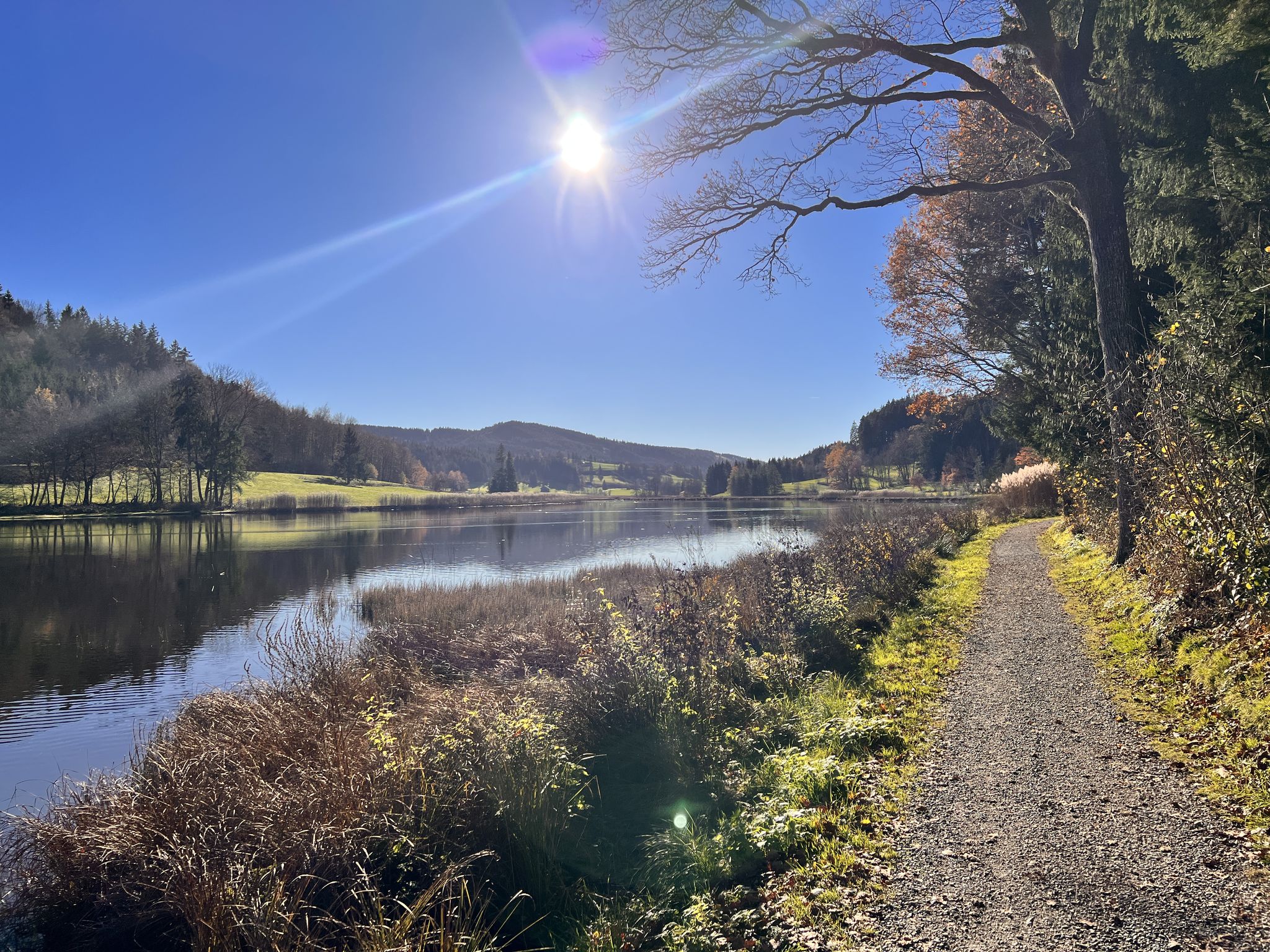
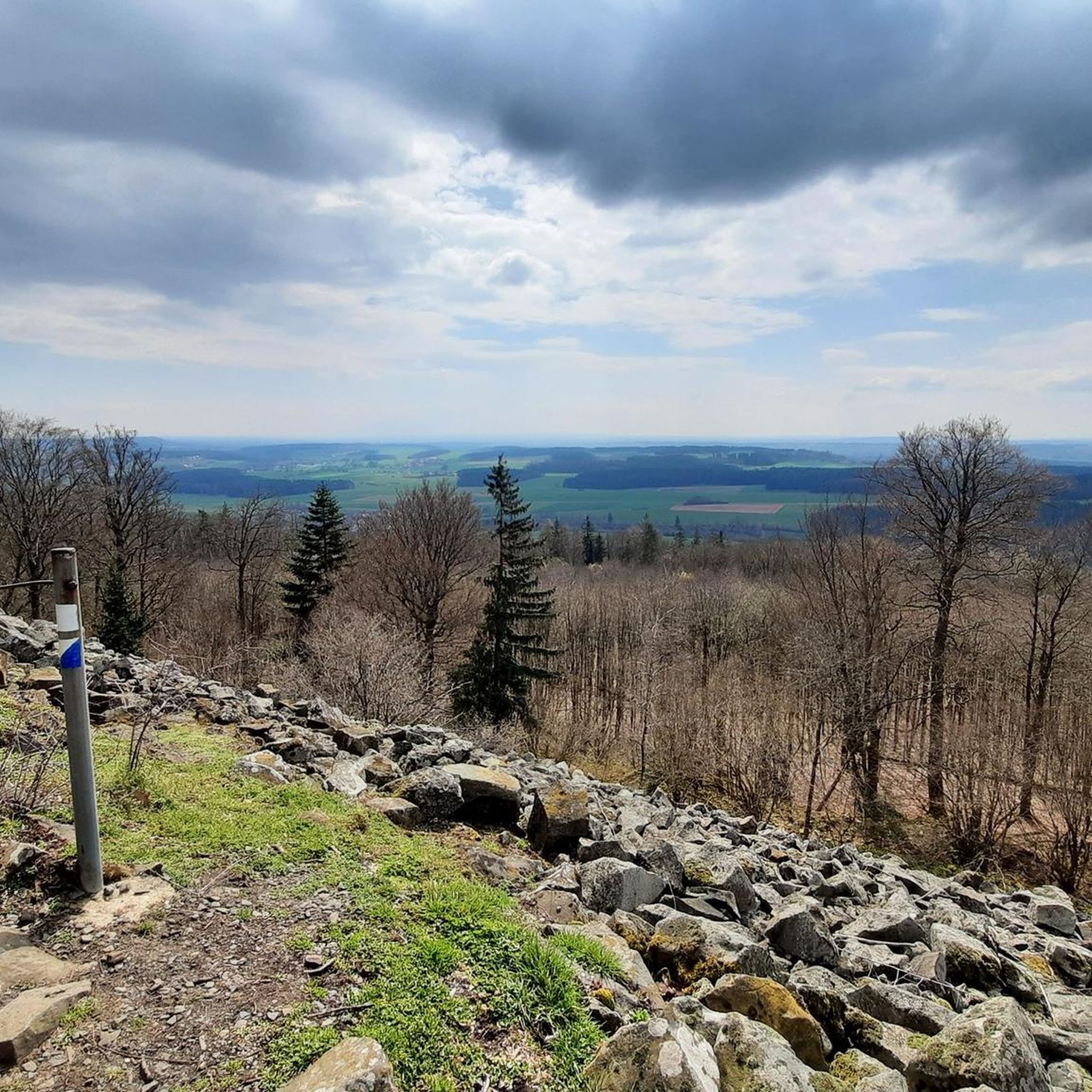
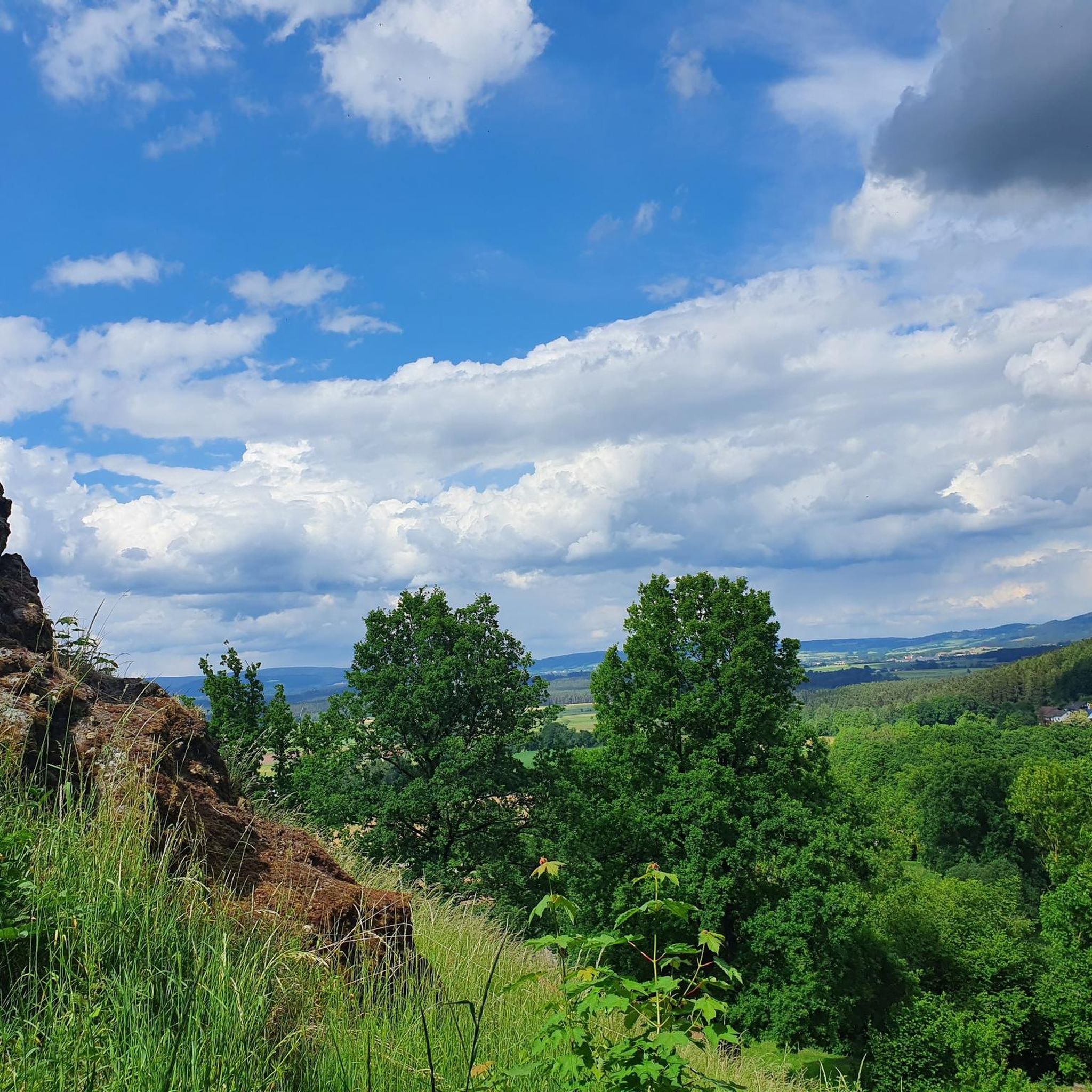
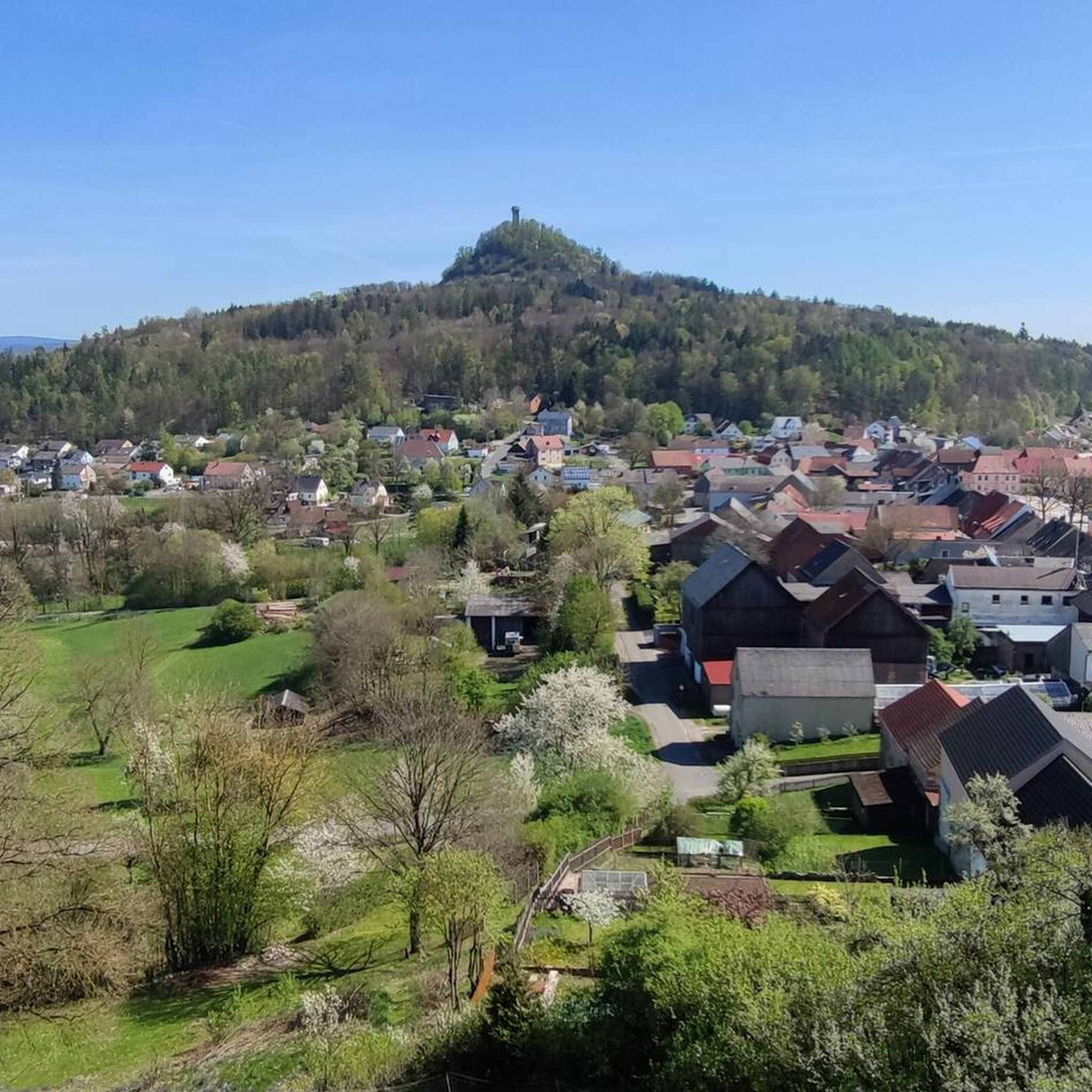

Other adventures around Neustadt am Kulm

Tips from the Community

beautiful natural swimming pool in Eschenbach
0
1

Klosterkirche „Zur unbefleckten Empfängnis“ Im späten 12. Jahrhundert wurden die Grundmauern für eine dreischiffige romanische Basilika gelegt, Teile dieser Grundmauern, nämlich die der Chorapsiden, konnten bei Grabungen im Klostergarten gefunden werden. Am Mauerwerk sind Spolien der romanischen Basilika zu erkennen. Als die alte romanische Klosterkirche 1691 abgebrochen war, begann der Neubau nach den Plänen von Wolfgang und Georg Dientzenhofer, der Rohbau wurde 1696 vollendet. Bei der Prämonstratenser-Klosterkirche zur Unbefleckten Empfängnis Mariä handelt es sich um eine Emporen-Wandpfeilerhalle mit eingezogenem Chor. Sowohl Kapellen wie Emporen sind mit Quertonnen gewölbt. Den Saalraum deckt eine abgeflachte Stichkappentonne. An den Stirnen der Wandpfeiler stehen Doppelpilaster. Diese tragen ein kräftiges Gebälk. Typisch für die Klosterkirche ist, daß die Kapellen deutlich höher sind als die darüber liegenden Emporen. Die Oberkante der Emporenbrüstung liegt oberhalb der Oberkante der Gebälkzone. Ein aus Doppelpilastern und einem gedrückten Bogen gebildeter Triumphbogen leitet als Würdeformel vom Saalraum zum Chor. Charakteristisch sind insbesondere die gedrückten, wuchtigen Raumproportionen. Für die Gestaltung und Ausstattung des Innenraums beauftragte Abt Gottfried Blum die italienischen Brüder Carlo Domenico (Stuckateur) und Bartolomeo (Maler) Lucchese. Sie gaben dem Raum mit der schweren barocken Ausgestaltung eine italienische Prägung. Die durch Pilaster und stark hervortretende Gesimse gegliederten Wände gehen scheinbar fließend in die mit schweren Frucht- und Blütengirlanden dekorierte Decke über. Kunstvoll umrahmt heben sich im Langhaus drei großformatige Deckenfresken hervor, die von kleinen, ebenfalls freskierten Medaillons umgeben sind. Im Chorraum ist die Deckendekoration noch dichter und enger zusammengefügt. Carlo Domenico Lucchese fertigte auch den Hochaltar aus Stuck, dieser wurde erst 1714 farbig gefaßt. Das Bild der Immaculata im Hochaltar stammt vermutlich von Antonio Triva, also ebenfalls von einem italienischen Künstler. Nach der Weihe des neuen Gotteshauses 1706 nahm der Innenraum erst nach einigen Jahren seine heutige Gestalt an. In der repräsentativen Vorhalle des eigentlichen Kirchenraums ist das Gründungsereignis des Klosters an der Decke in Szene gesetzt. Flankiert wird die Vorhalle links von der Nepomuk-Kapelle und rechts von der Tauf- oder Silvesterkapelle. Quelle: Auszüge aus www.wikipedia.de
2
0
Kloster Speinshart In the year 1145, the childless couple Adelvolk and Richenza von Reifenberg founded Speinshart Monastery. A confirmation document for the monastery was issued by Emperor Frederick Barbarossa in 1163. The first Premonstratensians came to Speinshart from the Premonstratensian monastery of Wilten near Innsbruck in Tyrol. In a protection letter from Pope Alexander II in 1181, the Premonstratensians in Speinshart were officially mentioned for the first time. Twice the monastery was severely damaged: in 1310, a royal army heavily damaged it, and in 1429, the Hussites plundered the monastery. The monastery experienced its first flourishing period in the 15th century under Provost Georg Ochs von Gunzendorf. At that time, Pope Pius II elevated the monastery to an abbey. For a time, Speinshart was the mother abbey for the Tepl Monastery in Bohemia. The Reformation period marked the first turning point in its history. Under Elector Ottheinrich, the Catholic doctrine was replaced by the new Lutheran doctrine throughout the Upper Palatinate in 1556; all Catholic rites and practices were forbidden. With the transfer of the Upper Palatinate to the Calvinist Elector Frederick III, the Speinshart Abbey collapsed, was eventually secularized, and became state property. In 1661, during the reign of Elector Ferdinand Maria of Bavaria, Premonstratensians returned to Speinshart from Steingaden Monastery. In the following decades, the new convent strove for the structural renewal of the collegiate church and the aging convent tract. In 1691, the monastery regained the status of an abbey. Around 1684, the canons of Speinshart responded to the general Baroque popular piety by reviving the medieval pilgrimage to Barbaraberg. In Speinshart, the veneration of the Flagellated Savior also began in the 18th century, as in the Wieskirche near Steingaden. Through secularization in 1803, the monastery and its possessions fell to secular power for the second time. In the following period, the monastery housed, among other things, the rectory, a school, and the forestry office. On September 30, 1921, the Premonstratensian Order bought the monastery complex back from the Bavarian state. On October 2, 1921, Premonstratensians from the Tepl Abbey in Egerland moved in. In 1923, the Apostolic See confirmed the monastery again as an abbey with all rights. Excerpts from www.wikipedia.de
2
0

Kloster Speinshart, good monastery beer, delicious schnitzel and a charging station for e-bikes.
0
0

This is not Bärnau, but Neustadt am Kulm!
2
0
Information board Phantastischer Karpfenweg Kemnath at the Bürgermeister Metschnabel - Anlage, here are usually flyers that can be used as a map for the entire path
0
0
Information board for the Fantastic Carp Trail at the beginning of the town square; usually there are small fold-out maps of the Carp Trail available here.
0
0
A lovely restaurant at the foot of the Rauher Kulm.
0
0
Frequently Asked Questions
How many touring cycling routes are available around Neustadt am Kulm?
There are over 30 touring cycling routes in the Neustadt am Kulm region, offering a diverse range of options for cyclists. These include 6 easy routes, 19 moderate routes, and 5 more challenging trails.
What kind of terrain can I expect on touring cycling routes near Neustadt am Kulm?
The terrain around Neustadt am Kulm is quite varied. You'll encounter routes winding through extensive mixed and old beech forests, particularly around the prominent Rauher Kulm basalt mountain. The region also features gentle forest paths and routes with moderate elevation changes, especially as you venture towards the Steinwald Nature Park. Expect a mix of well-maintained paths and natural surfaces.
Are there easy touring cycling routes suitable for beginners or families in Neustadt am Kulm?
Yes, Neustadt am Kulm offers several easy touring cycling routes perfect for beginners or families. One such route is the View of Kleiner Kulm – View of Rauher Kulm loop from Neustadt am Kulm, which is 6.9 miles (11.1 km) long and leads through the distinctive Kulm landscape, often completed in about 40 minutes.
What natural landmarks can I see while cycling around Neustadt am Kulm?
The region is rich in natural landmarks. The most prominent is the Rauher Kulm, a striking basalt mountain with a 25-meter high observation tower offering panoramic views. You can also explore basalt block fields and diverse ecosystems. Nearby, the Circular rampart at Rauher Kulm is a notable historical site. The area is also close to the Steinwald Nature Park, which provides a broader landscape for exploration.
Are there any historical or cultural attractions along the cycling routes?
Absolutely. Touring cyclists can incorporate several historical and cultural stops. The Waldeck Castle Ruins, among the oldest in the Upper Palatinate, offer phenomenal views. While not directly on a featured route, the Klosterkirche (Monastery Church) and Mockersdorf St. Michael Parish Church are also significant architectural highlights in the broader region.
Where can I find refreshments or places to stop during my ride?
Many routes in the Neustadt am Kulm area pass by welcoming establishments. The Tauritzmühle Beer Garden and Inn is a popular spot for refreshments. You might also find other inns and beer gardens along the way, providing pleasant breaks during your touring cycling adventure.
Are there any circular touring cycling routes in the area?
Yes, many of the touring cycling routes around Neustadt am Kulm are designed as loops, allowing you to start and end at the same point. An example is the Fish art in Stadtweiher Park – Zur Fantasie loop from Weha, which is a moderate 21.3 miles (34.3 km) trail exploring scenic park areas.
What is a popular moderate touring cycling route in Neustadt am Kulm?
A popular moderate route is the Holzmühle Pond – View of Speinshart Monastery loop from Speinsharter Forst. This 18.1 miles (29.1 km) path leads through forests, past Holzmühle Pond, and offers views of Speinshart Monastery, making for a scenic and engaging ride.
Are there any longer or more challenging touring cycling routes?
For those seeking a longer or more challenging ride, the region offers options like the Kulm Terrace – Großer Hirschbergweiher loop from Neustadt am Kulm. This route covers 38.4 km (23.9 miles) and is classified as difficult, providing a more demanding experience with significant elevation changes.
What do other touring cyclists enjoy most about cycling in Neustadt am Kulm?
The touring cycling routes in Neustadt am Kulm are highly rated by the komoot community, with an average score of 4.8 stars from over 20 reviews. Cyclists often praise the varied terrain, the unique geological features like the Rauher Kulm, and the well-developed network of paths that combine natural beauty with historical sites.
Are there any specific viewpoints along the touring cycling routes?
Yes, the region offers several excellent viewpoints. The observation tower on the Rauher Kulm provides expansive panoramic views extending to the Fichtel Mountains and Franconian Switzerland. Additionally, the Osprey and White-tailed Eagle Observation Point, Großer Rußweiher offers a chance to spot wildlife and enjoy the scenery.
Can I find routes that pass by lakes or water features?
Yes, several routes incorporate lakes and water features. For instance, the Kleiner Rußweiher – View of Speinshart Monastery loop from Neustadt am Kulm passes by the Kleiner Rußweiher. You can also find highlights like Between Großer Rußweiher and Rußloheweiher and Großer Hirschbergweiher in the area, offering picturesque lakeside cycling.
Most popular routes around Neustadt am Kulm
Most popular attractions around Neustadt am Kulm

Get inspired with the komoot mobile app


Explore more
Browse the best Cycling routes in other regions.
