Attractions and Places To See around Schwedtsee - Top 9
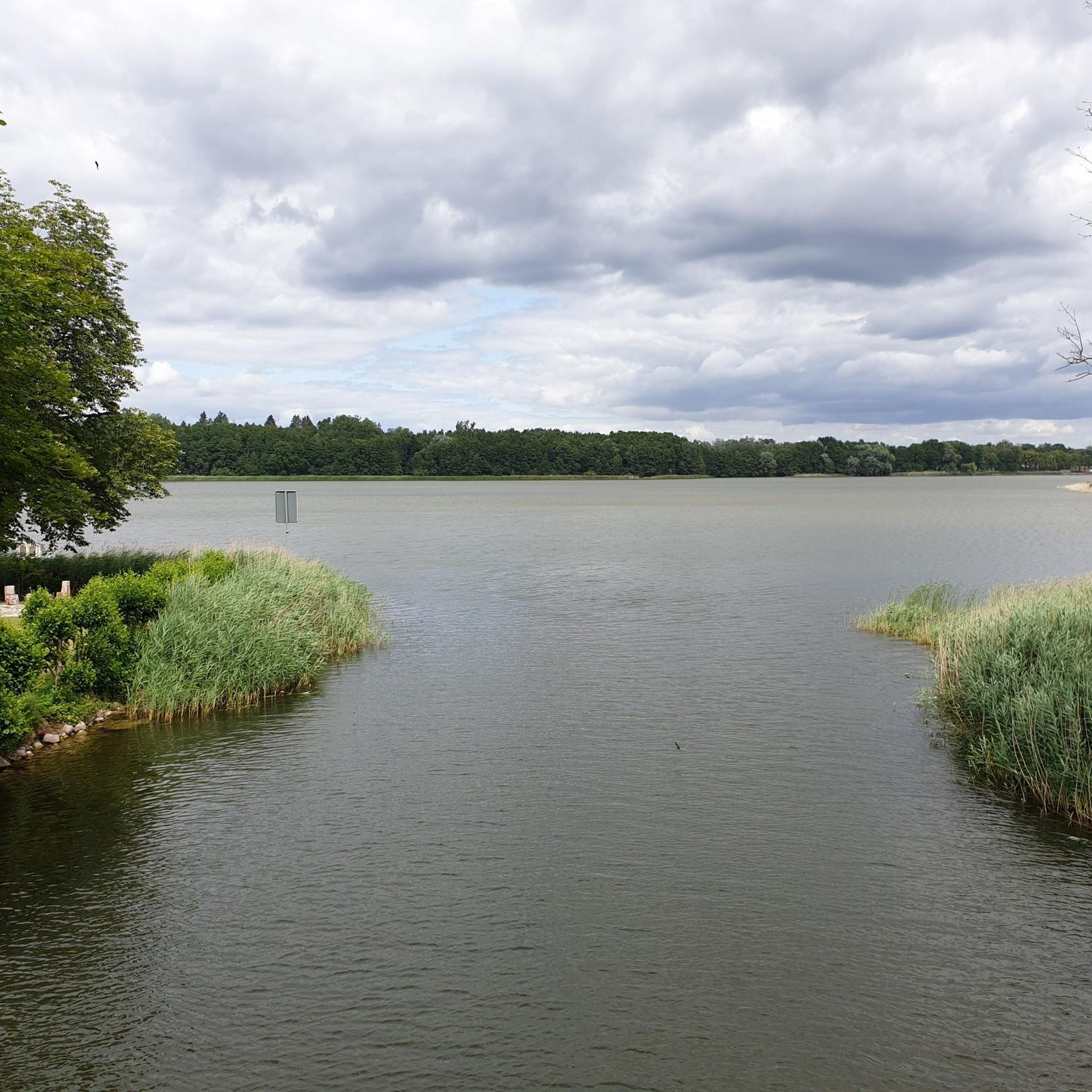
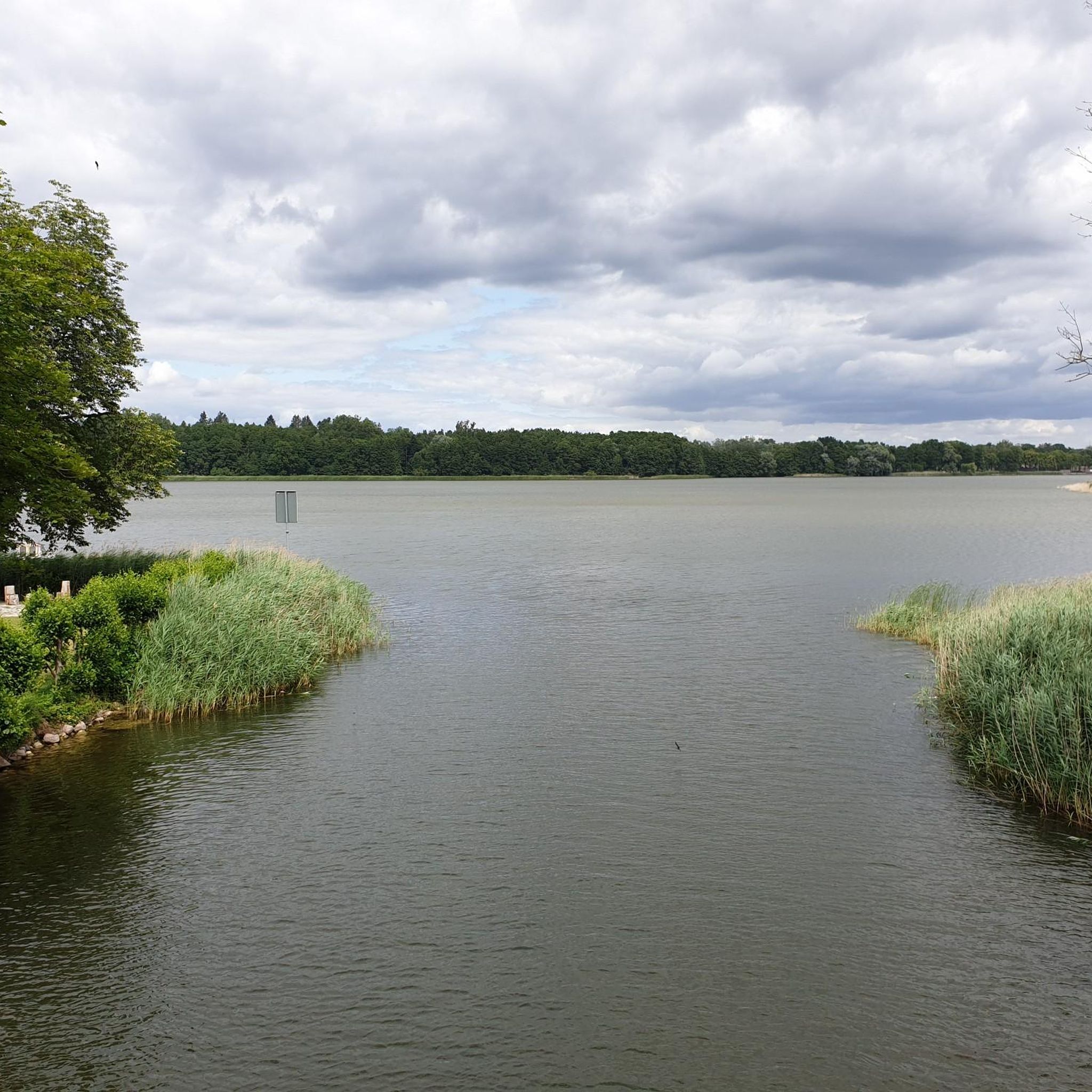
Best attractions and places to see around Schwedtsee include a blend of natural features and historical sites in Germany's Mecklenburg Lake District. The region is characterized by Schwedtsee itself, which is part of the navigable River Havel system, connecting to other lakes like Baalensee and Stolpsee. This area offers opportunities for exploring its natural landscape and significant historical landmarks.
Best attractions and places to see around Schwedtsee
- The most popular attraction is Baalensee Bridge, a bridge that offers views of the lake and canal. It is part of several hiking routes, including a circular hike from Fürstenberg.
- Another must-see spot is Memorial Area at Ravensbrück Concentration Camp, a historical site. This profound memorial includes a rose-planted grave field and individual memorials, with the "Carrying" sculpture standing directly on the Schwedtsee.
- Visitors also love Stairway to the Bridge, a 45-meter-long, covered timber-framed bridge. Built in 1996, it connects the city center with Havelpark and offers scenic views.
- Schwedtsee is known for its historical sites, bridges, and natural features. The area provides a variety of attractions to see and explore, including numerous hiking and cycling trails.
- The attractions around Schwedtsee are appreciated by the komoot community, with over 250 upvotes and more than 130 photos shared for the 8 highlights in the area.
Last updated: July 7, 2026
Baalensee Bridge
Highlight • Bridge
Translated by Google •
Tip by

Ravensbrück Memorial
Highlight • Historical Site
Translated by Google •
Tip by

Sign up now to discover places like this
Get recommendations on the best single tracks, peaks, & plenty of other exciting outdoor places.
Sign up for free
Memorial Area at Ravensbrück Concentration Camp
Highlight • Historical Site
Translated by Google •
Tip by

Crematorium at Ravensbrück concentration camp
Highlight • Historical Site
Translated by Google •
Tip by
Heinrich Schliemann Memorial Stone
Highlight • Monument
Translated by Google •
Tip by
Sign up for free to discover even more attractions around Schwedtsee.
Sign up for free
Already have an account?
Start today with a free account
Your next adventure awaits.
Login or Signup
Tips from the Community

With an e-bike without pedal assistance, the bike rails are too steep.
0
0

The bridge offers a fantastic view. It's also great for cycling across.
0
0

Various hiking trails lead over the bridge, including a circular hike from Fürstenberg, which includes the town church, the Baalensee bridge and the Röblinsee settlement.
1
0

A very beautiful bridge, which, with its well-placed rails for bicycles, is the best proof that, unlike the bridge at the Kannenburg Lock, there are still architects/civil engineers who know their craft.
0
0

Built in 1996, the 45-meter-long, covered timber-framed bridge is made of weatherproof Douglas fir, and the deck is covered with thick oak planks. I think the bridge is very well designed.
3
0
From 1945 to 1994, the former concentration camp site was used as a barracks by the Soviet Army and was therefore not accessible for memorial events or research for decades. A small section of the site was inaugurated in mid-September 1959 as one of three national concentration camp memorials in the GDR.
0
0

Great place in the middle of the city, a little highlight
0
0

The Ravensbrück Concentration Camp (also known as the Ravensbrück Women's Concentration Camp) was the largest concentration camp for women in the so-called German Altreich at the time of National Socialism. It was built in 1938/1939 by the Schutzstaffel (SS) in the municipality of Ravensbrück (now the city of Fürstenberg/Havel) in the north of the province of Brandenburg.
1
0
Frequently Asked Questions
What historical sites can I visit around Schwedtsee?
The region holds significant historical importance. You can visit the profound Memorial Area at Ravensbrück Concentration Camp, which includes a rose-planted grave field, individual memorials, and the poignant "Carrying" sculpture directly on the Schwedtsee. Adjacent to it is the Crematorium at Ravensbrück concentration camp, a stark reminder of the past. Additionally, in the city park, you'll find the Heinrich Schliemann Memorial Stone, commemorating the famous archaeologist who spent part of his early career in Fürstenberg/Havel.
Are there any scenic viewpoints or bridges to explore?
Yes, the area features several picturesque bridges offering great views. The Baalensee Bridge provides beautiful vistas of the lake and canal and is integrated into various hiking routes. Another notable structure is the Stairway to the Bridge, a 45-meter-long, covered timber-framed bridge on Gartenstrasse, connecting the city center with Havelpark and offering scenic perspectives.
What kind of outdoor activities can I do near Schwedtsee?
The region around Schwedtsee is excellent for outdoor enthusiasts. You can explore numerous hiking and cycling trails. For cycling, there are dedicated guides for MTB Trails around Schwedtsee, Gravel biking around Schwedtsee, and Road Cycling Routes around Schwedtsee, offering routes for various skill levels.
Is Schwedtsee suitable for family visits?
Many attractions around Schwedtsee are family-friendly. The Baalensee Bridge and Stairway to the Bridge are easily accessible for walks and offer enjoyable views. Historical sites like the Memorial Area at Ravensbrück Concentration Camp are also accessible for families, providing an important educational experience.
What natural features define the Schwedtsee area?
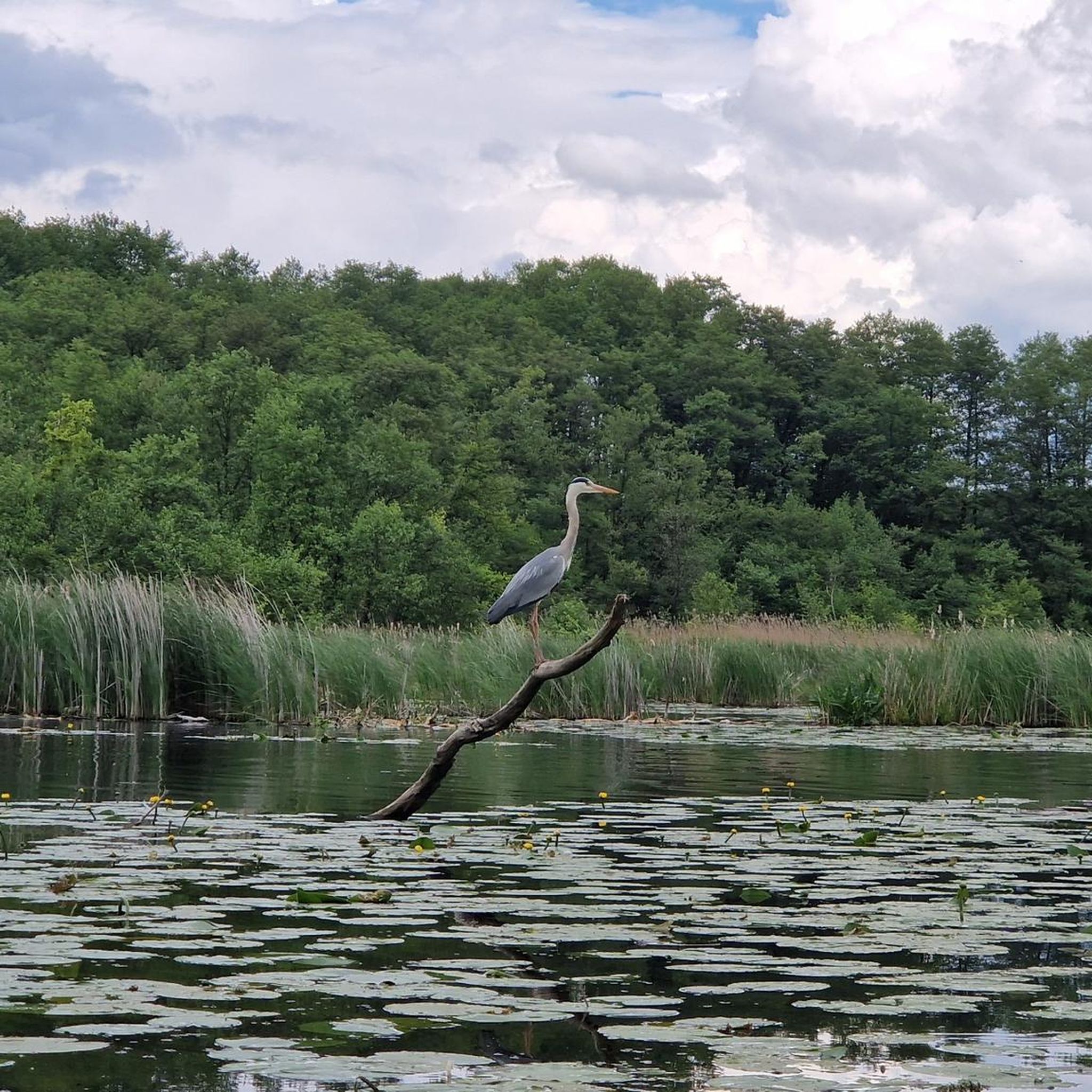
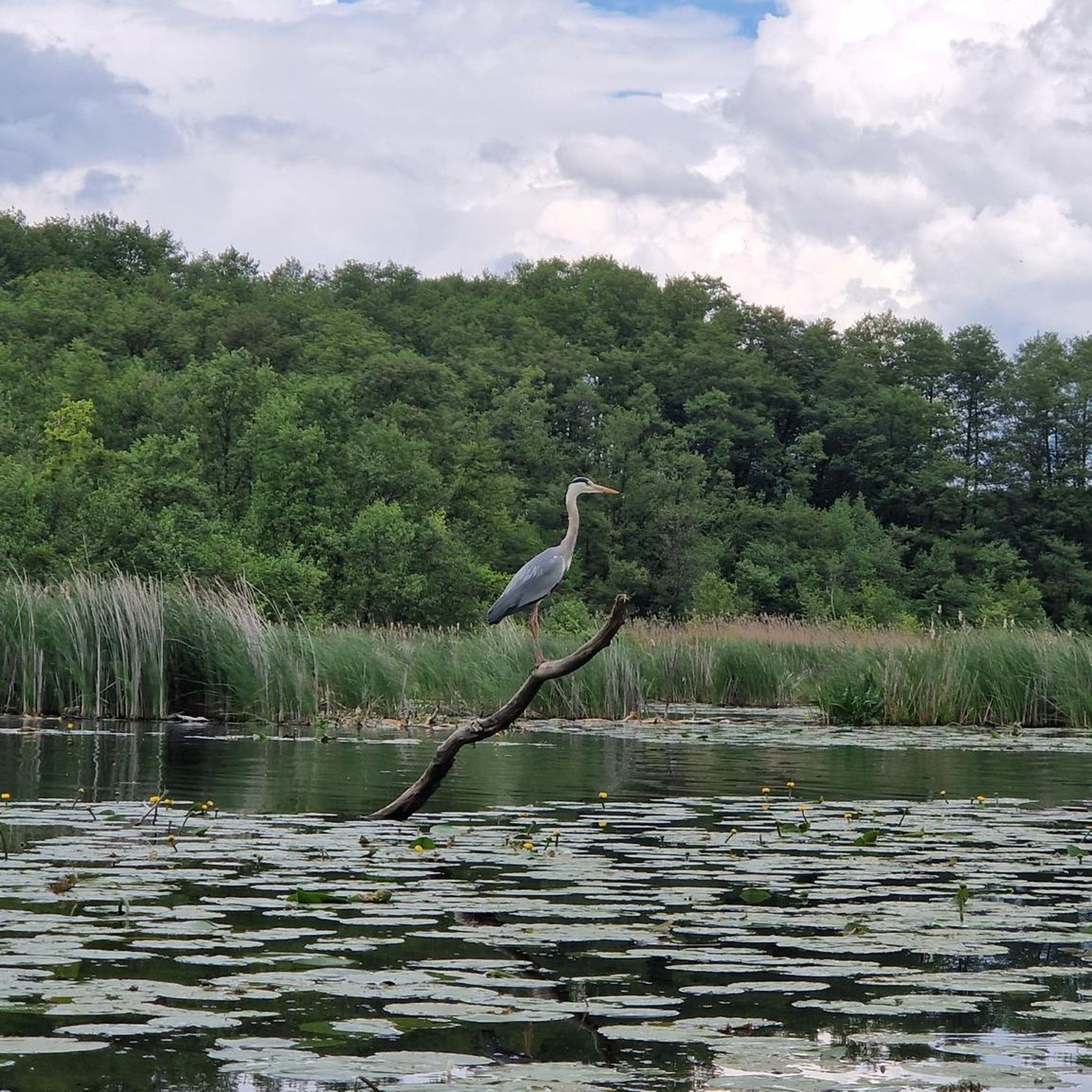
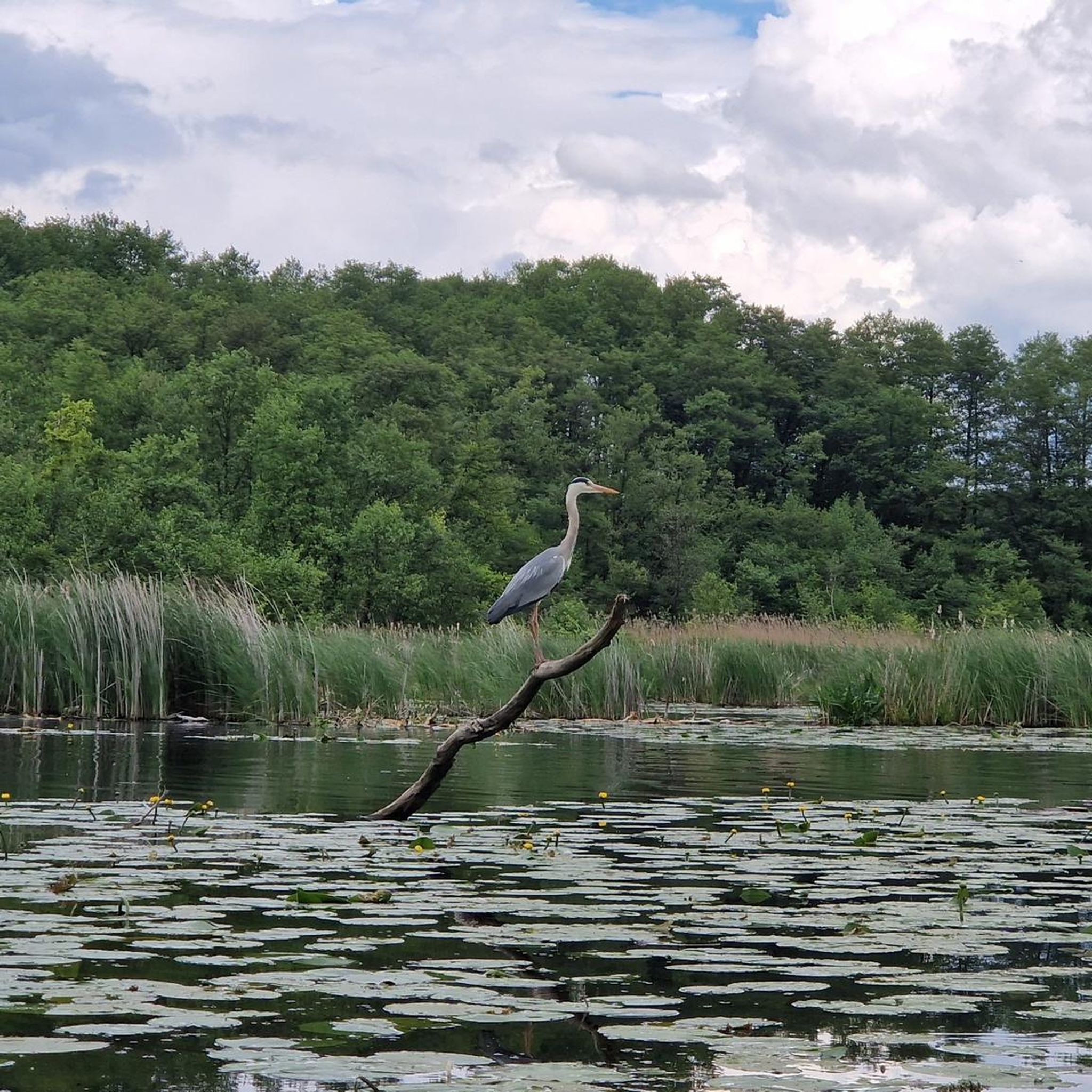
Schwedtsee itself is a significant natural highlight, covering approximately 750,000 square meters. It is part of the navigable River Havel system, connecting to other picturesque lakes like Baalensee and Röblinsee. The shores are characterized by reeds, water lilies, and pine trees, and the improved water quality supports diverse bird and fish populations, making it ideal for nature observation.
What is the town of Fürstenberg/Havel known for?
Fürstenberg/Havel, bordering Schwedtsee, is known for its neo-Byzantine Lutheran church, which is visible from across the lake. The town also features charming 18th and 19th-century buildings lining its cobblestone streets, offering a glimpse into its historical architecture and atmosphere.
Are there opportunities for water activities on Schwedtsee?
Yes, Schwedtsee is part of the larger Obere–Havel–Wasserstraße, making it suitable for navigation and various water activities. The River Havel flows through its southern section, connecting it to Baalensee and, via a channel, to Stolpsee, providing ample opportunities for boating and exploring the interconnected waterways.
What do visitors particularly enjoy about the bridges in the area?
Visitors appreciate the bridges for their scenic beauty and integration into local routes. For instance, the Baalensee Bridge is praised for its nice views of the lake and canal, while the Stairway to the Bridge is noted for its unique timber-framed construction and accessibility for cyclists and hikers.
What is the significance of the Memorial Area at Ravensbrück Concentration Camp?
The Memorial Area at Ravensbrück Concentration Camp serves as a profound reminder of history. It features a rose-planted grave field, individual memorials from survivors' associations, and the poignant "Carrying" sculpture by Willi Lammert, situated directly on the Schwedtsee. The nearby Crematorium from the former camp is also part of this memorial, highlighting a somber period of history.
Are there any specific hiking routes that include the bridges?
Yes, both the Baalensee Bridge and the Stairway to the Bridge are integrated into several hiking routes. The Baalensee Bridge, for example, is part of a popular circular hike starting from Fürstenberg, allowing hikers to enjoy beautiful lake and canal views as they traverse the area.
What is the best time to visit Schwedtsee for outdoor activities?
The region around Schwedtsee is ideal for outdoor activities during warmer months when hiking and cycling trails are most accessible and water activities are enjoyable. The natural landscape, with its reeds, water lilies, and pine trees, is particularly vibrant in spring and summer, offering pleasant conditions for exploration.
Most popular routes around Schwedtsee

Get inspired with the komoot mobile app


Explore more
Still not found the Highlight you’re looking for? See guides of the top attractions in other regions:
