Attractions and Places To See around Griebnitzsee - Top 20
Best attractions and places to see around Griebnitzsee, a lake situated on the southwestern outskirts of Berlin and bordering Potsdam, offer a blend of natural beauty and historical significance. The area provides tranquil settings for visitors to explore, making it suitable for leisurely activities. It features notable landmarks and points of interest, including historic buildings and natural areas.
Best attractions and places to see around Griebnitzsee
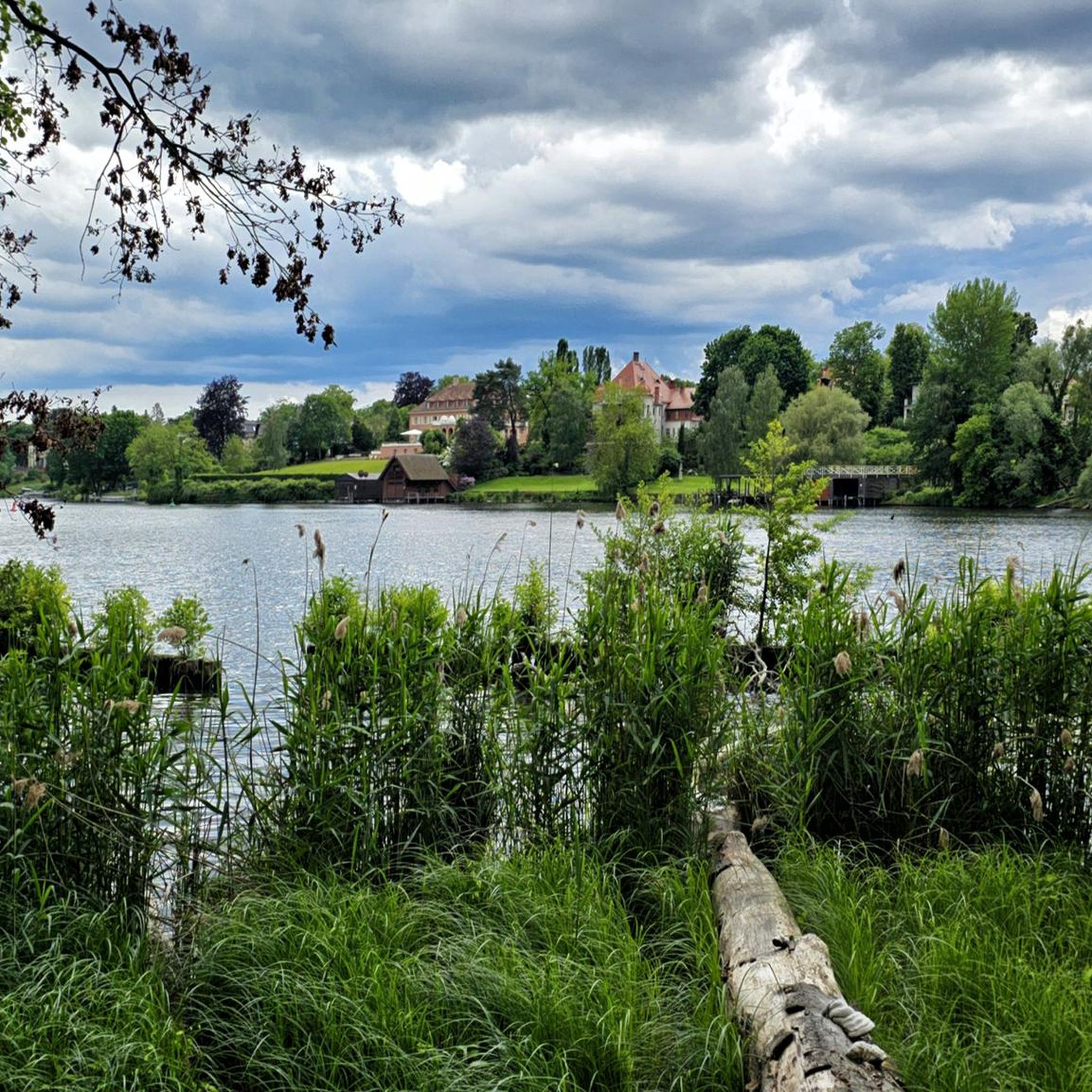
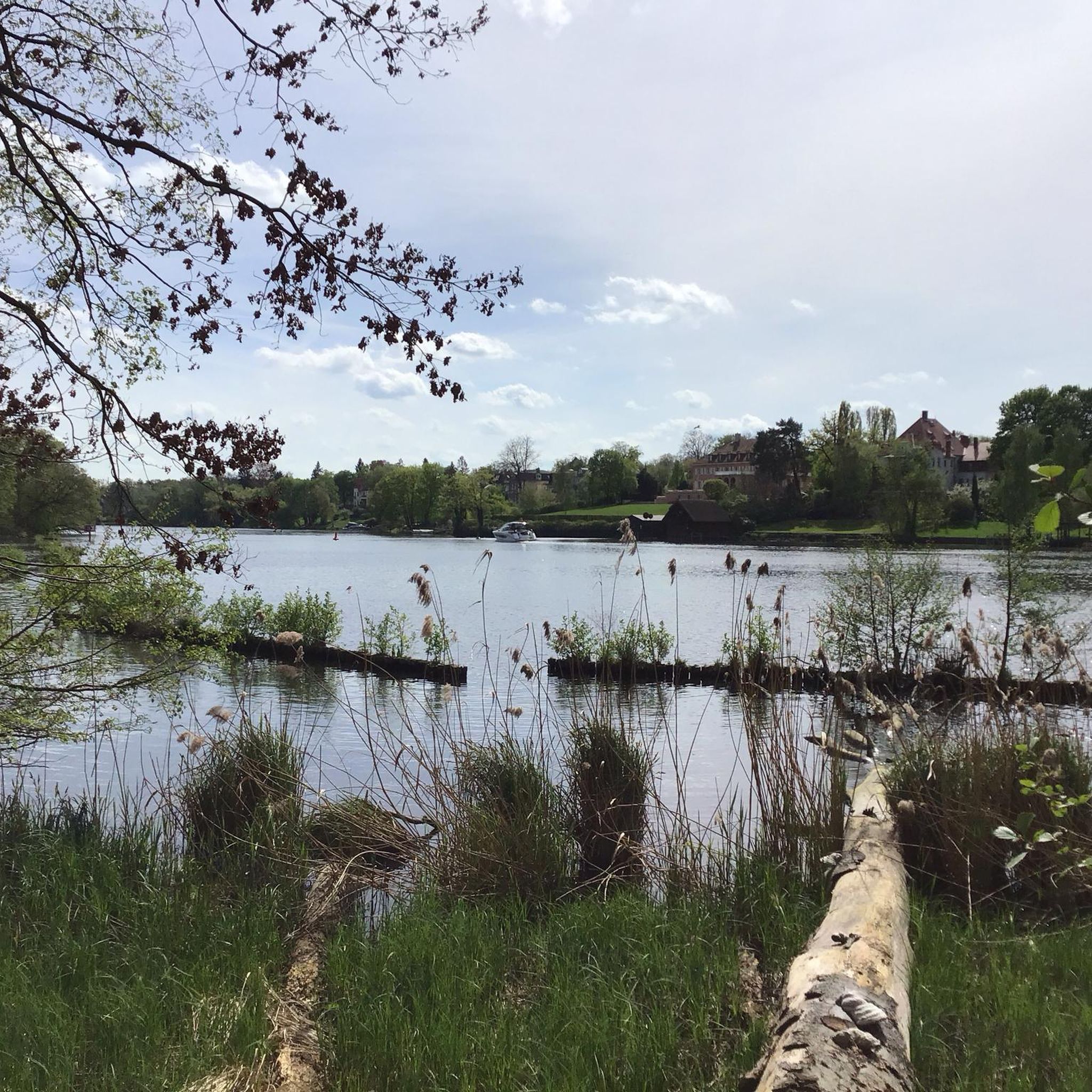
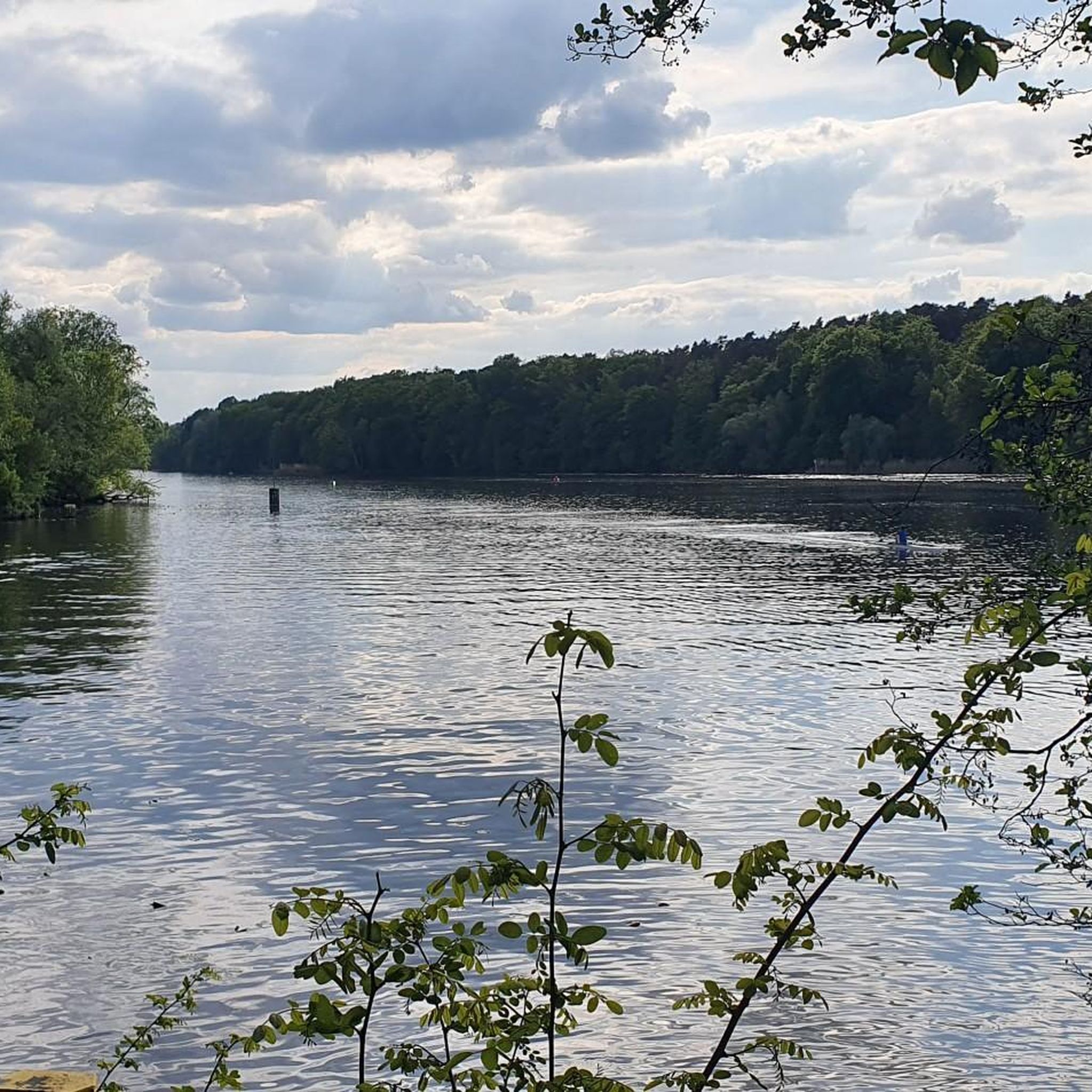
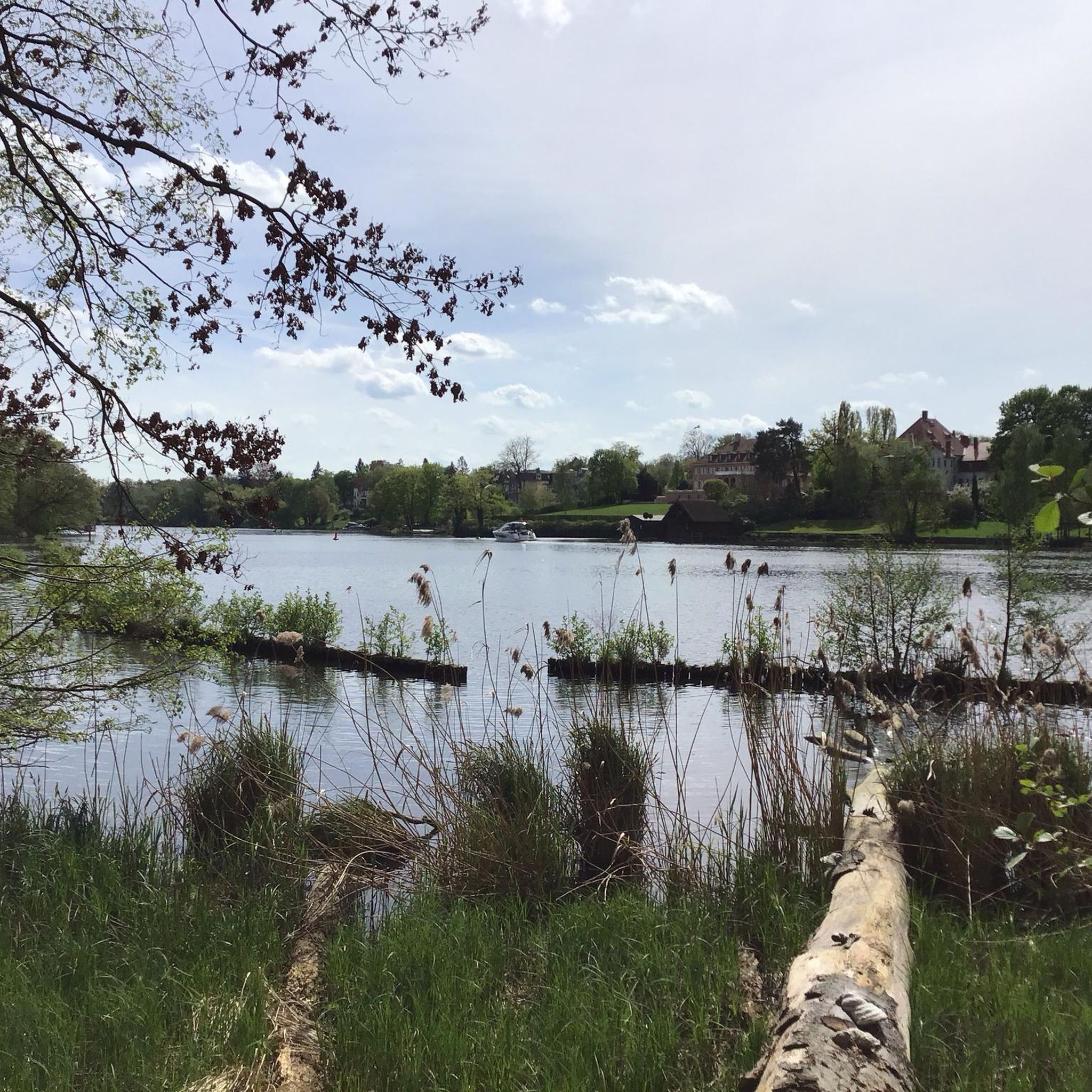
- The most popular attractions is Griebnitzsee, a lake known for its scenic views and well-maintained surroundings, offering opportunities for walks along its promenade. It features historic buildings along its shore and a rental station for kayaks, SUPs, and bicycles.
- Another must-see spot is Truman Villa (Haus Erlenkamp), a historical site named for US President Harry S. Truman, who resided here during the Potsdam Conference in 1945. This villa, also known as the "Little White House," reflects a pivotal moment in post-World War II history.
- Visitors also love Söhnel Werft Beer Garden, a beer garden situated directly on the water. It provides a spot for a break with a restaurant and an expanded beer garden experience.
- Griebnitzsee is known for its historical sites, natural landscapes, and cultural points of interest. Visitors can explore lakes, villas, and former Cold War-era locations.
- The attractions around Griebnitzsee are appreciated by the komoot community. With more than 1400 upvotes and over 130 photos, these spots are popular among explorers.
Last updated: July 6, 2026
Griebnitzsee
Highlight • Lake
Translated by Google •
Tip by

Griebnitzsee Lakeside Trail
Highlight • Trail
Translated by Google •
Tip by

Sign up now to discover places like this
Get recommendations on the best single tracks, peaks, & plenty of other exciting outdoor places.
Sign up for free
Refreshment hall at Griebnitzsee S-Bahn station
Highlight • Cafe
Translated by Google •
Tip by

Söhnel Werft Beer Garden
Highlight • Pub
In recent years, operations have taken a break from time to time and the owner or concept has changed. Since the 2022 season, the Söhnel shipyard has been open again with a restaurant and an expanded beer garden. You can find more information and opening times here: soehnel-berlin.de.
Translated by Google •
Tip by

Truman Villa (Haus Erlenkamp)
Highlight • Historical Site
Translated by Google •
Tip by

Sign up for free to discover even more attractions around Griebnitzsee.
Sign up for free
Already have an account?
Start today with a free account
Your next adventure awaits.
Login or Signup
Tips from the Community

Beer garden Sacrow has good food
0
3

Unfortunately, it is still not completely accessible. The villas look most beautiful from the water side.
0
0

The riverside path is currently not recommended for cycling due to the closures
0
2

Unfortunately it is currently closed, here you can get delicious Lübzer on tap.
0
1

Station 1931 The station was built in 1874 on the Berlin-Potsdam Railway for the development of the residential area of Neubabelsberg; hence its original name, Neubabelsberg. It opened on June 1 of the same year. The first station building was a reconstructed wooden pavilion by Kyllmann & Heyden, which had been erected the previous year as the German House at the Vienna World Exhibition. The station building, which still stands today, was designed by Günter Lüttich in 1931. On April 1, 1938, the station was renamed Babelsberg-Ufastadt due to its proximity to the ever-expanding Ufa film complex.[1] At the end of World War II, the Teltow Canal Bridge near Kohlhasenbrück was blown up, resulting in the suspension of S-Bahn service between Zehlendorf and Babelsberg-Ufastadt from April 1945 to June 15, 1948.[2]
5
4
In the years that followed, the building, now located on Karl-Marx-Straße, served as a SED party school, a polytechnic high school (1961–1974) and as a furniture warehouse. After being on the real estate market for years, the villa was bought by the FDP-affiliated Friedrich Naumann Foundation in 1998 and renovated from 1999 to 2001. Before construction work began, a fire caused by arson caused severe damage, particularly to the valuable interior furnishings.[3] The old villa was supplemented in 2000 by a modern office building designed by the architect Diethelm Hoffmann. The foundation has had its headquarters here since April 2001.
1
0
From the Truman Mansion, President Truman issued the order for the atomic bombings of Hiroshima and Nagasaki. Shortly before the Wehrmacht's unconditional surrender on May 8, 1945, the "Erlenkamp House", which was located on what was then the SA street from 1933 to 1945, was confiscated by the Soviet accommodation administration, with the residents having two hours to leave the building . In the run-up to the Potsdam Conference, the house was prepared for its accommodation purpose and then used as living quarters until the Commander-in-Chief of the Soviet occupation troops in Germany, Marshal Georgi Zhukov, was recalled in the spring of 1946.[2] Although Zhukov was also head of the Soviet Military Administration in Germany (SMAD), which was based in Karlshorst, he preferred to be close to the military.
1
0
The "Haus Erlenkamp" in what was then Kaiserstraße 2 in Neubabelsberg was planned by the architects Karl von Großheim and Heinrich Joseph Kayser and built between 1891 and 1892. The builder was Carl Müller-Grote (1833–1904), owner of the G.Grote publishing house and publisher of the works of Theodor Fontane.[1] The villa served as his summer residence and was an early meeting place for important personalities. A regular guest was Edwin Redslob, the Reich Art Commissioner of the Weimar Republic, who co-founded the Tagesspiegel in 1945. The house was named "Truman Villa" because the President of the United States Harry S. Truman lived here during the Potsdam Conference; for this reason and because of its white paintwork, the villa was also nicknamed "Little White House". From July 15, 1945, Truman lived in the villa for 17 days together with US Secretary of State James F. Byrnes and Defense Advisor William D. Leahy.
0
0
Frequently Asked Questions
What historical sites can I explore around Griebnitzsee?
The Griebnitzsee area is rich in history. You can visit the Truman Villa (Haus Erlenkamp), where US President Harry S. Truman resided during the Potsdam Conference. The Griebnitzsee Campus of the University of Potsdam also features impressive older buildings with historical significance, including its role during the Cold War as a 'forbidden zone' near the Berlin Wall. Additionally, the Griebnitzsee S-Bahn station itself played a crucial role as a connection point between East and West Berlin.
Are there opportunities for walking or cycling around Griebnitzsee?
Yes, the Griebnitzsee offers excellent opportunities for both walking and cycling. A public lakeside promenade, formerly a patrol path during the Berlin Wall era, provides scenic walks with views of historic buildings. Adjacent natural areas like Duppeler Forst and Glienicker Park offer further serene paths. For cycling, there are dedicated routes, and you can even find bike rentals near the Griebnitzsee S-Bahn station.
What kind of outdoor activities are available near Griebnitzsee?
Beyond leisurely walks and cycling around the lake, the area offers various outdoor activities. You can explore several hiking routes, including easy loops like the 'Steam Engine House – Babelsberg Park loop' or longer, moderate options such as the 'Griebnitzsee – Babelsberg Park loop'. For cyclists, there are routes like the 'Griebnitzsee Lakeside Trail' and the 'Teltow Canal Riverside Path'. You can find more details on these activities in the waterfall hikes, cycling, and easy hikes guides for the Griebnitzsee area.
Are there family-friendly attractions or activities around Griebnitzsee?
Absolutely. Many of the attractions around Griebnitzsee are suitable for families. The Griebnitzsee itself, with its promenade, is great for family walks. The Refreshment hall at Griebnitzsee S-Bahn station and the Söhnel Werft Beer Garden are also marked as family-friendly, offering pleasant spots for breaks. The easy walking and cycling paths in the surrounding natural areas are also ideal for families.
Where can I find a place to eat or relax by the water?
For a relaxing break by the water, the Söhnel Werft Beer Garden is an excellent choice. It's beautifully situated directly on the water and offers a restaurant and an expanded beer garden experience. Another option is the Refreshment hall at Griebnitzsee S-Bahn station, which provides a lovely view of the S-Bahn station and the lake.
When is the best time of year to visit Griebnitzsee?
Griebnitzsee is particularly beautiful in the spring and fall. These seasons offer pleasant temperatures for walking and cycling along the lakeside promenade and enjoying the natural scenery. The changing foliage in autumn creates a picturesque backdrop for outdoor activities.
What do visitors particularly enjoy about the Griebnitzsee area?
Visitors frequently praise the scenic views and the tranquil atmosphere of Griebnitzsee. The well-maintained lakeside promenade, the charming historic villas along the shore, and the opportunities for leisurely walks and bike rides are highly appreciated. The Söhnel Werft Beer Garden is also a community favorite for its beautiful waterside location and relaxing ambiance.
Are there any wheelchair-accessible paths or attractions around Griebnitzsee?
Yes, several areas around Griebnitzsee offer accessibility. The Griebnitzsee itself, with its promenade, and the Refreshment hall at Griebnitzsee S-Bahn station are noted as wheelchair-accessible, allowing more visitors to enjoy the lake views and facilities.
What is the Enver Pascha Bridge and where is it located?
The Enver Pascha Bridge on the Teltow Canal is a notable landmark in the Griebnitzsee area. It's situated on the Teltow Canal, which feeds into the lake, and is often mentioned as a pleasant section for a hike, offering a nice view and a connection point for various routes.
Can I rent equipment for water sports or cycling at Griebnitzsee?
Yes, you can. There is a rental station conveniently located in the Griebnitzsee S-Bahn station where you can rent kayaks, stand-up paddleboards (SUPs), and bicycles to explore the lake and its surroundings.
Are there any other significant Potsdam attractions easily accessible from Griebnitzsee?
Griebnitzsee's location makes it a great base for exploring other major Potsdam attractions. You can easily reach Babelsberg Park and Palace, the historically significant Glienicke Bridge (known as the 'Bridge of Spies'), Cecilienhof Palace where the Potsdam Conference took place, and the famous Sanssouci Park and Palace, a UNESCO World Heritage site.
Most popular routes around Griebnitzsee
Most popular attractions around Griebnitzsee

Get inspired with the komoot mobile app


Explore more
Still not found the Highlight you’re looking for? See guides of the top attractions in other regions:
