Attractions and Places To See around Lough Veagh - Top 3
Best attractions and places to see around Lough Veagh include a freshwater lake nestled in County Donegal, Ireland, forming a central part of Glenveagh National Park. This remote wilderness is characterized by the rugged Derryveagh and Glendowan Mountains, which flank the lake. The area offers a blend of natural beauty, historical landmarks like Glenveagh Castle, and diverse ecosystems. It is a significant habitat for wildlife, including red deer and various bird species.
Best attractions and places to see around Lough…
Last updated: October 2, 2026
Glenveagh Castle
Highlight • Castle
Then sit comfortably in the café and round off the tour with tea and cake.
Translated by Google •
Tip by

Lough Veagh Lakeside Gravel Path
Highlight • Cycleway
Tip by

Sign up now to discover places like this
Get recommendations on the best single tracks, peaks, & plenty of other exciting outdoor places.
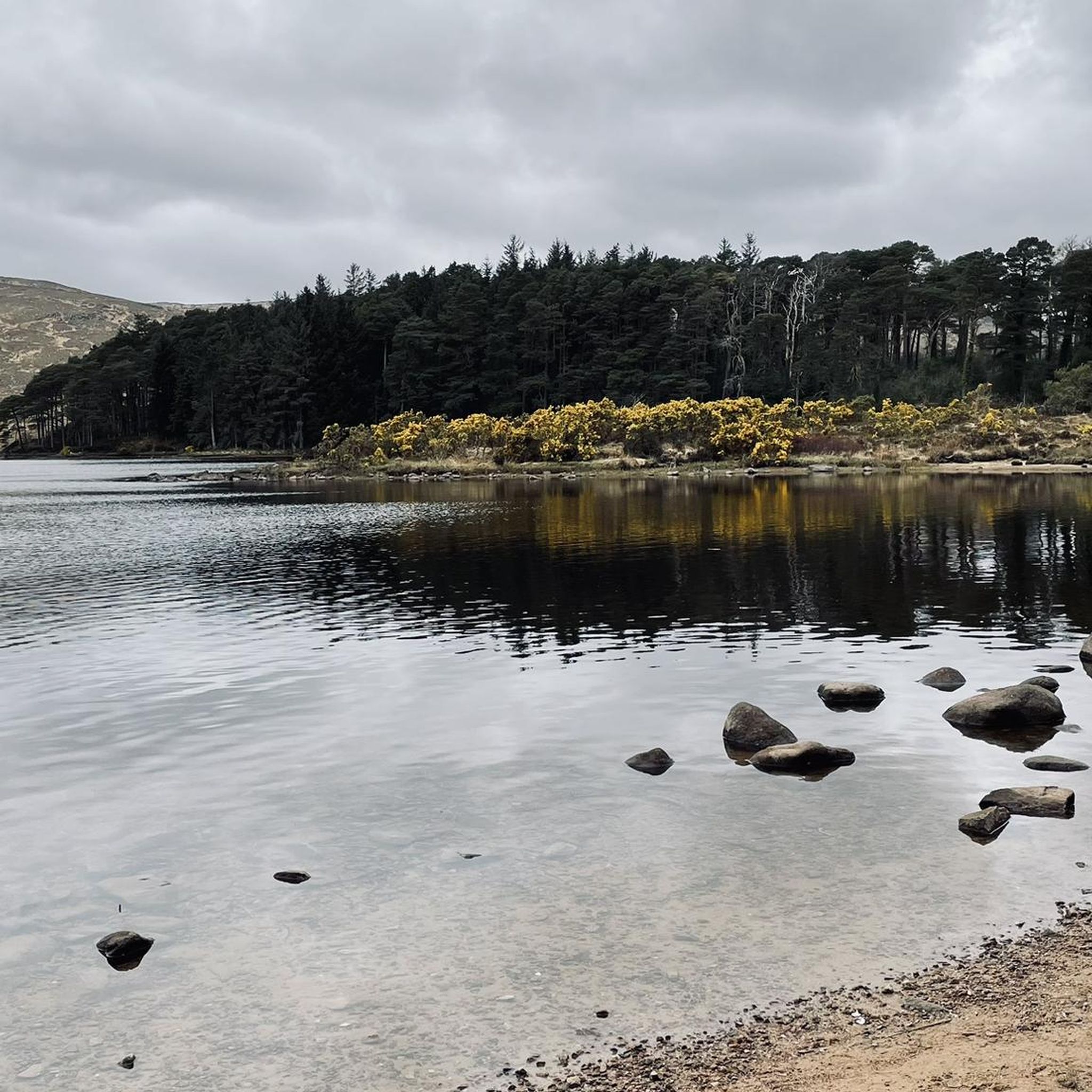
View of Lough Veagh
Highlight • Lake
Tip by
View of Lough Veagh
Highlight • Viewpoint
Tip by
Start today with a free account
Your next adventure awaits.
Tips from the Community

"Where the mountains rise to the oft-changing skies, And the castle stands stately and gray; Where the still lake still lies, beneath that wild, rugged hill, In the vale of lovely Glenveagh..." By: Herbert W.K. Sterritt
4
0

Great castle that was once seen in a James Bond film. It is located in the middle of a large national park that is worth hiking.
2
0

The house is built in the Scottish Baronial style and consists of a four storey rectangular keep surrounded by a garden.
3
0

You can explore Glenveagh National Park on two feet by running alongside Lough Veagh to Glenveagh Castle or heading further afield along the Bridle Path to the southwest which meets the R254. It is one of the biggest attractions in County Donegal.
0
0
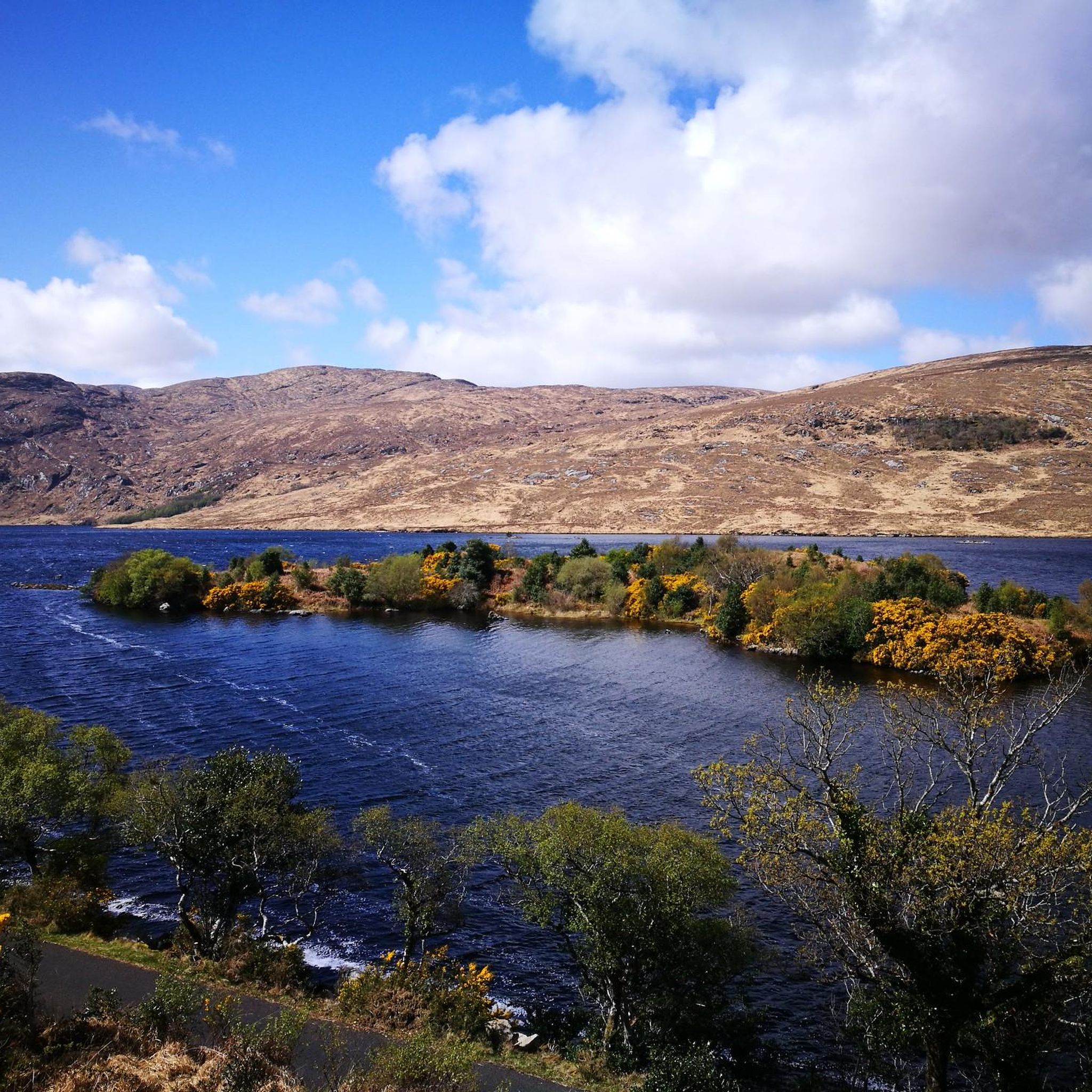
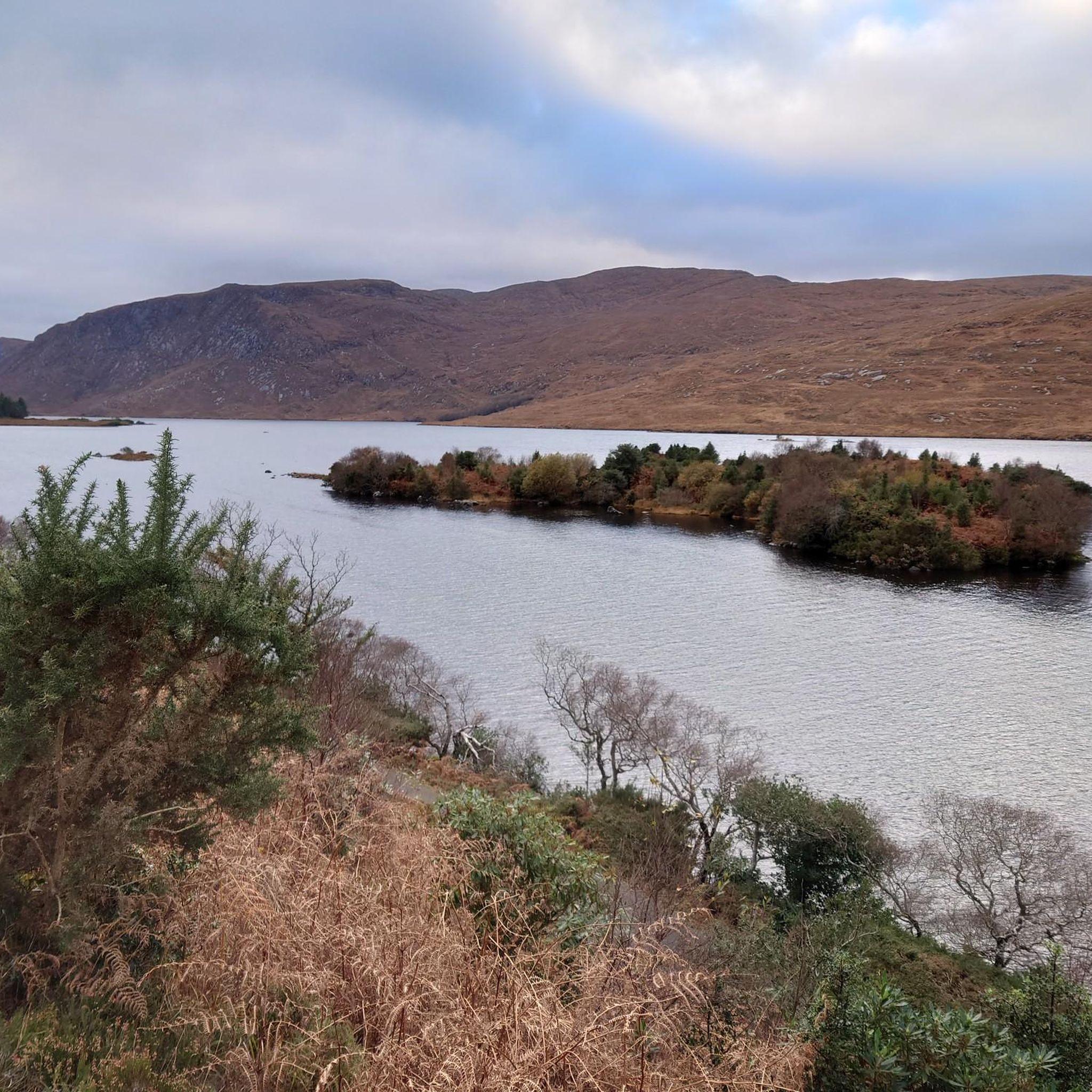
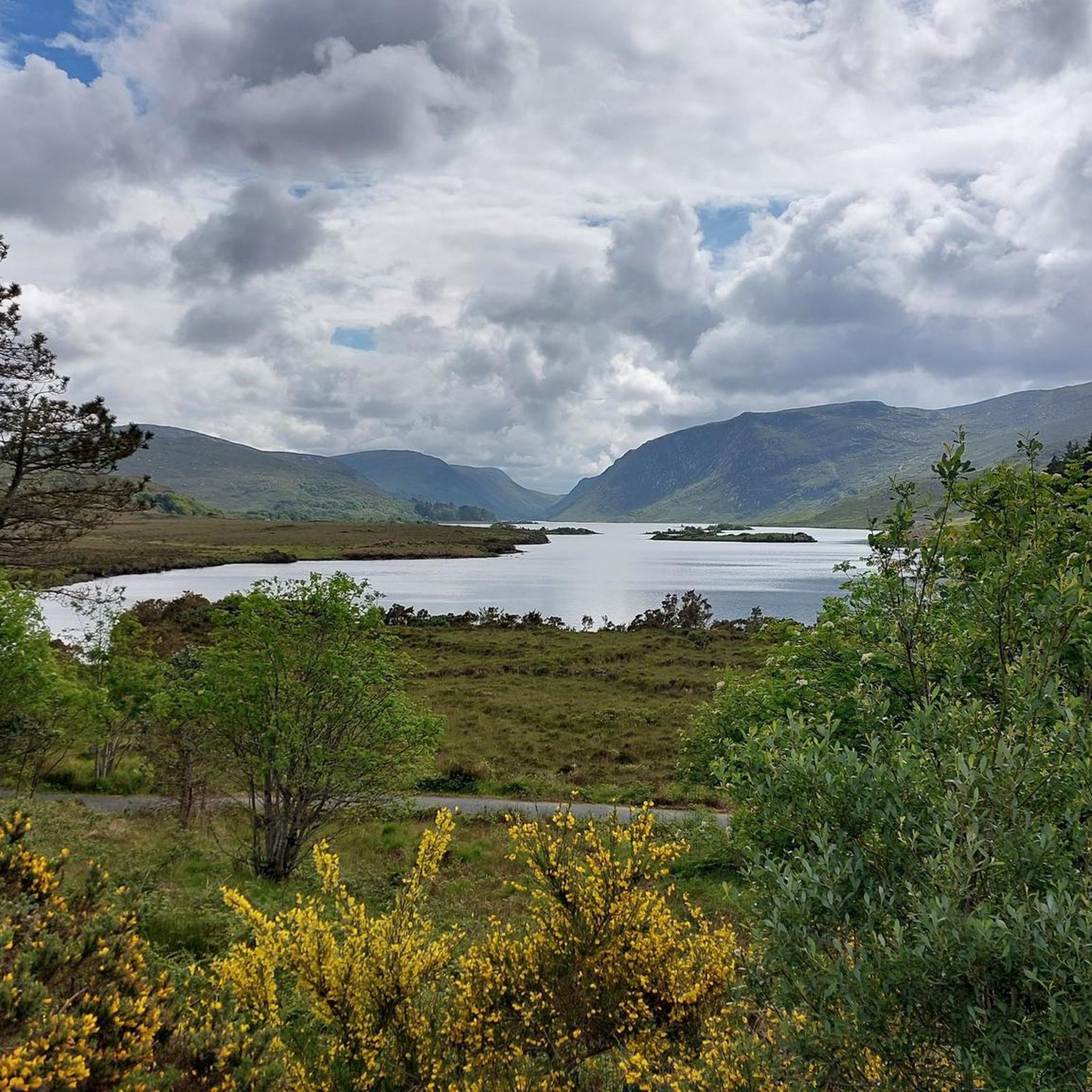
Running between Glenveagh Castle and the visitor centre, there are great views of the freshwater lake Lough Veagh. Nestled in the Glenveagh Valley, it's surrounded by the Derryveagh and Glendowan Mountains.
0
0
Built in the late 19th century, Glenveagh Castle was the home of Captain John George Adair. Situated on the bank of Lough Vegh, it is a stunning sight. You can visit the well maintained castle gardens as well as have a pitstop in the tea room.
3
0
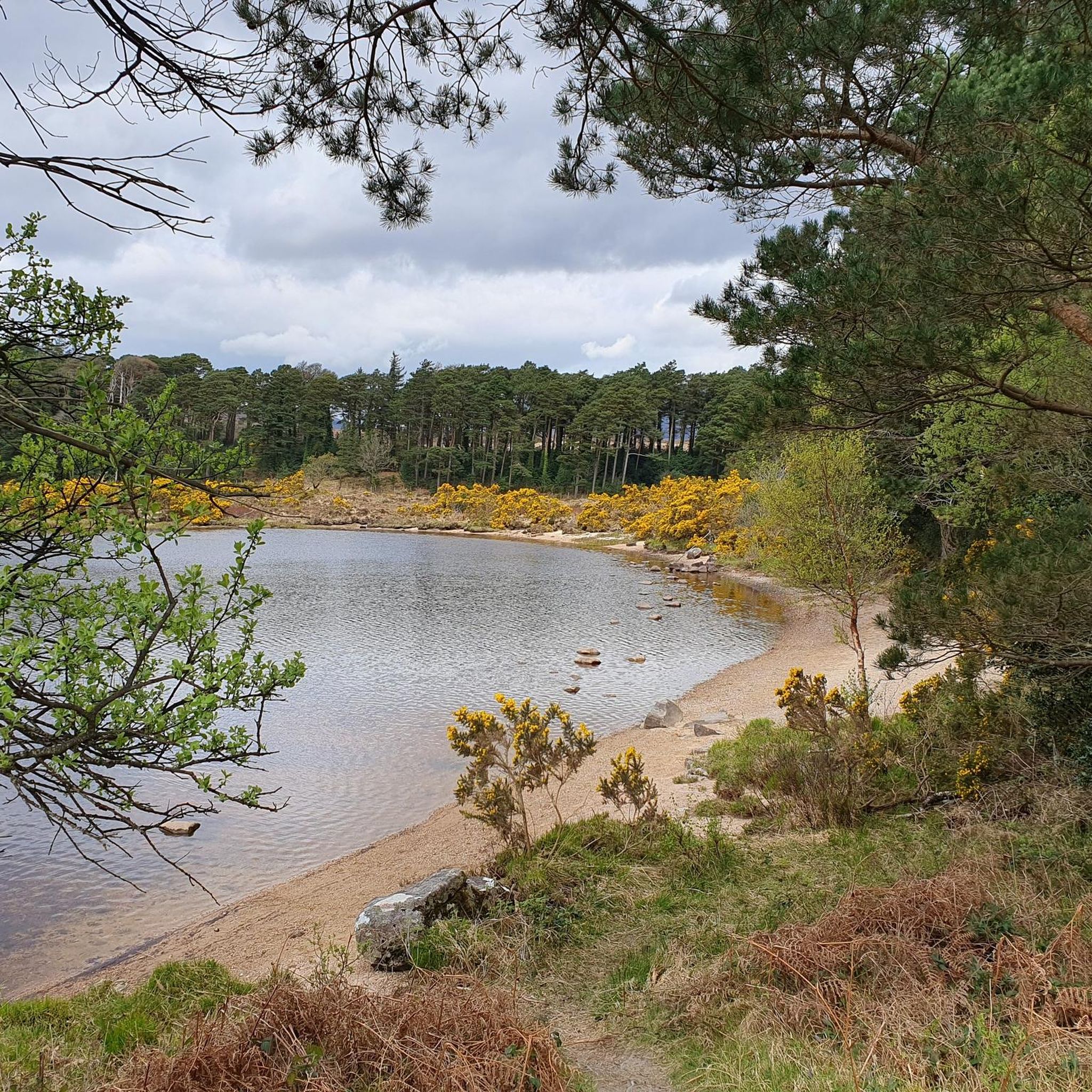
This is a great section of gravel between Glenveagh Castle and the visitor's centre. It passes alongside Lough Veagh and is a great opportunity for traffic free cycling.
0
0

The castle initially built by Captain John Adair and his wife Cornelia. They had an ambition to create an estate and castle that surpassed Balmoral, Queen Victorias Scottish retreat. To reach their aesthetic objectives many local people were evicted and Adair gained a reputation for being notoriously cruel. The castle gained a reputation of being cursed due to the cruel treatment of the local people. A fund was set up to help young people emigrate to Australia from the area. When John passed, Cornelia took over who was far more popular and was considerate of the townspeople. On passing the castle was bought by internationally renowned Harvard University Professor Arthur Kingsley Porterwho eventually gave it to the nation of Ireland. Take some time to explore the fantastic gardens of the castle whilst passing through.
4
0
Frequently Asked Questions
What historical sites can I visit around Lough Veagh?
The most prominent historical site is Glenveagh Castle, a magnificent 19th-century castellated mansion. You can take guided tours of its elegant interior and explore the surrounding Glenveagh Castle Gardens, which are considered one of Ireland's outstanding horticultural masterpieces.
Are there family-friendly activities near Lough Veagh?
Yes, the area offers several family-friendly options. Exploring Glenveagh Castle and its gardens is popular. You can also enjoy the Lough Veagh Lakeside Gravel Path, which is suitable for traffic-free cycling and walking, offering beautiful views of the lake.
What kind of natural features can I expect to see?
Lough Veagh itself is a stunning freshwater lake, reflecting the rugged Derryveagh and Glendowan Mountains. The area is part of Glenveagh National Park, home to Ireland's largest herd of red deer, and features diverse ecosystems including native woodlands and extensive peatlands. Keep an eye out for the impressive Astellen Waterfall, especially after heavy rain.
What are the best walking and hiking trails in the area?
For an easy walk with stunning views, try the Lakeshore Trail from the visitor center to Glenveagh Castle. The Derrylahan Nature Trail is another easy 2.5 km loop through native Scots Pine woodland. For more challenging options, the park offers numerous trails, including the longer Lough Inshagh Walk, and you can find more routes in the MTB Trails around Lough Veagh guide.
Can I cycle around Lough Veagh?
Absolutely! The Lough Veagh Lakeside Gravel Path provides a great traffic-free cycling experience between the visitor center and Glenveagh Castle. For more extensive cycling, you can explore various routes listed in the Cycling around Lough Veagh and Road Cycling Routes around Lough Veagh guides.
Where can I find the best viewpoints of Lough Veagh?
Excellent views of Lough Veagh can be enjoyed from various points along the Lakeshore Trail, particularly from the area between the visitor center and Glenveagh Castle. There are specific viewpoints marked, such as View of Lough Veagh, which offer panoramic vistas of the lake nestled within the mountains.
What is the best time of year to visit Lough Veagh and Glenveagh National Park?
The park offers beauty year-round, but the autumn months (October-November) are particularly special for spotting red deer during their rutting season. Spring and summer provide lush landscapes and longer daylight hours for exploring. The Astellen Waterfall is most impressive after heavy rain, which can occur at any time of year.
Are there any hidden gems or less-known spots worth visiting?
Beyond the main attractions, the Astellen Waterfall is considered a hidden gem, especially striking after rainfall. The dramatically beautiful glaciated valley known as The Poisoned Glen also offers a unique natural experience within the wider Glenveagh National Park.
What facilities are available at Glenveagh National Park?
The Glenveagh Visitor Centre provides displays on the park's ecology, wildlife, history, and conservation, along with an audio-visual show. It also serves as a staging point for shuttle buses to the castle. There are cafes available, including one at Glenveagh Castle, where you can enjoy refreshments.
What wildlife can I expect to see in the area?
Glenveagh National Park is renowned for its wildlife. It is home to Ireland's largest herd of red deer. Lough Veagh supports brown trout, salmon, Arctic char, and the critically endangered European eel. The park is also the only breeding center in Ireland for the red-throated diver, and golden eagles can occasionally be spotted following their reintroduction.
Is there public transport or parking available for Glenveagh National Park?
The Glenveagh Visitor Centre has parking facilities. For information on public transport options to Glenveagh National Park, it's best to check the official park website for the most up-to-date details on routes and schedules. You can find more information on the official national parks website: nationalparks.ie.
Most popular attractions around Lough Veagh

Get inspired with the komoot mobile app


