The best road cycling routes around Öllingen
4.7
(353)
3,876
riders
161
rides
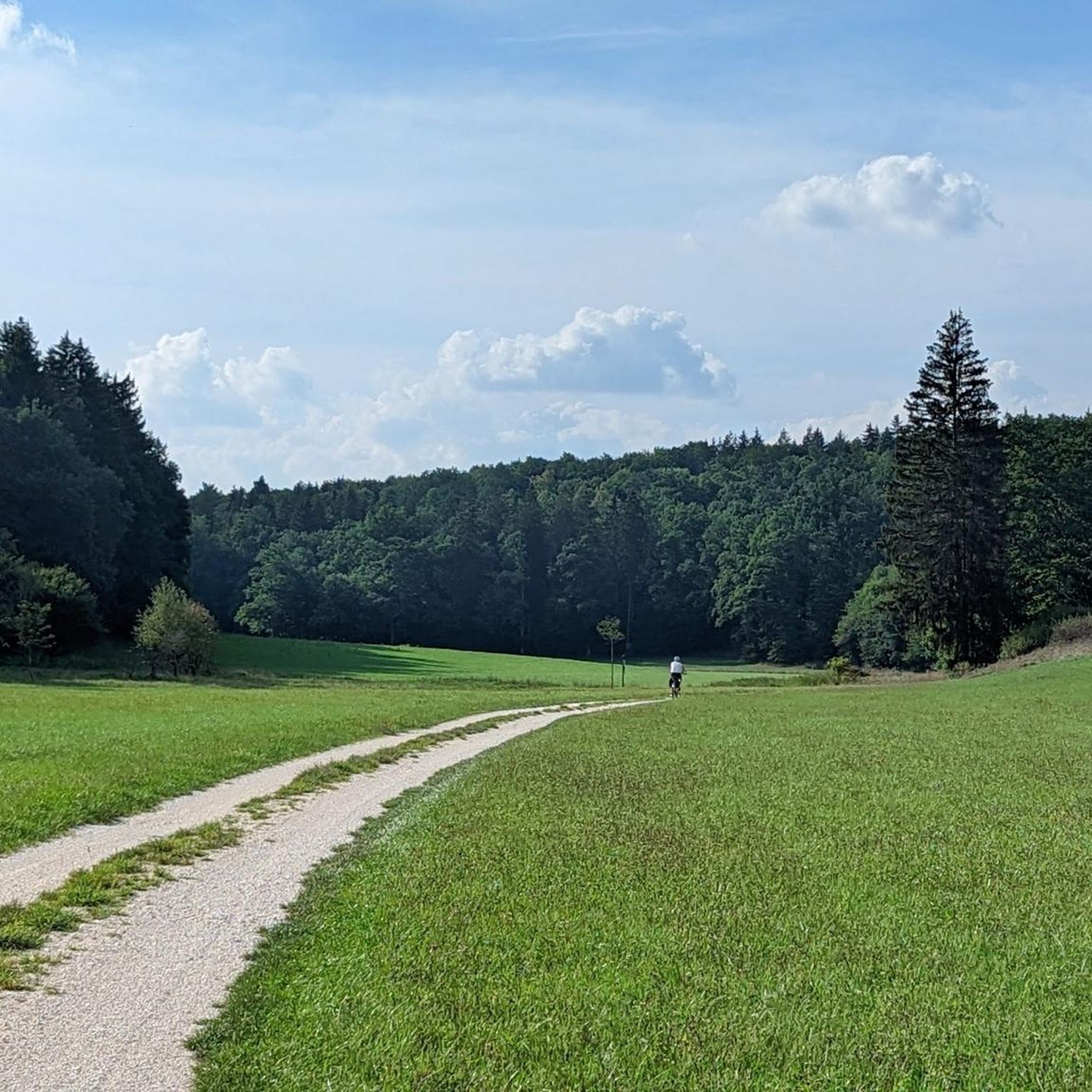
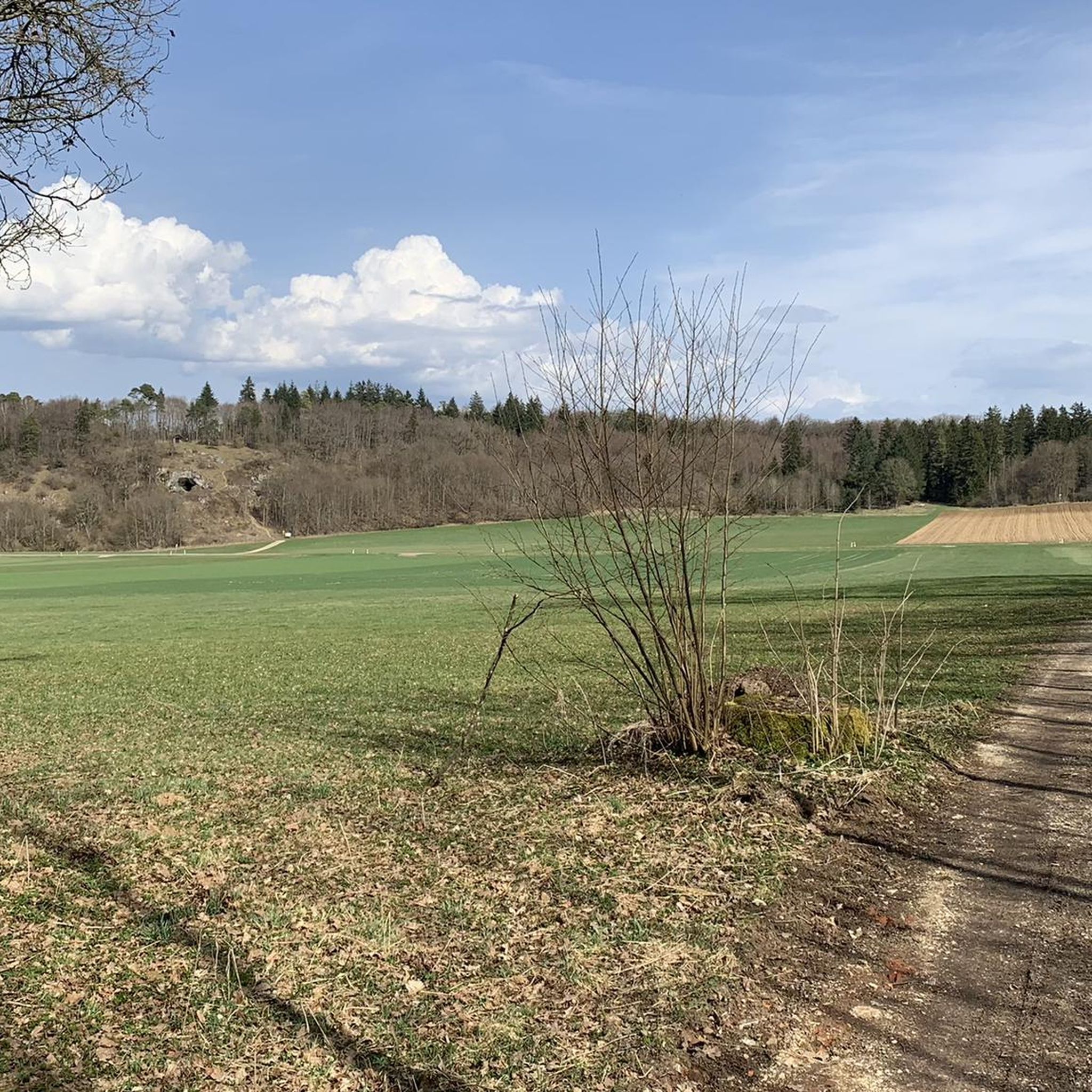
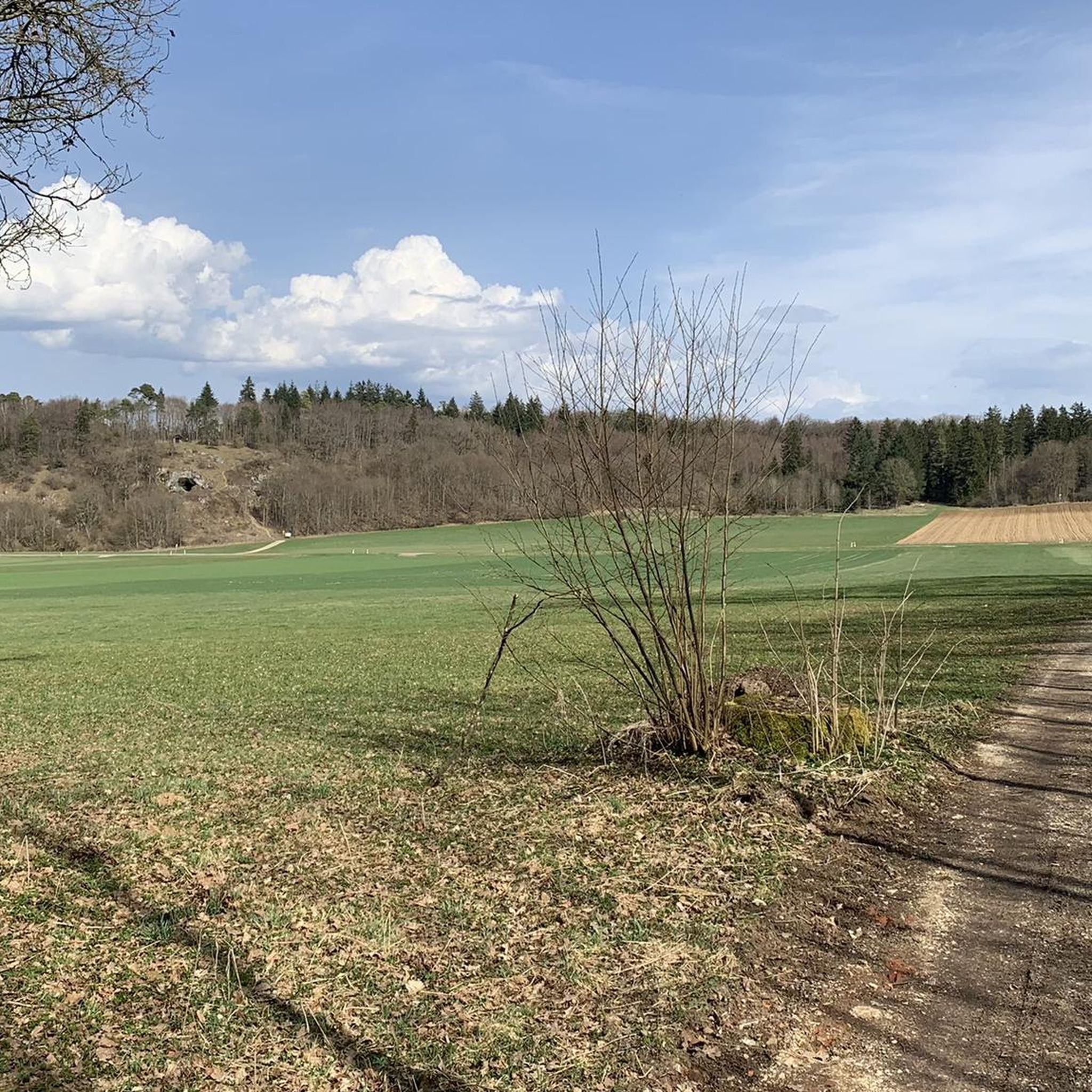
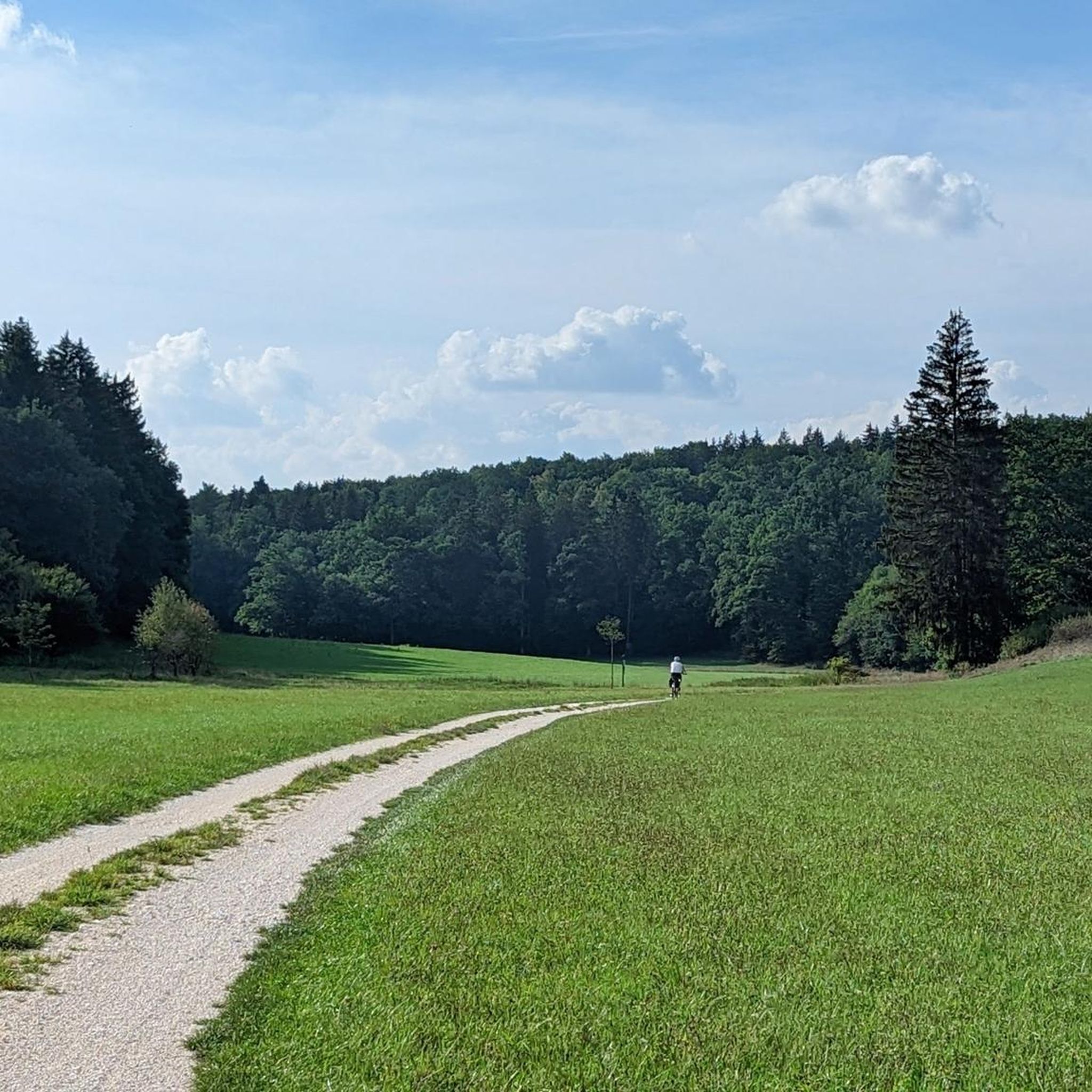
Road cycling routes around Öllingen are situated in the Alb-Donau district of Germany, at an elevation of 526 meters on the southern slope of the Swabian Alb. The region features rolling hills, dense forests, and proximity to the Danube River, providing varied terrain for road cyclists. Its location offers a network of cycle paths that include ascents and descents, catering to different skill levels. The landscape is characterized by karst formations of the Swabian Alb and the scenic Lonetal.
Best…
Last updated: July 11, 2026
4.0
(2)
13
riders
Moderate road ride. Good fitness required. Mostly well-paved surfaces and easy to ride.
4.5
(2)
15
riders
33.9km
01:29
270m
270m
Easy road ride. Great for any fitness level. Mostly well-paved surfaces and easy to ride.

Sign up for free
5.0
(1)
8
riders
49.2km
02:05
340m
340m
Moderate road ride. Good fitness required. Mostly well-paved surfaces and easy to ride.
11
riders
25.8km
01:07
120m
120m
Moderate road ride. Great for any fitness level. Some segments of this route may be unpaved and difficult to ride.
5.0
(1)
12
riders
28.3km
01:05
80m
80m
Easy road ride. Great for any fitness level. Mostly well-paved surfaces and easy to ride.
Get access to more routes and recommendations from other explorers.
Sign up for free
Already have an account?
Our route recommendations are based on thousands of hikes, rides, and runs completed by other people on komoot.
Start today with a free account
Your next adventure awaits.
Login or Signup

Tips from the Community

Rittergut der Württembergischen Ritter e.V. Venue for, for example, a medieval festival in the summer. With a bit of luck, you can hear and see the peacocks that also live here.
0
0

Here there is, in addition to good beer and sausage salad, also a CHARGING STATION for bicycles (6 Schuko)
0
0

Playground for adults. Nothing else.
0
0

You roll along the asphalt amidst orchards – what a view! If you need a break, there's a bench here with an information panel about the orchards.
0
0

Traditional village fountain with local coat of arms – a classic meeting place and photo opportunity in the village center.
0
0
Historic manor house with old cellars – a testament to the aristocratic and agricultural past of the place.
0
0

The Roman Catholic parish church of St. Laurentius is located in Thalfingen, a part of the municipality of Elchingen. The late Gothic hall church burned down in 1633. It was rebuilt in 1648/49 using the surrounding walls.
0
0

Frequently Asked Questions
How many road cycling routes are available around Öllingen?
Öllingen offers a wide selection of road cycling routes, with over 160 tours available. These range from easy rides to more challenging ascents, catering to various skill levels.
What is the general terrain like for road cycling in Öllingen?
The terrain around Öllingen is characterized by rolling hills and the distinctive karst landscapes of the Swabian Alb. You'll encounter a mix of ascents and descents, providing varied experiences for road cyclists. The region also offers proximity to the Danube River, allowing for flatter sections along its cycle path.
What are the difficulty levels of road cycling routes in Öllingen?
Öllingen provides a good mix of difficulty levels. You'll find approximately 46 easy routes, over 100 moderate routes, and about 12 more challenging options, ensuring there's something for every road cyclist.
Are there any circular road cycling routes in Öllingen?
Yes, many of the road cycling routes around Öllingen are designed as loops. For example, the Descent to Bolheim – Martinskirche Langenau loop from Löwenmensch is a popular moderate route that circles back to its starting point, offering a complete experience without needing a return trip.
What natural features can I expect to see along road cycling routes near Öllingen?
Road cycling routes near Öllingen often pass through diverse natural landscapes. You can explore the scenic Lonetal, known for its rare flora and fauna and Ice Age caves, or experience the dramatic karst formations of the Swabian Alb. The Donaumoos Nature Reserve is also nearby, offering well-signposted paths and vibrant natural beauty, especially in spring or autumn. You might also encounter highlights like the Stone Maidens rock formations or the Eselsburger Valley.
Are there any historical landmarks or cultural sights to visit while road cycling in Öllingen?
Absolutely. The region around Öllingen is rich in history and culture. You can incorporate stops at impressive historical buildings like Mochental Castle, which offers beautiful views, or Wiblingen Monastery. The village of Öllingen itself features the highly visible Ulrich church, and the Lonetal holds historical significance with its Ice Age caves, such as the Bockstein cave.
Are there any good viewpoints along the road cycling routes?
Given Öllingen's location on the southern slope of the Swabian Alb and its rolling hills, many routes offer impressive viewpoints. Mochental Castle, for instance, provides excellent views of the surrounding park landscape. You might also find scenic vistas from higher elevations within the Swabian Alb, such as the Observation Tower Mooswaldsee / South Lake.
Is there parking available for cyclists in Öllingen?
While specific parking areas for cyclists aren't detailed, Öllingen is a village with traditional agricultural character. It's generally possible to find parking in or near the village center, especially for those starting a tour. Always check local signage for parking regulations.
Can I reach Öllingen by public transport with my bicycle?
Öllingen is situated in the Alb-Donau district. Public transport options, including regional buses and trains, connect the area. It's advisable to check the specific public transport provider's rules regarding bicycle carriage, as policies can vary by route and time of day.
Are there family-friendly road cycling routes in Öllingen?
Yes, Öllingen offers a good selection of easier routes suitable for families. With approximately 46 easy tours available, you can find paths with less elevation gain and traffic, allowing for enjoyable family outings. The proximity to the Danube Cycle Path also provides flatter, well-maintained sections ideal for family rides.
Where can I find places to eat or stay near the road cycling routes in Öllingen?
The region around Öllingen, including nearby towns and villages, offers various options for refreshments and accommodation. You'll find local guesthouses, restaurants, and cafes where you can refuel after your ride. It's recommended to check local listings for specific establishments along your chosen route or in nearby communities like Langenau.
What do other road cyclists enjoy most about the routes in Öllingen?
The road cycling routes around Öllingen are highly rated by the komoot community, with an average score of 4.7 stars from over 300 reviews. Cyclists often praise the varied terrain, the picturesque landscapes of the Swabian Alb and Lonetal, and the well-developed network of paths that cater to different skill levels. The opportunity to combine cycling with cultural stops at castles or monasteries is also frequently appreciated.
Are there any routes that follow a river or offer waterside views?
Yes, the region's proximity to the Danube River is a significant advantage. Cyclists can easily access the well-maintained Danube Cycle Path for routes offering breathtaking waterside views. Additionally, the Anhausen Abbey on the Brenz – Martinskirche Langenau loop from Hausen ob Lontal specifically follows the Brenz river, providing scenic views along its course.
Most popular attractions around Öllingen

Get inspired with the komoot mobile app


Explore more
Browse the best Road cycling routes in other regions.
