Attractions and Places To See around Foresta della Valle Benedetta - Top 20
Best attractions and places to see around Foresta della Valle Benedetta, a hamlet of Livorno situated over 300 meters in the Livornese Hills of Tuscany, Italy. This area offers a blend of historical sites, natural beauty, and outdoor activities. Visitors can explore the Ugione torrent valley, dense Mediterranean macchia, and pine forests, alongside cultural heritage such as ancient mills and aqueducts. The region provides diverse landscapes and historical insights for exploration.
Best attractions and places to see around Foresta della…
Last updated: July 6, 2026
Great coastal trail
Highlight • Viewpoint
Between the end of the 16th and the beginning of the 17th century, Livorno's …
Tip by

Colognole Aqueduct (Leopoldino Aqueduct)
Highlight • Monument
Translated by Google •
Tip by

Sign up now to discover places like this
Get recommendations on the best single tracks, peaks, & plenty of other exciting outdoor places.
Sign up for free
Eremo della Sambuca
Highlight • Religious Site
The hermitage is located south of the Valle Benedetta in the forest of the Livorno Mountains.
Already known in the 13th century as …
Translated by Google •
Tip by
Valle Benedetta (Livorno, Tuscany)
Highlight • Settlement
Tip by
Parrana S. Martino (Livorno)
Highlight • Settlement
Tip by
Sign up for free to discover even more attractions around Foresta della Valle Benedetta.
Sign up for free
Already have an account?
Start today with a free account
Your next adventure awaits.
Login or Signup
Popular around Foresta della Valle Benedetta
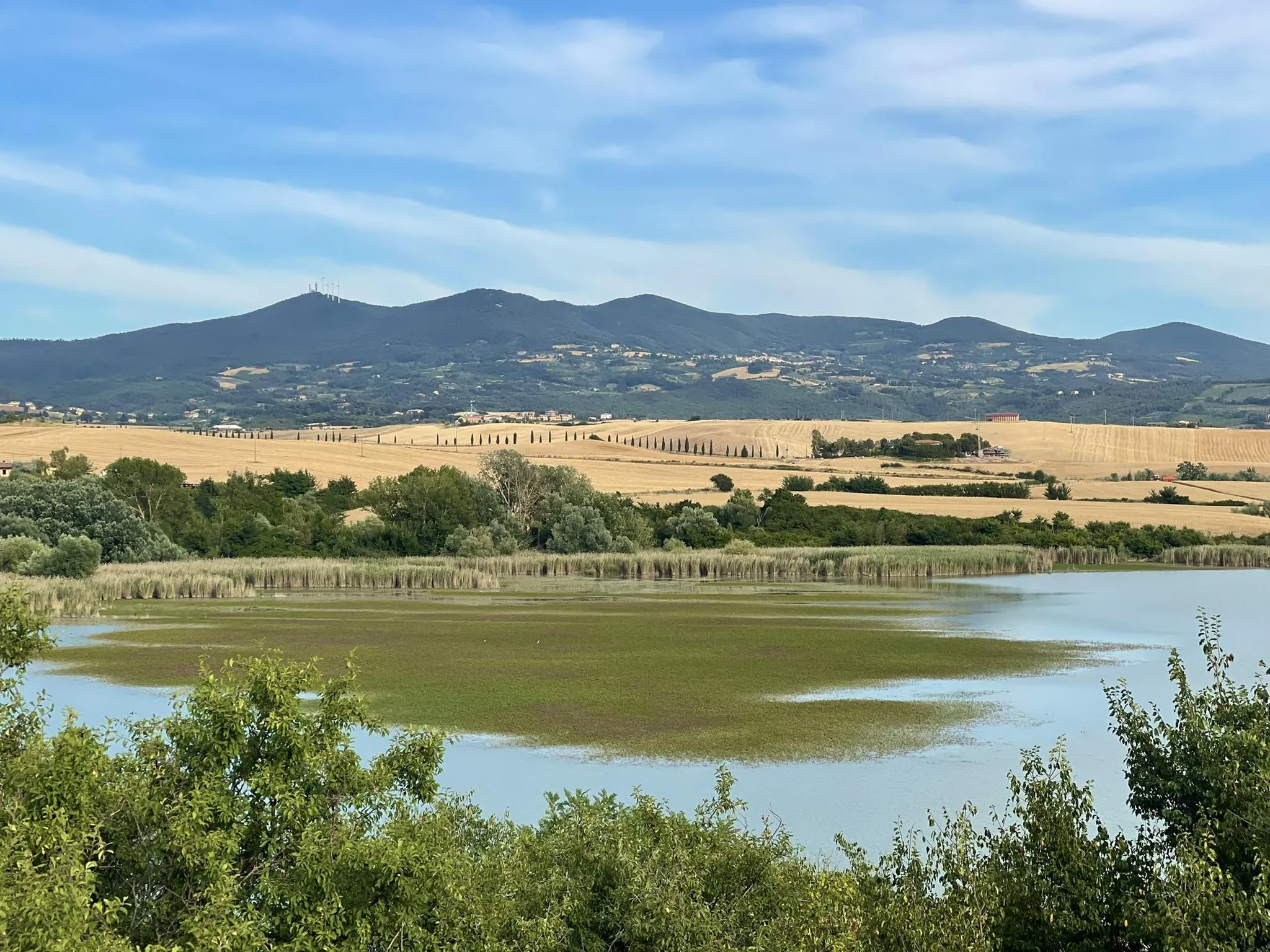
Bike touring between spas and villages – Santa Luce lake and Livorno hills
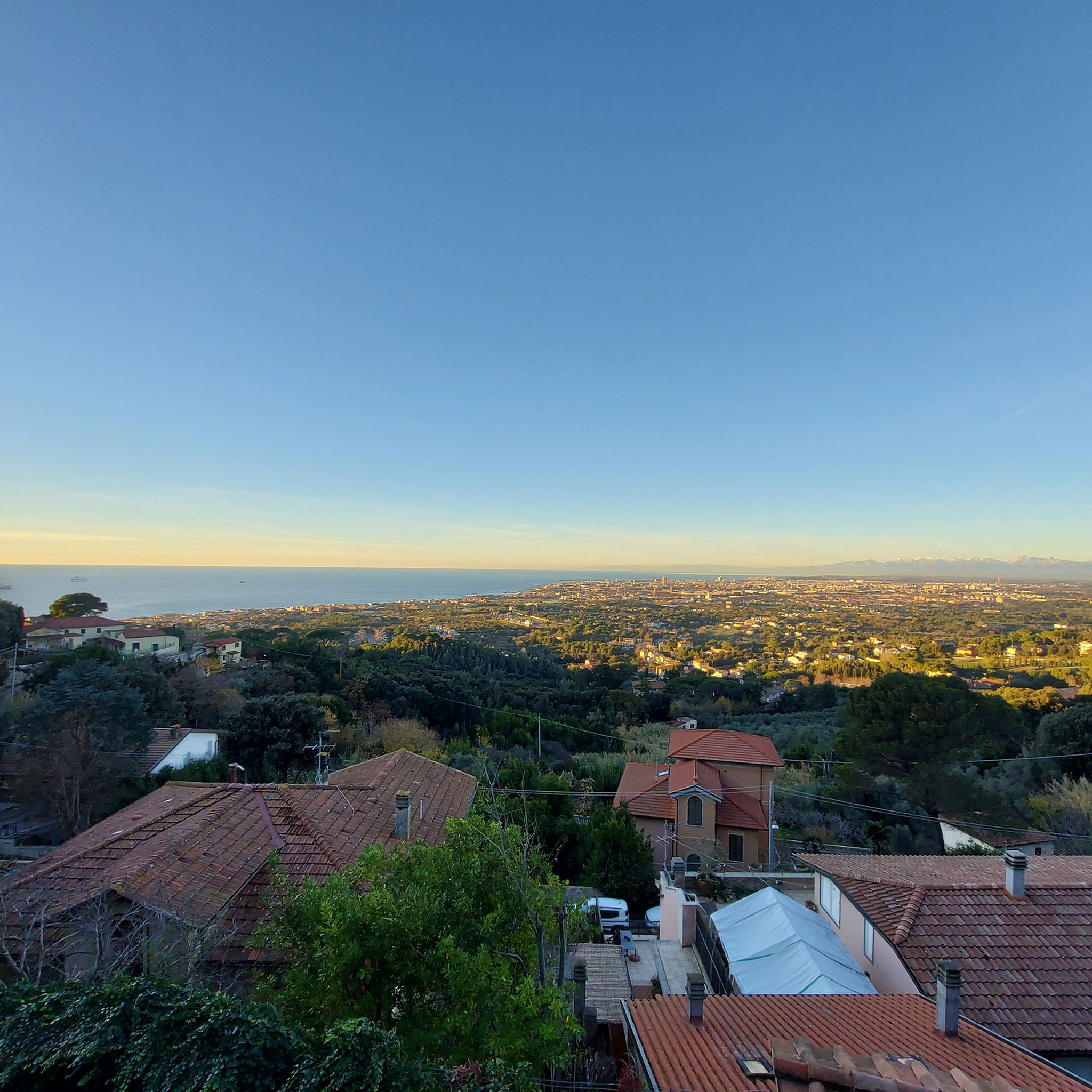
Hiking around Foresta della Valle Benedetta
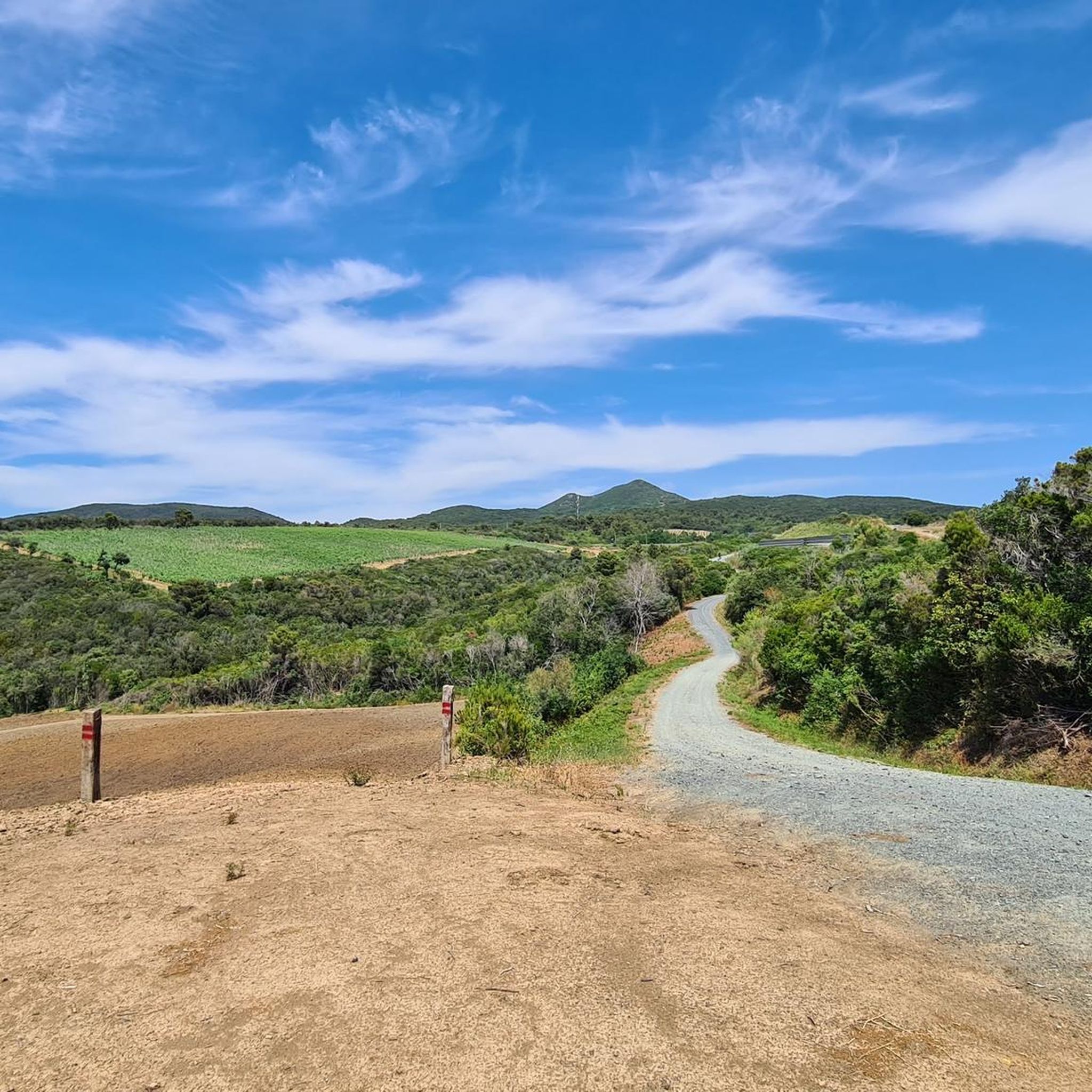
Road Cycling Routes around Foresta della Valle Benedetta
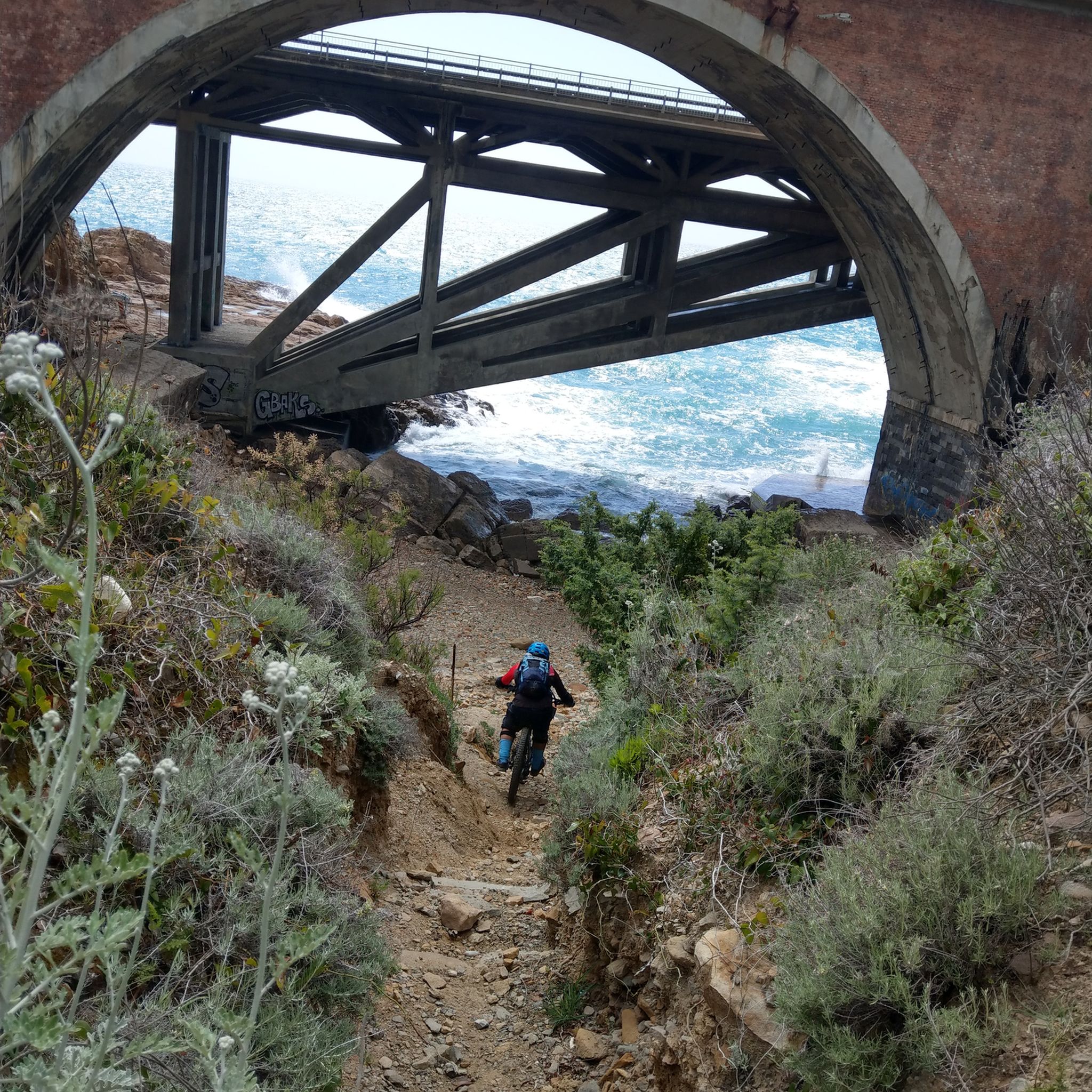
MTB Trails around Foresta della Valle Benedetta
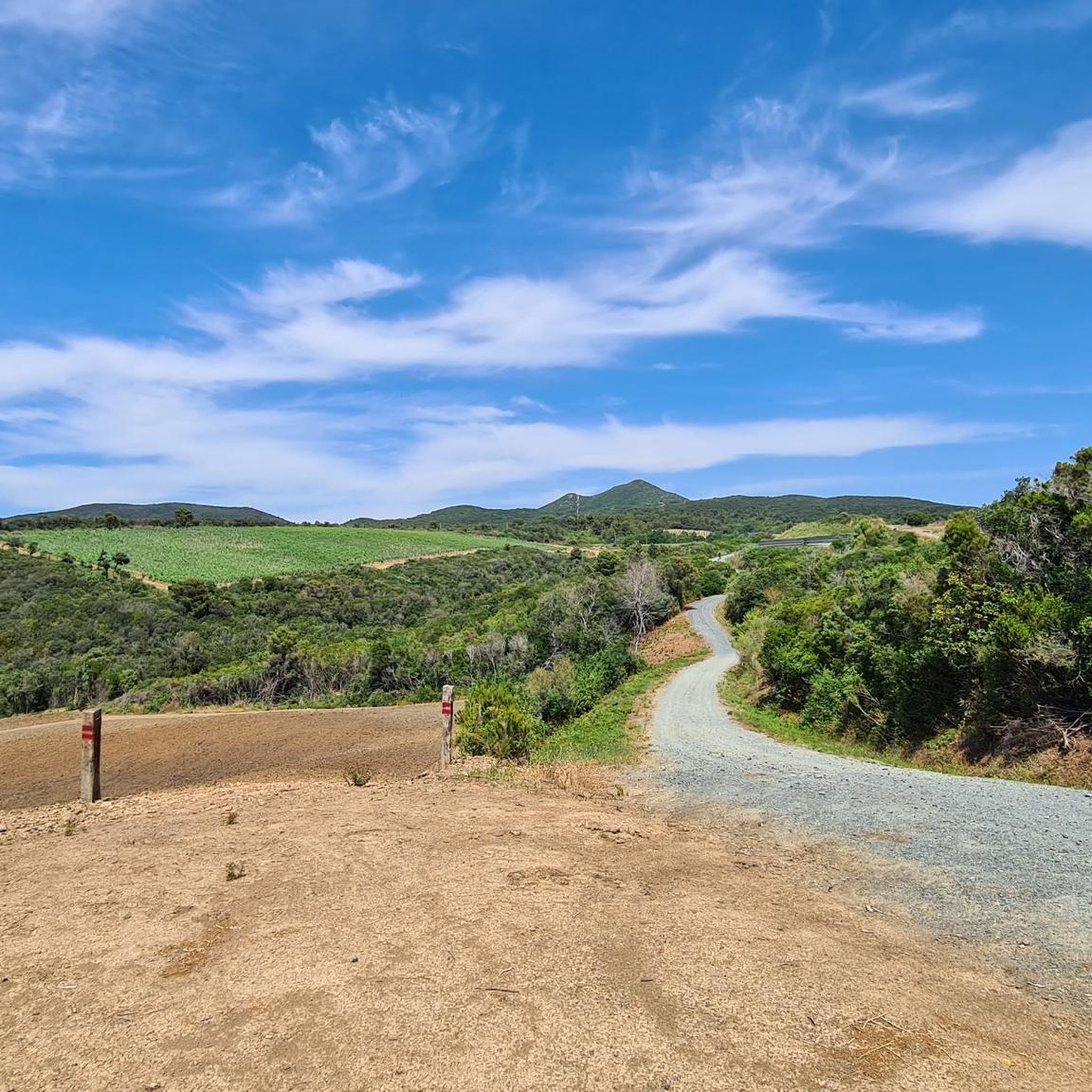
Cycling around Foresta della Valle Benedetta

Gravel biking around Foresta della Valle Benedetta
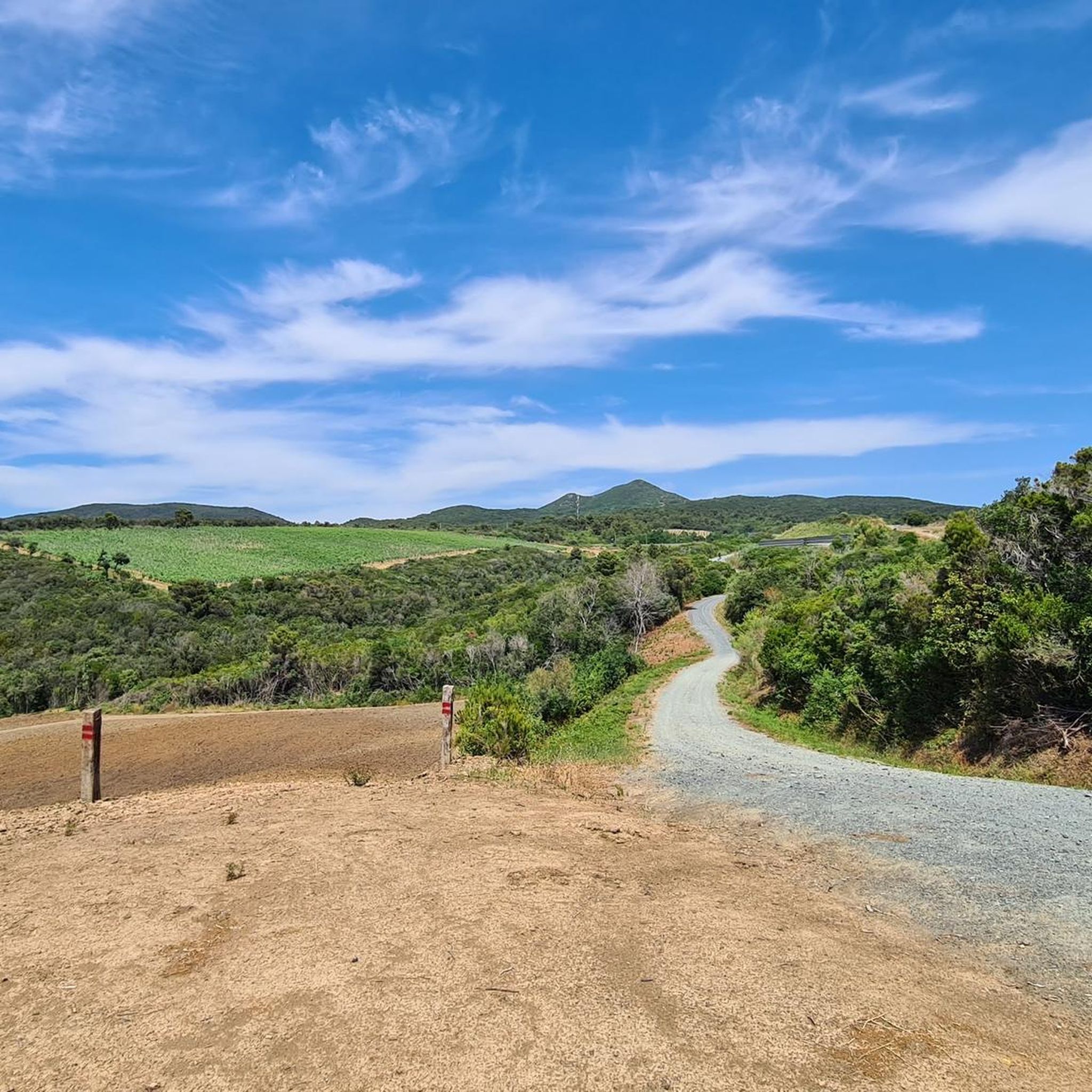
Running Trails around Foresta della Valle Benedetta
Other adventures around Foresta della Valle Benedetta

Tips from the Community

Please take into account that it is very technical and some roads are closed.
0
0

A surprising presence deserves a stop
0
0
Exclusive, unique and unexpected
0
0
Route with beautiful views of the coast, there is a main road section of about 7 km without a cycle path where you have to be a bit careful with the bike.
0
0

Beautiful structure, gives the spirit of antiquity
0
0
An ancient structure, creates a very particular atmosphere
0
0

Eremo della Sambuca (Valle Benedetta - Livorno) The hermitage is located south of the Valle Benedetta in the forest of the Livorno Mountains. Already known in the 13th century as an Augustinian hermitage, one of the many that flourished throughout the Christian West to welcome those who wanted to retreat in prayer far from the noise of the world, in 1390 it took the name of Eremo di Santa Maria in Parrana Among others, the Gesuati penitential friars settled there. The Gesuati (not to be confused with the Jesuits) were born as an association of lay penitents founded in the 14th century by St. Giovanni de' Colombini from Siena. They preached peace, poverty and their main function, in addition to prayer, was to assist the sick, the poor and the needy. They spread throughout Italy and, in particular in Tuscany, founded many convents. The Augustinian hermitage was expanded and strengthened by them with other interventions in the vicinity (cultivations, a water mill, "icehouses"). Precisely because of the holy life that these monks led and because of its position sunken into the valley of the Ugione stream, the hermitage took the name of Santa Buca, or Sambuca. Over time, the Gesuati also took over the administration of the Sanctuary of Montenero. After the Gesuati order was suppressed in 1668 by Pope Clement IX (and their assets confiscated to support the war against the Turks), the complex passed to a series of private owners and followed a long period of decline. The structure consisting of a small church (with a single nave, divided into three bays with a circular apse, cross vaults and remains of frescoes, including an Annunciation), cells, guesthouse, refectory, kitchen, granary, cellar, is in poor condition. Since 1950 the structure has been a state-owned building of the Municipality of Collesalvetti. In 1912 it was declared a national monument and a few years ago it was entrusted to the Parish of Giovanni Gualberto in Valle Benedetta.
3
0

Ancient Hermitage, whose oldest nucleus dates back to 1100 (small church of Santa Maria di Parrana, with a few cells, Augustinian Fathers of S. Jacopo in Acquaviva), located in the valley of the Ugione torrent, in the Provincial Natural Park of the Livornesi Mountains and in the complex regional agricultural-forestry Livornesi Hills (Valle Benedetta Forest). From 1390 the hermitage took the name of Santa Maria della Sambuca and the penitential Gesuati friars settled there (until 1668, the year of dissolution of the order), with consequent expansion of the structure (church, cells, guesthouse, refectory, kitchen, barn, cellar). A state property since 1950, the Hermitage has been partly renovated with CIPE funds, but is in a state of abandonment and the other two wings (including the beautiful cloister) require urgent conservative restoration. Of great interest for the circuit of existing routes that touch other cultural emergencies such as the remains of mills on the Ugione stream (late 1600s - early 1700s), the ice houses (late 1700s) and other historical-cultural testimonies, as well as naturalistic and geological emergencies.
2
0
Frequently Asked Questions
What historical sites can I explore around Foresta della Valle Benedetta?
The area is rich in history. You can visit the ancient Eremo della Sambuca, a hermitage dating back to 1100, located in the Ugione torrent valley. Additionally, you'll find remains of mills from the late 1600s and early 1700s, as well as ice houses from the late 1700s, offering glimpses into past human activity.
What natural features define the landscape of Foresta della Valle Benedetta?
Foresta della Valle Benedetta is characterized by the picturesque Ugione torrent valley, dense Mediterranean macchia, and maritime pine forests. It's known for its rich biodiversity, including rare botanical species like holly and cork oaks. From various points, such as Poggio Corbolone, you can enjoy panoramic views of Livorno and the Tuscan Archipelago.
Are there any significant architectural landmarks in the area?
Yes, the Colognole Aqueduct (Leopoldino Aqueduct) is a grand neoclassical structure commissioned in 1792. It was Livorno's primary water source until 1912 and still serves parts of the city. You can also see the arches of the Leopoldine Aqueduct of Colognole, which offers a challenging route through its historical sections.
What is the village of Valle Benedetta known for?
The village of Valle Benedetta (Livorno, Tuscany) is a charming settlement nestled in the Livorno hills. It features the historic Church of San Gualberto, founded with a Benedictine monastery in the 1600s, from which the valley derives its name. The village is surrounded by a protected natural area, making it a popular destination for excursions.
What kind of hiking opportunities are available in Foresta della Valle Benedetta?
Foresta della Valle Benedetta is highly regarded for its extensive hiking trails, catering to various skill levels. You can find routes winding through dense maritime pine forests and Mediterranean macchia. For more detailed options, explore the easy hikes or waterfall hikes guides for the area.
Are there easy hiking trails suitable for families?
Yes, there are several easy hiking trails perfect for families. Routes like the "Infernaccio Small Waterfall – Fornaci del Corbolone loop" and the "Pian della Rena – View of Pisa and the Sea loop" are popular choices, offering accessible paths through beautiful scenery. You can find more options in the easy hikes around Foresta della Valle Benedetta guide.
Can I find routes that feature waterfalls in the area?
Absolutely! The area boasts routes that lead to charming waterfalls. The "Infernaccio Small Waterfall – Fornaci del Corbolone loop" is a well-known trail that passes by a small waterfall. For more options, check out the waterfall hikes around Foresta della Valle Benedetta guide.
What cycling routes are available near Foresta della Valle Benedetta?
The region offers diverse cycling opportunities. You can find routes like the "Gabbro – Castiglioncello loop" or the "Pian della Rena – Gabbro loop," which range from moderate to difficult. These routes allow you to explore the scenic Livornese Hills. Discover more in the cycling around Foresta della Valle Benedetta guide.
When is the best time to visit Foresta della Valle Benedetta for outdoor activities?
The Foresta della Valle Benedetta is enjoyable throughout much of the year. Spring and autumn offer pleasant temperatures for hiking and cycling, with lush greenery or vibrant fall colors. Even in summer, the forest provides shade, though it can be warmer. Always check local weather conditions before your visit.
Are the trails in Foresta della Valle Benedetta dog-friendly?
Many trails in Foresta della Valle Benedetta are suitable for dogs, allowing you to enjoy the natural surroundings with your canine companion. It's always recommended to keep dogs on a leash and ensure you follow local regulations regarding pets in natural parks.
What are the typical terrain conditions for hiking in Foresta della Valle Benedetta?
The terrain in Foresta della Valle Benedetta varies. You'll encounter paths through dense maritime pine forests and Mediterranean macchia. Some routes, especially those near historical sites like the Leopoldine Aqueduct, can be rocky or have considerable slopes. It's advisable to wear appropriate footwear and be prepared for uneven surfaces.
Where can I find panoramic views of Livorno and the Tuscan Archipelago?
For breathtaking panoramic views, head to points like Poggio Corbolone. From here, you can often see Livorno stretching out to the coast and catch glimpses of the Tuscan Archipelago. The Great coastal trail also offers wide panoramic views of the coast.
What do visitors particularly enjoy about the attractions around Foresta della Valle Benedetta?
Visitors frequently praise the sense of peace and connection with nature that the area offers. They appreciate the blend of historical sites, such as ancient hermitages and aqueducts, with the natural beauty of the forests and valleys. The extensive hiking opportunities and the stunning coastal views are also highly valued by the komoot community.
Most popular routes around Foresta della Valle Benedetta
Most popular attractions around Foresta della Valle Benedetta

Get inspired with the komoot mobile app


Explore more
Still not found the Highlight you’re looking for? See guides of the top attractions in other regions:
