Attractions and Places To See around Calmeynbos - Top 9
Best attractions and places to see around Calmeynbos include a 66-hectare dune forest in De Panne, Belgium, known for its natural beauty and recreational opportunities. This protected landscape, part of the European Natura 2000 network, features a diverse ecosystem with 25 tree species and various wildlife. Originally planted in 1903, Calmeynbos offers a blend of natural features and points of interest for visitors. The area is suitable for walking, cycling, and exploring natural and cultural sites.
Best attractions and places…
Last updated: July 7, 2026
Krakeelduinen Nature Reserve
Highlight • Natural
Translated by Google •
Tip by

Saint Peter's Church
Highlight • Religious Site
Translated by Google •
Tip by

Sign up now to discover places like this
Get recommendations on the best single tracks, peaks, & plenty of other exciting outdoor places.
Sign up for free
Staging Sea - Beaufort
Highlight • Monument
Translated by Google •
Tip by

Bust of Seraphyn Dequidt
Highlight • Monument
Translated by Google •
Tip by
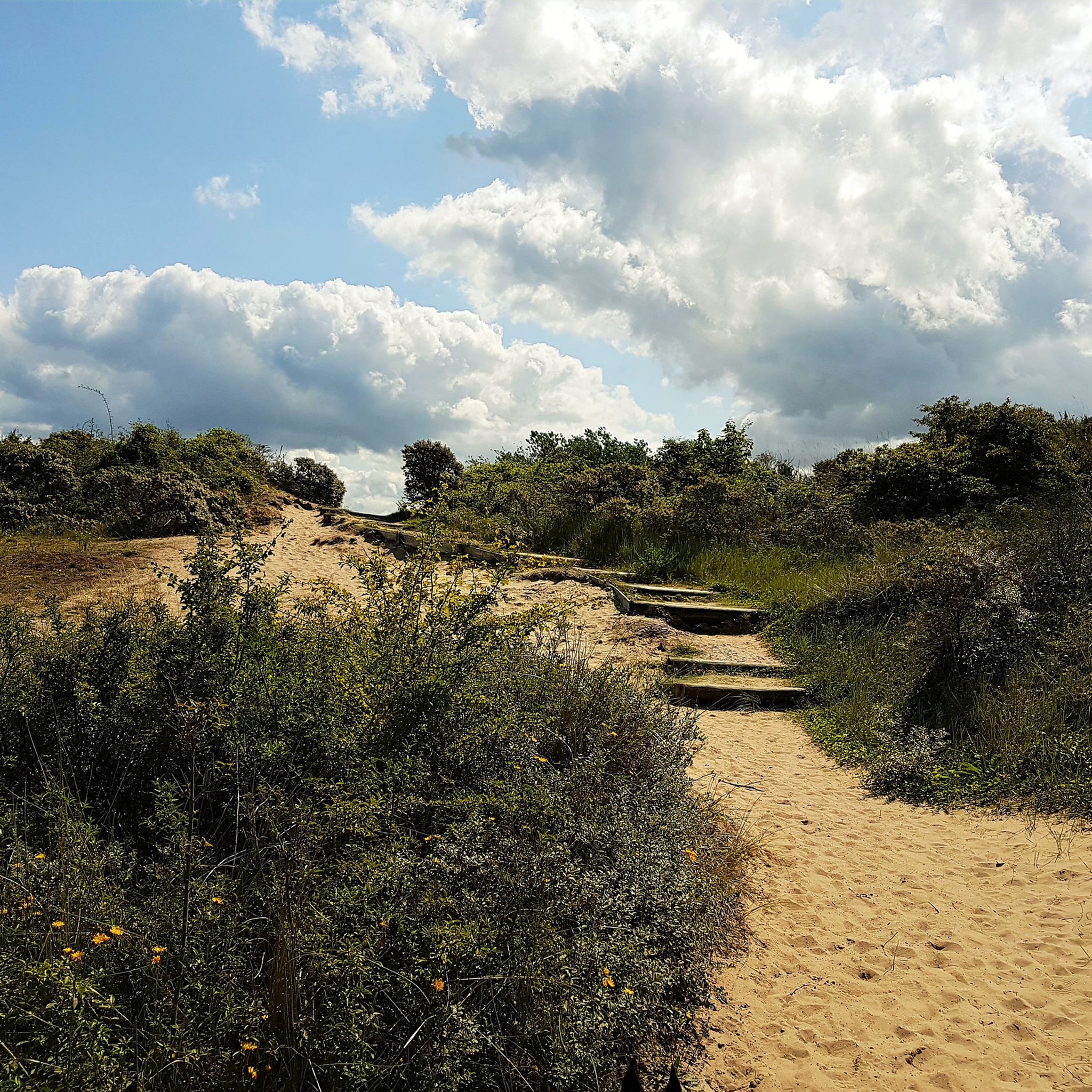
Calmeynbos Trails
Highlight • Trail
Translated by Google •
Tip by

Sign up for free to discover even more attractions around Calmeynbos.
Sign up for free
Already have an account?
Start today with a free account
Your next adventure awaits.
Login or Signup

Tips from the Community

St. Peter's Church was the first church in De Panne, built in the late 1870s on land donated by the Calmeyn-Bortier family. The church was intended for the residents of the hamlet of De Panne (formerly also called Josephdorp and Kerckepanne). History: In 1877, when De Panne was still a fishing hamlet of Adinkerke, the Calmeyn-Bortier family added a chapel to De Panne. The tower was added in 1936, when the church had long since moved away from the center of the municipality due to the construction of the Dumont district. Deconsecrated church becomes Library of the future: St. Peter's Church De Panne will become the library of the future in De Panne. The library of the future is an open, multifunctional space that can easily be adapted. With acoustic curtains, bookcases on casters, modular table systems, and rotating shelves, the space can be flexibly divided or expanded. The reading café will have its own dedicated space just outside the church. By doubling the perimeter of the existing choir with a new volume, the building unfolds like a fan to its surroundings – a generous and inviting gesture. The library will be housed in the main volume of the church. Thanks to the openness of the space, it not only offers space for reading and studying but also lends itself to multipurpose use.
3
0
Staging Sea is a total work of art: an interplay between the landscape, the lanterns, and the pavilion with a fountain. The work is as changeable as the sea in color and light. The fountain visualizes the tidal range of the Belgian coast, which is a full five meters. It therefore has both a natural and a high-tech quality. The proximity of the sea is announced; it itself is not (yet) visible from this location. Two of the pavilion's twelve panels are open, allowing visitors to sit down. In this way, the work is not only an ode to the sea but also a comment on human impact on nature. A common thread in Filip Vervaet's oeuvre is the appropriation and the malleability of nature. Source: https://www.dekust.be/beaufort-staging-sea
4
0

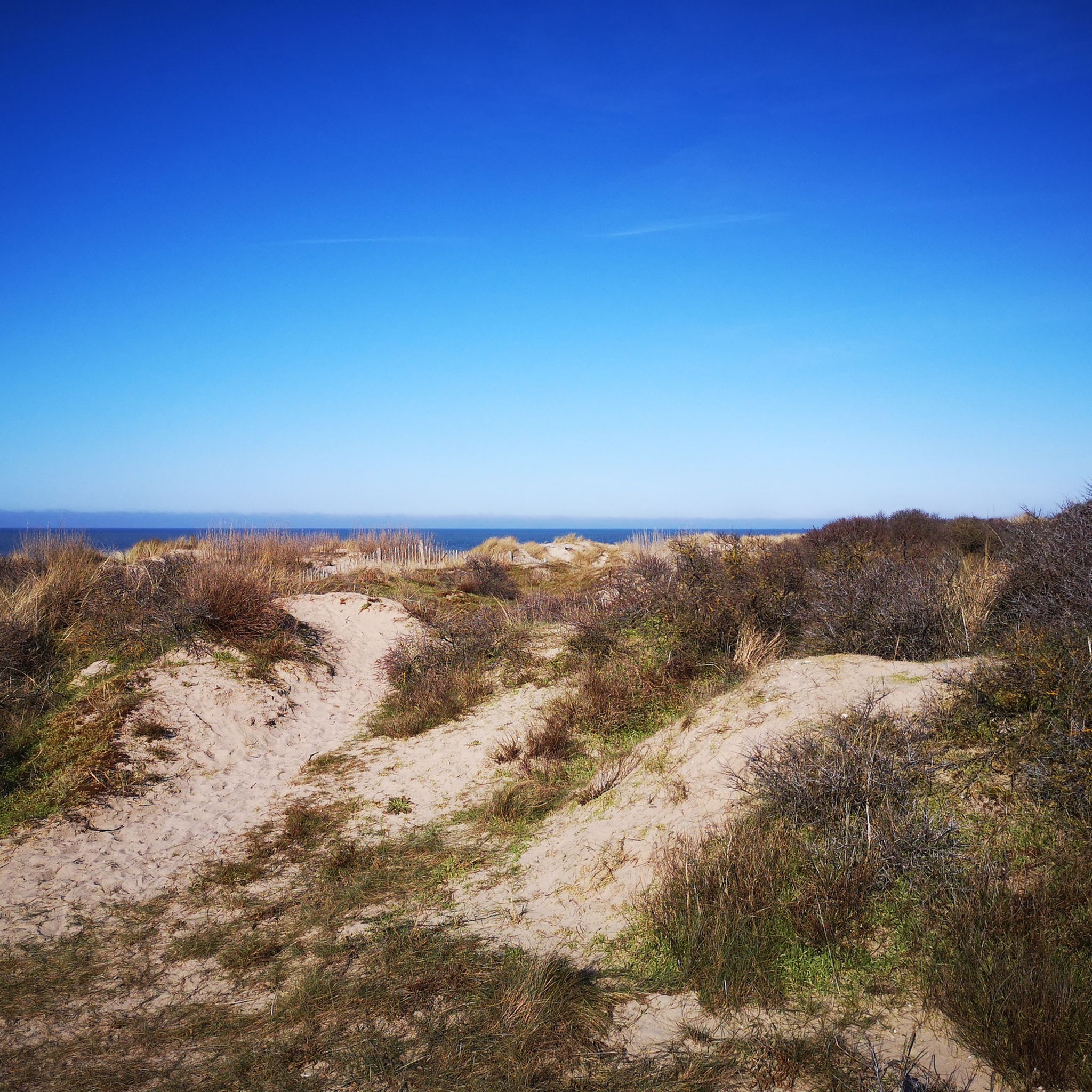
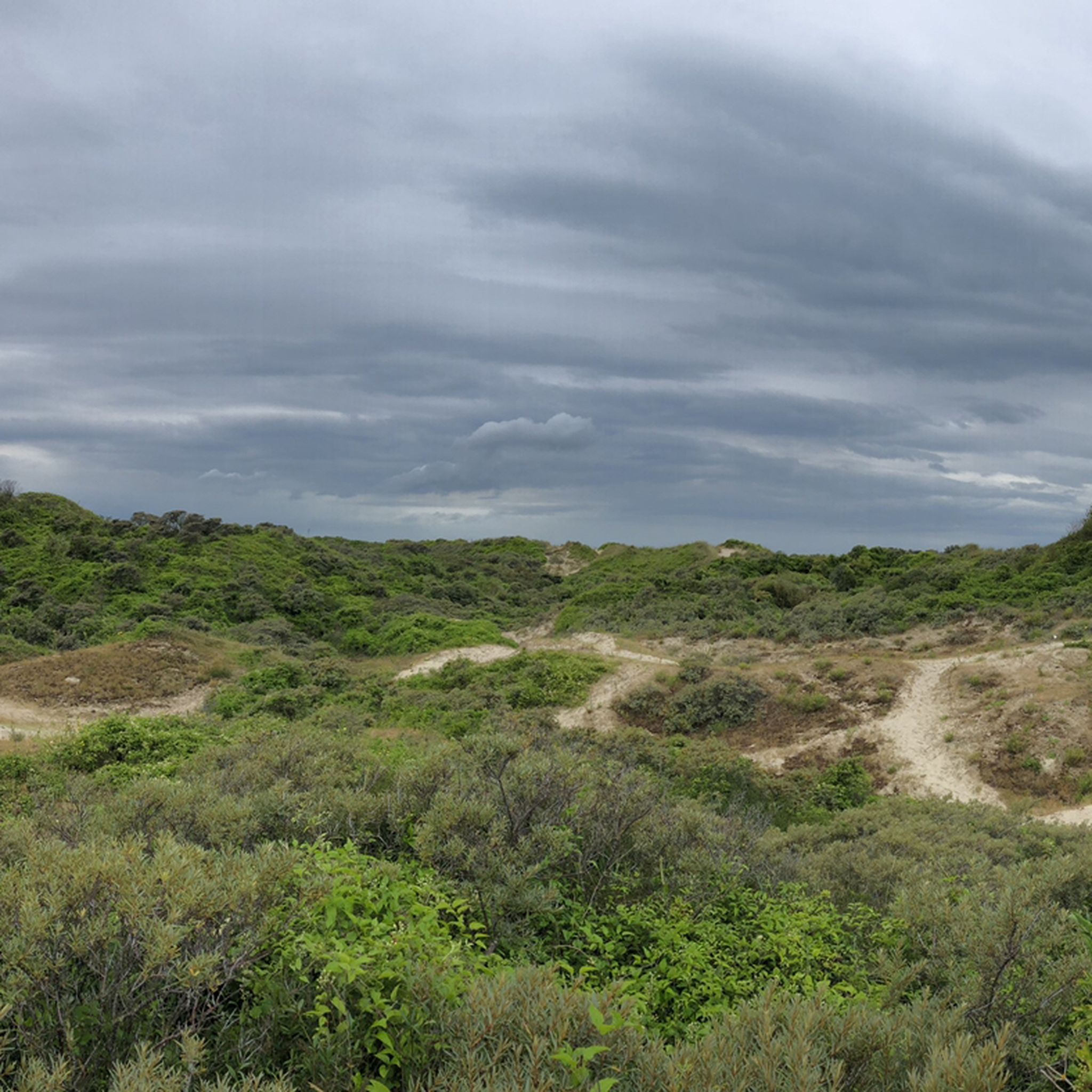
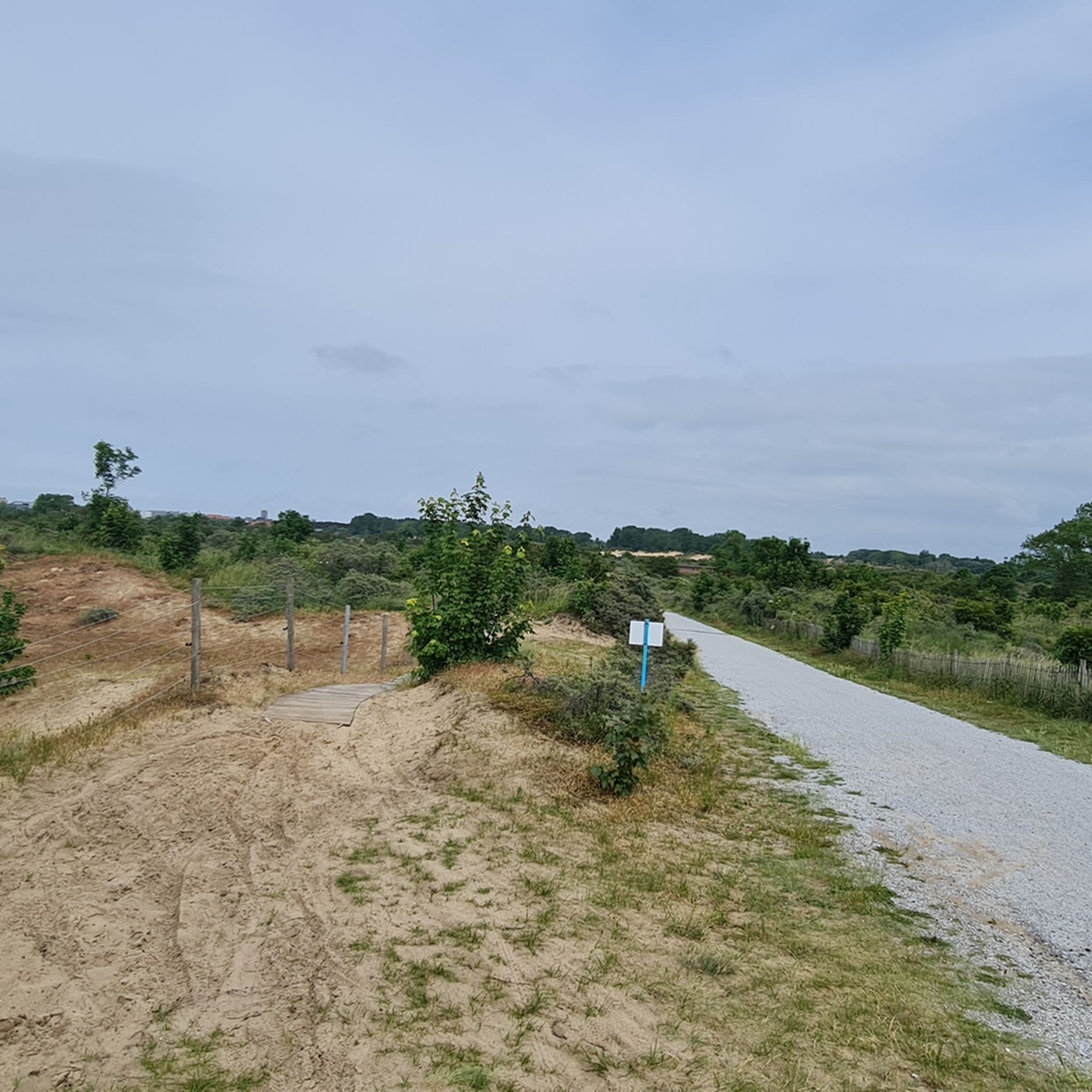
Nature reserve. You're pretty much alone here.
3
0
St. Peter's Church was the first church in De Panne and was built in the late 1870s on behalf of the Calmeyn-Bortier family on land donated by them. The church was intended for the residents of the hamlet of De Panne (formerly also called Josephdorp and Kerckepanne). HISTORY In 1877, when De Panne was still a fishing hamlet of Adinkerke, De Panne received an additional chapel thanks to the Calmeyn – Bortier family. Arthur Verhaegen is the architect on duty. Around 1891, Hortense Calmeyn, the unmarried daughter of Jozef Calmeyn and Emilie Bortier, commissioned the four-bay neo-Gothic St. Peter's Church to be expanded into a full-fledged church. The tower was added in 1936, when the church was no longer in the center of the community due to the construction of the Dumont district. Source: https://www.depanne.be/nl/sint-pieterskerk
4
0
When it was created at the end of the 19th century, St. Peter's Church was surrounded by dunes. In 2024, the church square will undergo a transformation: the church will become a library, the stone square will make way for a dune landscape. Seven lanterns with blue-green glass balls now decorate this place, a reference to the strange painting Paysage aux lanternes (1958) by Paul Delvaux. Staging Sea is a total work of art: an interplay between the landscape, the lanterns and the pavilion with a fountain. The work is changeable like the sea in terms of color and light. The fountain makes the tidal difference on the Belgian coast, which is no less than five meters, visible. So it has both something natural and something high-tech. The proximity of the sea is announced; she herself cannot (yet) be seen from this location. Two of the pavilion's twelve panels are open to allow visitors to take a seat. In this way, the work is not only an ode to the sea, but also a comment on the human impact on nature. A common thread in Filip Vervaet's oeuvre is the appropriation and feasibility of nature. Source: https://www.triennalebeaufort.be/nl/beaufort-staging-sea
5
0

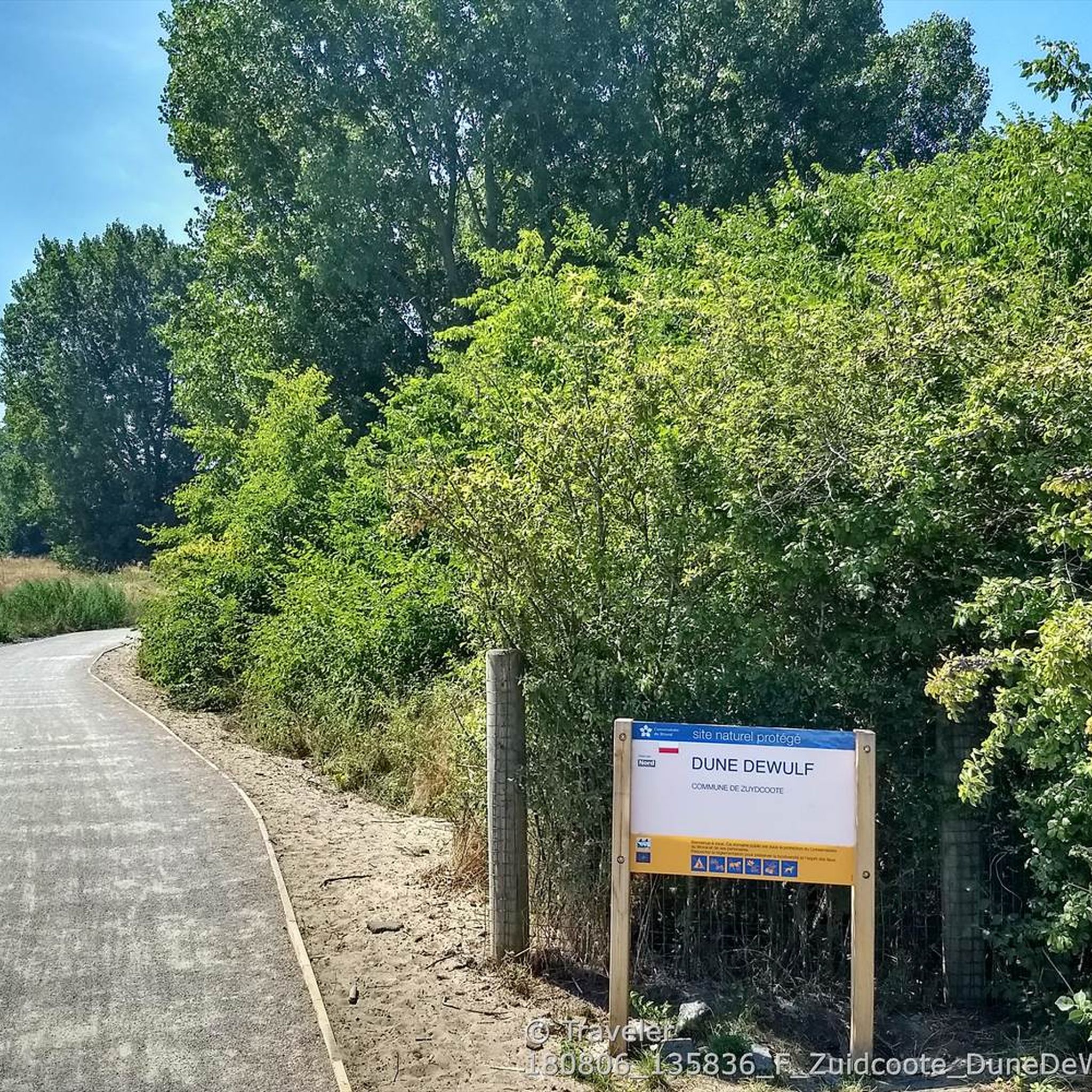
Together with the IJzermonding and the Zwin, the Krakeelduinen are part of the Natura 2000 area Dune Areas. After WWII the dunes were used as a water extraction area, but nowadays the dune area is being restored to its natural glory. You will now find Scottish Blackface sheep grazing the area and since the concrete has been removed the sand can flow freely again.
3
0

Seraphyn Dequidt was born on January 3, 1858 in Oeren near Veurne. In 1881, one year before his priestly ordination, he was appointed as a teacher at his former secondary school, the Episcopal College of the Immaculate Conception in Veurne. In 1893 he heads the Sint-Leo College in Bruges and, as a writer and poet, befriends Guido Gezelle. Due to his poor health, he was ordained on February 6, 1906 as a priest of the Sint-Pietersparochie in De Panne. Already during the first contacts he hears what is troubling the population, the construction of Panne-Schuilhaven. Seraphyn Dequidt invites his childhood friend Professor Emiel Vliebergh to De Panne during the Holy Week and he expresses in an article what people are concerned about; text appeared in May issue 1906 of Dietsche Warande en Belfort and used the same year by H.J. Helleputte in a plea before the Chamber of Representatives. The socially engaged Seraphyn is very popular with the fishermen. Under the pseudonym Elmo, he realistically describes the life of the fishermen in various articles in the 'Vlaamsche Zeevisscher'. Despite his failing health, he is their fervent advocate for a safe haven. But on July 1, 1911, priest Seraphyn Dequidt dies. Initially, the intention is only to build a shelter; a port where larger fishing boats can moor without the full infrastructure and associated industry of a real port. Those more modern barges would eventually replace the potholes that stranded and were lifted back at the next high tide. A technical committee is set up, study trips are organised, reports are written. Three designs for a real harbor see the light at the end of 1908… The years pass. And then it's war. For a detailed account, see source. Period 1900-1914 Dating July 1911 (Main) municipality The Panne, The Panne Source of information BAUWENS JACQUES, Pannese fishermen once dreamed of their 'own' harbour!, Written in Het Zand, Berquin Hans, Antilope, 2007, oral source
6
0
It is a three-aisled brick oriented hall church in neo-Gothic style, with the naves all under a saddle roof. The tower was built against the north aisle in the northwest. This tower has buttresses and is crowned by four corner towers and an octagonal spire. The church space is vaulted by wooden pointed barrel vaults. The furniture is neo-Gothic. There is a 16th century painting, the Descent from the Cross, copied after Rogier Van der Weyden.
7
0
Frequently Asked Questions
What kind of natural features can I explore in Calmeynbos?
Calmeynbos is a 66-hectare dune forest known for its rich biodiversity. You can discover a well-developed deciduous forest with 25 tree species and 40 shrub species, along with abundant mosses, lichens, and fungi. It's also part of a larger network of nature reserves, including the Krakeelduinen Nature Reserve, offering diverse landscapes.
Are there hiking trails available in Calmeynbos?
Yes, Calmeynbos offers a network of trails, including the Calmeynbos Trails. These paths are suitable for walking and exploring the dune forest. For more extensive hiking options in the wider area, you can explore various routes listed in the Hiking around Calmeynbos guide, such as the Westhoek hiking trail or the Krakeelduinen Nature Reserve loop.
What wildlife might I encounter in Calmeynbos?
The forest provides breeding grounds for various forest birds, including the golden oriole and different woodpecker species. You might also spot green woodpeckers searching for ants or dune bunnies during your visit.
Are there family-friendly activities or accessible trails in Calmeynbos?
Absolutely. Calmeynbos features a designated play zone, making it family-friendly. Additionally, the Calmeynbos Trails include marked paths that are suitable for wheelchair users and buggies, ensuring accessibility for a wider range of visitors.
What historical or cultural sites are near Calmeynbos?
Nearby, you can visit Saint Peter's Church, a three-aisled brick hall church in neo-Gothic style, which houses a 16th-century painting. Another cultural point of interest is the Bust of Seraphyn Dequidt, commemorating a significant local figure.
Is there any art to see in the Calmeynbos area?
Yes, you can discover the Staging Sea - Beaufort art installation. This piece features seven lanterns with blue-green glass spheres, referencing a painting by Paul Delvaux, and creates an interplay between the landscape, lanterns, and a pavilion with a fountain.
What other nature reserves are connected to Calmeynbos?
Calmeynbos is integral to a larger network of nature reserves. It connects to the Oosthoekduinen, managed as a Flemish nature reserve, and the Krakeelduinen Nature Reserve. The entire area is part of the 'Duinen en Bossen van De Panne,' which also includes the 340-hectare Westhoekreservaat, Flanders' oldest nature reserve.
Can I go cycling or mountain biking near Calmeynbos?
Yes, the forest and surrounding areas are suitable for cycling and mountain biking. You can find various routes, including options for road cycling in the Road Cycling Routes around Calmeynbos guide, and mountain biking trails in the MTB Trails around Calmeynbos guide.
When is the best time to visit Calmeynbos?
Calmeynbos offers a refreshing escape, especially on warm days, making it enjoyable throughout the warmer months. Its natural beauty and recreational trails can be appreciated year-round, with each season offering a different experience of the dune forest ecosystem.
Where can I find more information or start my exploration of the area?
The Visitor Center Duinpanne serves as a point of information and a convenient starting point for exploring the Calmeynbos area. It also includes a nature garden.
What is the historical significance of Calmeynbos?
Calmeynbos was originally planted in 1903 by agricultural engineer Maurice Calmeyn to demonstrate that trees could thrive near the sea. It has been a protected landscape since 1935 and is part of the European Natura 2000 network, highlighting its long-standing ecological importance.
Most popular routes around Calmeynbos

Get inspired with the komoot mobile app


Explore more
Still not found the Highlight you’re looking for? See guides of the top attractions in other regions:
