Attractions and Places To See around Park šuma Maksimir - Top 4
Best attractions and places to see around Park šuma Maksimir, Zagreb's oldest public park, spans approximately 316 hectares and features an English-style romantic garden. Established in 1794, the park is characterized by its five interconnected lakes, extensive forests, and open meadows. It holds cultural and historical importance for Zagreb, offering a diverse ecosystem and numerous historical landmarks. The park provides a variety of walking paths and recreational spaces within a natural setting.
Best attractions and places to see around Park…
Last updated: October 2, 2026
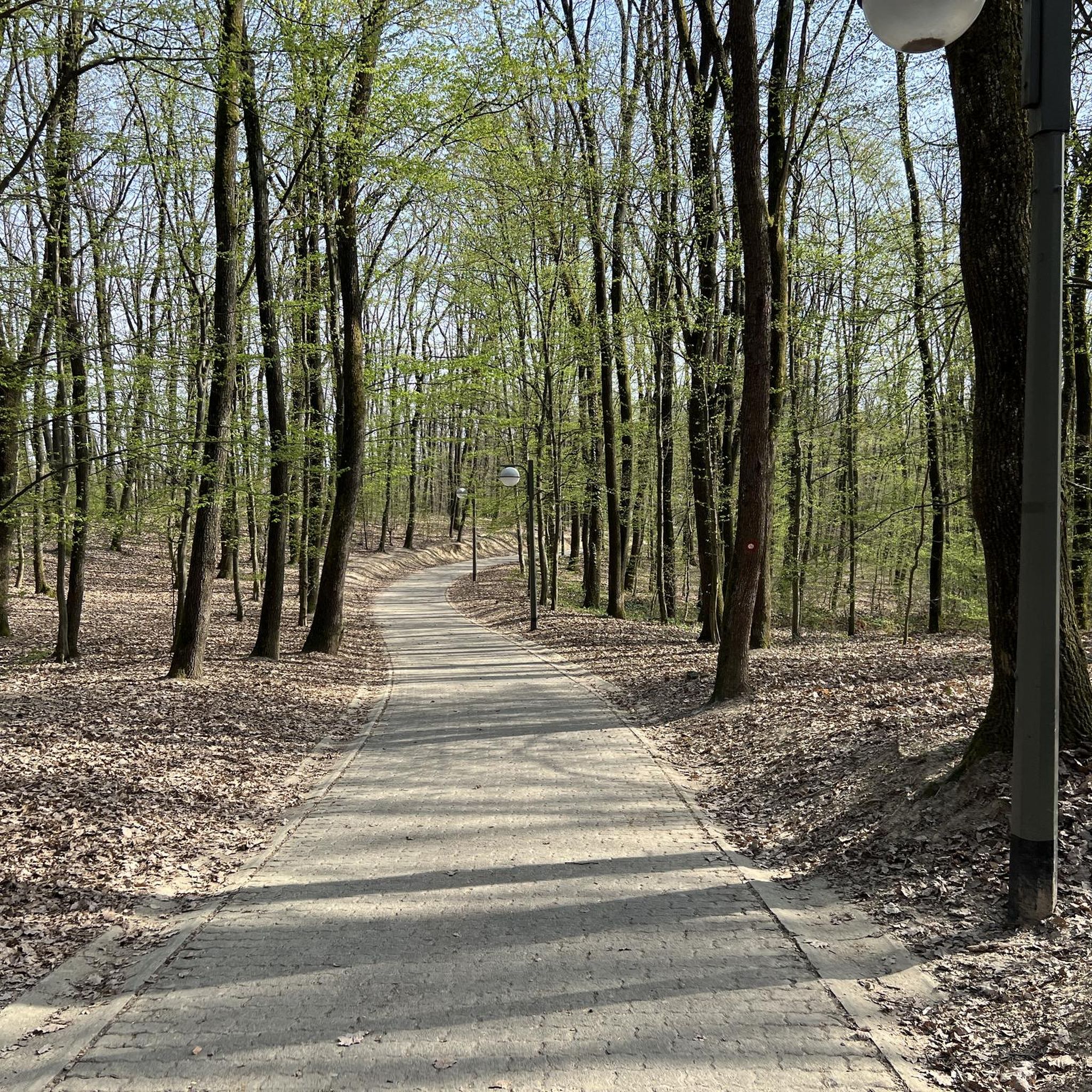
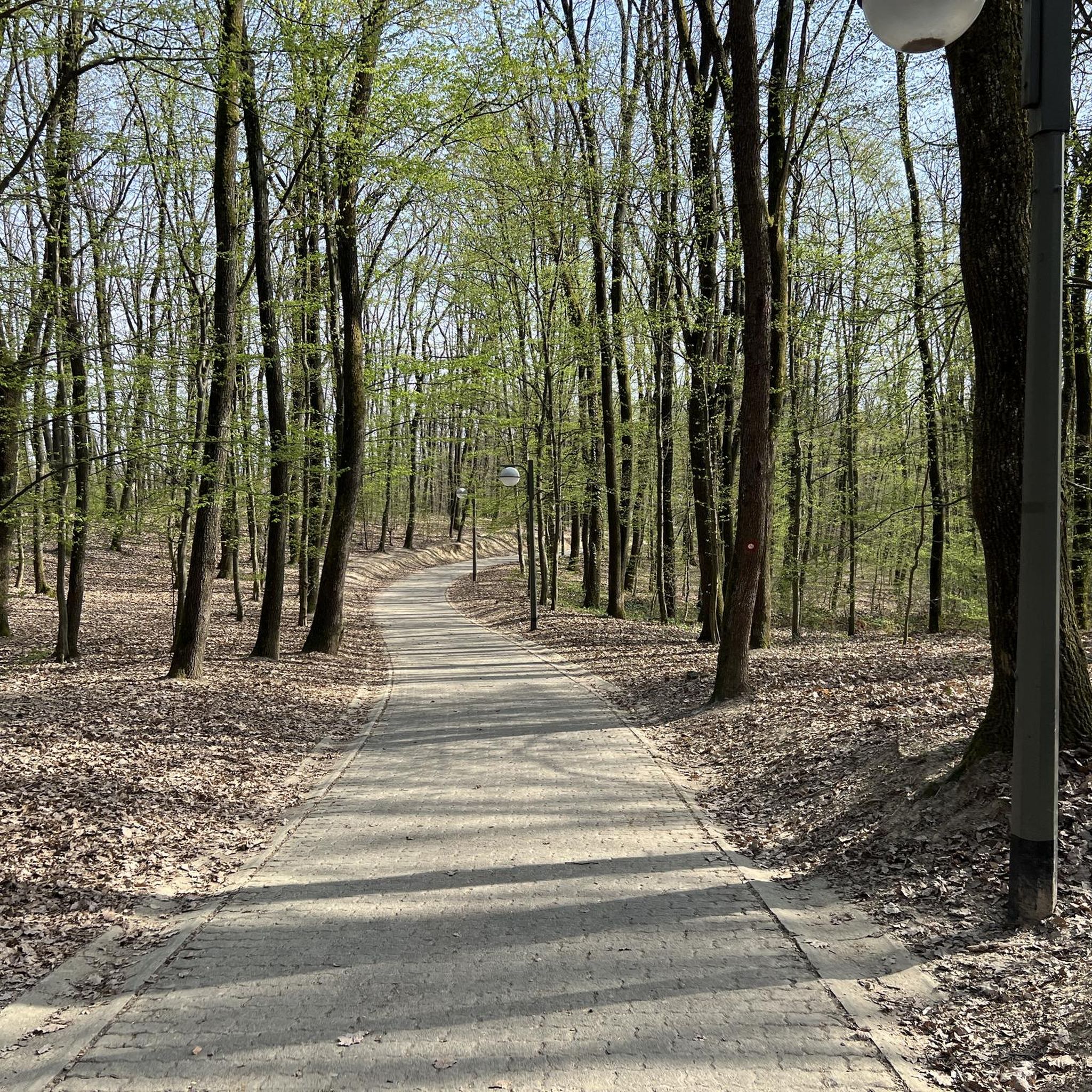
Park Maksimir Entrance
Highlight • Rest Area
Der Park wurde Ende des 18. Jahrhunderts in dem dichten hundertjährigen Wald gegründet, …
Tip by

Third Maksimir Lake
Highlight • Lake
The third lake is located in the heart of Maksimir Park. After visiting the second one, briefly follow the lookout point you pass and climb the path to …
Translated by Google •
Tip by

Sign up now to discover places like this
Get recommendations on the best single tracks, peaks, & plenty of other exciting outdoor places.
White Wooden Bridge Between the First and Second Lake
Highlight • Bridge
Tip by

Start today with a free account
Your next adventure awaits.

Tips from the Community

nice wooden bridge and a beautiful view at the lake, with Vidikovac Cafe and Observation Deck in the background.
0
0

Third Lake The third lake is located in the heart of Maksimir Park. After visiting the second one, briefly follow the lookout point you pass and climb the path to the embankment behind which is the beautiful third lake. This is the lifeblood of Maksimir Park, because a large number of people who come to Maksimir Park from the side of Bukovačka Street pass through this place, and there is also the end of the promenade at the foot of the lookout. Several set benches are strategically positioned for anyone looking to spend a few moments along the third lake.
0
0

ine der beliebtesten grünen Oasen für Zagreberinnen und Zagreber, der größte Stadtpark Maksimir, feiert seinen 220-jährigen Geburtstag. Der Park wurde Ende des 18. Jahrhunderts in dem dichten hundertjährigen Wald gegründet, dank des Bischofs und des großen Naturliebhabers Maksimilijan Vrhovac, in dessen Ehre der Park auch benannt wurde. Der Zagreber Bischof startete 1787 die Arbeiten auf den Jagdgründen der Zagreber Bischöfe, mit dem Ziel, einen Park im klassizistischen, französischen Stil zu errichten, mit Blumenbeten, Pavillons, Rosengärten, Treibhäusern. Der Park wurde zum großen Teil gestaltet und für die Bürger 1794 eröffnet. Der Zagreber Erzbischof, Kardinal Juraj Haulik, der endgültige Gestalter des Parks, verabschiedete sich von der Idee eines französischen Parks und gestaltete Maksimir Anfang des 19. Jahrhunderts im Stil des englischen romantischen Lustgartens – eines natürlichen, prachtvollen Park-Waldes. Auf 316 Hektar wurden Wiesen und Lichtungen eingerichtet, Pfade und Fußwege, Bäche und fünf Teiche. Eine eindrucksvolle Eingangstür wurde gebaut, Pavillons, die bischöfliche Sommerresidenz und der Aussichtsturm, es wurden dekorative Skulpturen aufgestellt, thematische Einheiten gepflanzt. Eins der bekanntesten Symbole des Parks ist der Aussichtsturm, 1843 auf der zentralen Lichtung aufgebaut, als die Gestaltung des Parks beendet und er den Bürgern von Zagreb übergeben wurde. Der Aussichtsturm wurde als Turm mit zwei Stockwerken konzipiert, flankiert von zwei Terrassen, auf denen auch heute Besucher ein Getränk zu sich nehmen können und den Ausblick auf den Park genießen können. Nach dem Modell der damals modernen Sommerhäuser, wurde 1842 das Schweizerische Haus errichtet, eine rustikale Holzbaute mit Erdgeschoss aus Stein. Früher war es das Haus des Försters, heute befindet sich dort ein kleines Bistro. 1925 wurden der Zoologische Garten und der Gedenkhügel zur Erinnerung an die Tausend Jahre des kroatischen Königreiches errichtet. Dazu brachte man Erde von 155 Orten von wichtigen kulturellen und politischen Ereignissen in ganz Kroatien. Der nördliche Teil des Parks ist wild, hier breitet sich dichter, uranfänglicher Wald. Der Park Maksimir wurde 1948 als natürliche Rarität geschützt, 1964 wurde es zum Denkmal der Parkarchitektur und geschütztem Kulturgut. Die Harmonie seiner sonnengebadeten Wiesen, prachtvollen Baumkronen, Teichen mit weißen Schwänen und langen und sich schlängelnden Fußgänger- und Fahrradpfade, zieht Botanik-Liebhaber und Vogelbeobachter, aber am meisten auch normale Menschen an, Spaziergänger auf der Suche nach Frieden und einer Auszeit vom Alltag. Heute ist Maksimir der ideale Ort, an dem man, nur fünf Minuten vom Stadtzentrum entfernt, für einige Augenblicke Zuflucht vor dem städtischen Gedränge finden und in Ruhe genießen kann. Die Möglichkeiten, die dieser Park in diesem Sinne seinen Besuchern anbietet sind zahlreich, darunter Spaziergänge entlang der eingerichteten Pfade, Nordic Walking, Jogging, Fahrradfahren, Rudern auf dem Dritten See, während die jüngsten Besucher hier auch zwei modern eingerichtete Kinderspielfelder finden können. Der Park Maksimir ist für Zagreb was die Bois de Boulogne für Paris, der Tiergarten für Berlin oder der Regent’s Park für London ist.
1
0
Frequently Asked Questions
What natural features can I explore in Park šuma Maksimir?
Park šuma Maksimir is rich in natural beauty, featuring five interconnected lakes, extensive forests of common oak and hornbeam, open meadows, and flowing streams. You can enjoy the scenic views around the Third Maksimir Lake, or cross the picturesque White Wooden Bridge Between the First and Second Lake.
Are there specific walking paths or trails recommended for visitors?
Yes, the park offers an extensive network of scenic paths and trails ideal for leisurely walks, Nordic walking, and jogging. You'll find numerous routes winding through diverse ecosystems, from dense forests to open meadows. While there are no specific named trails in the guide data, the entire park is designed for exploration on foot.
What kind of wildlife might I encounter in Maksimir Park?
Maksimir Park is a significant habitat for wildlife. You might spot over 100 recorded bird species, including owls, woodpeckers, herons, ducks, swans, and kingfishers. Deer, squirrels, and various bat species also call the park home, making it a great spot for nature observation.
What historical landmarks or architectural features can I find within Maksimir Park?
Maksimir Park is dotted with historical landmarks. Key features include the unique Echo Pavilion, the charming Swiss House, the majestic Belvedere Pavilion offering panoramic views, and an Obelisk erected in 1843. The park's main entry point, Park Maksimir Entrance, is also a significant historical site.
Are there family-friendly activities or attractions in Park šuma Maksimir?
Absolutely. Maksimir Park is very family-friendly, offering modern children's playgrounds. The Zagreb Zoo is also located within the park, near the First Lake, providing an additional attraction for families. The park's lakes, like the Third Maksimir Lake, are noted as family-friendly spots.
When is the best time of year to visit Park šuma Maksimir?
Maksimir Park is beautiful year-round. Spring brings blooming flowers and lush greenery, while autumn transforms the park with vibrant foliage. Even in winter, the park offers tranquil settings for walks. The choice depends on your preferred scenery and activities.
Are there places to eat or get refreshments within the park?
Yes, for refreshments, visitors can choose between Vidikovac Café and Mirna Koliba, which is situated on the First Lake, both offering pleasant views. The Swiss House, a rustic building, also historically provided a spot for rest and refreshments.
Is Park šuma Maksimir accessible for visitors with mobility challenges or strollers?
The Park Maksimir Entrance is noted as wheelchair accessible, and the park's extensive network of paths generally accommodates strollers and visitors with mobility challenges, allowing many areas to be enjoyed.
Can I bring my dog to Maksimir Park?
Maksimir Park is generally dog-friendly, with many visitors enjoying walks with their pets. It's always recommended to keep dogs on a leash and clean up after them to ensure a pleasant experience for all park-goers.
What outdoor activities can I do near these attractions?
Beyond walking and jogging within the park, you can explore various cycling and mountain biking routes. For cycling, options range from easy to difficult, such as the 'Sava River Cable-Stayed Bridge loop' or the 'Maksimir Forest Bike Trail'. Mountain biking trails like the 'Dotrščina Memorial Park – Dotrščina XC Trail loop' are also available. You can find more details on these activities in the Cycling around Park šuma Maksimir and MTB Trails around Park šuma Maksimir guides.
Are there hiking trails near Park šuma Maksimir?
Yes, for those looking for more challenging hikes, there are mountain hiking options nearby. Trails like the 'Adolfovac Mountain Shelter – Puntijarka Mountain Hut loop' offer difficult terrain and rewarding views. You can explore these and other routes in the Mountain Hikes around Park šuma Maksimir guide.
What do visitors enjoy most about Park šuma Maksimir?
Visitors particularly appreciate the park's tranquil settings, its natural beauty, and the variety of recreational opportunities. The picturesque lakes, like the Third Maksimir Lake, and the charming White Wooden Bridge Between the First and Second Lake are often highlighted for their scenic views and peaceful atmosphere.
Most popular routes around Park šuma Maksimir

Get inspired with the komoot mobile app


