Attractions and Places To See around Peneda-Gerês National Park - Top 20
Best attractions and places to see around Peneda-Gerês National Park, Portugal's only national park, is characterized by dramatic granite landscapes, lush forests, and pristine rivers. The park spans five municipalities in northern Portugal, offering a diverse range of natural features and cultural heritage. It encompasses ancient forests, mountain ranges like Serra da Peneda and Serra do Gerês, and numerous waterfalls. Visitors can explore historic villages, Roman remains, and religious sanctuaries within this protected area.
Best attractions and places to see…
Last updated: July 20, 2026
Blue Pool
Highlight • Natural Monument
Tip by

Soajo Granaries
Highlight • Monument
Tip by

Sign up now to discover places like this
Get recommendations on the best single tracks, peaks, & plenty of other exciting outdoor places.
Sign up for free
Sanctuary of Nossa Senhora da Peneda
Highlight • Religious Site
It is located in the parish of Gavieira, municipality of Arcos de Valdevez, within the Peneda-Gerês National Park, about 150 …
Translated by Google •
Tip by

Fecha de Barjas Waterfall (Tahiti)
Highlight • Waterfall
Translated by Google •
Tip by

Tahiti Waterfall
Highlight • Waterfall
Translated by Google •
Tip by

Sign up for free to discover even more attractions around Peneda-Gerês National Park.
Sign up for free
Already have an account?
Start today with a free account
Your next adventure awaits.
Login or Signup
Popular around Peneda-Gerês National Park
With TOUR in Northern Portugal
Hiking around Peneda-Gerês National Park
MTB Trails around Peneda-Gerês National Park
Running Trails around Peneda-Gerês National Park
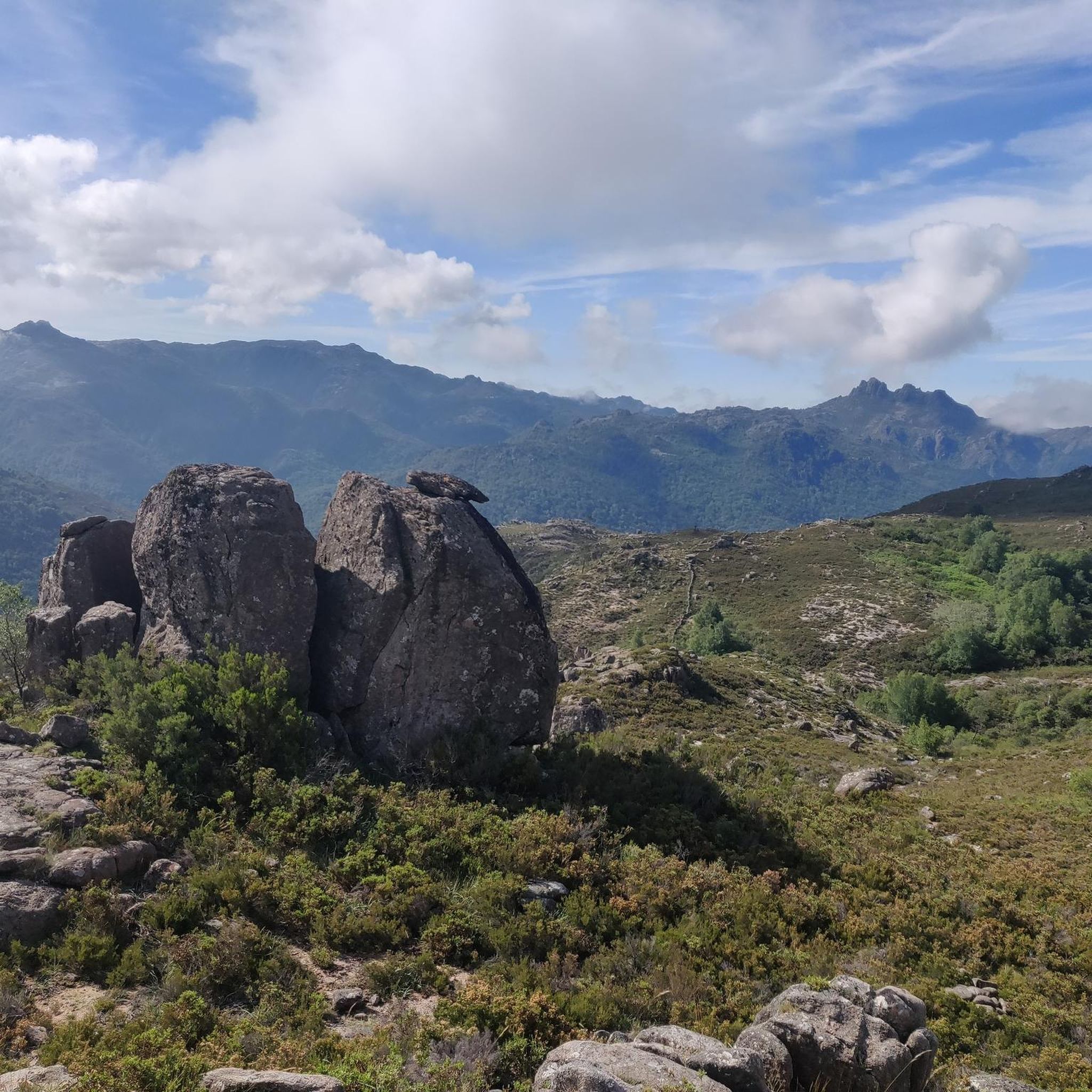
Road Cycling Routes around Peneda-Gerês National Park
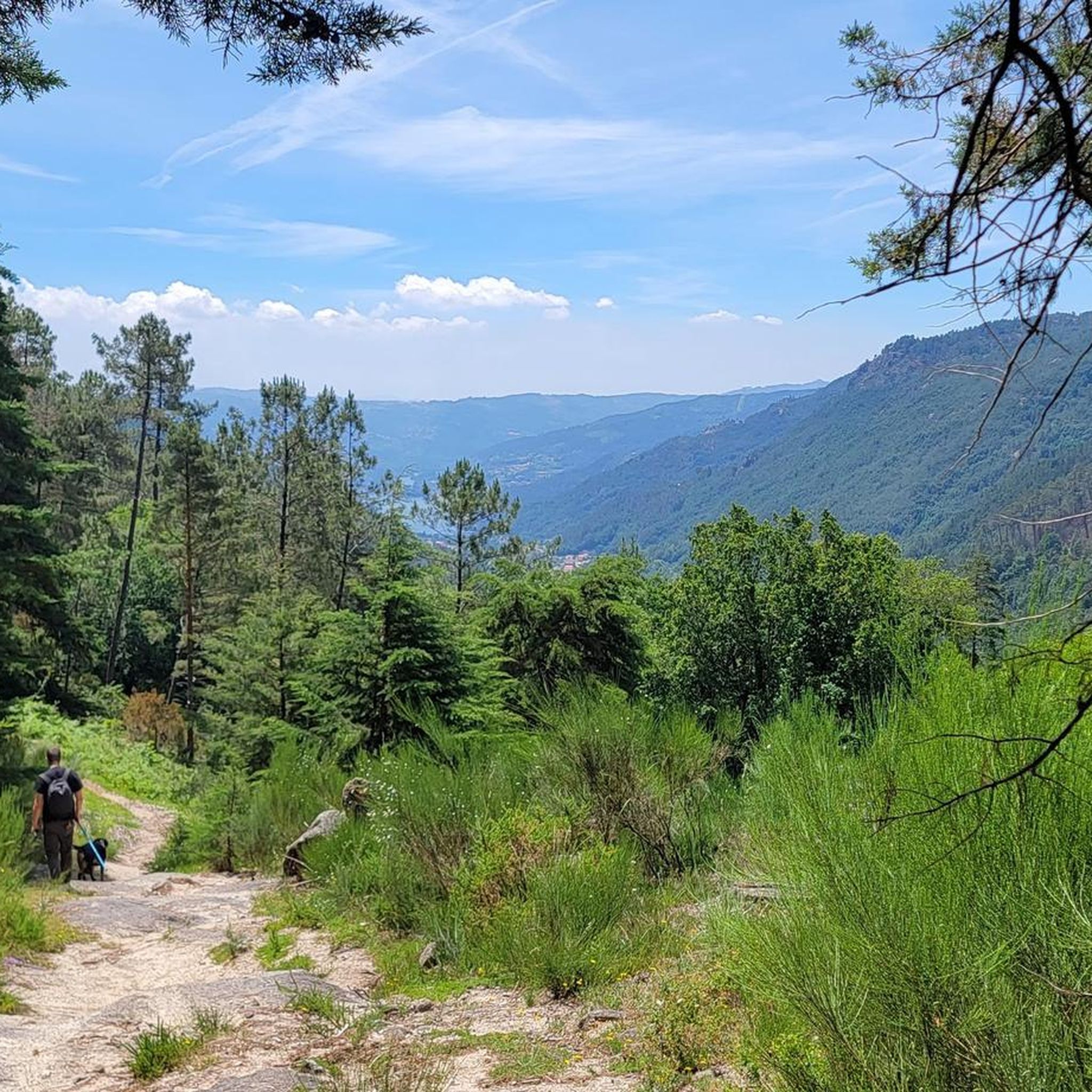
Cycling around Peneda-Gerês National Park

Gravel biking around Peneda-Gerês National Park
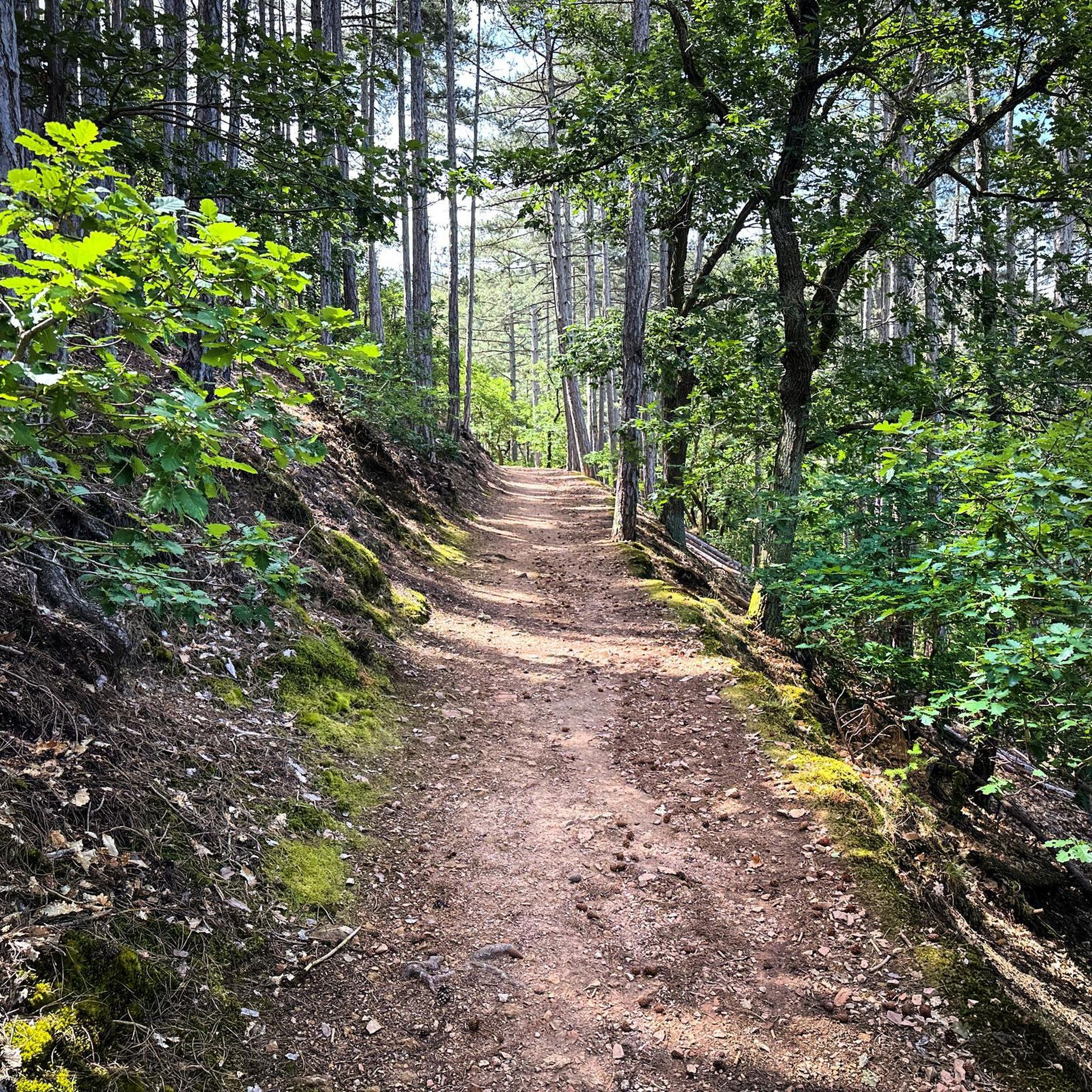
Mountain Hikes around Peneda-Gerês National Park
Other adventures around Peneda-Gerês National Park

Tips from the Community

A very interesting location with all the traditional granaries ("esquigueiros") clustered together on a large rock. The view from here is also very beautiful.
1
1

The Espigueiros of Soajo are one of the most iconic symbols of northern Portugal and the Peneda-Gerês National Park. They are traditional granaries built of stone and wood, designed to store corn and other grains. They are raised on pillars with "mouse stones" (circular slabs) to prevent rodents from entering. They are covered with gabled roofs and topped with crosses, reflecting the religious influence on rural life.
1
0
Sanctuary of Our Lady of Peneda, located in northern Portugal: It is located in the parish of Gavieira, municipality of Arcos de Valdevez, within the Peneda-Gerês National Park, about 150 km from Porto. [pt.wikipedia.org], [danielasan...araujo.com] It is built over a cave beneath a granite massif known as Penedo da Meadinha, in a spectacular location bordering a deep valley.
3
0

Warning: This is an extremely dangerous location, with a significant risk of falling. Due to erosion, the rocks are extremely smooth, making them slippery even in dry weather.
0
0


The sanctuary was built between the end of the 18th century and the third quarter of the 19th century. The church was completed in 1875.
1
0

In the heart of the Serra da Peneda stands a sanctuary where faith and legend intertwine. It is said that in 1220, Our Lady of the Snows appeared to a shepherdess and, since then, the cult grew, attracting pilgrims from Portugal and Galicia. The current church, completed in 1875, crowns a majestic staircase with statues of the virtues.
1
1
Take the opportunity to have lunch in the region and before or after take the Ermelo Ecovia
0
0
Frequently Asked Questions
What natural wonders can I explore in Peneda-Gerês National Park?
Peneda-Gerês National Park is rich in natural beauty. You can discover numerous waterfalls and crystal-clear natural pools, such as the famous Fecha de Barjas Waterfalls (Tahiti) and the serene Blue Pool. The park is also defined by its dramatic mountain ranges like Serra da Peneda and Serra do Gerês, and ancient forests such as Mata da Albergaria.
What historical and cultural sites are there to visit in the park?
The park offers a glimpse into ancient history and culture. You can visit religious sanctuaries like the Sanctuary of Nossa Senhora da Peneda, nestled dramatically beneath a granite massif. Explore historic villages such as Castro Laboreiro with its castle ruins, or Soajo and Lindoso, famous for their iconic *espigueiros* (granaries). Remnants of the ancient Roman road (Geira) are also preserved along the Homem River.
Are there family-friendly attractions in Peneda-Gerês National Park?
Yes, several attractions are suitable for families. The traditional Soajo Granaries offer an interesting cultural experience for all ages. Many of the natural pools and waterfalls, while some require a short hike, can be enjoyed by families for swimming and picnicking. The Water Park Gerês on the Cávado River also provides water-based activities.
What are the best places for wild swimming in the park?
Peneda-Gerês National Park is renowned for its natural swimming spots. The Blue Pool is a popular choice, known for its clear, cold water. The Fecha de Barjas Waterfalls (Tahiti) and Pincães Waterfall also feature beautiful bathing pools. Additionally, the Seven Lagoons trail leads to a series of incredibly clear pools along the Cávado River, perfect for a refreshing dip.
When is the best time to visit Peneda-Gerês National Park?
The park is beautiful year-round, but the best time depends on your activities. For swimming in the natural pools and waterfalls, summer (June to September) is ideal, though it can be crowded. Spring (April-May) and autumn (October-November) offer pleasant temperatures for hiking and exploring, with lush landscapes in spring and vibrant colors in autumn. Winter provides a quieter experience, especially for mountain scenery.
What hiking opportunities are available near the attractions in Peneda-Gerês National Park?
There are numerous hiking opportunities catering to various skill levels. For easy walks, you can explore routes like the Ponte da Ladeira – Soajo Granaries loop or the Trail to Pincães Waterfall. Moderate and difficult mountain hikes are also available, including routes around the Arado Waterfall and Blue Pool. Many trails offer stunning views and lead to natural or historical sites.
Can I find mountain biking trails in Peneda-Gerês National Park?
Yes, Peneda-Gerês National Park offers several mountain biking trails. You can find routes like the Castro Laboreiro Plateau Megalithic Loop, which is a challenging ride, or the Lamas de Mouro and Castro Laboreiro Loop for a moderate experience. These trails allow you to explore the park's diverse landscapes on two wheels.
What do visitors particularly enjoy about the natural pools in Peneda-Gerês National Park?
Visitors frequently praise the natural pools for their incredibly clear and refreshing, albeit cold, water. The Blue Pool, for instance, is described as a 'super nice natural swimming pool' with a 'relaxed atmosphere.' Many appreciate the beautiful surroundings and the opportunity to cool off after a hike, with some even enjoying the 'crackling waterfall shower' at places like Fecha de Barjas Waterfall.
Where can I see traditional Portuguese granaries in the park?
The most iconic place to see traditional Portuguese granaries, known as *espigueiros*, is in the village of Soajo. The Soajo Granaries are a cluster of these unique stone and wood structures, raised on pillars to protect stored grain from rodents. Another notable site is Lindoso, which also features a collection of *espigueiros* near its 13th-century castle.
Are there any accessible trails or attractions for visitors with mobility challenges?
While much of Peneda-Gerês National Park's terrain is rugged, some areas offer easier access. Specific information on fully accessible trails for wheelchairs is limited in the provided data. However, main village areas like Vila do Gerês and the immediate vicinity of some sanctuaries might be more navigable. It's recommended to check specific site conditions or local visitor centers for the most up-to-date accessibility information before visiting.
What kind of wildlife can I expect to see in Peneda-Gerês National Park?
Peneda-Gerês National Park is a sanctuary for diverse wildlife. Keep an eye out for Iberian wolves, deer, and European otters. The park is also home to wild Garrano ponies, which are of Celtic origin and can be seen roaming freely. Birdwatchers might spot golden eagles soaring above the mountain ranges.
Are there any ancient Roman ruins or roads to explore?
Yes, the park preserves significant Roman remains. Long stretches of the ancient Roman road, known as the Geira, are still visible along the Homem River. This road once connected Asturica Augusta and Braccara Augusta. You can also find Roman bridges and millenarium markers along its path, offering a fascinating historical journey.
Most popular routes around Peneda-Gerês National Park
Most popular attractions around Peneda-Gerês National Park

Get inspired with the komoot mobile app


Explore more
Still not found the Highlight you’re looking for? See guides of the top attractions in other regions:
