The best road cycling routes around International Tagus Natural Park
4.1
(17)
611
riders
61
rides
Road cycling routes around International Tagus Natural Park traverse a landscape shaped by the Tagus River and its tributaries, featuring dramatic river valleys and impressive canyons. The terrain includes dense Mediterranean forests and dehesas, offering a mix of paved surfaces and varied elevation gains. Cyclists can expect a diverse environment with both challenging sections and easier routes through wooded areas.
Best road cycling routes around International Tagus Natural Park
- The most popular road cycling route is Miradouro do Canhão do…
Last updated: May 15, 2026
13
riders
63.3km
03:24
930m
930m
Hard road ride. Very good fitness required. Mostly well-paved surfaces and easy to ride.
3
riders
Moderate road ride. Good fitness required. Some segments of this route may be unpaved and difficult to ride.

Sign up for free
3.5
(2)
49
riders
54.4km
02:32
430m
430m
Moderate road ride. Good fitness required. Some segments of this route may be unpaved and difficult to ride.
5.0
(1)
40
riders
39.2km
01:50
240m
240m
Easy road ride. Great for any fitness level. Mostly well-paved surfaces and easy to ride.
5.0
(4)
34
riders
106km
05:16
1,310m
1,310m
Hard road ride. Very good fitness required. Some segments of this route may be unpaved and difficult to ride.
Get access to more routes and recommendations from other explorers.
Sign up for free
Already have an account?
Our route recommendations are based on thousands of hikes, rides, and runs completed by other people on komoot.
Start today with a free account
Your next adventure awaits.
Login or Signup
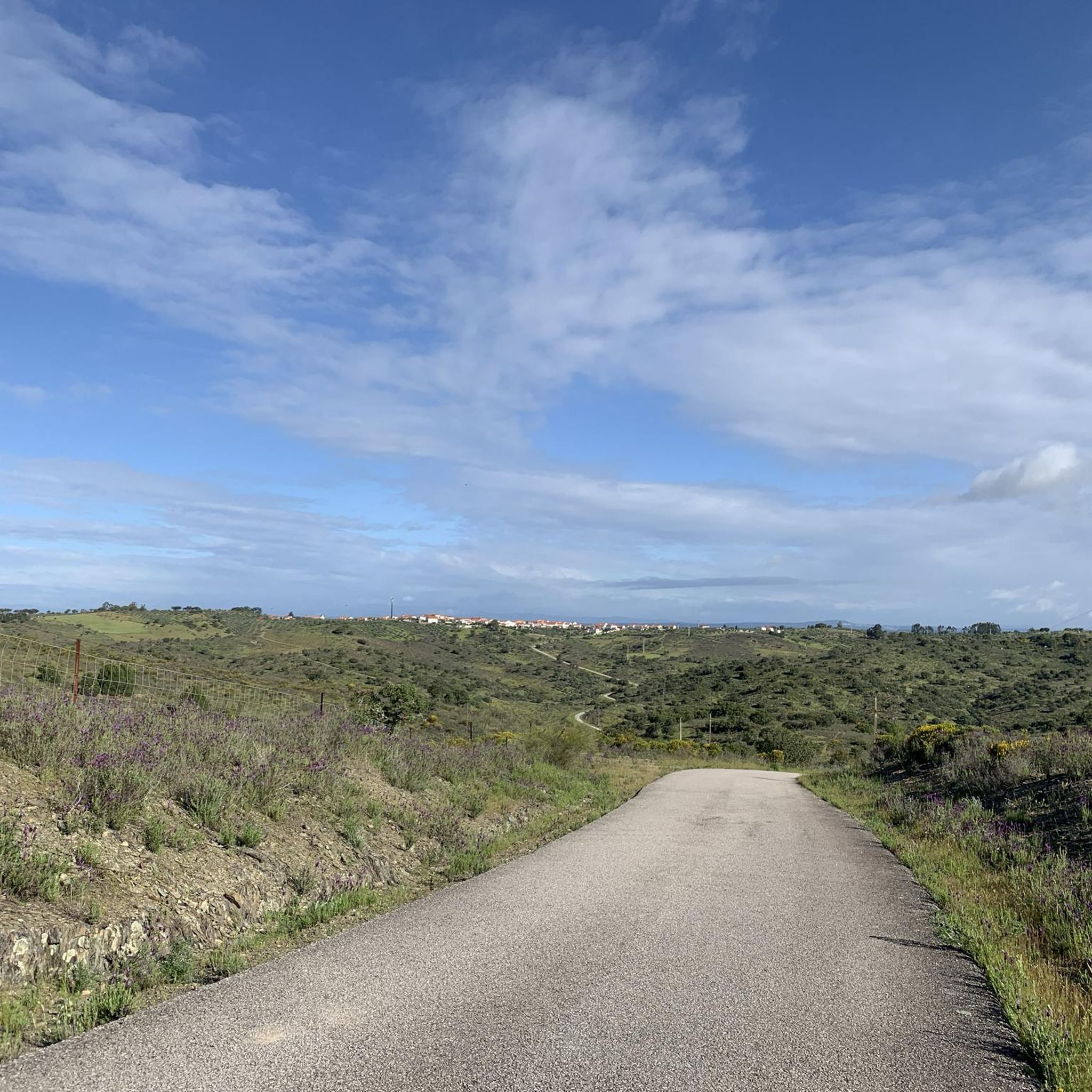
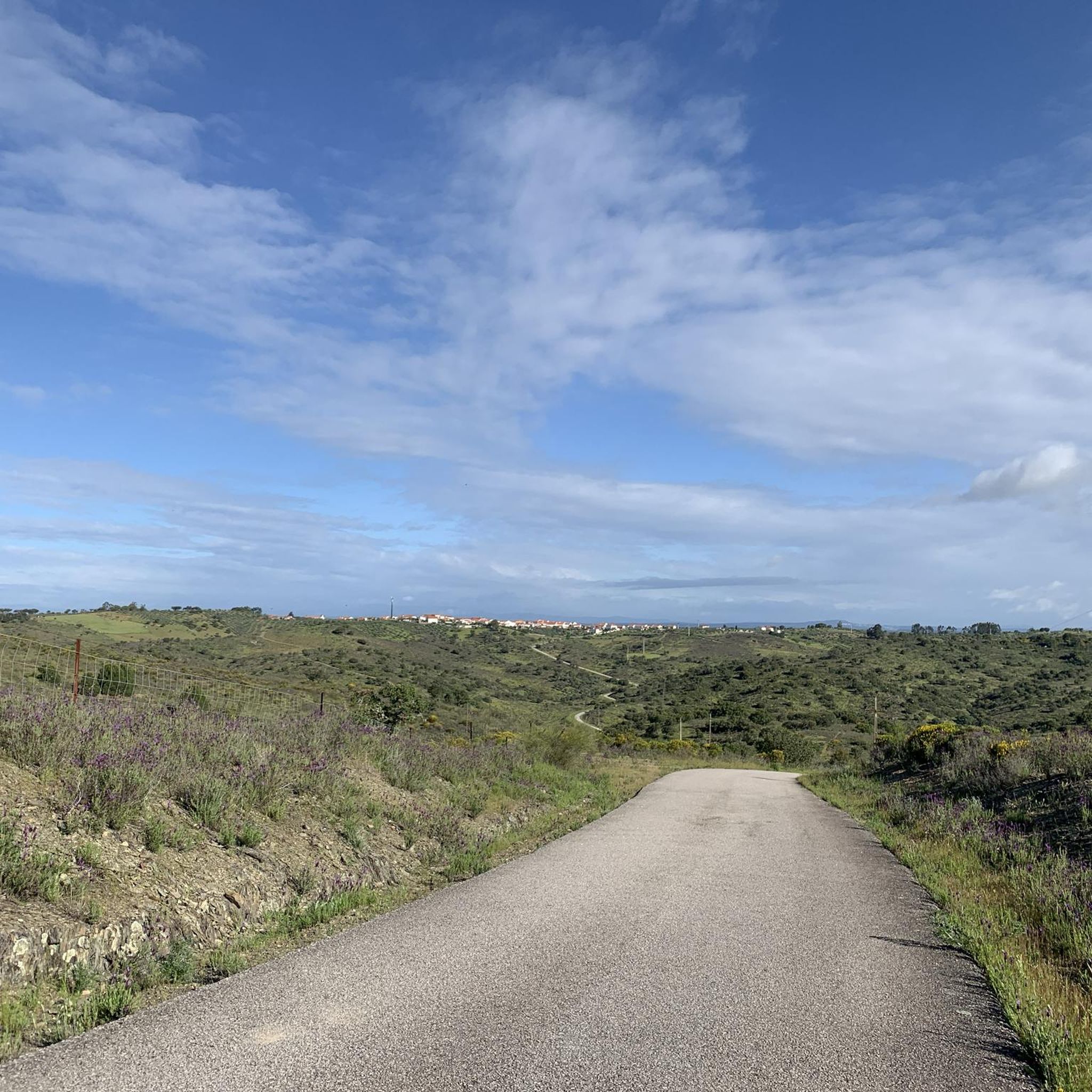
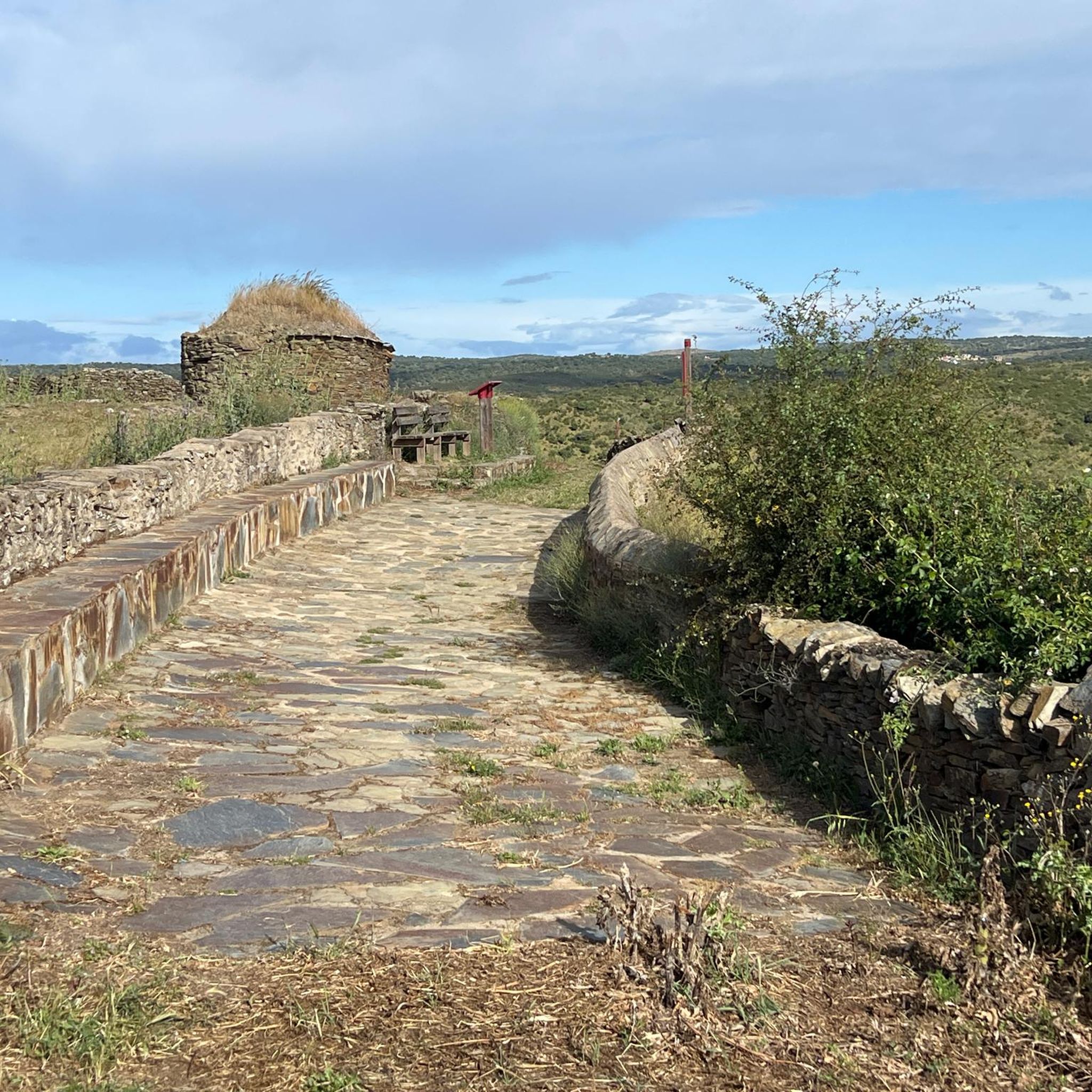

Tips from the Community

From the viewpoint you can see: The historic center of Castelo Branco, The São Águeda Reservoir (Marateca), The southern foothills of the Serra da Gardunha, The Serra da Estrela and Monte de São Martinho, On clear days, even the border with Spain (“a Raia”).
4
0
The Miradouro de São Gens, in Castelo Branco, Portugal, is a panoramic viewpoint that stands out for both its location and its history: It is located on Rua da Piscina, near Castelo Branco Castle, just 100–120 meters from the Church of Santa Maria do Castelo. Inaugurated in 1941, its structure was originally designed to conceal water tanks, and was later restored as part of the Polis program. Surrounded by flower gardens, benches, and shaded areas, it encourages rest and contemplation.
4
0
Incredible views from the north side of the reservoir.
4
0
Alcántara has numerous buildings included within the delimited perimeter of the historic site recognized as Assets of Cultural Interest. Worthy of mention are the walls and defenses of the medieval walled and bastioned enclosures; the aforementioned Alcántara Bridge with its triumphal arch and the San Julián temple, adjacent to its exit; the Convent of San Benito; the Church of Santa María de Almoçóvar; in addition to countless heritage sites of notable importance, such as the Convent of Sancti Spíritu, the Convent of Los Remedios, and the Convent of San Bartolomé, as well as various churches, hermitages, and chapels, in addition to manor houses and palaces.
6
0

São Vicente da Beira was founded in 1173, when King Afonso Henriques named it in honor of the saint's relics arriving in Lisbon. It received a charter in 1195 from King Sancho I, who wanted to repopulate these lands, nearly deserted after the Muslim invasions. Between renewed charters and stories of the nobles who lived here, the parish became one of the most important in the region, preserving the weight of its medieval memory to this day.
1
0
The Church of Santa María de Almocóvar, located in the Plaza de España in Alcántara (Cáceres), is one of the most emblematic churches in Extremadura and has been declared a Site of Cultural Interest since 1987. Inside, several pieces of interest are preserved: the tomb of Commander Antonio Bravo de Jerez, made by Lucas Mitata; five panels by Luis de Morales; a recumbent Christ, attributed to Martínez Montañés; a sculpture by Sebastián de Paz from 1639; the tomb of Master Yáñez de la Barbuda; and the baptismal font where Saint Peter of Alcántara was baptized.
10
0

Enjoy a peaceful walk in nature and enjoy the beautiful surroundings.
1
0
On the Spanish side, the bridge is located in the municipality of Alcántara in the province of Cáceres. It is reached via the regional highway EX-207 from the nearby town of Piedras Albas. On the Portuguese side, it connects with a local road to reach the town of Segura, from which this bridge takes its name. It was built in the Roman province of Lusitania to give continuity to the Roman road that connected Norba Caesarina (on the Via de la Plata) with the civitas Egitania (Idanha-a-Velha, Portugal) and with Bracara Augusta (Braga, Portugal), in order to save the Erjas river. This river marks the border line between Spain and Portugal, and the bridge serves as an international crossing between both countries.
9
0
Frequently Asked Questions
How many road cycling routes are available in International Tagus Natural Park?
There are over 60 road cycling routes in the International Tagus Natural Park, offering a wide range of experiences from easy loops to more challenging rides with significant elevation changes.
Are there easy road cycling routes for beginners or families?
Yes, the park offers several easy road cycling routes. For instance, the Escalos Baixo to Escalos Cima loop from Castelo Branco is an easy 24.4-mile (39.2 km) trail that takes you through Mediterranean forests, perfect for a more relaxed ride.
What kind of terrain can I expect on road cycling routes in the International Tagus Natural Park?
Road cycling routes here feature a diverse landscape, including dramatic river valleys, impressive canyons carved by the Tagus River, and extensive Mediterranean forests. You'll find a mix of paved surfaces and varied elevation gains, from gentle riverine paths to more challenging climbs through rugged terrain.
Are there any challenging road cycling routes for experienced cyclists?
Absolutely. For those seeking a more demanding ride, the park has several difficult routes. A notable option is the Santa Águeda Dam – São Gens Viewpoint loop from Castelo Branco, which covers over 65 miles (105 km) with significant elevation, traversing rugged landscapes and Mediterranean forests.
What historical or natural landmarks can I see along the road cycling routes?
The region is rich in heritage and natural beauty. Along your rides, you might encounter ancient megalithic complexes, the impressive Roman bridge of Alcántara, and stunning river crossings. Specific highlights include the Segura International Bridge, the Erjas River Crossing, and the Caseta del Río Erjas Viewpoint, offering spectacular views of the canyons.
Are there circular road cycling routes available?
Yes, many routes in the International Tagus Natural Park are designed as loops, allowing you to start and finish at the same point. Examples include the popular Miradouro do Canhão do Erges loop from Zarza la Mayor and the São Gens Viewpoint – Santa Águeda Dam loop from Castelo Branco.
What is the best season for road cycling in International Tagus Natural Park?
The International Tagus Natural Park is generally pleasant for road cycling during spring and autumn when temperatures are milder. Summers can be quite hot, especially in the river valleys, while winters are typically mild but can have some rainfall.
What do other cyclists say about road cycling in this park?
The road cycling routes in International Tagus Natural Park are highly rated by the komoot community, with an average score of 4.1 stars from over 17 reviews. Cyclists often praise the stunning views of the Tagus River, the diverse landscapes, and the well-maintained paved surfaces that make for an enjoyable ride.
Can I cycle across the border between Spain and Portugal within the park?
Yes, as an international natural park, it offers the unique experience of cycling across the border between Spain and Portugal. The Tagus River forms a natural link between the two nations, and some routes allow for transboundary exploration.
Are there good viewpoints along the road cycling routes?
Many routes offer stunning viewpoints overlooking the river valleys and canyons. The Caseta del Río Erjas Viewpoint is a notable spot, and routes like the São Gens Viewpoint – Santa Águeda Dam loop from Castelo Branco are specifically named for their scenic vistas.
Where can I find parking for road cycling routes in the park?
While specific parking areas vary by route, many towns and villages that serve as starting points for routes, such as Zarza la Mayor or Castelo Branco, offer public parking facilities. It's advisable to check the route details on komoot for specific parking recommendations near your chosen starting point.
Are there any hidden gem road cycling routes in the International Tagus Natural Park?
The park is full of less-traveled paths that offer a sense of discovery. While not explicitly 'hidden,' routes that venture deeper into the cork oak forests and dehesas, away from the main river views, can provide a tranquil and unique cycling experience, often revealing rich biodiversity and quiet natural settings.
Most popular routes around International Tagus Natural Park
Most popular attractions around International Tagus Natural Park

Get inspired with the komoot mobile app


Explore more
Browse the best Road cycling routes in other regions.
