Attractions and Places To See around Magurski Park Narodowy - Top 20
Attractions and places to see around Magurski Park Narodowy are found in the Low Beskids of southeastern Poland, an area characterized by tranquil wilderness and rich biodiversity. The park features heavily forested, gentle mountain slopes, wide river valleys, and the Wisłoka River, which originates within its boundaries. It is also significant for its cultural heritage, particularly that of the Lemko people, with numerous historical sites and traditional wooden churches. The landscape offers a diverse array of natural features and cultural…
Last updated: July 20, 2026
Nieznajowa Abandoned Village
Highlight • Historical Site
Translated by Google •
Tip by

Diabli Kamień Rock Formation
Highlight • Natural Monument
Translated by Google •
Tip by

Sign up now to discover places like this
Get recommendations on the best single tracks, peaks, & plenty of other exciting outdoor places.
Sign up for free
Shelter and picnic area at the summit of Baranie (754 m a.s.l.)
Highlight • Mountain Hut
Translated by Google •
Tip by
Lemko Cemetery in Żydowskie
Highlight • Historical Site
Translated by Google •
Tip by
Jewish Memorial - Mass Grave at Halbowska Pass
Highlight • Monument
Tip by

Sign up for free to discover even more attractions around Magurski Park Narodowy.
Sign up for free
Already have an account?
Start today with a free account
Your next adventure awaits.
Login or Signup
Popular around Magurski Park Narodowy
Main Beskids Trail — the longest Polish Mountain Trail
Hiking around Magurski Park Narodowy
Running Trails around Magurski Park Narodowy
MTB Trails around Magurski Park Narodowy
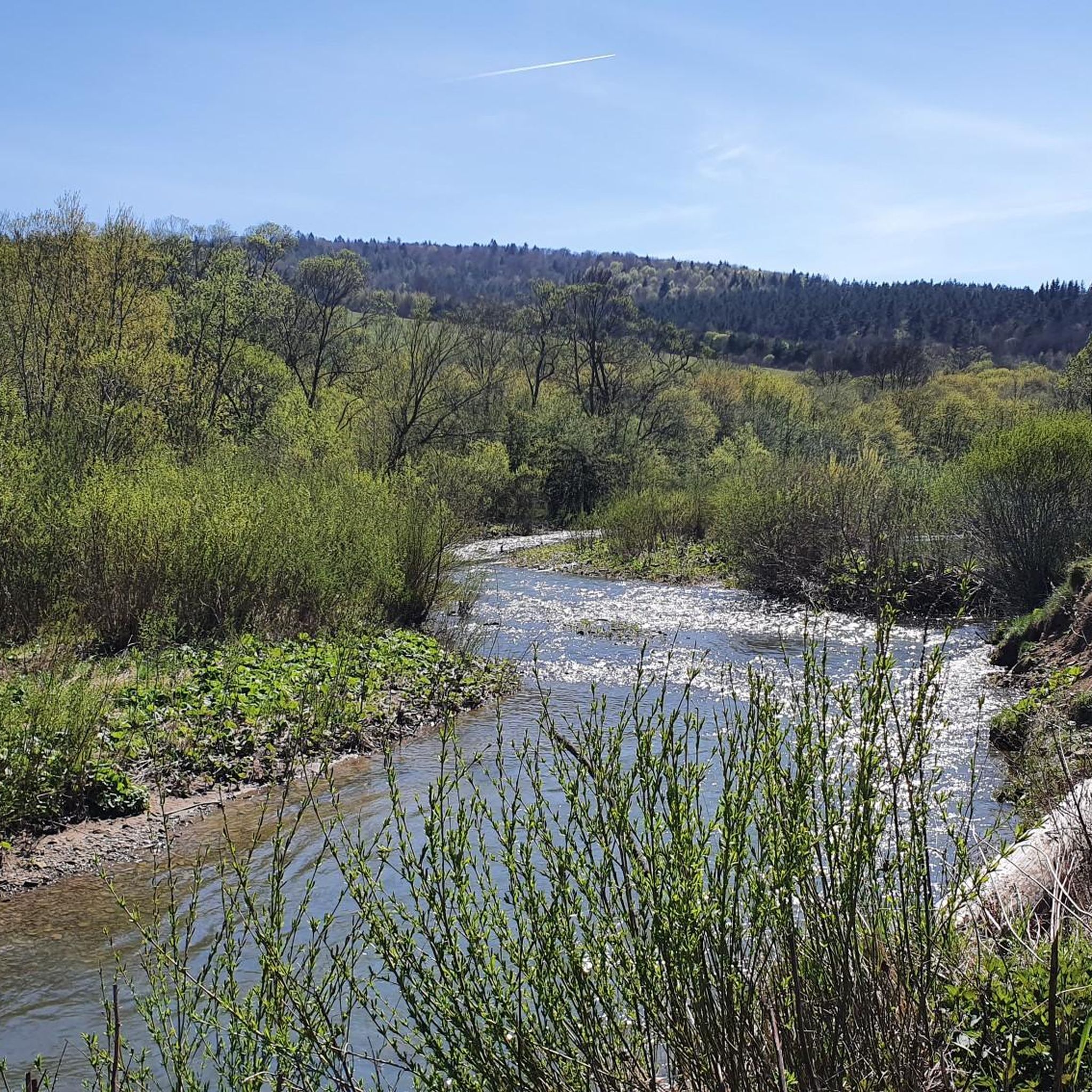
Cycling around Magurski Park Narodowy
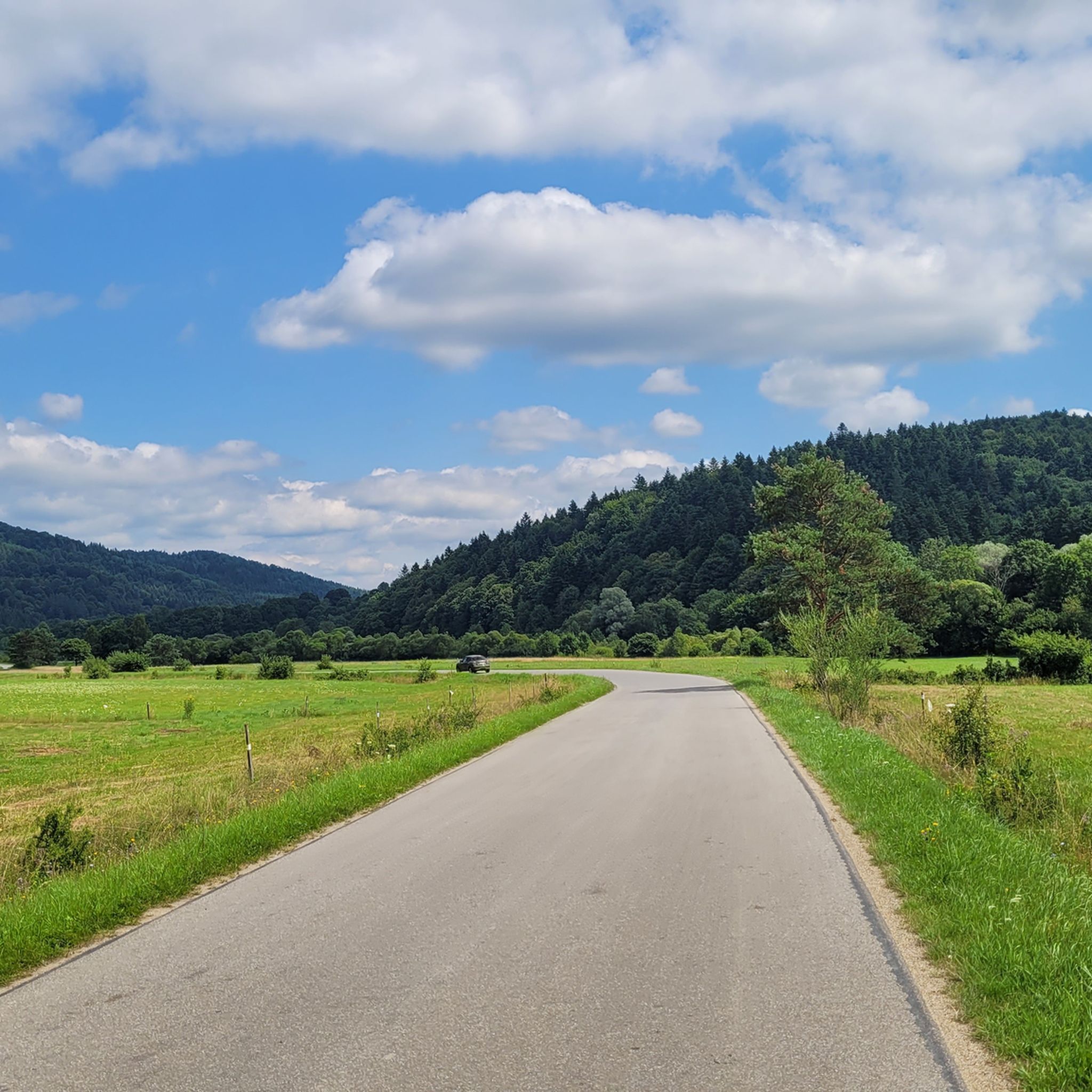
Road Cycling Routes around Magurski Park Narodowy

Gravel biking around Magurski Park Narodowy
Other adventures around Magurski Park Narodowy

Tips from the Community

From May 1st to October 31st, admission to the Magurski National Park area is subject to a fee. Information on prices at: mpn.gov.pl/informacje-o-biletach Trail admission tickets can be purchased through the website: magurskipn.eparki.pl
0
0
More information and photos: https://beskidniski.org.pl/baranie/ https://goryaktywnie.pl/baranie https://pl.wikipedia.org/wiki/Baranie
0
0

Please watch out for animals because they can jump out onto the road and into dangerous terrain in the forests, because you can, for example: get stuck in the mud, fall into (dirty) water, or impale yourself on something sharp. Of course, this only happens on the most extreme routes. Thank you for your attention and best regards, and have fun 👋
0
0

a route for everyone, at any time of the year
0
0

A very nice place, like any other in the Low Beskids
0
0

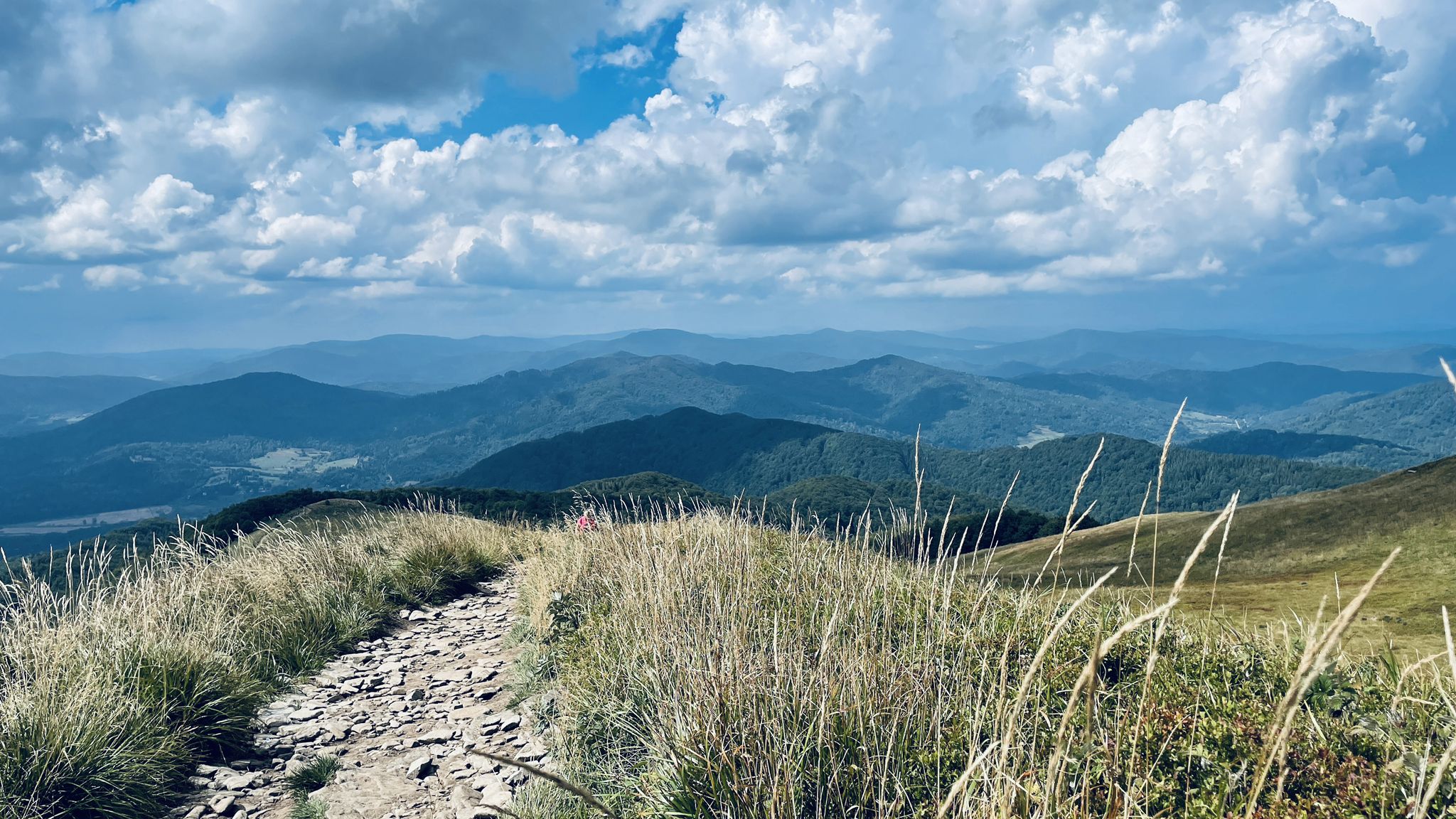
Baranie (754 m above sea level, Stávok in Slovak) is the highest point of the Low Beskids - a stamp is available in the storage box at the shelter. At the top there is a shelter, benches and a fireplace.
1
0
The former cemetery of the no longer existing village of Żydowskie. 16 tombstones have survived.
2
0
Diabli Kamień is a rock group constituting a natural monument on the edge of the Magurski National Park in the Low Beskids. It is located in the town of Folusz, it is one of the stops on the nature trail. It consists of numerous large boulders of coarse-grained Magura sandstone, with the highest rising to over 10 meters. The rocks are originally shaped and divided by numerous crevices. This place owes its name to a local legend. According to her, devils wanted to destroy the church in Cieklin by moving a huge boulder from Magura Wątkowska. However, when the rooster crowed over Mount Cosmas, the devils lost their power and the boulder fell from their clutches, breaking into smaller rocks and saving the church. Apparently there are traces of devil's claws on the rock...
2
0
Frequently Asked Questions
What natural features can I explore in Magurski Park Narodowy?
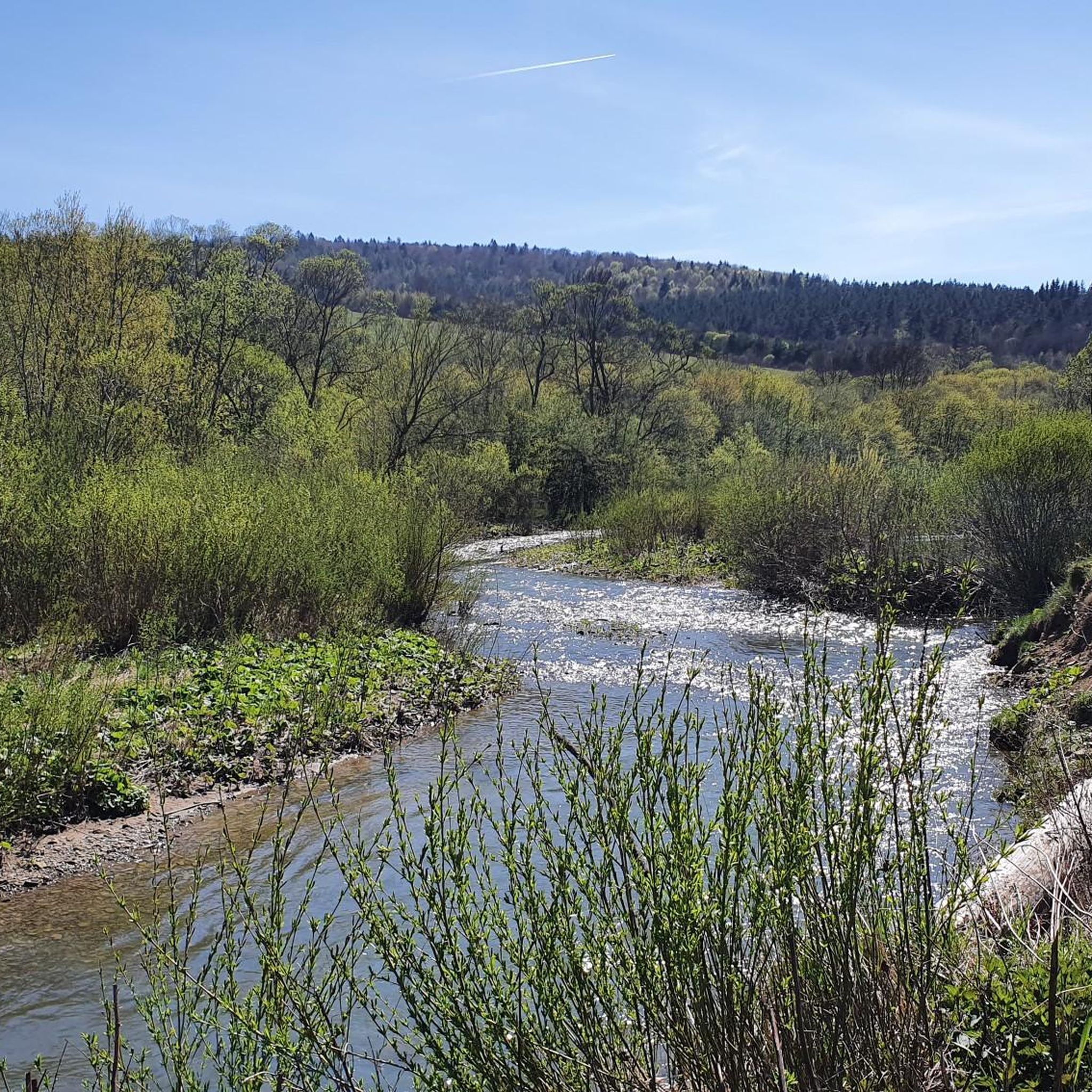
Magurski Park Narodowy offers a rich natural landscape. You can explore the forested slopes of the Magura Wątkowska Massif, follow the picturesque meanders of the Wisłoka River, and visit the natural Magurski Waterfall. Don't miss the impressive Diabli Kamień Rock Formation, a natural monument with large sandstone boulders, or the unique sculpted formations and fracture caves of the Kornuty Rock Reserve.
Are there any historical or cultural sites to visit in the area?
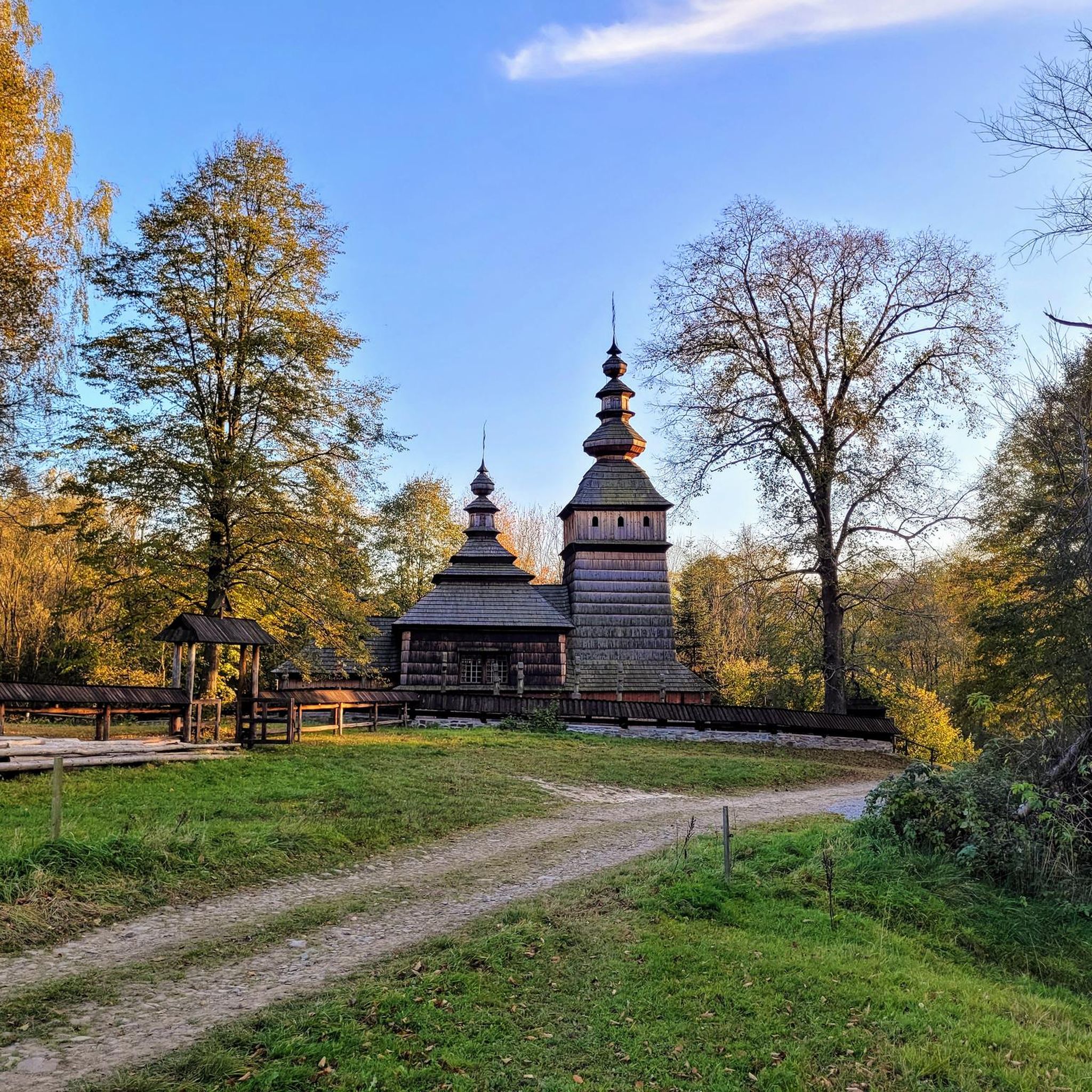
Yes, the park and its surroundings are rich in cultural heritage. You can discover well-preserved wooden Orthodox churches (Cerkwie) in villages like Krempna, Kotań, and Bartne, which showcase the unique Lemko culture. The Nieznajowa Abandoned Village offers a poignant glimpse into the past with remnants of buildings and stone Lemko crosses. Additionally, you'll find numerous roadside crosses, chapels, and shrines throughout the region, reflecting its spiritual history.
What kind of outdoor activities can I do near these attractions?
The area around Magurski Park Narodowy is ideal for various outdoor activities. You can enjoy extensive networks of hiking and cycling trails. For specific hiking experiences, consider the waterfall hikes or explore routes like the 'Nature trail Folusz' which is an easy loop. Mountain biking and gravel biking are also popular, with routes such as the 'Nieznajowa Abandoned Village loop' for gravel biking or the 'Lemko Cemetery in Żydowskie loop' for MTB. For more details on routes, check the respective guide pages.
Are there family-friendly attractions or activities?
Many natural attractions are suitable for families. The Diabli Kamień Rock Formation is considered family-friendly and is a stop on a nature trail. The Kiczera Nature Trail in Krempna is also an accessible option for many visitors. Exploring the gentle mountain slopes and wide river valleys offers a pleasant experience for families looking to enjoy nature together.
Where can I find panoramic views of the park?
For panoramic views, head to Ferdel, a peak at 648 meters above sea level, where a wooden observation tower provides stunning vistas of the surrounding Magura National Park. While Wątkowa Peak is the highest point, the summit itself is forested, so Ferdel offers the best observation point.
Can I visit any abandoned villages in the area?
Yes, the region is known for its abandoned Lemko villages, which serve as poignant reminders of the past. The most notable is Nieznajowa Abandoned Village, where you can still find traces of former buildings and stone roadside Lemko crosses. Another site is the former village of Żydowskie, where the Lemko Cemetery in Żydowskie preserves 16 tombstones from the no longer existing settlement.
What is the best time of year to visit Magurski Park Narodowy?
The park is beautiful year-round, but the best time depends on your preferred activities. For hiking and general exploration, late spring (May-June) and early autumn (September-October) offer pleasant weather and vibrant scenery. During these months, the park's rich flora, including orchids and wild garlic, is particularly noticeable. Note that entrance fees for some areas, like the observation tower on Ferdel, are collected from May 1 to October 31.
Are there specific hiking trails recommended for beginners?
Yes, there are trails suitable for beginners. The 'Nature trail Folusz' is an easy loop, approximately 6.4 km long, which takes you through scenic parts of the park. The Kiczera Nature Trail in Krempna is also designed to be accessible. These trails offer a gentle introduction to the park's natural beauty without requiring advanced hiking experience.
What are the options for cycling or mountain biking?
Magurski Park Narodowy provides a well-developed network for both cycling and mountain biking. You can find dedicated gravel biking routes, such as the 'Nieznajowa Abandoned Village loop,' and MTB trails like the 'Lemko Cemetery in Żydowskie loop.' These routes cater to various difficulty levels, allowing cyclists to explore the park's diverse landscapes.
Are there any museums related to the park?
Yes, the Museum of Magurski National Park in Krempna serves as an excellent starting point for visitors. It offers valuable insights into the park's history, its unique natural wonders, and the cultural heritage of the region, making it a great place to learn more before or after your explorations.
What should I know about park entry fees or regulations?
When visiting Magurski Park Narodowy, it's important to be aware of certain regulations. For instance, you must pay an entrance ticket for some areas, such as the observation tower on Ferdel, with fees typically collected from May 1 to October 31. Remember that you can only travel on designated trails within the national park to protect its natural environment.
What is the significance of the wooden Orthodox churches in the region?
The wooden Orthodox churches, or Cerkwie, are significant cultural monuments of the Lemko people, an ethnic group historically inhabiting the Low Beskids. These churches, found in villages like Krempna, Kotań, and Bartne, are architectural treasures that reflect the unique building traditions and spiritual heritage of the region. They stand as a testament to the intertwining of different cultures in this part of Poland.
Are there any nature trails suitable for a leisurely walk?
Yes, for a leisurely walk, consider the Kiczera Nature Trail in Krempna, which is designed to be accessible. Another option is the Folusz Nature Trail, which connects the Magurski Waterfall with the Diabli Kamień Rock Formation, offering a pleasant and informative stroll through the park's natural beauty.
Most popular routes around Magurski Park Narodowy
Most popular attractions around Magurski Park Narodowy

Get inspired with the komoot mobile app


Explore more
Still not found the Highlight you’re looking for? See guides of the top attractions in other regions:
