Attractions and Places To See around Meinweg National Park - Top 20
Best attractions and places to see around Meinweg National Park include a unique terraced landscape, diverse natural habitats, and historical sites. This region, located in the Limburg area near the German border, features three distinct plateaus, with the highest point reaching 80 meters above sea level. The park is characterized by a mix of forests, extensive heathlands, fens, and stream valleys, supporting a variety of wildlife. Cultural elements such as ancient Roman roads, remnants of the "Iron Rhine" railway, and historic mills also contribute to the area's appeal.
Best attractions and places to see around Meinweg National Park
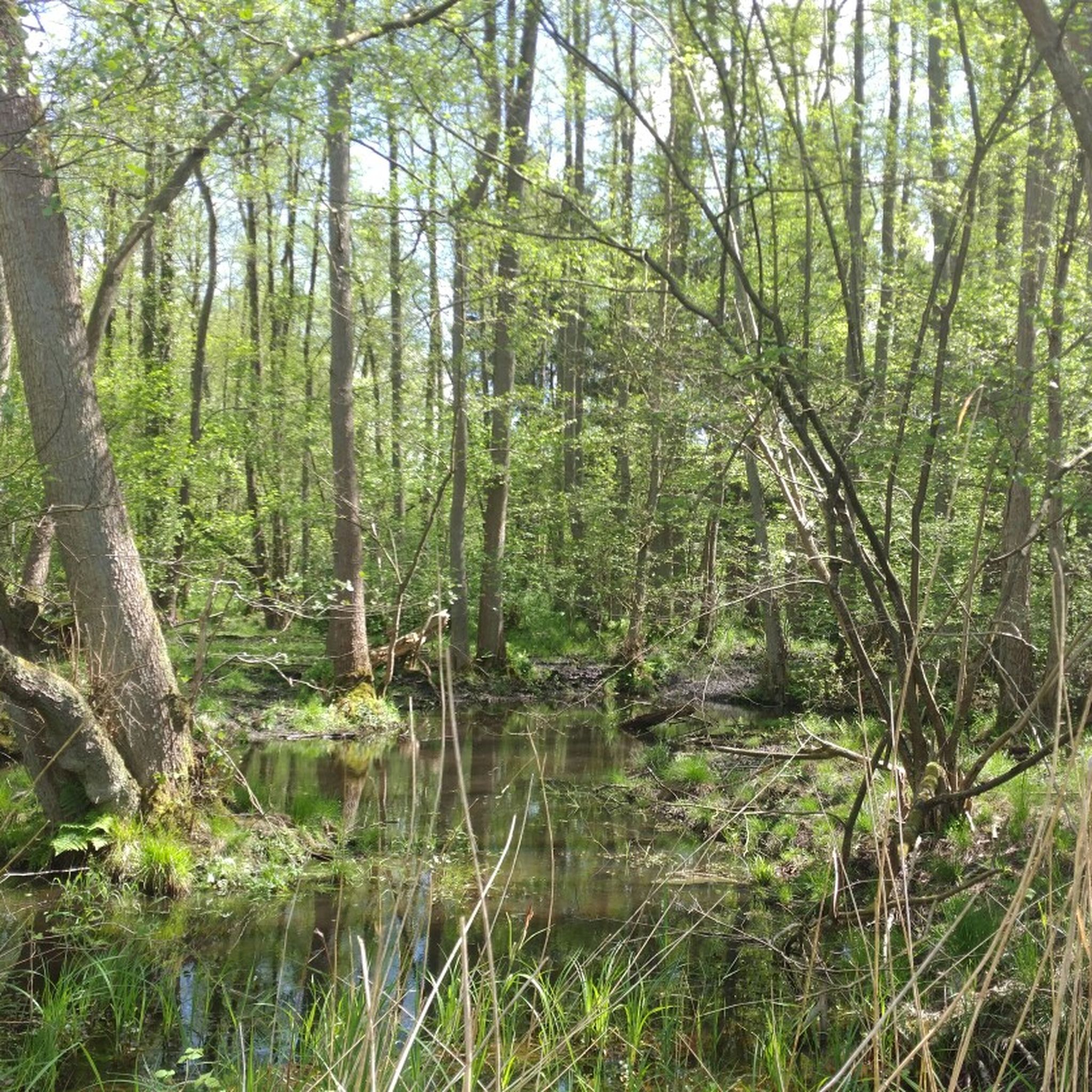
- The most popular attractions is De Meinweg National Park, a forest area known for its terraced landscape with three plateaus. It features diverse ecosystems including forests, heathlands, and fens, and is home to various wildlife such as wild boar and red deer.
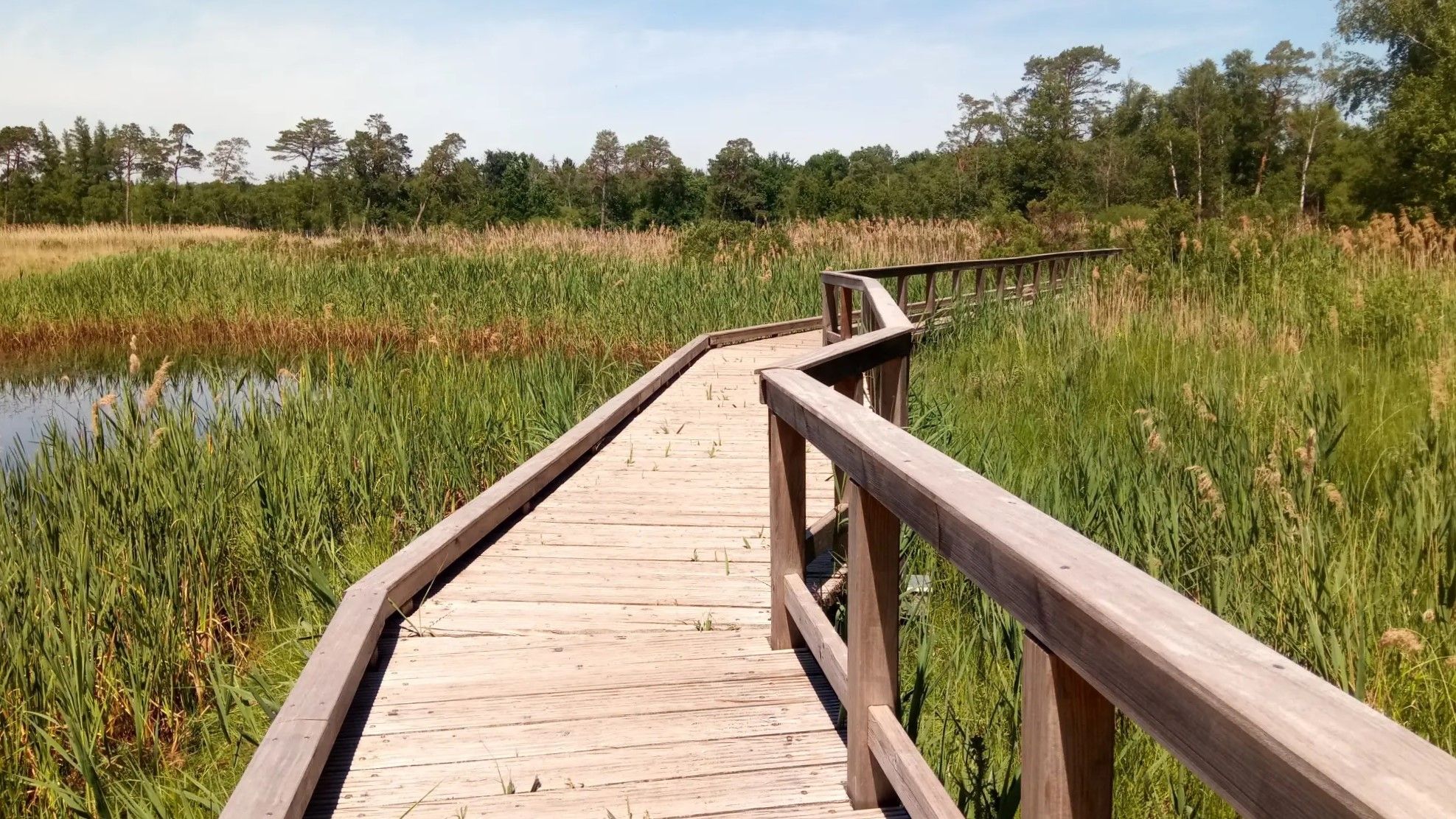
- Another must-see spot is Saint Ludwig Boardwalk – De Meinweg, a trail that offers a unique experience through a swampy, marshy area via a wide wooden walkway. This protected area provides a distinct perspective of the peat forest.
- Visitors also love Dalheim Mill, a man-made monument with a documented history dating back to 1231. This ancient watermill is situated in the forest, close to the border, and offers a glimpse into the region's past.
- Meinweg National Park is known for its terraced landscapes, historic sites, and diverse natural habitats. Visitors can explore ancient Roman roads, stream valleys, and extensive heathlands.
- The attractions around Meinweg National Park are appreciated by the komoot community, with more than 3100 upvotes and over 1000 photos shared.
Last updated: July 20, 2026
Dalheim Mill
Highlight • Monument
Translated by Google •
Tip by

De Meinweg National Park
Highlight • Forest
Translated by Google •
Tip by

Sign up now to discover places like this
Get recommendations on the best single tracks, peaks, & plenty of other exciting outdoor places.
Sign up for free
Rolvennen
Highlight • Lake
Translated by Google •
Tip by

Saint Ludwig Boardwalk – De Meinweg
Highlight (Segment) • Trail
Translated by Google •
Tip by

Hetspid Cycle Path in De Meinweg National Park
Highlight (Segment) • Cycleway
Translated by Google •
Tip by

Sign up for free to discover even more attractions around Meinweg National Park.
Sign up for free
Already have an account?
Start today with a free account
Your next adventure awaits.
Login or Signup
Popular around Meinweg National Park
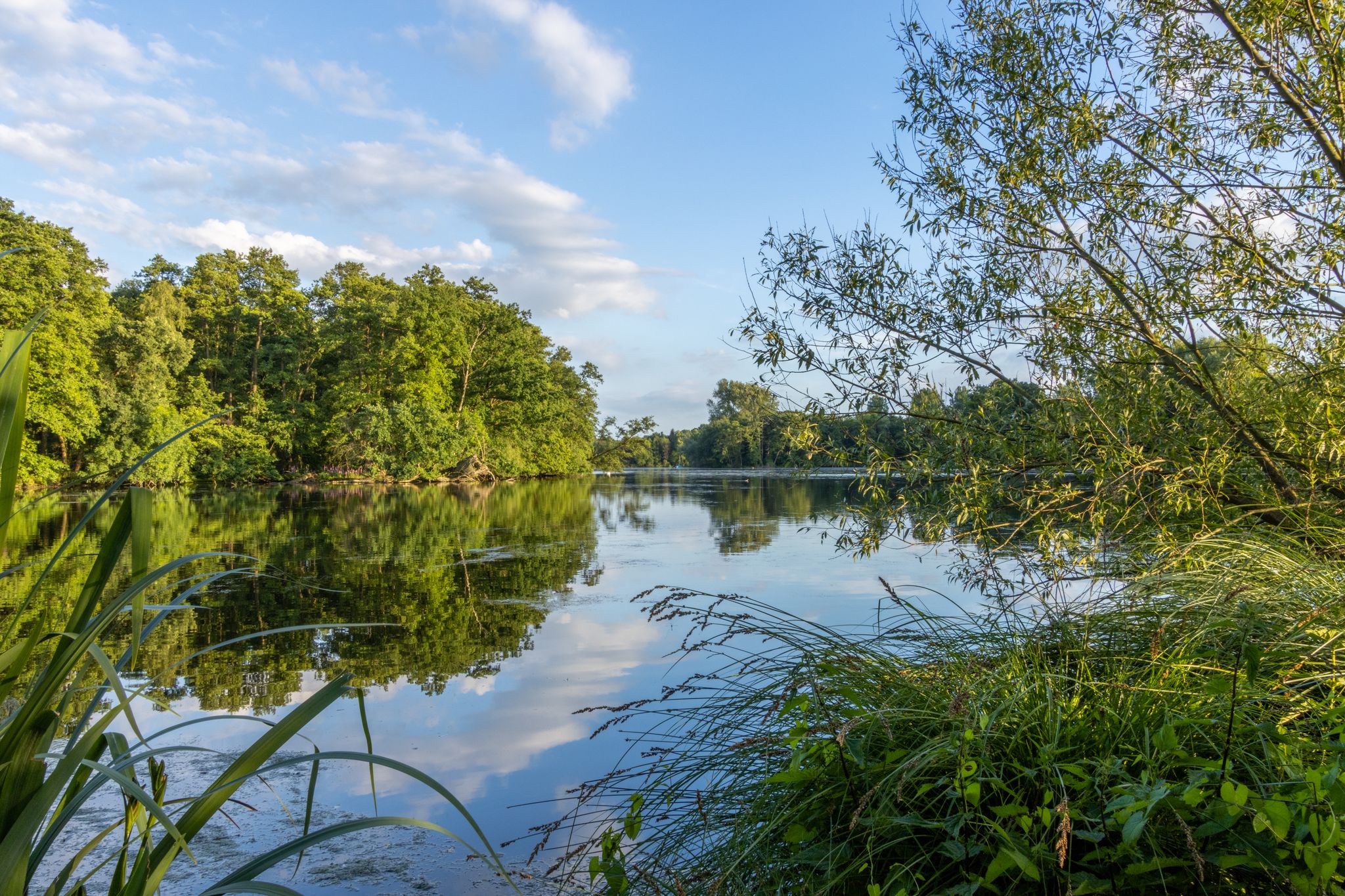
Water.Hike.World. - Premium Hiking Trails
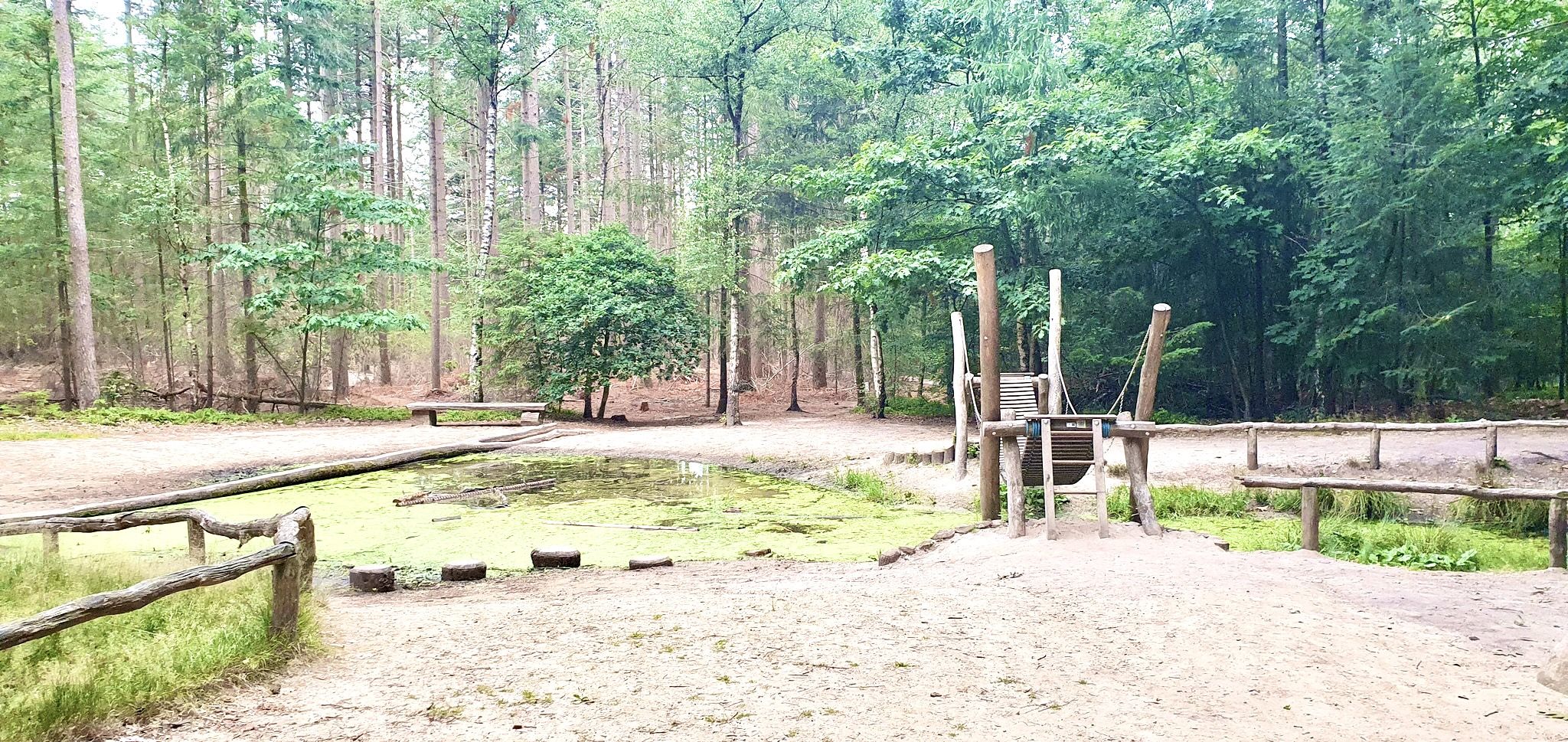
Romping in nature – 20 walks around play forests
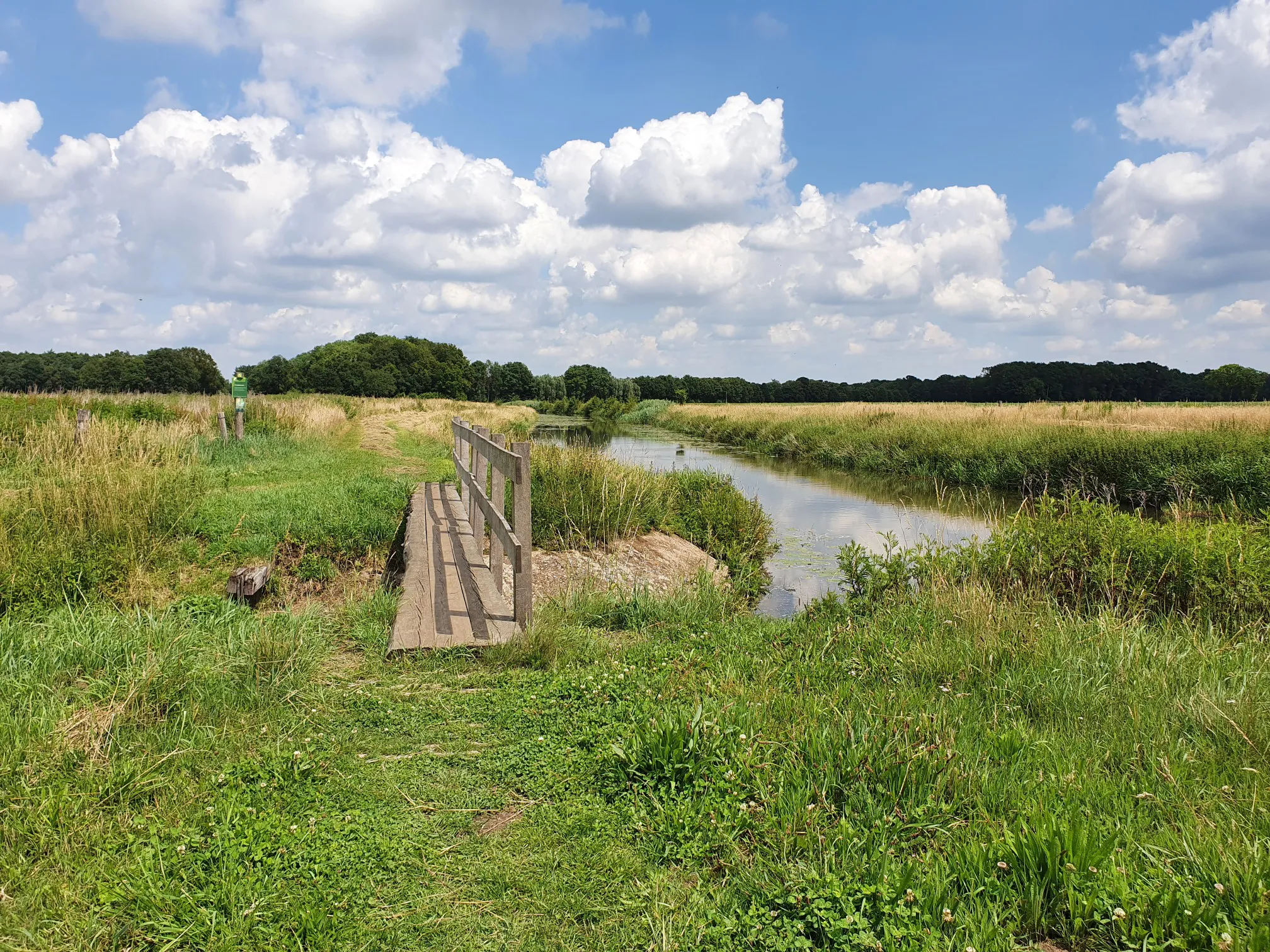
Peat houses and canals – 5 hikes in the Netherlands
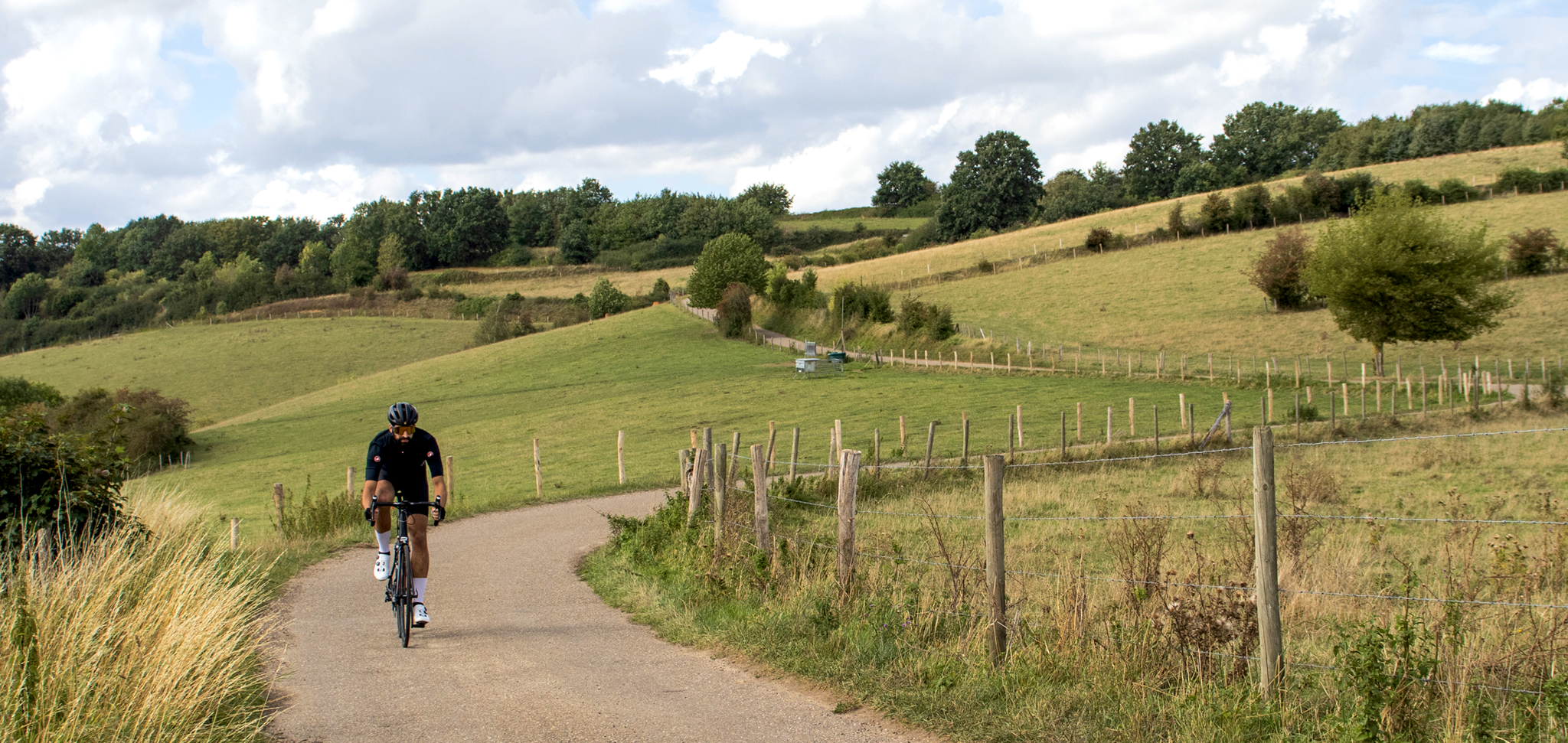
Cross-border cycling in South Limburg – the alternative routes
Wasser.Wander.Welt. – Premium-Spazierwanderwege
Hiking around Meinweg National Park
Cycling around Meinweg National Park
Road Cycling Routes around Meinweg National Park
Gravel biking around Meinweg National Park
Running Trails around Meinweg National Park
Other adventures around Meinweg National Park


Tips from the Community

The path is perfect to drive, with a solid surface and I think it can be ridden by all bikes.
19
0

The first documented mention reports a sale of the Dalheim mill with its pond and land in 1231 by Heinrich Herr zu Helpenstein to the Cistercian convent in Ophoven. In 1258 the monastery also moved to the neighboring monastery courtyard in Dalheim. In 1775, the last Dalheim abbess, Maria Anna von Oyen, had the current mill building built after a fire. The coat of arms attached to a granite plaque above the entrance to the mill is a reminder of this. In the monastery mill, which was not a ban mill, there was a grinding mill for grain and an oil press. After the monastery was dissolved in 1802, the mill was privatized.
10
0
Between 1954 and 1962, the Beatrix State Mine was constructed in the area, after the completion of two shafts, all activities were discontinued. The area was designated a nature reserve in 1990 by the then Minister of Agriculture, Nature Management and Fisheries. The area was in common ownership and use of the surrounding 14 villages. This communal character also gave the area its name: "mein" means communal. Part of the area was oak coppice forest. For the mining industry, many pine trees have been planted for support wood. Because of this and due to desiccation, the heath and the present raised bogs were increasingly displaced.
19
0
Various species of mammals can be found in this area, including wild boar, fox, polecat, stone marten, roe deer and stoat. 110 species of birds have been observed, including cranes on a regular basis, and at least 60 species of birds have bred in this area. The Meinweg is very well-known for its large number of reptile and amphibian species. The reptiles in the area are: adder, smooth snake, sand lizard, viviparous lizard and slow worm. The more or less rare amphibians are pool frog, moor frog, garlic toad, natterjack toad, alpine newt, crested newt and palmate newt; the rarest species, the garlic toad, has declined considerably.
21
0


Perfect bike path through beautiful nature.
10
0

The national park is about 8 km south-east of Roermond. The natural area extends to Germany. In the beautiful area there are great cycling and hiking trails.
15
0
In the heart of the province of Limburg lies a beautiful hilly landscape. The diversity of nature is particularly surprising in the national park "De Meinweg" east of Roermond. "De Meinweg" is characterized by a so-called terraced landscape. This means that there are three plateaus, the highest of which is 80 meters above sea level. The hilly landscape was largely formed by sediment deposited along the Rhine and Meuse over the centuries, but earthquakes have also played their part.
31
0
Frequently Asked Questions
What unique natural features define Meinweg National Park?
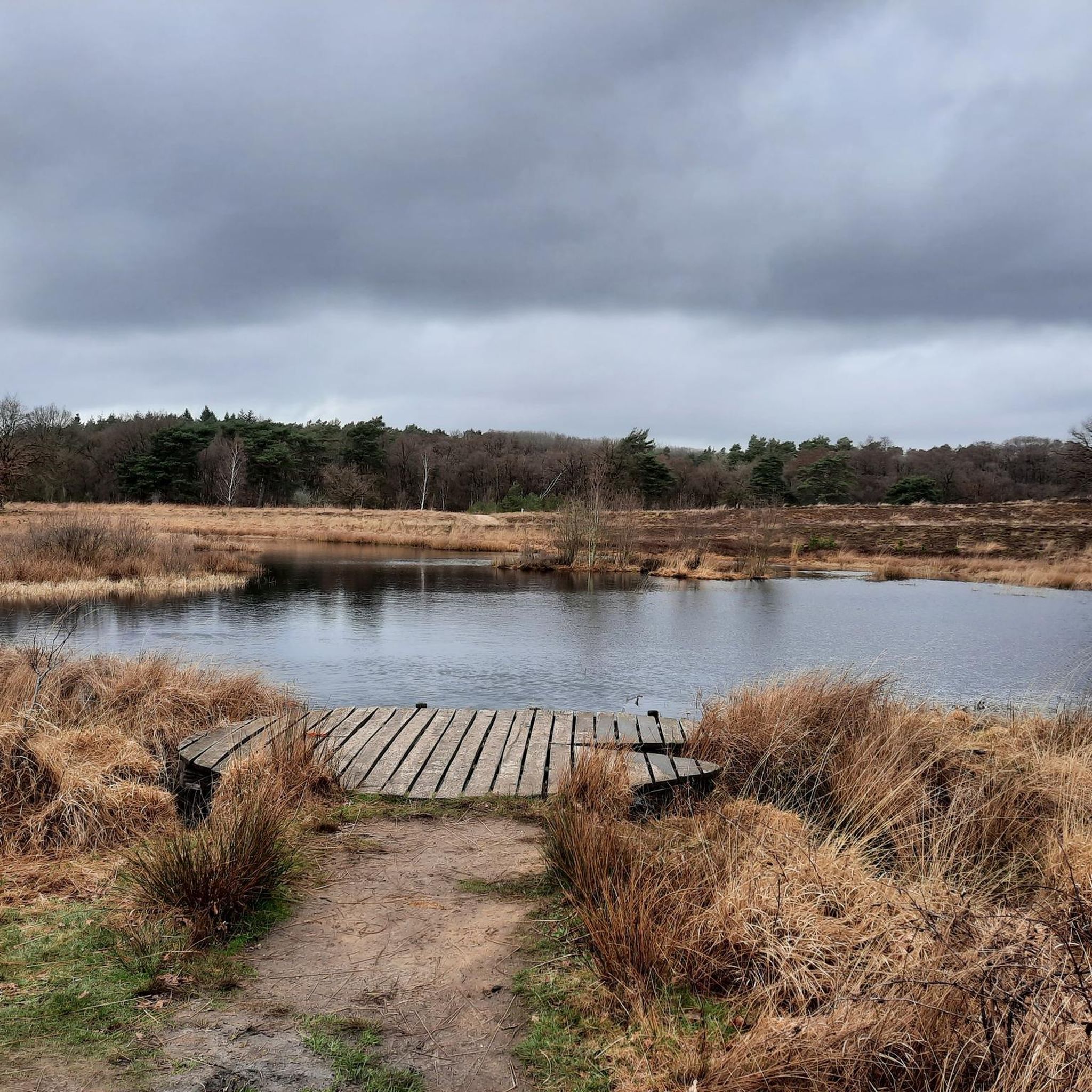
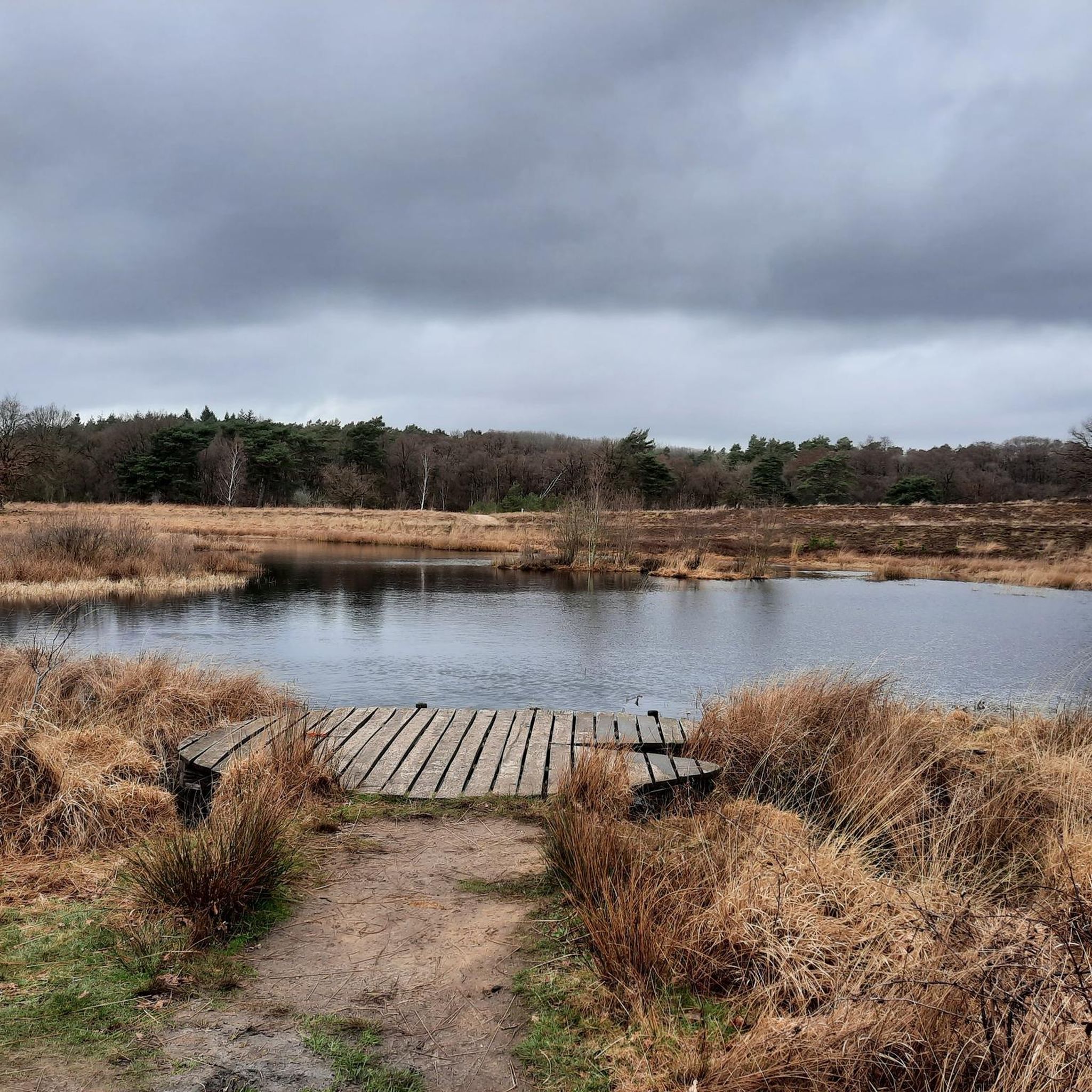
Meinweg National Park is renowned for its distinctive terraced landscape, featuring three plateaus with an elevation difference of 50 meters. You can explore diverse habitats including stream valleys like the Boschbeek and Rode Beek, extensive heathlands that bloom purple, and mysterious fens, bogs, and lakes. Patches of drifting sand and the picturesque Rolvennen, a collection of small ponds, also add to its unique natural beauty.
Are there any historical or cultural sites to visit within Meinweg National Park?
Yes, the park is rich in history. You can find remnants of ancient Roman roads, traces of World War II defenses, and visible remains of the historic "IJzeren Rijn" (Iron Rhine) railway line. A notable historical site is Dalheim Mill, an ancient watermill with a documented history dating back to 1231, offering a glimpse into the region's past.
What kind of wildlife can I expect to see in Meinweg National Park?
Meinweg National Park is a haven for wildlife. Large mammals such as red deer, roe deer, and wild boars are often spotted, especially during early mornings or evenings. It's also home to badgers, foxes, and various bird species, with over 110 observed, including woodpeckers, nightjars, and cranes. The park is particularly significant as the only area in Limburg where the adder (viper) still resides.
What outdoor activities are available near the attractions in Meinweg National Park?
The region offers an extensive network for various outdoor activities. You can enjoy hiking, cycling, and mountain biking on trails that vary in length and difficulty. For specific hiking routes, explore options like the 'Premium Hiking Trail Meinvennen' or the 'St. Ludwig Trail' by visiting the Hiking around Meinweg National Park guide. There are also dedicated Running Trails available.
Are there family-friendly attractions or activities in Meinweg National Park?
Yes, Meinweg National Park offers several family-friendly options. The diverse landscape with its forests, heathlands, and fens provides an engaging environment for children to explore. The Saint Ludwig Boardwalk – De Meinweg offers a unique and accessible experience through a marshy area, resembling a 'jungle expedition' that families often enjoy. Many trails are also suitable for family walks.
What is the best time of year to visit Meinweg National Park?
The park offers different experiences throughout the year. Spring and summer are ideal for wildlife spotting and enjoying the lush greenery. The heathlands burst into a vibrant purple bloom during late summer, making it a particularly picturesque time. Autumn brings beautiful fall foliage, while winter offers a tranquil, serene landscape.
Are there any specific viewpoints or scenic spots in the park?
Yes, Meinweg National Park features several scenic spots. The terraced landscape itself offers unique vistas. The Rolvennen, with its small ponds surrounded by wet vegetation, birch, heath, and sand, is a highly photogenic location. Additionally, various viewing platforms across the park provide panoramic vistas, perfect for a relaxing break.
Can I bring my dog to Meinweg National Park?
Meinweg National Park is generally dog-friendly, with many trails suitable for walks with your canine companion. However, it's important to note that dogs are not allowed on certain protected stretches, such as the Saint Ludwig Boardwalk – De Meinweg, to protect the sensitive ecosystem. Always check local signage for specific restrictions.
What do visitors enjoy most about Meinweg National Park?
Visitors frequently praise the park's versatility and diverse nature, highlighting its forests, heathlands, and wetlands. The unique terraced landscape and the opportunity to spot various wildlife, including wild boars and red deer, are often mentioned. The well-maintained hiking and cycling trails, such as the experience of walking the Saint Ludwig Boardwalk, are also highly appreciated by the komoot community.
Are there easy hiking trails suitable for all fitness levels?
Yes, Meinweg National Park offers a range of trails, including several easy options. For example, the 'St. Ludwig Trail' is an easy 5.3 km route. Other accessible paths include loops through the 'Heather Fields in De Meinweg' and around the 'Rolvennen'. You can find more details on these and other gentle walks in the Easy hikes around Meinweg National Park guide.
Where can I find information about the park and its surroundings?
A visitor center located in Herkenbosch provides valuable information about Meinweg National Park and its surroundings. It's a good starting point for planning your visit and learning more about the local flora, fauna, and cultural history.
What is the significance of the Rode Beek (Red Stream) in the park?
The Rode Beek is a notable marshy area within Meinweg National Park, characterized by its iron-rich, reddish water. It's a hotspot for diverse butterfly, dragonfly, and damselfly species. A boardwalk allows visitors to traverse this wetland, offering a unique perspective on this vibrant ecosystem.
Most popular routes around Meinweg National Park
Most popular attractions around Meinweg National Park

Get inspired with the komoot mobile app


Explore more
Still not found the Highlight you’re looking for? See guides of the top attractions in other regions:
