Attractions and Places To See around Oosterschelde - Top 20
Best attractions and places to see around Oosterschelde include a dynamic tidal area in the Dutch province of Zeeland, known for its unique ecosystem and engineering marvels. This region is home to the largest national park in the Netherlands, characterized by its open connection to the North Sea and daily tidal movements. Oosterschelde offers a diverse landscape of mudflats, salt marshes, and sandbanks, supporting a rich biodiversity. It features notable landmarks and cultural sites that highlight its natural beauty and…
Last updated: July 6, 2026
Oosterschelde Storm Surge Barrier
Highlight • Monument
Translated by Google •
Tip by

Oosterschelde National Park
Highlight • Natural Monument
Translated by Google •
Tip by

Sign up now to discover places like this
Get recommendations on the best single tracks, peaks, & plenty of other exciting outdoor places.
Sign up for free
Plompe Tower
Highlight • Monument
Translated by Google •
Tip by

Oosterschelde National Park
Highlight (Segment) • Natural Monument
Translated by Google •
Tip by

Oosterschelde barrier
Highlight (Segment) • Monument
Impressive structure, and there is also an area with sufficient documentation at medium height.
Translated by Google •
Tip by

Sign up for free to discover even more attractions around Oosterschelde.
Sign up for free
Already have an account?
Start today with a free account
Your next adventure awaits.
Login or Signup
Popular around Oosterschelde
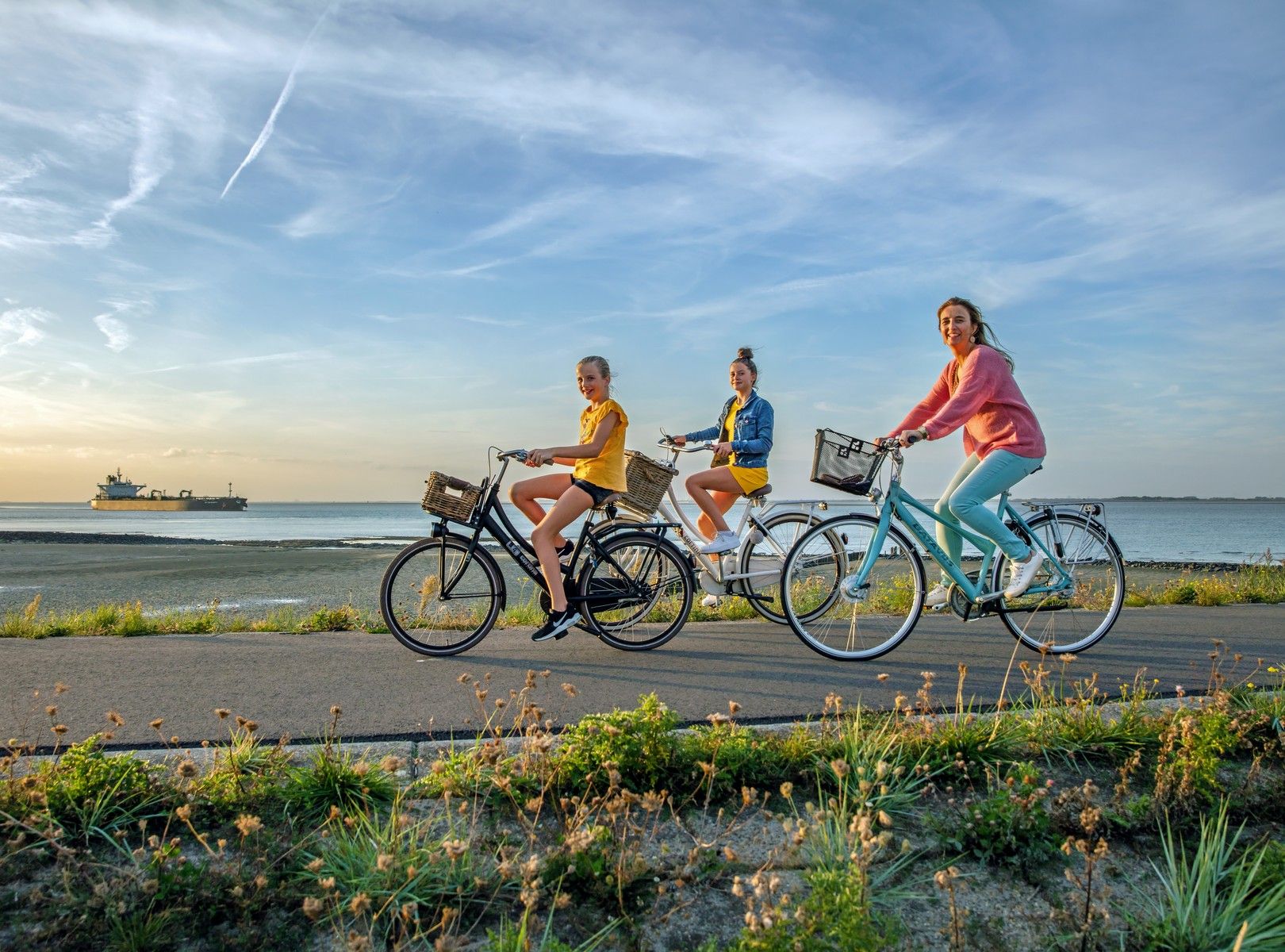
Five routes in Zeeland — the dunes, the woods and the sea
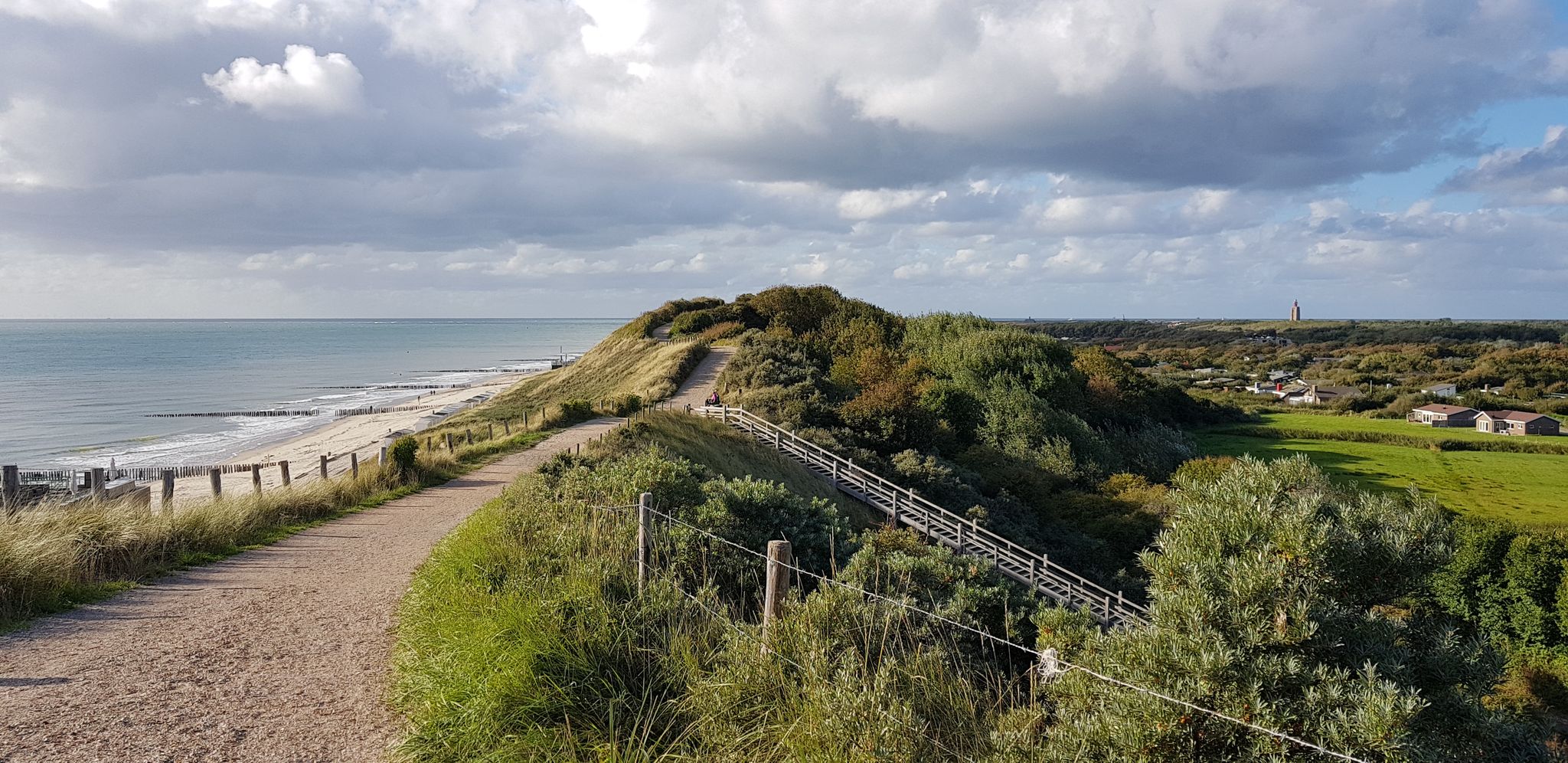
Along the Zeeland Coast — part 1: Dutch Coastal Path (formerly Deltapad)
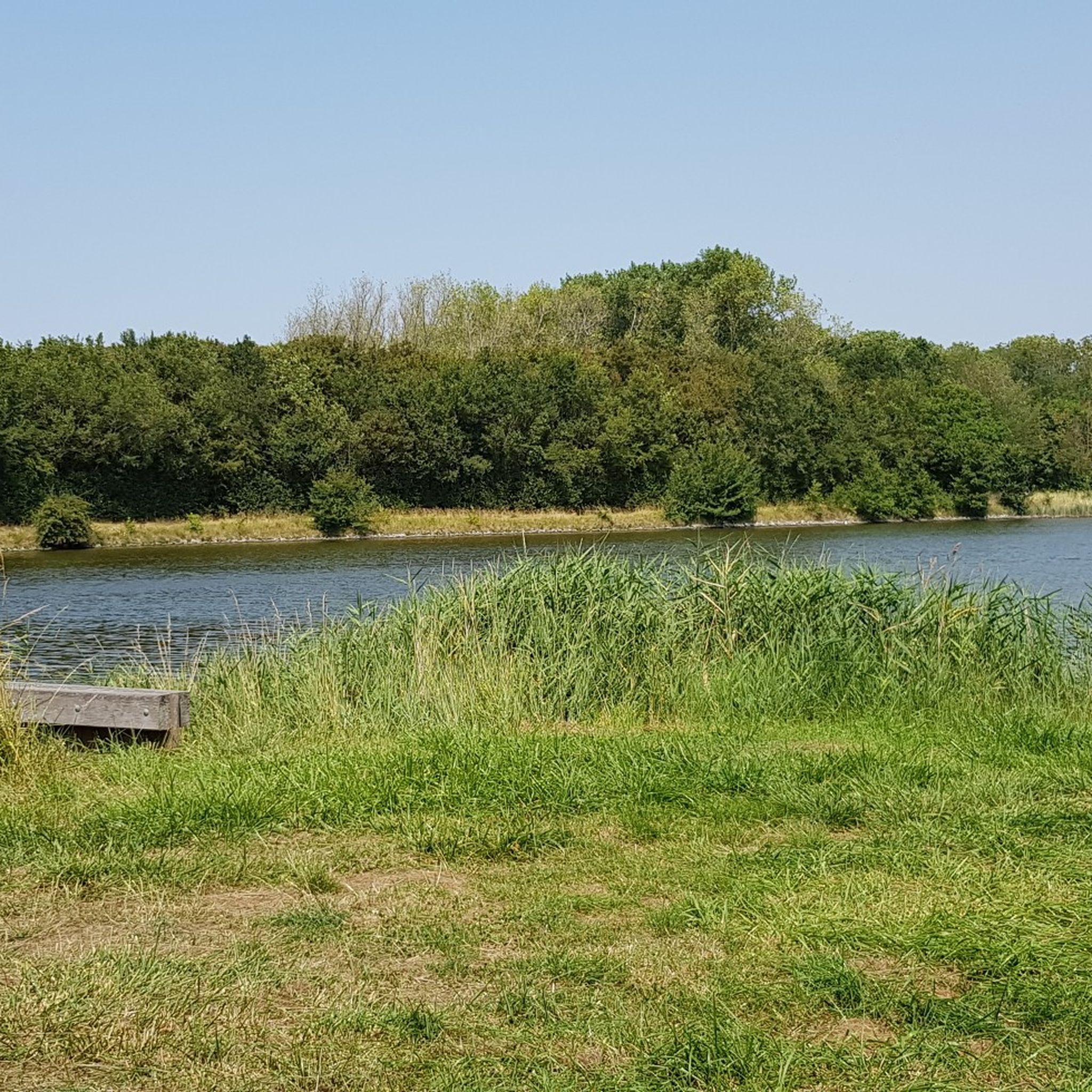
Hiking around Oosterschelde
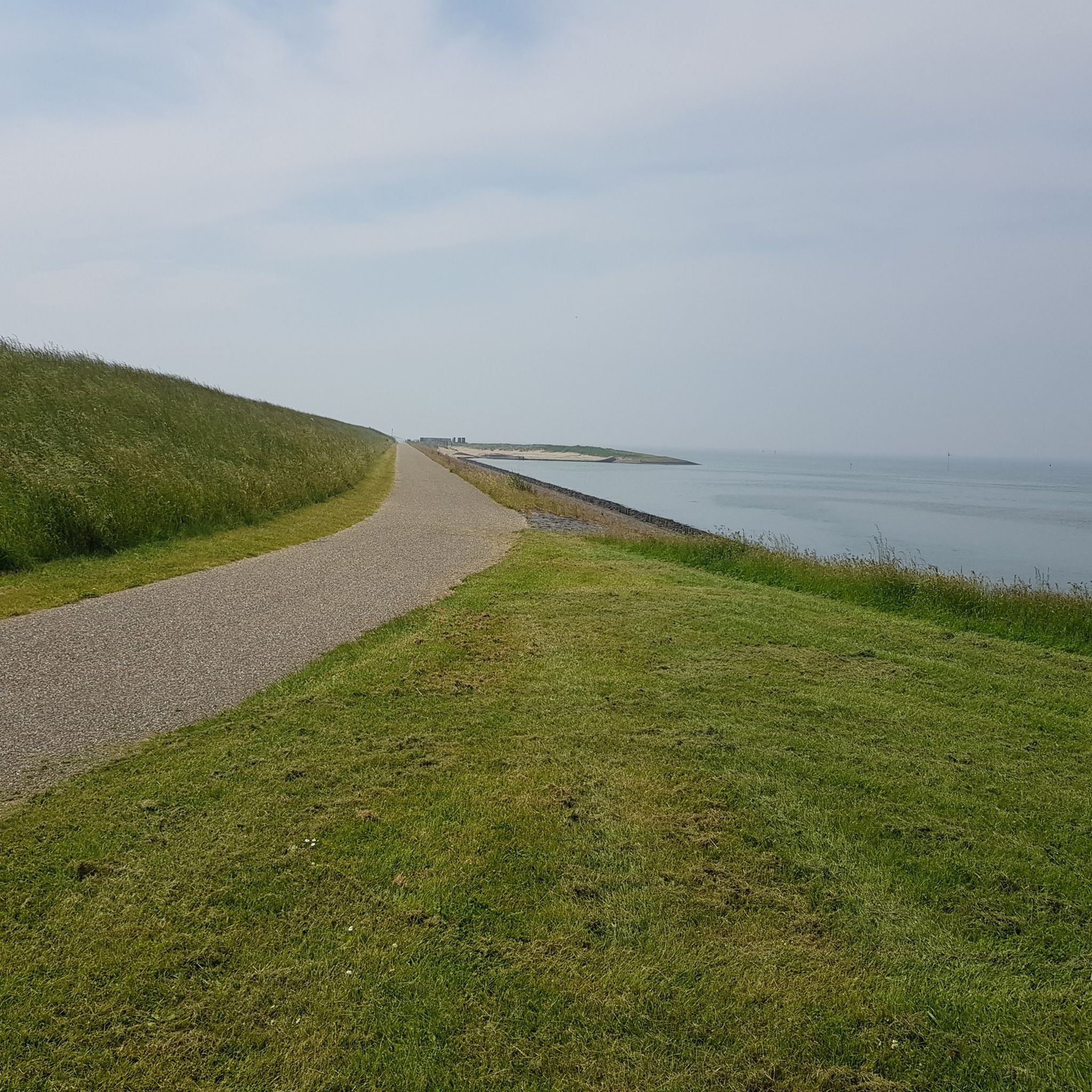
Cycling around Oosterschelde
Road Cycling Routes around Oosterschelde
Running Trails around Oosterschelde
MTB Trails around Oosterschelde

Gravel biking around Oosterschelde


Tips from the Community

Pure nature, accompanied by sheep while cycling
0
0

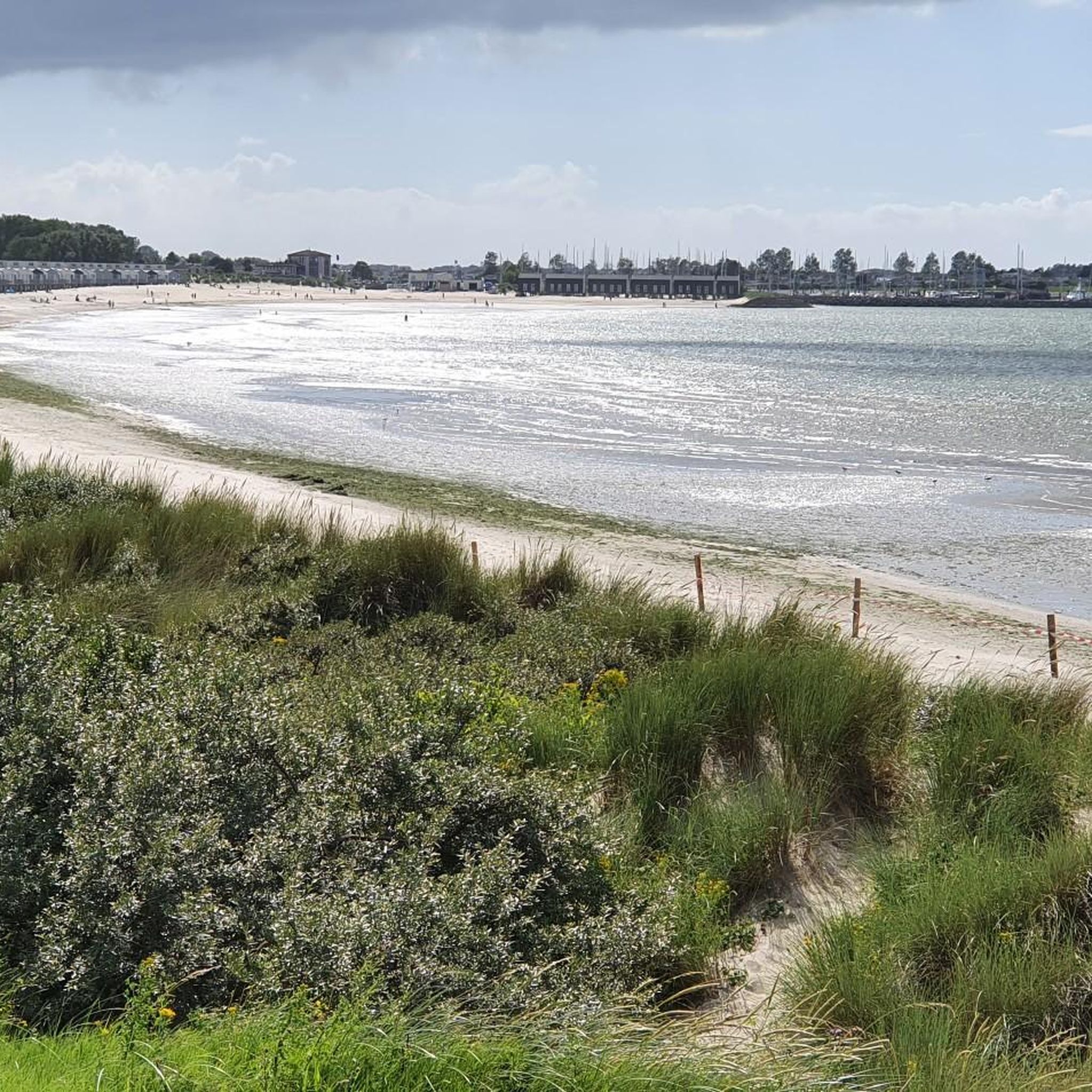
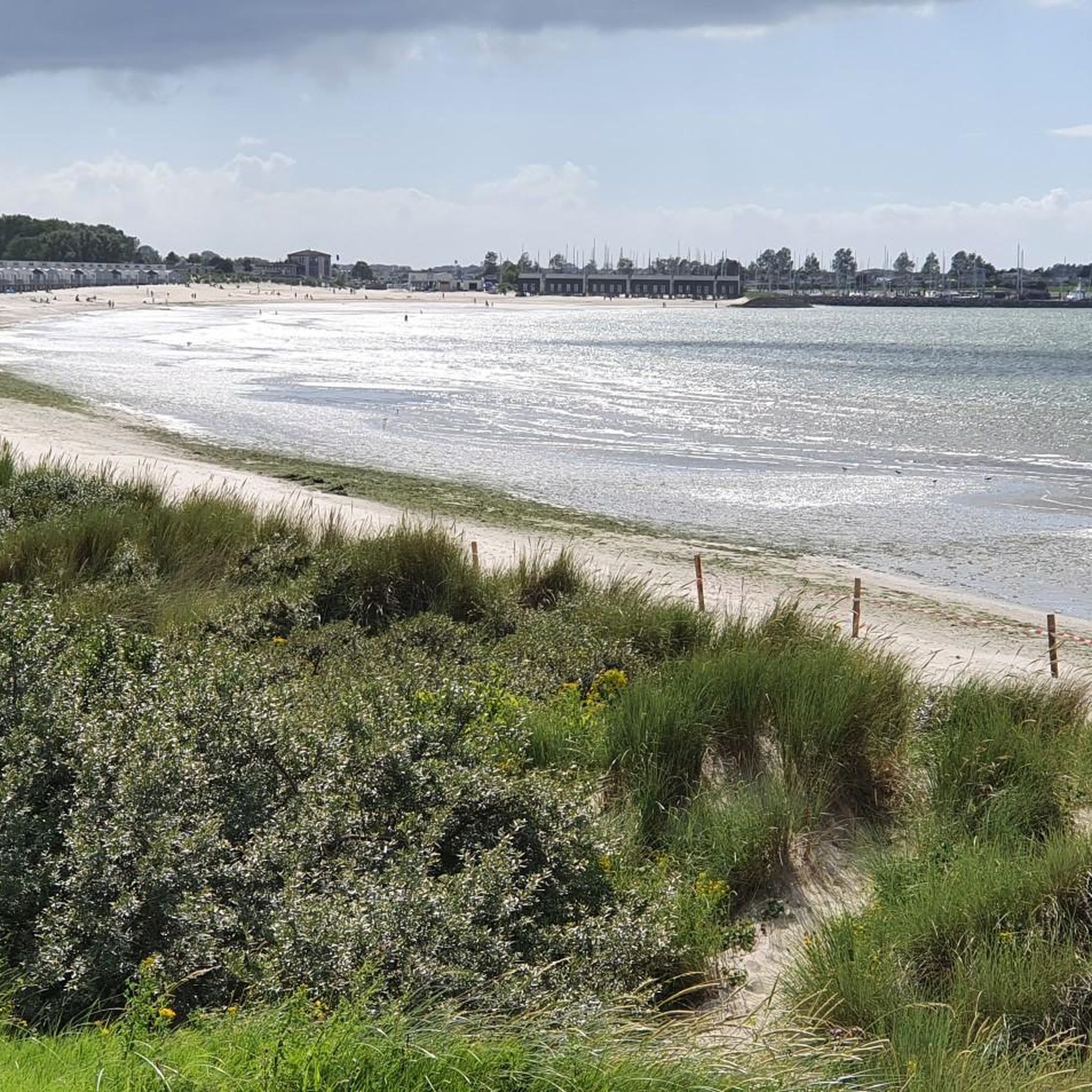
Oosterschelde National Park has an open connection with the North Sea via the storm surge barrier. Twice a day, 800 billion liters of salt water flow in and out of the area. The mudflats and sandbanks that are flooded at high tide, dry out again at low tide. Because of this tidal nature, the Oosterschelde is a unique area: a dynamic world.
4
0
Oosterschelde National Park is openly connected to the North Sea via the storm surge barrier. Twice a day, 800 billion litres of salt water flows in and out of the area. The mudflats and sandbanks that are submerged at high tide, dry up again at low tide. The Oosterschelde is a unique area because of this tidal nature: a dynamic world.
6
0
Need some rest. At this location you can press the pause button and enjoy the comings and goings of passers-by. Various information boards tell you more about the immediate area.
7
0
About this historical landmark: It is not only birds that flee from the water. The people of Zeeland also had to pack up and leave on several occasions. Time and again the sea pushed in and flooded dikes and villages. Here on the South Coast at least fifteen villages disappeared into the water between 1475 and 1650. And all that remains is the Plompe Toren. The tower once belonged to the prosperous village of Koudekerke. The tower now houses a small but charming information centre of Natuurmonumenten. Here you can hear the legend about the drowned village of Koudekerke. The tower is also free to climb! In the distance you can often see seals lying on the sandbank. The tower is open daily from 09:00 to 18:00 in the summer. In the winter the tower closes at 17:00. More information at https://www.zeeland.com/nl-nl/visit/1206_nl/plompe-toren
9
0

This is where the largest storm surge barrier in the world begins. The work is titanic! A few kilometers further, on the artificial island Neeltje Jans, there is an information center that tells the story and construction of this work, a theme park and a nature area.
5
0

Beautiful cycle paths between nature reserves and beach dunes.
2
0

Kilometer-long, wide cycle path over the tidal power station. Impressive structure, and there is also an area with sufficient documentation at medium height.
14
0
Frequently Asked Questions
What natural features define the Oosterschelde region?
The Oosterschelde is characterized by its dynamic tidal saltwater estuary, which is openly connected to the North Sea via the storm surge barrier. This creates a constantly changing landscape of mudflats, salt marshes, and sandbanks. It's home to Oosterschelde National Park, the largest and 'wettest' national park in the Netherlands, supporting over 10,000 species of plants and animals, including seals and porpoises. Other notable natural areas include Plan Tureluur, a haven for birdwatchers, and the Creek Area De Schelphoek, formed by a dike breach in 1953.
Are there any significant historical landmarks or engineering marvels to visit?
Yes, the Oosterschelde region is known for its impressive landmarks. The most prominent is the Oosterschelde barrier, a 9-kilometer-long storm surge barrier that is part of the Delta Works, designed to protect the region from flooding. You can also visit the Plompe Tower, the sole remnant of the sunken village of Koudekerke, which now houses a small museum and offers magnificent views. The Watersnoodmuseum in Ouwerkerk provides insight into the devastating 1953 flood.
What kind of outdoor activities can I do near the Oosterschelde attractions?
The Oosterschelde offers a wide range of outdoor activities, especially given its unique natural environment. You can enjoy various water sports like diving, sailing, kayaking, stand-up paddleboarding, and sport fishing. Boat tours are also available for spotting seals and porpoises. For land-based activities, there are numerous routes for gravel biking and hiking. You can find detailed routes like 'Plompe Tower – Vroongronden Nature Reserve loop' for gravel biking or 'On the border of land and sea - Oosterschelde National Park' for hiking. Explore more options on the gravel biking guide and hiking guide for the area.
Are there family-friendly attractions in the Oosterschelde area?
Absolutely! The Oosterschelde region is great for families. Oosterschelde National Park itself offers opportunities for exploring nature and spotting wildlife. Deltapark Neeltje Jans, located on the former artificial island of Neeltje Jans, is a theme park with educational exhibits on the Delta Works, seal and sea lion shows, and a popular water playground. The beaches at Ouwerkerk, Goese Sas, or the Pluimpot on Tholen are ideal for children to play and build sandcastles.
What is the best time of year to visit Oosterschelde?
The Oosterschelde is a year-round destination, but the best time depends on your interests. Spring and summer offer pleasant weather for outdoor activities, water sports, and enjoying the beaches. Birdwatching is excellent during migratory seasons in spring and autumn. The dynamic tidal movements and wildlife spotting opportunities, such as seals on sandbanks, can be observed throughout the year, often best at low tide.
Where can I find the best viewpoints in Oosterschelde?
For panoramic views, you can climb the Plompe Tower, which offers magnificent vistas over the nature reserve and opportunities to spot seals. The Schelphoek Observation Tower provides a vantage point to see the site of the 1953 dike breach and observe birdlife. Additionally, the Zeeland Bridge, spanning over 5 kilometers, offers impressive views across the waters.
What cultural insights can I gain from visiting the Oosterschelde region?
The Oosterschelde region offers rich cultural insights, particularly concerning its relationship with water. The Oosterschelde Museum in Yerseke provides a unique look into local life, focusing on fishing and the development of oyster and mussel cultivation. The Watersnoodmuseum in Ouwerkerk is dedicated to the devastating 1953 flood, offering a poignant historical perspective. The historic city of Zierikzee, which celebrated its 800th anniversary in 2019, also offers a glimpse into the region's past.
Are there dog-friendly options for visitors in Oosterschelde?
Many natural areas in Oosterschelde are dog-friendly, especially for walks. While specific rules may apply in certain nature reserves, generally, dogs are welcome on leashes on many walking routes and beaches, particularly outside of peak season. Always check local signage for specific regulations in protected areas like Oosterschelde National Park to ensure a pleasant visit for everyone.
How long should I plan for a visit to Oosterschelde National Park?
The time needed for Oosterschelde National Park can vary greatly depending on your interests. A short visit might involve a few hours for a walk or cycle along the barrier or a specific viewpoint. To truly experience its diverse ecosystem, including birdwatching, seal spotting, or exploring mudflats at low tide, a full day or even multiple days are recommended. Many visitors combine it with other attractions like Deltapark Neeltje Jans or a boat tour.
What makes the Oosterschelde unique compared to other Dutch water bodies like Veerse Meer?
The Oosterschelde stands out due to its open connection to the North Sea via the storm surge barrier, making it a dynamic tidal saltwater estuary. Twice daily, 800 billion liters of saltwater flow in and out, creating a unique ecosystem of mudflats and sandbanks. This tidal nature supports an incredibly rich biodiversity, including seals, porpoises, and a vibrant underwater world, which is internationally renowned for diving. In contrast, Veerse Meer is a closed freshwater lake, offering different recreational opportunities but lacking the dynamic tidal environment and marine biodiversity of the Oosterschelde.
What do visitors enjoy most about the Oosterschelde region?
Visitors frequently praise the Oosterschelde for its pure, dynamic nature and the impressive engineering of the Delta Works. Many appreciate the opportunity to cycle along the kilometer-long Oosterschelde barrier, describing it as an 'impressive structure' and a 'nice piece of Dutch technique.' The unique tidal environment of Oosterschelde National Park, with its mudflats and sandbanks, is also highly valued for its biodiversity and opportunities for relaxation. The magnificent views from the Plompe Tower and the chance to spot seals are also popular highlights.
Most popular routes around Oosterschelde
Most popular attractions around Oosterschelde

Get inspired with the komoot mobile app


Explore more
Still not found the Highlight you’re looking for? See guides of the top attractions in other regions:
