The best walks and hikes around Parco Nazionale Dolomiti Bellunesi
4.5
(8792)
53,974
hikers
98
hikes
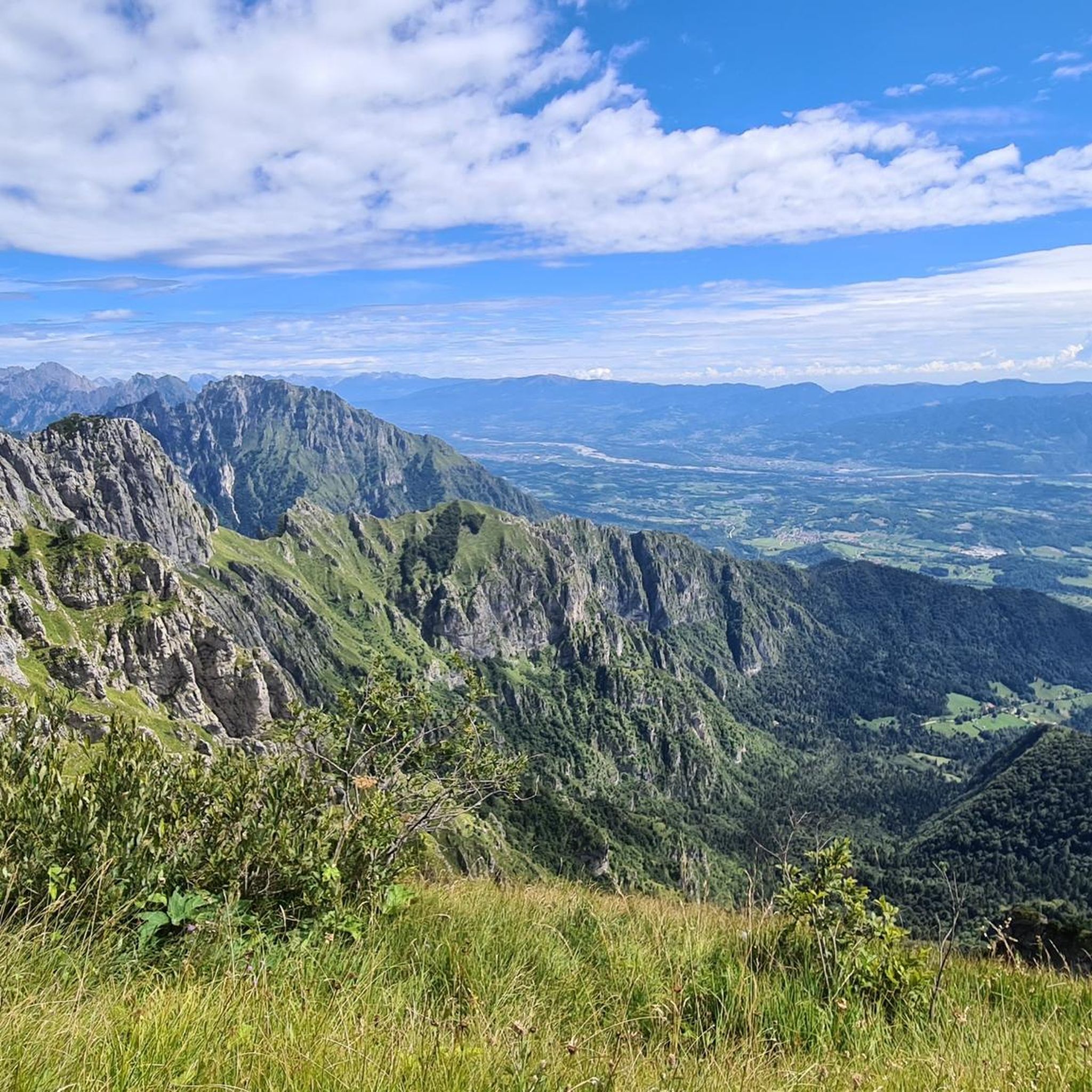
Hiking trails around Parco Nazionale Dolomiti Bellunesi offer a varied terrain of rugged peaks, serene valleys, and extensive forests within a UNESCO World Heritage site. The park's elevation ranges from 412 meters to 2,565 meters, encompassing limestone formations, numerous springs, and significant rivers like the Cordevole and Mis. This region provides a network of paths suitable for various outdoor activities, from gentle walks to challenging mountain ascents.
Best hiking trails around Parco Nazionale Dolomiti Bellunesi
- The most popular hiking route is Sentiero Natura Val Falcina Nature Trail, a 2.8 miles (4.5 km) trail that takes 1 hour 31 minutes to complete, offering an accessible nature experience.
- Another top favourite among local hikers is Lago della Stua e Malga Erera – loop in the Parco Nazionale delle Dolomiti Bellunesi, a difficult 9.1 miles (14.7 km) path that explores the area around the artificial Lago della Stua.
- Local hikers also love the Lake Mis, a 4.7 miles (7.5 km) trail leading through the scenic Mis Valley, often completed in about 1 hour 59 minutes.
- Hiking around Parco Nazionale Dolomiti Bellunesi is defined by majestic mountains, diverse waterways, and rich biodiversity, with options ranging from easy nature trails to advanced multi-day treks. The network offers options for different ability levels, including family-friendly walks and challenging routes to higher elevations.
- The routes in Parco Nazionale Dolomiti Bellunesi are highly rated by the komoot community with an average score of 4.5 stars from over 1800 reviews. More than 9000 hikers have used komoot to explore Parco Nazionale Dolomiti Bellunesi's varied terrain.
Last updated: May 10, 2026
4.6
(318)
1,099
hikers
4.45km
01:31
230m
230m
Easy hike. Great for any fitness level. Easily-accessible paths. Suitable for all skill levels.
4.6
(315)
1,086
hikers
Easy hike. Great for any fitness level. Easily-accessible paths. Suitable for all skill levels.

Sign up for free
4.5
(80)
486
hikers
14.7km
06:20
1,100m
1,100m
Hard hike. Very good fitness required. Sure-footedness, sturdy shoes and alpine experience required.
4.1
(18)
126
hikers
7.55km
01:59
60m
60m
Easy hike. Great for any fitness level. Easily-accessible paths. Suitable for all skill levels.
4.8
(24)
195
hikers
Hard hike. Very good fitness required. Mostly accessible paths. Sure-footedness required.
Get access to more routes and recommendations from other explorers.
Sign up for free
Already have an account?
Our route recommendations are based on thousands of hikes, rides, and runs completed by other people on komoot.
Start today with a free account
Your next adventure awaits.
Login or Signup
Popular around Parco Nazionale Dolomiti Bellunesi
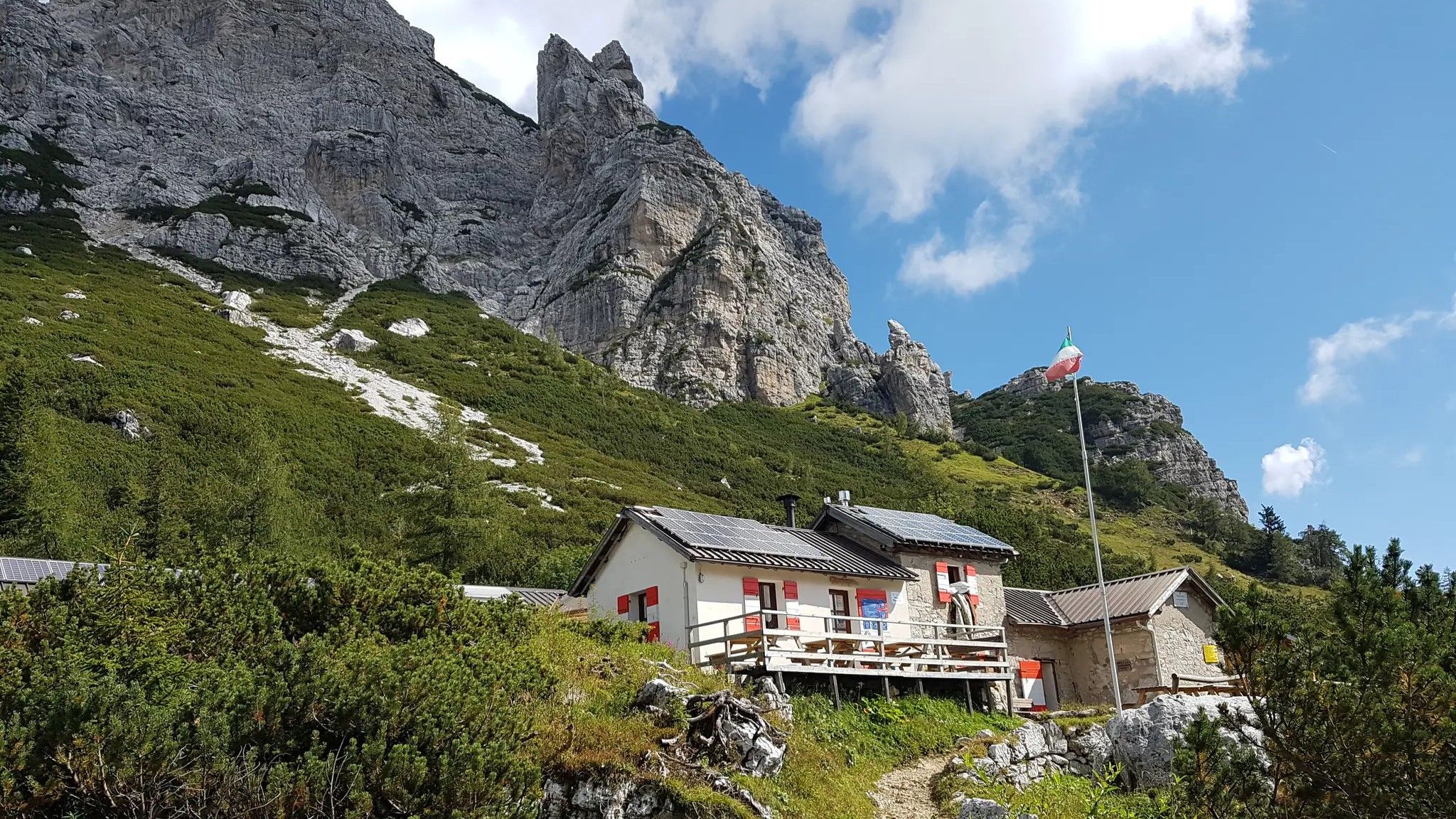
Alta Via Dolomiti Bellunesi – the wild Dolomiti Bellunesi National Park
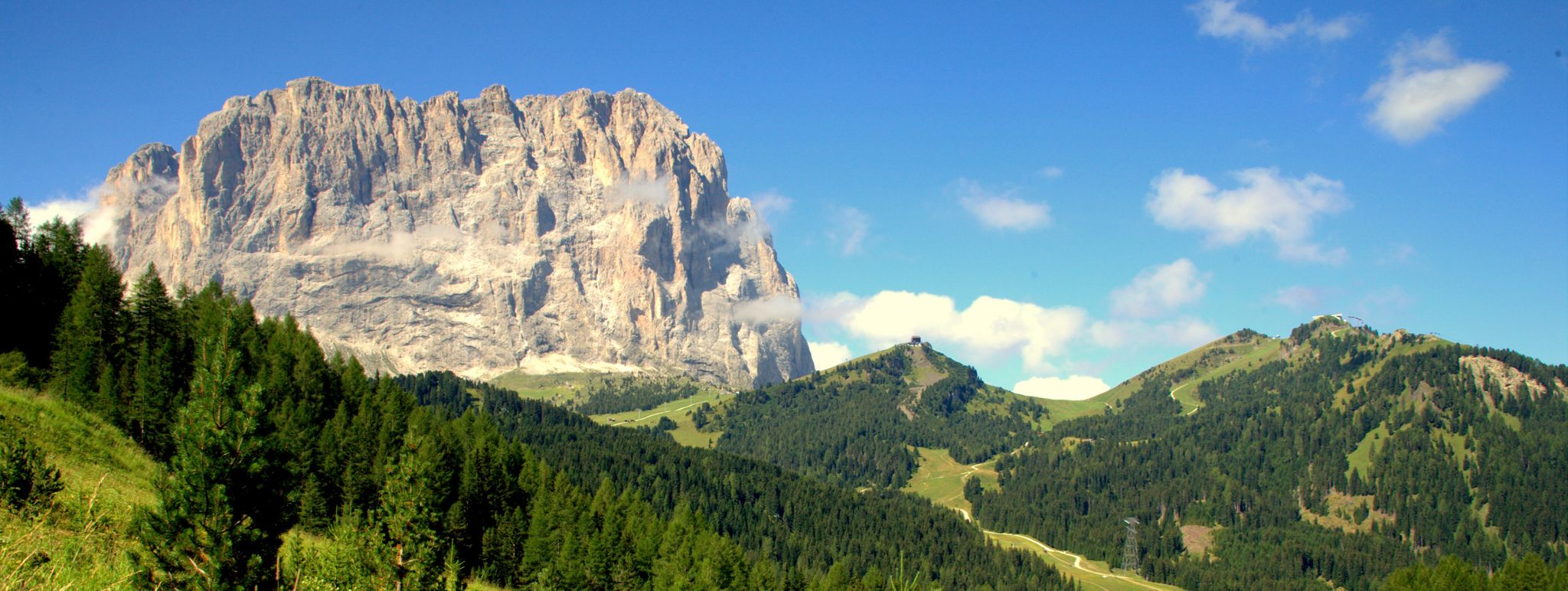
Via Venezia Alpina – hiking across the Alps to the Adriatic Sea
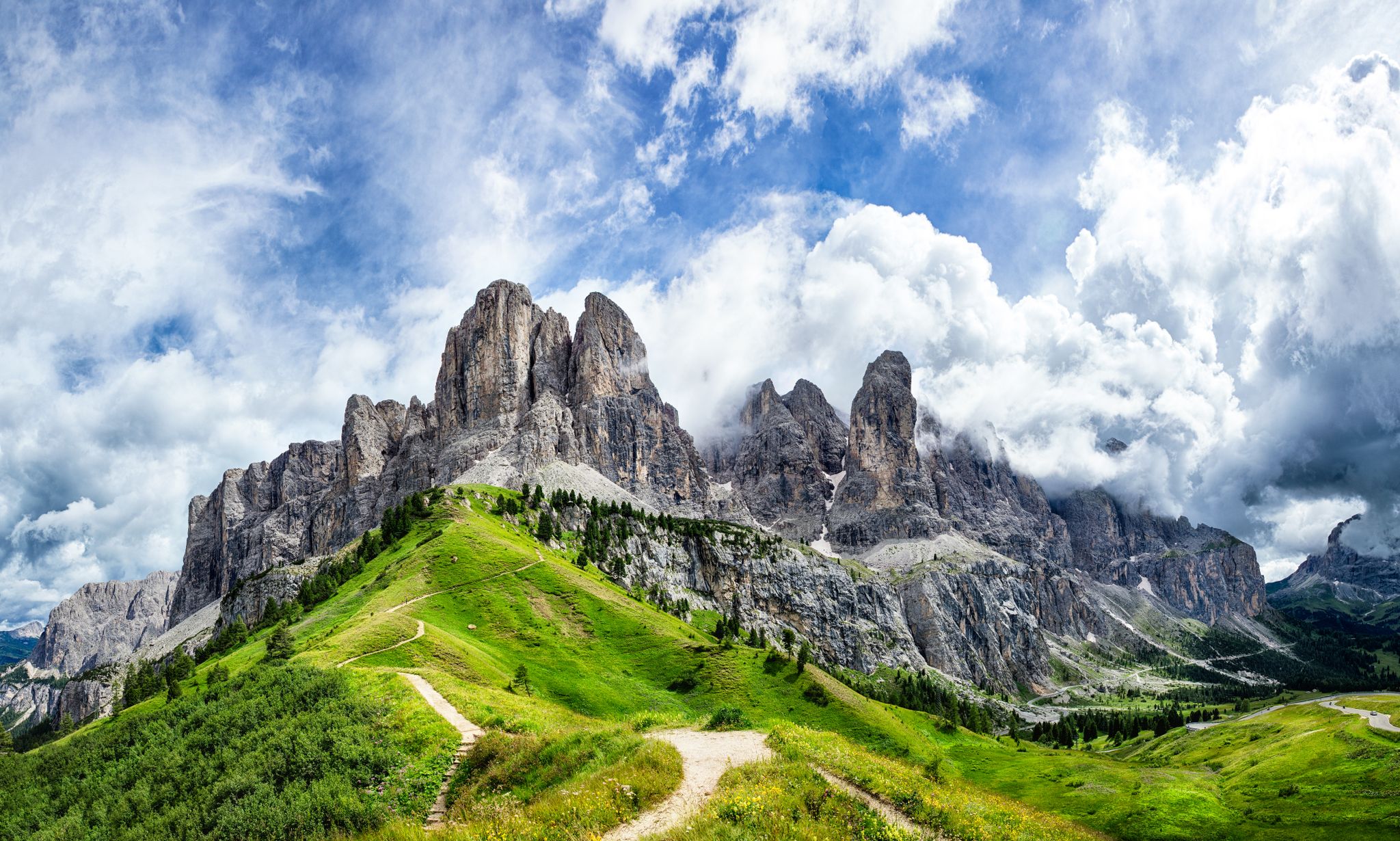
The "Dream Path" hiking trail – From Munich to Venice in 28 stages
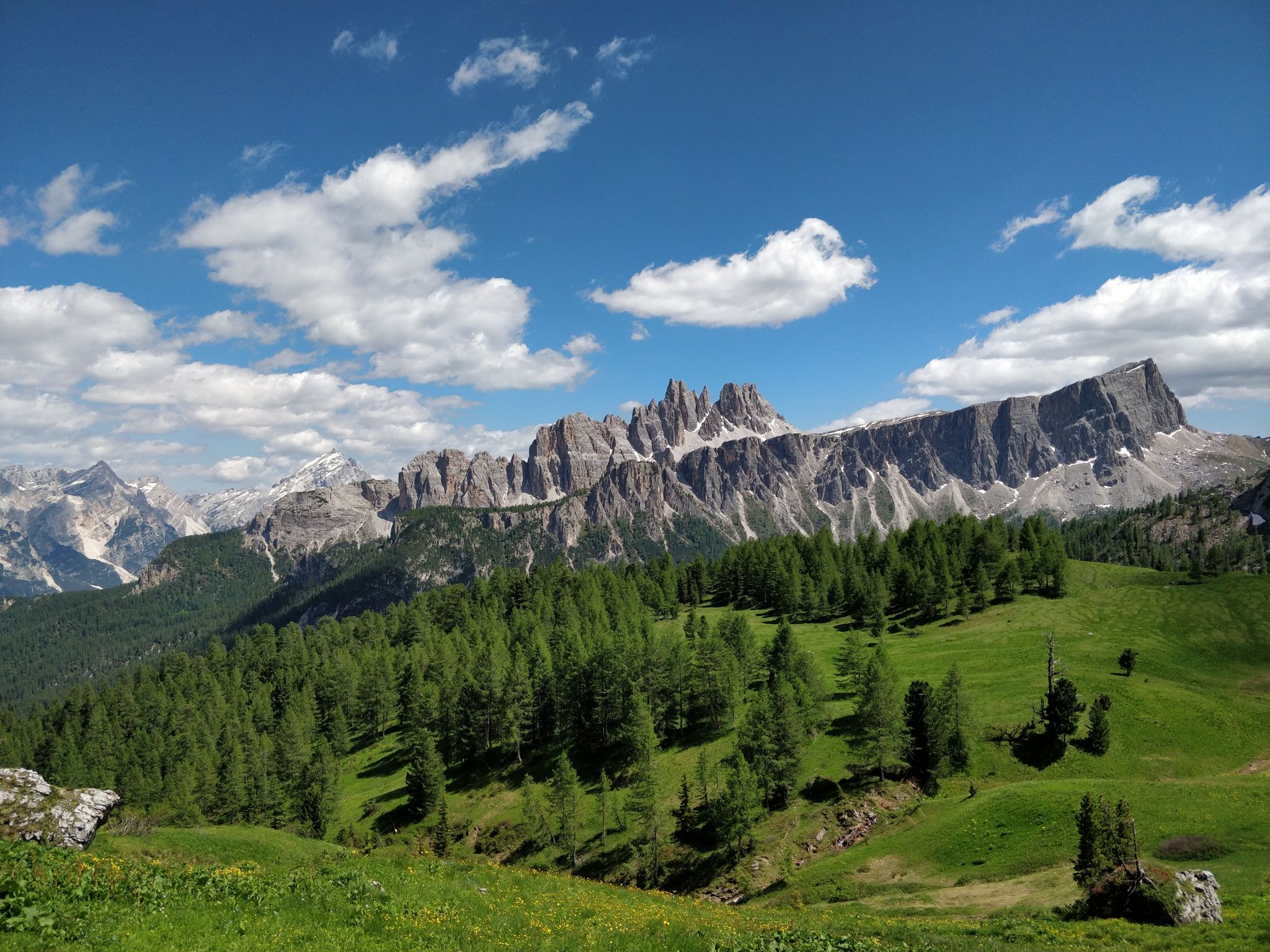
Hiking one step from heaven – Alta Via delle Dolomiti 1
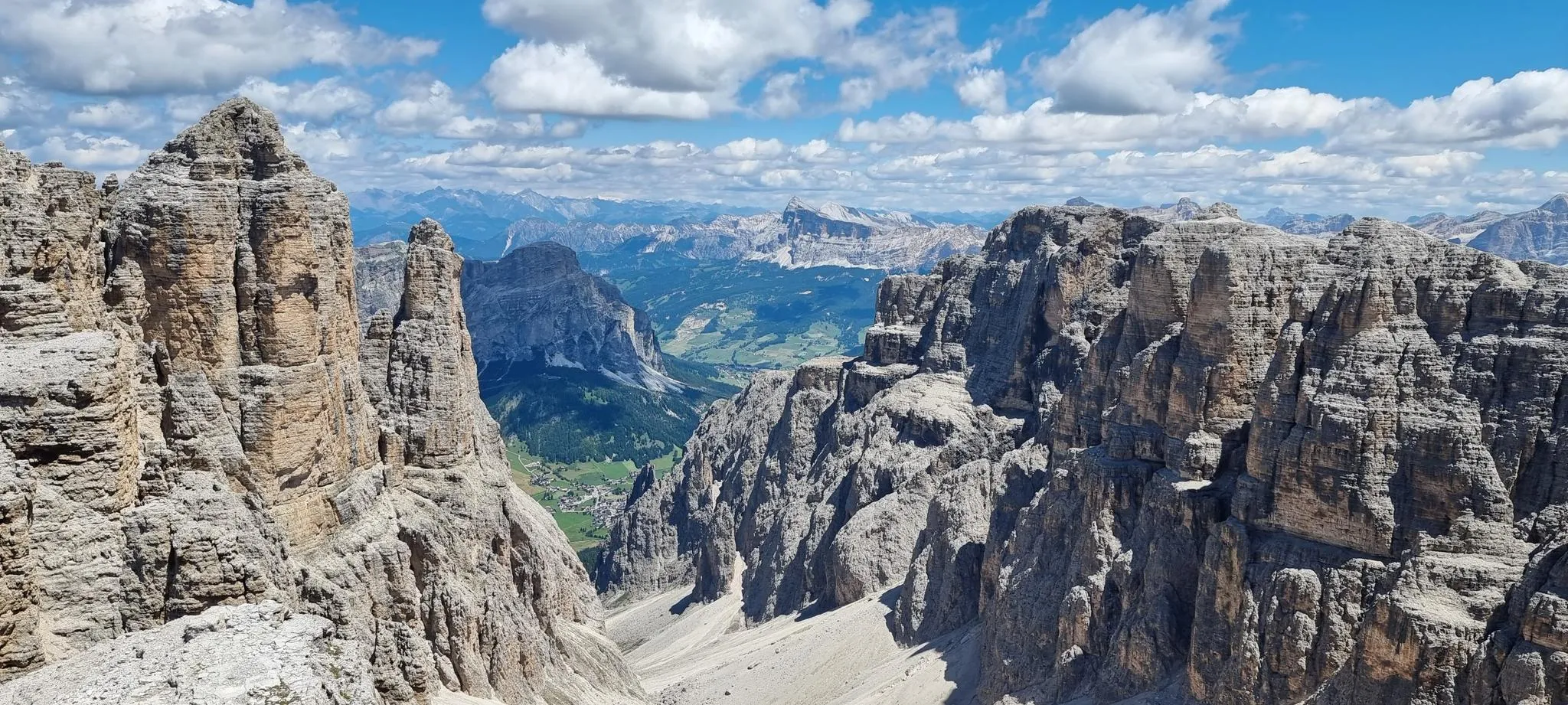
In the wake of legends – the Alta Via 2 of the Dolomites
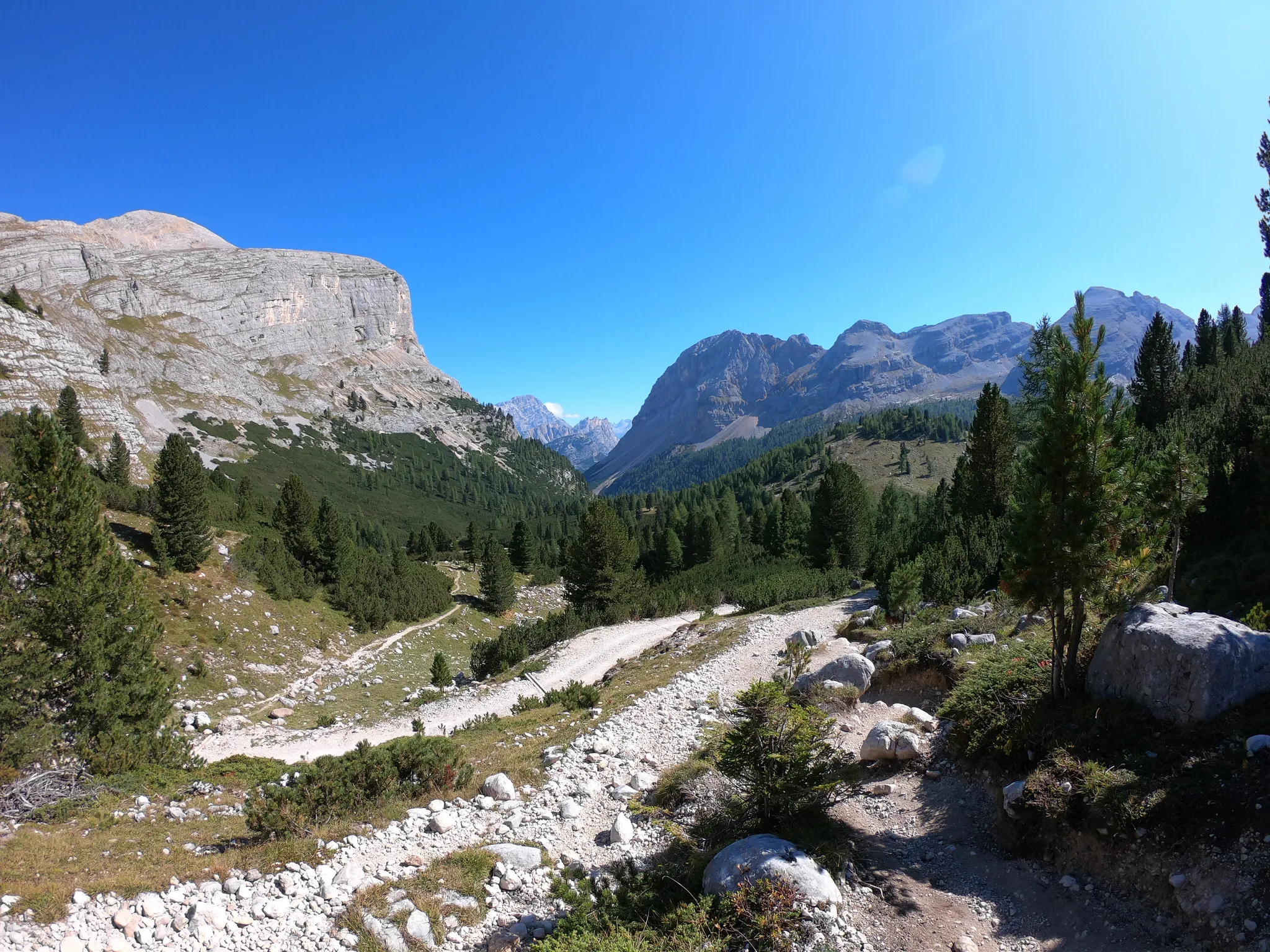
Run through the clouds – Alta Via 1 in the Dolomites
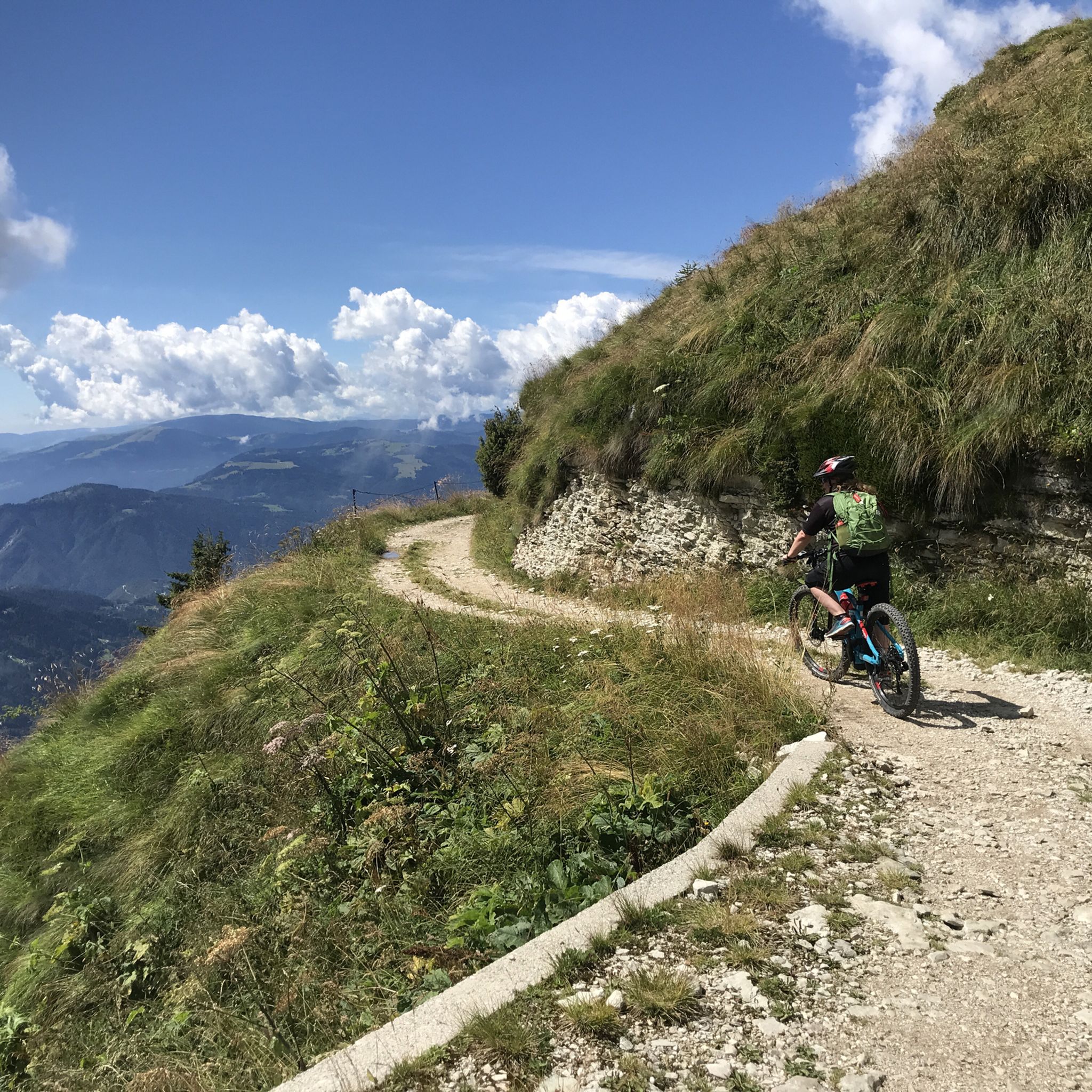
MTB Trails around Parco Nazionale Dolomiti Bellunesi
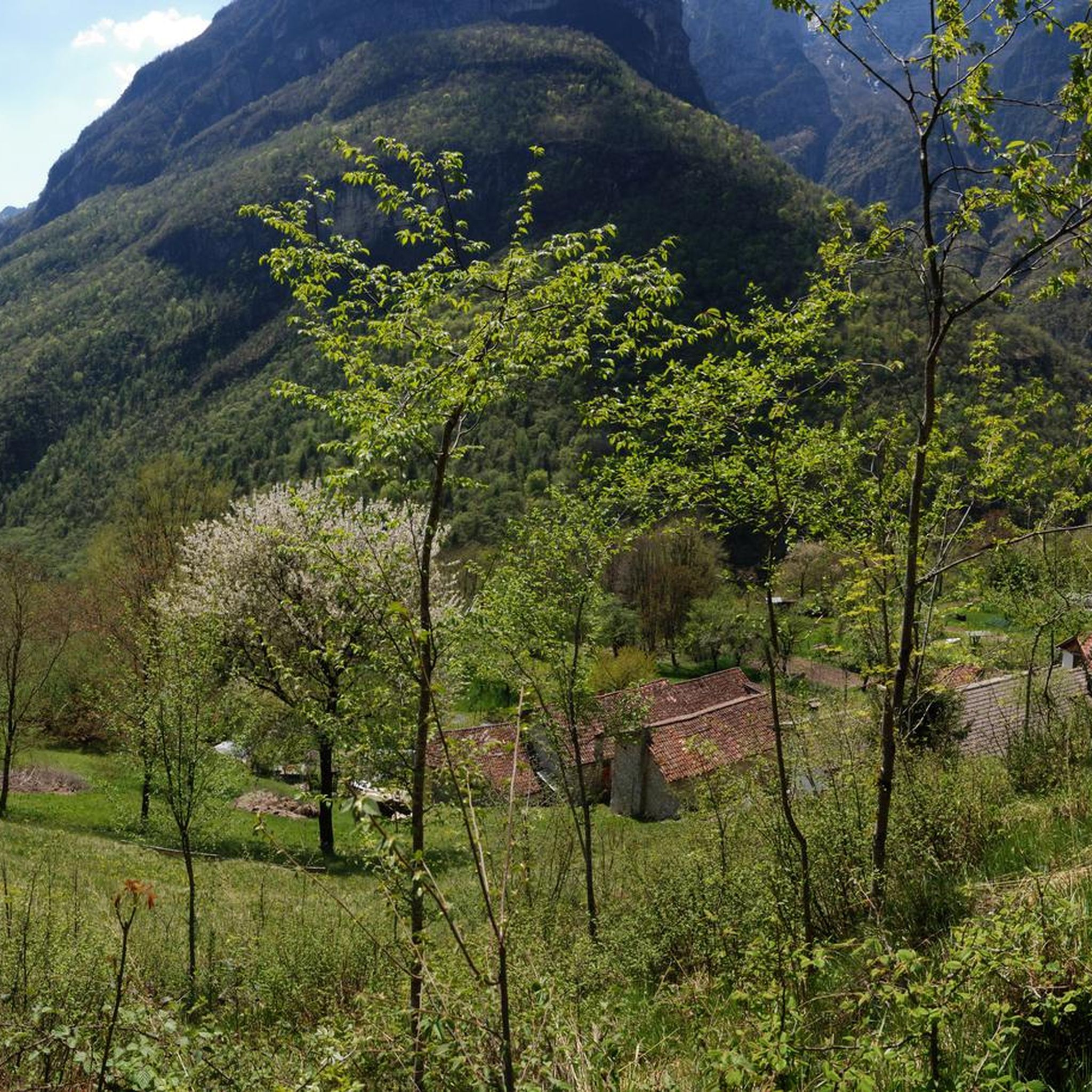
Running Trails around Parco Nazionale Dolomiti Bellunesi
Cycling around Parco Nazionale Dolomiti Bellunesi
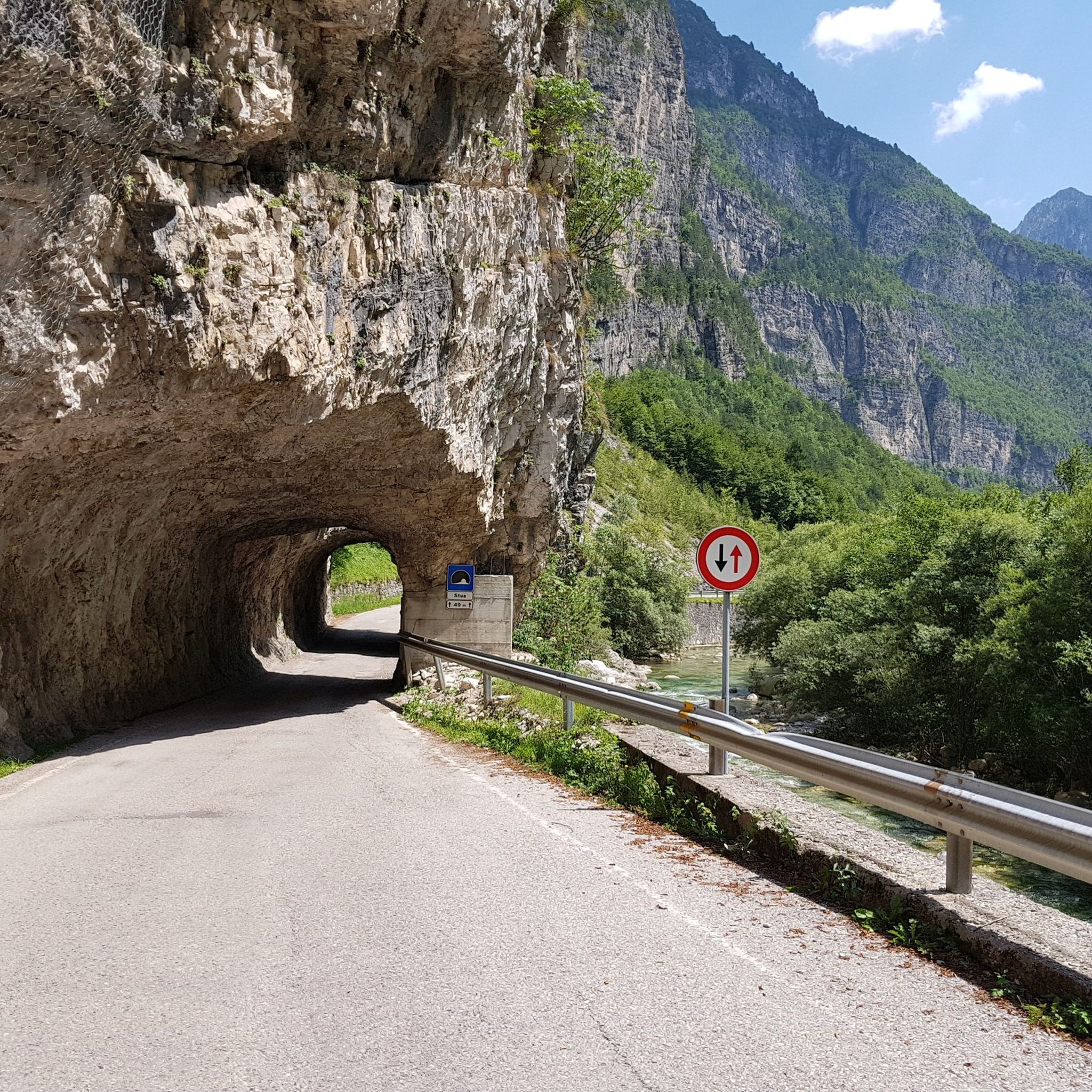
Road Cycling Routes around Parco Nazionale Dolomiti Bellunesi
Other adventures around Parco Nazionale Dolomiti Bellunesi


Tips from the Community

Lago della Stua is an artificial lake in the heart of the Belluno Dolomites, in Val Canzoi, fed by the Caorame torrent. The dam that holds it back was built between 1952 and 1953 by SADE, an Italian electricity company, with the aim of generating hydroelectric energy. Origin of the name: The name "Stua" comes from the dialect term to indicate an artificial structure that blocked a torrent, used for floating timber. This practice consisted of transporting logs through torrents and rivers, exploiting the current of the water. The construction: The Lago della Stua dam is 54.3 meters high and 32.4 meters wide, and was built in the area of Orsera, a town in Cesiomaggiore, to allow the production of hydroelectric energy. The lake extends for about 1.5 square kilometers and is home to various species of fauna. Activities: Lago della Stua is a popular destination for outdoor tourism, with opportunities for sport fishing, trekking, mountain biking and bird watching. Its panoramic position and natural beauty make it an ideal place for hiking and outdoor activities. Importance: Lago della Stua represents an important source of renewable energy for the region and an important naturalistic site, contributing to the conservation of the biodiversity of the Dolomites.
1
0

A climb without difficulty, giving you a feeling of being in the deep Dolomites.
0
0

Mouth of Lake Mis. Lake Mis is known primarily for its emerald-green pools, formed by erosion, and the Cascata della Soffia waterfall.
4
0

Piani Eterni is a beautiful plateau at about 1700m. above sea level, located in the Dolomiti Bellunesi national park. Casera Erera is located near the center of the plateau.
0
0
The artificial lake of Stua is located at an altitude of 696m. at the head of the Canzoi valley.
0
0

Bench to rest on with a wonderful view towards Lago del Mis and the southern Alpine foothills!
0
0


Located at the base of the splendid “Cadini” di Nèva, the Rifugio Boz is named after Bruno Boz, who tragically lost his life in the Nèva basin at the age of 36, falling into a grassy slope in October 1966. Following the tragedy, the CAI of Feltre committed to adapting the Malga Nèva building first to a Bivouac and then to a Refuge.
0
0
Frequently Asked Questions
How many hiking trails are available in Parco Nazionale Dolomiti Bellunesi?
Parco Nazionale Dolomiti Bellunesi offers a wide network of over 90 hiking trails. These routes cater to various skill levels, from easy walks to challenging mountain ascents, allowing visitors to explore the park's diverse landscapes.
Are there easy or family-friendly hiking options in the park?
Yes, the park features several easy and family-friendly trails. For a gentle nature experience, consider the Sentiero Natura Val Falcina Nature Trail, which is about 4.5 km long. Another accessible option is the Val di Canzoi loop, known for its picturesque scenery.
Can I find circular hiking routes in Parco Nazionale Dolomiti Bellunesi?
Absolutely. Many trails in the park are designed as loops. An example is the Sentiero Natura Val Falcina loop, offering a complete experience of the natural surroundings. For a more challenging circular route, the Lago della Stua e Malga Erera loop provides a difficult, longer trek.
What kind of natural attractions or landmarks can I see while hiking?
The park is rich in natural beauty and landmarks. You can explore stunning limestone formations, serene valleys, and diverse waterways. Notable attractions include Lake del Mis, the dramatic Cadini del Brenton (a series of pools and cascades), and the artificial Lago della Stua. Hikers can also encounter various mountain ranges like Alpi Feltrine and Schiara, with Monte Schiara being the park's highest peak.
Are there any trails that feature waterfalls or unique water formations?
Yes, the park is known for its diverse waterways. The Cadini del Brenton, located in the Mis Valley, is a particularly popular and easily accessible attraction featuring a series of pools connected by cascades. The Mis Valley itself, which you can explore via the Lake Mis trail, is home to several important rivers and streams.
What is the best season for hiking in Parco Nazionale Dolomiti Bellunesi?
The best season for hiking in Parco Nazionale Dolomiti Bellunesi is generally from late spring to early autumn (May to October). During these months, the weather is typically mild, trails are clear of snow at lower elevations, and the diverse flora is in full bloom. Higher altitude routes and via ferratas are best enjoyed in the summer months (July and August).
Is Parco Nazionale Dolomiti Bellunesi dog-friendly?
While dogs are generally welcome in Parco Nazionale Dolomiti Bellunesi, it's important to keep them on a leash to protect the park's rich wildlife, which includes species like mouflon, roe deer, and chamois. Always check specific trail regulations, as some protected areas or trails might have restrictions.
Are there options for more challenging or advanced hikes?
Yes, for experienced hikers, the park offers numerous challenging routes. The Lago della Stua e Rifugio Bruno Boz loop is a difficult 17.4 km trail with significant elevation gain. The park also features via ferratas and sections of the iconic Alta Via Dolomiti Bellunesi (Alta Via 1) for multi-day trekkers seeking demanding adventures.
What do other hikers say about their experience in Parco Nazionale Dolomiti Bellunesi?
The hiking routes in Parco Nazionale Dolomiti Bellunesi are highly rated by the komoot community, with an average score of 4.5 stars from over 1800 reviews. Hikers often praise the stunning Dolomite landscapes, the tranquility compared to other areas, and the diverse range of trails suitable for all abilities.
How accessible are the trailheads by public transport or car, and is parking available?
Many trailheads within Parco Nazionale Dolomiti Bellunesi are accessible by car, and parking is generally available at popular starting points, though it can be limited during peak season. Public transport options exist to reach some of the park's main access points, but it's advisable to check local bus schedules in advance, especially for more remote trailheads.
Are there mountain huts or places to stay overnight along the trails?
Yes, the park features several active mountain huts (rifugi) and bivouacs that provide accommodation, food, and a chance to experience local cuisine. Notable huts include Giorgio Dal Piaz Mountain Hut, 7th Alpini Hut, and Sommariva al Pramperet Mountain Hut. These are essential for longer treks like the Alta Via Dolomiti Bellunesi.
What are the elevation ranges within the park?
Parco Nazionale Dolomiti Bellunesi spans a significant elevation range, from 412 meters at its lowest points to 2,565 meters at its highest peak, Monte Schiara. This variation creates a wide array of environments, from lush valleys and forests to rugged alpine terrain, offering diverse hiking experiences.
Are there any historical or cultural sites to explore while hiking?
Beyond its natural beauty, the park holds historical and cultural significance. Hikers can discover traces of ancient settlements, historical mining sites such as the Valle Imperina mining center, and architectural gems like the Certosa di Vedana. Thematic trails also delve into the region's archaeology and traditional human activities.
Most popular routes around Parco Nazionale Dolomiti Bellunesi
Most popular attractions around Parco Nazionale Dolomiti Bellunesi

Get inspired with the komoot mobile app


Explore more
Browse the best Hikes in other regions.
