The best mountain hikes around Dolomiti Friulane National Park
4.6
(19)
191
hikers
21
hikes
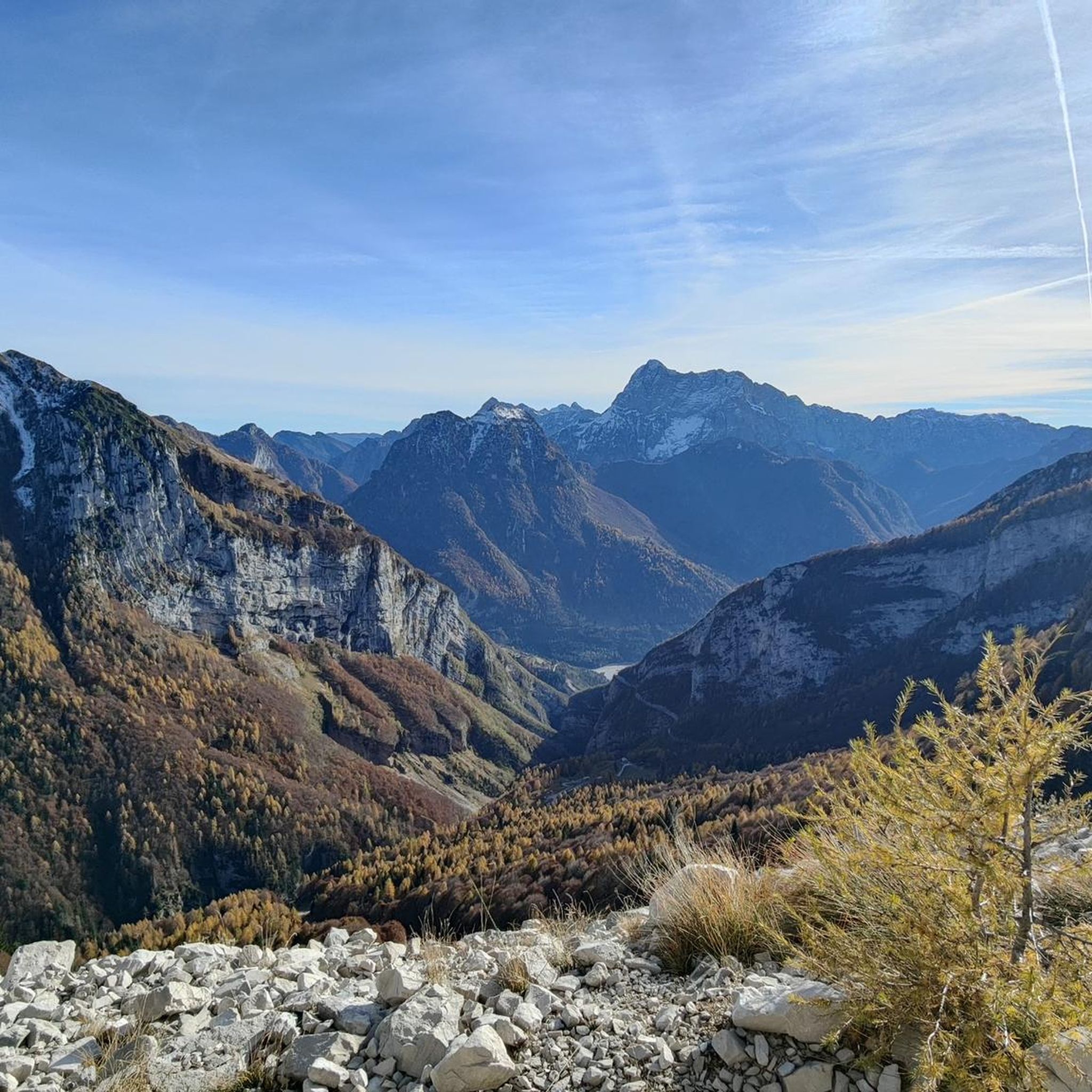
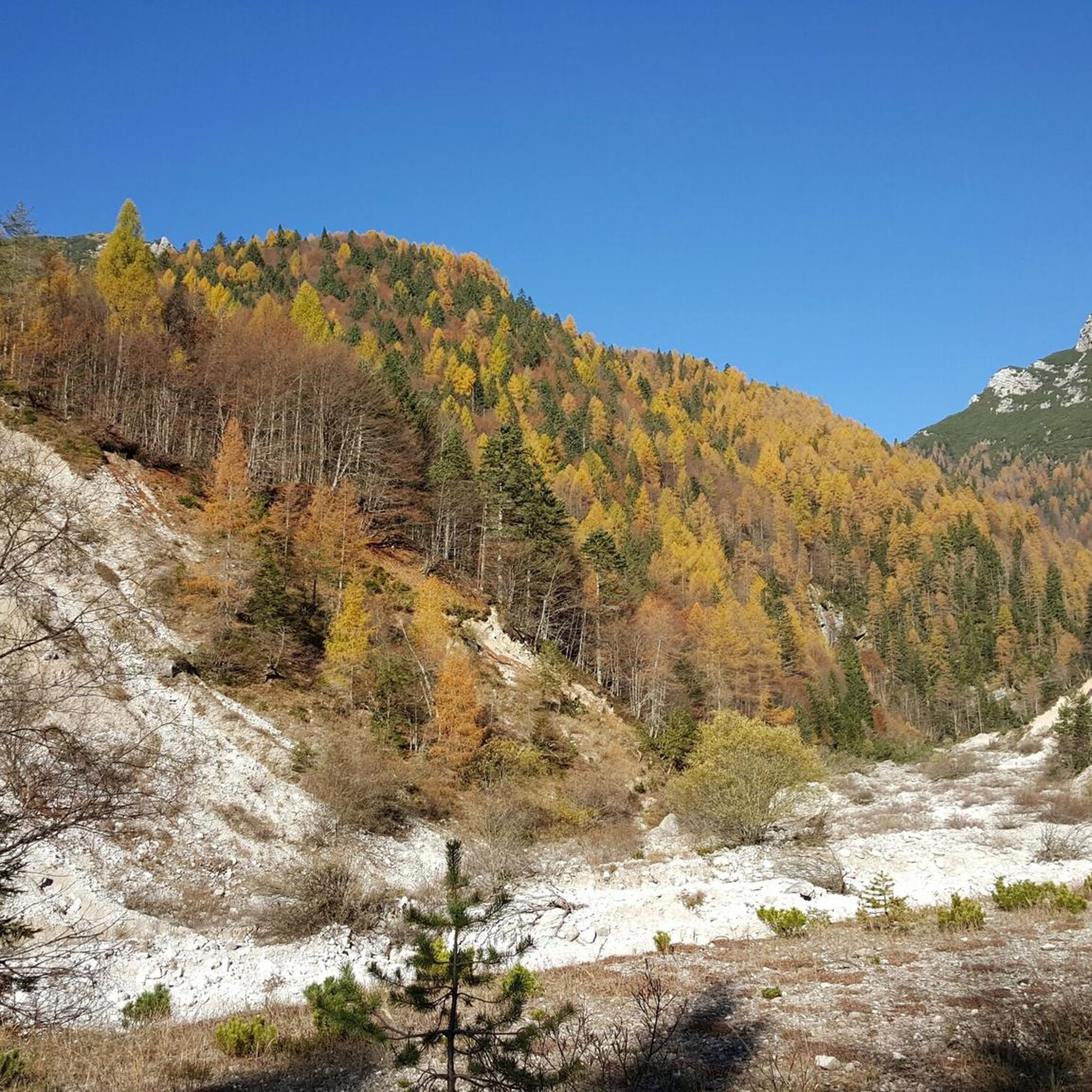
Mountaineering routes around Dolomiti Friulane National Park traverse a wild and pristine landscape, characterized by impressive Dolomitic peaks, deep valleys, and challenging, unspoiled terrain. This easternmost part of the Dolomites features continuous steep ascents and descents, often including talus slopes, with a notable absence of paved roads and towns. The region's geology includes majestic limestone formations and iconic rock towers, offering a genuine wilderness experience for experienced mountain hikers.
Best mountaineering routes around Dolomiti Friulane National Park
- The most popular…
Last updated: May 7, 2026
4.7
(6)
34
hikers
5.27km
02:41
410m
410m
Hard mountaineering route. Good fitness required. Sure-footedness, sturdy shoes and alpine experience required.
5.0
(4)
30
hikers
Moderate mountaineering route. Good fitness required. Mostly accessible paths. Sure-footedness required.

Sign up for free
5.0
(1)
12
hikers
3.34km
01:40
230m
240m
Hard mountaineering route. Great for any fitness level. Sure-footedness, sturdy shoes and alpine experience required.
7
hikers
12.6km
06:55
1,280m
1,300m
Hard mountaineering route. Very good fitness required. Sure-footedness, sturdy shoes and alpine experience required.
5
hikers
16.4km
07:06
950m
950m
Hard mountaineering route. Very good fitness required. Mostly accessible paths. Sure-footedness required.
Get access to more routes and recommendations from other explorers.
Sign up for free
Already have an account?
Our route recommendations are based on thousands of hikes, rides, and runs completed by other people on komoot.
Start today with a free account
Your next adventure awaits.
Login or Signup
Popular around Dolomiti Friulane National Park
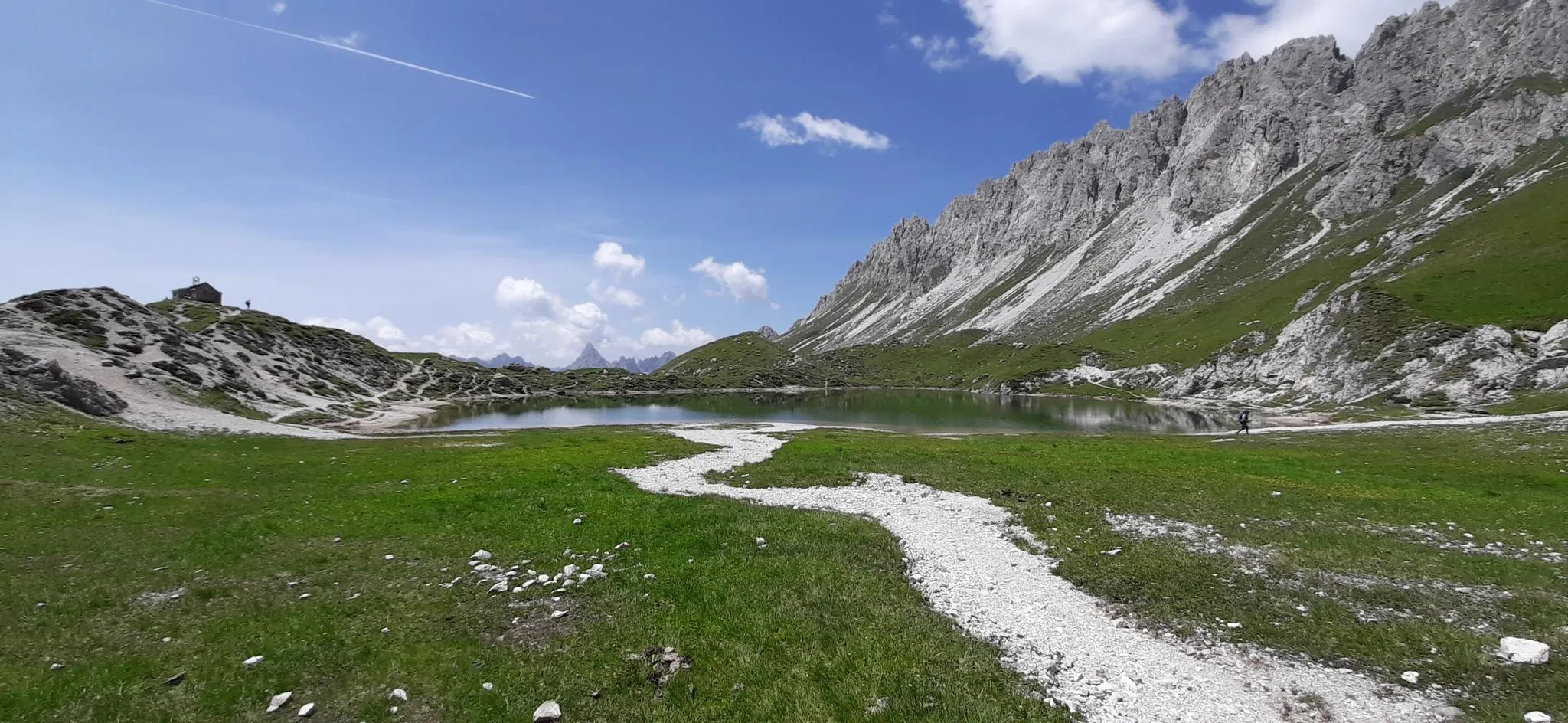
A trail running adventure in the Dolomites – Alta Via 6
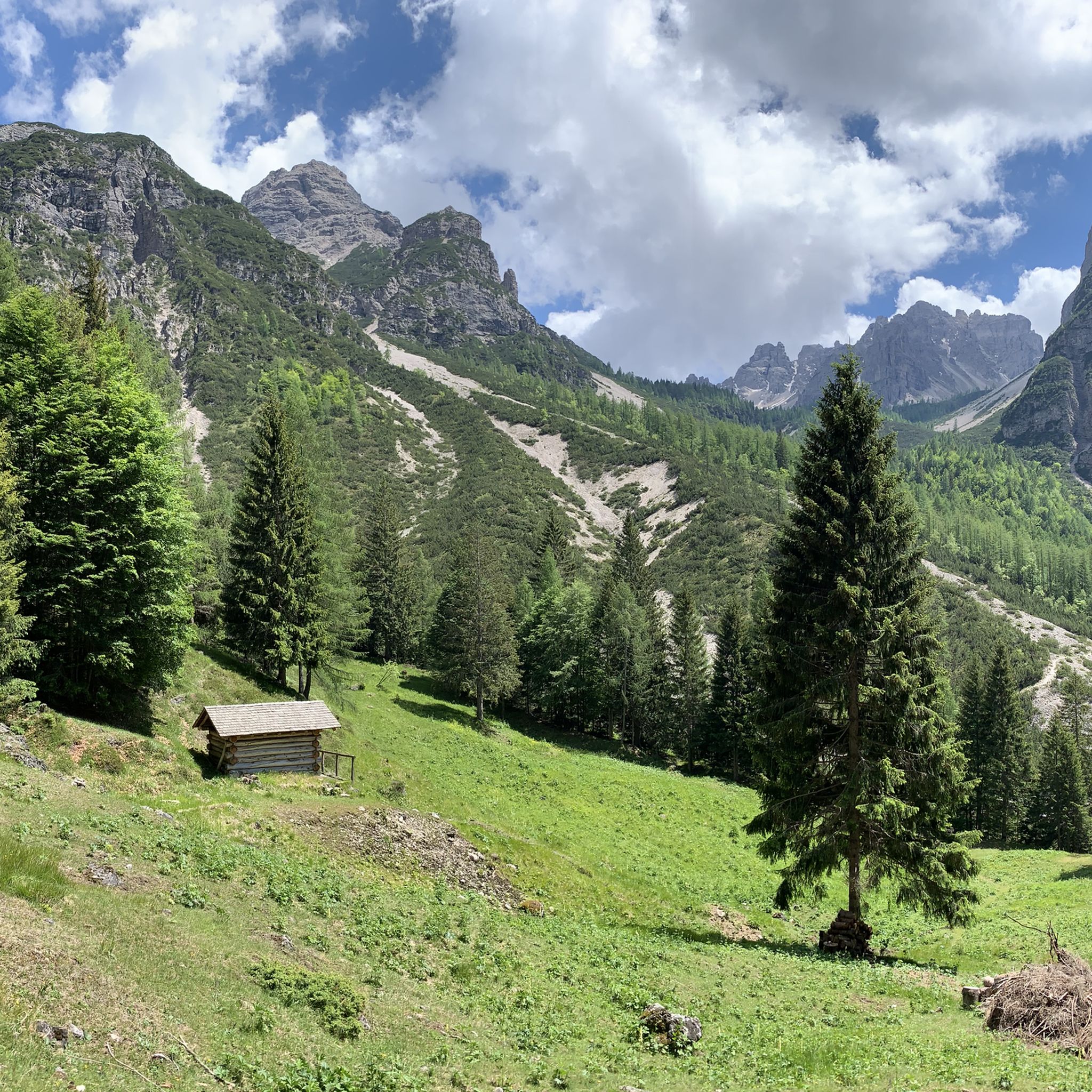
Hiking around Dolomiti Friulane National Park
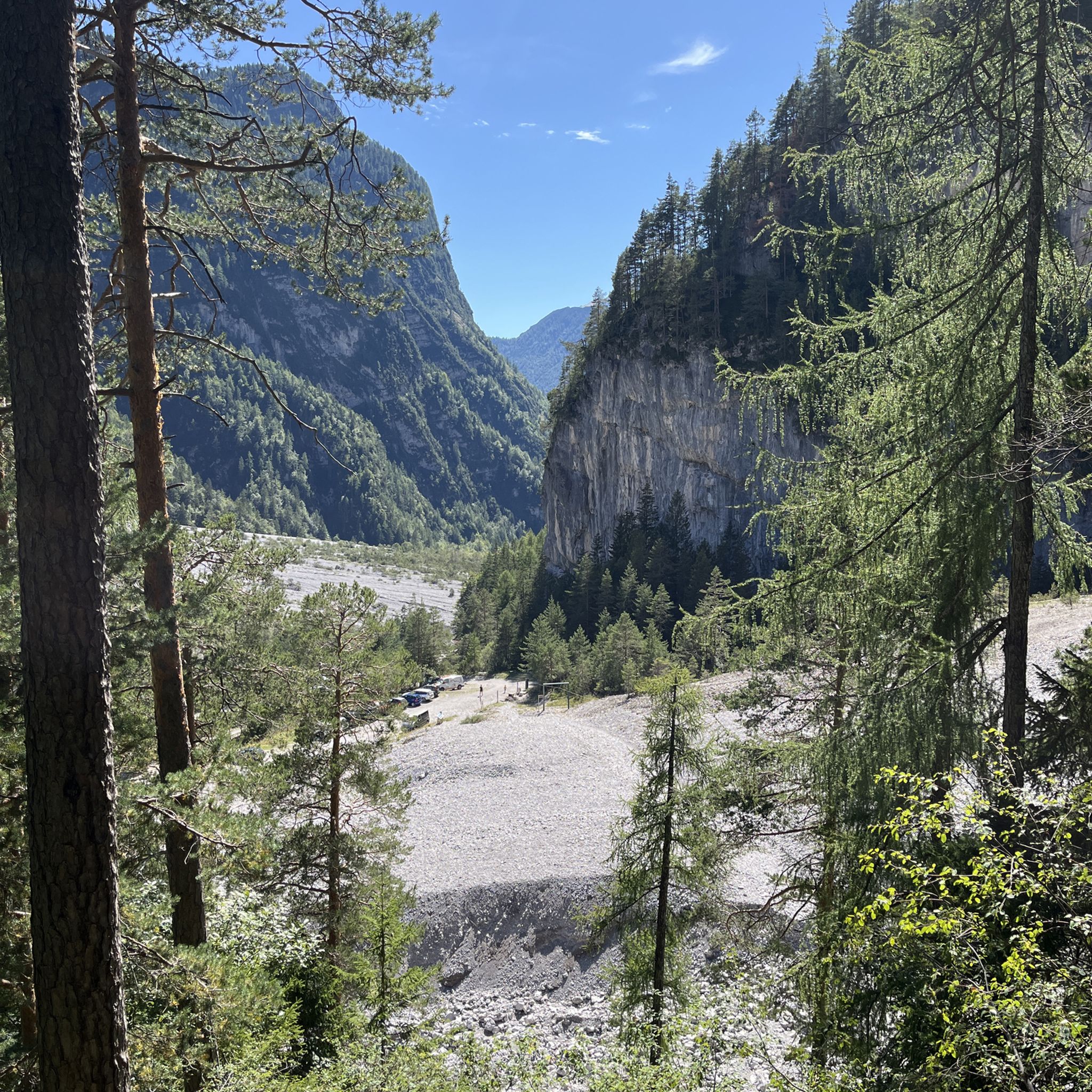
MTB Trails around Dolomiti Friulane National Park
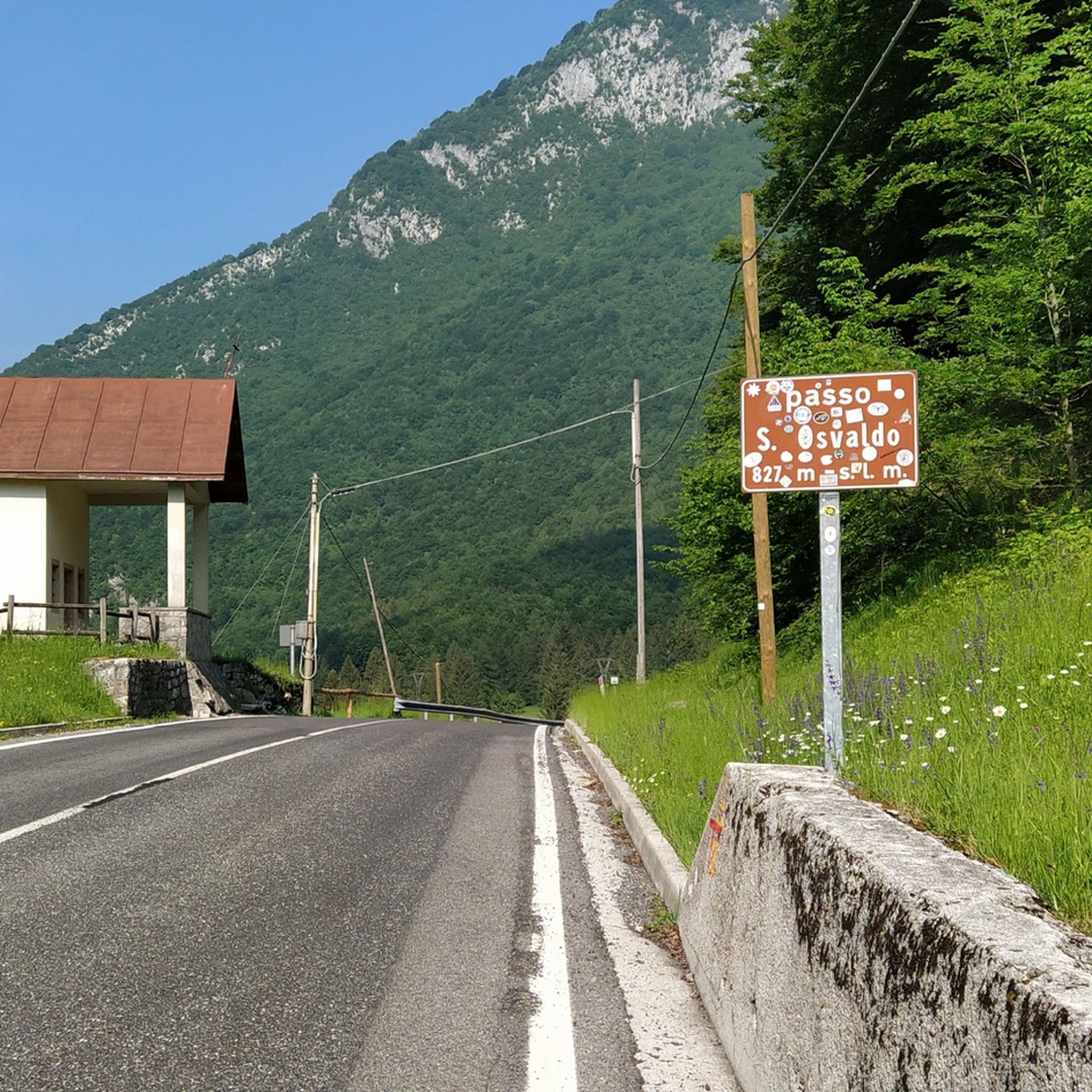
Road Cycling Routes around Dolomiti Friulane National Park
Cycling around Dolomiti Friulane National Park
Running Trails around Dolomiti Friulane National Park

Gravel biking around Dolomiti Friulane National Park
Other adventures around Dolomiti Friulane National Park

Tips from the Community

The Vajont Dam Memorial and the connected "diffuse museum" constitute a solemn historical and civil itinerary dedicated to the disaster of October 9, 1963. The Vajont Dam is located in the municipality of Erto e Casso (PN), while the main centers of historical memory and exhibition develop in Longarone.
0
0

The Vajont Dam, located in the deep gorge between Friuli Venezia Giulia and Veneto, stands imposingly as a silent and monumental warning against human hubris. Having survived almost intact the catastrophic wave of October 9, 1963, caused by the landslide of Monte Toc, the structure is today a sacred place of collective memory. The dam's crest can be traversed through touching guided tours that allow you to walk close to the precipice, observing on one side the enormous landslide body and on the other the valley below of Longarone. Near the structure stands the Memorial, where a moving spread of colorful flags commemorates the children lost in the tragedy. The entire area, combined with the nearby Visitor Center of Erto and Casso, offers a historical and educational journey essential for understanding, remembering, and honoring the victims of the disaster.
0
0

Vajont is worth visiting, for the memory of the 1963 tragedy
0
0

A tragedy dictated by human greed.
13
0

A beautiful refuge, you can truly feel the refuge atmosphere. Well-managed, excellent food. Thanks to the two managers, Marika and Ivan: extraordinary!
0
0
An incredible place to visit at different times of the year.
0
0

Long valley, almost entirely passable.
0
0

as you continue along the via ferrata you pass right above the tunnel and you can hear the cars passing by
1
1
Frequently Asked Questions
What is the typical terrain and difficulty of mountaineering routes in Dolomiti Friulane National Park?
Mountaineering routes in Dolomiti Friulane National Park are characterized by rugged, unspoiled terrain with continuous steep ascents and descents, often including talus slopes. The park is known for its challenging terrain and dramatic limestone formations. Most routes are classified as difficult, with some moderate options available for those seeking a slightly less strenuous experience. The park's wilderness character means a notable absence of paved roads and towns, offering a remote mountain experience.
Are there any moderate mountaineering routes in the park?
Yes, while many routes are challenging, there are some moderate options. One such route is the Campanile di Val Montanaia loop from Rifugio Pordenone. This 5.3 km (3.3 miles) trail offers stunning views of the iconic Campanile di Val Montanaia rock tower and is a popular choice for those looking for a rewarding but not overly extreme mountaineering experience.
What are some of the more challenging mountaineering routes in the Dolomiti Friulane National Park?
For experienced mountaineers seeking a significant challenge, routes like the Cima di Rodisegre – Spalla del Duranno loop from Casera di Conte offer demanding ascents to high peaks with extensive views. Another difficult option is the Cima Sterpezza – Monte Borgà loop from Codissago, which leads through high mountain terrain and typically takes around 7 hours to complete. These routes often involve significant elevation gains and require good fitness and alpine experience.
What natural landmarks or viewpoints can I expect to see along the routes?
The park is rich in dramatic natural features. A prominent landmark is the Campanile of Val Montanaia, an iconic 280-meter-high stone spire. You'll also encounter jagged peaks like Cima Dei Preti, Duranno, and Cridola, as well as the impressive Monfalconi group. The deep valleys, such as Val Cimoliana, also offer spectacular viewpoints as the river winds through wild, rocky gorges.
Are there any mountain huts or bivouacs available for overnight stays?
Yes, the park provides essential resting points and overnight stays. Notable examples include Giaf Hut, situated on a wooded plateau, and Rifugio Flaiban Pacherini. Other huts like Rifugio Pordenone are also part of multi-day trekking itineraries. For a more rustic experience, the Giuliano Perugini Bivouac offers a classic barrel-type shelter.
When is the best time of year for mountaineering in the Dolomiti Friulane National Park?
The best time for mountaineering in Dolomiti Friulane National Park is typically from late spring to early autumn (June to September). During these months, the weather is generally more stable, and trails are free of snow at lower to mid-altitudes. Always check local weather forecasts and trail conditions before heading out, as conditions can change rapidly in the mountains.
What kind of wildlife might I encounter in the park?
Dolomiti Friulane National Park is rich in wildlife due to its unspoiled wilderness. You might spot chamois, roe deer, red deer, and marmots. The park also hosts a growing population of Alpine ibex. Golden eagles are a symbol of the park and can often be seen soaring above the high-altitude grasslands and scree slopes.
How accessible is the park by public transport, and what about parking?
The Dolomiti Friulane National Park is known for its high degree of wilderness and a notable absence of connecting roads, which contributes to its remote feel. This means public transport options directly into the heart of the park are limited. Access is primarily by car, and parking is available at various trailheads and near mountain huts, such as at Rifugio Pordenone or Casera di Conte, which serve as starting points for many routes.
Are there any circular mountaineering routes available?
Yes, many mountaineering routes in the park are designed as loops, allowing you to start and end at the same point. Examples include the Campanile di Val Montanaia loop from Rifugio Pordenone and the Cima di Rodisegre – Spalla del Duranno loop from Casera di Conte. These circular routes offer varied scenery without retracing your steps.
What do other mountaineers enjoy most about the Dolomiti Friulane National Park?
The area is highly rated by the komoot community, with an average score of 4.6 stars from over 27 reviews. Reviewers often praise the park's unspoiled wilderness, the sense of solitude, and the dramatic, rugged landscapes. The challenging nature of the routes and the unique geological formations, such as the iconic Campanile di Val Montanaia, are frequently highlighted as major draws for experienced mountain hikers.
Are there any lakes or historical sites near the mountaineering routes?
Yes, there are several interesting sites. You can find lakes such as Lake Selva and Lake Cà Selva. For a historical perspective, the Ruins of the Submerged Village of Erto at Vajont Lake offer a poignant glimpse into the region's past. The Cà Zul Dam on Lake Ciul is another notable man-made monument in the vicinity.
Most popular routes around Dolomiti Friulane National Park
Most popular attractions around Dolomiti Friulane National Park

Get inspired with the komoot mobile app


Explore more
Browse the best Mountain Hikes & Routes in other regions.
