Attractions and Places To See around Regional Park Roccamonfina - Foce Garigliano - Top 14
Best attractions and places to see around Regional Park Roccamonfina - Foce Garigliano are found within a protected area spanning approximately 11,000 hectares, encompassing an ancient extinct volcano and the mouth of the Garigliano River. This region, nestled between the provinces of Caserta and Latina, offers a rich tapestry of natural beauty and historical landmarks. The park's prominent natural feature is the Roccamonfina Volcano, an ancient stratovolcano with a caldera, surrounded by extensive centuries-old chestnut woods. Visitors can explore diverse…
Last updated: May 5, 2026
Sundial and Wooden Sculptures in Piazza Nicola Amore, Roccamonfina
Highlight • Monument
Translated by Google •
Tip by

Orto della Regina Megalithic Walls
Highlight • Historical Site
Translated by Google •
Tip by

Sign up now to discover places like this
Get recommendations on the best single tracks, peaks, & plenty of other exciting outdoor places.
Sign up for free
Sanctuary of Most Holy Mary of the Lattani
Highlight • Religious Site
Translated by Google •
Tip by
Roccamonfina Town Center
Highlight • Settlement
Translated by Google •
Tip by

CAI Trail 912 Old Way of the Cross
Highlight (Segment) • Trail
Translated by Google •
Tip by
Sign up for free to discover even more attractions around Regional Park Roccamonfina - Foce Garigliano.
Sign up for free
Already have an account?
Start today with a free account
Your next adventure awaits.
Login or Signup
Popular around Regional Park Roccamonfina - Foce Garigliano
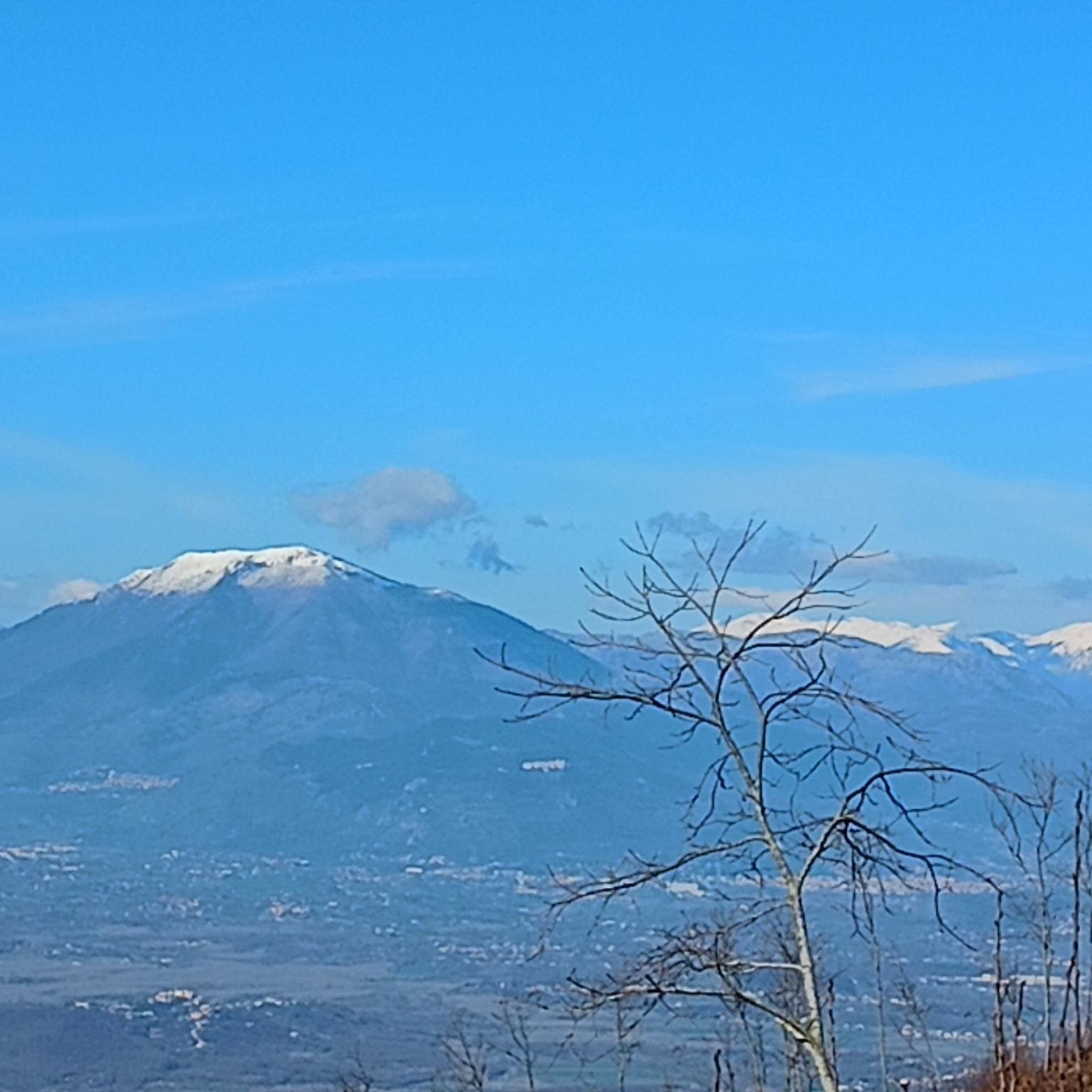
Hiking around Regional Park Roccamonfina - Foce Garigliano
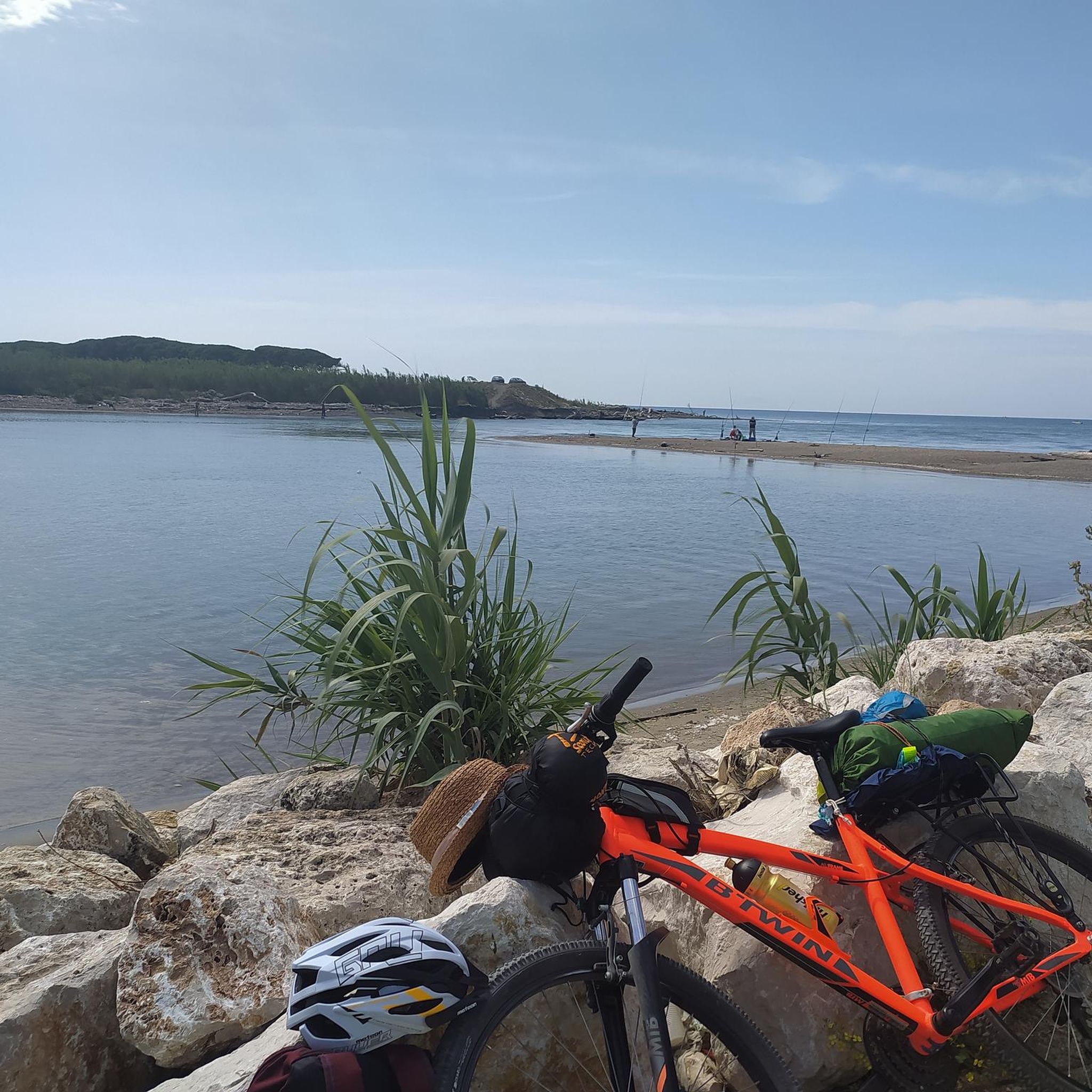
MTB Trails around Regional Park Roccamonfina - Foce Garigliano
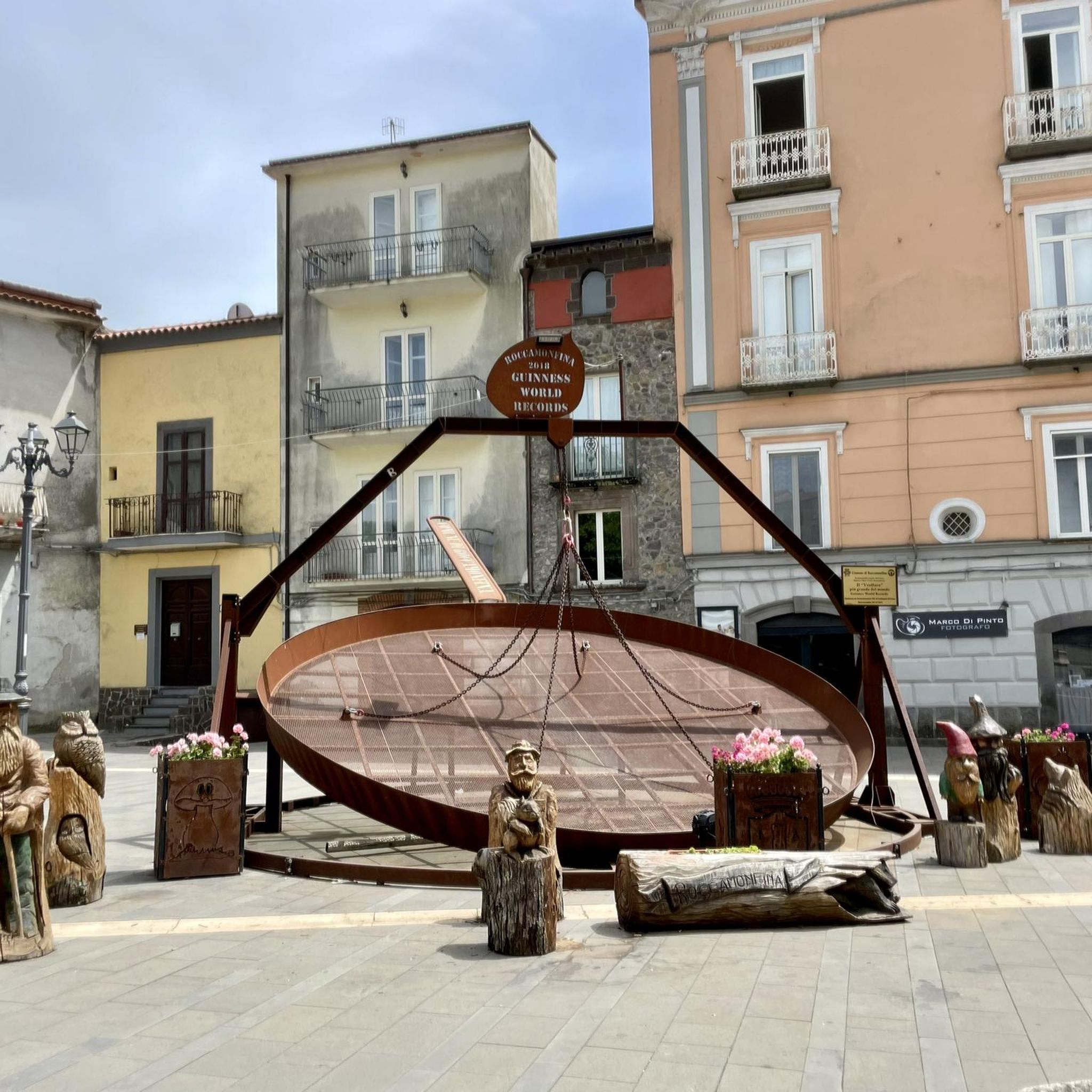
Cycling around Regional Park Roccamonfina - Foce Garigliano
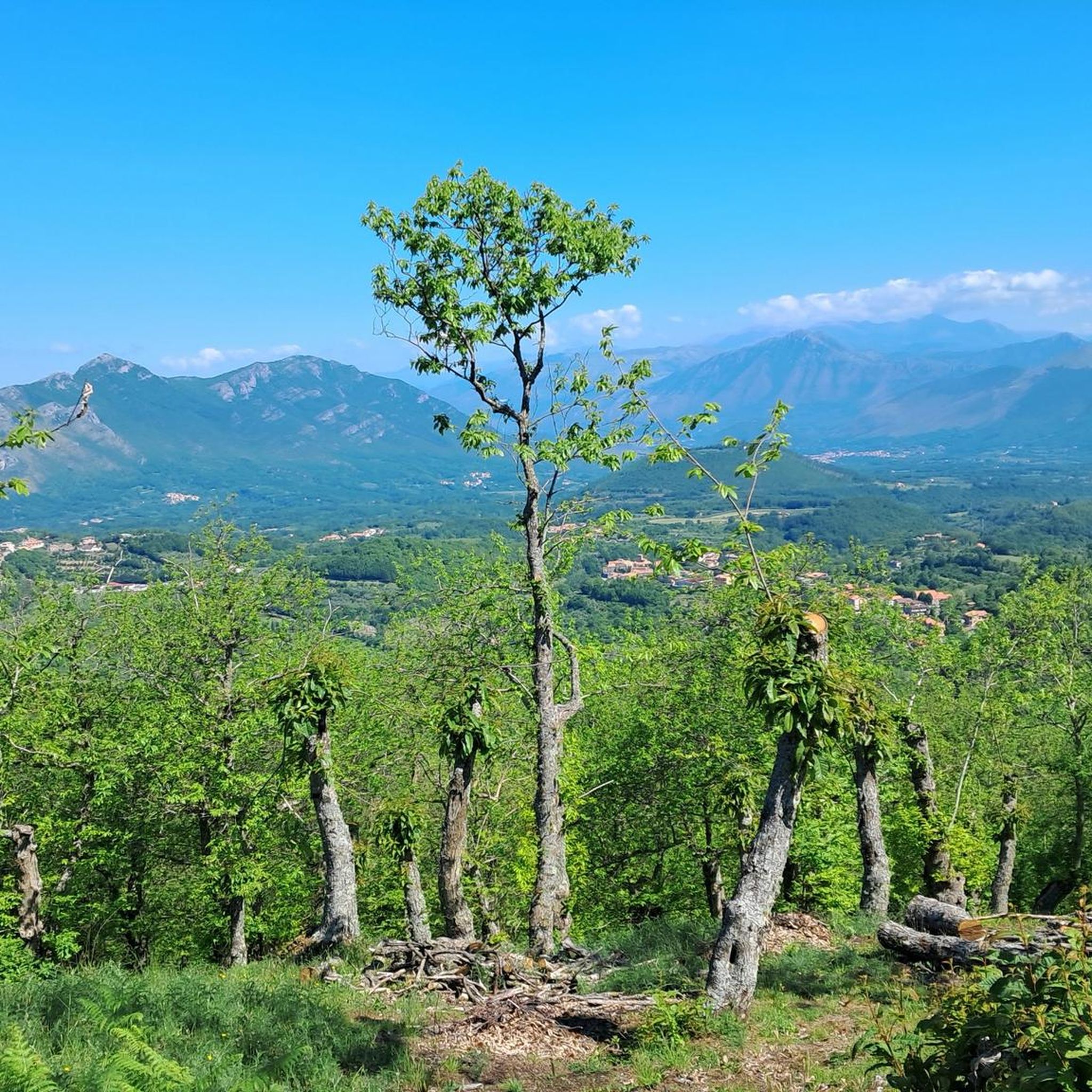
Road Cycling Routes around Regional Park Roccamonfina - Foce Garigliano

Running Trails around Regional Park Roccamonfina - Foce Garigliano
Tips from the Community

Walls of the Queen's Garden
0
0

⚠️⚠️ If going downhill, be VERY careful at the beginning (just after the gate) because there is a wide and deep water drain WITHOUT a grate above. There is a risk of getting seriously hurt!
0
0

The Garden of the Queen is a short path, easily accessible with children and offers the thrill of discovering a place shrouded in mystery. The path starts immediately uphill but is very short (about 800 meters to the destination), for where the difficulty level is really low. You know you're on the right path because there are fences that accompany you and the climb is made easier by steps made from tree trunks. A few meters later, there it was, in the middle of the forest surrounded by trees and covered in green moss. A large wall, made of enormous trachyte boulders, which extends for a perimeter of approximately 250 metres. How many millennia have passed since man laid the first stone here? It is not known, it is thought that the walls were built around the 5th century BC, evidence of the presence of man in very ancient times in this area. It is not even clear what the function was: some speak of a temple dedicated to a divinity from the pre-Roman epic, while others assume it was a military post which had the function of controlling the border areas. Even the name "garden" suggests one of these two hypotheses: "hortus" means enclosure (used in a military sense), or it can also be understood as a sacred place.
1
0
The sanctuary was founded in 1430[1] by Saint Bernardino of Siena and Saint Giacomo della Marca, who had arrived there following the news of the discovery of a statue of the Virgin in the same or previous year[2]. A first rural chapel was built, then a first church, shortly afterwards enlarged in its current form between 1448 and 1507 This event has taken on a legendary character in popular tradition. In fact it is said that, towards the end of 1300, a shepherd boy who took his goats to graze along that mountain noticed a curious fact: every day, one of the goats moved away from its companions and in the evening it was the one that gave the most milk. Intrigued, one day he decided to follow her. He was thus led in front of a cave where the goat stopped to graze on lush grass. The shepherd decided to enter it and found a trunk. He immediately thought he had found a treasure, but had to retreat when he realized that the chest was guarded by a snake with two keys in its mouth. Frightened, he went to town to call for reinforcements. Relatives and friends rushed to the cave, and when the reptile gave them the keys, the trunk was opened revealing its treasure: the icon of the Blessed Virgin in lava stone. The Grotto can still be visited next to the church Inside there is a magnificent rectangular cloister with pointed arches supported by small columns
0
0
The path is marked CAI 912 and was used for the Via Crucis, still today it is maintained and cleaned of weeds as it passes through the bush and would be immediately submerged. If it is clean, it is also passable by MTB since it goes uphill starting from Roccamonfina and leads to the Sanctuary of the Madonna dei Lattani. At its end you will find a closed gate which you can avoid by climbing stairs.
1
0

Easily reachable by cycling in the middle of nature........
0
0

beautiful in this season for the flowering gorse
0
0

Stone structure with a dominant view over the entire territory.
0
0
Frequently Asked Questions
What are the most popular attractions around Regional Park Roccamonfina - Foce Garigliano?
Among the most popular attractions are the Sundial and Wooden Sculptures in Piazza Nicola Amore, Roccamonfina, which serve as a gateway to the park. Visitors also highly rate the Roccamonfina Town Center, nestled within the volcano's crater, and the ancient Orto della Regina Megalithic Walls, offering dominant views over the territory.
What natural features can I explore in the Regional Park Roccamonfina - Foce Garigliano?
The park is centered around the ancient, extinct Roccamonfina Volcano, featuring a caldera and fertile soil supporting extensive centuries-old chestnut woods. You can also find the picturesque Savone River with its waterfall, the Garigliano River mouth, and thermal springs in nearby towns. The area is rich in diverse wildlife and vibrant spring blooms.
Are there historical or cultural sites to visit in the area?
Yes, the region is rich in history. You can visit the Sanctuary of Most Holy Mary of the Lattani, established in 1430, or explore the remarkable Orto della Regina Megalithic Walls, thought to date back to the 5th century BC. Other notable sites include the ancient hominid footprints known as the Ciampate del Diavolo, the 19th-century Real Ferdinando Bridge, and the Roman Cryptoporticus in Sessa Aurunca.
What outdoor activities are available near the attractions?
The park offers excellent opportunities for outdoor enthusiasts. You can enjoy cycling through the natural landscape, with routes like the "Ring Tour from Sessa Aurunca to the Mondragone seafront" or the "Conca della Campania Waterfall – Conca della Campania loop from Sessa Aurunca." For more options, explore the cycling routes guide. Running is also popular, with trails such as the "Running loop from Roccamonfina." Find more details in the running trails guide.
Are there hiking trails in the Regional Park Roccamonfina - Foce Garigliano?
Yes, hiking is a popular activity, with numerous trails weaving through forests and ancient volcanic craters. One notable path is the CAI Trail 912 Old Way of the Cross, which leads uphill from Roccamonfina to the Sanctuary of the Madonna dei Lattani. This trail is maintained and offers scenic views.
What is the best time to visit Regional Park Roccamonfina - Foce Garigliano?
The park is beautiful year-round, but spring offers vibrant displays of anemones, buttercups, crocuses, orchids, and primroses. Autumn is particularly popular for the chestnut festival, celebrating the region's abundant centuries-old chestnut woods.
Are there family-friendly attractions or activities in the park?
Many attractions are suitable for families, including the Sundial and Wooden Sculptures in Piazza Nicola Amore and exploring the charming Roccamonfina Town Center. The Orto della Regina Megalithic Walls are also easily accessible with children, offering a short, intriguing path. The park also offers educational activities and naturalistic workshops.
Can I find viewpoints with panoramic vistas in the park?
Absolutely. The Orto della Regina Megalithic Walls provide a dominant view over the entire territory. Additionally, the ridge of Mount Frascara offers stunning panoramic vistas of both the Campana Coast and the caldera of the Roccamonfina volcano.
What kind of local gastronomy can I experience in the Regional Park Roccamonfina - Foce Garigliano?
The region is known for its rich local gastronomy, particularly its chestnuts, locally produced olive oil, and regional wines. The area frequently hosts popular chestnut and porcini mushroom festivals, offering a taste of local traditions.
What are some of the medieval villages worth visiting in the park area?
The park is dotted with picturesque medieval villages, each with unique local traditions and historical charm. Notable villages include Roccamonfina, Sessa Aurunca, Teano, Conca della Campania, Galluccio, Marzano Appio, and Tora e Piccilli. Exploring their historic centers offers a glimpse into the region's past.
What is the significance of the Roccamonfina Volcano?
The Roccamonfina Volcano is an ancient, extinct stratovolcano that forms the core of the regional park. Its activity ceased about 50,000 years ago, leaving behind incredibly fertile soil that now supports the region's lush vegetation, including vast chestnut woods. Its caldera includes Mount Santa Croce and Mount Lattani.
Are there any unique archaeological findings in the park?
Yes, the park is home to significant archaeological findings. Most notably, the Ciampate del Diavolo (Devil's Footprints) are preserved hominid footprints in solidified ash from a volcanic eruption 345,000 years ago. The region also has traces of ancient Aurunci and Sidicini settlements, and the Roman Cryptoporticus in Sessa Aurunca dates back to the 1st century AD.
Most popular routes around Regional Park Roccamonfina - Foce Garigliano

Get inspired with the komoot mobile app


Explore more
Still not found the Highlight you’re looking for? See guides of the top attractions in other regions:
