Parco naturale regionale Dune costiere da Torre Canne a Torre San Leonardo
Parco naturale regionale Dune costiere da Torre Canne a Torre San Leonardo
The best cycling routes around Parco naturale regionale Dune costiere da Torre Canne a Torre San Leonardo
4.5
(230)
1,940
riders
211
rides
Touring cycling routes around Parco naturale regionale Dune costiere da Torre Canne a Torre San Leonardo traverse a diverse landscape in Puglia, Italy, spanning approximately 8 kilometers along the coast. The region features prominent coastal dunes and expansive beaches, transitioning inland to Mediterranean scrub and significant wetlands. Further into the park, ancient olive groves, some centuries old, dominate the terrain, interspersed with karst-origin gullies known as "lame." This area offers varied topography suitable for touring cyclists.
Best touring cycling routes…
Last updated: May 6, 2026
4.3
(21)
149
riders
41.3km
02:20
100m
100m
Moderate bike ride. Good fitness required. Mostly paved surfaces. Suitable for all skill levels.
4.7
(3)
21
riders
Easy bike ride. Great for any fitness level. Mostly paved surfaces. Suitable for all skill levels.

Sign up for free
3.0
(1)
14
riders
Easy bike ride. Great for any fitness level. Mostly paved surfaces. Suitable for all skill levels.
3.8
(4)
27
riders
Moderate bike ride. Good fitness required. Mostly paved surfaces. Suitable for all skill levels.
5.0
(1)
17
riders
15.9km
00:54
30m
30m
Easy bike ride. Great for any fitness level. Mostly paved surfaces. Suitable for all skill levels.
Get access to more routes and recommendations from other explorers.
Sign up for free
Already have an account?
Our route recommendations are based on thousands of hikes, rides, and runs completed by other people on komoot.
Start today with a free account
Your next adventure awaits.
Login or Signup
Popular around Parco naturale regionale Dune costiere da Torre Canne a Torre San Leonardo
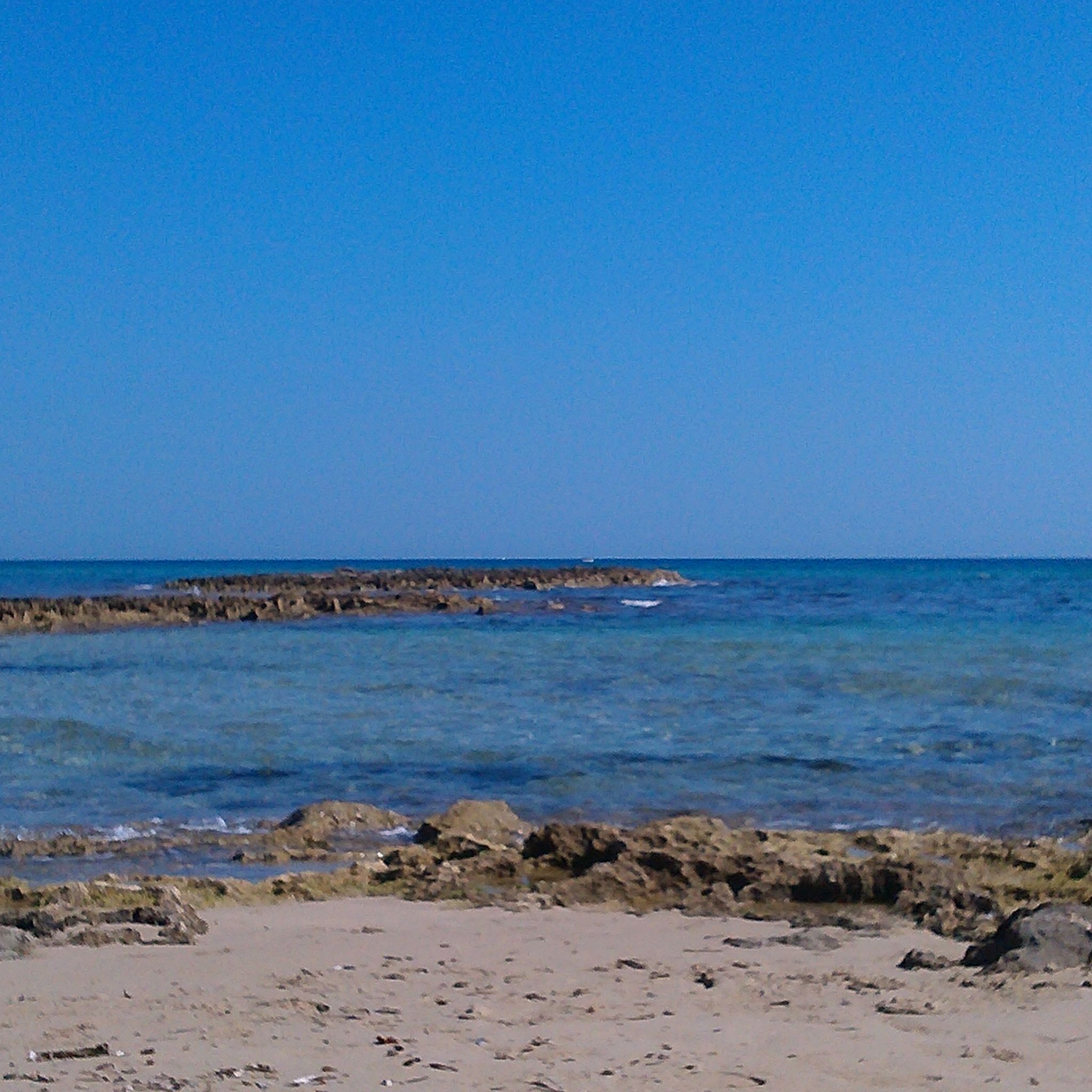
Road Cycling Routes around Parco naturale regionale Dune costiere da Torre Canne a Torre San Leonardo
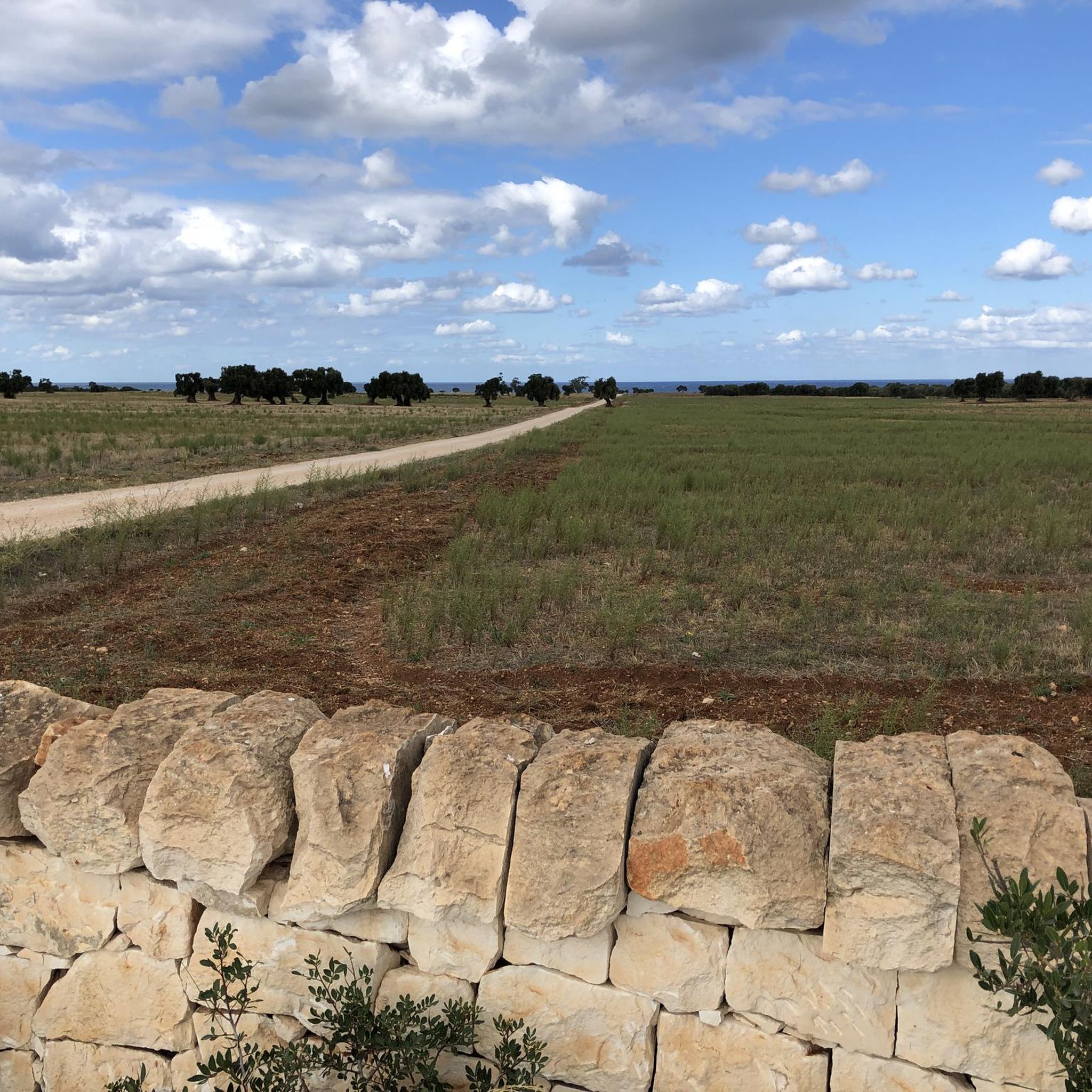
Hiking around Parco naturale regionale Dune costiere da Torre Canne a Torre San Leonardo
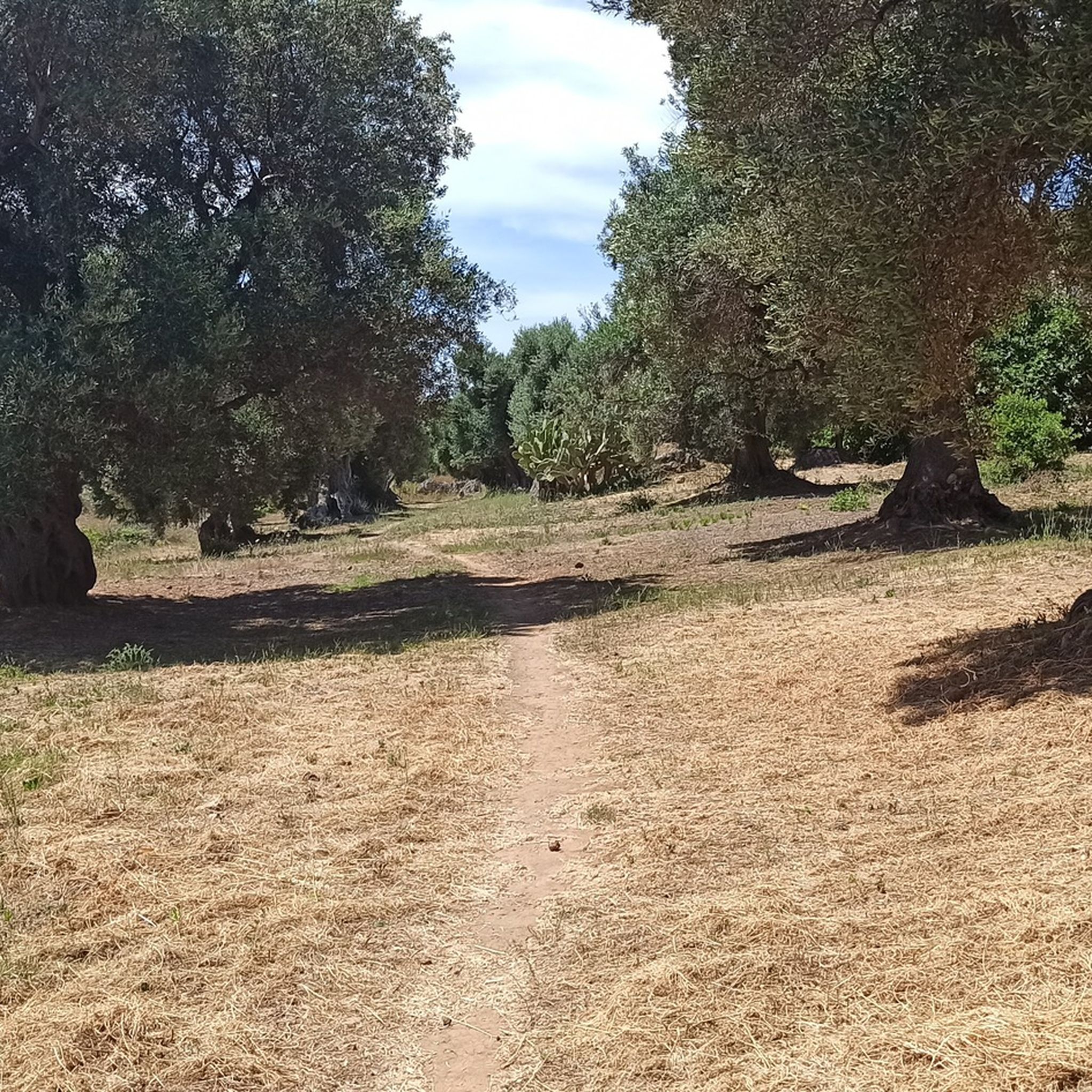
MTB Trails around Parco naturale regionale Dune costiere da Torre Canne a Torre San Leonardo
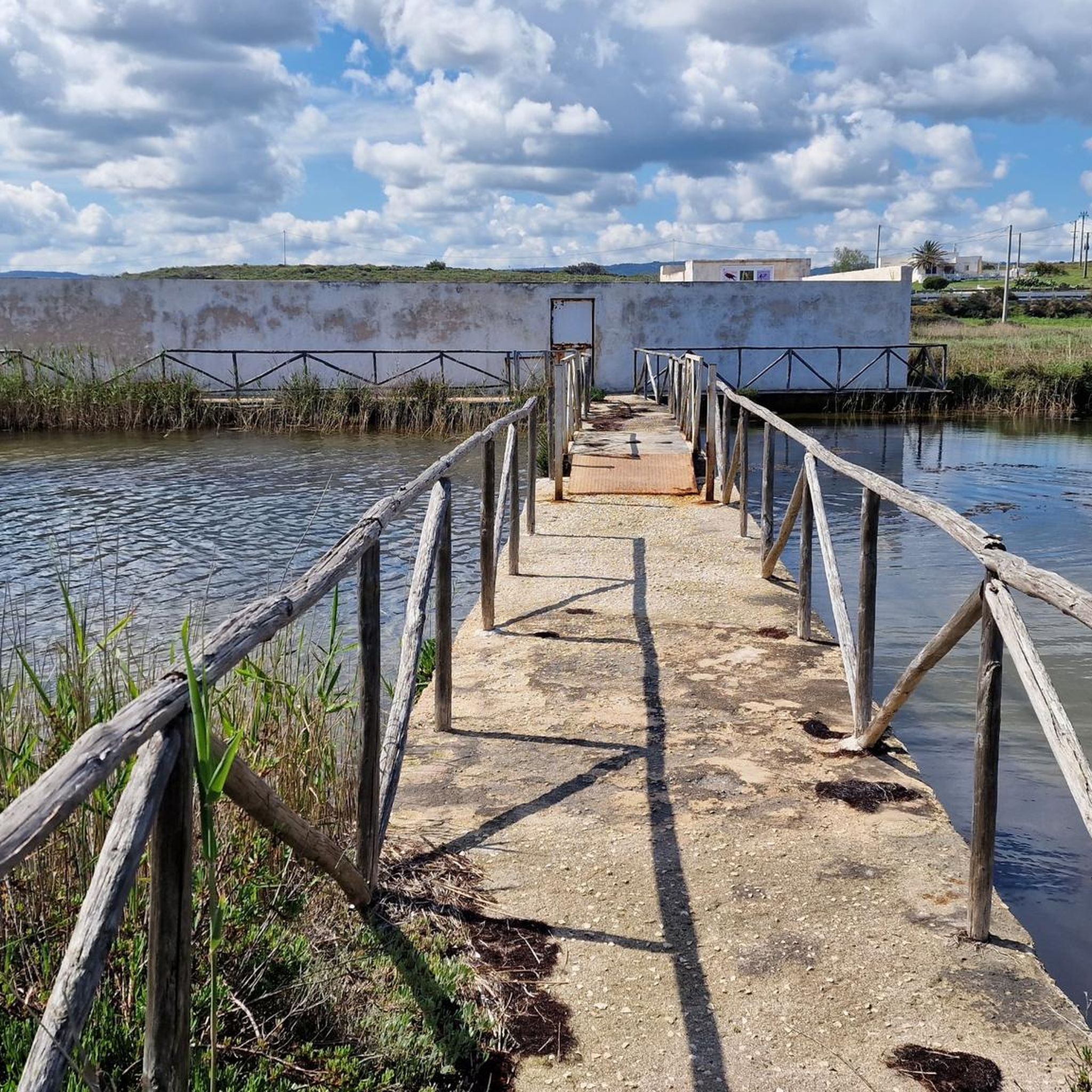
Running Trails around Parco naturale regionale Dune costiere da Torre Canne a Torre San Leonardo

Gravel biking around Parco naturale regionale Dune costiere da Torre Canne a Torre San Leonardo
Tips from the Community

It was part of a Franciscan monastery that existed until 1809 and today, together with the former monastery, which is now the town hall, forms an important cultural center of the city. Originally Gothic, the facade was renovated in the Baroque style in the 17th century. The interior is characterized by a single nave, side altars, and colorful stained glass windows.
1
0

A church dating back to 1304, built by the Conventual Fathers Minor, who cared for it for over five centuries, the church of San Francesco, following the first suppression of the religious orders, was handed over to the Archconfraternity of the Immaculate Conception, which still manages it today.
4
0

This cycle path also allows you to cycle against the one-way street along Via Procaccia.
0
0
Via Procaccia can now also be used against the one-way street on a cycle path.
0
0
An easily navigable stretch of dirt trail. Immersed in a mix of Mediterranean flavors, including fig groves, rosemary bushes, and oregano. A place to stop and observe the Mediterranean spirit of the coast.
4
0

The Torre Canne Lighthouse is a landmark of the seaside resort of the same name in the municipality of Fasano in Apulia, Italy. Built starting in 1927, it is a 35-meter-high, octagonal tower that illuminates the coast with its light. The lighthouse is surrounded by modern architecture that blends harmoniously with its surroundings, with palm trees, fountains, and bronze sculptures. The lighthouse is more than just a navigation point. It is a symbol of the town and its history, which dates back to the 16th century, when a coastal watchtower (torre) was built for protection against the Turks. The name "Torre Canne" derives from this ancient watchtower and the presence of giant reeds.
2
0


Porto Ghiacciolo is one of the most charming coves in Monopoli, located south of the city center, at the foot of the Abbey of Santo Stefano. This beach is characterized by fine, light sand, crystalline waters that vary from emerald green to intense blue, and gently sloping seabeds, making it ideal for swimming and snorkeling. The name "Ghiacciolo" comes from the fresh sea currents that cross the area, giving the water a pleasantly refreshing temperature even in the hottest months.
0
0
Frequently Asked Questions
How many touring cycling routes are available in Parco naturale regionale Dune costiere da Torre Canne a Torre San Leonardo?
There are over 200 touring cycling routes in the park. These routes cater to various skill levels, with 37 easy, 91 moderate, and 73 difficult options to explore the diverse landscapes.
What kind of terrain can I expect on the touring cycling routes in this park?
The terrain is quite varied, offering a mix of coastal paths along dunes and beaches, inland routes through ancient olive groves, and sections of Mediterranean scrub. Many routes are generally flat with even surfaces, making them suitable for touring cyclists. You'll find a combination of asphalt and gravel surfaces, with some routes featuring approximately 70% asphalt and 30% gravel.
Are there family-friendly touring cycling routes suitable for beginners?
Yes, the park offers a good selection of easy routes perfect for families and beginners. These trails often feature gentle gradients and well-maintained surfaces. One such route is the Parish church of Torrecanne – Ottava Grande Farmhouse loop from Torre Canne, which is an easy 21.9 km ride.
What historical and cultural attractions can I discover along the cycling routes?
The park is rich in history. Cyclists can explore sections of the ancient Roman Appian-Trajan Way. Notable historical sites include the prehistoric Montalbano Dolmen, ancient underground oil mills (Frantoi Ipogei), and historical farmhouses (Masserie). You might also encounter the Lamacornola Rock Settlement and Caves or the Trappeto dell'Arco Hypogeum Olive Mill.
Are there any circular touring cycling routes available?
Yes, many routes in the park are designed as loops, allowing you to start and end at the same point. An example is the View of Ostuni – Ostuni Historic Center loop from Rosa Marina di Ostuni, a moderate 23 km route offering scenic views.
What natural features and viewpoints can be seen from the bike trails?
Cyclists can enjoy stunning views of the Adriatic Sea from the coastal dunes and expansive beaches like Lido Bosco Verde Beach and Morelli Beach. Inland, you'll cycle through monumental, centuries-old olive groves and past important wetlands, which are crucial habitats for diverse flora and fauna. The Coastal Dunes Wetland is a significant natural highlight.
What is the best time of year for touring cycling in Parco naturale regionale Dune costiere?
The region generally enjoys a Mediterranean climate. Spring (April-May) and Autumn (September-October) are often ideal, offering pleasant temperatures and less crowded trails. Summers can be hot, especially in July and August, so early morning or late afternoon rides are recommended during these months.
Is there bike-friendly infrastructure available, such as rentals or workshops?
Yes, the 'Albergabici' serves as a convenient starting point for cycling excursions within the park. It provides services such as hospitality, bicycle rentals, and a bike workshop, making it easy for visitors to access and maintain their bikes.
What do other touring cyclists enjoy most about cycling in Parco naturale regionale Dune costiere da Torre Canne a Torre San Leonardo?
The area is highly rated by the komoot community, with an average score of 4.4 stars from over 200 reviews. Reviewers often praise the diverse landscapes, from the serene ancient olive groves to the refreshing coastal paths, and the opportunity to combine natural beauty with historical exploration.
Are there any routes that offer views of the famous 'White City' of Ostuni?
Yes, some routes provide excellent opportunities to see Ostuni. The Historic Center of Ostuni – View of Ostuni loop from Cisternino is a moderate 41.7 km trail that leads through the historic center and offers panoramic views of the city.
What are the typical durations for touring cycling routes in the park?
Route durations vary significantly based on distance and difficulty. For example, an easy 22.2 km route like the Lido Bosco Verde Beach – Montalbano Dolmen loop from Rosa Marina di Ostuni might take around 1 hour 28 minutes. Longer, moderate routes, such as the 43.3 km Capitolo Beach, Monopoli – Cala Verde loop from Torre Canne, typically take about 2 hours 31 minutes.
Most popular routes around Parco naturale regionale Dune costiere da Torre Canne a Torre San Leonardo
Most popular attractions around Parco naturale regionale Dune costiere da Torre Canne a Torre San Leonardo

Get inspired with the komoot mobile app


Explore more
Browse the best Cycling routes in other regions.
